A useful photography brief sets clear priorities without trying to control every photograph
A good PR photography brief does not need to be a 20-page presentation.
It needs to explain what is happening, why the photographs are required, which moments and people matter, and what needs to be delivered afterwards.
The photographer should understand the result you need while still having enough freedom to respond to what happens on the day.
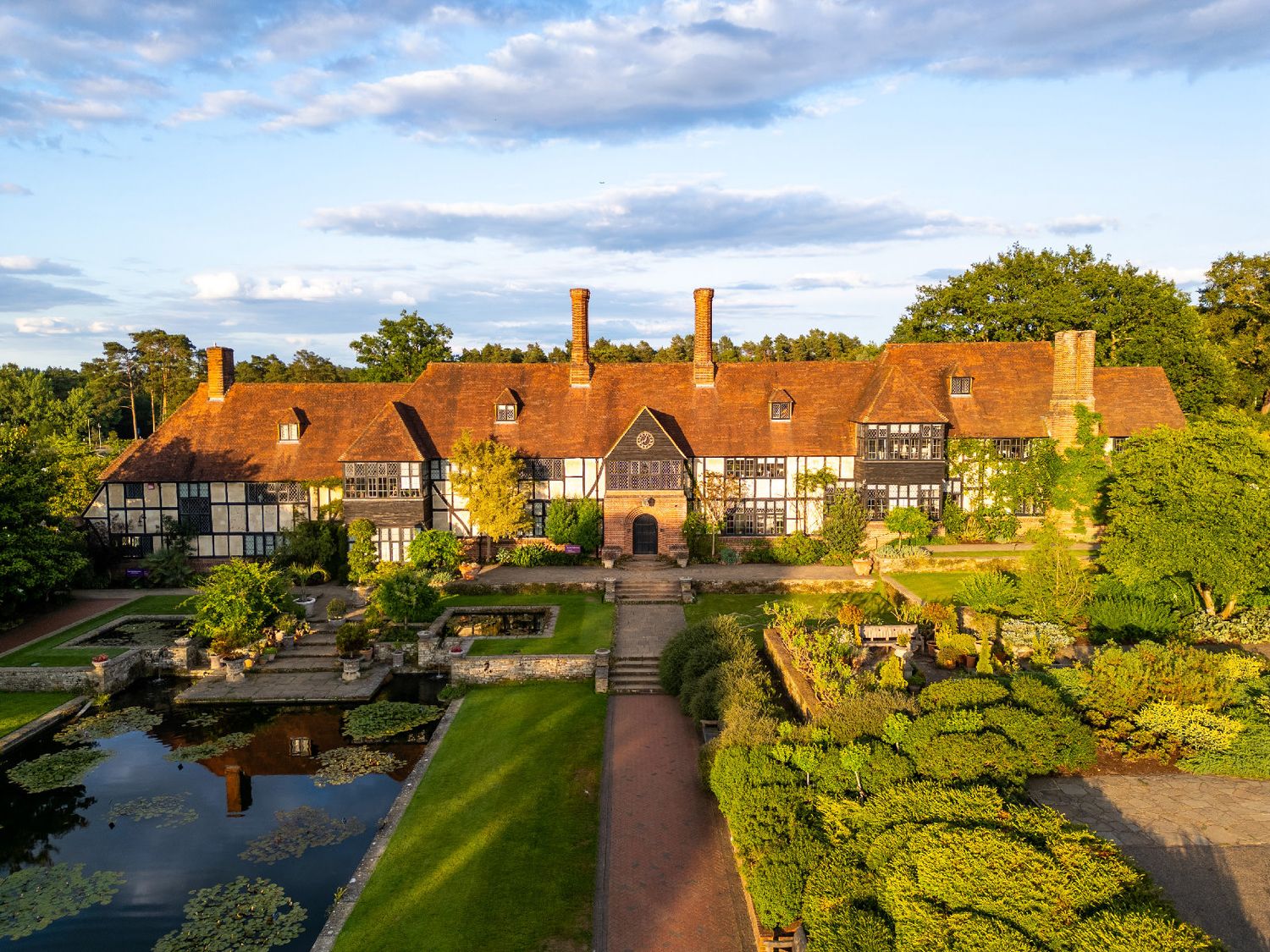
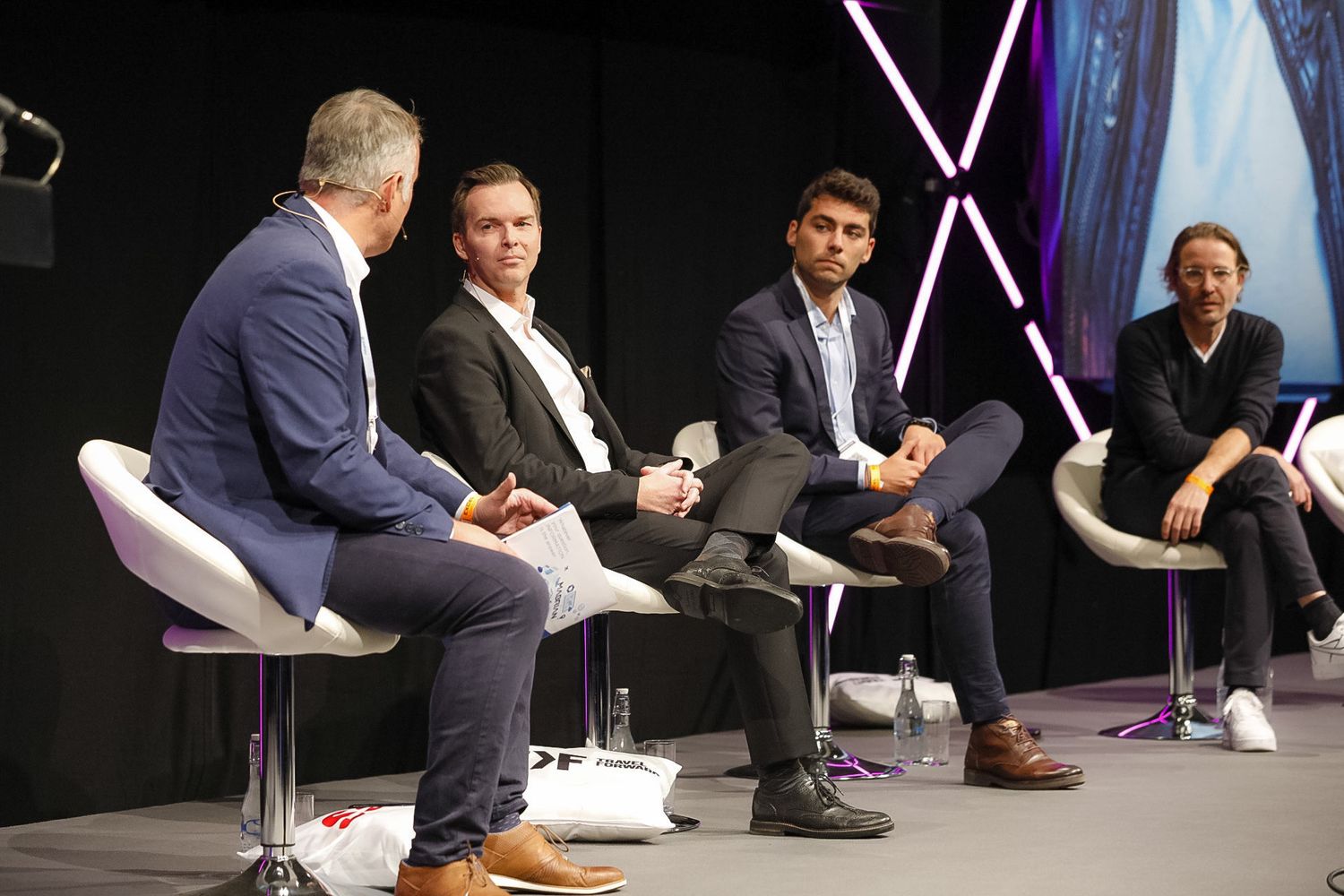
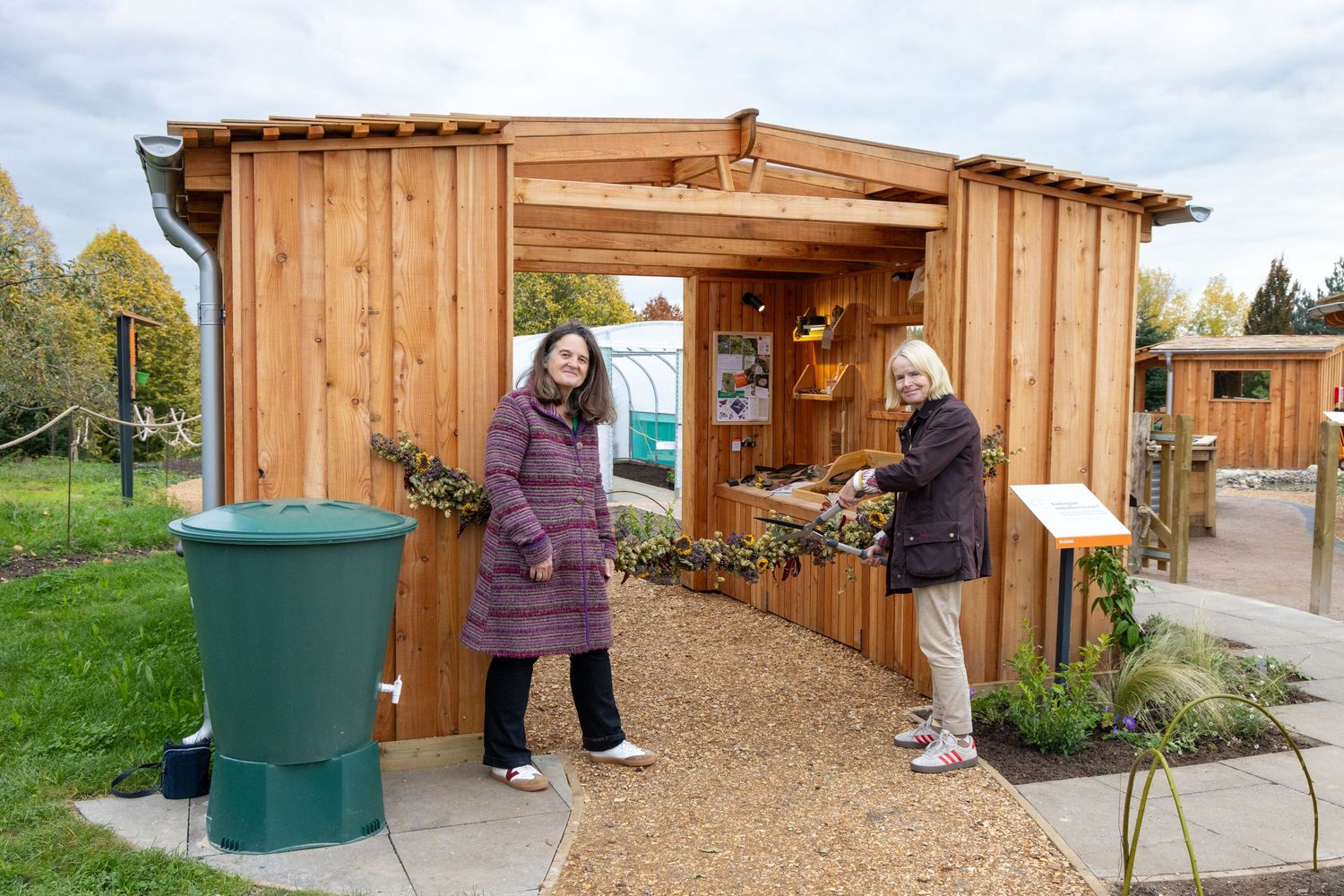
I have photographed press launches, restaurant openings, corporate announcements and events for organisations including McDonald’s, M&S and the RHS. The strongest briefs have always been clear about the outcome without attempting to dictate every frame.
This guide is specifically about live product launches, openings, press calls and corporate events. A studio product or packshot commission needs a different type of brief.
What should a PR photography brief include?
At minimum, provide:
- The event date, venue and access time
- The photography start and finish times
- A running order
- The purpose of the event or announcement
- The main story the photographs need to communicate
- Essential people, products and branding
- Non-negotiable photographs
- Preferred landscape or portrait orientation
- The approximate number of finished images required
- Where the images will be used
- The required delivery deadline
- Your contact on the day
- Any access, privacy or photography restrictions
You may not have all the details when requesting a quote. That is fine. An initial outline is normally enough to start the conversation, with a final running order and priority list supplied closer to the event.
Begin with the purpose of the photographs
The photographer needs to understand why the event is taking place and what the pictures are meant to achieve.
Is the story about:
- A new product being revealed?
- A restaurant or venue opening?
- A company milestone?
- A partnership or funding announcement?
- A new report or piece of research?
- An important guest or spokesperson?
- The experience surrounding a brand launch?
This context affects what the photographer looks for.
A launch gallery intended for press coverage needs clear photographs that communicate the story quickly. A wider marketing library may also need atmosphere, branding, customer interactions, details and images with space for text.
Simply asking for “general event photography” leaves too much open to interpretation.
Provide the timings and broad flow of the event
Send the latest running order, even if parts of it are still provisional.
Include:
- Venue access and setup
- Guest arrivals
- Speeches or presentations
- Product demonstrations
- Ribbon cuttings or official reveals
- Arranged group photographs
- Media interviews
- Networking
- The end of photography coverage
Make it obvious which moments cannot be repeated.
If a product is being revealed at 11 am or a spokesperson must leave by 11.15 am, the photographer needs to know. They can then position themselves properly instead of discovering the most important moment as it happens.
Also mention anything that needs photographing before guests arrive, such as an empty venue, a clean product display or exterior branding.
Decide whether you need quantity or a smaller press-ready collection
One of the most useful things a client can include is the approximate number of finished images expected.
This is regularly overlooked.
There is a major difference between needing 15 carefully selected photographs for an immediate press release and wanting a broad gallery covering a four-hour launch.
More images are not automatically better. A communications team working to a deadline may get more value from a concise selection of strong, varied photographs than from hundreds of near-duplicates.
My own assignments demonstrate how different briefs produce different results:
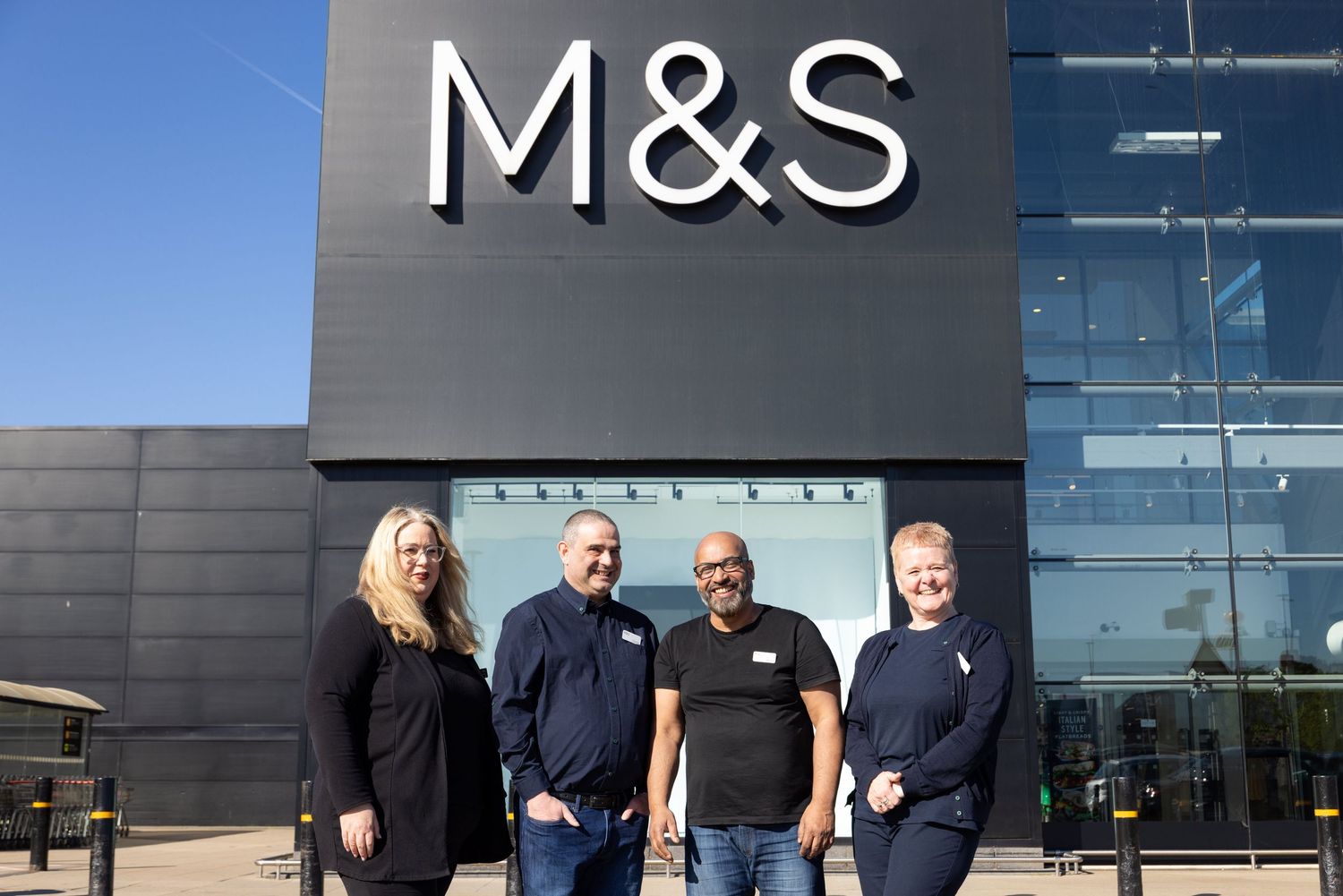
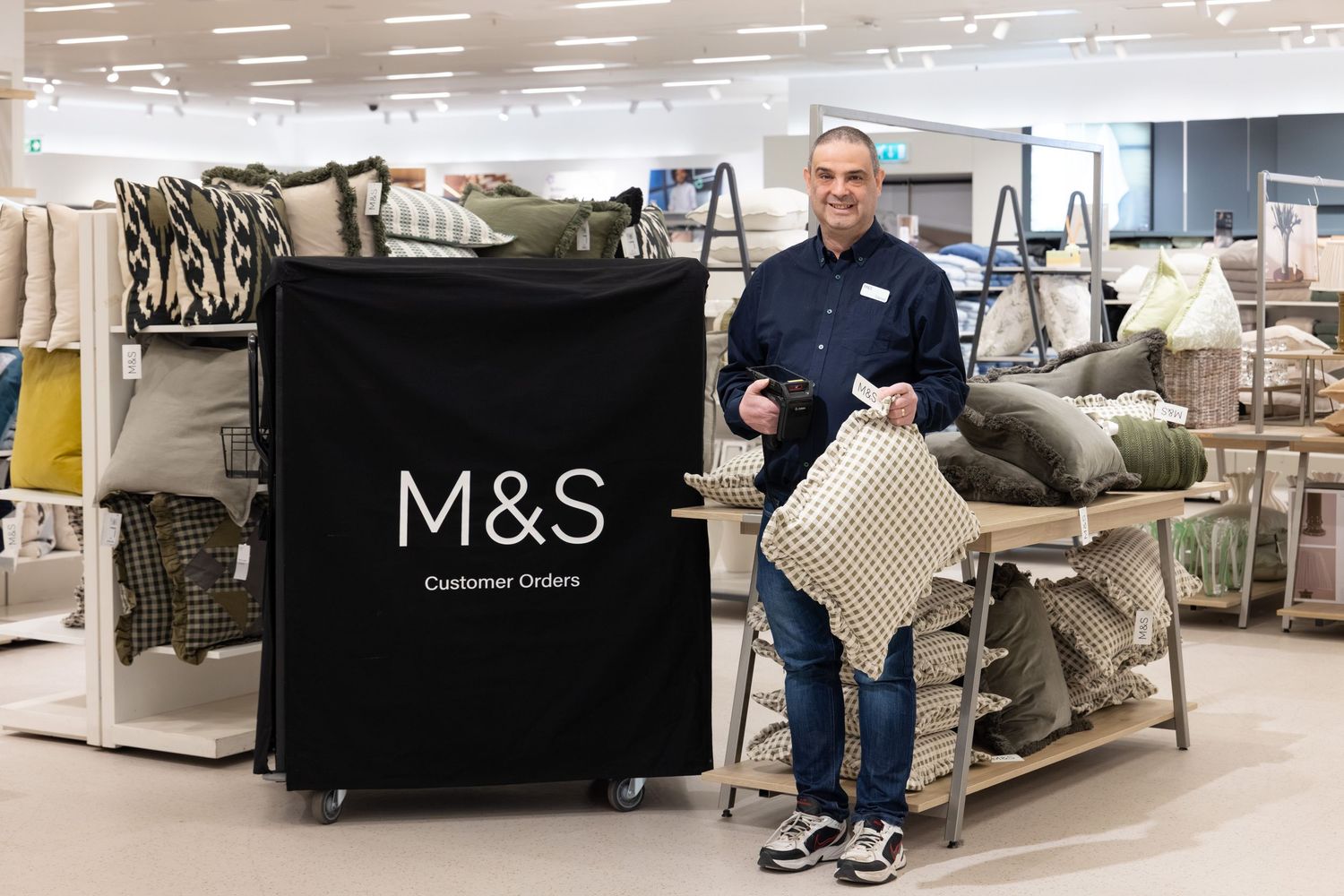
- For an M&S press photography assignment involving five colleagues, the requirement was focused. I delivered 16 edited group and individual photographs within 90 minutes.
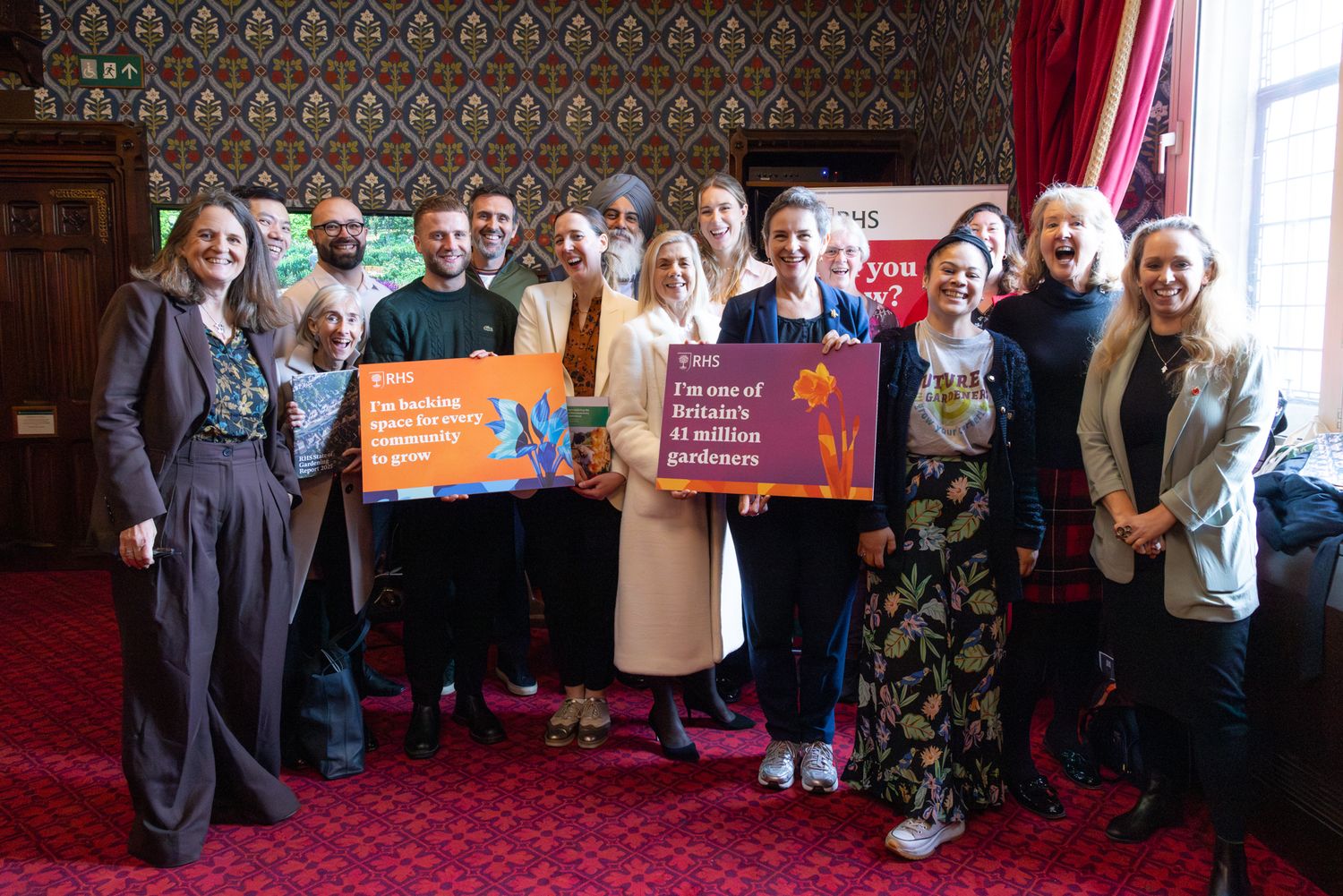
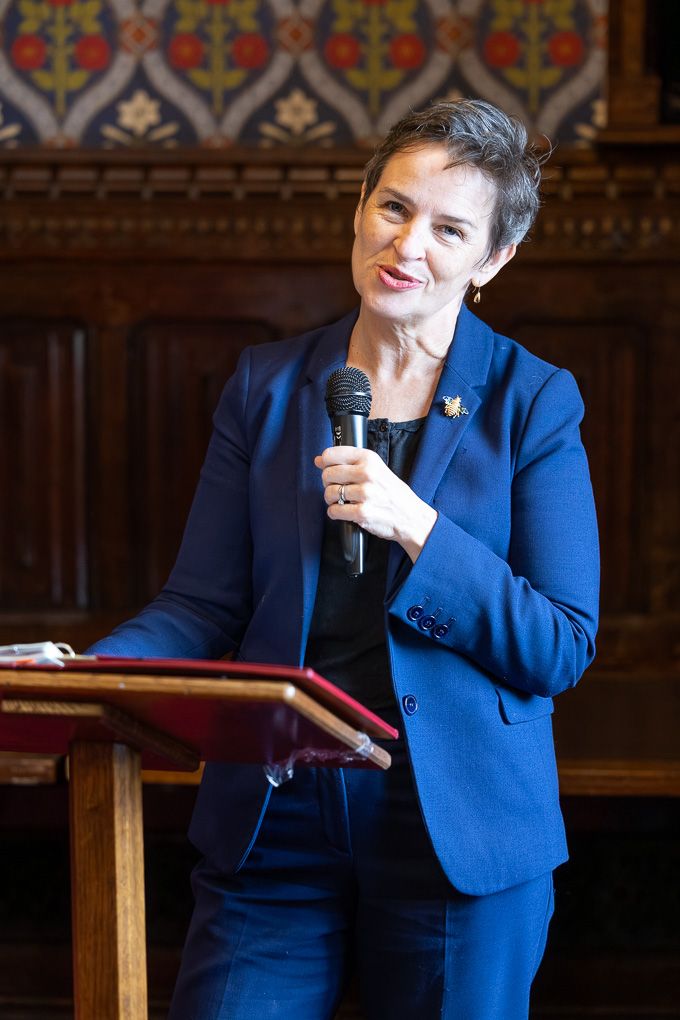
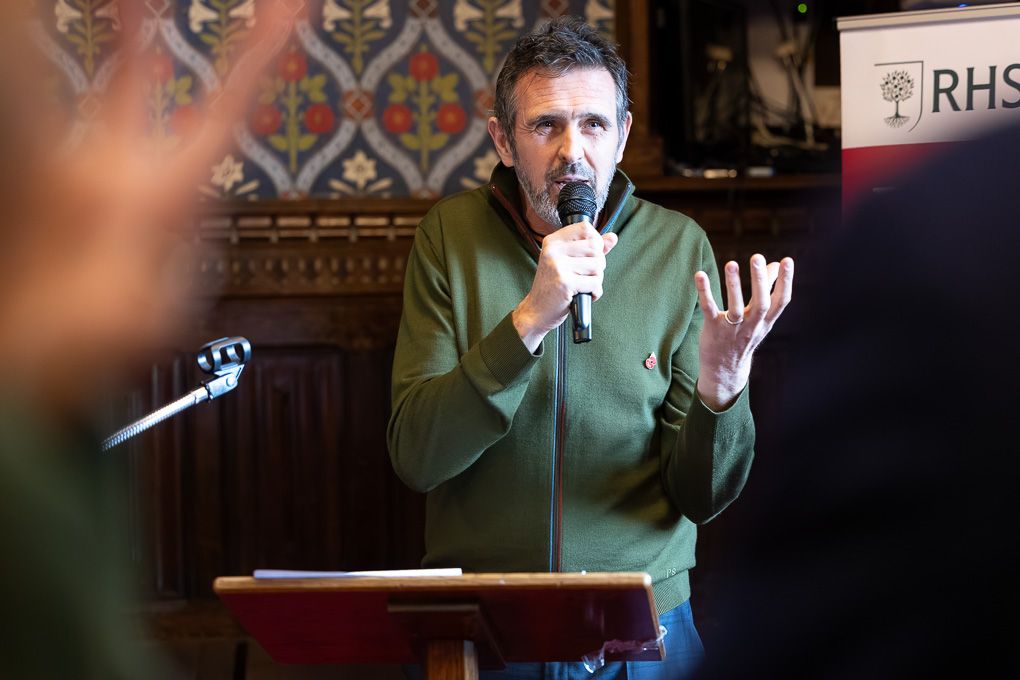
- At the RHS State of Gardening Report launch inside the Houses of Parliament, a one-hour event produced approximately 30 finished photographs covering speakers, guests, the venue and a group photograph.
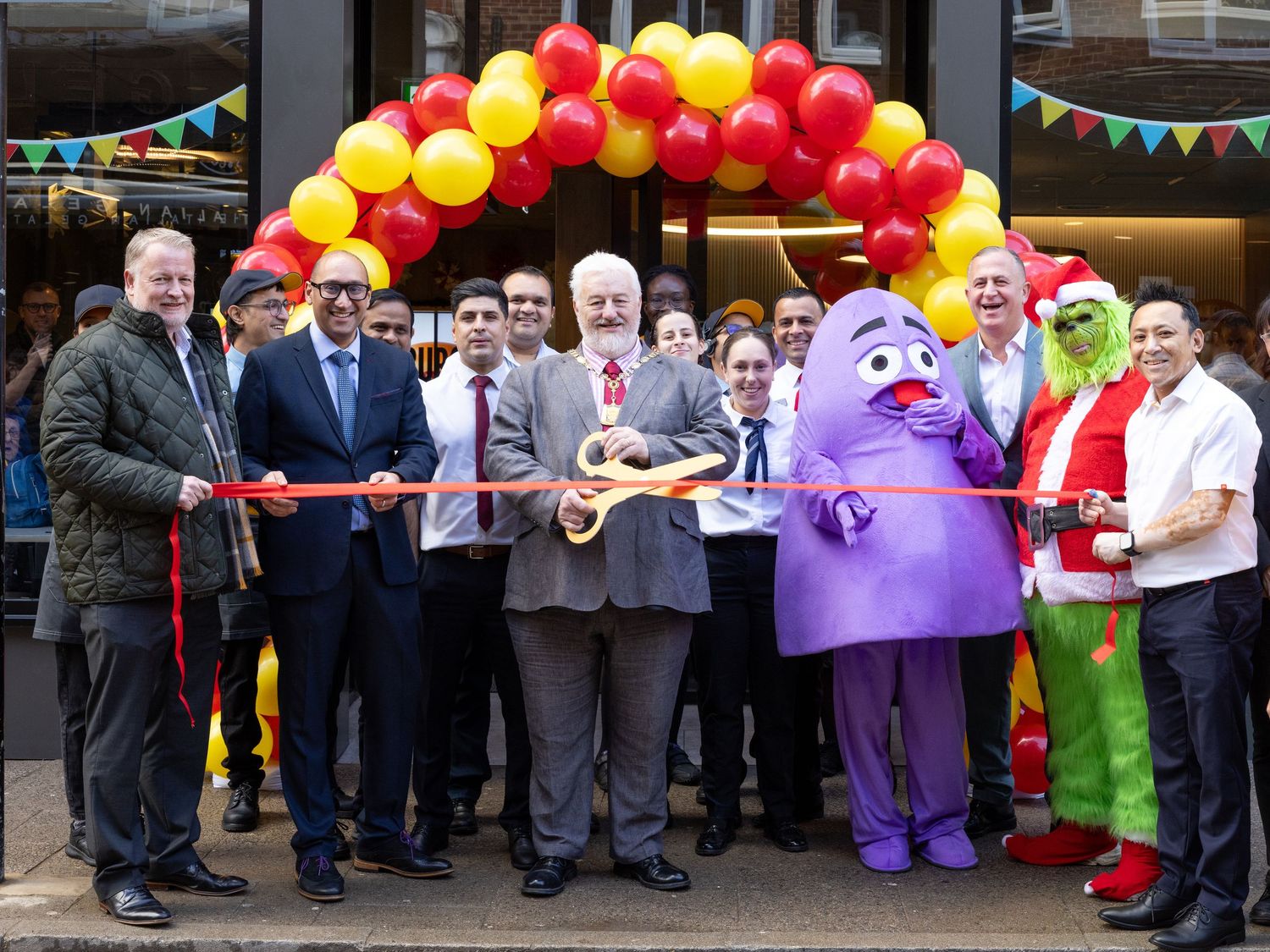
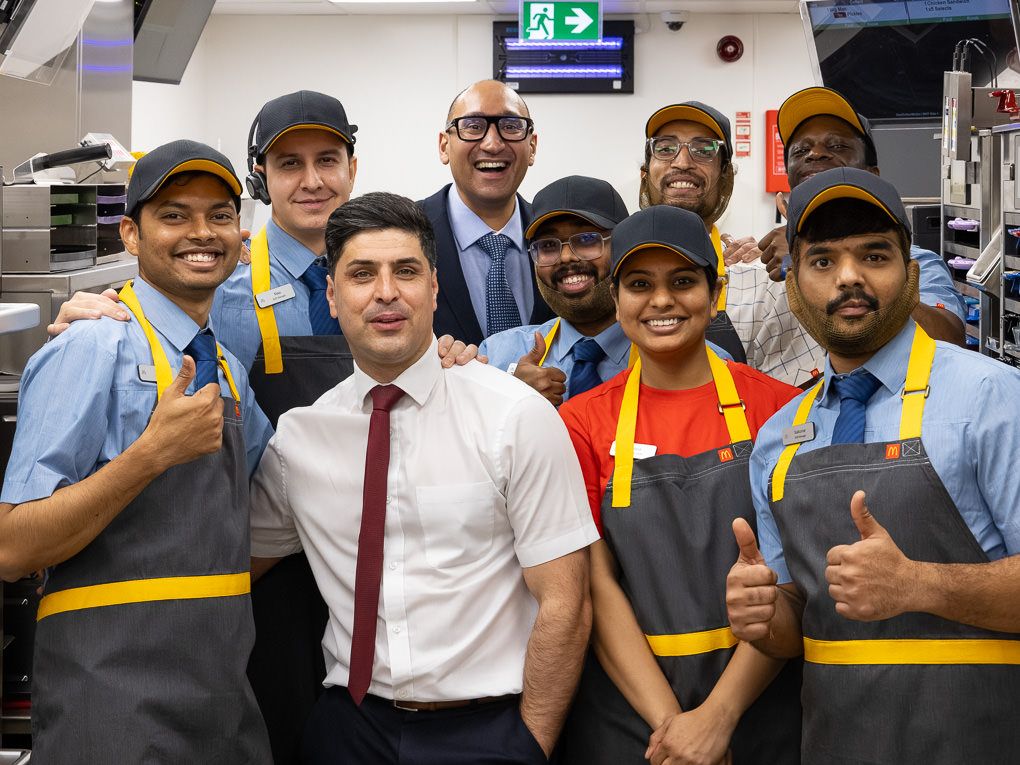
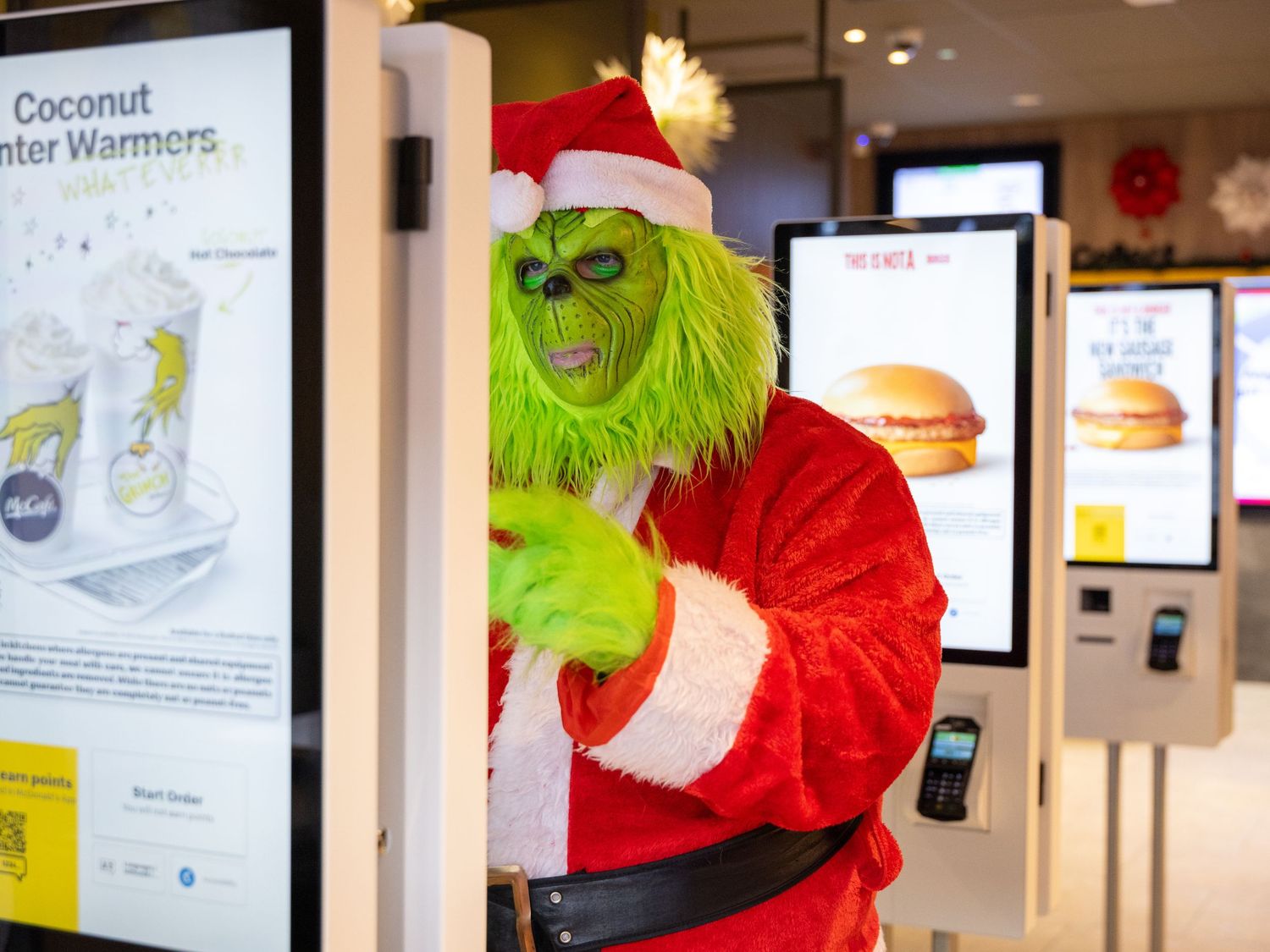
- For a McDonald’s restaurant opening in Rickmansworth, I delivered 40 edited photographs within a couple of hours of finishing the shoot.
There is no correct number for every event. What matters is agreeing whether the priority is immediate quality, broad coverage or both.
Identify the essential people
Provide the names and roles of:
- Company spokespeople
- Senior leaders
- Product specialists
- Partners or sponsors
- Politicians, celebrities or other notable guests
- Anyone who must appear in an arranged photograph
If the photographer will not recognise them, arrange for someone to point them out. A reference photograph can also help when appropriate.
Be clear about the required combinations. “Photograph the senior team” is less useful than “we need the managing director with the local MP and project lead immediately after the ribbon cutting”.
Also flag anyone who must not be photographed or whose images must not be published.
Explain how the product and branding should appear
For a product launch, tell the photographer:
- The product’s correct name
- Its most important feature or visual detail
- Whether packaging must be shown
- Which logos or branded displays matter
- Whether the product needs to appear with particular people
- Whether it can be handled, opened or demonstrated
- Whether anything remains confidential
- Whether there are brand guidelines to follow
The product should be clean, complete and available before the key photography window. If it is a prototype, provide a backup where possible and explain any angles or details that must not be shown.
Branding matters, but not every photograph needs to resemble an advert. The most useful PR collections usually combine recognisable brand context with credible human moments.
Use a shot list as a priority guide
A shot list is useful, but it should not attempt to describe every photograph.
Give the photographer the broad flow of the event and some rough ideas of how you envisage the final result. Then separate the shot list into three levels:
Must have
These are the photographs without which the brief has failed.
Examples might include the official reveal, the product with the spokesperson, a ribbon-cutting, a senior stakeholder group, or a clean exterior.
Useful
These strengthen the story but are not tied to one unrepeatable moment.
They could include venue details, employees preparing, guests arriving, product demonstrations, and wider-crowd photographs.
If time allows
These are optional ideas to explore once the essential coverage is in place.
An experienced corporate event photographer should also look for interactions and visual opportunities that were never included in the shot list.
If you have hired someone for their judgement, give them room to use it.
Specify where the photographs will be used
Tell the photographer whether the images are intended for:
- Press releases
- News websites
- Your company website
- Instagram or other social platforms
- Internal communications
- Printed publications
- Sponsor or partner communications
- Paid advertising
- Future marketing campaigns
Usage affects how photographs are composed and delivered.
Press websites will often need clear horizontal images. Social media may favour portrait compositions. Designers may need space around the subject for headlines or campaign copy.
Where several channels are involved, ask for a sensible mix of landscape and portrait photographs rather than expecting a single composition to work everywhere.
Agree the turnaround before the event
“ASAP” is not a proper delivery deadline.
Be specific:
- Do you need five images during the event?
- A press selection within 90 minutes?
- A same-day gallery?
- The complete collection the following morning?
- A standard edited gallery within a few working days?
Fast delivery changes the workflow. The photographer may need time and space to edit on location, reliable internet access or another photographer to maintain continuous coverage.
You should also agree:
- The expected number of priority images
- High-resolution and web-ready files
- Any required crop or orientation
- Who receives the download
- Whether approval is needed before distribution
- Who supplies accurate names and captions
- Any press embargo
My guide to conference photography costs and quotation factors explains why same-day editing, complex schedules and additional photographers can affect the quote.
Plan captions and identification
A good press photograph can become difficult to use if nobody knows who is in it.
Decide who will provide:
- Correct names
- Job titles
- Company names
- Product names
- Venue and location details
- The date
- Photographer credit requirements
Names should be checked before distribution, particularly for senior stakeholders, public figures, and large-group photographs.
If the photographer is expected to add names to filenames, captions or metadata, include that in the brief and provide the information promptly.
Address access, attendee information and restrictions
The photographer needs to know about:
- Security checks and accreditation
- Loading or parking arrangements
- Restricted areas
- Confidential products or documents
- Children or vulnerable attendees
- People who have opted out of photography
- Venue rules covering flash, tripods or movement
- Any embargo affecting publication
The organiser should also decide how attendees will be told that photography is taking place and how objections or opt-outs will be handled.
The ICO’s guidance on the right to be informed explains that organisations must provide clear information about how personal information is collected and used. The appropriate process and lawful basis will depend on your organisation and the event, so confirm this internally rather than expecting the photographer to guess.
The practical part of the brief is simple: tell the photographer what process is being used and make sure the on-site contact can identify anyone who should not appear.
Confirm image usage and licensing
Do not leave usage rights until after the photographs have been distributed.
Your photography agreement should make clear whether images can be used by:
- Your organisation
- Your appointed PR agency
- Journalists and news publications
- Event partners
- Sponsors
- Franchisees or separate businesses
- Paid advertising campaigns
Under UK government guidance on commissioned photography, copyright will usually remain with the photographer unless another arrangement is agreed. The licence sets out how the client and other parties may use the work.
If images will be supplied to several organisations, say so before the quote and agreement are finalised.
My guide to event photography usage rights in the UK explains the difference between copyright ownership, a client licence and permission for agencies, sponsors and other third parties.
What if you do not have a photography brief?
Start with a short conversation.
I would ask five basic questions:
- What is happening?
- What is the story?
- Which people, products and moments are essential?
- Where will the photographs be used?
- When do you need them?
From there, the photographer can help turn your answers into a clear working brief that covers the timings, priorities, delivery requirements, and intended use.
You do not need to arrive with a polished creative document. You do need a broad idea of how the event will flow and what you want the photographs to achieve.
If you are still choosing who to appoint, my guide to selecting the right corporate event photographer covers experience, portfolios, backup equipment and quotation details.
Download my PR Photography Brief Template and Event Checklist
To make the process easier, I have created an editable template covering the essential information your photographer will need. You can complete it in Word and remove any sections that are not relevant to your event.
Download my PR Photography Brief & Event Checklist
Prefer something you can print or share as a finished document? Download the PDF version.
A strong brief should make the photographer’s job clearer, not smaller
The purpose of a PR photography brief is not to remove judgement from the photographer.
It is to make sure the photographer understands the story, protects the non-negotiable moments and delivers images that can actually be used.
Be clear about priorities, timings, people, quantity, usage and delivery. Then allow the photographer to respond to the event rather than forcing every photograph into a rigid plan.
If you are planning a product launch, press event, opening or corporate announcement, get in touch to discuss your photography brief.
Frequently asked questions
How long should a PR photography brief be?
A PR photography brief should be long enough to give the photographer the information they need, but no longer. A straightforward press event may only require a concise summary, while a product launch involving several speakers, locations or delivery requirements will need more detail.
Use the sections of the template that are relevant to your event and remove anything that does not apply.
Should every photograph be included in the shot list?
No. The shot list should identify essential people, products and unrepeatable moments. The photographer should still use their experience to capture atmosphere, reactions and unexpected opportunities.
How many photographs should we request?
That depends on the event and intended use. Decide whether you need a small press-ready selection, a broader marketing gallery or both. Give the photographer an approximate expectation so they can plan coverage and editing properly.
Can images be delivered during the event?
Yes, where this has been agreed in advance. On-site editing may require additional time, workspace, internet access or a second photographer if uninterrupted coverage is also required.
Who is responsible for photography permissions?
The organiser and photographer should agree their respective responsibilities before the event. The organiser is normally best placed to communicate with attendees, manage its privacy process and identify anyone who should not be photographed.
When should we send the final photography brief?
Send an initial outline when requesting a quote, then provide the confirmed running order, key people and shot priorities as soon as they are available. Avoid waiting until the event day, particularly if security, access or same-day delivery needs to be arranged.
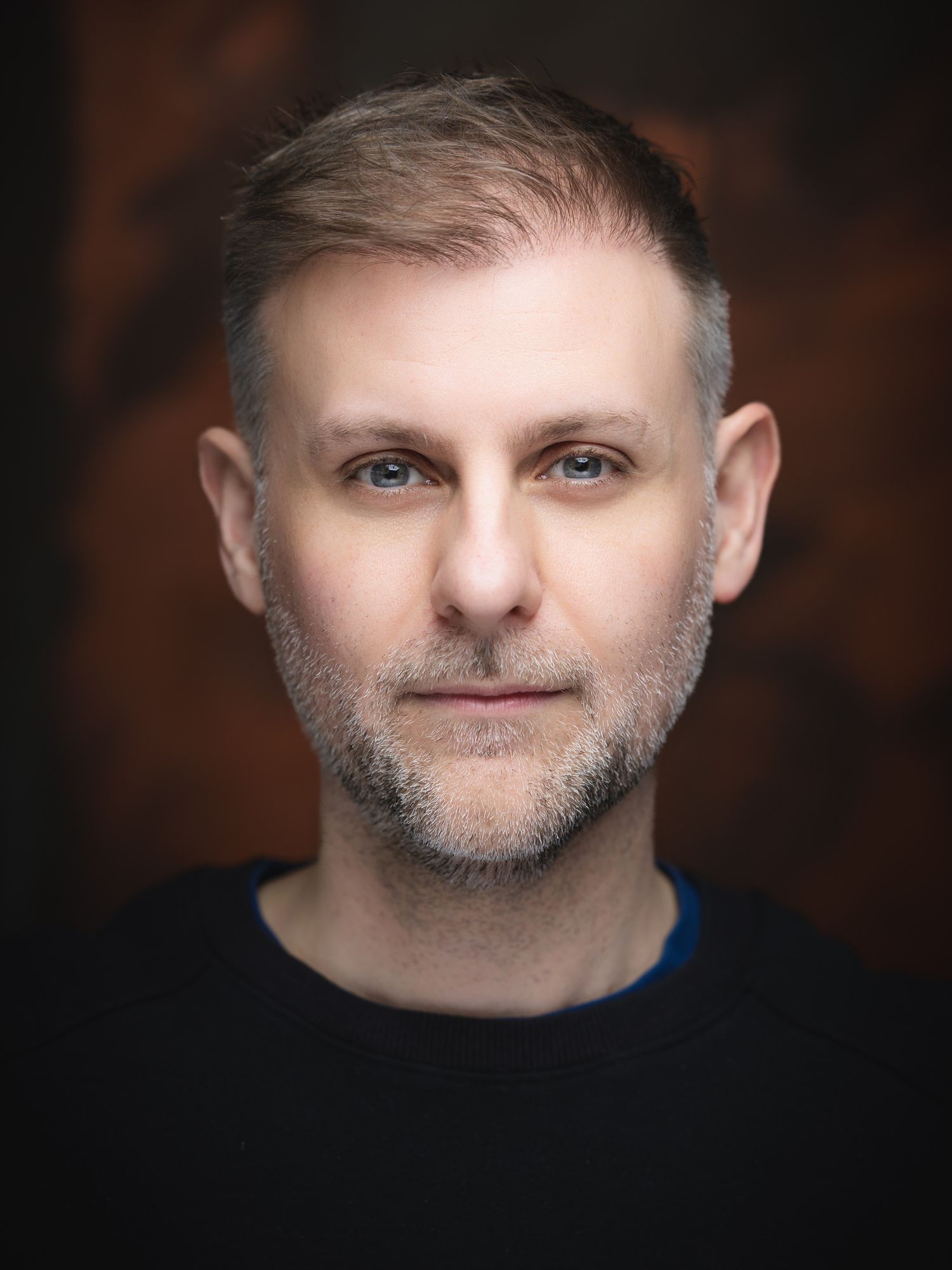
Lee Charlton is a Hertfordshire-based corporate, PR and event photographer with more than 16 years of professional experience.
He spent nine years as Global Photography Manager at TUI and four years as Photography and Digital Asset Manager at the RHS. This experience has involved creating, commissioning and managing photography from both sides of the brief.
Through Lee Charlton Photography, he photographs launches, conferences, press events and commercial projects across Hertfordshire, London, the UK and internationally.