Choosing a corporate event photographer
Choosing a corporate event photographer is not simply about finding someone who can take a decent photograph.
You need someone who can work quickly, handle unpredictable lighting, anticipate important moments and deliver a consistent set of images that your business can actually use.
I have photographed corporate events for more than 11 years, covering everything from leadership conferences and awards evenings to launches, networking events, exhibitions, fundraisers and large public events.
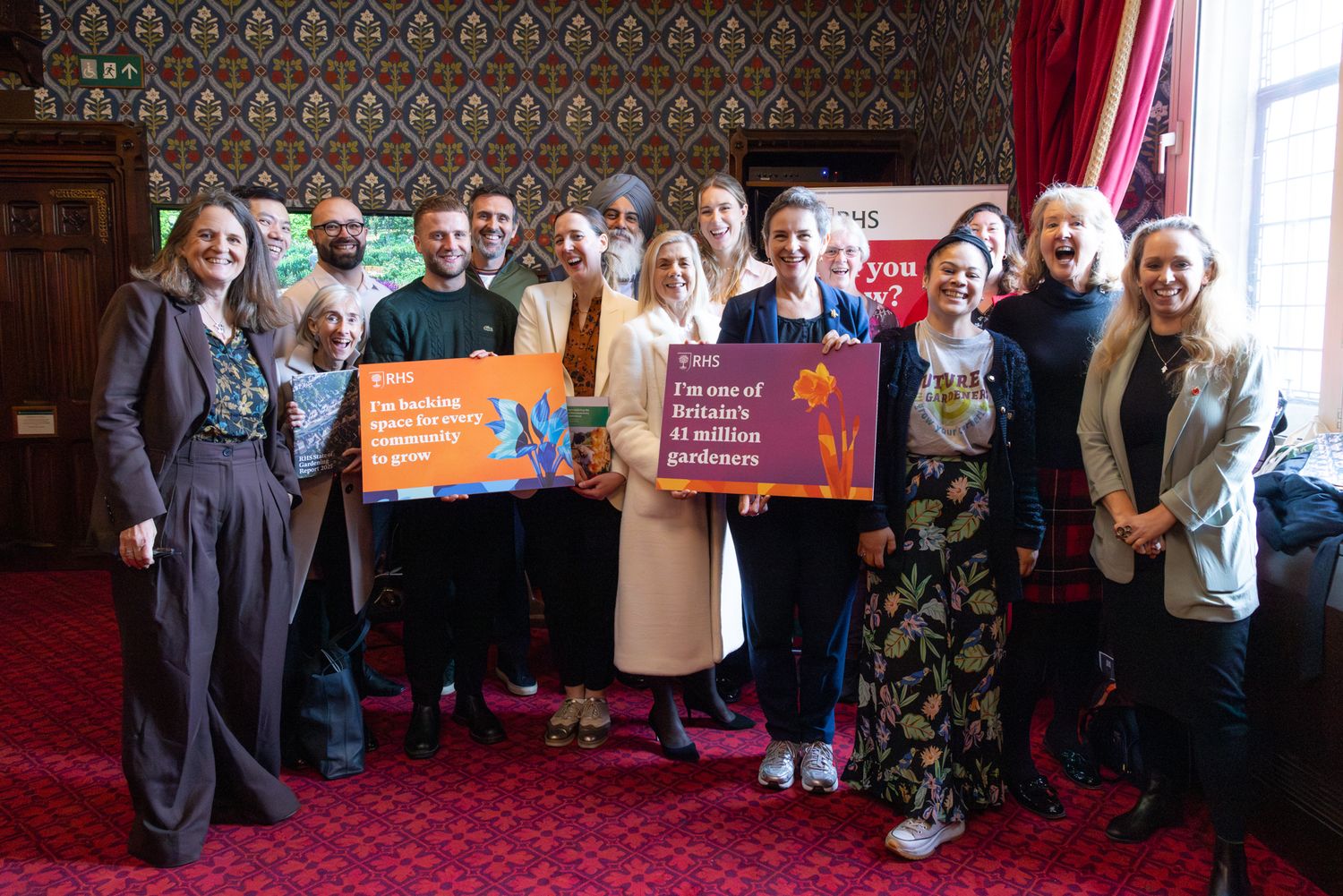
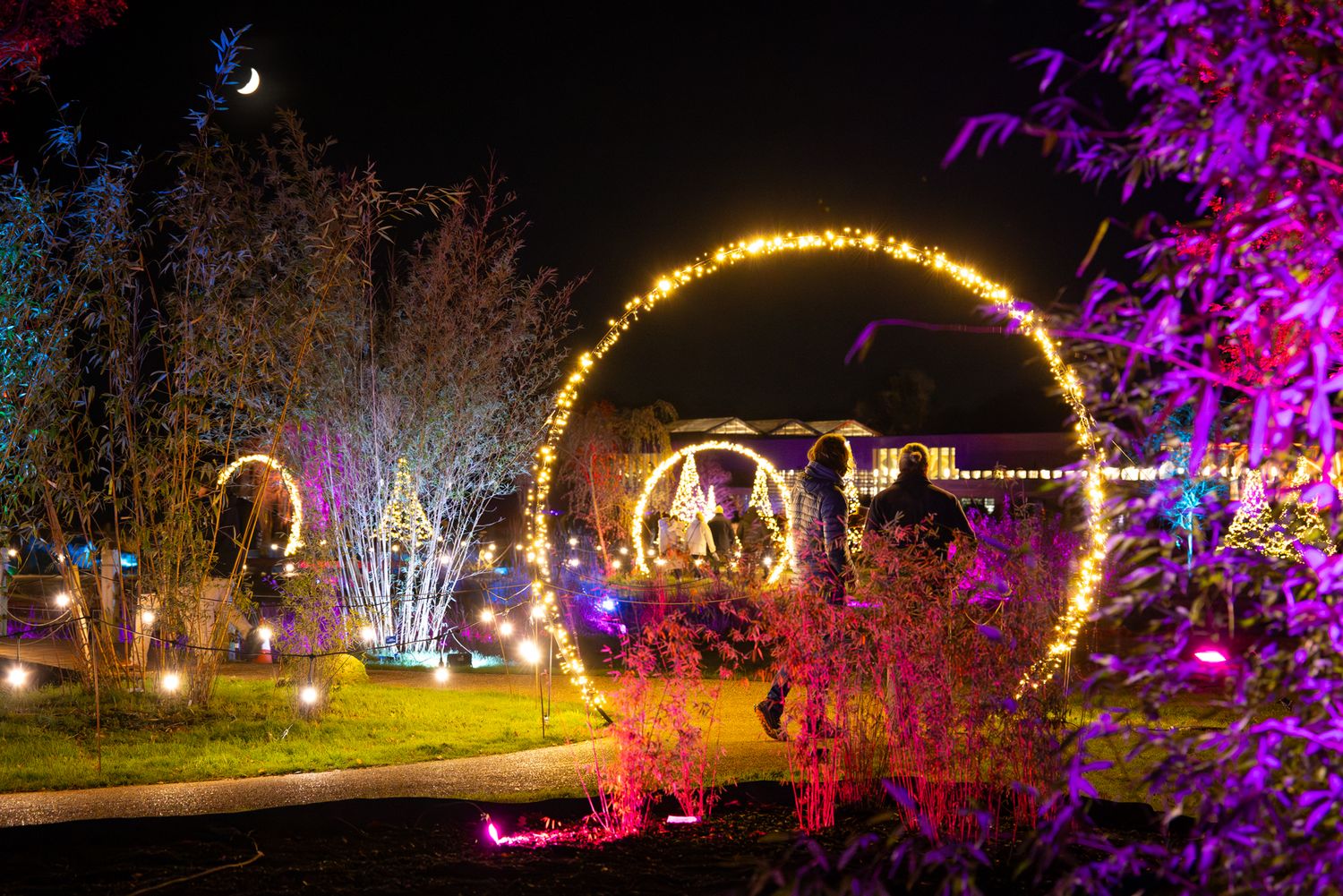
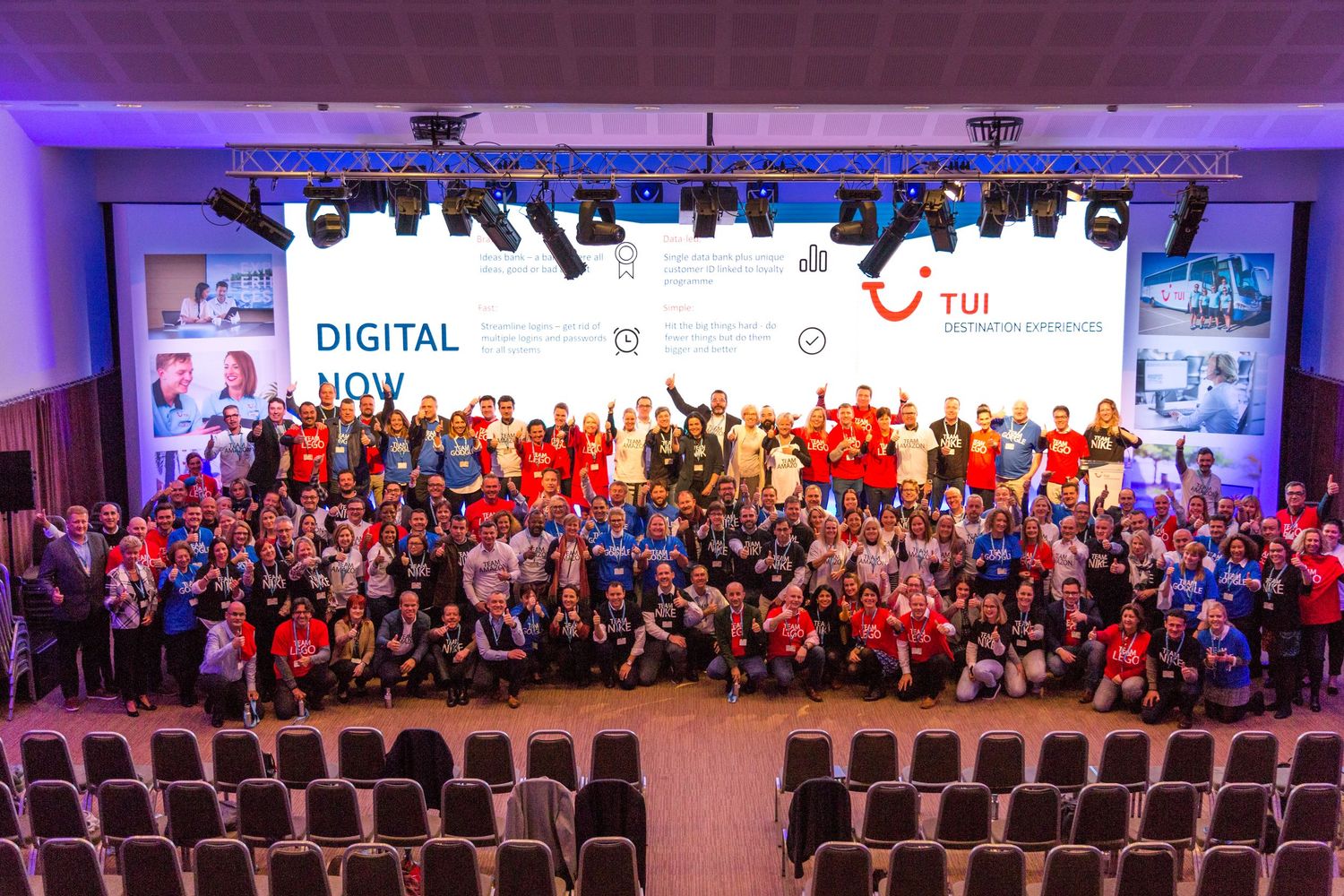
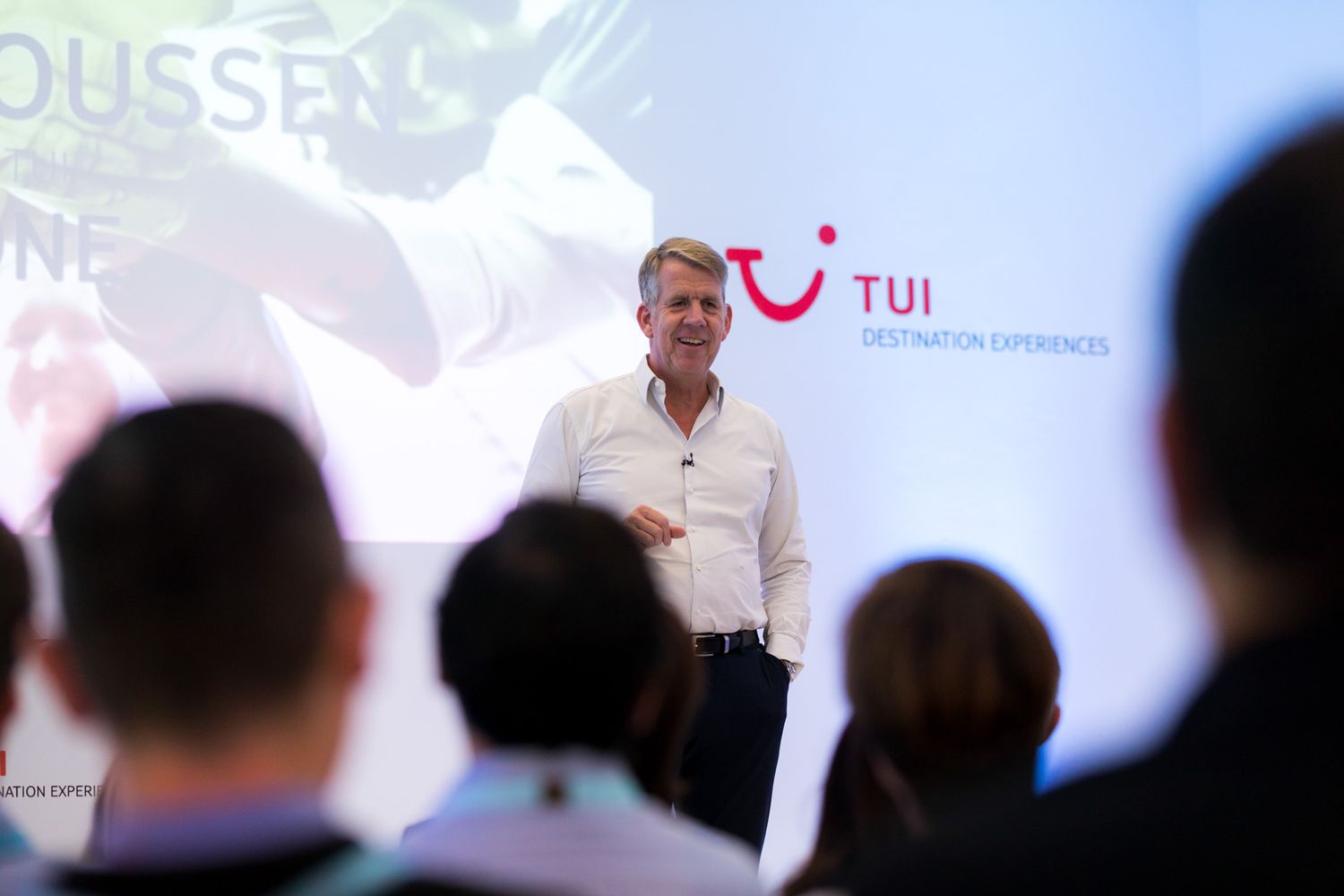
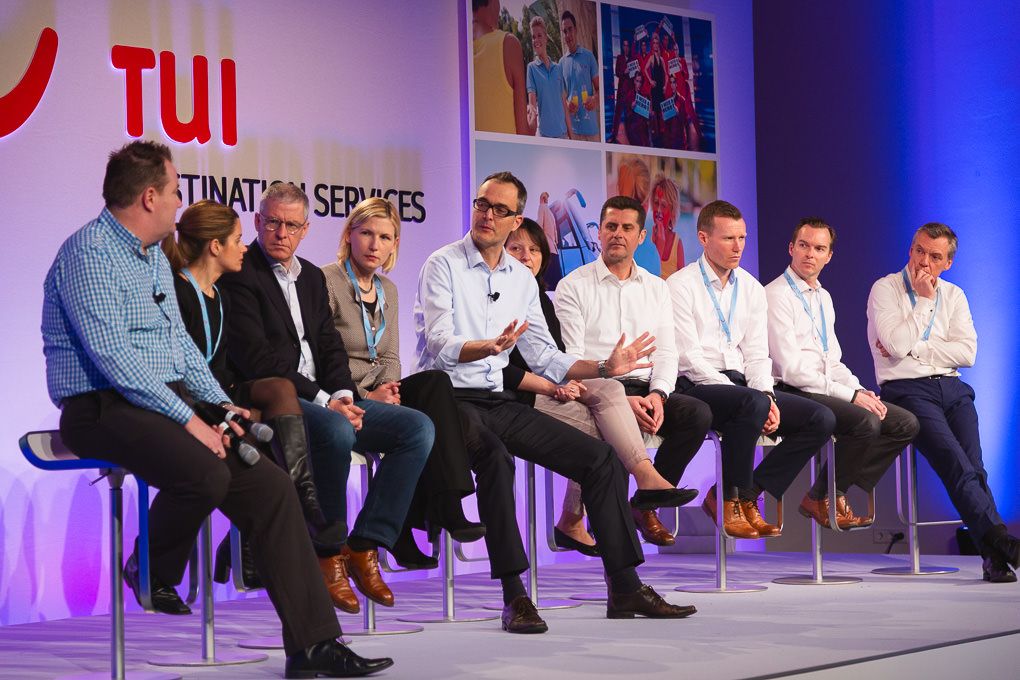
That experience has taken me across the UK as well as Germany, Spain, Greece and Mexico. I have photographed multi-day conferences, TUI leadership events, RHS AGMs and summits, Britain in Bloom Awards, book launches, World Travel Market at ExCeL London, The Boat Show and events at the RHS Chelsea, Hampton Court Palace, Tatton Park and Badminton flower shows.
The right photographer should do far more than simply turn up and document what is directly in front of them.
What should you look for in a corporate event photographer?
A good corporate event photographer should have:
- A strong and varied event photography portfolio
- Proven experience working in low light
- The ability to capture candid and posed photographs
- Professional backup equipment
- A clear understanding of event timings and priorities
- Experience working around speakers, VIPs and guests
- Reliable turnaround times
- Clear pricing and image usage terms
Most importantly, they should understand how an event unfolds.
A photographer who can anticipate what is about to happen will usually produce far stronger coverage than someone who simply reacts after the moment has already started.
Look for relevant corporate event experience
Photographing a corporate conference is very different from photographing a wedding, family session or studio portrait.
At a business event, the photographer needs to understand the importance of:
- Speakers and presentations
- Audience reactions
- Networking
- Sponsors and event branding
- Awards and handshakes
- Exhibitor stands
- Venue details
- Senior stakeholders and VIP guests
- Photographs for press and social media
They also need to know when not to become the centre of attention.
A corporate event photographer should be able to work quietly in the background while still getting into the right position when something important happens.
When reviewing a photographer’s portfolio, look for a good mix of conferences, awards, networking events, exhibitions and other business events.
A portfolio consisting only of a few brightly lit, posed group shots does not prove that someone can successfully photograph an entire conference.
Make sure they can handle low-light venues
Low light is one of the biggest challenges in corporate event photography.
Conference rooms, theatres, evening receptions and awards venues are often much darker than they appear to the human eye.
An inexperienced photographer may compensate by using a shutter speed that is too slow. This can result in motion blur, soft faces and photographs that look acceptable on the back of the camera but fall apart when viewed properly.
The photographer needs to understand how to balance:
- Shutter speed
- Aperture
- ISO
- Subject movement
- Available light
- Image stabilisation
- Noise reduction during editing
Flash can be useful, particularly for posed photographs and arrivals, but it should not become a crutch.
Constantly firing flash during a presentation can distract the speaker, annoy the audience and completely change the atmosphere of the room.
I prefer to work with the available light wherever possible, preserving the mood and lighting that the event organisers have worked hard to create.
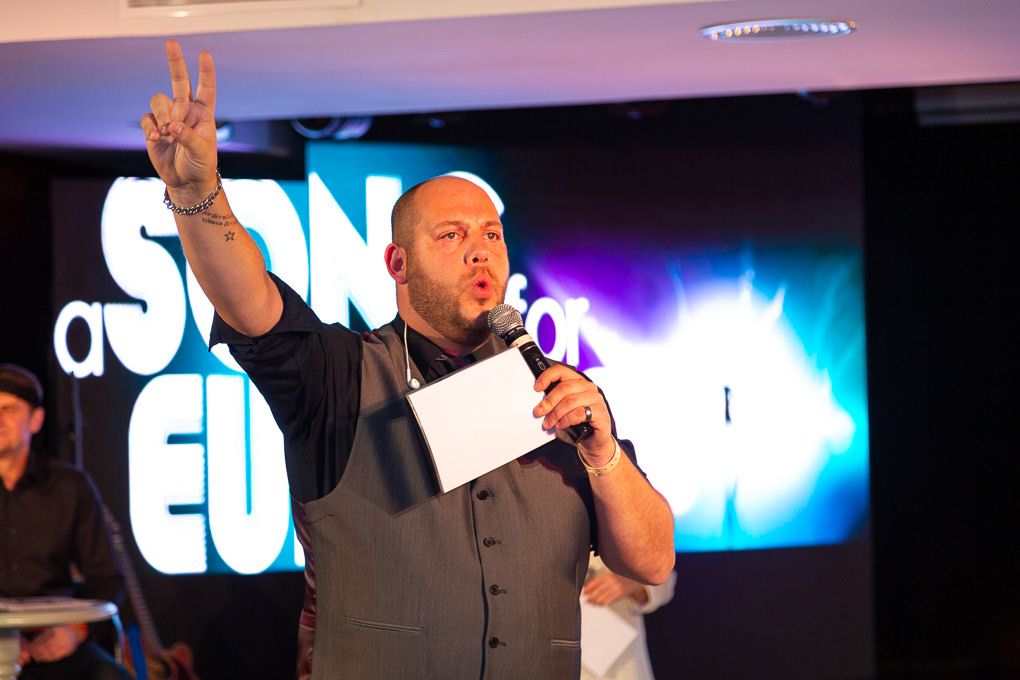
Ask how they deal with LED screens and banding
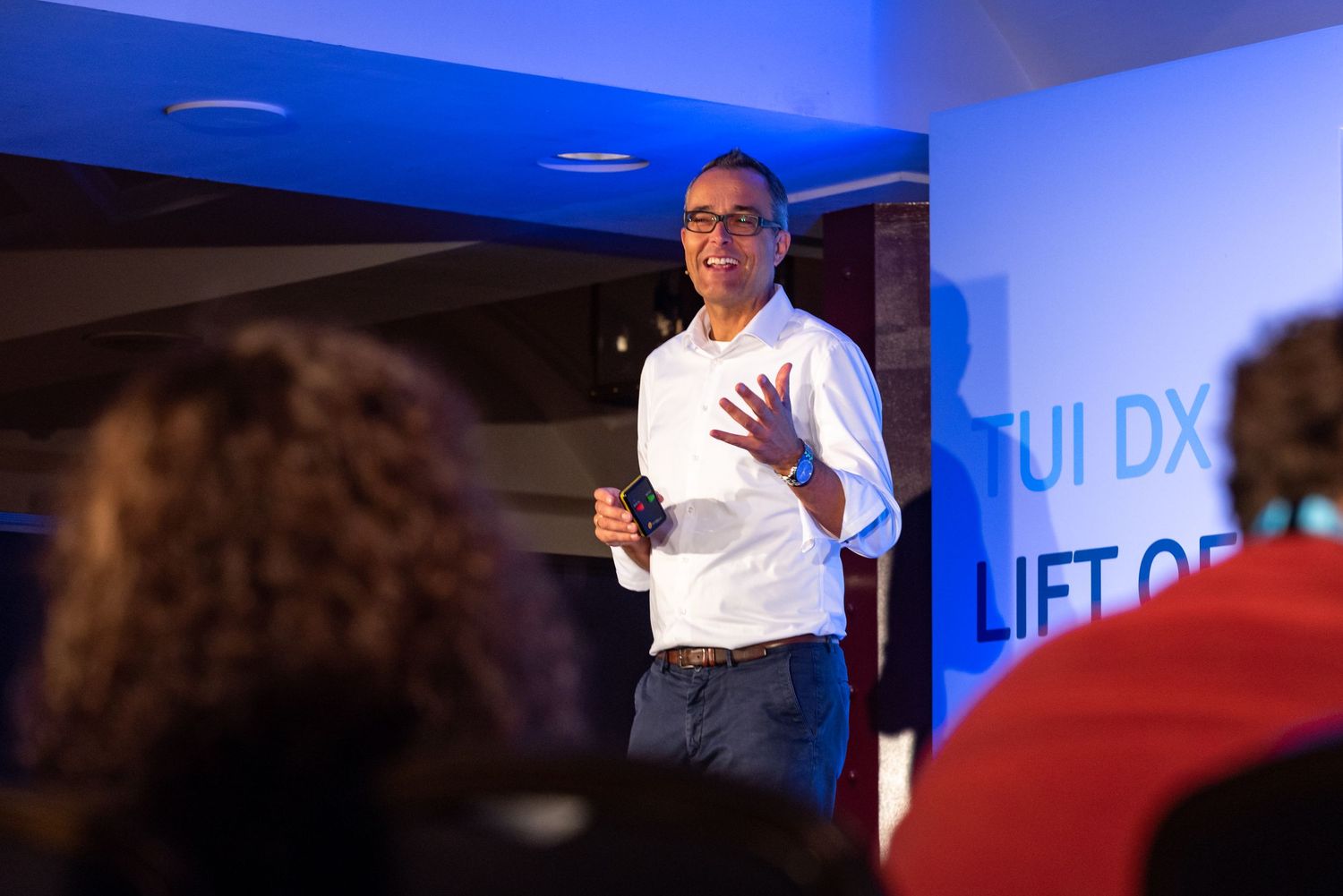
Modern conferences often use large LED screens behind speakers.
These screens can create visible dark lines or bands across photographs because the screen refresh rate does not always synchronise with the camera’s shutter.
This is known as banding or flicker.
It can be reduced by adjusting the shutter speed, using the camera’s anti-flicker settings and checking images carefully throughout the presentation rather than assuming everything is fine.
My Canon cameras also allow me to fine-tune shutter speeds to work more effectively with certain screens and lighting frequencies.
It is a technical detail, but it can make the difference between clean, professional images and an entire set of photographs covered in distracting horizontal lines.
Choose someone who anticipates moments
The best event photographs often happen between the obvious moments.
A speaker laughing with the audience, a nervous presenter taking a breath before going on stage, guests greeting each other or somebody reacting to an award can say far more about the event than another straight photograph of someone standing behind a lectern.
I am constantly moving and looking for different angles.
Some presenters are also fairly easy to read. They may regularly return to the same part of the stage or pause in a particular position when making an important point.
Once I recognise that pattern, I can position myself in advance rather than chasing the moment after it has happened.
That is one of the biggest differences experience makes.
The photographer should show the whole event
Good event photography should give someone who was not there a clear sense of what the event felt like.
That means photographing more than speakers and posed groups.
I look for:
- Wide views of the room
- Audience reactions
- Close-up details
- Signage and branding
- Sponsors
- Food and table settings
- Registration and arrivals
- Networking and conversations
- The venue and surrounding area
- Behind-the-scenes moments
- Unusual or elevated viewpoints
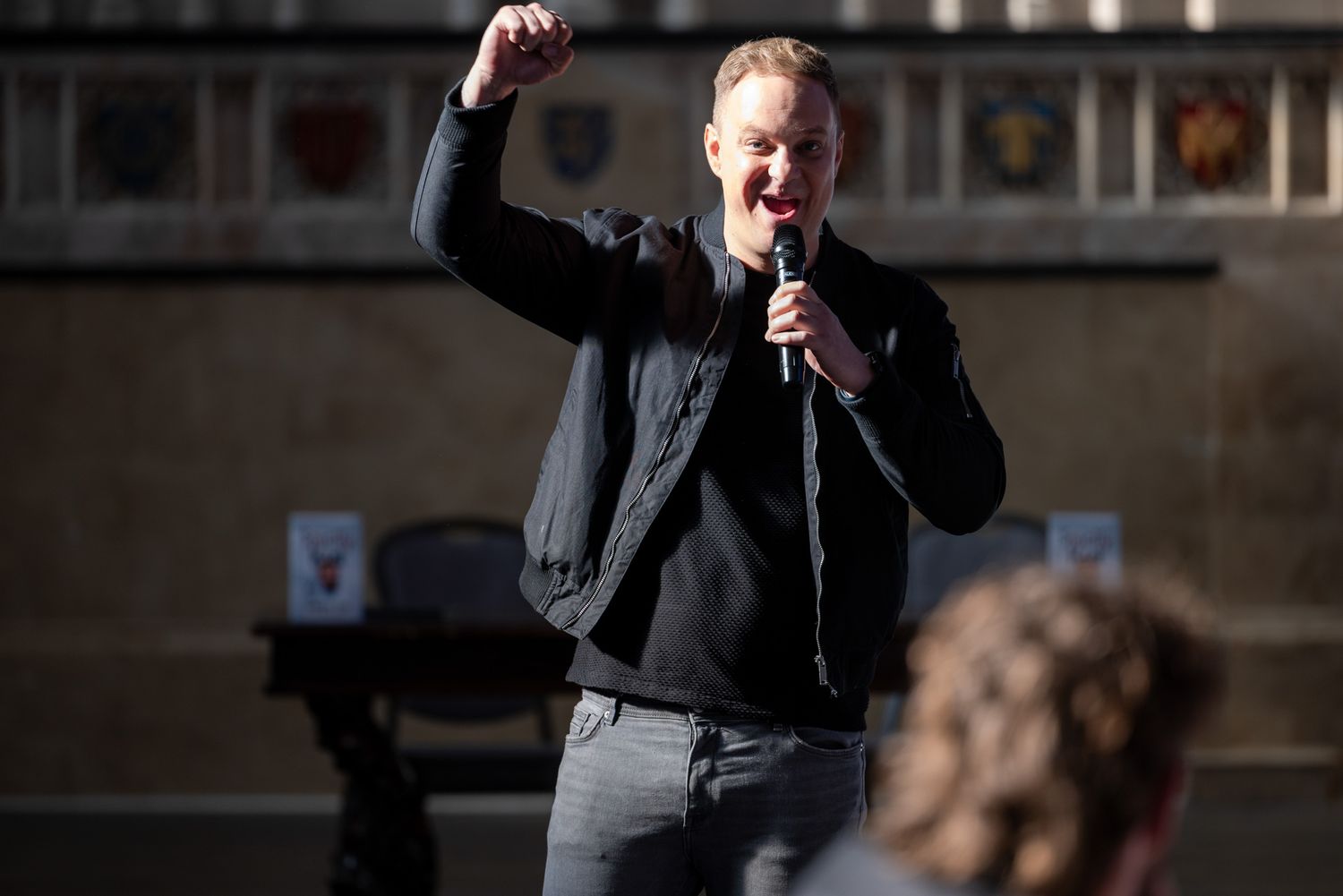
Where access allows, I may photograph from the side or rear of the stage, showing both the presenter and the audience.
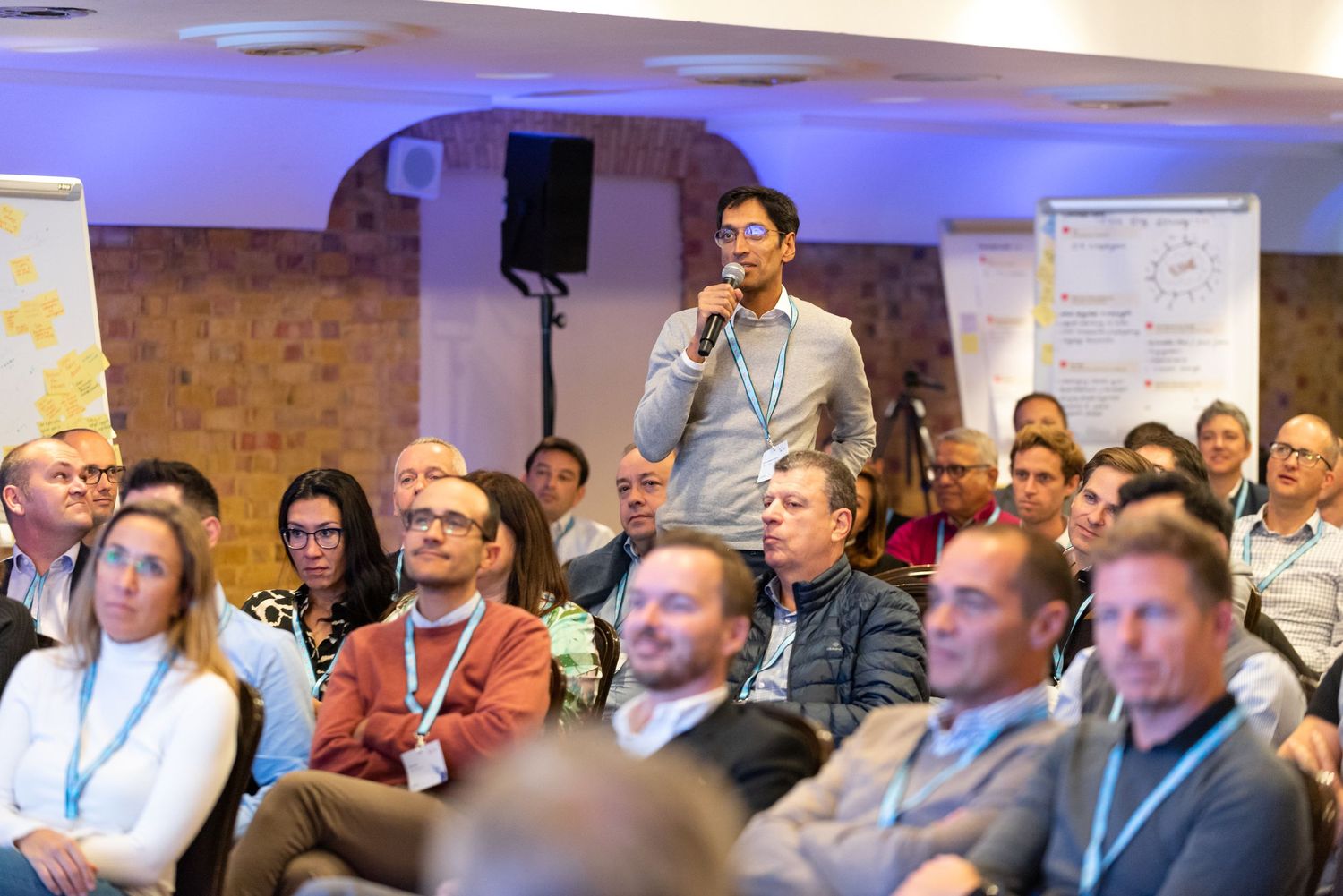
I also use people in the foreground to frame speakers. Including the backs of audience members’ heads can create a strong point-of-view image that makes the viewer feel as though they were genuinely part of the event.
At larger venues, I will also look for balconies, staircases or raised positions that can provide a more interesting overview of the space.
My Become conference photography case study includes examples of audience reactions, small-group conversations and photographs composed from an attendee’s perspective.
Branding and sponsors should not be forgotten
Sponsors and branding are often commercially important, but they can easily be overlooked once the event becomes busy.
I normally photograph key signage, branded areas, staging, screens, sponsor logos and venue details near the beginning of the event.
This creates a clear record before guests arrive, displays are moved, or the space becomes crowded.
It also means the marketing team has clean images that can be used for reports, sponsor updates and promotion of future events.
Find someone who can be both discreet and personable
Corporate event photography requires a balance.
For most of the day, guests want natural and candid photographs. They do not want to feel as though they are constantly being watched or interrupted.
I normally wear dark clothing and move quietly around the venue - effectively trying to work like a ninja.
However, some people need a little direction.
A photographer should also be confident enough to approach guests, arrange a quick group photograph and guide people naturally without making the whole interaction feel awkward.
Being technically capable is not enough. You also need someone who is comfortable dealing with people at every level of an organisation.
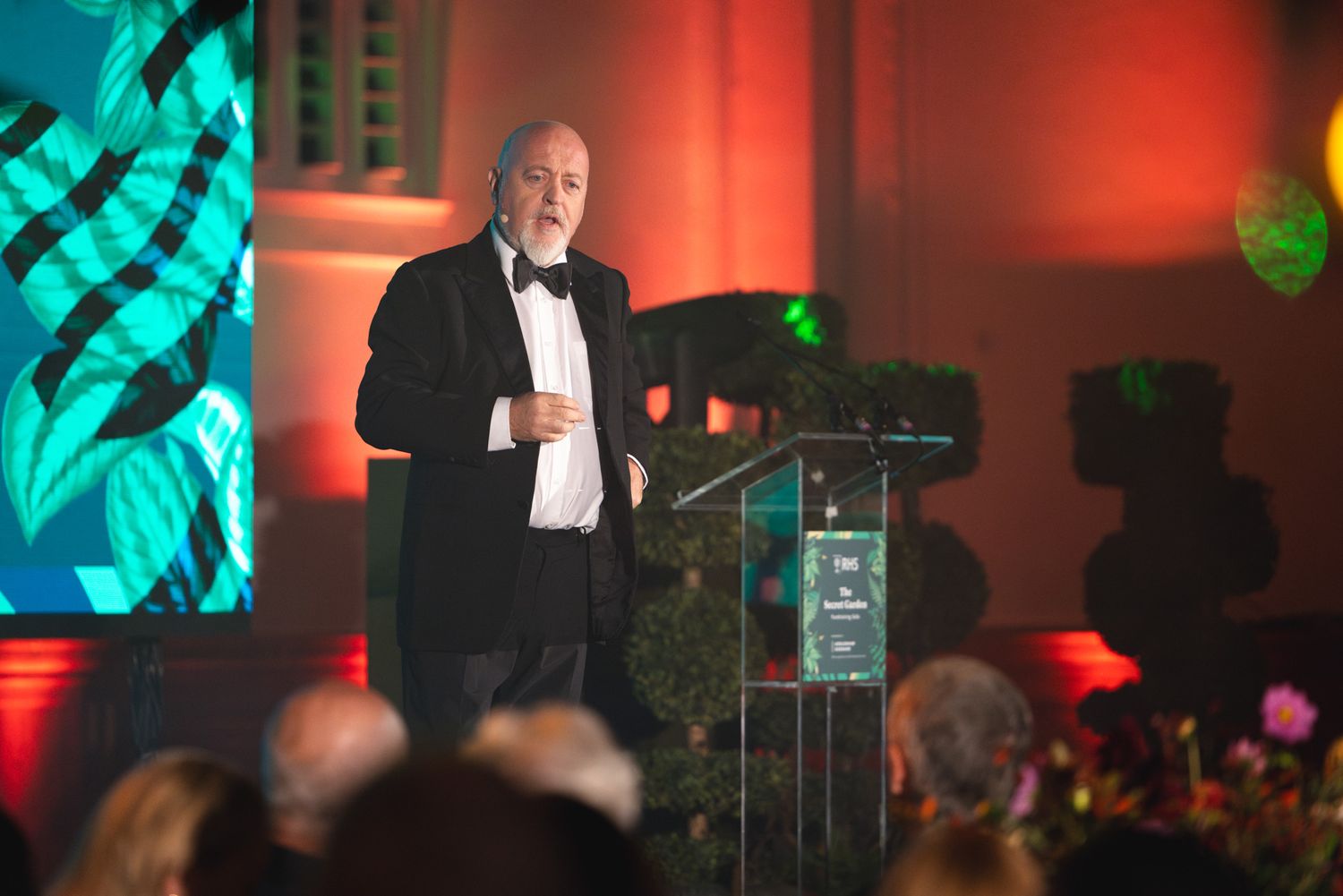
Ask how they work around restricted access and VIPs
Large events frequently come with access restrictions, tight schedules and areas where photographers cannot stand for long.
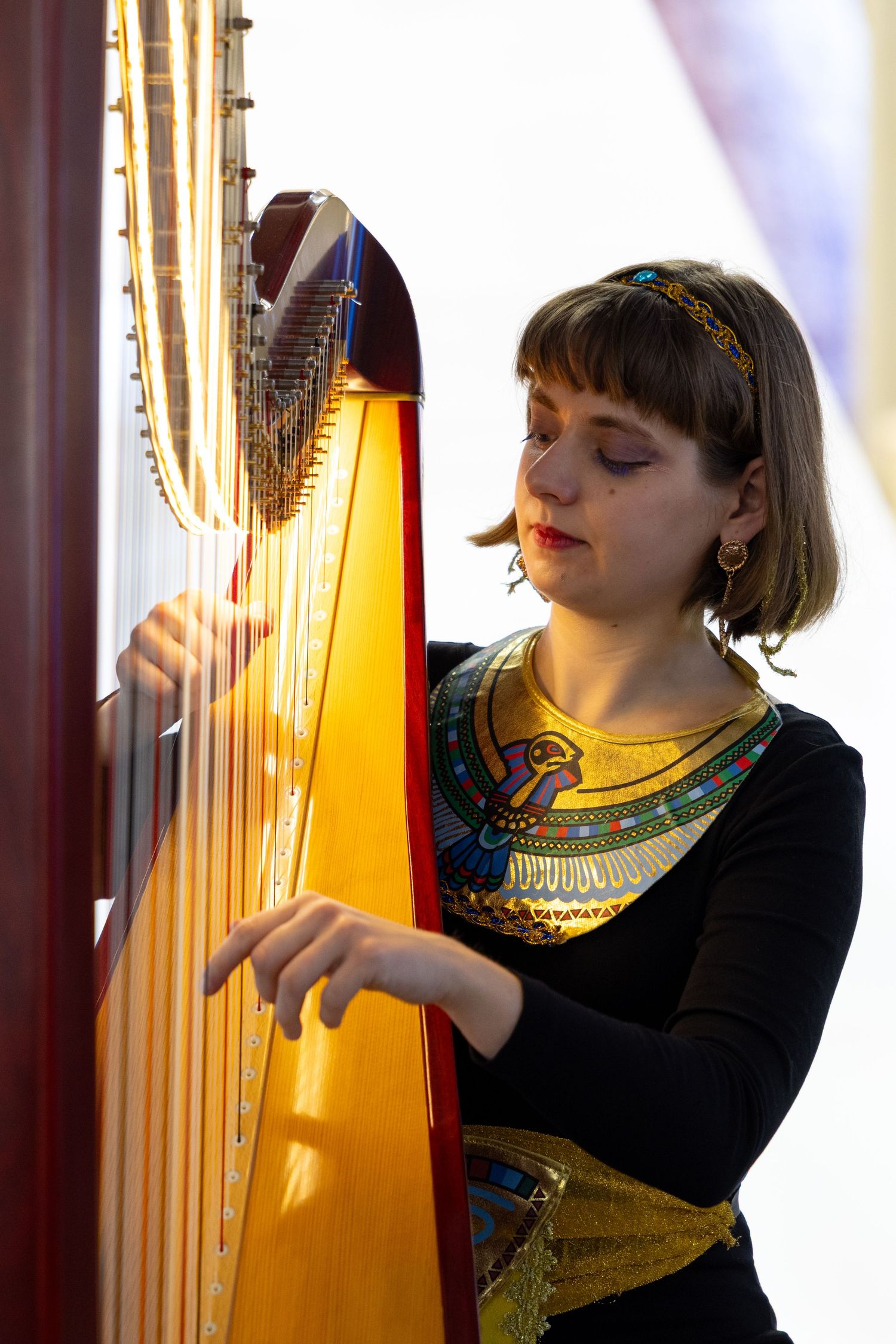
At the RHS Chelsea Late event in May 2026, getting into position on stage to photograph Jo Whiley required careful timing and awareness of what was happening around me.
There was limited space, a live audience and no opportunity to interrupt what was happening.
The key was to get into position quickly, take the photographs I needed and move without becoming part of the show.
An experienced event photographer will adapt to this kind of environment rather than expecting the event to adapt around them.
Provide a running order and must-have shot list
Even an experienced photographer cannot know every internal priority unless they are told.
Before an event, I ask clients for:
- A running order
- A list of key speakers
- Important guests or VIPs
- Award categories
- Sponsor requirements
- Planned group photographs
- Any image restrictions
- Key timings
- Venue access information
- A must-have shot list
This does not mean every photograph needs to be scripted.
It simply ensures that the photographer knows which moments cannot be missed while still having the freedom to capture natural activity throughout the day.
Once you have chosen your photographer, my guide to creating a practical PR photography brief explains how to communicate the timings, priorities, intended usage and delivery requirements.
Make sure they can adapt when the schedule changes
Corporate events rarely run perfectly to time.
Speakers arrive late, sessions move rooms, presentations overrun, and group photographs suddenly need to happen earlier than expected.
A good photographer should be able to adjust quickly without becoming flustered.
This is another reason why having a running order matters, but the photographer should treat it as a guide rather than assuming the day will follow it exactly.
The ability to stay calm, reprioritise and keep photographing is just as important as the technical side of the job.
Ask about same-day and rapid delivery
For many businesses, photographs are most valuable while the event is still happening.
Press teams, social media managers and internal communications teams may need images within hours rather than days.
I regularly select and edit photographs during breaks, lunch periods and quieter moments in the schedule.
This takes practice because the photographer still needs to stay aware of what is happening in the room. It is no good editing a photograph of the morning speaker while missing an important moment happening ten metres away.
When managed properly, clients can receive a selection of edited images almost in real time.
My standard delivery for event photography is normally within 48 hours. Same-day delivery can also be arranged when required and is priced separately.
Do not choose purely on price
One of the most common mistakes companies make is choosing the cheapest photographer.
Budgets matter, but the cheapest quote is rarely the best measure of value.
A lower price may mean:
- Less event experience
- No backup equipment
- Poor low-light performance
- Slower delivery
- Limited editing
- Unclear image usage rights
- Less reliable communication
- Inconsistent results across the full gallery
Price should be considered alongside the photographer’s portfolio, experience, previous clients, equipment, insurance and ability to deliver what your marketing team needs.
There is little value in saving money if the photographs are blurred, badly lit or unusable.
For a clearer idea of typical pricing, read my guide to How much conference photography costs in the UK, including what affects the final quote and what should be included.
What should an event photography quote include?
A professional event photography quote should clearly explain:
- The date and location
- The agreed photography hours
- Whether setup or travel time is included
- The number of photographers
- What type of coverage is expected
- Image editing and colour correction
- Expected delivery time
- How the images will be delivered
- Image usage rights
- Travel and accommodation costs
- Any same-day editing requirements
- Overtime charges
- Whether VAT is included
- Cancellation and rescheduling terms
Be cautious of vague quotes that simply state a price without explaining what you will receive.
Clear expectations protect both the client and the photographer.
Questions to ask before booking a corporate event photographer
Have you photographed events like ours before?
Relevant experience matters, particularly for large conferences, low-light receptions and fast-moving awards events.
Can we see a complete event gallery?
A photographer’s website normally shows their strongest individual images. A full gallery will give you a better idea of consistency across an entire event.
How do you work in low light?
Listen for an explanation that goes beyond simply using flash.
Do you carry backup cameras and equipment?
The answer should be yes.
Are you insured?
Professional photographers should hold appropriate public liability and professional insurance.
How quickly will the photographs be delivered?
Confirm whether this means a small preview selection or the complete edited gallery.
Can you supply images during the event?
This is important when photographs are needed for press, social media or live event coverage.
What image usage is included?
Make sure the agreement covers your intended website, social media, PR, internal communications and marketing use.
What do you need from us before the event?
An experienced photographer should ask about timings, speakers, VIPs, access, lighting, branding and must-have photographs.
When should you avoid booking a photographer?
I would be cautious if a photographer:
- Has no examples of corporate events
- Cannot show low-light work
- Relies almost entirely on direct flash
- Uses only one camera
- Cannot explain their backup process
- Has unclear pricing or usage terms
- Does not ask about the running order
- Makes little effort to understand the purpose of the event
- Is considerably cheaper than every other credible option
A photographer does not need to have worked at your exact venue or photographed your exact type of business.
They do, however, need to demonstrate that they can work professionally in similar environments.
How many hours of event photography do you need?
This depends on what the photographs are being used for.
For a short awards presentation or networking event, a few hours may be enough.
A conference will often need longer coverage to include:
- Guest arrivals
- Opening speeches
- Keynote sessions
- Breakout discussions
- Networking
- Sponsor activity
- Lunch or refreshments
- Awards
- Evening entertainment
It is usually better to discuss the intended use of the photographs before deciding how much coverage to book.
Cutting an hour from the photography may save a small amount, but it can also mean losing important photographs from the beginning or end of the event.
If several organisations need the photographs, check exactly who the licence covers. I explain this in more detail in my guide to event photography usage rights.
Choosing the right photographer comes down to trust
A corporate event may have taken months to organise, but the photographer often gets only one opportunity to capture it.
There are no reshoots for a keynote speech, an award presentation or a spontaneous reaction from the audience.
You need someone who can work independently, understand what matters and deliver photographs that accurately represent the scale, atmosphere and purpose of the event.
Look beyond the lowest quote.
Choose someone with relevant experience, strong low-light work, reliable equipment and a clear understanding of how corporate events operate.
The right photographer should make your job easier, not give you another thing to worry about.
Corporate event photography across London, the UK and internationally
I provide professional photography for conferences, corporate events, awards, exhibitions, launches and business events across London, Hertfordshire, the wider UK and internationally.
With more than 11 years of corporate event experience, I can provide discreet full-event coverage, same-day press and social media images, speaker photography, networking photographs and complete edited galleries.
To discuss your event, timings and photography requirements, get in touch for availability and a clear quote.
Frequently asked questions about corporate event photography
How far in advance should I book a corporate event photographer?
For major conferences and busy seasonal dates, booking several months ahead is recommended. Smaller events may be possible at shorter notice, depending on availability.
How quickly will we receive our event photographs?
My standard turnaround is usually within 48 hours. Same-day selections can also be supplied for social media, PR and communications teams where agreed in advance.
Can photographs be delivered during the event?
Yes. I can edit and supply selected photographs during breaks or quieter periods, depending on the event schedule and required volume.
Do corporate event photographers use flash?
Flash may be used for posed groups, arrivals and darker reception areas. During presentations, I generally work with the available light where possible to avoid distracting speakers or changing the atmosphere.
What information does the photographer need before the event?
A running order, venue details, key contacts, speaker names, VIP information, sponsor requirements and a must-have shot list are all useful.
Should we provide a shot list?
Yes, but it does not need to list every possible photograph. Focus on important speakers, guests, sponsor requirements, group photographs and moments that cannot be repeated.
How many photographs will we receive?
This depends on the length, size and pace of the event. It is usually more useful to agree on the required coverage and final usage than to choose a photographer based on a guaranteed image count.
Can the photographs be used for marketing and social media?
Yes, provided the agreed licence includes those uses. Image usage should always be confirmed clearly in the quote or photography agreement.
Do we need to brief the photographer before the event?
Yes. A short briefing helps the photographer understand the purpose of the event, the key people involved, any sponsor requirements and the photographs that matter most.
A running order, venue information and a simple must-have shot list are usually enough. The photographer should still be able to work independently and capture the moments you did not plan for.
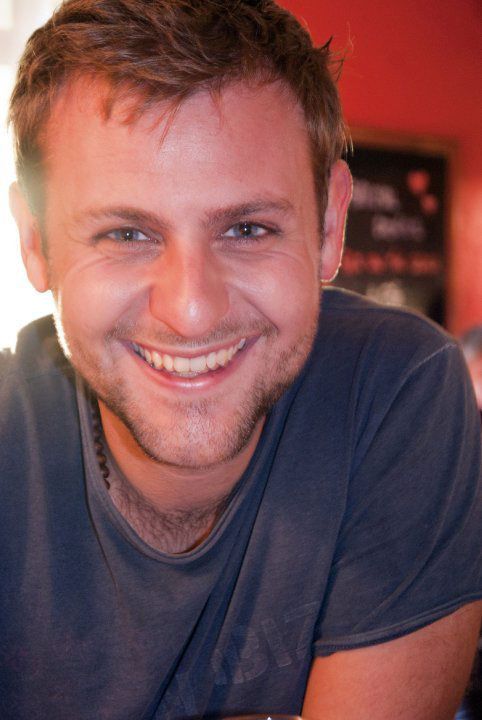
Lee Charlton is a professional corporate event photographer with more than 11 years of experience photographing conferences, awards, launches, exhibitions, networking events and large-scale public events.
His conference and event work has taken him across the UK and internationally, including Germany, Spain, Greece and Mexico. He has photographed leadership conferences for TUI, RHS events and flower shows, World Travel Market at ExCeL London, Britain in Bloom Awards, book launches and major corporate gatherings.
Lee is known for natural, unobtrusive event photography, strong low-light work and fast delivery for marketing, press and social media teams.
View Lee’s corporate event photography portfolio