Most businesses need a clear photography licence, not ownership of the copyright
When a business hires an event photographer, it usually doesn't need to own the copyright to use the photographs effectively.
What it needs is a clear licence covering where the images can be used, who can access them and whether they can be supplied to agencies, sponsors, partners or publications.
This is where confusion often starts.
Paying a photographer does not automatically transfer copyright. Equally, retaining copyright should not prevent a client from using the photographs properly across its website, social media, PR, internal communications and future event marketing.
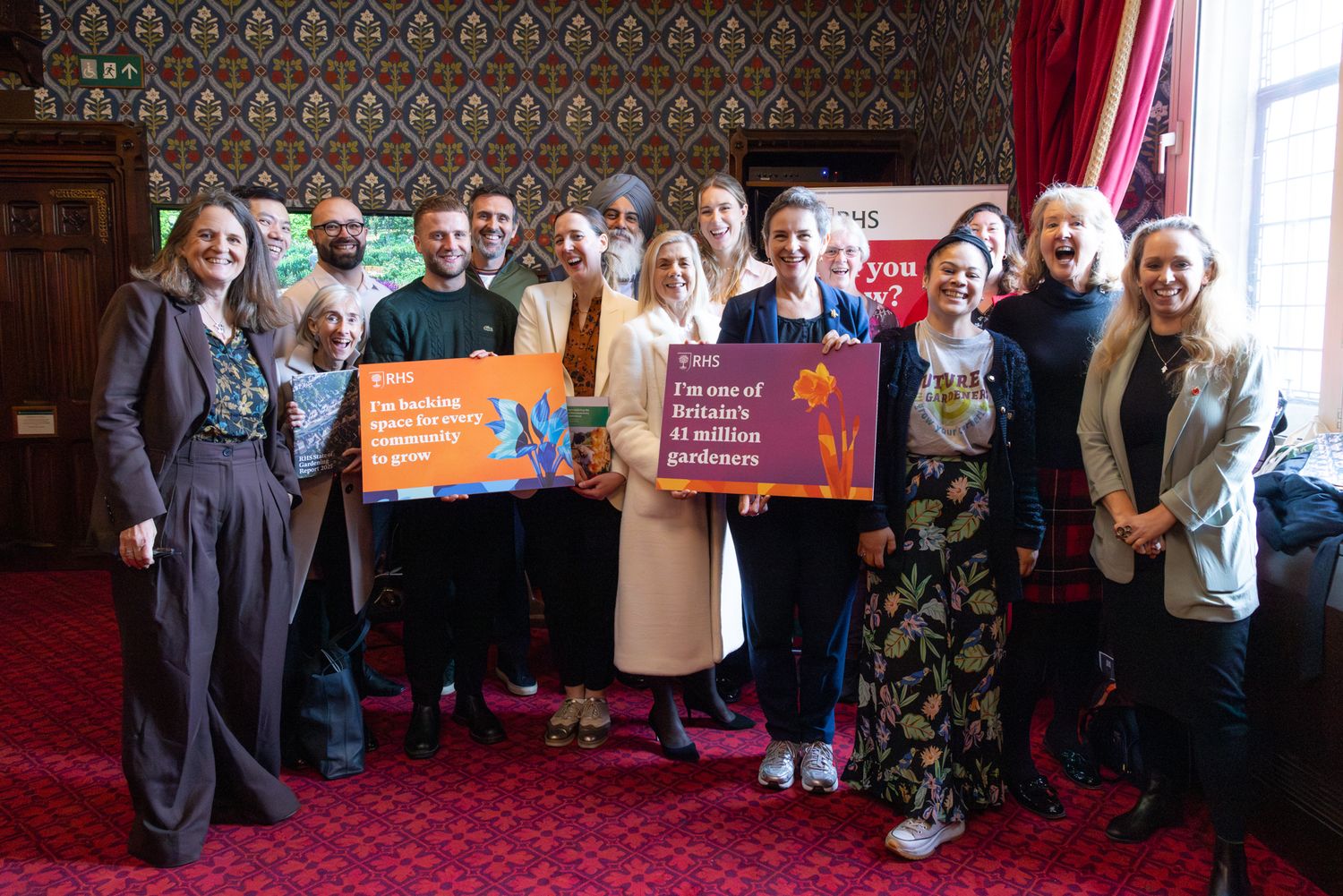
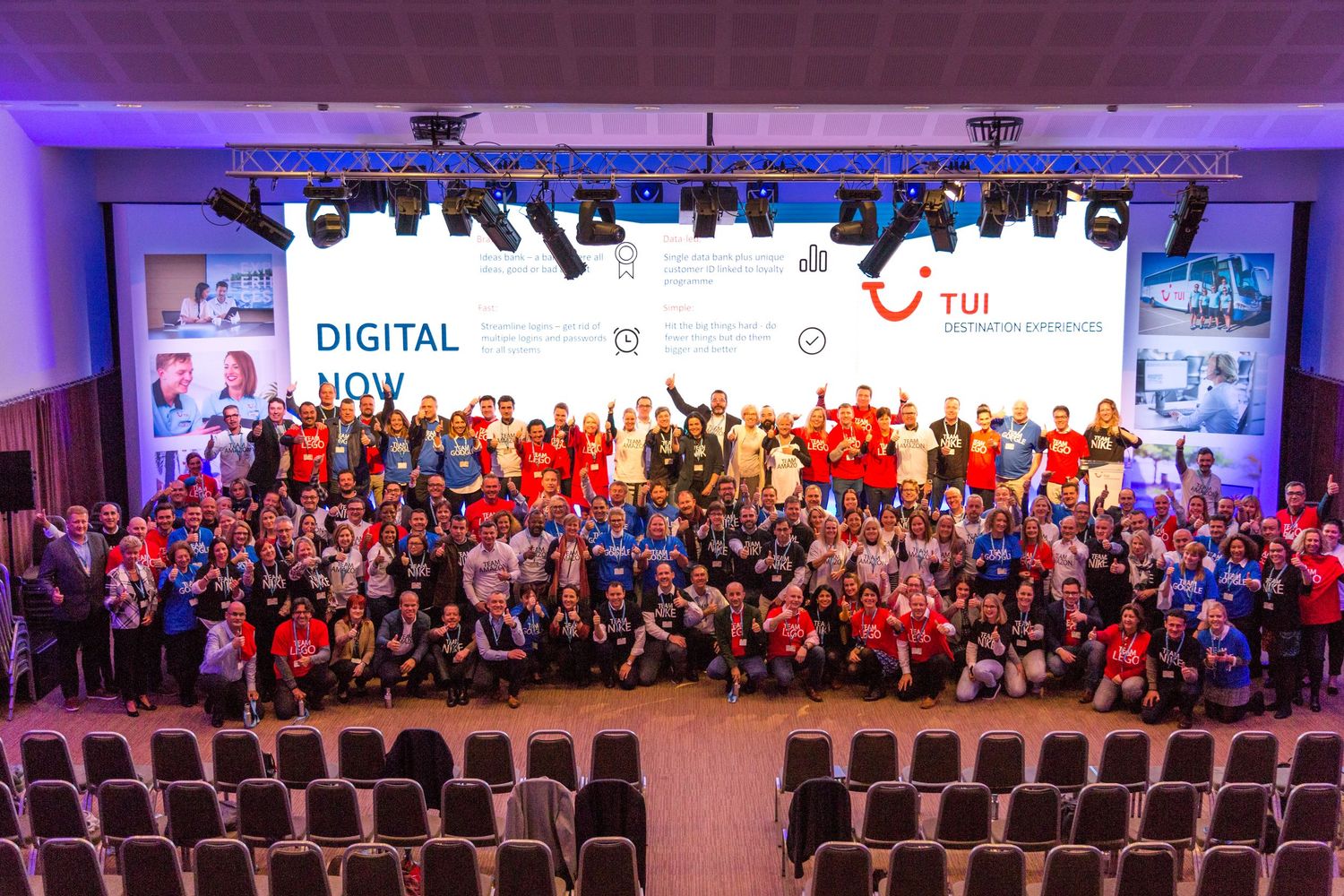
I have dealt with photography rights from both sides. Alongside more than 16 years as a professional photographer, I spent nine years as Global Photography Manager at TUI and four years as Photography and Digital Asset Manager at the RHS.
That experience has involved creating photography, commissioning other photographers and managing large collections of business imagery after delivery. The biggest lesson is simple: usage rights need to be agreed clearly and recorded properly.
This guide explains my practical approach to event photography usage rights in the UK. It provides general information, not legal advice about any particular agreement.
If you are planning your coverage, you can see what is included in my conference and corporate event photography service.

What is copyright?
Copyright is the legal protection given automatically to original creative work, including photographs. In the UK, it normally exists as soon as the photograph is created, so the photographer does not need to register it.
The copyright owner generally controls how the photograph can be:
- Copied
- Published online
- Printed
- Shared with other organisations
- Used commercially
- Licensed or transferred
Owning a digital file is not the same as owning its copyright.
A client may receive high-resolution photographs and broad permission to use them, but that does not automatically give the client ownership or unrestricted permission to share them with anyone else.
The photography agreement should explain who owns the copyright and what the client may do with the finished images.
Who owns the copyright in event and conference photographs?
Under the usual UK position, the person or business that creates a photograph is generally the first copyright owner.
Therefore, when a business commissions an independent photographer to cover a conference, awards ceremony, launch or corporate event, the photographer will normally retain copyright unless a different arrangement has been agreed.
The fact that the client paid for the photography does not automatically transfer ownership.
The Intellectual Property Office’s guidance on commissioned works confirms that the creator is normally the first copyright owner when an organisation commissions an independent person or business. The contract should then explain how the client may use the work.
An important exception applies to employees. When someone creates photographs in the course of their employment, their employer is generally the first copyright owner, unless an agreement states otherwise.
This distinction matters because employing a photographer and commissioning an independent photographer are not the same thing.
My experience managing photography for large organisations
At TUI and the RHS, we used clear photographer agreements that explained who would own the resulting work.
Where the agreement transferred copyright to the organisation, that ownership did not disappear simply because the photographer retained copies of the files.
Some photographers later appeared to forget what they had agreed and attempted to sell imagery covered by those agreements. That created an unnecessary problem because the organisation’s ownership had already been set out in writing.
It reinforced why rights information must remain attached to the photography long after a shoot has finished.
A contract sitting forgotten in somebody’s inbox is not particularly useful when another department discovers the photographs three years later. The organisation still needs to know:
- Who created the images
- Who owns the copyright
- What uses are permitted
- Whether any restrictions or embargoes apply
- Whether third parties can receive the files
- Whether a credit is required
- Whether permissions expire
- Who should be contacted if a new use is proposed
This is where my photography and Digital Asset Management experience overlap. A photograph can look perfect but still be commercially useless if nobody knows whether it can be used.
What is a photography licence?
A licence gives someone permission to use a copyrighted work without transferring ownership of the copyright itself.
The Intellectual Property Office describes a copyright licence as a contractual agreement setting out what the user can do with the work. A licence can be broad or narrow and may be limited by time, location, purpose or media.
My usual event photography licence is deliberately practical.
Once the agreed payment has been made, the client receives a perpetual, worldwide, royalty-free and non-exclusive licence covering its own business and event use.
This normally includes:
- Company websites
- Organic social media
- PR and press activity
- Internal communications
- Presentations
- Reports
- Newsletters
- Printed marketing
- Recruitment materials
- Sponsor reporting
- Promotion of the current event
- Promotion of future events
“Royalty-free” does not mean that the photography itself was free. It means the client does not pay me a new royalty every time it uses the photographs within the agreed licence.
“Non-exclusive” means I retain copyright and my agreed rights. The client has broad permission to use the images, but ownership has not transferred.
Usage is one of several factors to confirm in the quote. My conference photography pricing guide explains how coverage, delivery and licensing can affect the final cost.
What may fall outside a standard event photography licence?
A broad business licence does not necessarily give every person or organisation connected with the event unrestricted use of the photographs.
Uses that should be discussed separately may include:
- Paid advertising
- Reselling the photographs
- Merchandise
- Stock libraries
- Supplying files to franchisees
- Use by sponsors or commercial partners
- Use by exhibitors as part of their own marketing
- Use by unrelated businesses
- Extensive third-party campaigns
- Alteration or reuse outside the original context
This does not mean these uses will always be refused or attract another fee. It means they should be agreed rather than assumed.
If a PR agency is acting directly for the client, for example, it may be entirely reasonable for the agency to access and distribute approved images. However, that is different from giving every sponsor, supplier and attendee an independent commercial licence.
The easiest approach is to identify everyone who needs the photographs before you finalise the agreement.
My guide on how to brief a PR photographer includes the other information worth confirming before a launch, press event or corporate announcement.
Do businesses need to buy the copyright?
Usually, no.
A properly written licence can give a business everything it genuinely needs without transferring copyright ownership.
Owning the copyright isn't necessary just because the images will appear on a website, LinkedIn, in a press release, or in an annual report. Those uses can all be included within the licence.
Some organisations still prefer to own commissioned photography. This may be because of an internal procurement policy, a central asset-management system or a need to supply the work throughout a large group of companies.
I am not overly precious about retaining copyright in conference photography.
If a client genuinely wants the copyright, I am happy to discuss transferring it. In return, I ask for unlimited rights to continue using the photographs myself.
That arrangement must be clear in writing. According to UK government guidance on transferring copyright, an assignment needs to be recorded in a written and signed document.
If I transfer copyright but still want to use the photographs in my portfolio, website, awards entries or marketing, the agreement needs to grant those rights back to me. Once ownership has transferred, I should not assume I can continue using the images simply because I originally photographed them.
What portfolio rights does the photographer have?
My event photography agreement normally gives me permission to use a reasonable selection of the photographs for:
- My portfolio
- My website
- Social media
- Printed marketing and proposals
- Photography awards
- Competitions
- General business promotion
However, clients can request restrictions.
Some events involve confidential information, sensitive attendees, unreleased products or internal company announcements. A press embargo may also prevent any photographs from being published before a particular date.
If a client tells me that images must not be used, or can only be used after an agreed date, I will record and respect that restriction.
The key is to discuss it before the event, when possible. Portfolio use should not surprise the client, and restrictions should not be discovered after the photographs have already been published.


Can venues, sponsors and partners use the photographs?
Not automatically.
A venue appearing in a photograph does not usually mean that the venue owns the image or has permission to use it for its own marketing.
The same applies to sponsors, exhibitors, speakers, suppliers and partner organisations. They may appear in the photographs or have helped organise the event, but that does not necessarily make them part of the client’s licence.
I have experienced this with a corporate interior shoot.
The venue shared my photographs with another photographer, who then used them on social media to promote an event. Neither the venue nor the other photographer had asked for my permission.
I could have escalated it, but I didn't think that would achieve much. Instead, I asked the photographer to credit me clearly in the caption.
That was a proportionate response for that particular situation, but it also demonstrated how easily usage becomes blurred once files start moving between organisations.
A better process would have been:
- The venue asks whether it can share the photographs.
- The intended recipient and use are explained.
- Permission is confirmed in writing.
- Any required credit or backlink is included.
- The recipient uses only the approved files for the agreed purpose.
Emailing someone a photograph is not the same as giving them unlimited commercial usage rights.
Can conference photographs be shared with delegates?
Yes, provided this fits the agreement and the organiser’s privacy arrangements.
I deliver event galleries containing both high-resolution and web-ready files. The gallery can be shared with delegates or other approved recipients when the brief includes it.
However, access to a gallery does not necessarily give every recipient permission to use the photographs commercially.
For example, a delegate may be allowed to download a photograph of themselves and share it on LinkedIn. That does not automatically mean their employer can use the complete event gallery in a paid advertising campaign.
The organiser should decide:
- Who receives access
- Whether downloads are enabled
- Which file sizes are available
- Whether the complete gallery or a smaller selection is shared
- Whether sponsors and partners have separate usage rights
- Whether any photographs need restricted access
- How long the gallery should remain available
These decisions are much easier to make before the download link has been sent to hundreds of people.
Can a business edit event photographs?
Reasonable formatting changes are normally fine within my licence.
Clients can:
- Crop an image
- Resize it
- Add text
- Use it within a designed layout
- Create a cutout of a person, product or other part of the image
- Export it into a format suitable for a particular platform
What I do not permit is applying filters, unapproved retouching, or AI alterations.
There are practical reasons for that.
A strong event gallery should have consistent colour, skin tones and exposure. Adding social-media filters can make the work look uneven or badly edited. Heavy retouching can also change the meaning of a documentary event photograph.
AI creates a bigger problem because it can introduce people, remove details, alter branding or create a scene that did not actually happen.
If a photograph is changed substantially and still carries my name, viewers may reasonably assume that I created or approved the altered image. That can affect both accuracy and professional reputation.
If a client needs a significant alteration, the sensible approach is to ask first.
Should the photographer receive a credit?
Wherever possible, I ask clients and publications to include a photographer credit.
A simple credit such as “Photography: Lee Charlton Photography” is normally enough. Where the photograph appears online, I also appreciate a backlink to my website when feasible.
Whether a credit is contractually required depends on the agreement and how the image is used. I understand that a credit will not fit naturally into every company presentation, social graphic or printed item.
Press articles, editorial websites, venue blogs and partner case studies are usually different. These formats often already have space for image credits, so there is little reason not to include one.
Credits are particularly important when photographs are passed beyond the original client. They help recipients identify the source, reduce confusion about ownership and make it less likely that the work will be treated as an unowned marketing asset.
Copyright and attendee privacy are not the same thing
Copyright controls ownership and use of the photograph as a creative work.
Privacy and data-protection responsibilities concern the people shown in the photographs and how information about them is collected, processed and used.
Owning copyright does not remove those responsibilities.
I generally leave the organiser to manage attendee communications and its own privacy process. The organiser understands its audience, registration arrangements, lawful basis, internal policies and intended use better than I do.
I can advise on practical photography arrangements when asked, but I don't want to overstep the mark or try to decide the organiser’s lawful basis.
Before the event, I ask the organiser to tell me about:
- People who must not be photographed
- Attendees who have objected
- Children or vulnerable attendees
- Confidential sessions or restricted areas
- Images that must not be published
- Embargoes
- Any system being used to identify photography opt-outs
The organiser should also communicate clearly that photography is taking place and explain how the images may be used.
The Information Commissioner’s Office guidance on the right to be informed says organisations should give people clear, concise and accessible information about how their personal information is used. The right process depends on the event and the organisation, so it should be reviewed internally or with an appropriate adviser.
A client signing a photography agreement is not the same as every attendee giving consent. Consent is not automatically the only lawful basis. The organiser needs to establish and document the appropriate approach for its event.
Why usage information needs to remain with the photographs
The person commissioning the shoot may understand the licence perfectly when the gallery is delivered.
Two years later, that person may have left the organisation. The marketing team may have changed, the original emails may be difficult to find, and the photographs may have been copied into several shared folders.
Without rights information, people begin guessing.
That is where avoidable mistakes happen:
- Nobody knows who owns the copyright.
- A temporary licence is treated as permanent.
- A restricted photograph is published.
- A sponsor receives files it was not licensed to use.
- An image is sent to an agency with no explanation.
- Nobody can identify the photographer.
- A colleague assumes that finding an image internally means it is free to use.
My DAM experience taught me that ownership, permissions and restrictions are part of the asset itself. They should not be treated as administrative information that can be separated from the photograph and forgotten.
At minimum, organisations should retain:
- The photographer’s name and contact details
- The photography agreement
- The copyright owner
- The permitted uses
- Any expiry date
- Any territory or channel restrictions
- Portfolio and confidentiality terms
- Third-party permissions
- Attendee or subject restrictions
- Required credits
- The original gallery or delivery record
Good rights management allows people to use photography confidently. Poor rights management usually results in either misuse or valuable images being avoided because nobody is sure what they can do with them.
What should businesses agree before a conference or corporate event?
Consider usage rights alongside experience, delivery, and backup arrangements when choosing the right corporate event photographer.
Before appointing an event photographer, confirm:
- Who will own the copyright
- Which organisation is receiving the licence
- Which marketing channels are included
- Whether paid advertising is included
- Whether agencies can access the files
- Whether sponsors, partners or exhibitors can use them
- Whether delegates can download photographs
- Whether the photographer has portfolio rights
- Whether an embargo or confidentiality restriction applies
- Whether credits or backlinks are expected
- What editing and alterations are allowed
- How the gallery will be delivered
- Who is responsible for attendee communications
- How photography objections will be handled
These points do not need to turn the agreement into pages of legal jargon.
They simply need to be clear enough that everyone knows where they stand.
My conference photography checklist covers the speakers, branding, audience moments and supporting details that should also be included in the brief.


Frequently asked questions about event photography usage rights
Who normally owns event photographs in the UK?
An independent photographer will generally own copyright in the photographs they create unless copyright has been transferred through a written agreement. If the photographer created the images in the course of employment, their employer will generally be the first copyright owner.
Can our business use event photographs on social media?
Yes, if social-media use is included within the agreed licence. My normal business licence includes organic social media. Paid advertising and use by separate organisations should be confirmed specifically.
Can we give the photographs to our PR agency?
Usually, provided the agreement allows the agency to use the files on the client’s behalf. If the agency wants to use the photographs for another client or its own marketing, that should be agreed separately.
Can sponsors and event partners use the photographs?
Not automatically. Sponsors and partners are separate organisations and may require their own permission. Tell the photographer who needs access and how the photographs will be used before the agreement is finalised.
Do we need to buy the copyright?
Most businesses do not. A clear, broad licence can cover normal website, social media, PR, internal and printed marketing use without transferring ownership.
Can we crop event photographs or add text?
My clients can crop, resize, add text and create cutouts for layouts. I do not permit filters, unapproved retouching or AI alterations because these can change the quality, accuracy and meaning of the work.
Does a photographer need permission to use event photographs in their portfolio?
This depends on the photography agreement and the circumstances. My normal agreement includes portfolio use unless the client requests a restriction or embargo.
Should we credit the photographer?
Wherever practical, yes. I ask for a clear photographer credit and, for online use, a backlink where feasible. Any mandatory credit requirement should be recorded in the agreement.
Clear rights make event photography more useful
Usage rights shouldn't make event photography hard to use.
The purpose of a good agreement is to give the client the freedom it needs while protecting both sides from misunderstandings.
For most businesses, that means a broad licence covering normal company marketing, communications and event promotion. Where photographs need to be shared with sponsors, agencies, venues or other businesses, those uses should be discussed and recorded.
If copyright ownership genuinely matters, it can be transferred through a written agreement. I am open to that for conference photography, provided I retain unlimited rights to use the work myself.
The worst option is leaving everything vague and hoping people interpret it correctly later.
If you are planning a conference, corporate event, awards ceremony or launch, I can help you establish the photography brief, delivery requirements and intended usage before the event.

Lee Charlton is a professional corporate, event and conference photographer with more than 16 years of experience creating photography for businesses and organisations across the UK and internationally.
He spent nine years as Global Photography Manager at TUI and four years as Photography and Digital Asset Manager at the RHS. His experience covers creating, commissioning, licensing, organising and managing business photography from both sides of the brief.
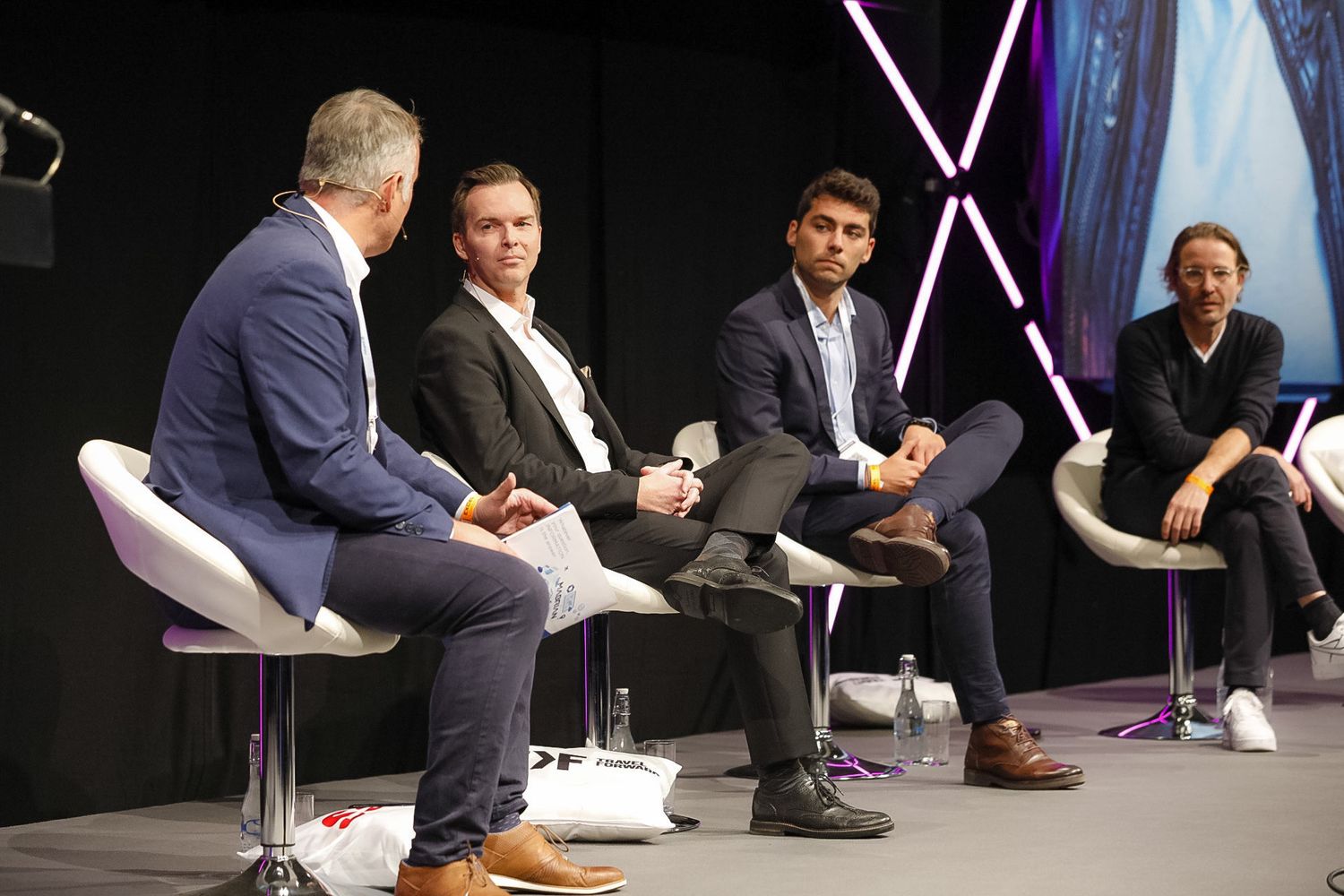
His event work includes leadership conferences and international events for TUI, RHS conferences and flower shows, World Travel Market at ExCeL London, McDonald’s restaurant openings, M&S press photography, awards ceremonies and major corporate gatherings.