A practical guide to photographs for tour listings, websites and marketing campaigns
A useful tour or excursion gallery should show the setting, the main experience, what makes it distinctive and the practical details customers need before booking. Include people where their participation helps explain the activity, and give destinations and landmarks room to speak for themselves when they are the main attraction.
The photographs also need to work wherever you plan to use them. A booking-platform thumbnail, a website header and a vertical social post can require quite different compositions.
I’ve worked as a professional photographer for more than 16 years, including nine years at TUI, where I became Global Photography Manager. Photographing excursions taught me that a successful shoot starts with understanding both the experience and how the marketing team will use the images.
Here is what I would plan before commissioning a new collection.
What should your tour photographs show?
Start by asking what someone needs to understand before they book. A sightseeing day, a wine tasting and a sailing excursion will need different priorities.
I would build the brief around these six types of photographs, adapting the balance to the experience:
- Main image: Show the strongest reason to book: a distinctive landmark, a vessel under sail or the activity in its setting.
- Setting: Show where the experience takes place, including streets, coastlines, architecture, landscapes or the venue.
- Experience: Show what customers will actually see or do, such as a tasting, a guided visit, a performance or an activity underway.
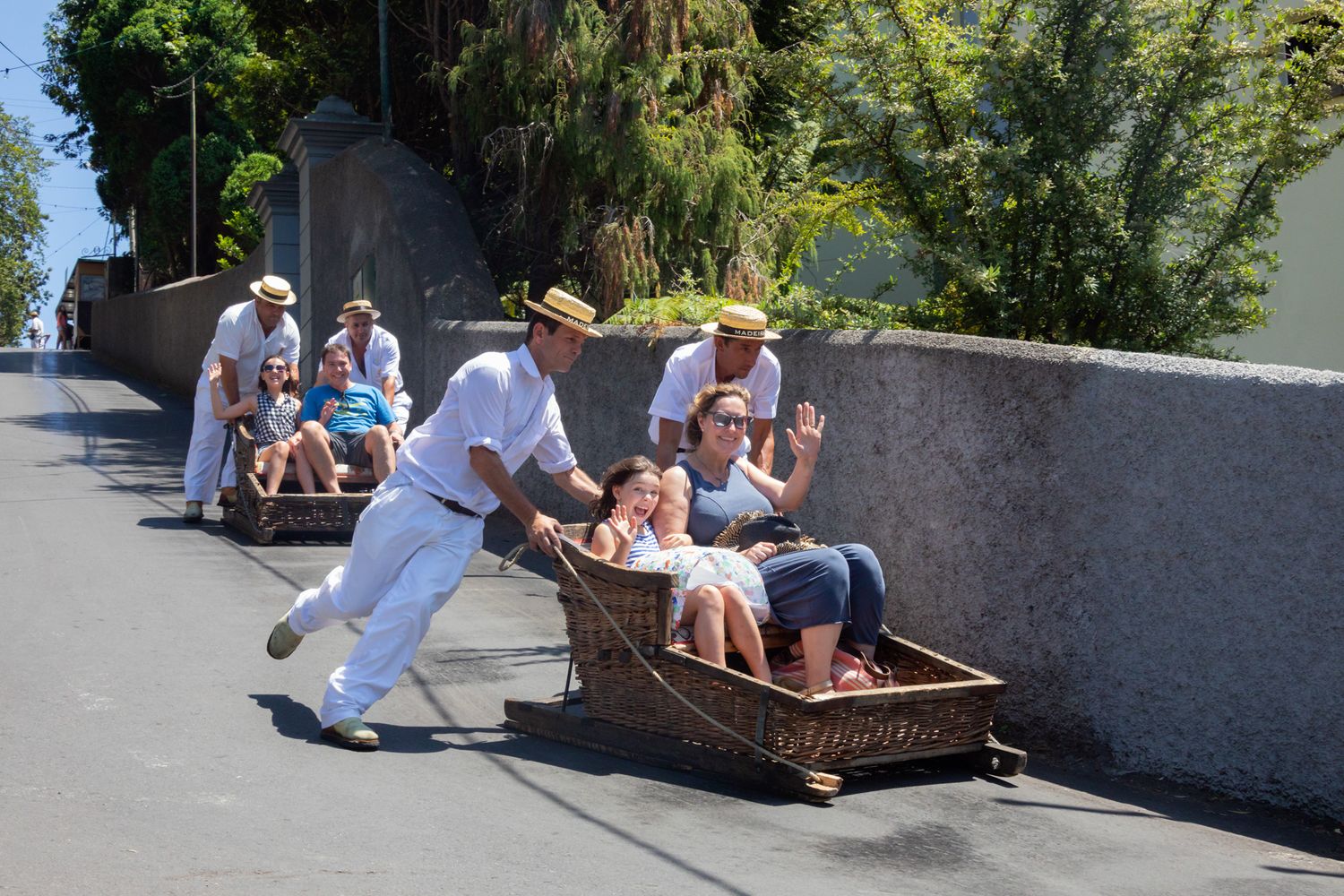
- People, where relevant: Show how participation feels and who leads it. This might include a guide interacting with guests, shared reactions or someone taking part.
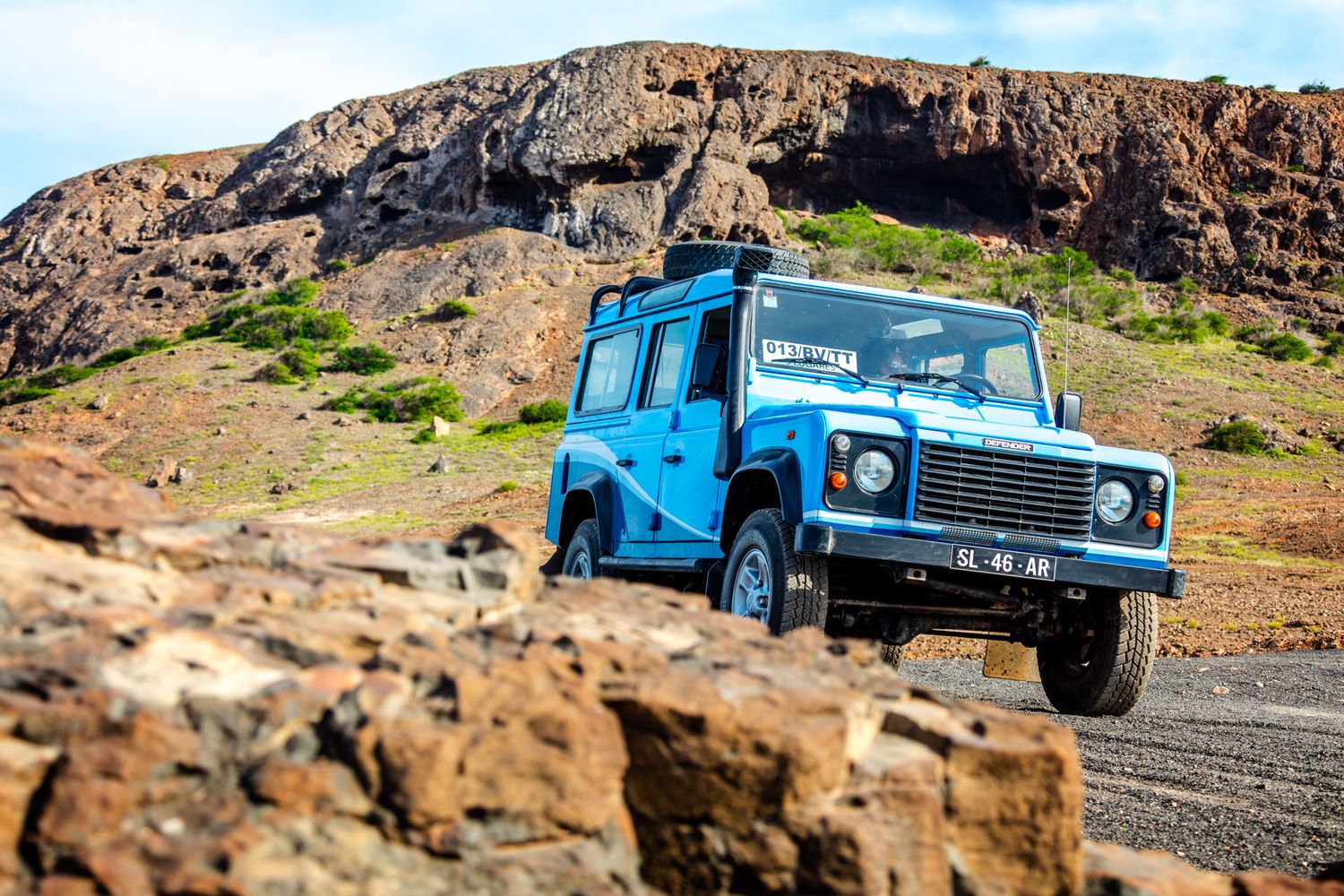
- Details and inclusions: Show what makes your offer specific, including local food, equipment, transport, facilities or access included in the tour.
- Variations for marketing: Capture portrait and landscape compositions, close-ups, and photos with space for text, so the collection works across your marketing channels.
Every photograph should contribute something. Several nearly identical views can leave important parts of the experience unexplained.
My Portugal excursion photography assignment included heritage, food and wine, coastal communities, guided experiences and Fado performances. Each needed its own approach, while the finished collection still had to work together for TUI’s marketing team.
Check that everything shown genuinely belongs to the experience being sold. A photograph of an impressive nearby attraction can create the wrong expectation if the tour does not visit it.
Do all tourism photographs need people?
No. The decision should follow what the customer is booking.
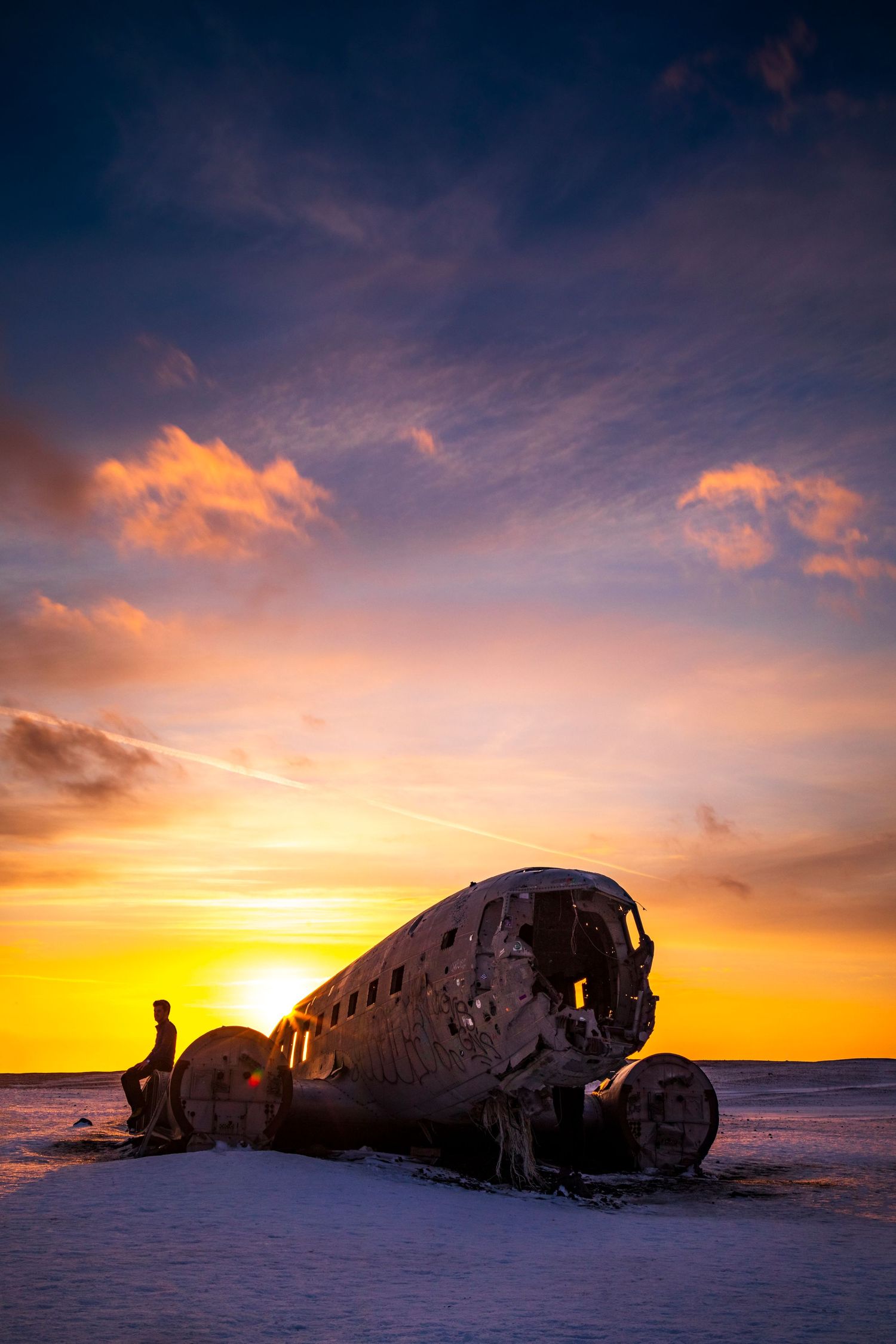
For a sightseeing itinerary built around architecture, a remarkable landscape or a particular landmark, a strong photograph of the place may be exactly what is needed. Adding someone simply to tick a box can weaken the composition or make it feel forced.
Sometimes a small human presence is enough: a figure gives a sense of scale, or somebody at the edge of the frame helps the viewer imagine being there.
For experiences built around participation, people usually matter more. A boat cruise, a guided adventure or a hands-on food experience needs photographs that help customers understand what taking part looks like.
That distinction is supported by Viator’s photography guidance, which recommends photographs of travellers enjoying activities while also recognising the value of sights, landmarks and landscapes that are the focus of an experience.
My approach is to give people a purpose within the photograph. Professional models, staff or real guests can all work. What matters is whether their presence feels believable and adds useful information.
My visitor attraction photography at RHS Rosemoor shows how natural family interactions can communicate the experience of exploring an attraction together.
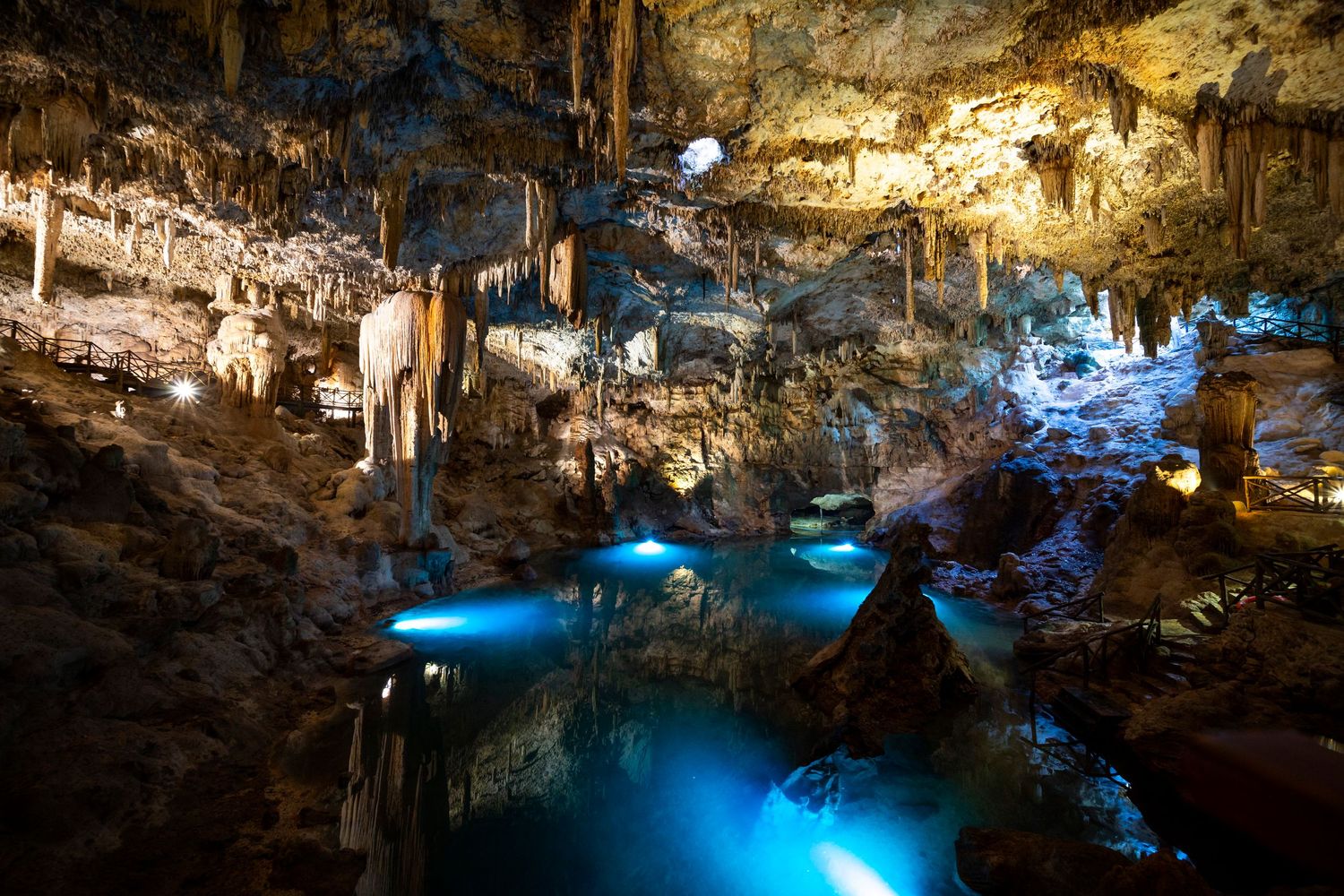
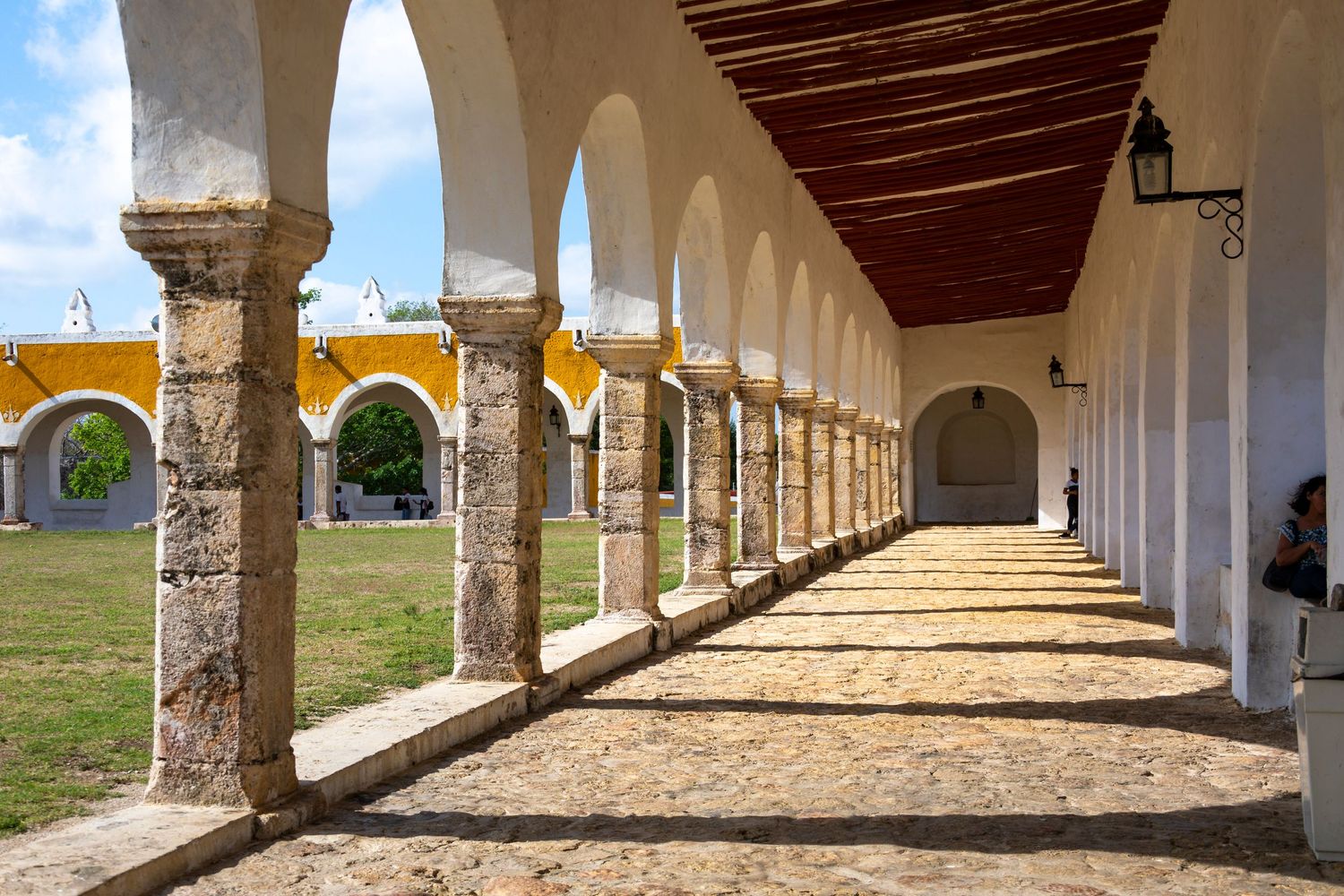
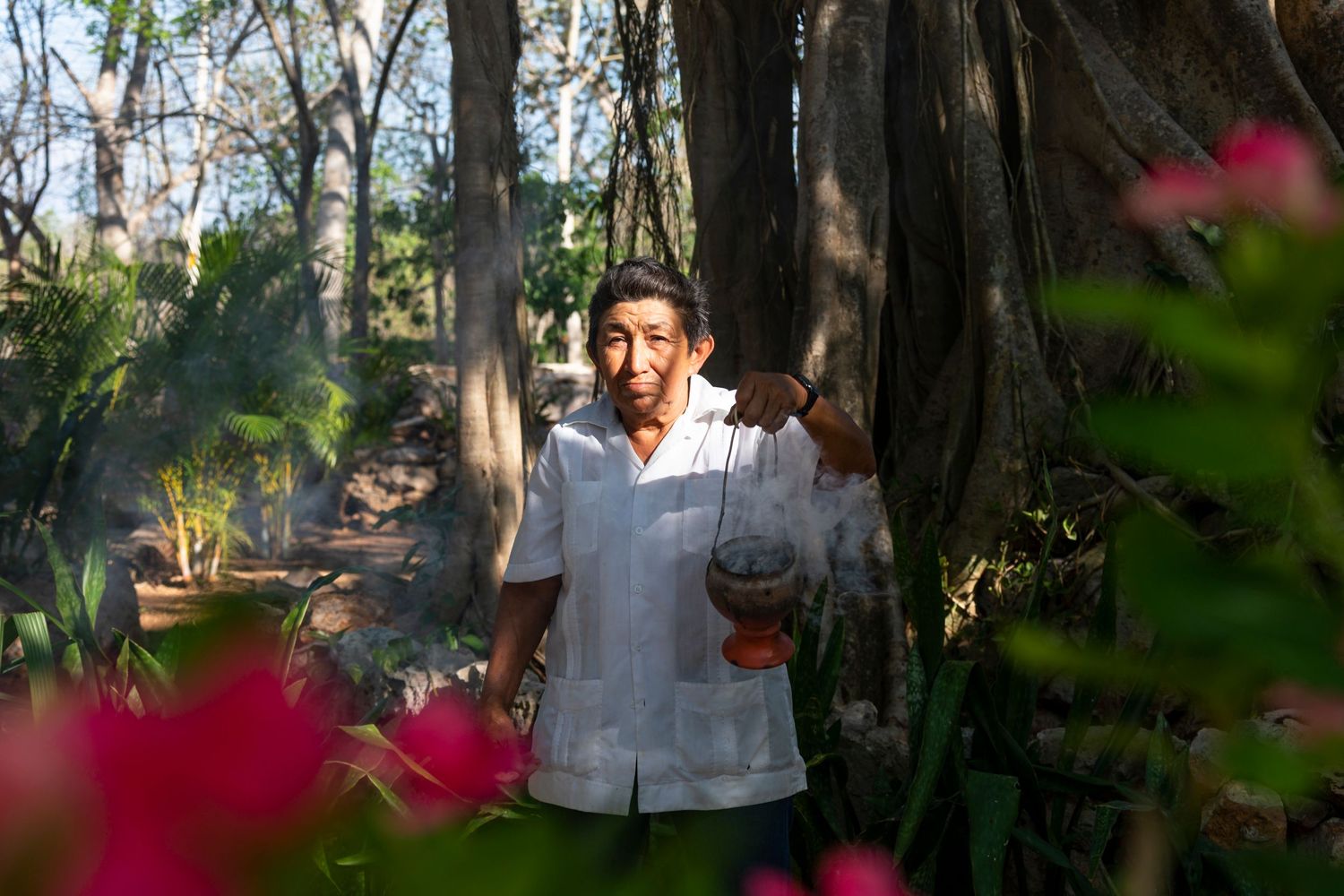
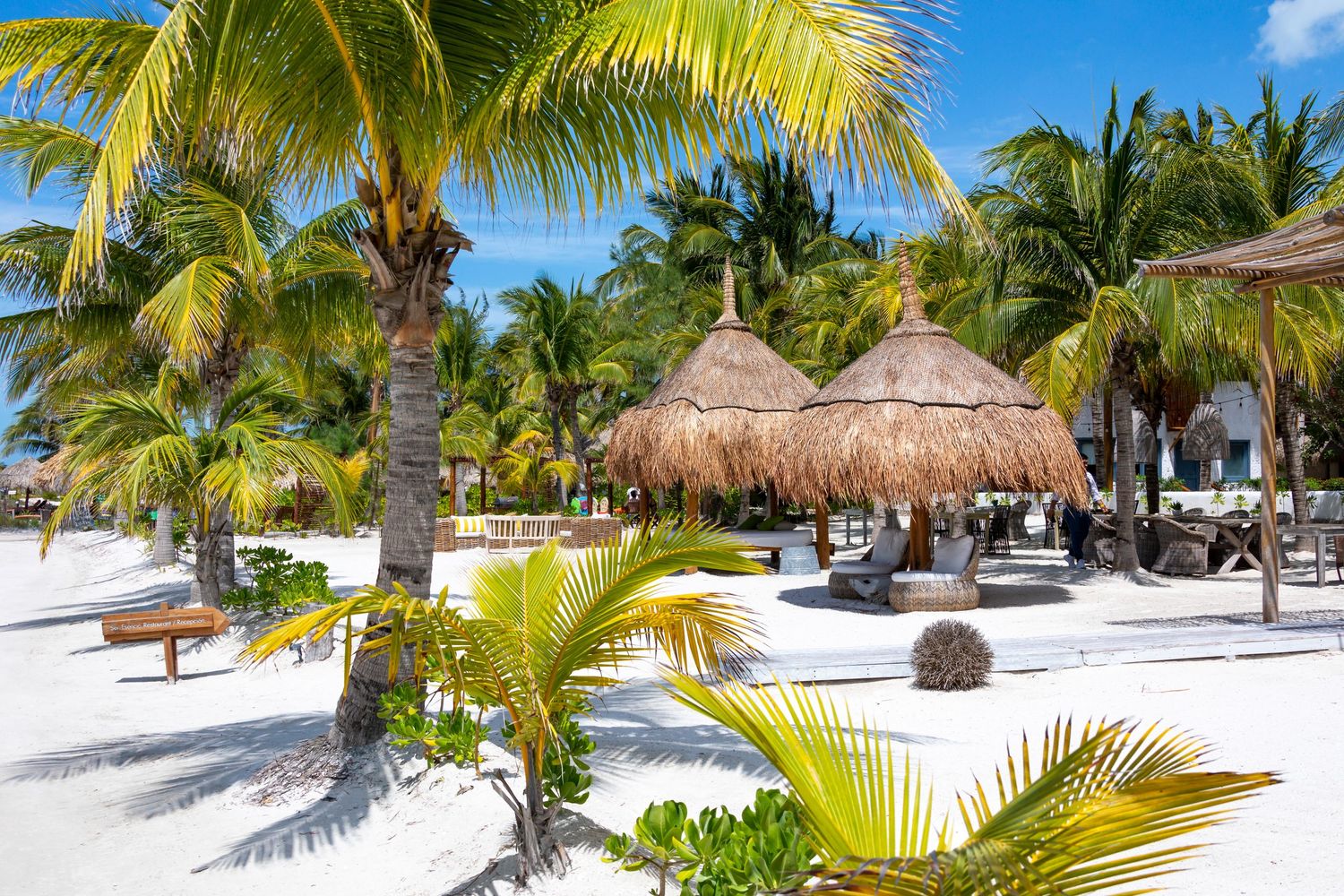
What makes a strong main image for a tour?
The main image should clearly communicate the experience, even when it appears as a small thumbnail. The most useful viewpoint can require some planning.
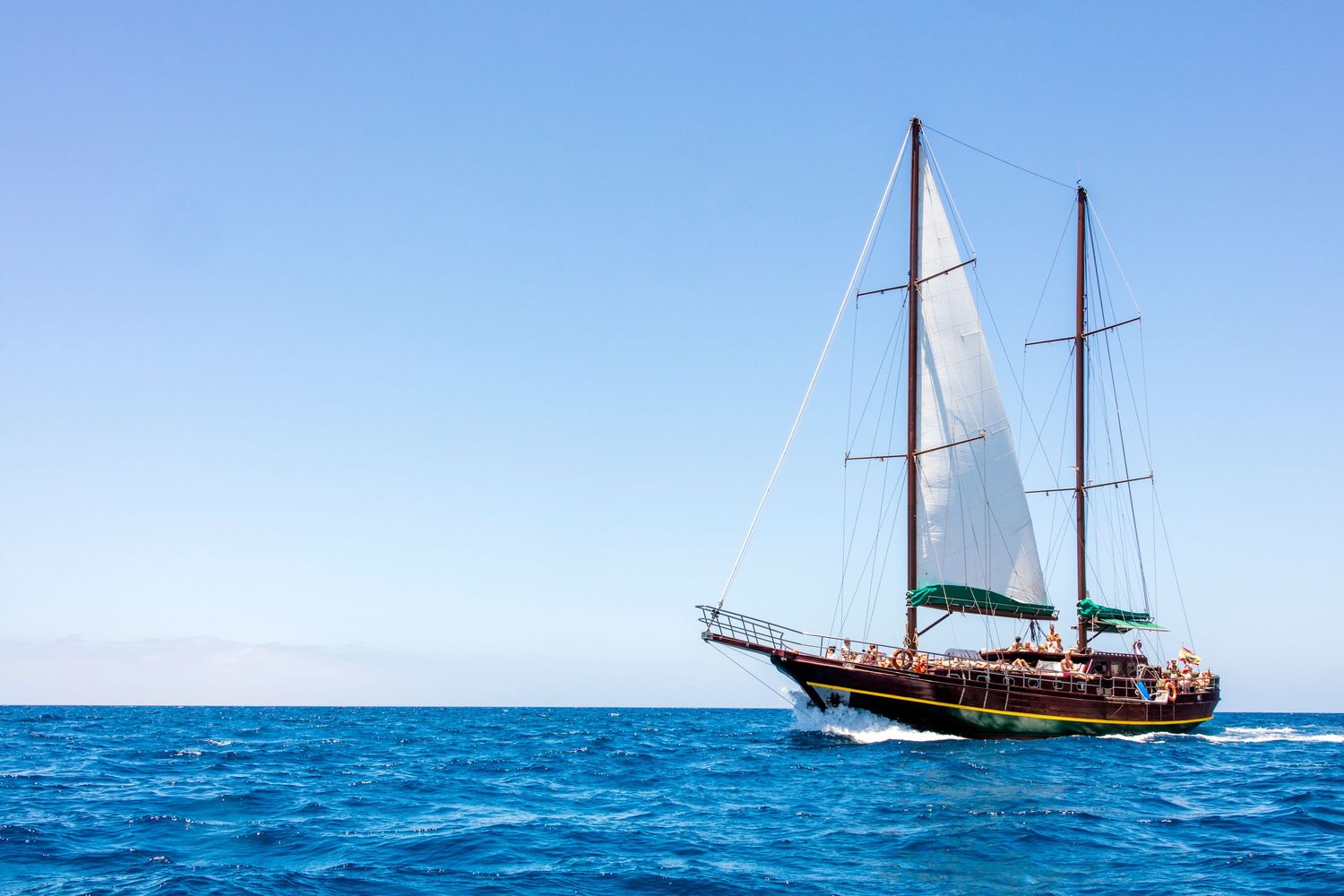
Early in my excursion work, I photographed plenty of boat trips on impressive yachts and catamarans. It was easy to get photographs from the deck, but those viewpoints were also available to everyone else on board.
I started asking operators to bring a small RIB or tender. That meant I could leave the main vessel and photograph it out on the water, with room to show its shape, movement and setting.
Those became the main images: photographs that showed the whole vessel and gave the marketing team a view customers couldn't get from their seats.
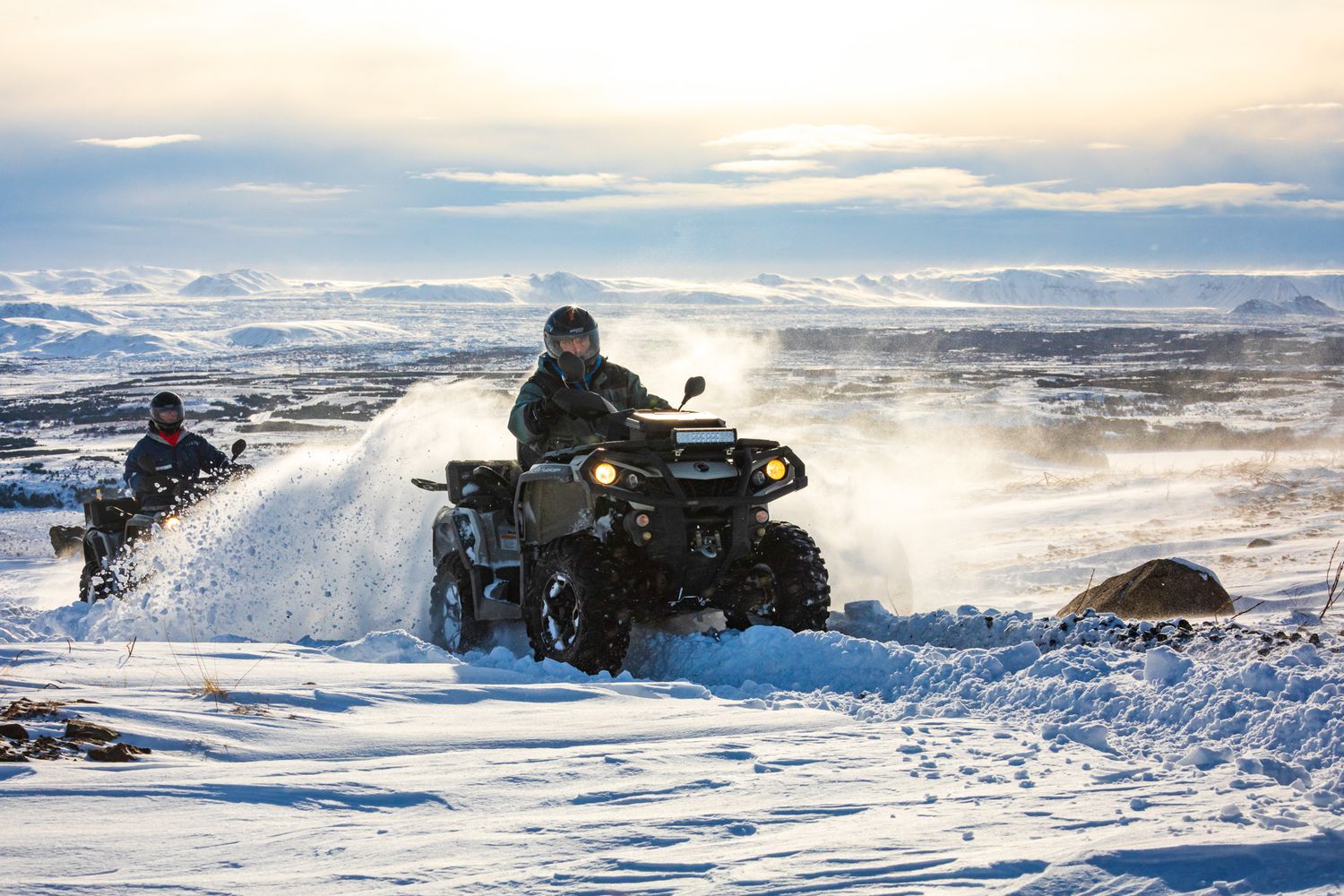
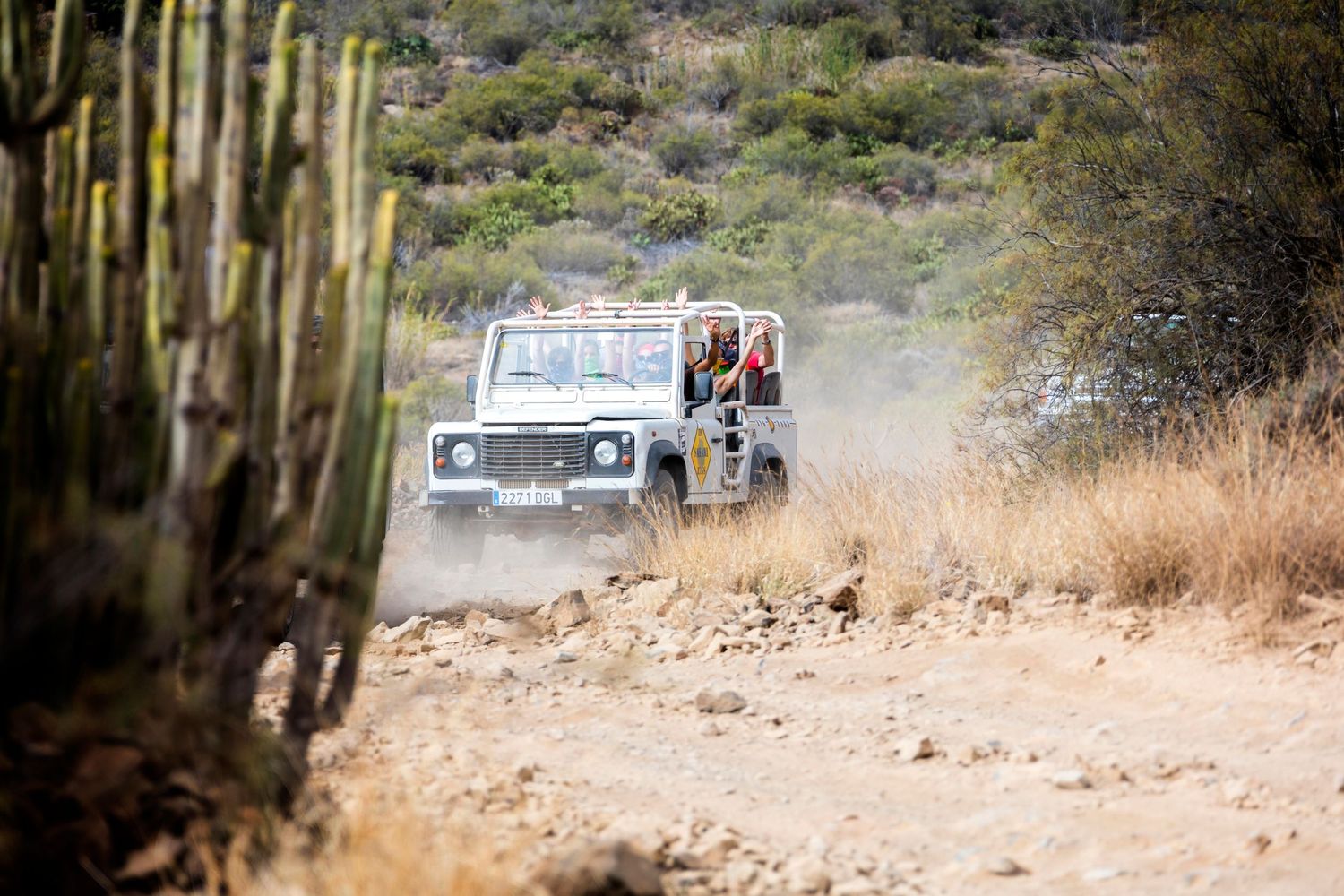
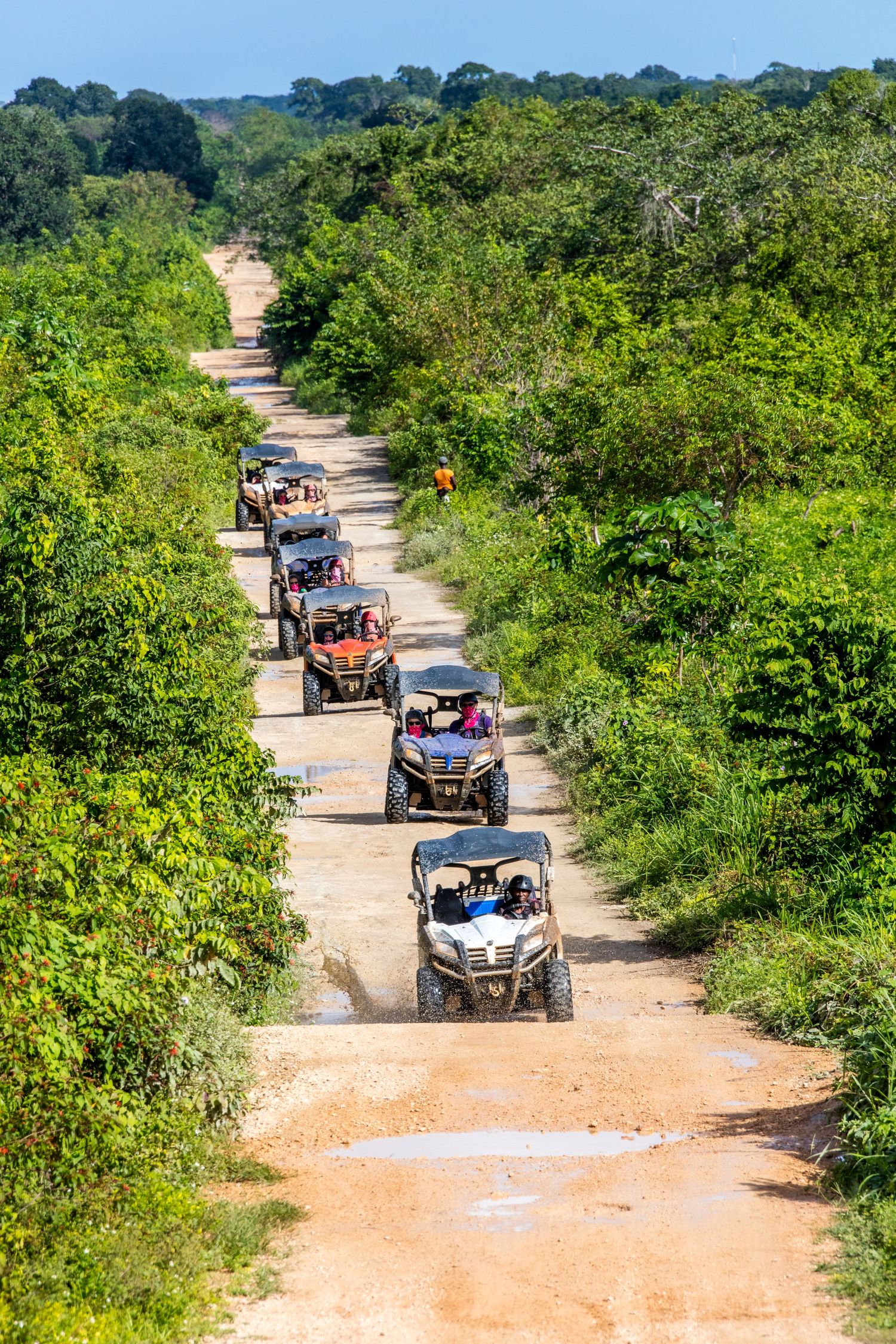
The same principle applied to ATV and 4x4 excursions. Travelling separately with a driver allowed me to get ahead of the group and photograph the vehicles approaching through the landscape. Staying within the group limited the angles available.
The lesson applies more widely: plan where the photographer needs to be, as well as what needs photographing.
For a guided visit, that might mean advance access to a room or time to photograph the location before the group arrives. For a live performance, it means agreeing on suitable positions around the audience and understanding when important moments will happen.
My Coco Bongo photography for TUI shows how that changes during a live public show, where the performance and the customers’ evening have to continue.
How do you photograph real guests without making it awkward?
On many TUI assignments, I photographed paying customers during their excursion. Using real guests kept production costs down, but it could be awkward. They had paid for a day out and didn't expect a photographer to be part of it.
I would introduce myself at the start, explain why I was there, and ask anyone who didn't want to be photographed to let me know so I could avoid them.
Plenty of people enjoyed the idea of appearing in marketing material. Others preferred to get on with their day. Both needed to feel comfortable.
My style is candid and documentary. I look for genuine moments as people explore, listen, taste or take part. Occasionally, if an interaction worked particularly well, I would ask a willing participant to repeat a simple action with a small adjustment.
For those assignments, I also circulated model release forms for the people being featured. Introducing yourself and giving people a way to decline photography should go hand in hand with clear arrangements for permission to use the resulting images in marketing.
Discuss this before the shoot: who will participate, how they will be informed and who will arrange and record the relevant permissions. A paying guest’s experience should remain a priority throughout.
How do you make photographs work across different marketing formats?
Tell the photographer where the images will appear before the shoot. Send examples of the actual layouts wherever possible.
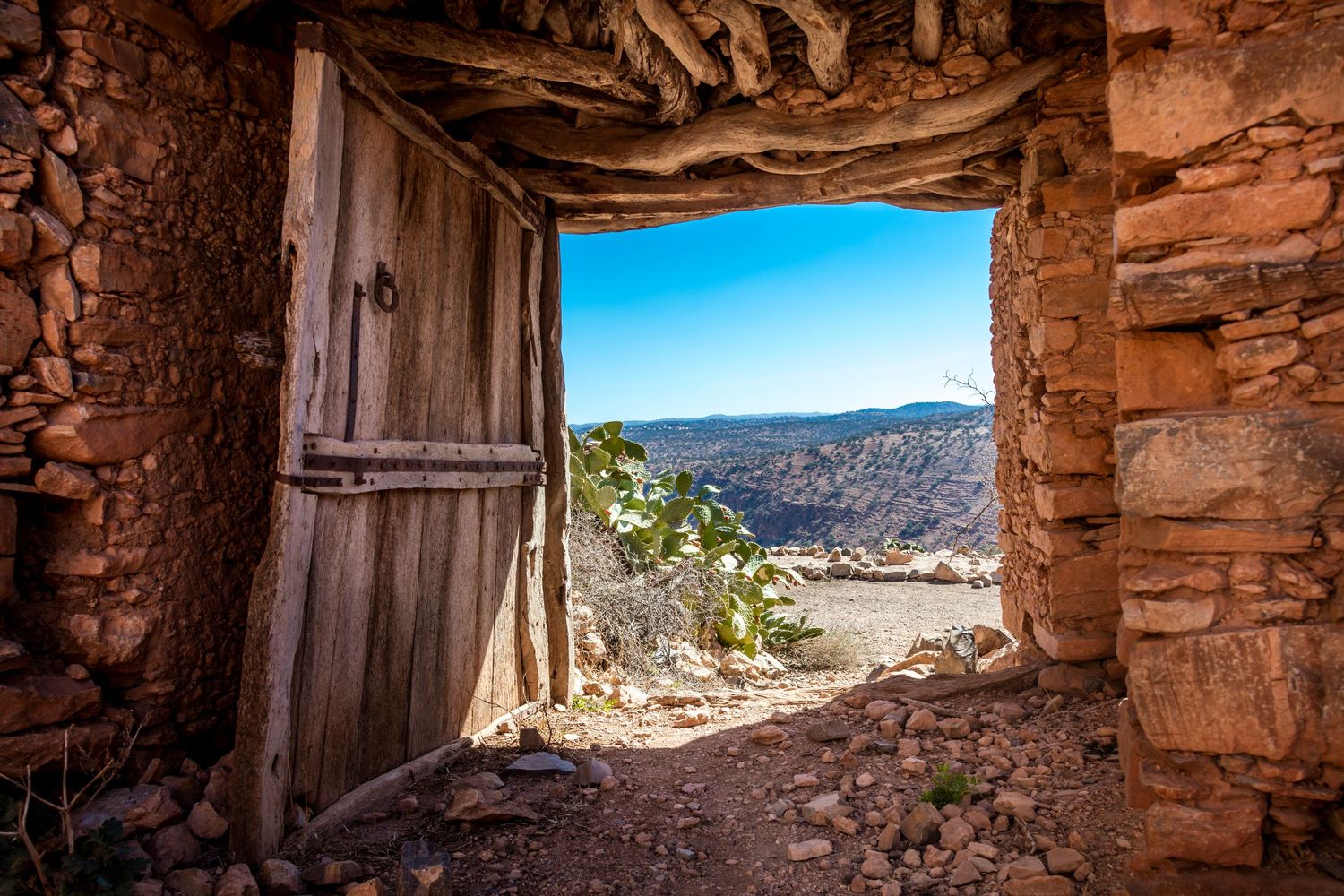
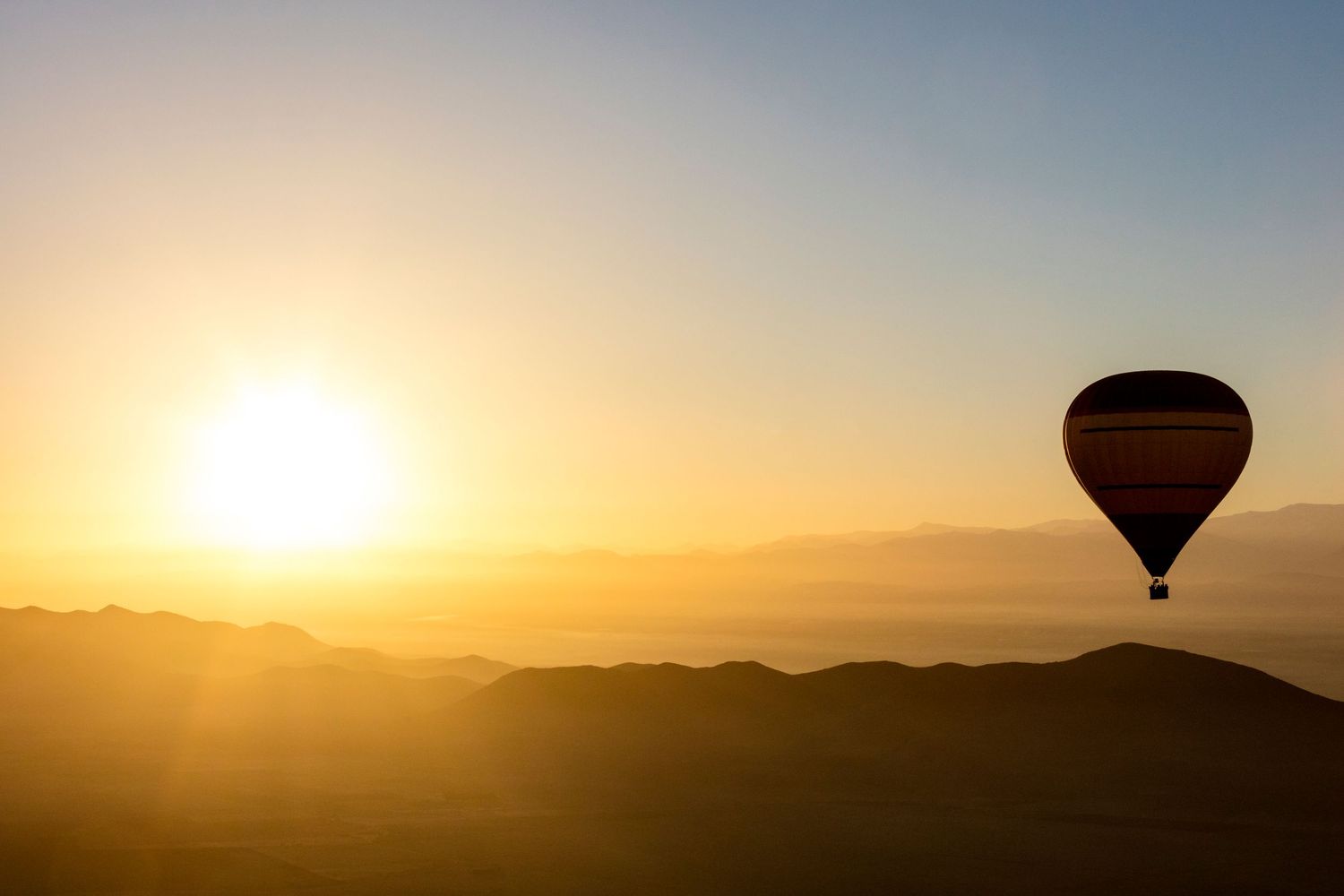
Some websites use very shallow, letterbox-shaped headers. These can require a much wider composition than you might expect, because only a narrow strip of the original photograph will be visible.
A photograph that looks excellent in the gallery may lose the important subject when placed in that space.
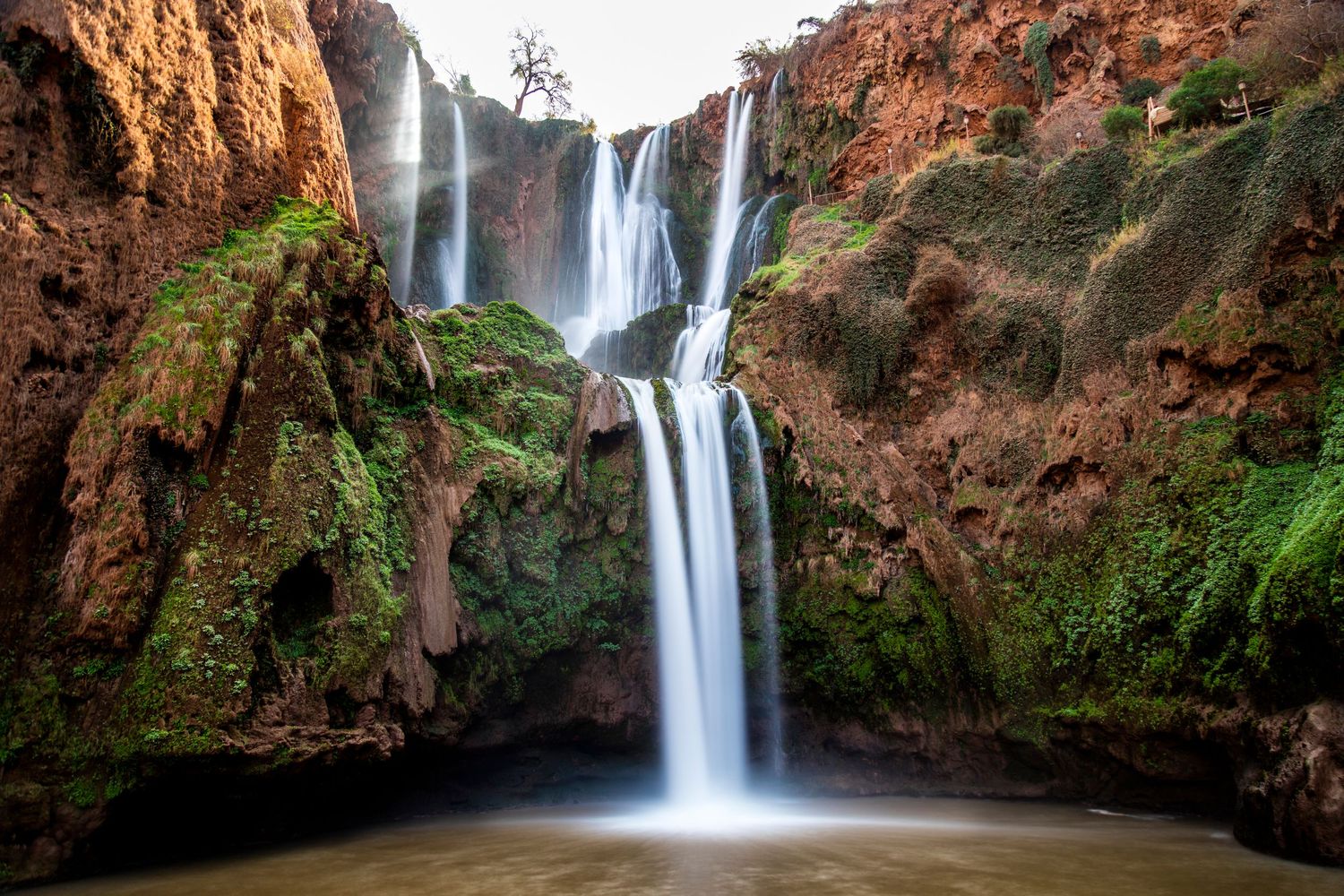
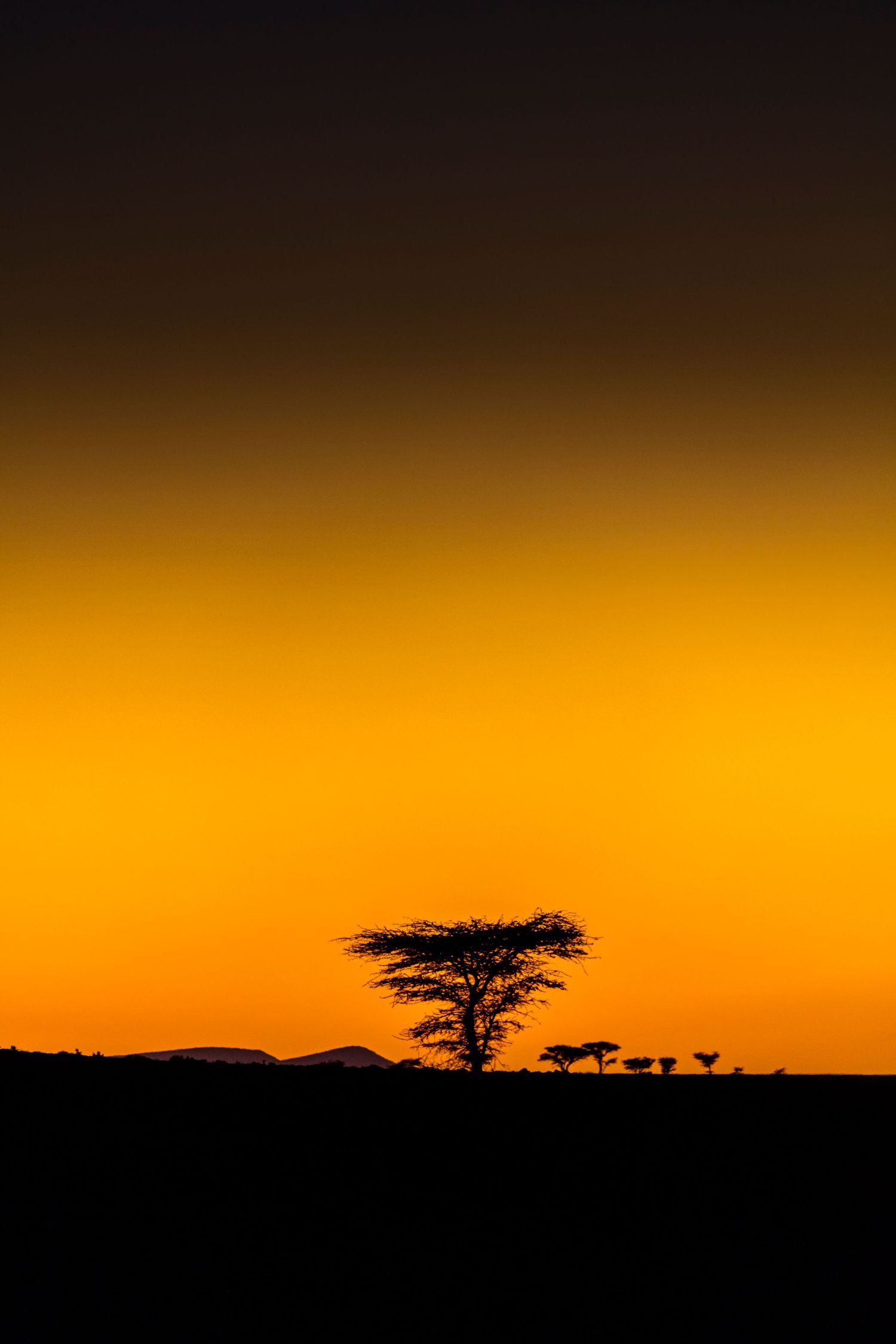
I plan for this by leaving room around the subject and, where useful, clear space for a headline or other text. I also capture portrait and landscape alternatives rather than assuming every horizontal photograph can become a successful vertical crop.
A wider frame can provide flexibility, but it only works if the main subject survives the intended crop.
Useful things to share include:
- Website header layouts and how they change on mobile.
- Booking-platform image requirements.
- Social media formats and any text overlays.
- Brochure or advertising layouts.
- Examples showing where the main subject needs to sit.
I prefer image layouts that suit the subject. A letterbox header can work, but giving a photograph more height may preserve much more of what makes it interesting. Discuss the design with your photographer and web designer before committing to the crops.
What should you prepare before the photographer arrives?
Good access and coordination can make a bigger difference than adding more subjects to the shot list.
Agree the priority experiences, who can help on location, where photography can happen and how the photographer will move between positions. Arrange any separate transport or advance access with the operator to keep it practical and safe.
Include time for travel between stops, changing conditions and quieter opportunities to capture details. Confirm what will happen if an important part of the itinerary becomes unavailable.
You can use this short brief as a starting point:
- Experience and audience: Explain what you sell, who it is for and what makes it different.
- Priorities: List the essential subjects, moments and locations in order of importance.
- Schedule and access: Include dates, timings, the route, transport arrangements, access restrictions and an on-site contact.
- People: Confirm whether guests, guides, staff or models will take part, and who is responsible for arranging permissions.
- Marketing formats: Explain where the photographs will appear, including listings, your website, social media and print. Share any required layouts or crops.
- Delivery: Agree on the required image coverage, an indication of quantity, file requirements, and the delivery deadline.
- Usage: Identify the organisations, channels and campaigns that need to use the photographs.
- Budget and contingency: Share the available budget, any additional production needs and plans for disruption.
The brief should leave room for the photographer to notice something worth capturing. It gives everyone clear priorities while allowing the experience to unfold.
Can excursion photographs remain useful for years?
Yes, when the experience stays relevant, and the collection has enough variety.
TUI still uses many photographs I created more than a decade ago, including imagery on Musement. That is one reason I encourage tourism businesses to think carefully about their core photography rather than relying indefinitely on ageing images or an inconsistent collection of phone photographs.
Your photographs are part of your shopfront. They help people understand what you offer before they speak to you or arrive at the destination.
A well-planned collection can support several channels and campaigns over time. Continued use demonstrates practical value, although it does not, on its own, tell you how many bookings the photography generated.
Keep reviewing the images as the experience changes. Long-term use is useful only as long as the photographs still represent what customers will receive.
What about permission to use photographs of guests?
If guests, guides, or staff will feature in your marketing photographs, agree how you'll record their permission before the shoot.
A model release sets out how their image can be used, such as on your website, tour listings or advertising. It gives participants clarity and helps your marketing team know which photographs they can use.
Requirements can vary between countries. Use a form suited to the project and, where UK or EU GDPR applies, support it with appropriate privacy information. Your marketing or legal team can check the arrangements beforehand.
The practical starting point is simply to agree who will organise this, so everyone knows what to expect.
Frequently asked questions
How many photographs should we commission for each tour?
Agree coverage first, then discuss a sensible quantity. A simple walking tour and a full-day itinerary need different collections. A focused listing gallery may be fairly small, while a wider campaign needs additional compositions and subjects. Ask for useful variety and clear coverage of the agreed experience.
Can we use smartphone photographs alongside professional photography?
Yes. Phone photographs can be useful for timely updates and everyday social content. Your main listing and website collection should still be assessed for accuracy, clarity, consistency and suitability for the layouts. The device used does not automatically decide whether an image is useful.
What should we compare when looking at photography quotes?
Check the planned coverage, shoot time, editing, delivery deadline and agreed usage. Establish whether travel, local transport, assistants, models or other production costs are included. Two quotes for the same number of photography days can cover quite different projects.
Does a photograph without a visible face avoid permission issues?
Not automatically. Someone may be recognisable through other details, and location or image-use restrictions can still apply. Choose the composition for its visual purpose and check the intended use separately.
Is it better to arrange a dedicated shoot or photograph a normal departure?
A dedicated shoot gives you more control over timings, positions and who appears in the photographs. It can be useful when you need specific marketing images that would be difficult to capture during a normal tour. Photographing a scheduled departure can capture genuine participation, but the shoot must fit around the guests’ experience. Discuss your priorities with the photographer before deciding.
Can we use the same photographs across several tour listings?
Yes, where they accurately represent something included in each tour, such as a shared location or activity. Be careful when itineraries differ: photographs of meals, transport or access included in one package could mislead customers booking another. Give each listing a main image that reflects its strongest selling point, rather than making different experiences look interchangeable.
Planning photography for your tours or experiences?
I provide travel and tourism photography for tour operators, activity providers, visitor attractions and destination marketing teams across the UK and internationally.
If you would like prices, availability or advice on what your project needs, tell me the location, the experiences you want covered, your preferred dates and where the photographs will be used.
You can enquire with an outline idea. I can help shape the brief and quote around the work involved, including any access or production arrangements needed.
Get in touch for prices and more information.
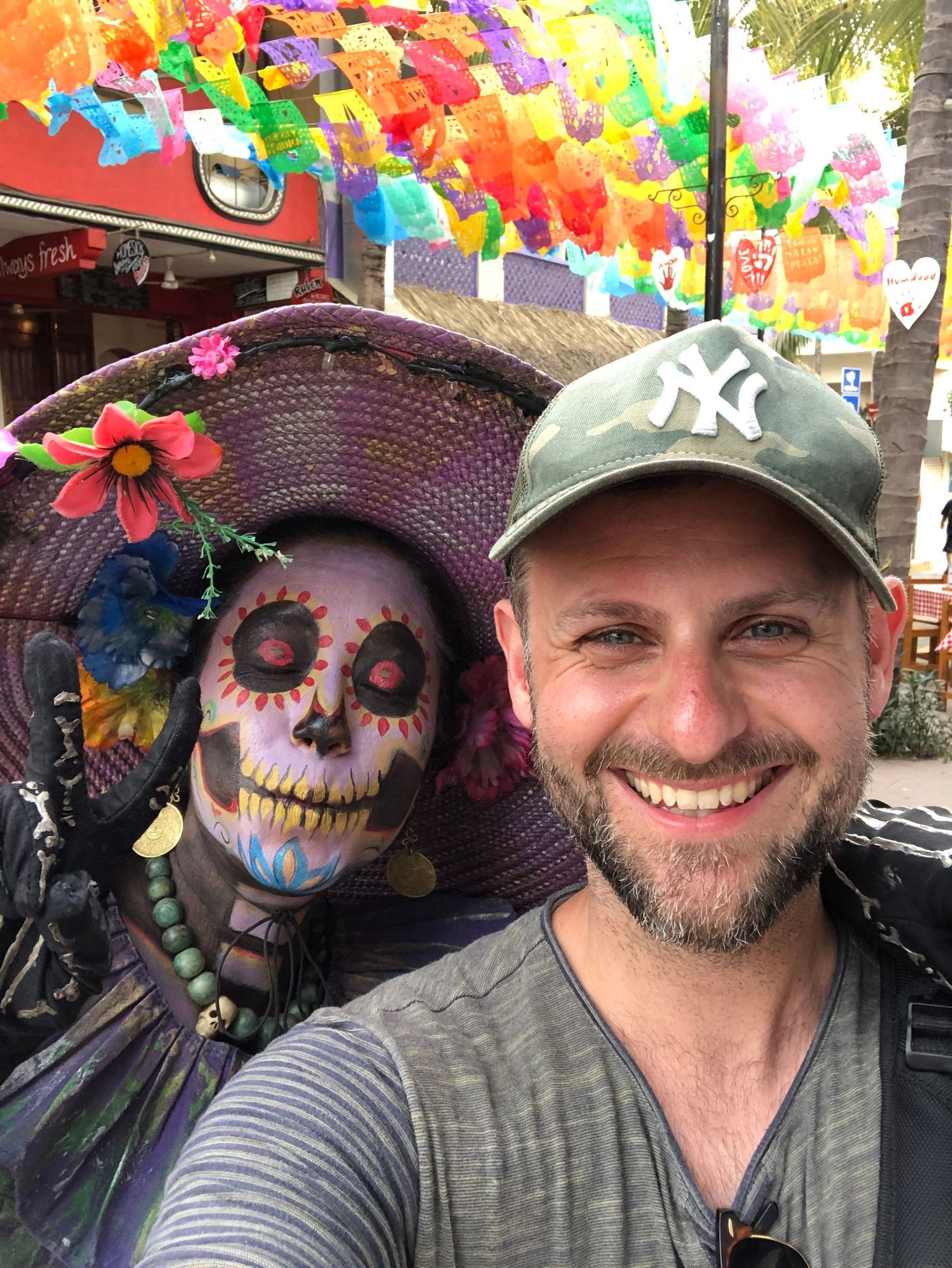
Lee Charlton is a commercial travel and tourism photographer with more than 16 years of professional experience. He spent nine years at TUI, where he became Global Photography Manager, photographing destinations, excursions and marketing campaigns for the business.
His experience covers sightseeing tours, cultural visits, food and wine experiences, sailing excursions, adventure activities and live entertainment. Assignments have included photographing excursions in Portugal for TUI’s National Geographic Day Tours programme and capturing Coco Bongo during a live public show.
He now provides travel and tourism photography across the UK and internationally.