
Photographing the palace, gardens and visitor experience for TUI
In June 2022, I photographed the Royal Palace of Caserta for TUI, combining architecture, interiors and gardens with photographs of local TUI staff exploring the attraction. The aim was to help promote excursions by showing both the place itself and the experience of visiting.
Some of the rooms were so large that adding people did very little for the photograph. In those spaces, I concentrated on the architecture. Elsewhere, someone climbing a staircase, looking up or sharing a view gave the image a clearer sense of what being there felt like.
That balance is an important part of my travel and tourism photography. The subject determines the approach, even when the brief includes bringing more people into the photographs.
The assignment at a glance
Photographed for: TUI
Location: Royal Palace of Caserta, Italy
Date: June 2022
My role: TUI Global Photography Manager, helping develop the approach and photographing the assignment
People featured: Local TUI staff volunteering as models
Coverage: Palace interiors, architectural details, gardens, visitor scenes and a small number of aerial photographs
Caserta formed part of a wider Italy assignment that began around Naples before continuing to Rome and Milan. The in-resort team selected the TUI Collection excursions we covered, and the project tested bringing more people into imagery that had previously focused mainly on the places themselves.
Some staff also took part in the other shoots around Naples, while a couple of team members joined us at Caserta. They were helping us create marketing photographs, rather than being paying customers on a tour.


Watching where people naturally gravitate
I like to hold back for a moment before directing people. It is interesting to see what catches their attention, where they stop, and how they interact with a place before I tell them what to do.
At Caserta, I used a mixture of observation and direction. I would watch the staff exploring, photograph their natural interactions and sometimes set up a version of the scene again.
That gives me something real to work from. If somebody is drawn to a view or a detail, their interest can suggest a photograph I might not have planned. I can then decide whether the moment works as is or would benefit from being repeated for the camera.
The resulting photographs are a mixture of observed moments and arranged scenes. I would not describe the whole collection as candid, but the way people actually responded to the palace helped shape it.
Do heritage attraction photographs always need people?
No. Caserta was a good example of why I would never make that a rule.
Some rooms were enormous. Trying to include people in those compositions did not always work, so I photographed the rooms on their own and brought people into other photographs where their presence made sense.
A small figure can sometimes help communicate scale. In another composition, that same figure may be too insignificant to explain anything about the visitor experience. There is little point including somebody simply because they are available to model.
The staircase photographs show a different situation. The people walking up the steps have a clear place within the picture. You can see the architecture around them and understand the movement through the space.
That was the balance I wanted across the collection: photographs that let the palace take centre stage, alongside images that help someone imagine exploring it. Each photograph could contribute in its own way.
Giving the interiors and details room to work
There was plenty to photograph without placing anyone in the frame. The collection includes wide views of the interiors alongside ceilings, chandeliers, painted decoration and architectural details.
Those closer photographs change the pace of the collection. A wide view explains a room's shape and scale; a detail gives the viewer something specific to notice within it.
They also reflect the way a visit can feel. You take in the whole space, then look more closely at something overhead or across the room. The photographs can follow that shift in attention.
I do not remember a major practical problem dominating this shoot. The more useful decisions were about composition and emphasis: which spaces worked as architectural photographs, and where adding a person helped tell the story.


Taking the story outside into the gardens
The gardens gave the collection a different setting, with long views, water, fountains and sculpture to photograph alongside the palace interiors.
Here, the images include people looking across the grounds, pointing something out and taking their own photographs. Those are recognisable parts of a visit, and they give the landscape a human connection without needing everyone to face the camera.
One photograph looks past two staff members toward the long view through the gardens. Others show the fountains and grounds more directly. Together, they offer both the view itself and a sense of seeing it with someone else.
For a heritage attraction, that variety helps explain the breadth of the visit. A collection made entirely inside the building would leave a substantial part of this particular location unseen.
A few aerial photographs for the wider view
I also made a brief drone flight outside the palace to capture a few aerial photographs. It was a small part of the assignment, alongside the much larger collection made on the ground.
The aerial perspective gives the building and surrounding layout more context. It answers a different visual question from an interior photograph or a close view of somebody on the staircase.
You can see more examples of how I use that wider perspective in my drone and aerial photography work.
How the photographs appear on TUI Musement
In October 2026, photographs from this assignment still appear on TUI Musement’s listings for its small-group tour of Caserta Royal Palace and private tour of Caserta Royal Palace.
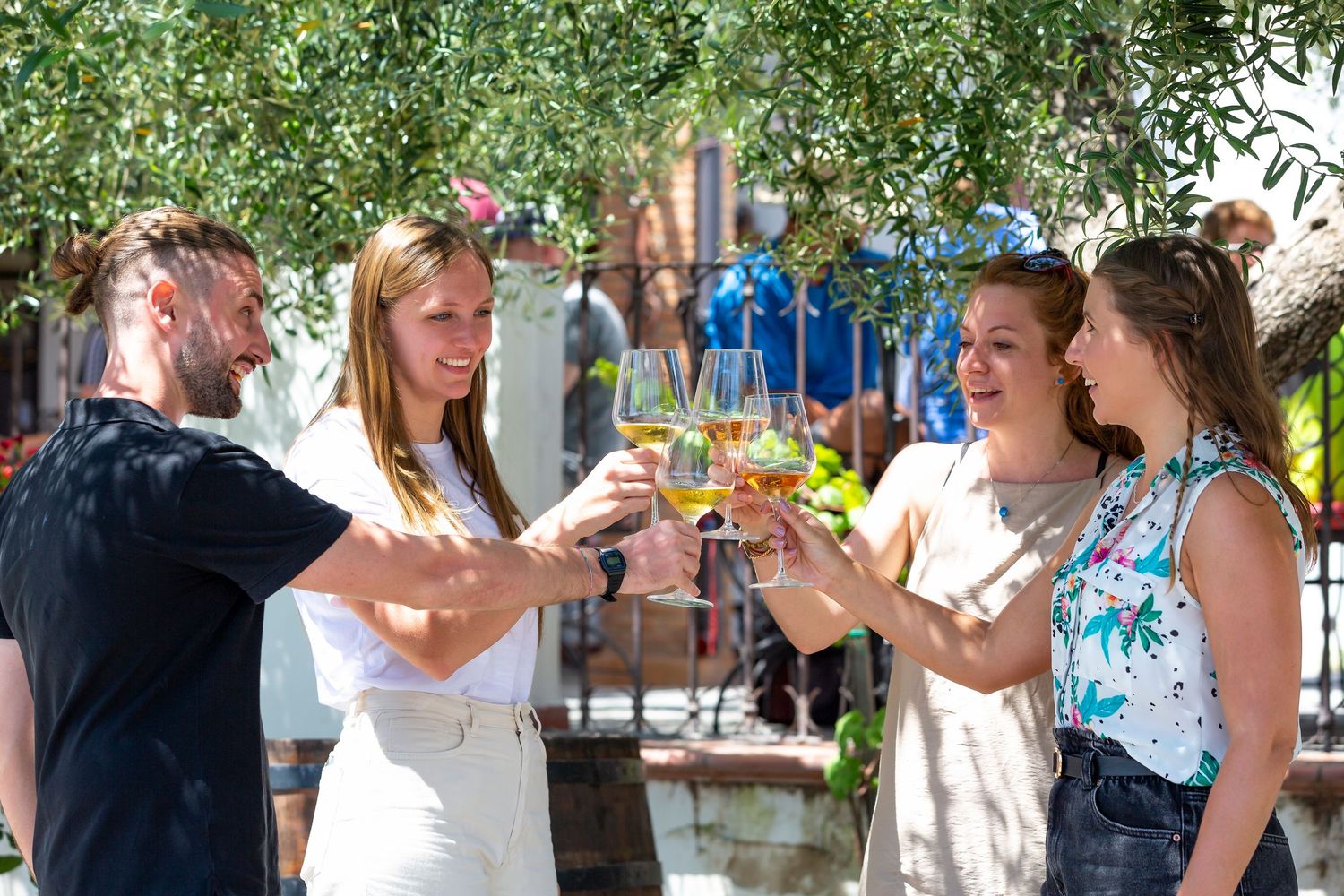
The small-group listing brings together an aerial palace view, staff on the staircase, a group photograph in the gardens and architectural details. The private-tour listing also uses photographs from the collection, including an interior and a view across the gardens with people in the foreground.
Seeing these images together shows why the shoot needed a mix. The building is a major part of the attraction, while the photographs with people introduce the experience of visiting it.
The photographs date from June 2022. The linked listings describe the tours currently being offered.
What would I plan for a similar attraction shoot?
I would start with the parts of the attraction that matter most to the visit: the distinctive spaces, the views, the details and the things people come to see or do.
Then I would decide where people could add something useful. That might be movement through a space, a reaction, a shared view or simply a sense of scale. Some photographs would remain entirely about the location.
This also gives the marketing team a broader selection to work with. A building-led image and a visitor-led image may suit different pages or messages, even when they come from the same assignment.
My guide to planning tour and excursion photography covers the practical brief, from priority subjects and access to the formats needed for websites and marketing.
Explore the example client gallery
You can browse a wider selection from the trip in my Naples tourism photography example gallery.
The work is organised by location, showing how different parts of an assignment can sit together in a client delivery gallery. It is a useful way to look beyond the individual photographs selected for a blog post.
Downloads, favouriting and the store are disabled in this public example. Your own gallery would be set up around the needs of your project.
More from the Naples photography assignment
Each article in this series looks at a different part of the June 2022 assignment and the decisions behind the photographs.
- Pompeii excursion photography for TUI
- Wine tourism photography at Cantina del Vesuvio
- Herculaneum heritage attraction photography - coming soon
- Mount Vesuvius excursion photography - coming soon
- Naples city photography - coming soon


Heritage attraction FAQs
Can you photograph historic houses, gardens and attractions in the UK?
Yes. I work across the UK and internationally, photographing visitor attractions and experiences for operators and destination marketing teams. The brief can cover the buildings and grounds, the visitor experience, or a combination of both.
Do we need professional models?
Not necessarily. Staff can be a good fit when they are happy to take part, as they were on this assignment. The choice should reflect your audience and the photographs you need. Agree participants, their availability and the intended use of their images before the shoot.
What should we prepare before requesting a quote?
Send an outline of the attraction, the areas you want covered, who could feature and where you plan to use the photographs. Include any proposed dates, deadlines and known access arrangements. If your brief is still taking shape, that is enough to start a conversation.

Discuss your attraction or destination photography
If you would like prices, availability or more information, get in touch about your photography project.
I work with visitor attractions, tour operators and destination marketing teams. We can discuss the balance of architecture, landscapes, details and people that would best explain what you offer.
Lee Charlton is a commercial travel and tourism photographer with more than 16 years of professional experience. As TUI’s Global Photography Manager, he photographed destinations, excursions and activities and helped develop the approach used on this assignment.
He now works with tourism businesses, visitor attractions and destination marketing teams across the UK and internationally.