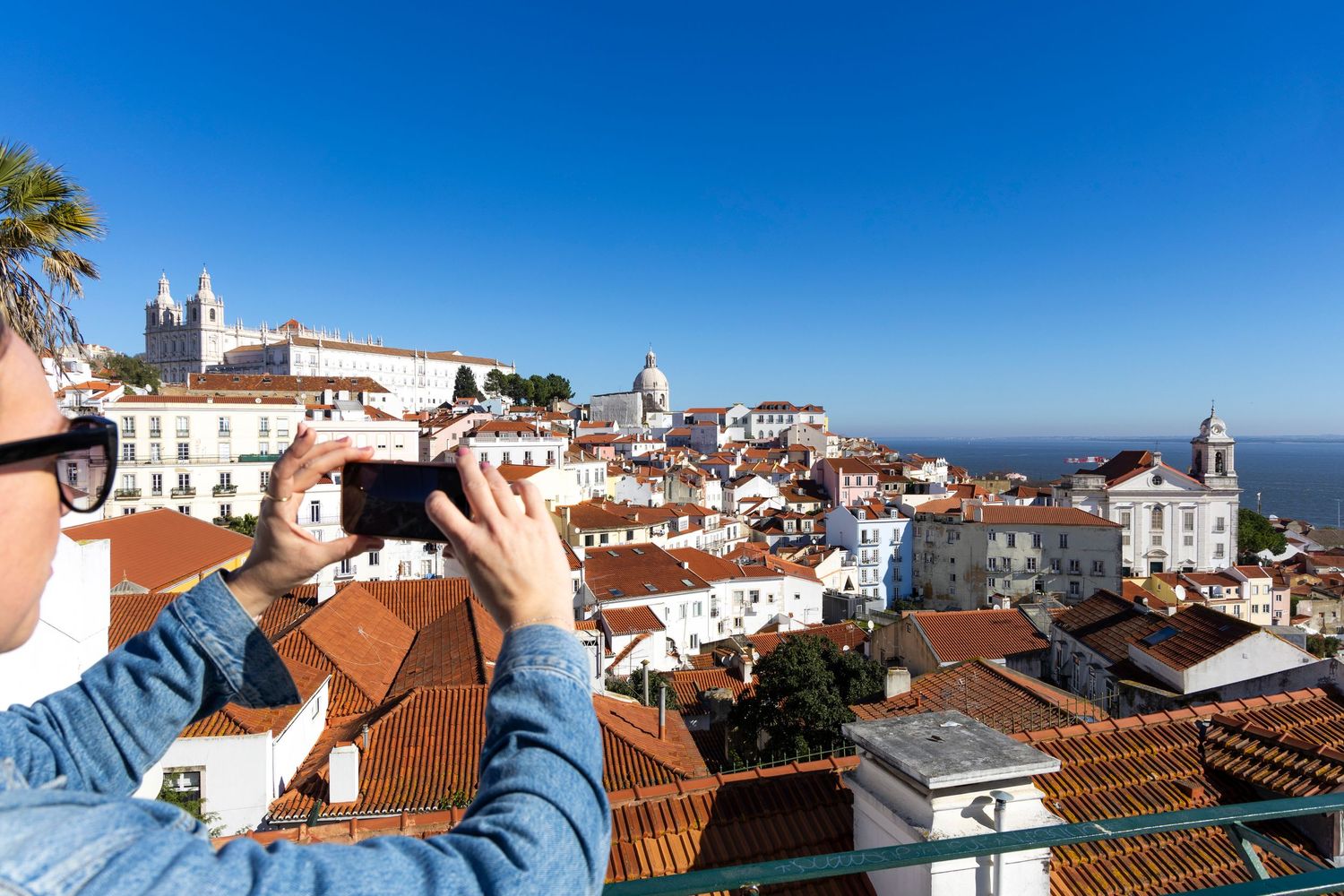
A five-day commercial travel photography assignment across Lisbon and the surrounding region
In January 2024, TUI’s content team commissioned me as a freelance travel photographer to document a programme of excursions across Lisbon and the surrounding areas of Portugal.
The assignment included National Geographic Day Tours created through TUI’s collaboration with National Geographic, as well as broader excursion and destination photography for TUI’s marketing library.
Over five days, I worked with TUI’s content team, destination staff and local guides to photograph coastal communities, cultural performances, food and wine experiences, historic architecture, underground water systems and some of Portugal’s best-known destinations.
The completed project produced around 1,000 photographs, including ground-level and aerial imagery in both portrait and landscape formats. The full collection was edited and delivered within two weeks.
Project overview
Client: TUI Group content team
Location: Lisbon and surrounding areas of Portugal
Date: January 2024
Photography duration: Five days
Deliverables: Approximately 1,000 edited photographs
Content: Excursions, guides, destinations, lifestyle, food, culture, architecture and drone photography
Formats: Portrait and landscape
Video: Not included
Turnaround: Within two weeks
The commercial photography brief
The objective was to create an extensive library of authentic travel photography that could help customers understand what each excursion actually felt like.
The images needed to show more than attractive Portuguese scenery. They had to communicate the experience of joining a tour, meeting a local guide, exploring an unfamiliar place and learning something about the destination.
The creative approach focused on:
- Genuine interactions between guides and guests
- Local culture, heritage, food and communities
- Wide photographs showing the destination
- Closer details that helped tell each story
- Natural expressions and believable moments
- Space within compositions for text and branding
- Portrait and landscape options for different platforms
- Photography suitable for websites, social media, brochures, press and campaigns
The people featured were primarily TUI staff and local guides. Although some moments needed direction, the finished photographs were intended to feel natural rather than heavily staged.
This balance is central to my approach as a travel and tourism photographer. Commercial photography still needs structure and control, but customers should be able to imagine themselves experiencing what is shown in the image.
Working with TUI’s content team in Portugal
I travelled to Portugal with members of TUI’s content team. Each day, we met local destination staff, suppliers and guides responsible for the excursions being photographed.
This local knowledge was essential.
The guides understood the stories, communities and locations behind each experience. TUI’s destination teams helped coordinate access and kept the schedule moving, while the content team ensured we captured the variety of photographs required across different marketing channels.
Travel photography assignments rarely operate like controlled studio shoots. Locations remain open to the public, weather conditions change, schedules move, and the light is not always ideal.
Over five days, I needed to work quickly while still producing a consistent collection of commercially useful images.
Photographing National Geographic Day Tours
Part of the assignment involved photographing National Geographic Day Tours available through TUI.
To be completely clear, I was commissioned by TUI’s content team rather than directly by National Geographic. The tours themselves formed part of the collaboration between the two organisations.
The photography needed to reflect the qualities associated with the experiences: local knowledge, cultural understanding, access, storytelling and meaningful interaction with the destination.
Rather than simply photographing people standing in front of landmarks, I looked for moments that showed the tours in progress.
That included guides explaining the history of a location, visitors listening and responding, people tasting local produce, groups moving through historic spaces and the smaller interactions that made each experience feel personal.
Locations and experiences photographed
The assignment covered a broad mixture of excursions and destination content across Lisbon and the surrounding region.
Ericeira and Portugal’s fishing heritage
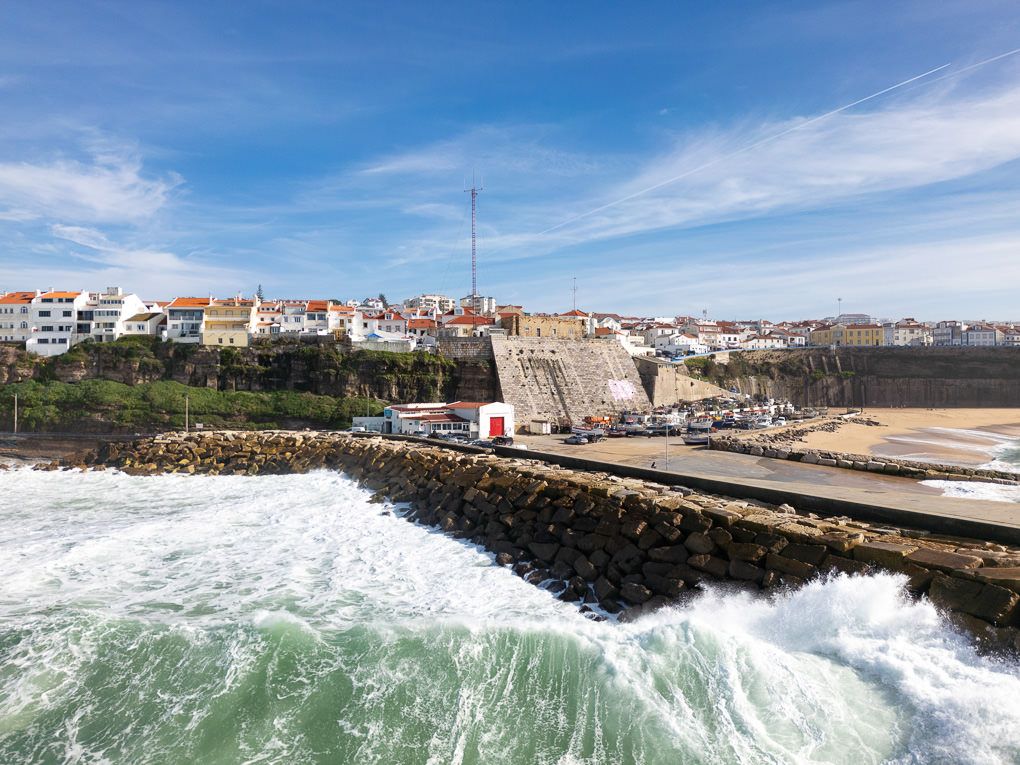
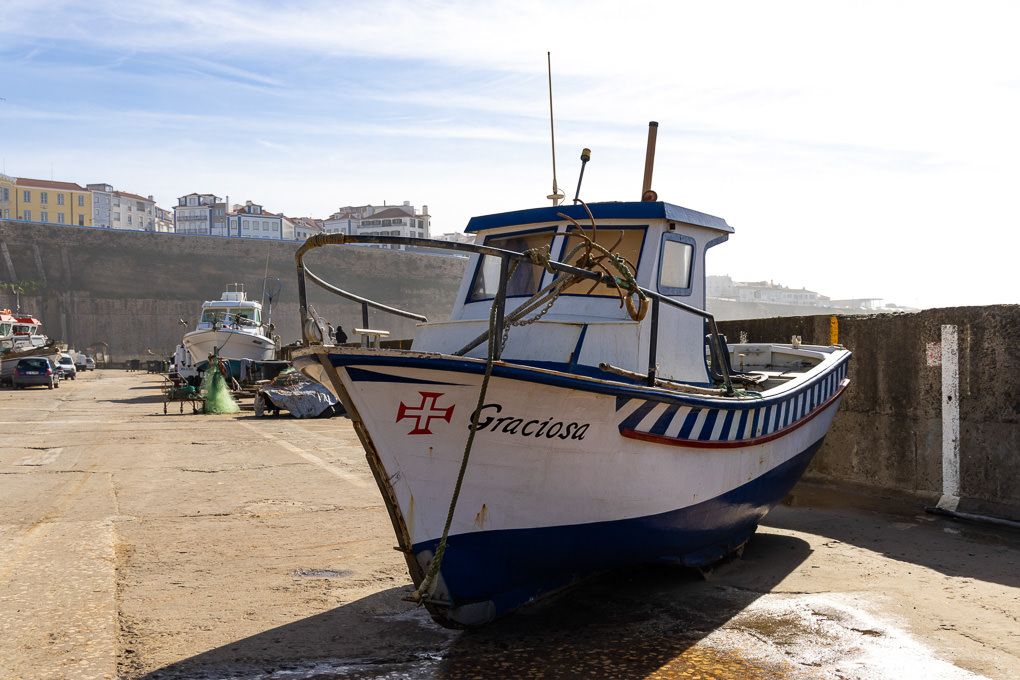
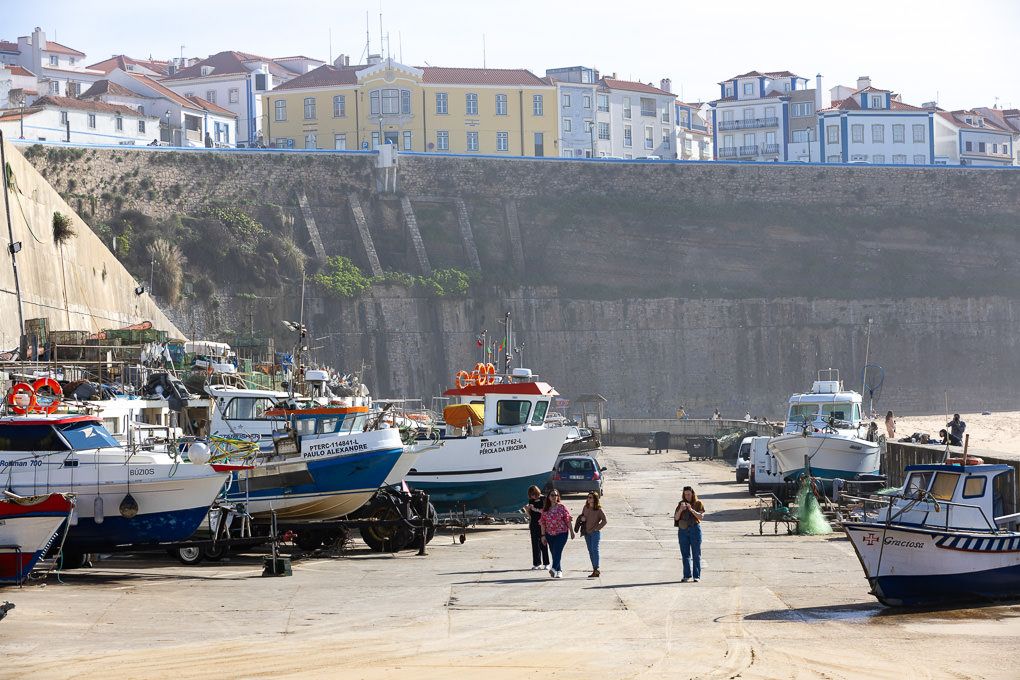
Ericeira offered a strong mix of coastal landscapes, fishing boats, working harbour details, and traditional architecture.
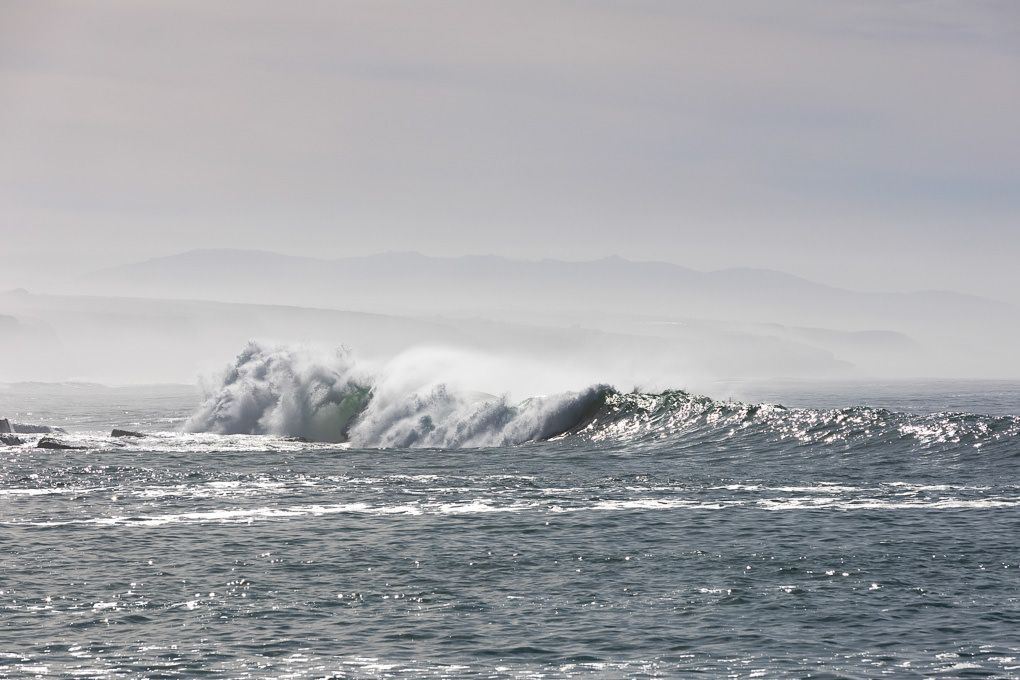
The photography needed to capture both the beauty of the Atlantic coastline and the area’s connection to fishing.
Wide images established the location, while closer photographs of boats, harbour activity and guides helped add more depth to the story.
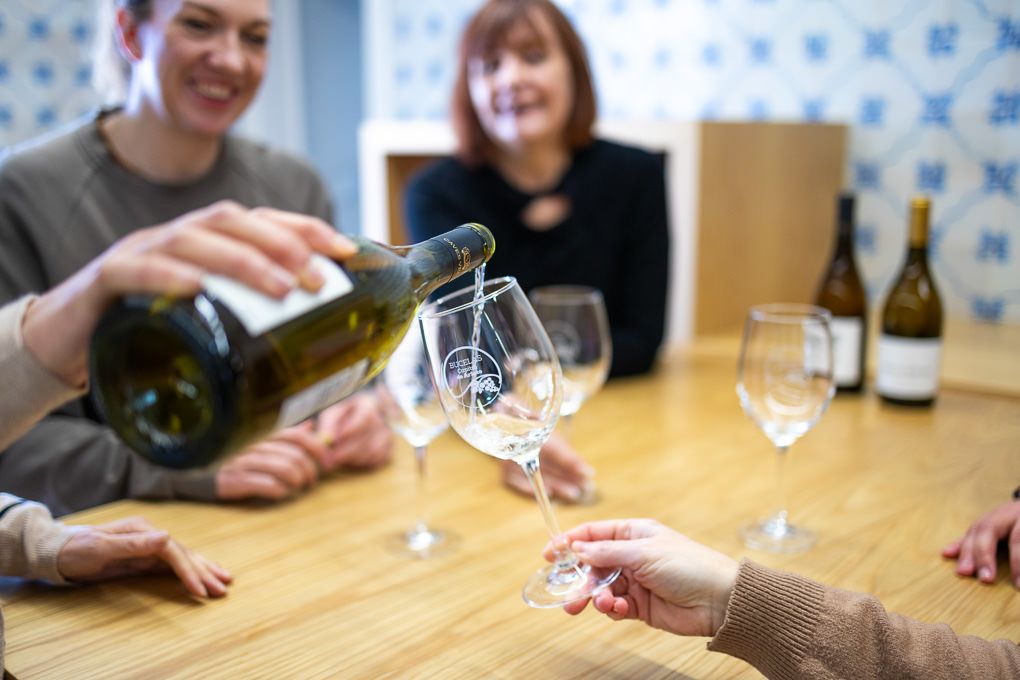
Wine and food photography in Bucelas
The Bucelas photography included a winery visit and wine tasting, with guests learning about the region and sampling local wine.
Wine cellars can be visually impressive but difficult to photograph. They often combine very dark areas with bright spotlights, reflective glass and mixed colour temperatures.
I created a mixture of atmospheric interior photography, natural interactions, wine details and wider photographs showing the overall experience.
Lisbon’s underground water system
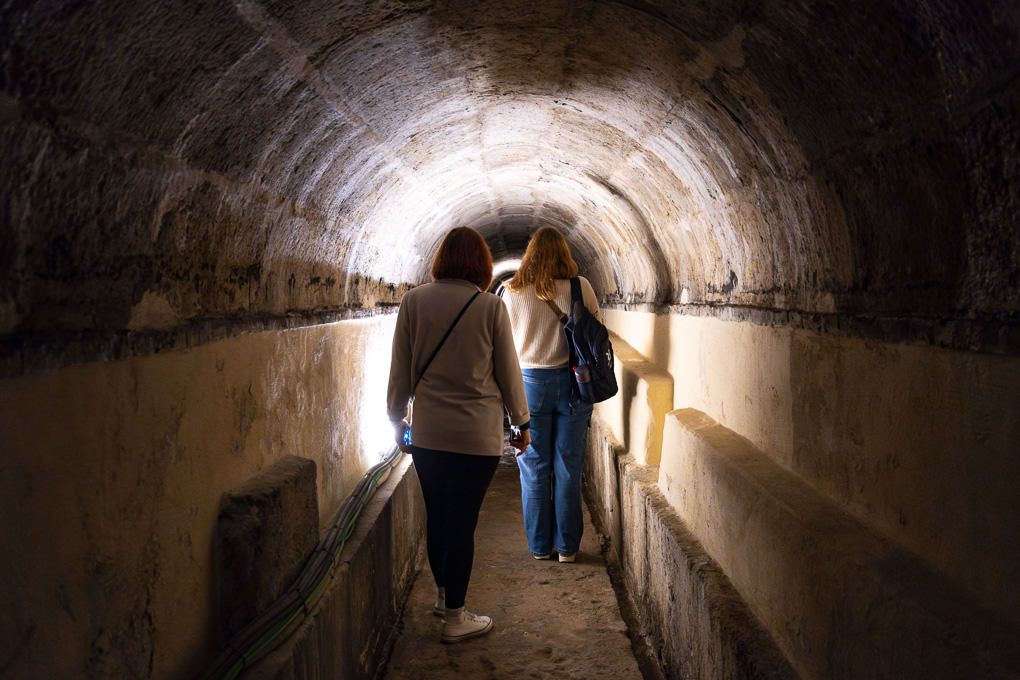
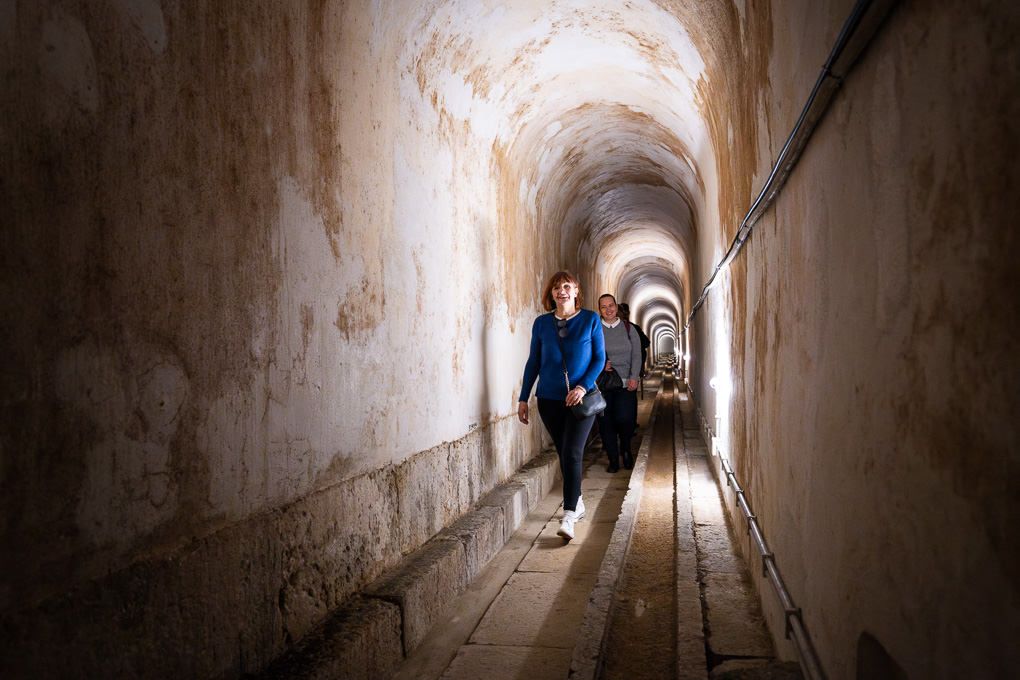
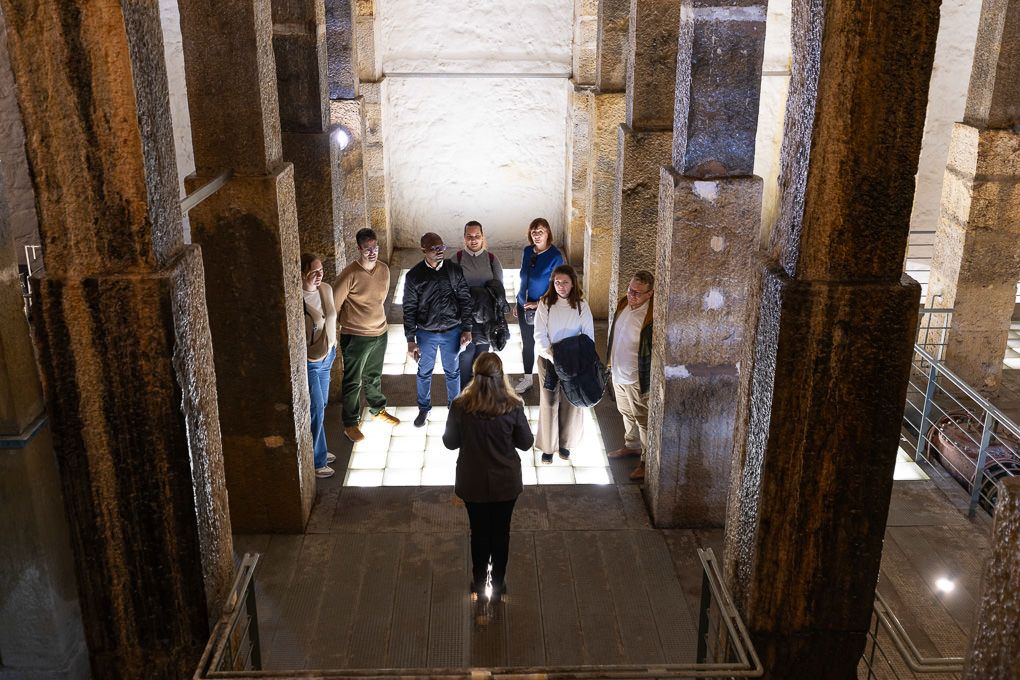
The Mãe d’Água das Amoreiras Reservoir and Lisbon’s underground galleries created a completely different photographic environment.
The reservoir offered striking architecture, reflections and a sense of scale. The narrower underground passages required a more documentary approach, showing visitors moving through the tunnels while preserving the location's atmosphere.
My 16-35mm wide-angle lens was particularly useful in these confined spaces, allowing me to show more of the environment without needing to move far away from the group.
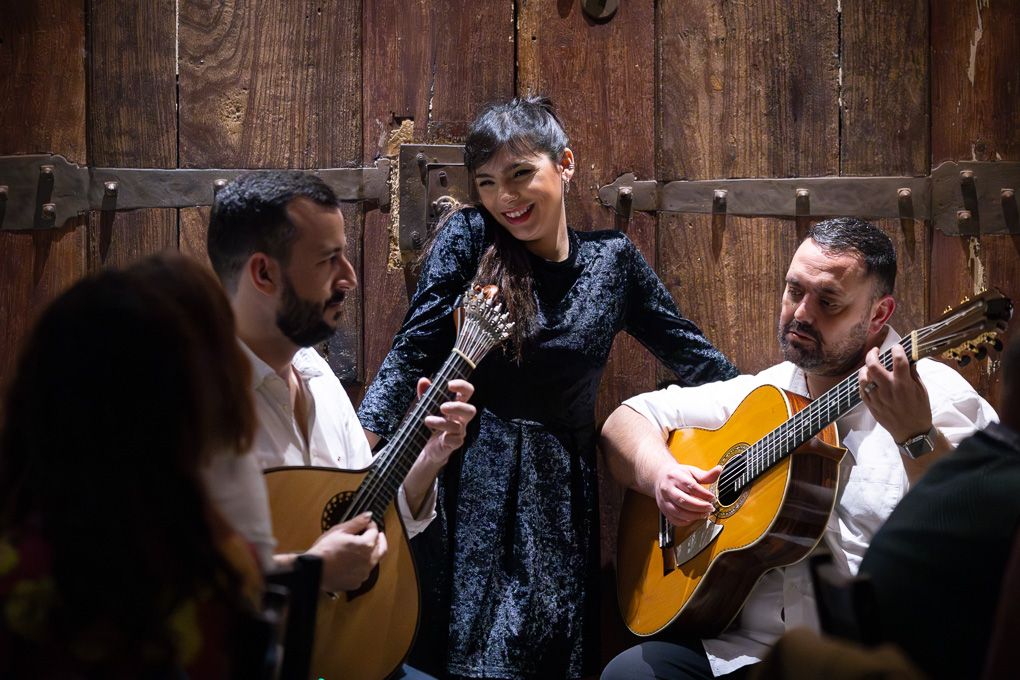
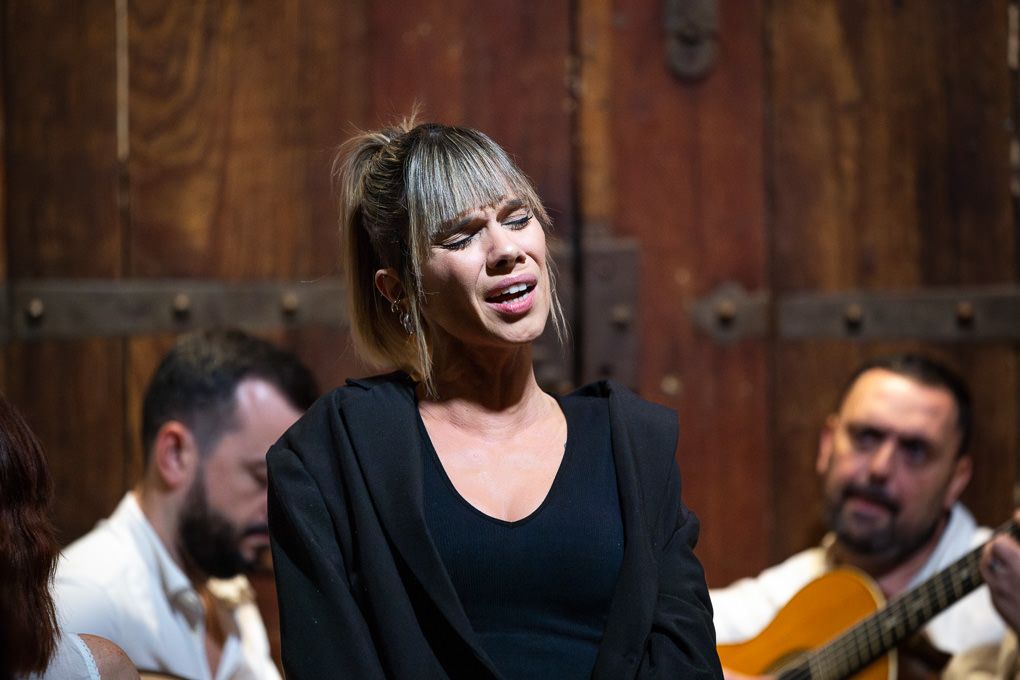
Photographing a Fado performance in low light
The Fado dinner was one of the most technically challenging parts of the assignment.
The performance took place in a very dark and atmospheric environment. The lighting helped create the mood for the audience, but it was not designed with commercial photography in mind.
I needed enough shutter speed to avoid motion blur from the performers while keeping image noise under control and preserving the room's intimate feel.
I brought compact continuous lighting with me, which allowed me to add enough light where necessary without making the setting look artificially bright or destroying the atmosphere.
The aim was not to turn the venue into a studio. It was to gently improve the existing light while allowing the musicians, the singer, and the audience to continue naturally.
Working confidently in low light is important for travel and cultural photography. Flash or excessive lighting can distract performers, affect customers and completely change the character of an experience.
I used a similar approach when photographing live entertainment in extremely challenging low light at Coco Bongo in Mexico.
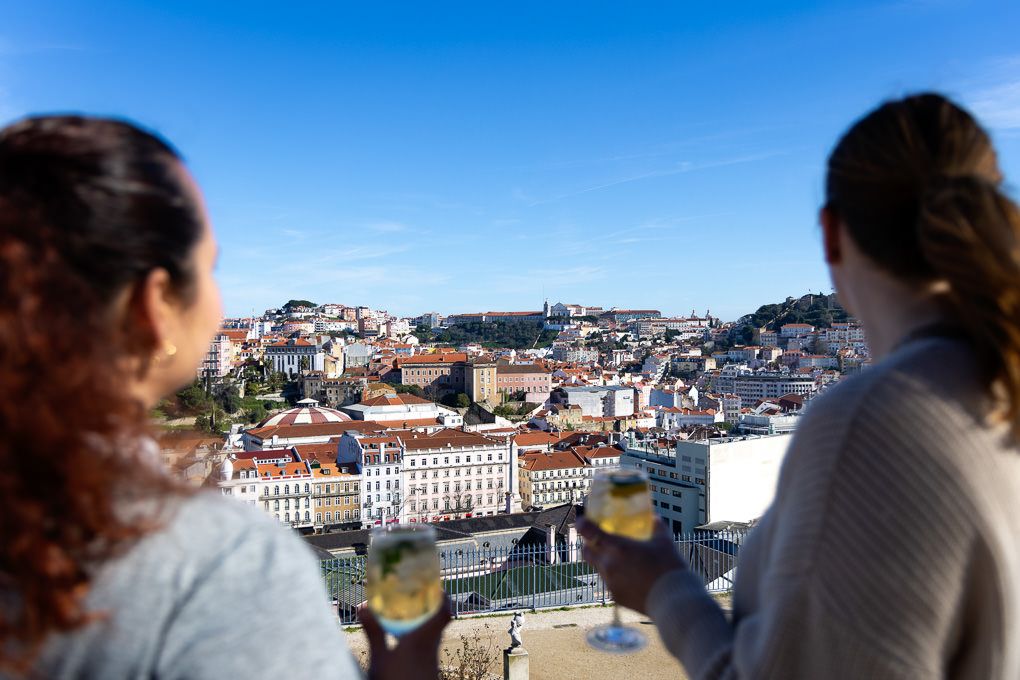
Lisbon, Sintra and Peniche destination photography
Alongside the scheduled excursions, I created wider destination imagery throughout the assignment.
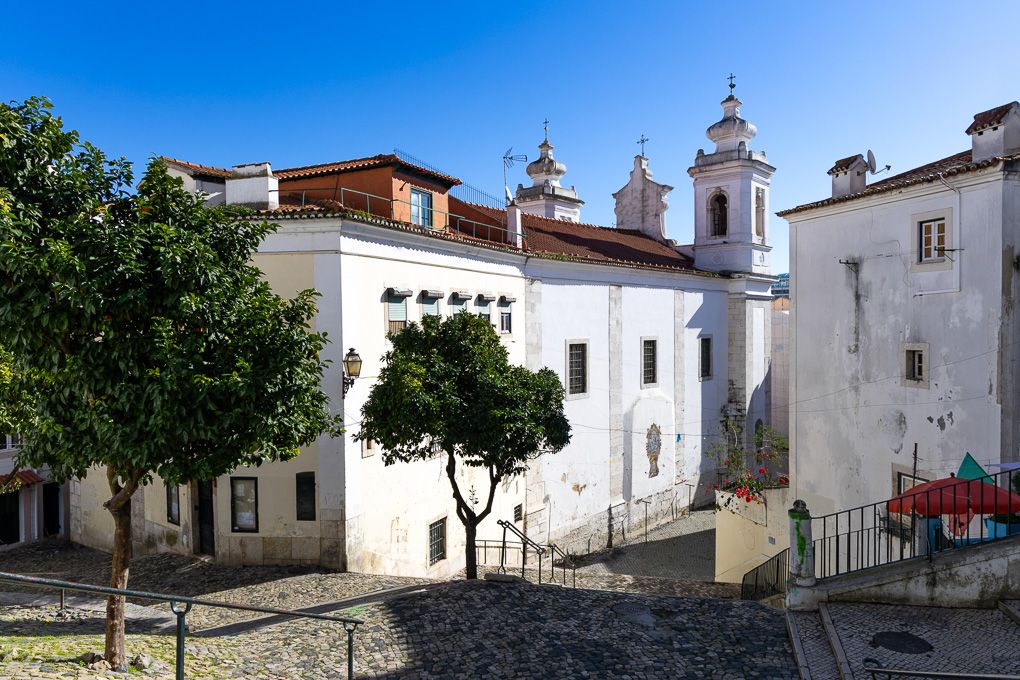
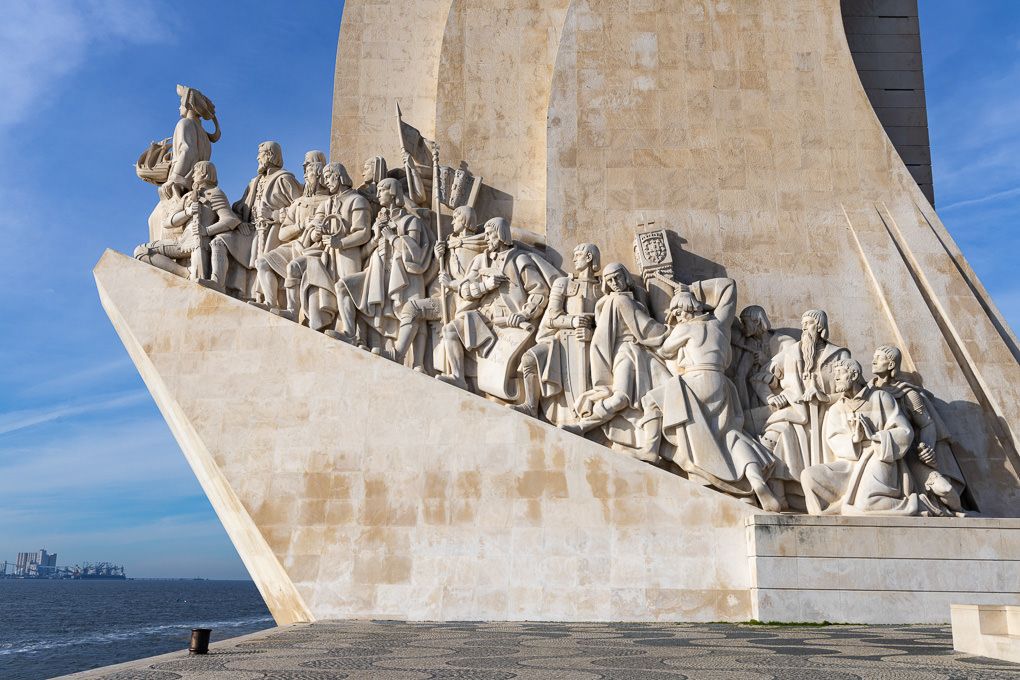
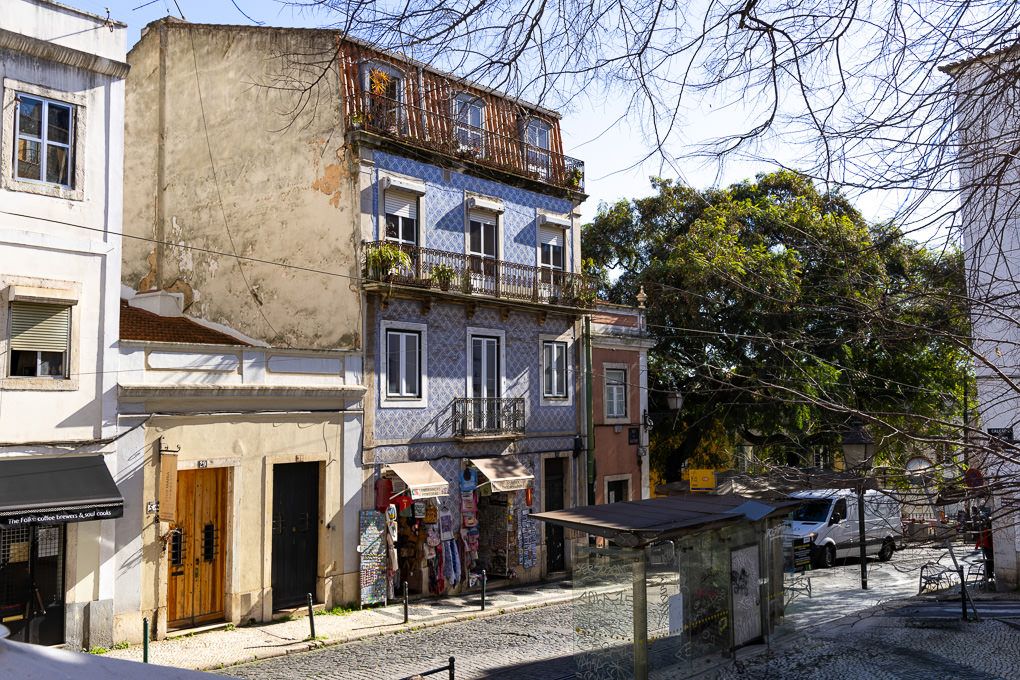
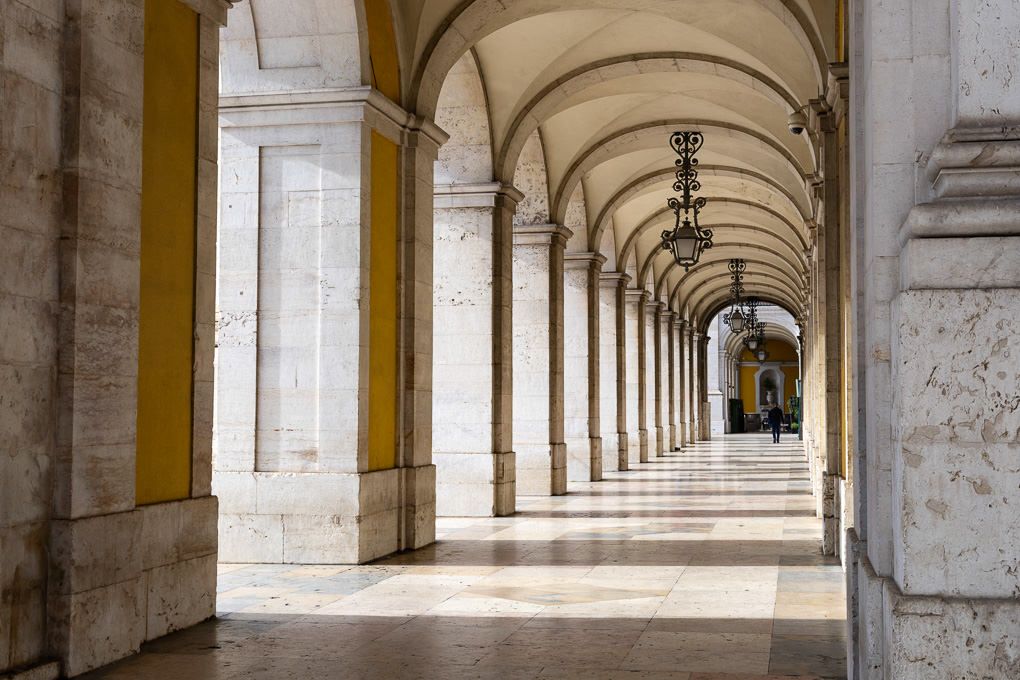
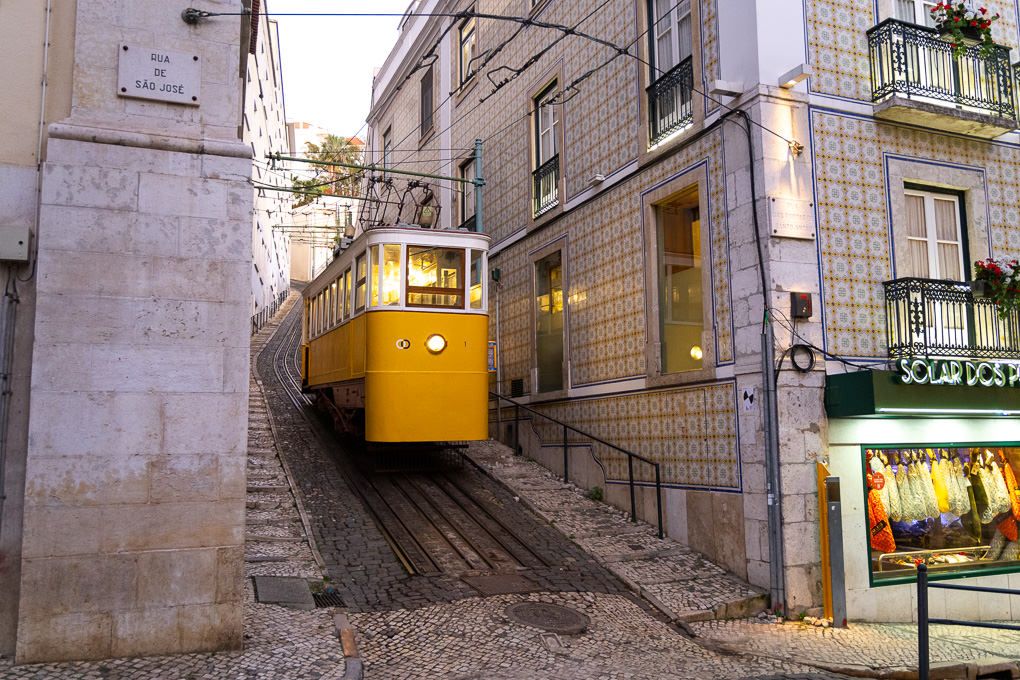
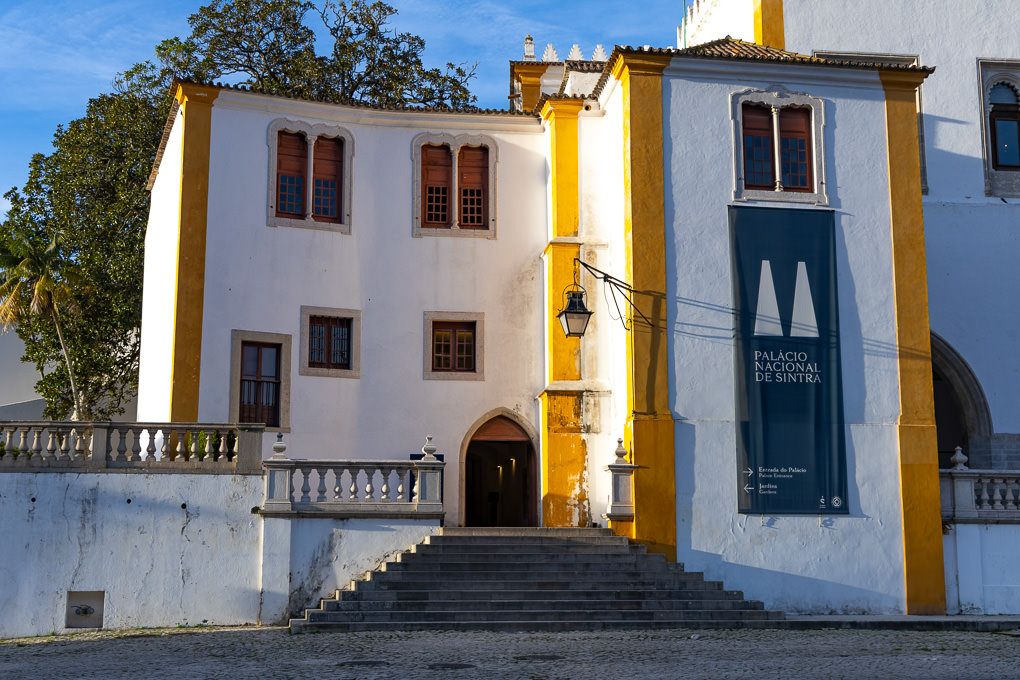
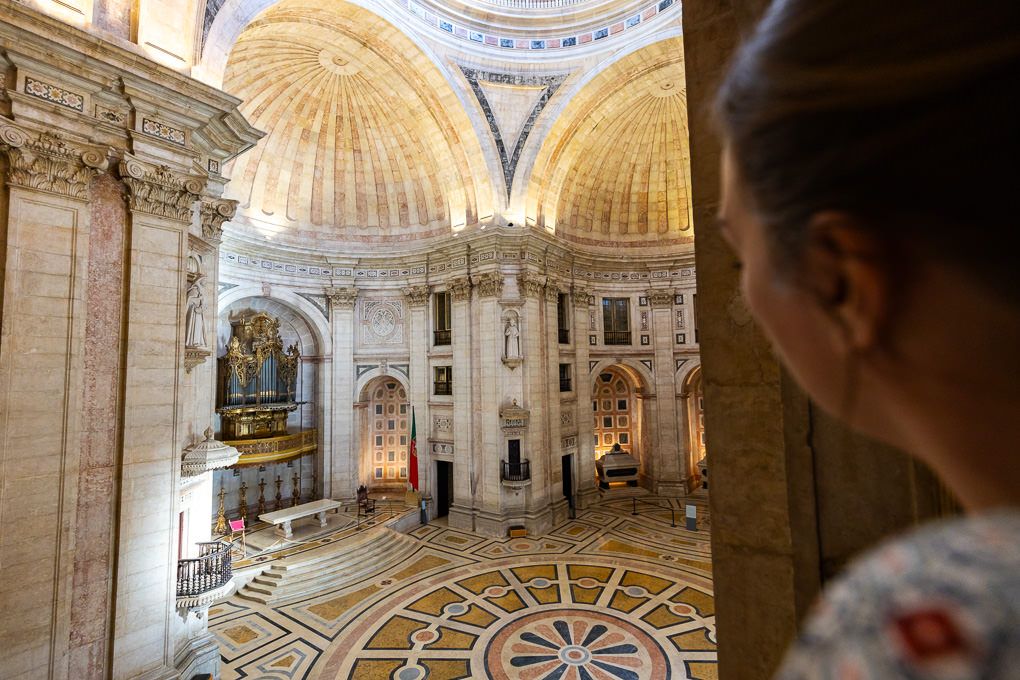
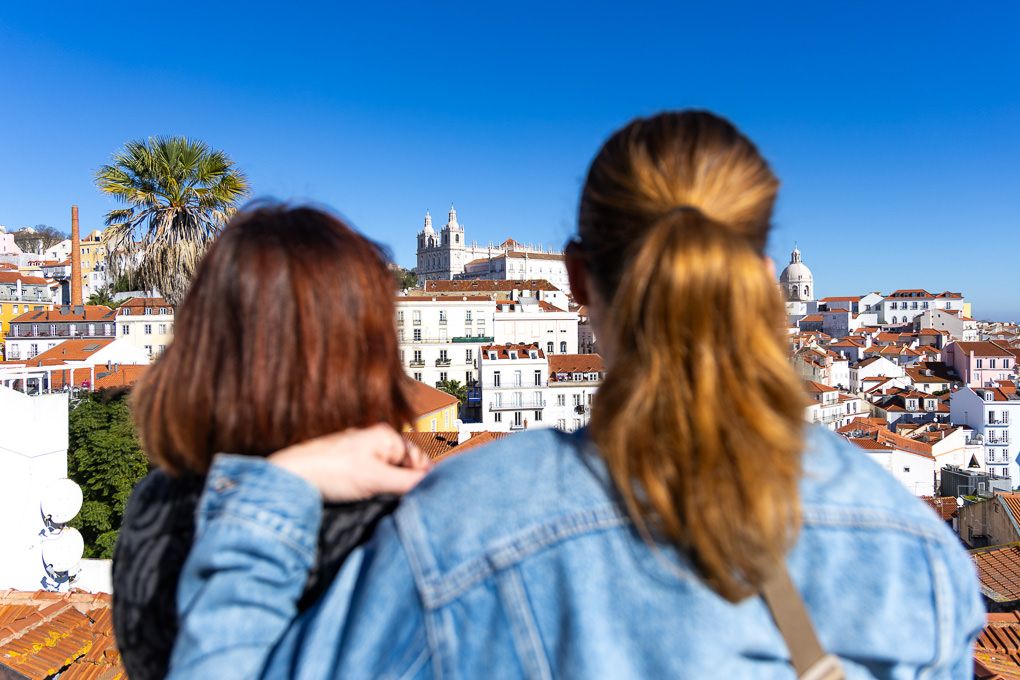
This included Lisbon’s historic streets, viewpoints, architecture, monuments and trams, as well as coastal and aerial photographs around locations including Sintra and Peniche.
These additional photographs helped give TUI a more complete image library.
A tour may be the main product being promoted, but the surrounding destination still plays a major role in the customer’s decision. Establishing photographs of the city, coastline and local architecture provide context and help content teams build a fuller story around the experience.
Adding drone photography to the assignment
Drone photography was included at selected locations where conditions, access and permissions allowed.
I arranged the required permissions before travelling, rather than arriving and assuming a flight would be possible.
International drone work requires proper planning. Regulations, restricted airspace, landowner access, weather, crowds and local requirements all need to be considered before the aircraft leaves the ground.
The aerial photographs added a different sense of scale and location to the final library, particularly around coastal towns and wider destination views.
Drone images work best when they add useful information rather than simply being included because they look dramatic. They can show the relationship between a town and the coast, the layout of a destination or the wider landscape surrounding an excursion.
You can see more examples of my drone and aerial photography.
Equipment used for the Portugal assignment
My main camera equipment for the assignment included Canon R5 and Canon R6 mirrorless bodies.
Using two camera bodies allowed me to move between focal lengths quickly without constantly changing lenses in dusty, wet or busy locations.
My lens selection included:
- 16-35mm for interiors, architecture, tunnels and wider landscapes
- 24-105mm for general excursion and lifestyle photography
- 70-200mm for candid moments, portraits, details and compressed landscapes
- Faster prime lenses when additional low-light performance was needed
I also carried compact, continuous lighting for difficult interiors and the Fado performance, along with my drone equipment.
The priority was versatility rather than taking every piece of equipment I owned. Travel assignments involve a lot of walking, repeated vehicle transfers and limited time at each location, so the kit needs to remain manageable.
Creating photographs for different marketing formats
Producing roughly 1,000 photographs was not simply about delivering a large number of files.
The library needed enough variation to work across several departments, audiences and formats.
Throughout the assignment, I deliberately created:
- Wide establishing photographs
- Medium lifestyle images
- Close portraits and reactions
- Details of food, architecture and local culture
- Images with people
- Images without recognisable people
- Horizontal photographs for websites and brochures
- Vertical photographs for social media and mobile platforms
- Compositions with clear space for text
- Ground-level and aerial perspectives
This approach gives designers and content teams genuine options.
A beautiful horizontal photograph may work perfectly across a website banner but become unusable as a vertical social media story. Capturing both formats during the assignment helps prevent teams from relying on awkward crops later.
Delivering around 1,000 photographs within two weeks
Following the five photography days, I edited and delivered around 1,000 images within two weeks.
Editing a project of this size involves more than applying the same preset to every photograph.
The work was captured across coastlines, underground tunnels, bright city streets, dark performance venues, wineries and historic interiors. Each environment required slightly different decisions around exposure, colour, contrast and noise reduction.
The final collection still needed to feel consistent when viewed as a whole.
Every image also needed to be checked for sharpness, distracting elements, duplicate moments and overall commercial usefulness before delivery.
My previous experience working with TUI
Although I completed this assignment as a freelancer, I already understood TUI’s brand, content requirements and international operations extremely well.
I previously spent nine years working for TUI, eventually becoming its Global Photography Manager and sole in-house photographer.
That experience taught me to think beyond individual photographs.
Commercial travel images need to work for designers, marketers, social media teams, press offices, destination teams and external agencies. They need to remain useful across different crops, platforms, countries and campaigns.
You can read more about how I became a professional travel photographer and see another major TUI project in my case study about the TUI Smiling Faces uniform campaign.
The final result
The Portugal assignment created a broad commercial photography library covering excursions, people, destinations, heritage, culture, food, performance, architecture and aerial views.
Around 1,000 photographs were delivered in both portrait and landscape formats within two weeks.
The collection was created for use across TUI websites, excursion listings, social media, brochures, press, point-of-sale materials and wider marketing campaigns.
More importantly, the photographs gave customers a realistic sense of the experiences being offered.
Strong travel photography should not merely show where an excursion takes place. It should help someone understand what they will see, how the experience will feel and why it is worth booking.
Looking for a travel and tourism photographer?
I work with travel companies, tourism boards, hotels, attractions, tour operators and destination marketing teams across the UK and internationally.
My experience includes hotels, resorts, excursions, destinations, commercial campaigns, aerial photography, and extensive image libraries used across multiple marketing channels.
Whether you need a single destination photographed or a multi-day international production, I can help plan and create a consistent collection of commercially useful imagery.
Get in touch to discuss your travel photography project.
Frequently asked questions
How much does an international travel photography assignment cost?
International travel photography is usually quoted as a bespoke project rather than a fixed package.
The final cost depends on the number of shoot days, travel, accommodation, locations, required deliverables, turnaround time, usage rights and whether drone photography or additional crew are needed.
For multi-day assignments, I provide a clear quote covering the full production rather than adding unexpected costs afterwards.
Can you help plan a multi-location travel photography shoot?
Yes. I can help shape the shooting schedule, identify the types of images needed at each location and make sure the final library includes enough variety for different marketing channels.
For larger projects, I work closely with content teams, local staff, guides and suppliers to keep the production moving while still capturing natural, commercially useful photographs.
Can staff and local guides be used instead of professional models?
Yes. Many travel assignments work well with staff, guides or local suppliers because they already understand the experience being photographed.
The key is giving clear direction without making the images feel over-staged. Where recognisable people are featured, the client should also arrange suitable model releases and permissions.
Do you arrange drone permissions for overseas assignments?
I can research and arrange drone permissions where practical, but approval depends on the country, location, local airspace, land access and the time available before the shoot.
Drone requirements should be discussed early, as some locations need advance applications or may not legally allow flying at all.
Can one photography assignment cover websites, social media, brochures and press?
Yes. The shoot can be planned around all of those formats.
I photograph a deliberate mix of horizontal and vertical compositions, wide scenes, people-led images, details and photographs with space for headlines or branding. This gives marketing, design, social and press teams a much more flexible image library.
How far in advance should an international travel shoot be booked?
Ideally, several weeks or months ahead.
More lead time makes it easier to coordinate travel, local access, staff, guides, model releases, location permissions and drone approvals. Short-notice projects may still be possible, but the available locations and production options can be more limited.
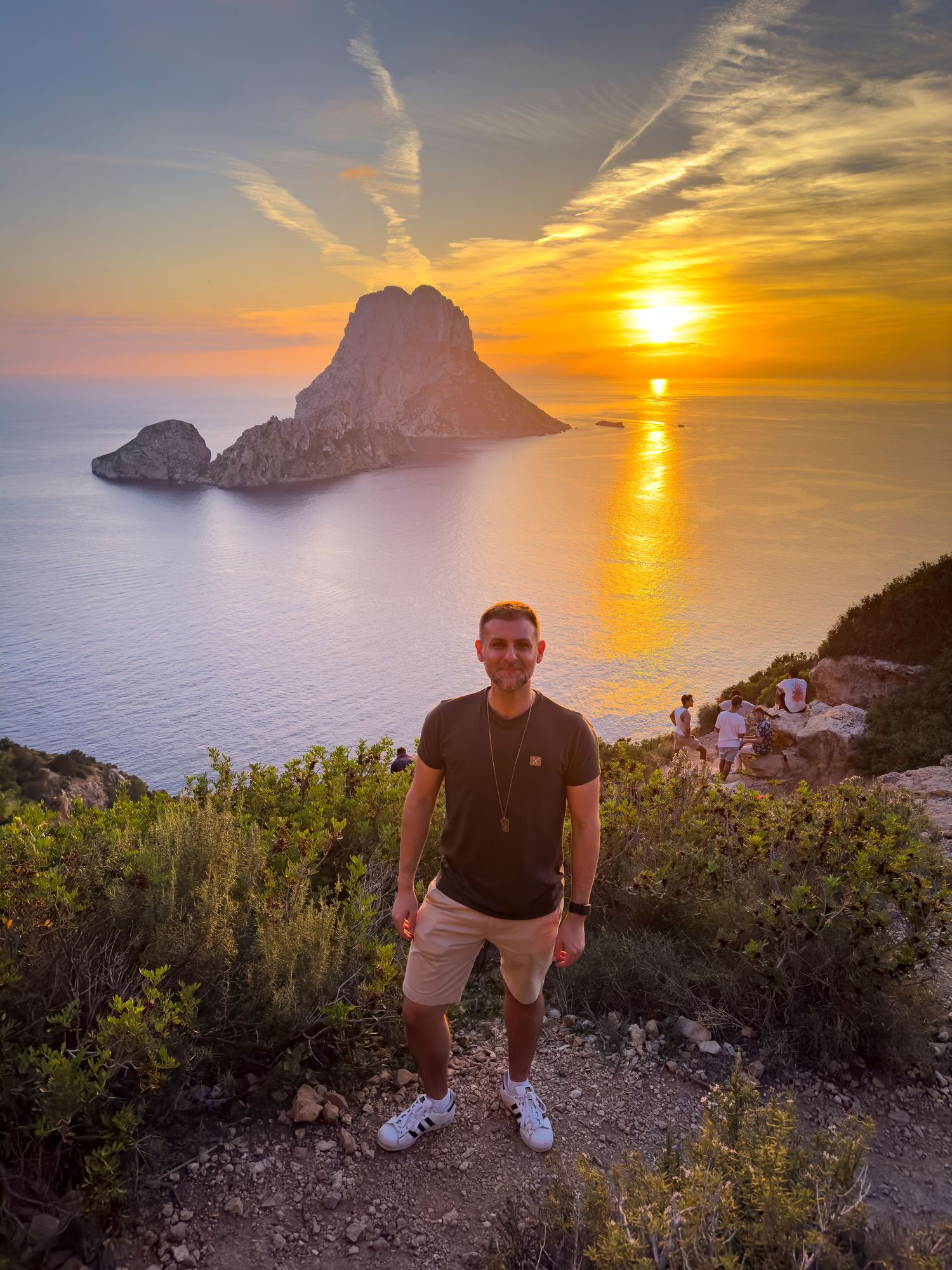
Lee Charlton is a UK-based commercial travel and tourism photographer with more than 16 years of professional experience.
He previously spent 9 years working for TUI, serving as its Global Photography Manager and sole in-house photographer. His work has included destinations, hotels, resorts, excursions, cruises and commercial campaigns across Europe and worldwide.
Lee now works with businesses, brands and organisations throughout the UK and internationally.