Why conference photography matters
A strong conference photography gallery should cover the venue, branding, keynote speakers, panel discussions, audience reactions, networking, sponsors, exhibitors and the overall atmosphere of the event.
The photographer also needs a clear running order, a list of important people and moments, and an understanding of how the photographs will be used afterwards.
That sounds straightforward, but conferences move quickly. Speakers overrun, schedules change, important guests arrive unexpectedly and several things often happen at once. A good conference photographer needs to understand the brief while still being experienced enough to work independently when the plan inevitably changes.
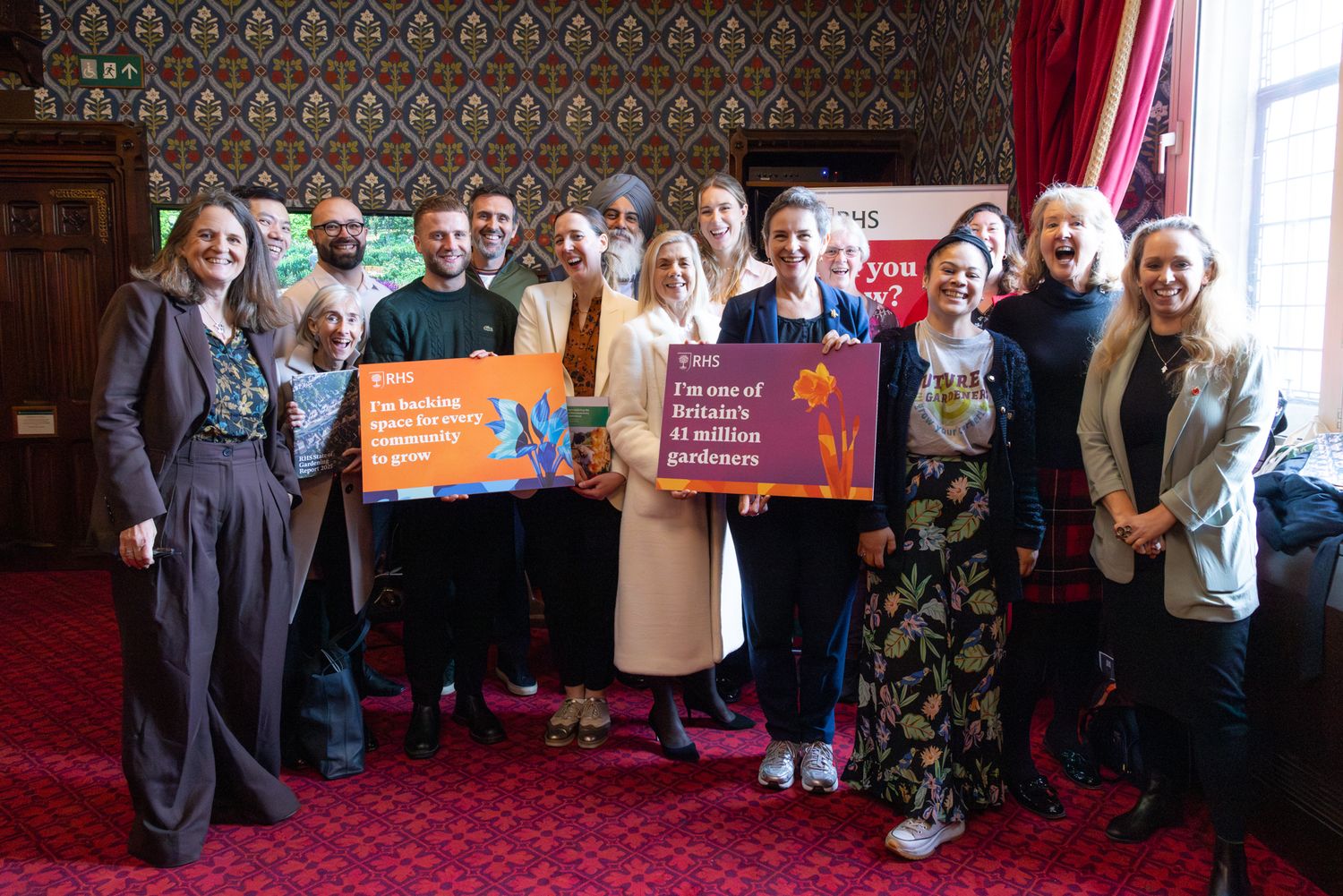
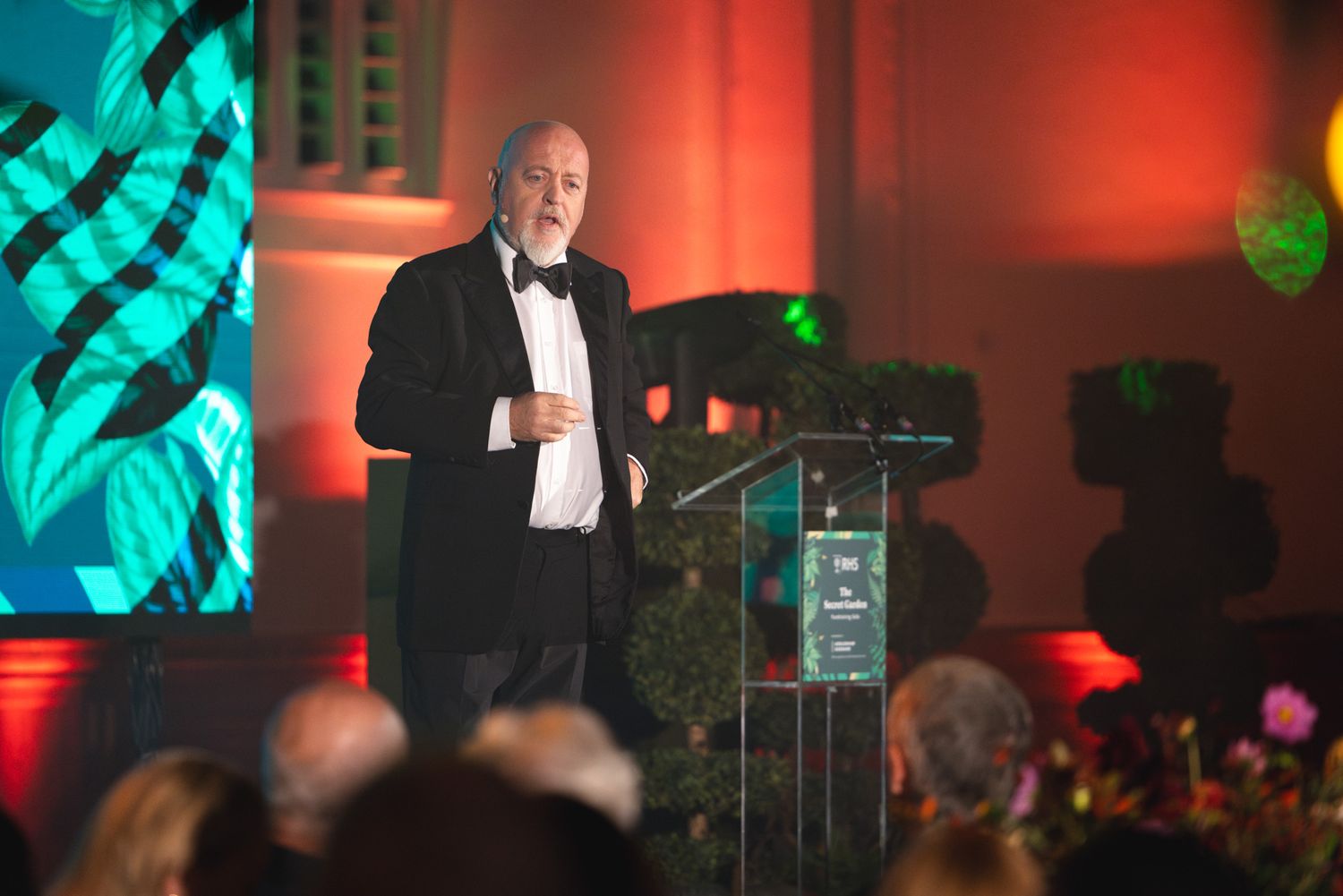
During the past 16 years I’ve photographed everything from international conferences and exhibitions to RHS flower shows, awards ceremonies, business networking events and corporate conferences across the UK and Europe.
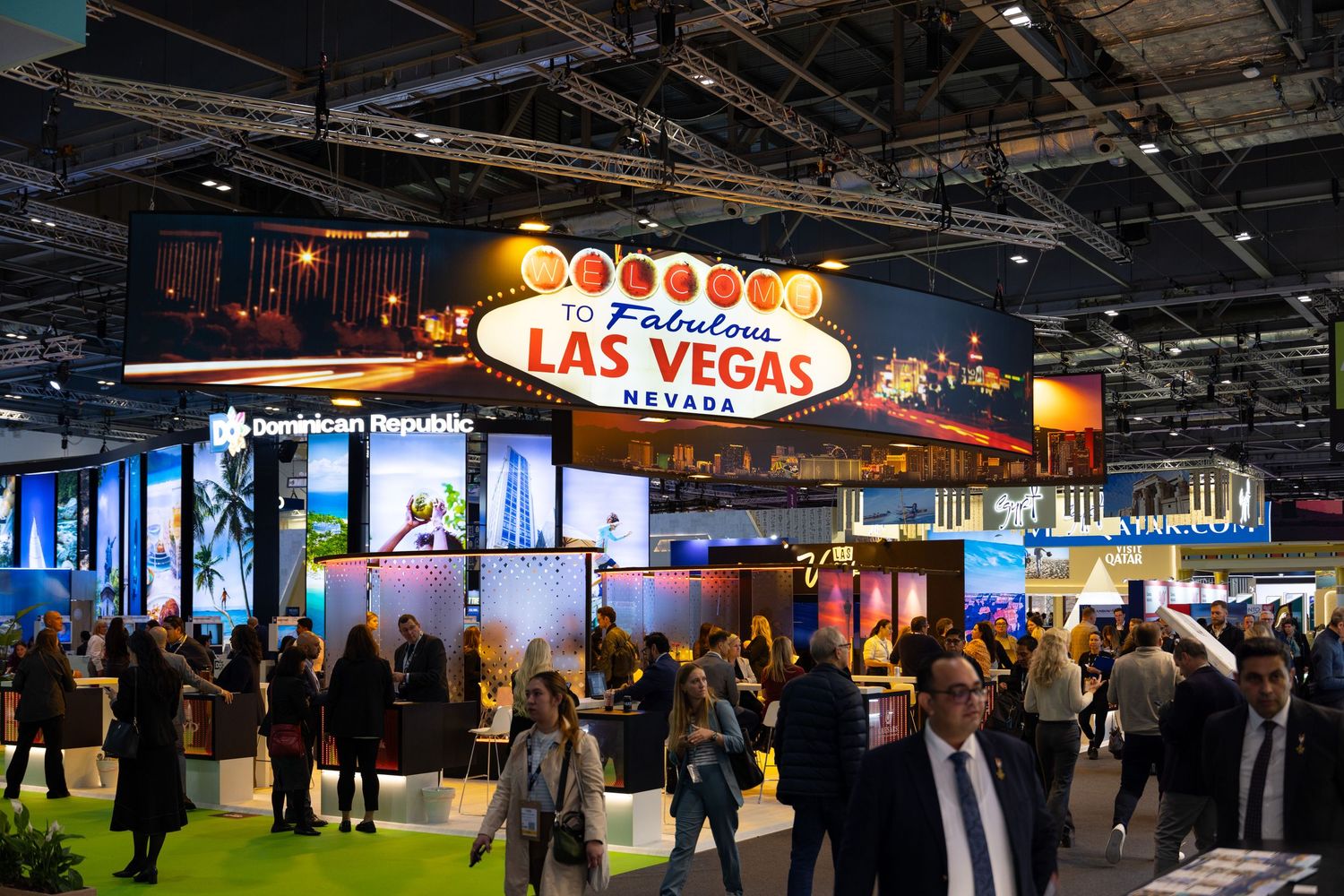
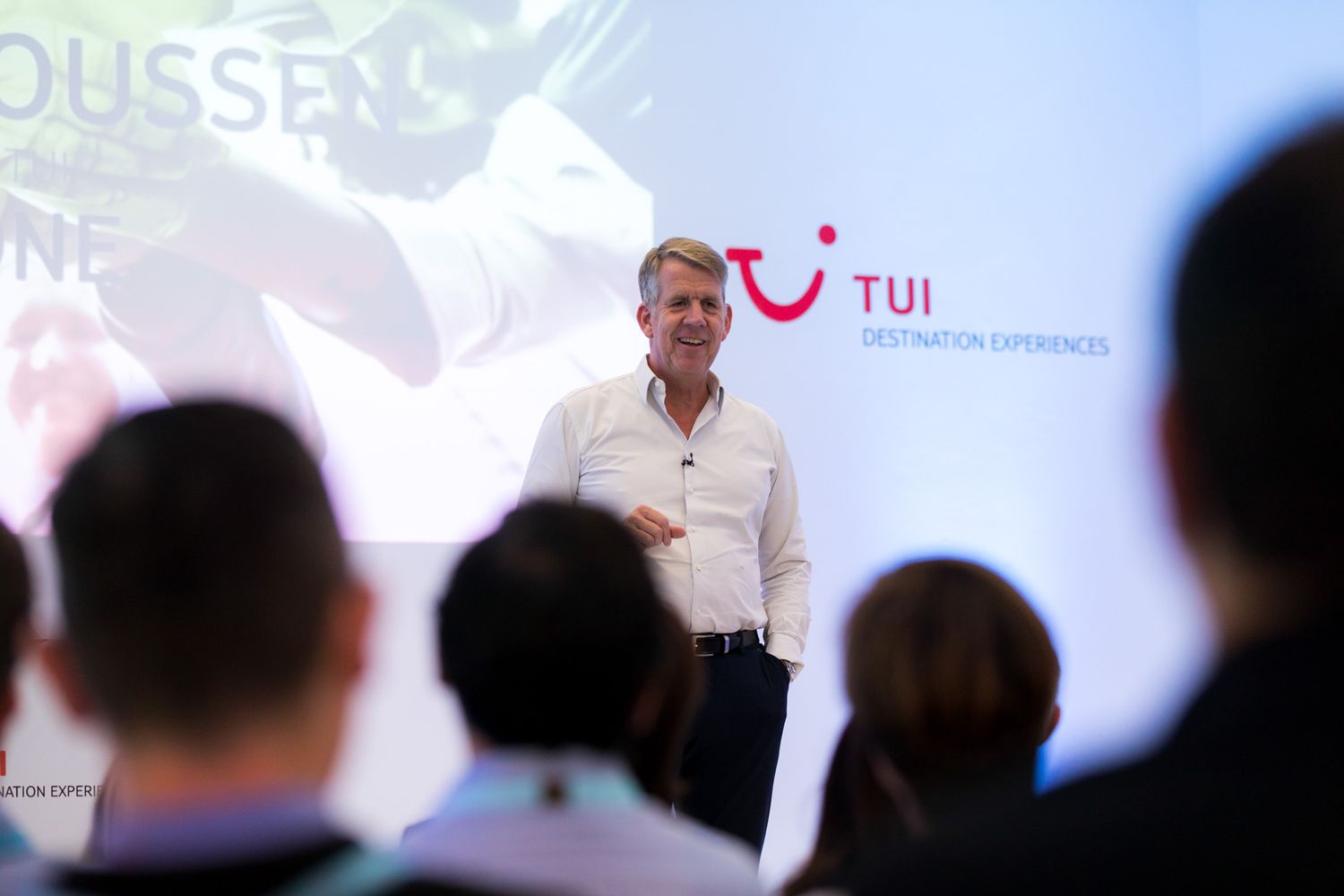
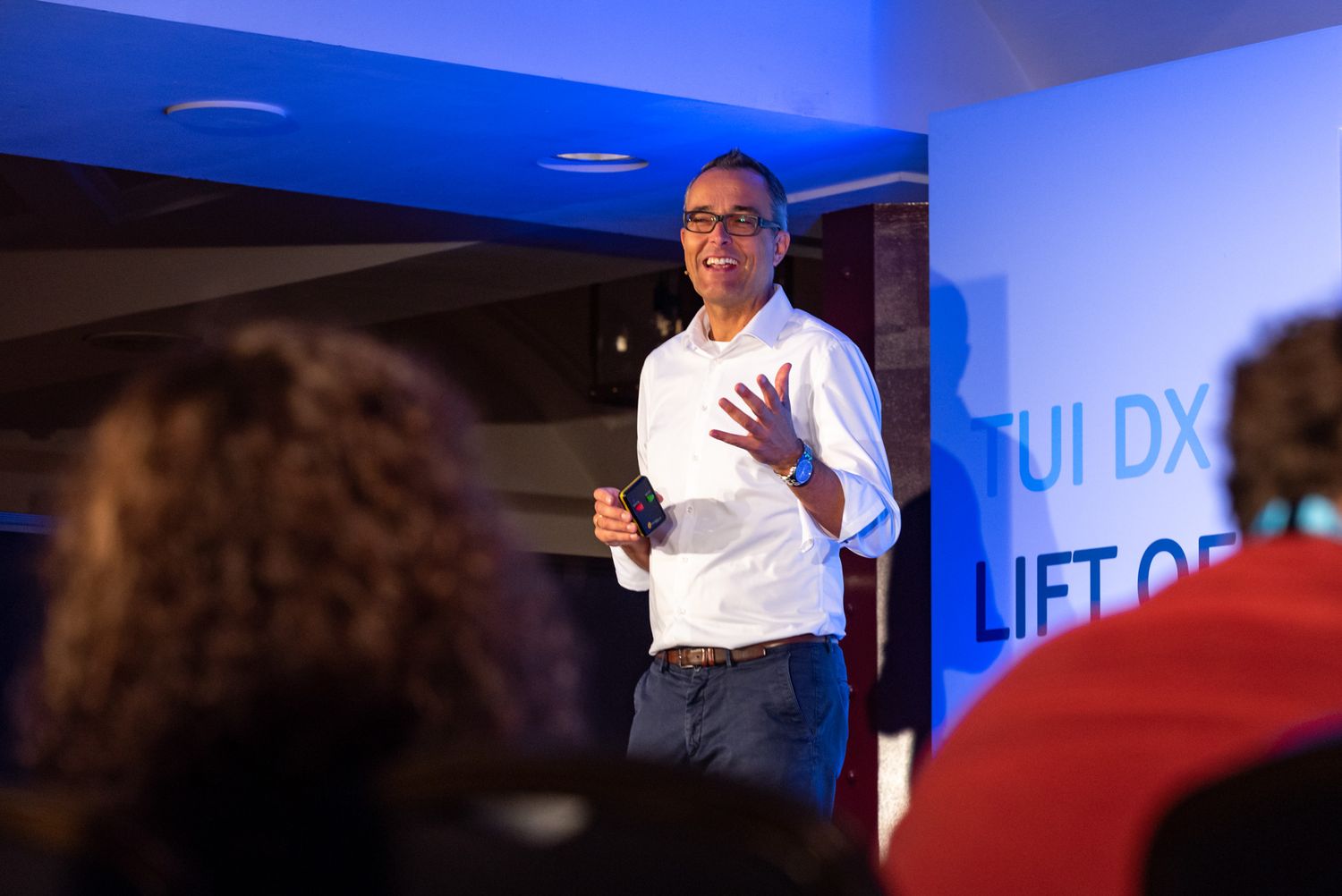
My experience includes leadership conferences and corporate events for TUI, events and public-facing occasions for the RHS, World Travel Market at ExCeL London, awards ceremonies, exhibitions, gala dinners and multi-day business events.
This is the conference photography checklist I recommend using when planning your event.
What should conference photography achieve?
Conference photography should do more than prove that the event happened.
The final gallery should provide your marketing, communications and events teams with a useful collection of images that can support:
- Social media during and after the event
- Press releases and media coverage
- Internal communications
- Sponsor reports
- Annual reports
- Future event promotion
- Speaker and delegate communications
- Websites, brochures and presentations
- Recruitment and employer branding
This affects how the event should be photographed.
A gallery containing hundreds of nearly identical speaker photographs might technically document the conference, but it will not give your marketing team much variety. The strongest coverage combines important moments with atmosphere, people, branding, scale and carefully observed details.
Conference photography checklist
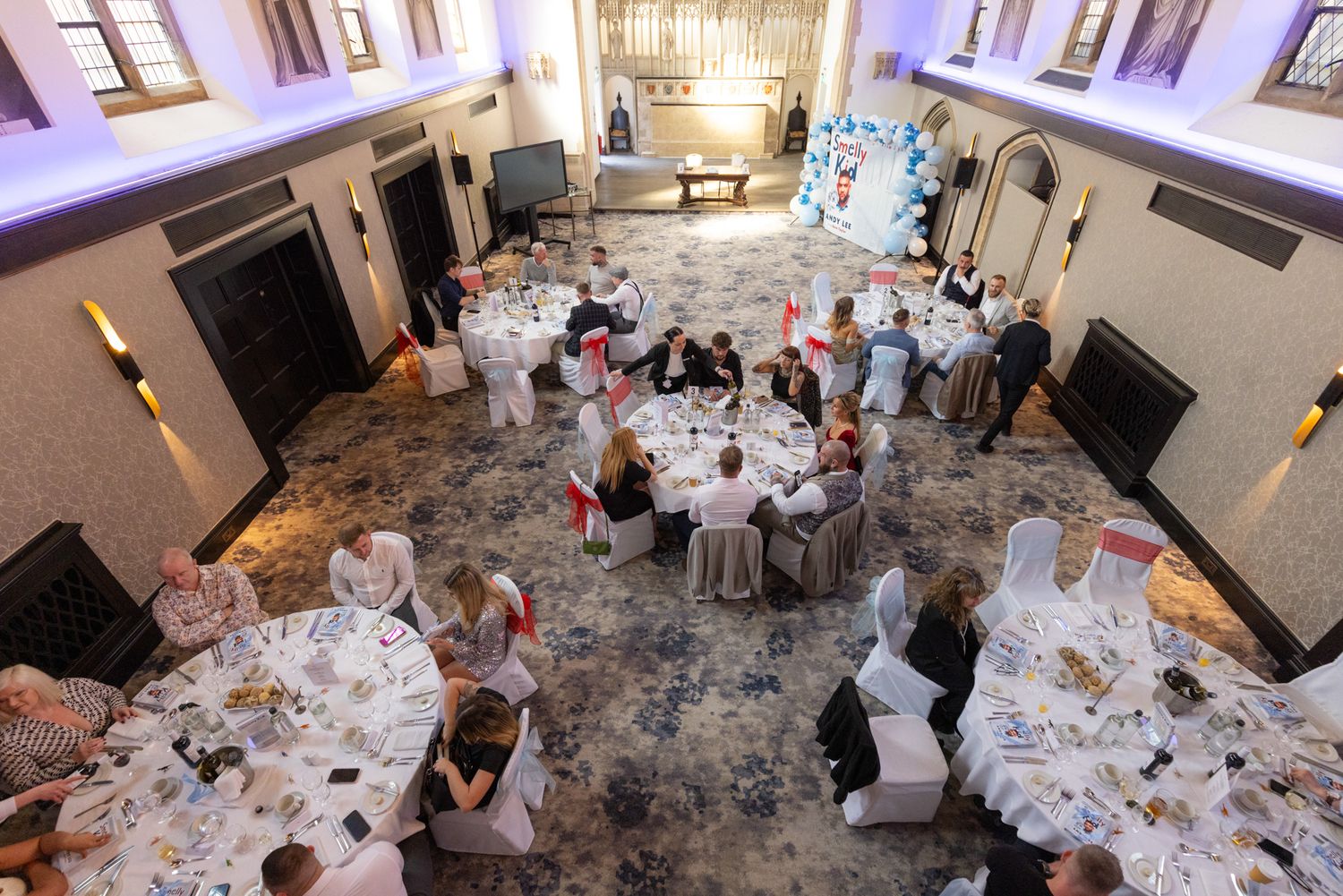
1. The venue before delegates arrive
Photographing the venue before it fills up creates clean establishing images without coats, bags, coffee cups and half-empty chairs getting in the way.
These photographs might include:
- The outside of the venue
- Registration and entrance areas
- The main stage
- Empty auditorium views
- Exhibition spaces
- Branded signage
- Table settings
- Delegate materials
- Sponsor displays
These images are particularly valuable for venue promotion, sponsorship reporting and advertising the next event.
Your photographer may need access before registration opens, so this should be built into the agreed timings.
2. Event branding and sponsor visibility
Sponsors often expect visible proof of their involvement. This cannot be left to chance.
Your photographer should know which sponsors have contractual photography requirements and where their branding will appear. This might include stage screens, exhibition stands, banners, printed materials, lanyards, digital displays or branded activations.
The best sponsor photographs usually show the branding being seen or engaged with by real attendees. A clean photograph of a logo is useful, but a photograph showing delegates actively using a sponsored space is generally far more valuable.
Provide your photographer with a list of priority sponsors rather than expecting them to recognise every logo on the day.
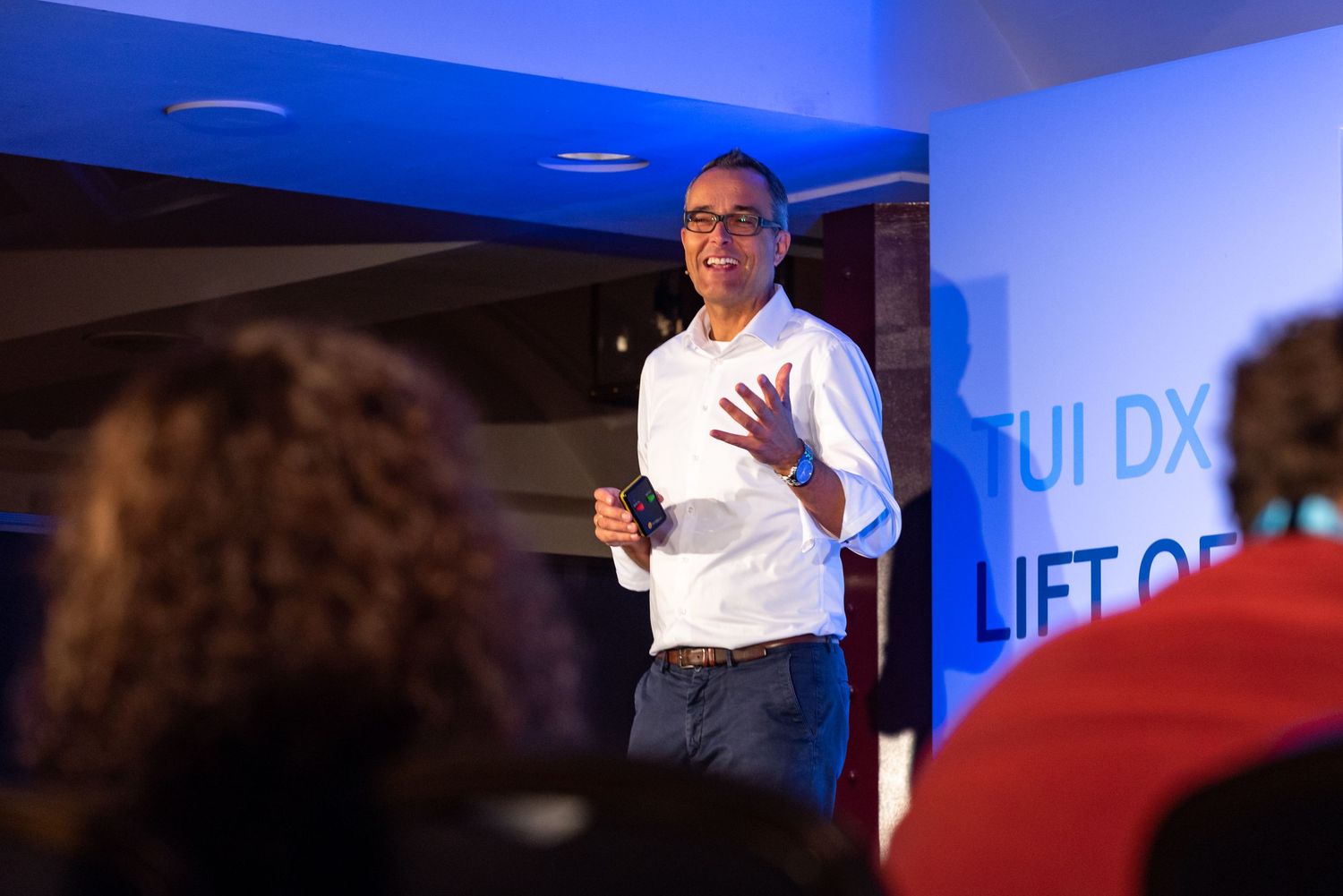
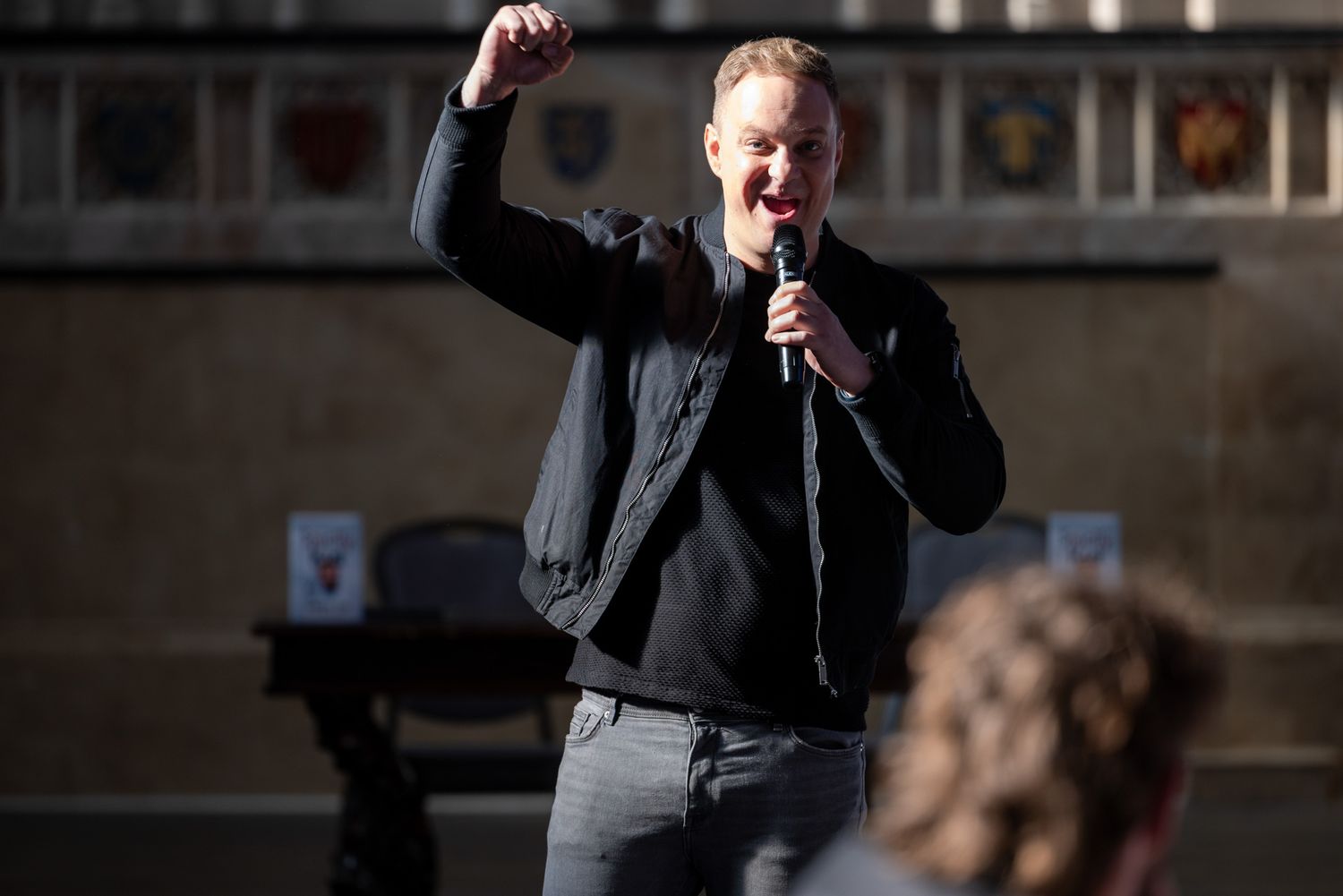
3. Keynote speakers and presentations
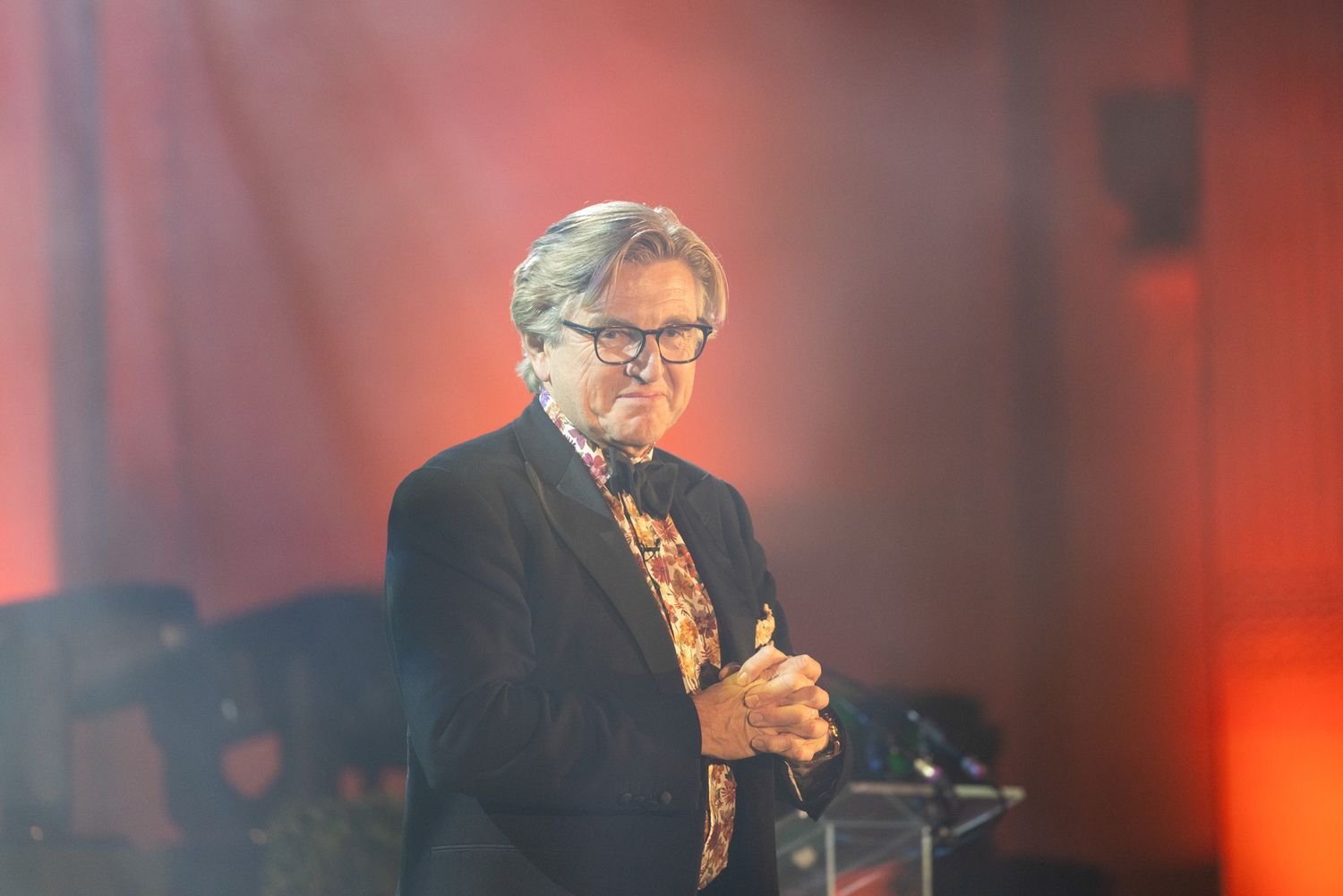
Every major speaker should be photographed clearly, confidently and in a way that reflects the scale of the occasion.
Useful coverage normally includes:
- Clean close-ups of the speaker
- Wider photographs showing the stage
- The speaker with event branding visible
- Audience members listening
- Gestures and natural expressions
- Slides where the content is relevant and legible
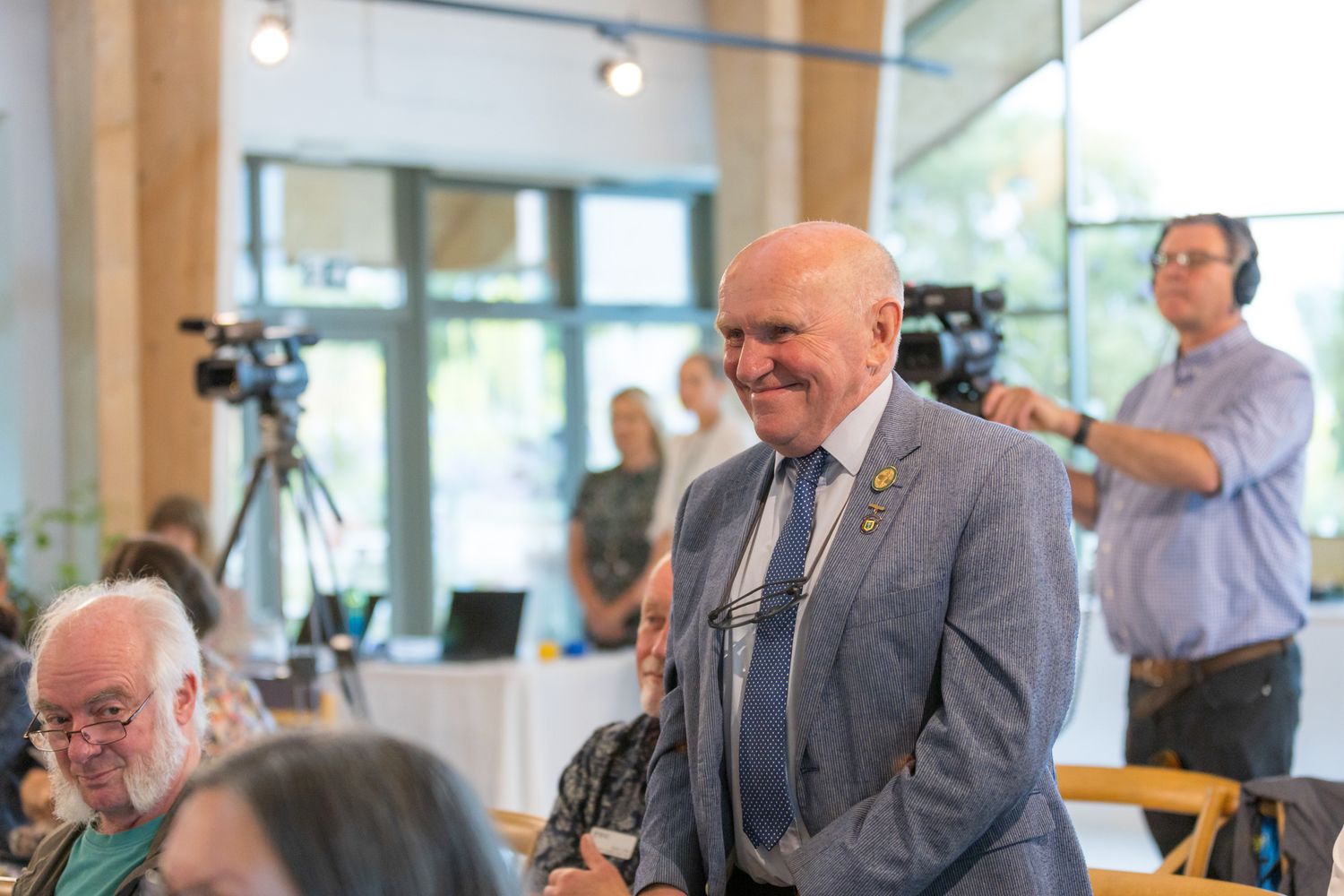
- Introductions, handovers and applause
Stage lighting can change dramatically between speakers. Presenters also have an impressive ability to stand directly in front of screens, turn away from the audience or walk into the darkest part of the stage.
This is where experience matters. The photographer needs to anticipate movement and capture each speaker without becoming a distraction.
At one conference I photographed, the keynote speaker stepped away from the lectern and walked into the audience halfway through the presentation. Because I’d anticipated it and was already positioned to the side of the room, I could keep photographing without blocking delegates’ view.
Conference venues are often challenging to photograph, particularly when presentations take place in dark rooms. I explain the process in more detail in my guide to low-light conference photography.
4. Audience reactions and engagement
Conference photography should not make an engaged event look like a room full of people staring blankly at a screen.
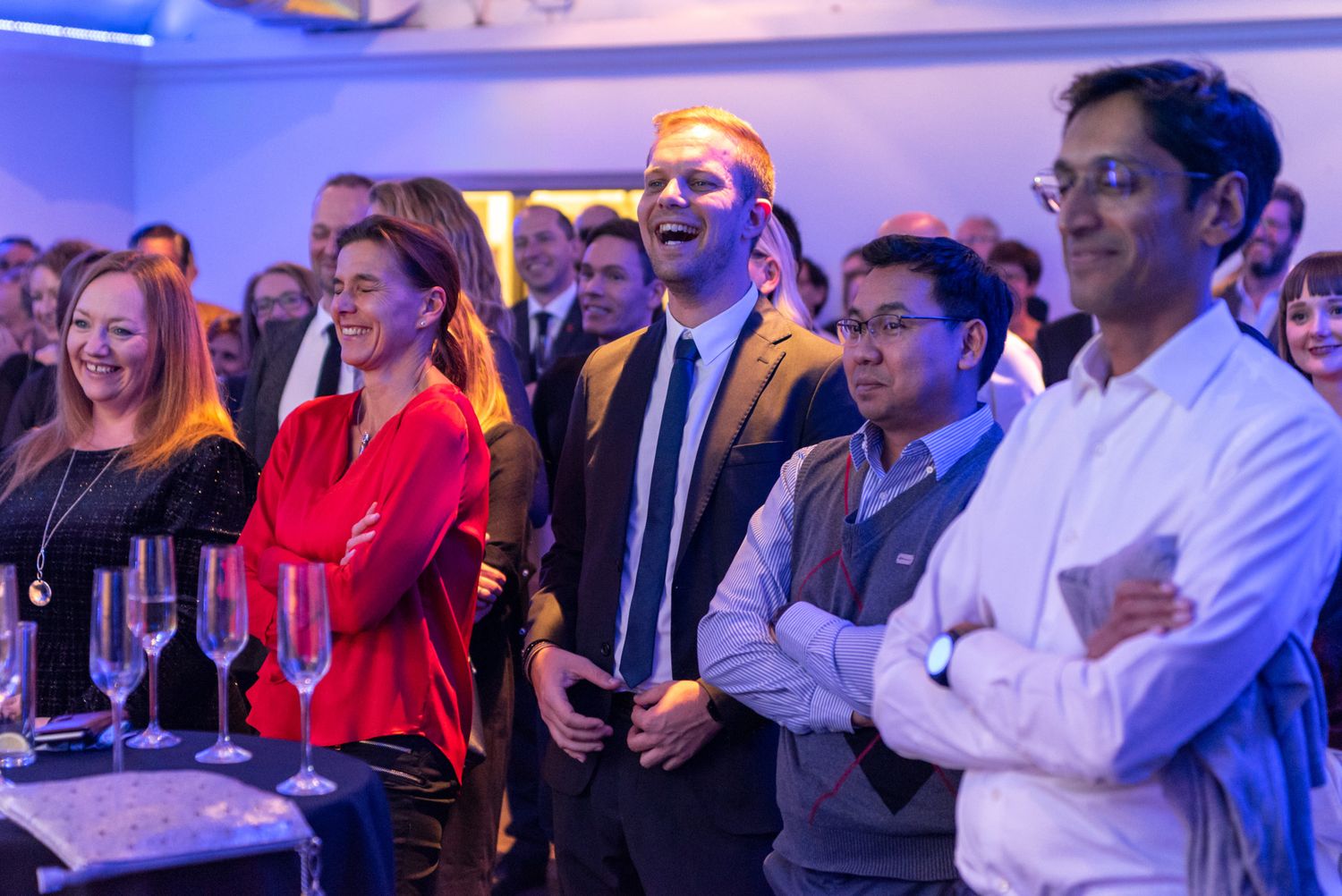
Audience reactions help show that the presentation connected with delegates. These could include laughter, applause, concentration, note-taking, raised hands and people responding to questions.
I regularly photograph from the sides or back of the room using longer lenses. This allows me to capture natural reactions without standing directly in front of attendees or making them feel watched.
The result is more believable than repeatedly asking people to pose.
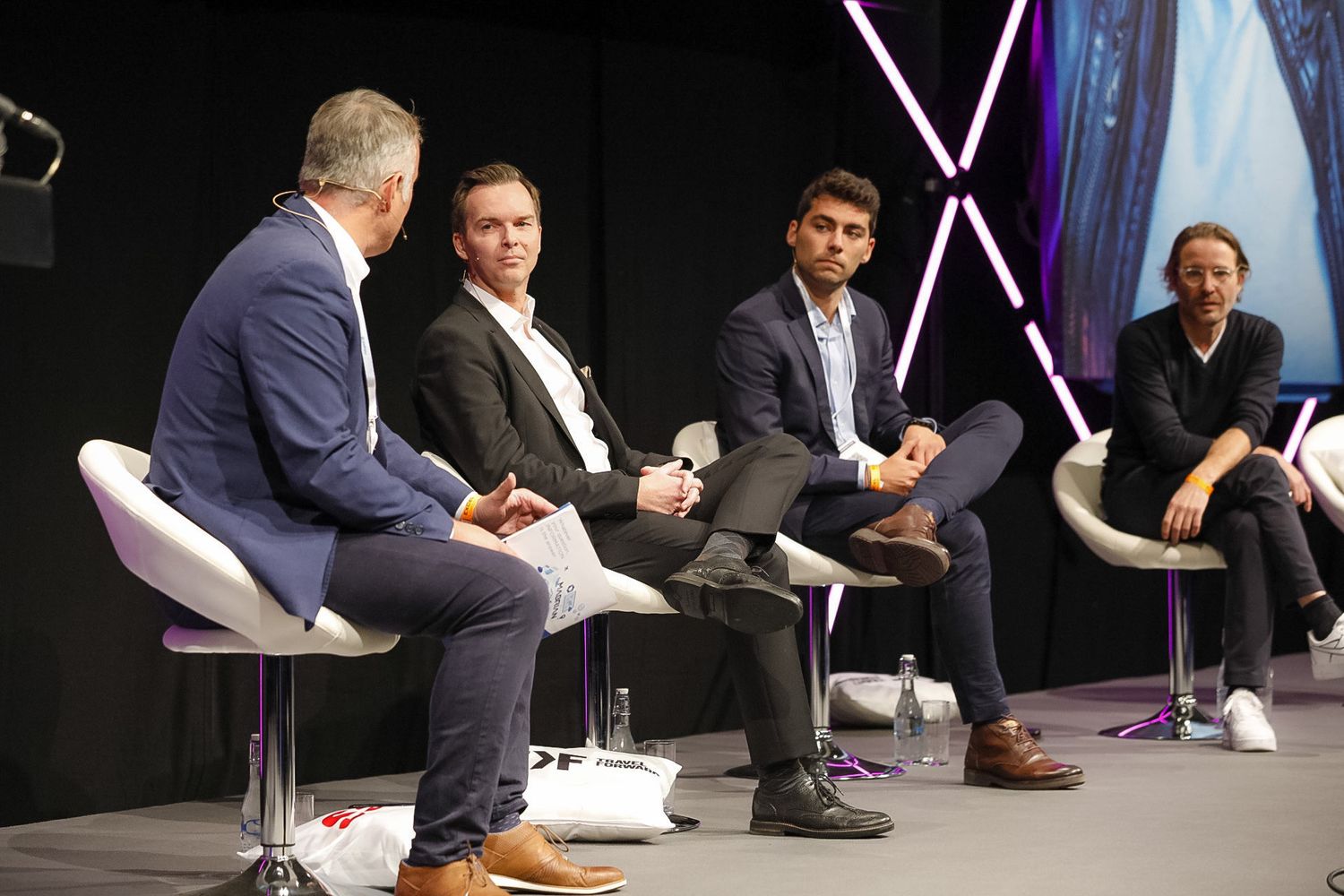
5. Panel discussions and Q&A sessions
Panel sessions need more than one wide photograph showing everyone sitting in a row.
The gallery should include:
- The full panel
- Individual speakers contributing
- Interactions between panellists
- The moderator
- Audience questions
- Wider views showing the room
- Natural reactions and moments of disagreement or humour
Knowing who is likely to speak and where questions will be taken from helps the photographer get into position before the moment happens.
Radio microphones, lecterns and water bottles can also obscure faces, so small changes of position make a substantial difference.
6. Networking and natural interaction
For many businesses, networking is one of the main reasons for holding a conference.
These photographs often become some of the most useful images from the day because they show genuine human connection rather than a formal presentation.
I look for:
- Animated conversations
- Natural laughter
- Handshakes and introductions
- Small groups interacting
- Delegates exchanging information
- Senior leaders speaking with attendees
- People engaging with exhibitors
- Informal moments between scheduled sessions
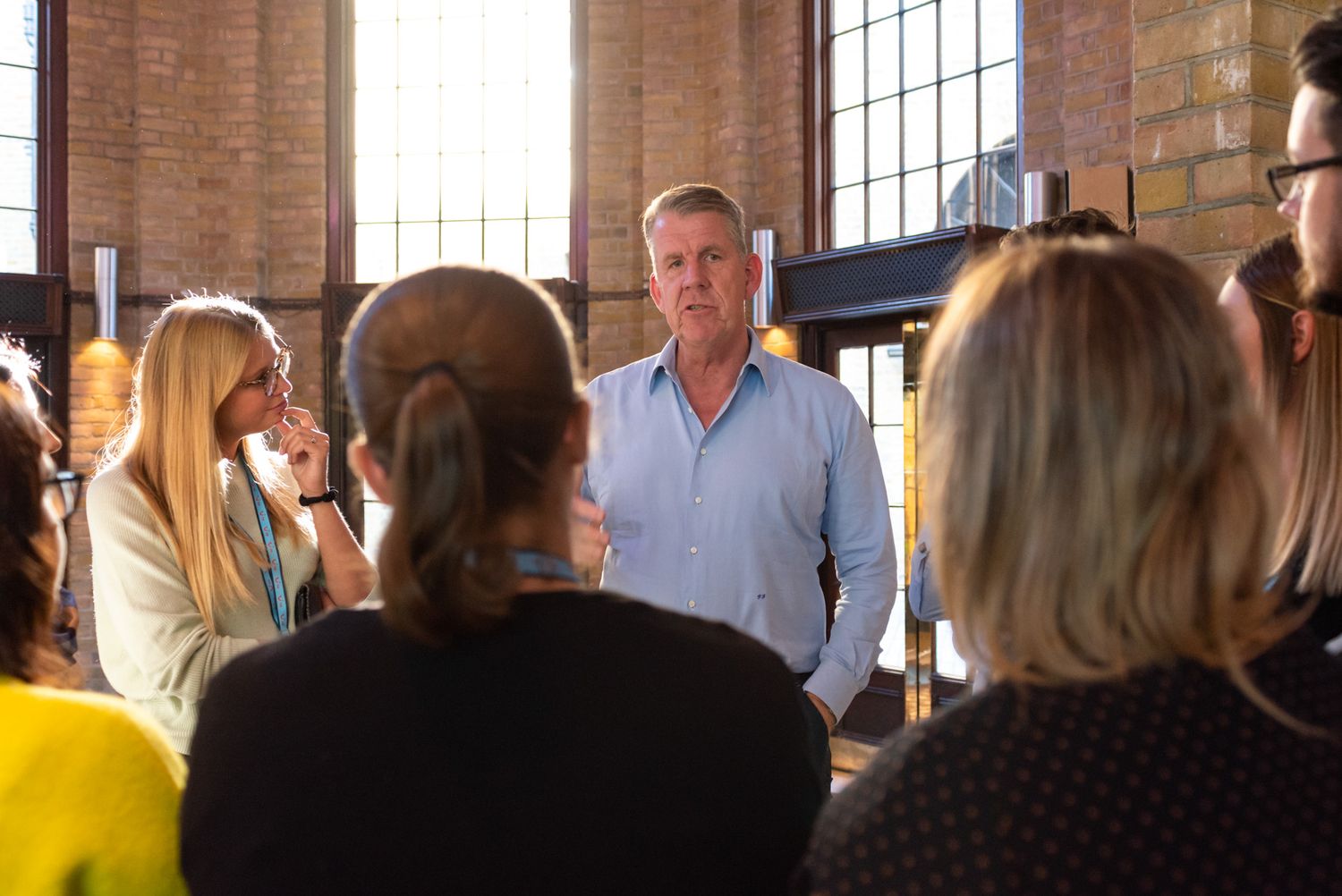
People usually look more relaxed when they are not asked to stop and pose. I work discreetly and allow conversations to unfold naturally, stepping in only when a specific group photograph is required.
7. Exhibitors, demonstrations and brand activations
Exhibition areas can be difficult to photograph well. They are often crowded, visually cluttered and filled with competing logos.
A photographer needs time to capture each priority stand cleanly while also showing genuine delegate engagement.
Useful images might include:
- Wide views of the exhibition area
- Individual stands
- Staff speaking with delegates
- Product demonstrations
- Interactive technology
- Branded experiences
- Competitions or giveaways
- Busy but well-composed crowd scenes
Where possible, schedule a short period before the exhibition opens for clean stand photography. Once several hundred delegates arrive, it becomes much harder to control backgrounds and sightlines.
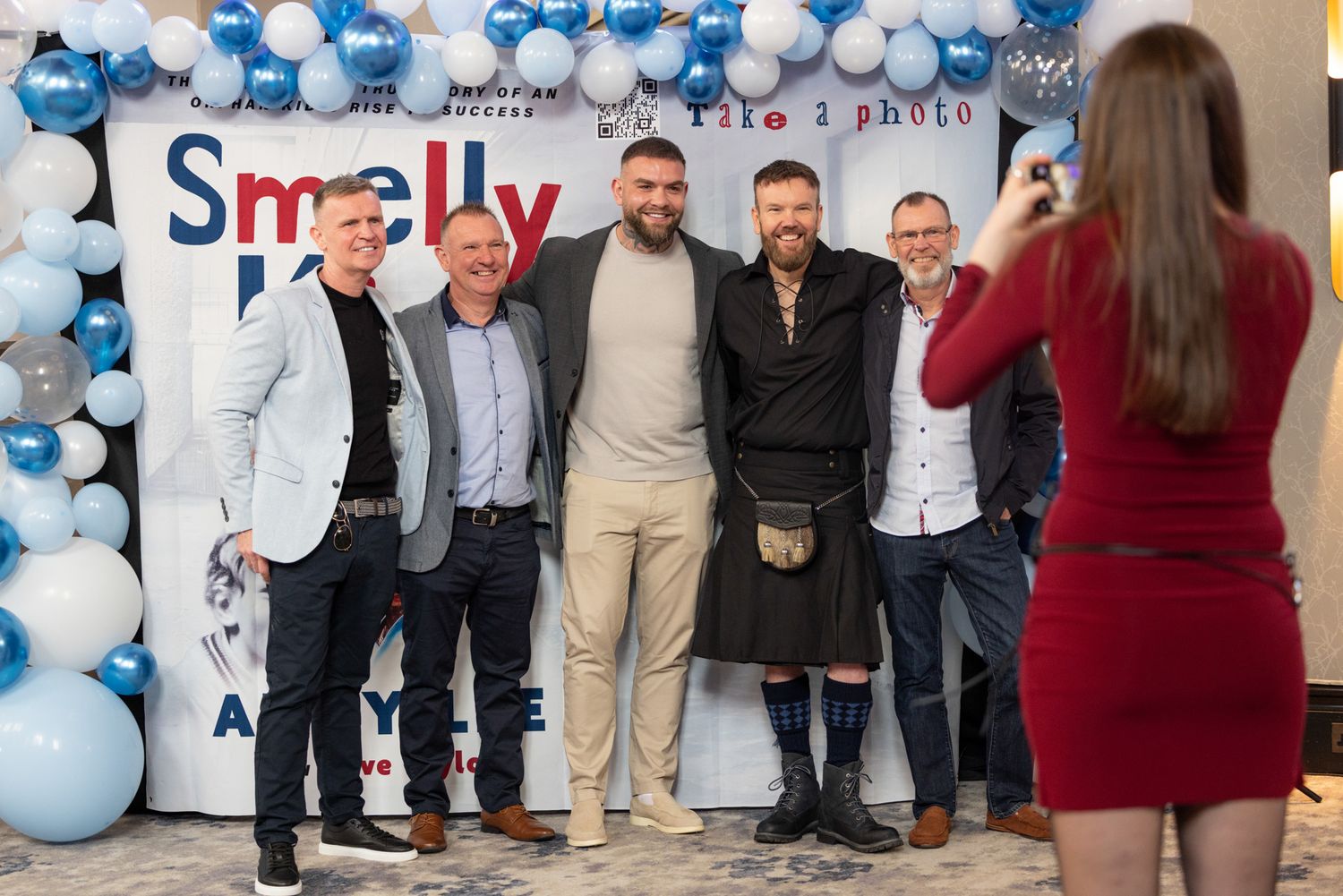
8. Leadership teams, VIPs and group photographs
Important group photographs should be planned rather than improvised.
Confirm:
- Who needs to be included
- Where the photograph will take place
- When everyone will be available
- Who is responsible for gathering them
- Whether branding needs to appear
- How formal or relaxed the image should feel
The photographer should not be expected to identify every director, VIP or sponsor representative from a room full of people.
Assigning one member of the events or communications team to help locate key people saves time and reduces the chance of somebody important being missed.
9. Details and atmosphere
Small details help connect the wider story of the event.
These might include:
- Delegate badges and lanyards
- Printed programmes
- Branded notebooks
- Food and drink
- Floral arrangements
- Lighting
- Architectural details
- Hands taking notes
- Microphones and stage equipment
- Gifts and awards
Not every photograph needs to contain a recognisable person. Detail photographs give designers useful options for page backgrounds, social media graphics, presentation covers and website banners.
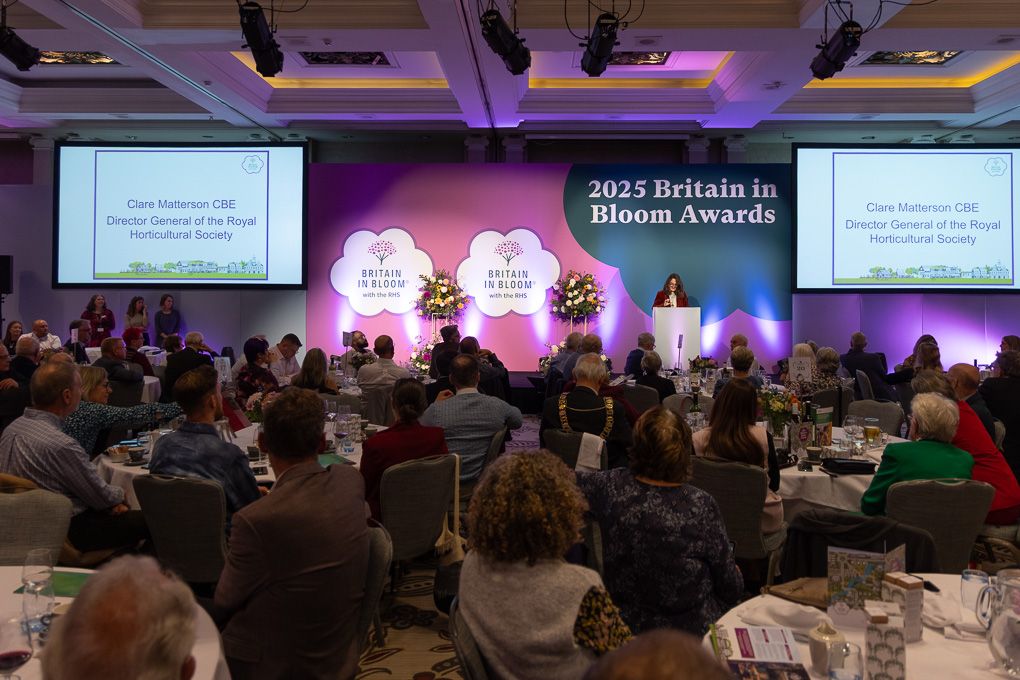
10. Awards, closing moments and evening events
The energy of a conference often changes towards the end of the day.
Awards, closing speeches, drinks receptions and evening entertainment need a slightly different approach from daytime presentations.
Important coverage could include:
- Award winners receiving their prizes
- Handshakes and presentations
- Winners looking towards the camera
- Group photographs
- Closing speeches
- Applause and celebrations
- Drinks receptions
- Entertainment
- Venue lighting and evening atmosphere
Award presentations happen quickly and cannot normally be repeated naturally. The photographer needs to know the running order and where each winner will stand.
How to brief your conference photographer
If you are still comparing suppliers, my guide to how to choose the right corporate event photographer covers the questions worth asking before you book.
A useful photography brief does not need to be a 20-page document.
It should answer the following questions:
What is the purpose of the event?
Explain why the conference is taking place and what you want people to understand when they see the photographs.
A leadership summit, product launch and industry exhibition may all take place in similar venues, but the visual priorities will be completely different.
How will the photographs be used?
Let the photographer know whether you need images for social media, press, internal communications, sponsors, advertising, annual reports or future ticket sales.
This helps them create the right balance of portrait, landscape, wide and closely framed images.
Which people and moments cannot be missed?
Identify keynote speakers, senior leaders, VIPs, sponsors, award recipients and any guests who must appear in the final gallery.
Include photographs that cannot be recreated, such as award presentations, announcements and group photographs involving people with limited availability.
What is the running order?
Provide the latest schedule, including:
- Speaker names
- Session times
- Room names
- Breaks
- Networking periods
- Award presentations
- Group photographs
- Evening activities
Changes on the day are normal, but the photographer needs to know when they happen.
Are sessions running simultaneously?
One photographer cannot be in two rooms at once.
Where several important sessions overlap, you may need a second photographer or a clear priority order. Trying to cover everything with insufficient resources usually results in rushed and incomplete photography.
When are the images required?
Standard delivery may be perfectly suitable for a post-event gallery, but press and social media teams often need selected images much faster.
Agree any deadlines before the event so the photographer can build editing time into the schedule.
Can conference photographs be delivered during the event?
Yes. Selected photographs can be edited and delivered during the conference for social media, press activity, internal communications or live displays.
This requires a different workflow from standard event coverage.
The photographer may need:
- A suitable editing space
- Reliable internet access
- Clear image priorities
- Contact details for the receiving team
- Time away from photographing the event
- A second photographer where continuous coverage is required
Same-day delivery should be discussed when requesting a quote rather than added halfway through the event. It affects the schedule, equipment and level of coverage that can realistically be maintained.
Do you need one photographer or two?
One experienced photographer can usually cover a conference where the main programme takes place in one room, and the schedule allows enough time to move between sessions.
A second photographer may be needed when:
- Important sessions run simultaneously
- The exhibition and conference programme require continuous coverage
- Delegates need on-site headshots
- Images must be edited and delivered during the event
- The venue is particularly large
- Different stakeholders have competing requirements
- Video coverage is also being produced
More photographers do not automatically mean better results. The decision should be based on the programme and required coverage.
The number of photographers, event length, travel and delivery speed will all affect the final cost. My guide to conference photography pricing explains the main factors in more detail.
Adding a mobile headshot studio
A conference can also be a practical opportunity to update staff, speaker or delegate headshots.
I can provide an on-site headshot setup with professional lighting and a consistent background. This can run as part of the conference programme or within a separate networking area.
For larger groups, the organiser should consider:
- Appointment slots or a queuing system
- Space for the lighting and background
- Access to power
- Consistent naming and file identification
- Whether attendees choose their photographs
- How the final images will be delivered
Headshots should not compromise coverage of the main event. Where both services need to run continuously, an additional photographer or assistant may be required.
Photography notices and attendee information
Your organisation should decide how photography will be communicated to attendees and how any concerns or objections will be managed.
This may include information during registration, wording in joining instructions, photography notices at the venue and a clear contact for anyone who does not wish to be photographed.
Sensitive events, children, vulnerable people and prominent individual portraits may require additional planning. Do not assume that a general event notice automatically covers every possible use.
I can work within your organisation’s agreed process, but it should be discussed before photography begins.
What should you receive after the conference?
The final gallery should be carefully selected and consistently edited rather than simply containing every frame taken.
Depending on the brief, delivery may include:
- High-resolution files
- Web-ready versions
- A secure online gallery
- Download access for approved users
- Clearly organised folders
- Selected same-day images
- Alternative crops for social media
- Agreed marketing and communications usage
The number of photographs will depend on the length, scale and pace of the event. Coverage and usefulness matter more than an arbitrary guaranteed image count.

Why conference photography experience matters
Conference photography is unpredictable.
Timings change. Lighting is rarely consistent. Speakers move quickly. Important guests appear without warning. Presentations happen in dark rooms while networking takes place beside large windows.
The photographer needs to understand people, business environments and event etiquette as well as camera settings.
My approach is natural, discreet and reliable. I work closely with event, marketing and communications teams before the event, then operate independently once the programme begins.
I know when to blend into the background, when to take control of a group photograph and when an apparently ordinary interaction is about to become the strongest image of the day.
Frequently asked questions about conference photography
What should be included in conference photography?
Conference photography should cover the venue, branding, sponsors, speakers, panel discussions, audience reactions, networking, exhibitors, important guests, group photographs and the wider atmosphere of the event.
Should we provide a photography shot list?
Yes, but keep it focused. Identify the people, sponsors, sessions and moments that cannot be missed. An experienced photographer should be able to capture the wider story without being given instructions for every individual photograph.
How many photographs will we receive?
This depends on the event length, number of sessions and required coverage. You will receive a carefully edited collection that covers the important moments without unnecessary duplicates.
Can we receive photographs on the same day?
Yes. Selected images can be delivered during or shortly after the event for social media, press and marketing. This should be agreed in advance because editing time needs to be included within the schedule.
If you’re budgeting for conference coverage, my guide to conference photography pricing explains the biggest factors that affect cost.
Do you photograph conferences in London?
Yes. I regularly provide conference and corporate event photography across London, including major conference venues and exhibition centres. I also work throughout Hertfordshire, the wider UK and internationally.
Do you photograph multi-day conferences?
Yes. Multi-day coverage can include keynote presentations, breakout sessions, networking, exhibitions, awards, hospitality and evening events, with consistent editing across the full gallery.
Planning a conference or corporate event?
I regularly work as a conference photographer in London, as well as across Hertfordshire, the wider UK and internationally.
Whether you need full conference coverage, exhibition photography, an on-site headshot studio, or selected images delivered during the event, I can tailor the photography to your programme and marketing requirements.
View my corporate event and conference photography portfolio or get in touch to discuss your event and check availability.
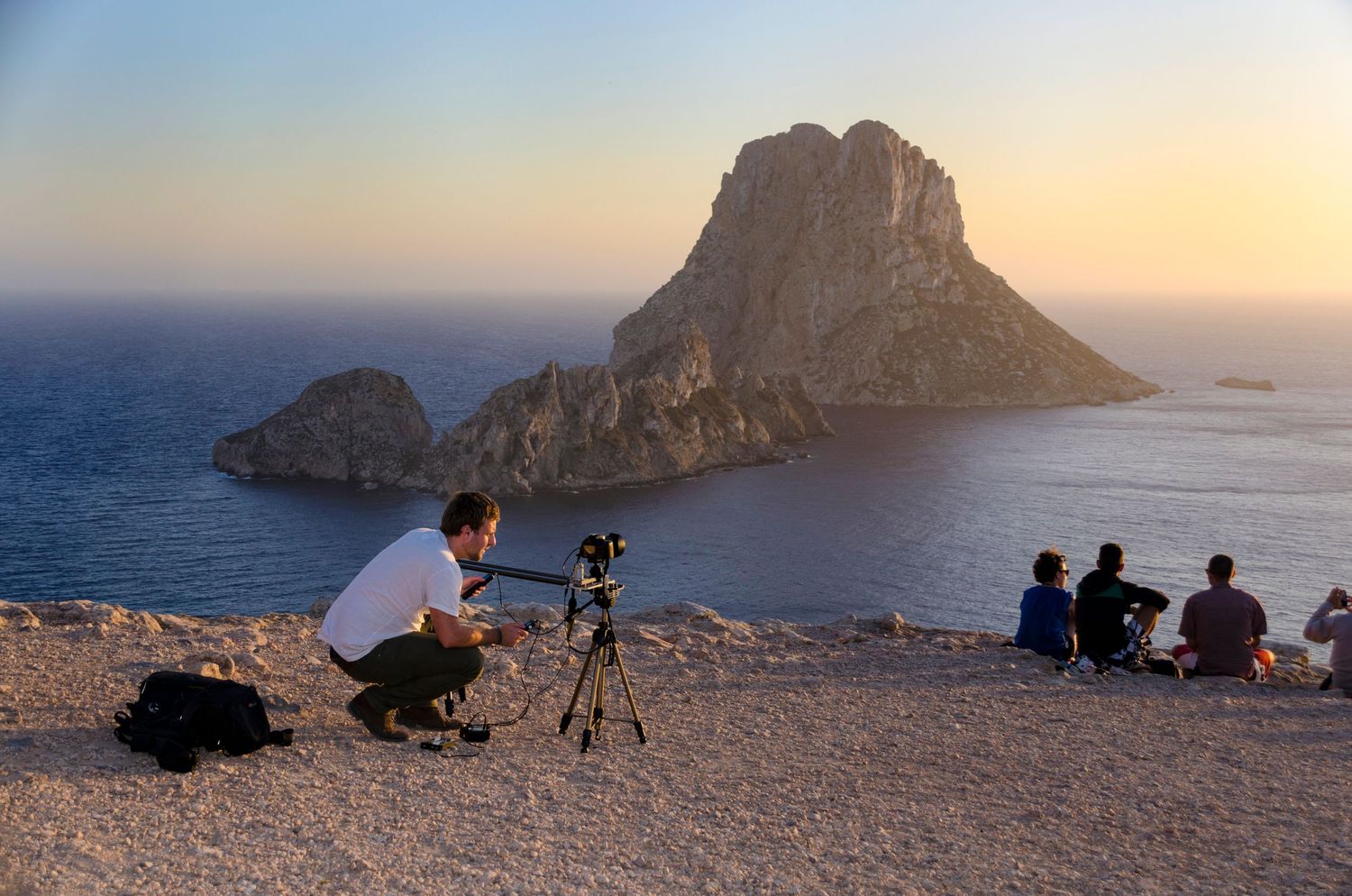
Lee Charlton is a multi-award-winning professional photographer with more than 16 years of experience photographing people, brands, conferences and corporate events.
He was previously Global Photography Manager at TUI and spent four years as Photography and Digital Asset Manager at the RHS (Royal Horticultural Society). His portfolio includes leadership conferences and international events for TUI, RHS events and flower shows, World Travel Market at ExCeL London, Britain in Bloom Awards, gala dinners, exhibitions and major corporate gatherings.
Lee is known for natural, unobtrusive event photography, strong low-light work and fast delivery for marketing, PR and communications teams.