Photographing a Live Retail Space for Press and Website Use
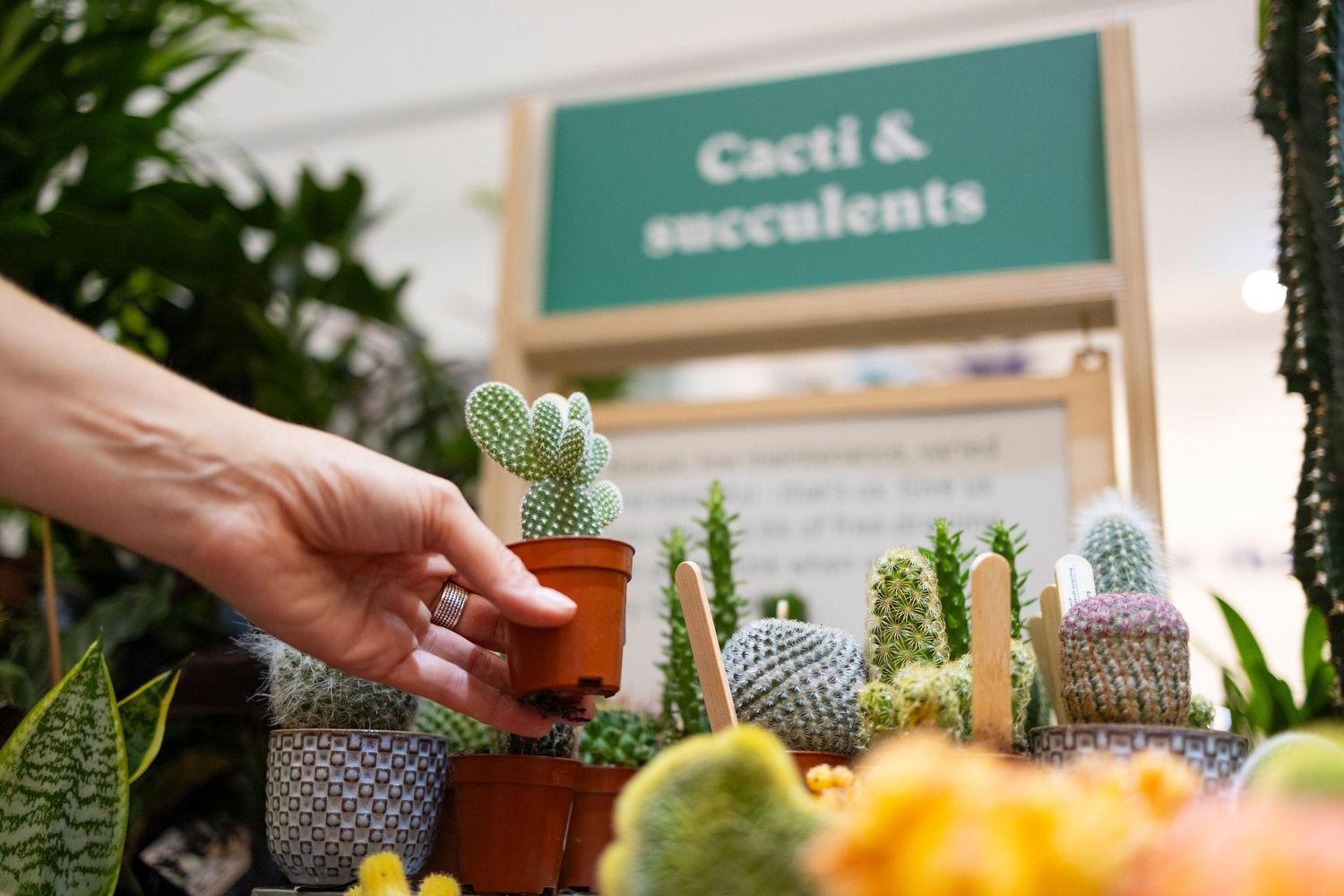
Working with the RHS, I photographed the RHS The Plant Space at Bluewater after the shop had opened to the public.
The RHS described it as its first dedicated houseplant shop, designed to bring plants, practical advice and horticulture to people beyond its gardens. My brief was to create a focused collection of retail photographs for press and website use.
This was not a staged advertising shoot with hired models. It was a working shop with genuine customers browsing, choosing products and moving through the space.
That brought two different requirements together: the photographs needed to show the shop clearly, but they also needed to communicate what it felt like when people were using it.
The final collection contained 25 edited photographs and was delivered within 24 hours.
The Retail Photography Brief
The brief covered the main elements needed to present the shop properly:
- Exterior views and RHS branding
- Wide photographs showing the shop’s layout
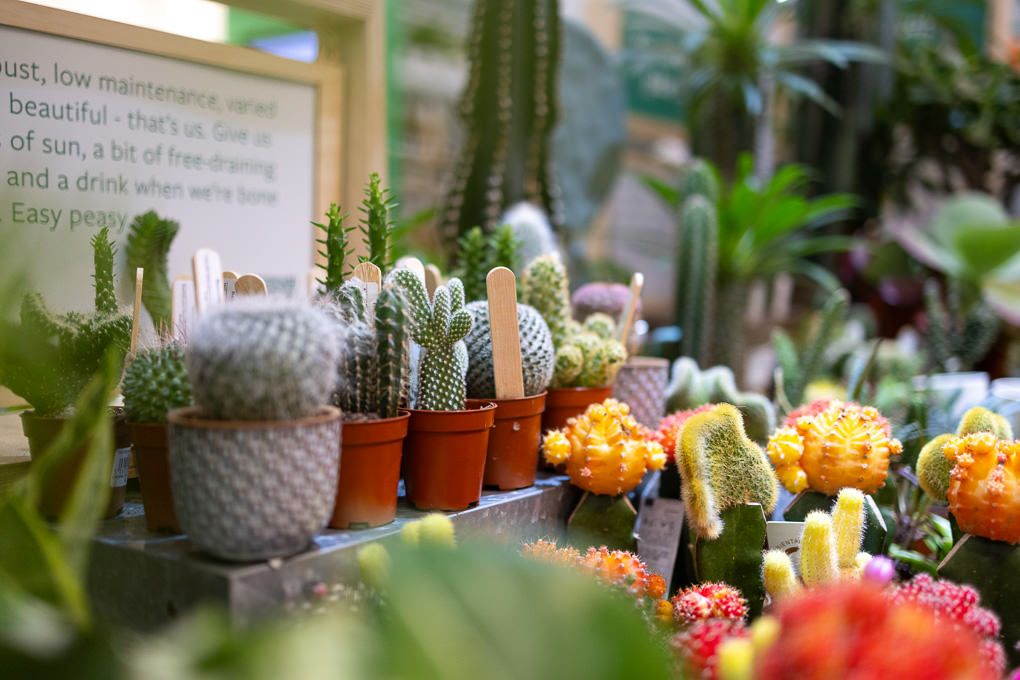
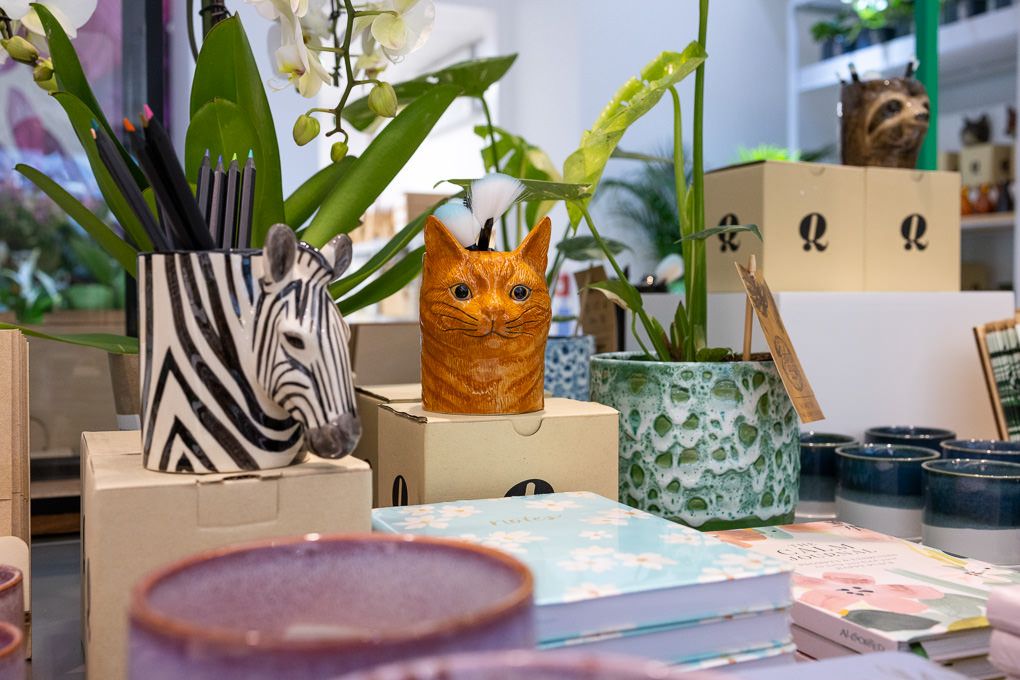
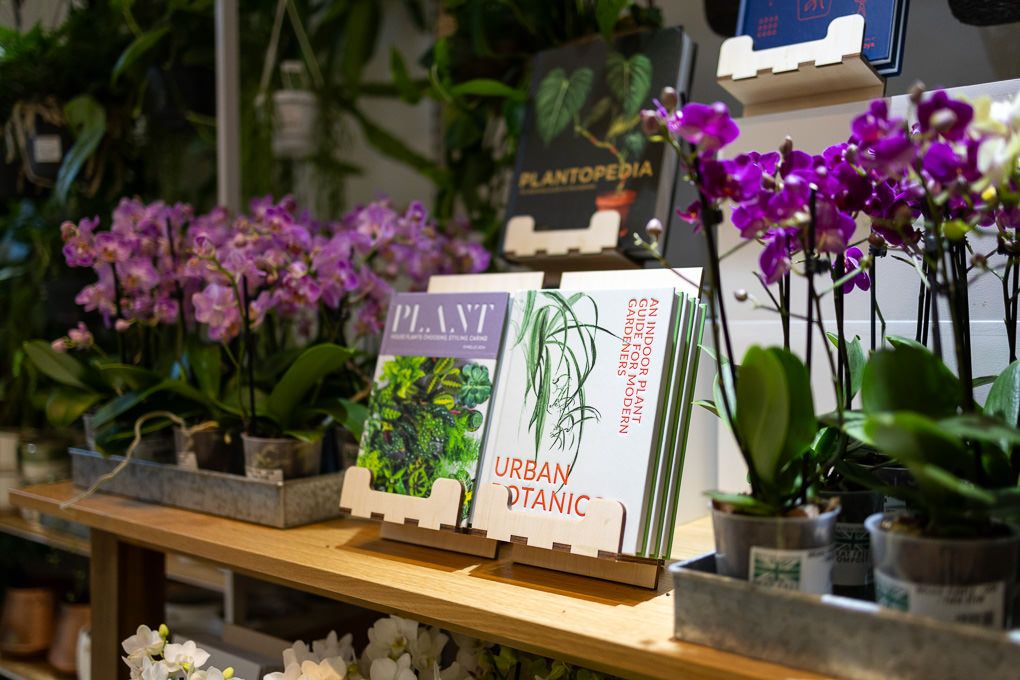
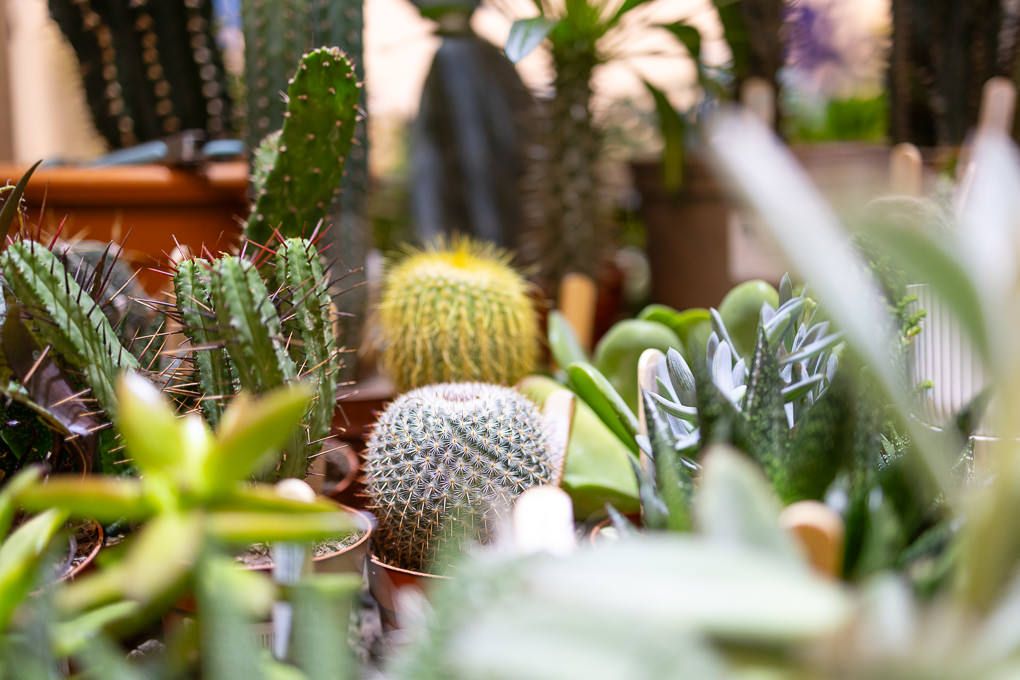
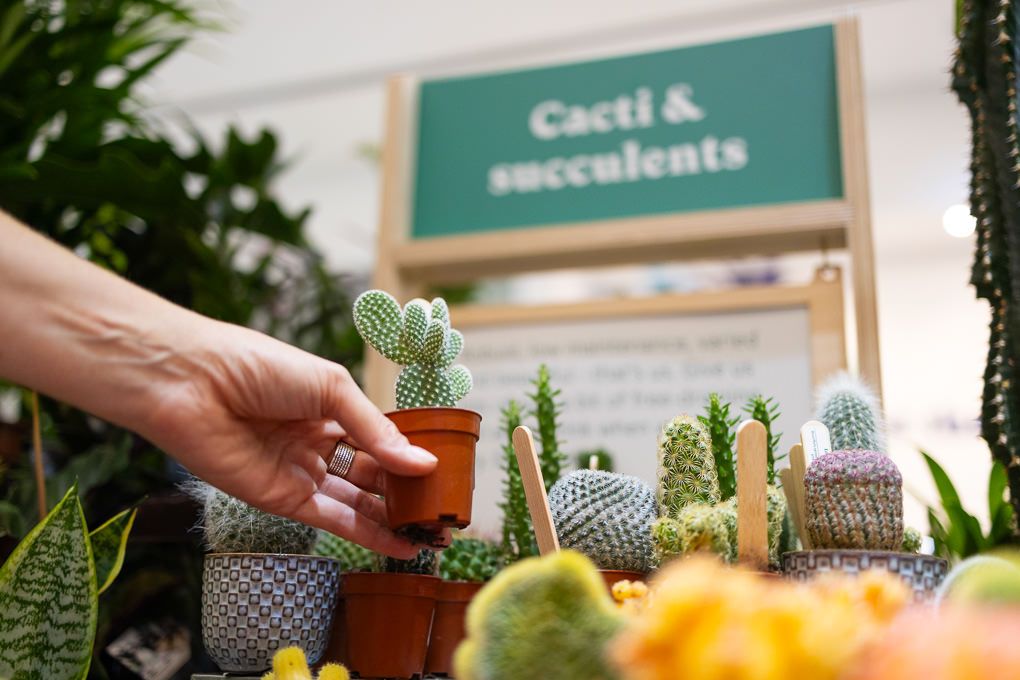
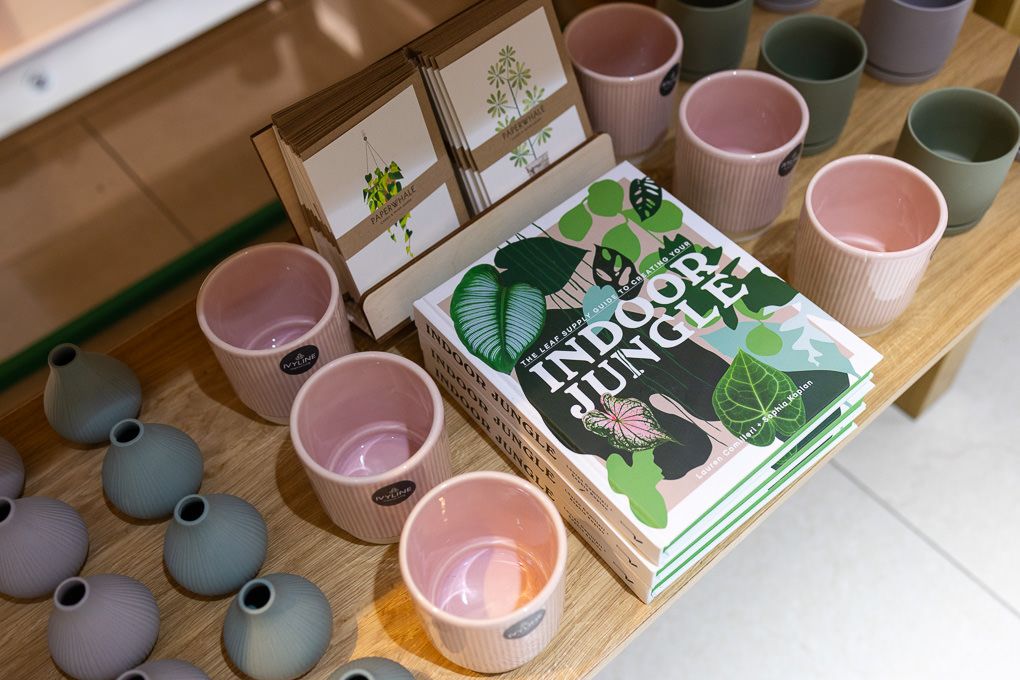
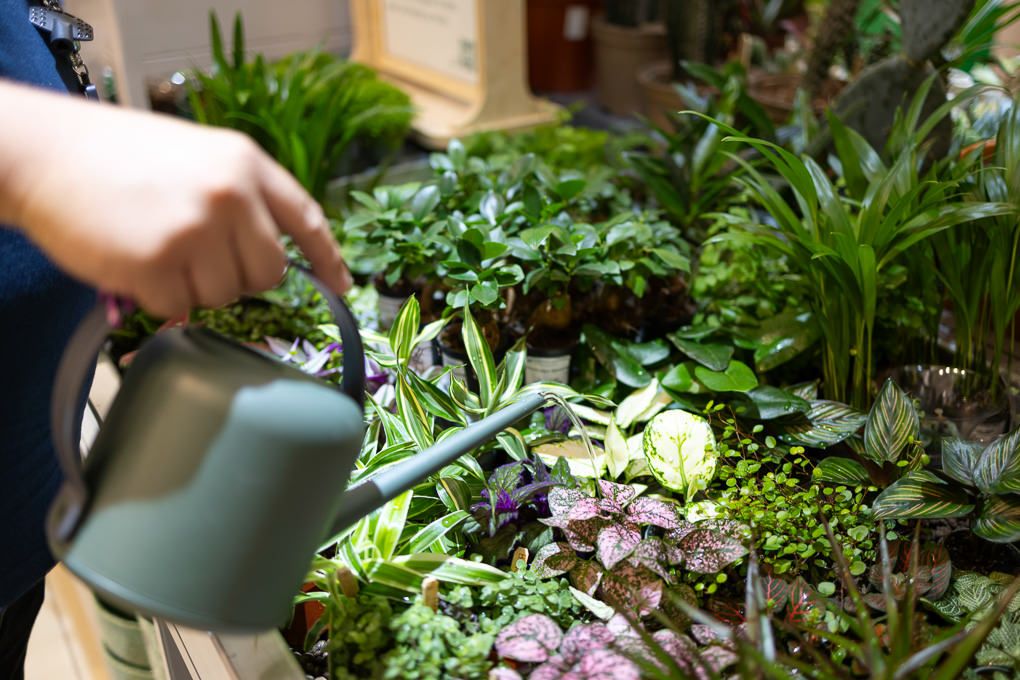
- Plant, product and merchandising displays
- Closer details that added colour and visual variety
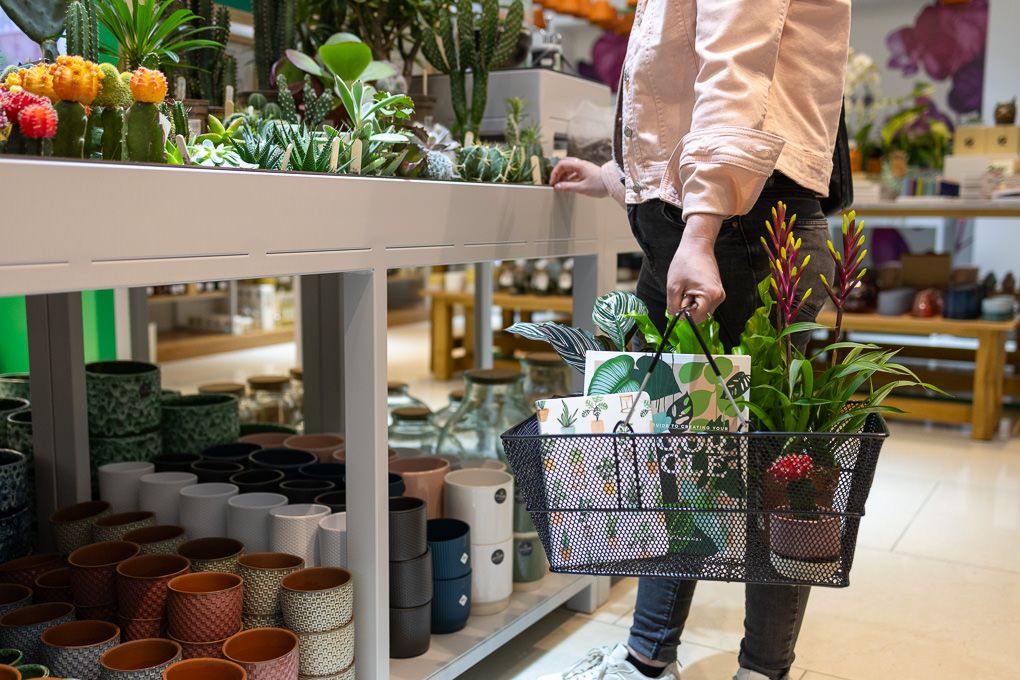
- Genuine customer activity without identifying people who had not signed model releases
Because the photographs were intended for press and the RHS website, every image needed a clear purpose. A strong photograph was only useful if communications teams could place it into an article, webpage or press release without struggling to make it fit.
This understanding of how photographs are selected and used is central to my wider corporate photography for brands and organisations.
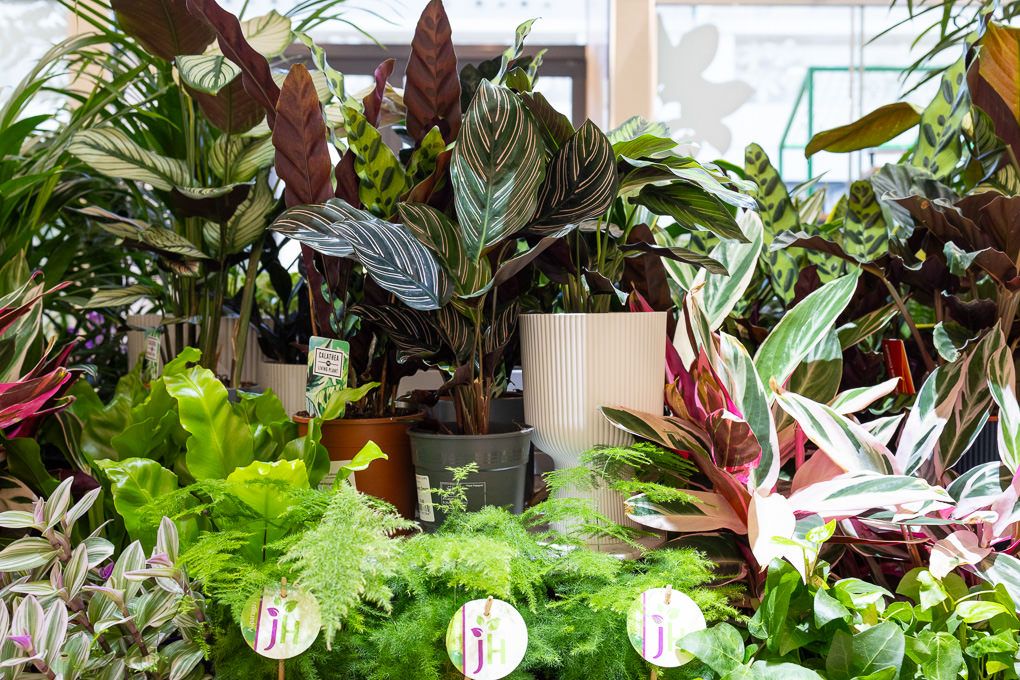
Showing the Shop’s Layout, Products and Character
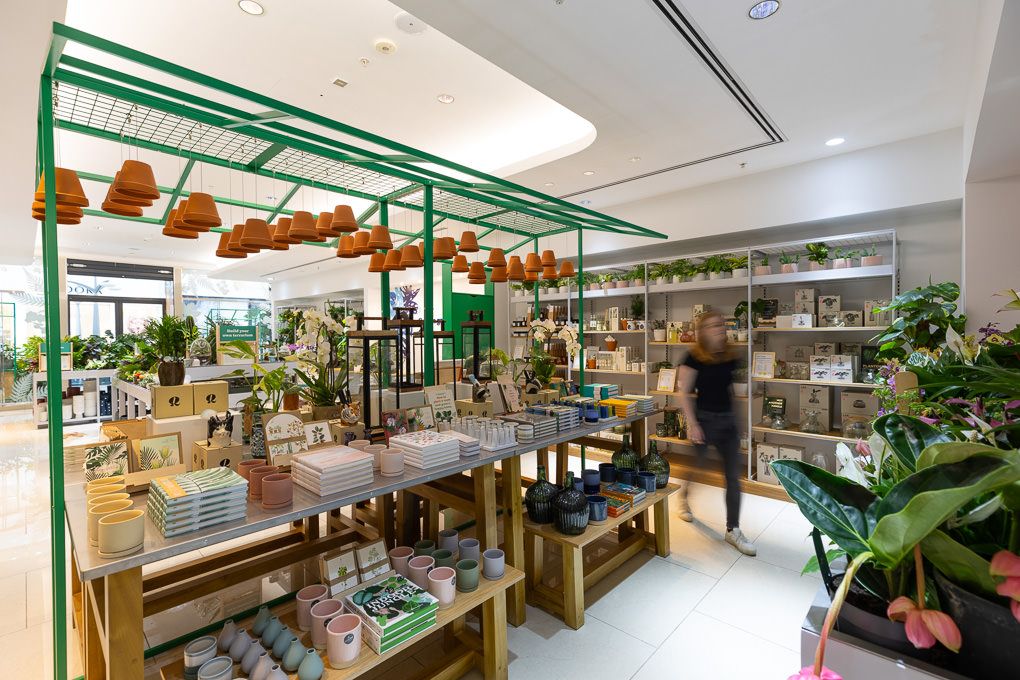
I began with wider views that established the shop within Bluewater and showed how its interior was arranged.
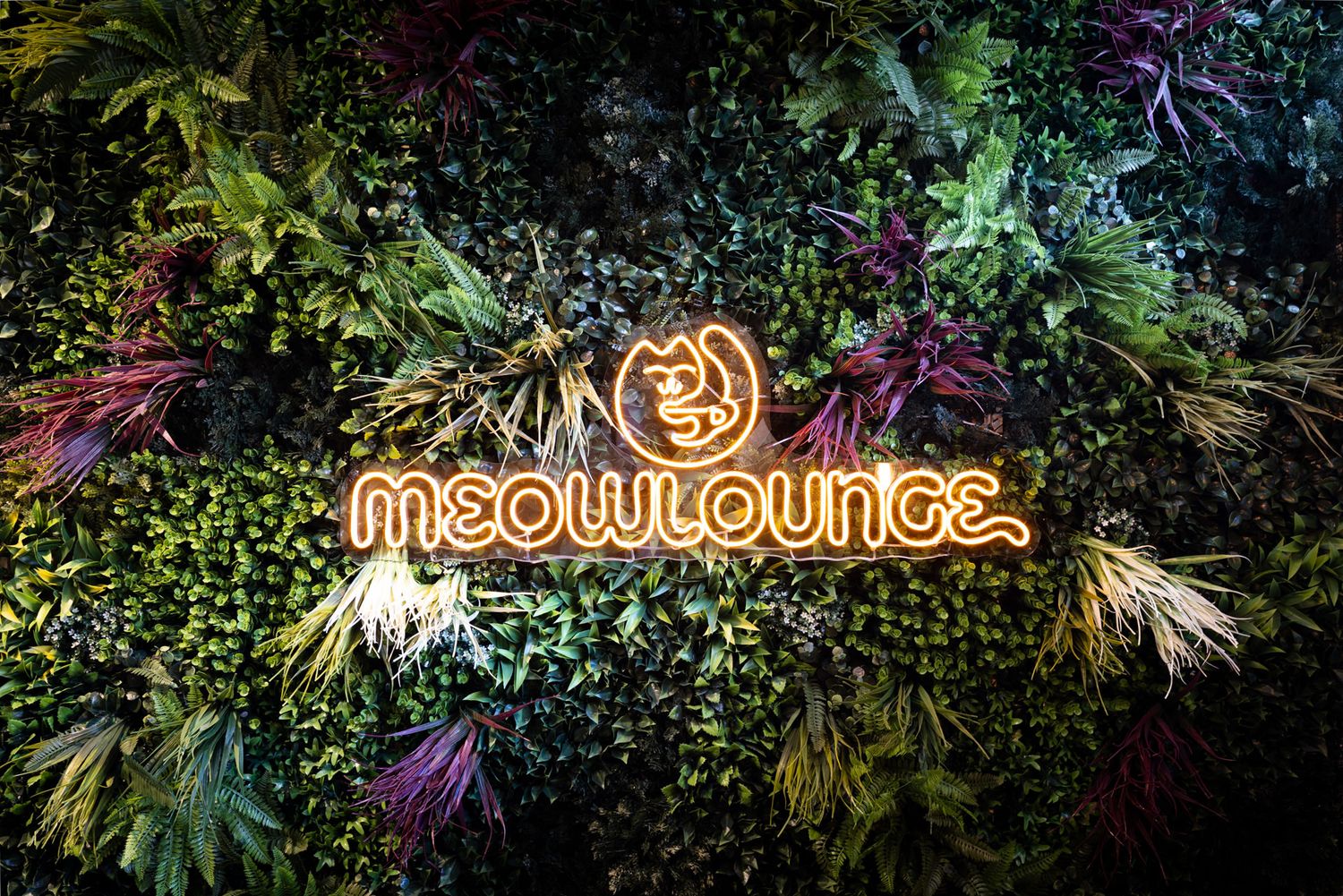
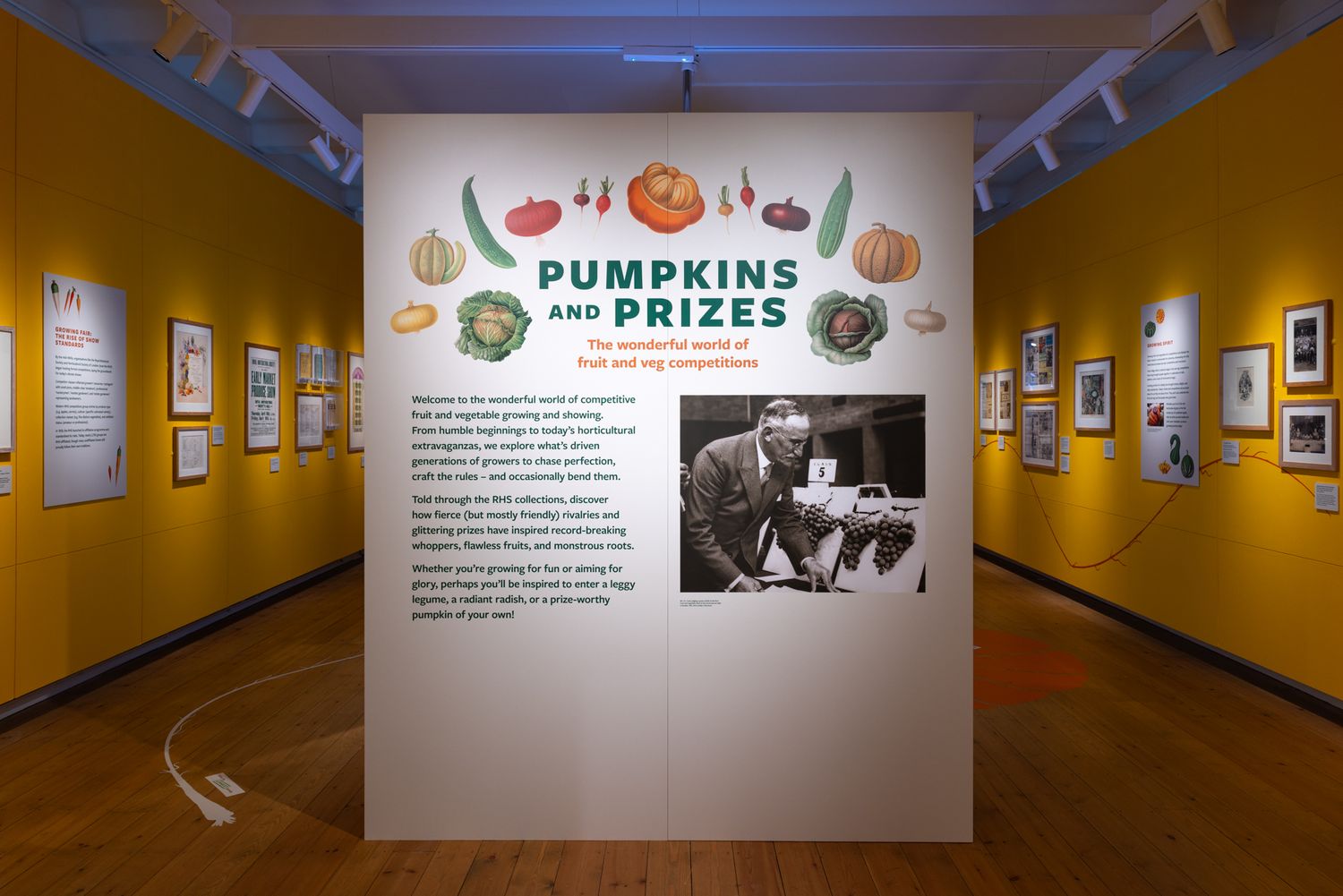
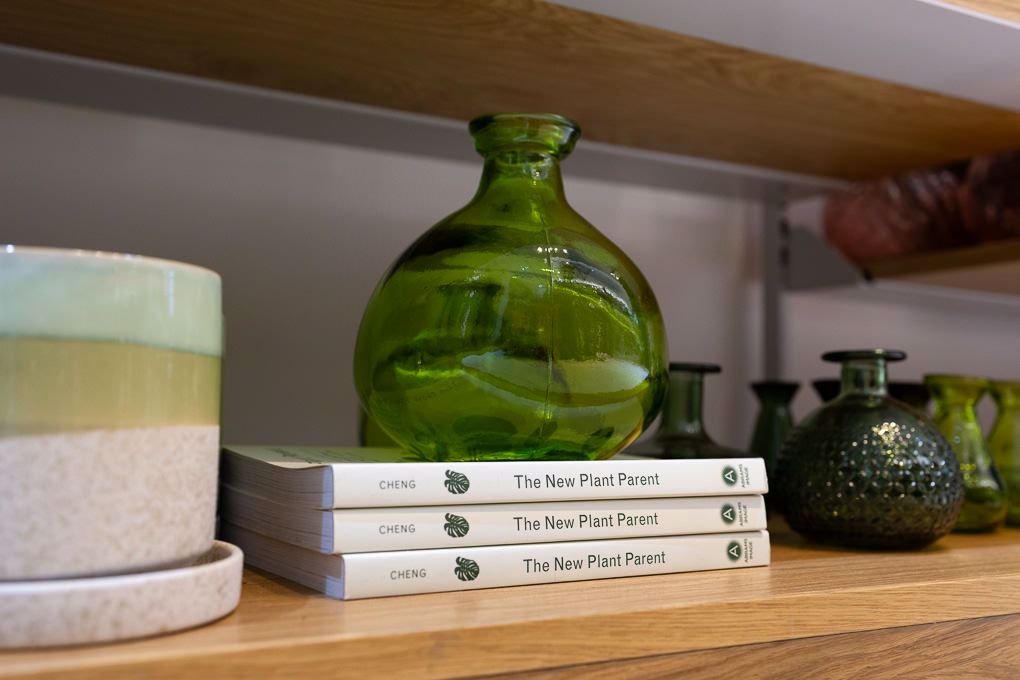
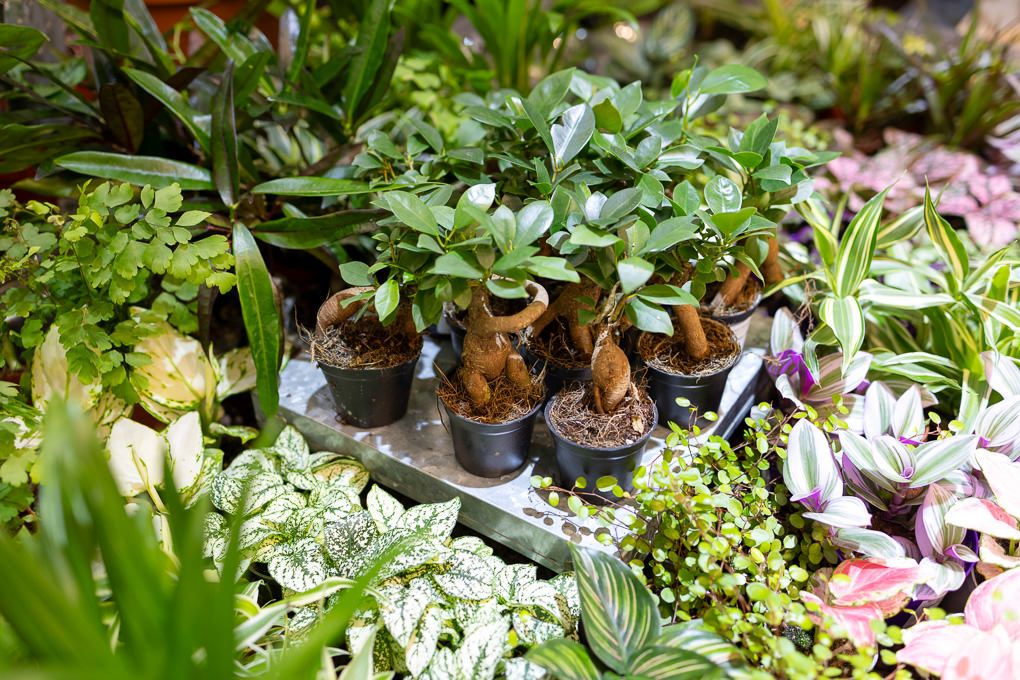
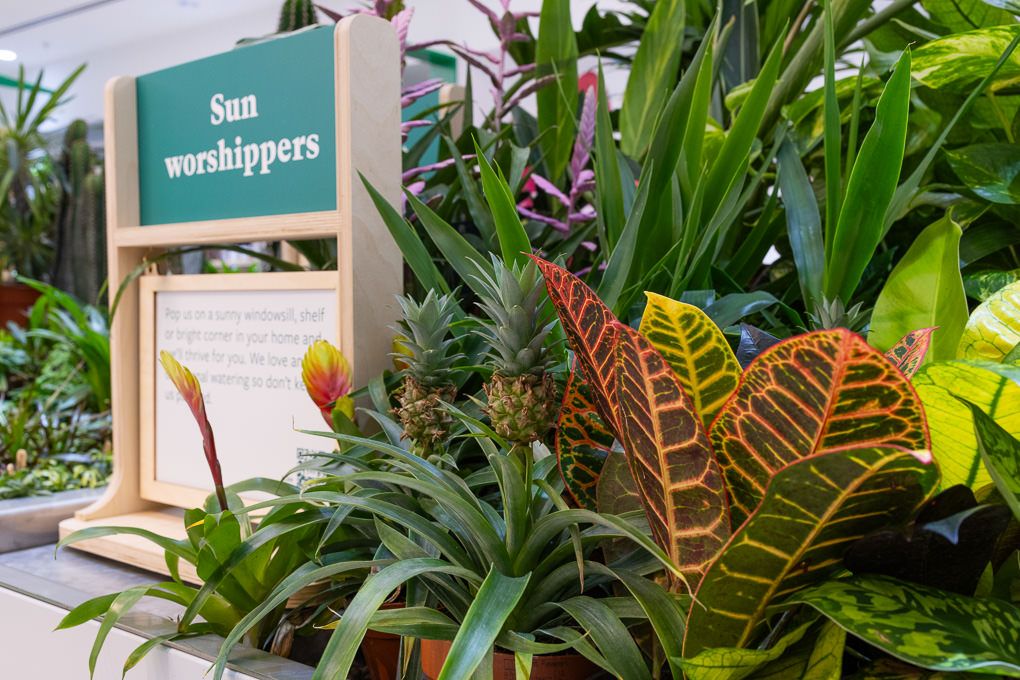
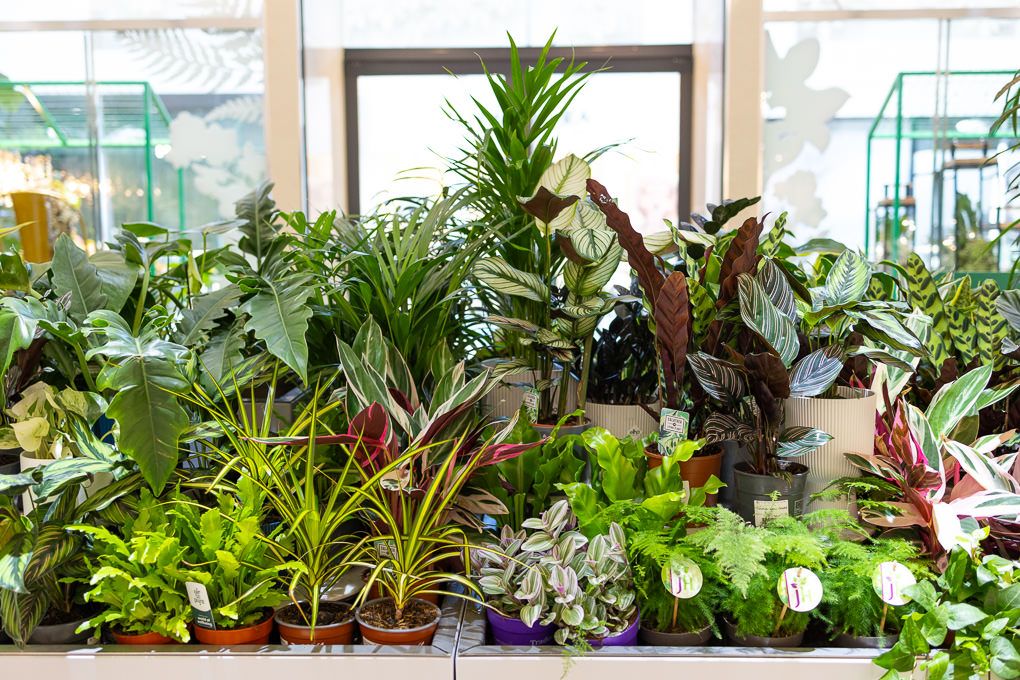
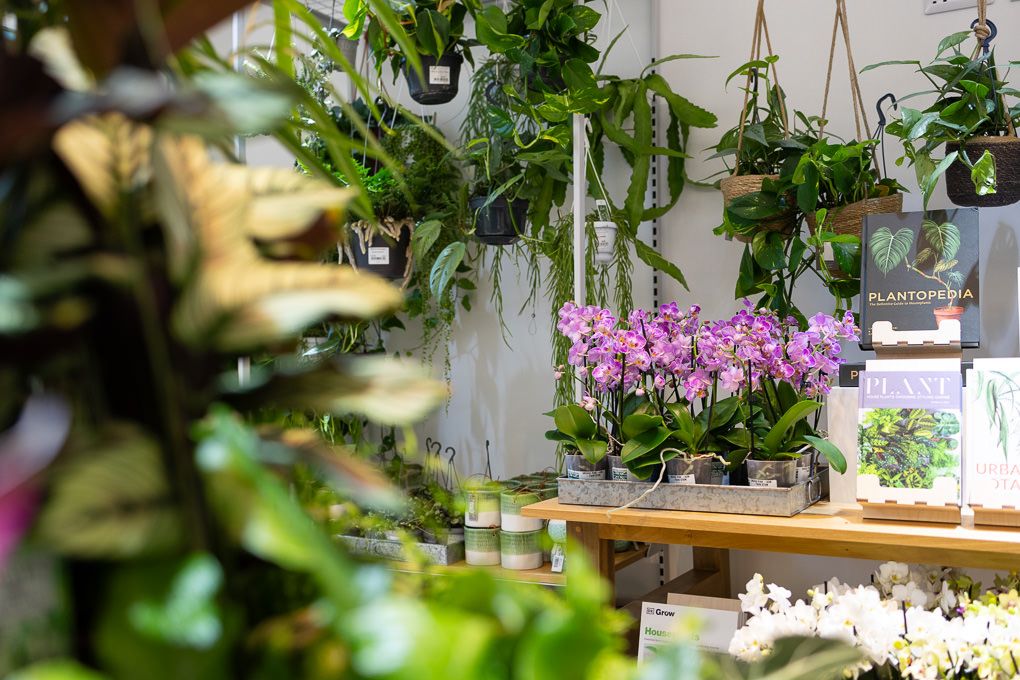
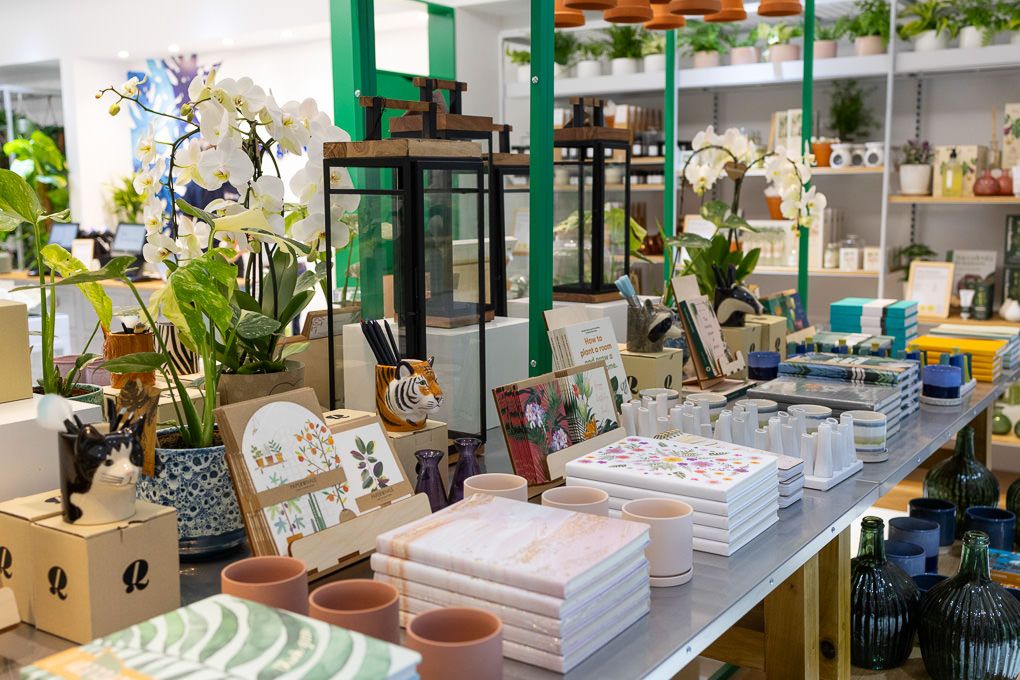
These photographs gave viewers an immediate understanding of the space, including the entrance, shelving, signage and different plant displays. Closer compositions then highlighted orchids, houseplants, pots, homeware and smaller branded details.
Photographing a retail environment requires a slightly different approach from photographing an empty property. The layout matters, but so do the products, brand identity and way customers move through the space.
The result needs to feel organised without making a live shop look artificially empty or sterile.
You can see more examples of how I photograph commercial spaces within my property and interior photography portfolio.
Working in Low Light With a Tripod
Low light was the main technical challenge inside the shop.
I used a Canon EOS R5 with a 24-105mm f/4 lens, giving me enough flexibility to move between wide interior photographs and tighter product details without constantly changing equipment.
A tripod allowed me to work with slower shutter speeds while keeping the shop, signage and merchandise sharp. It also helped maintain clean, carefully composed frames in areas where the available light was limited.
This was particularly useful for the wider photographs, where sharp detail across the scene mattered more than freezing every person walking through it.
Photographing Genuine Customers Without Identifying Them
The people in these photographs were genuine customers who happened to be browsing. They were not hired models, and customers who had not signed a model release needed to remain unidentifiable.
I approached this in several ways.
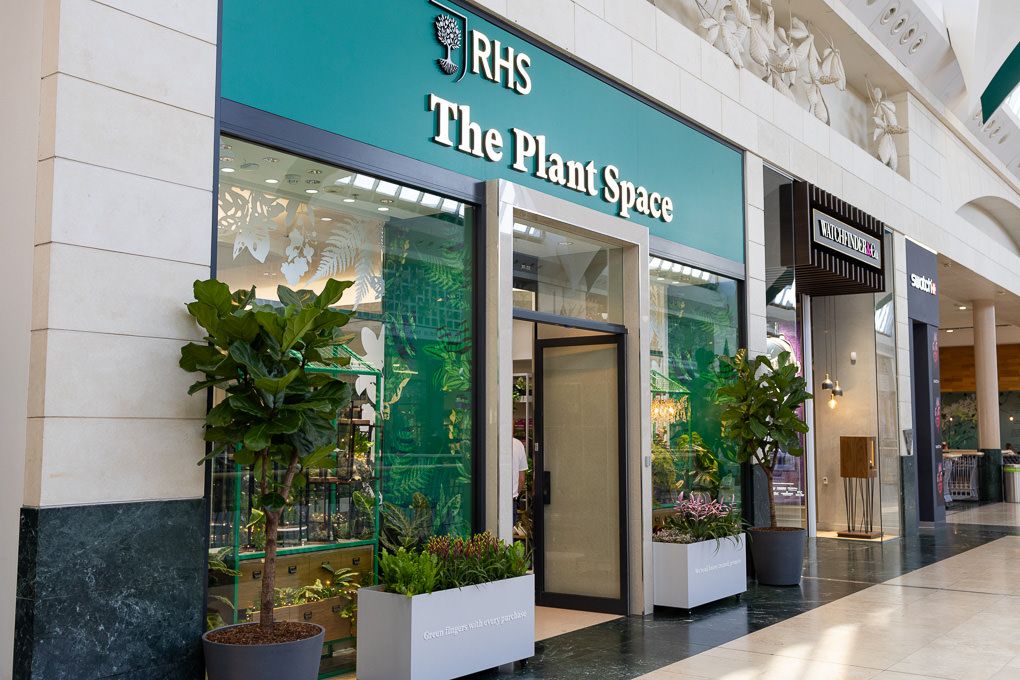
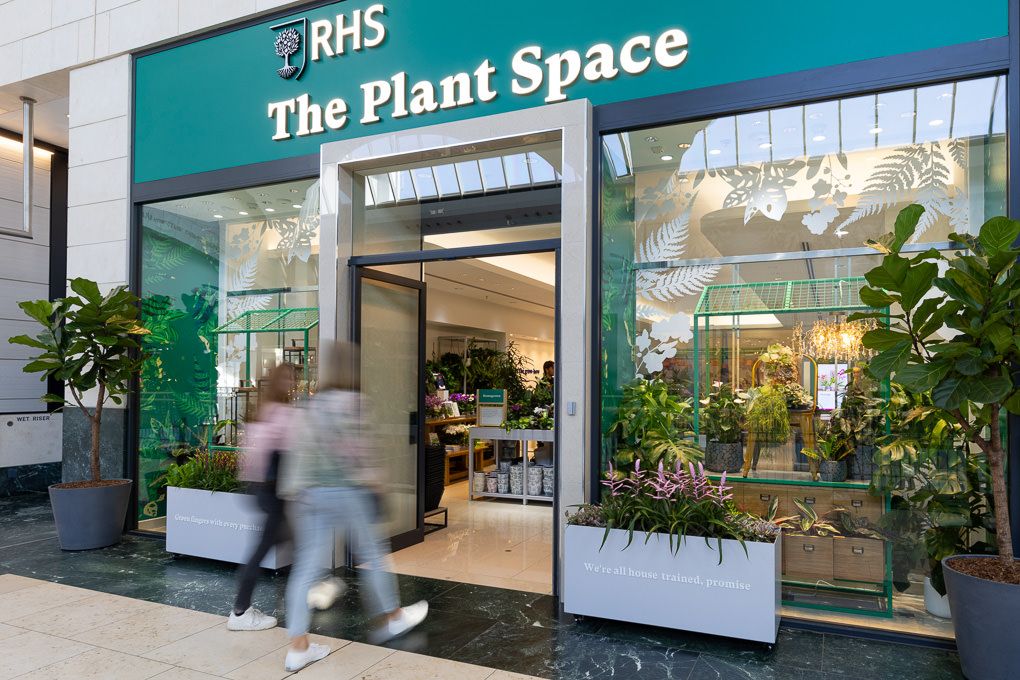
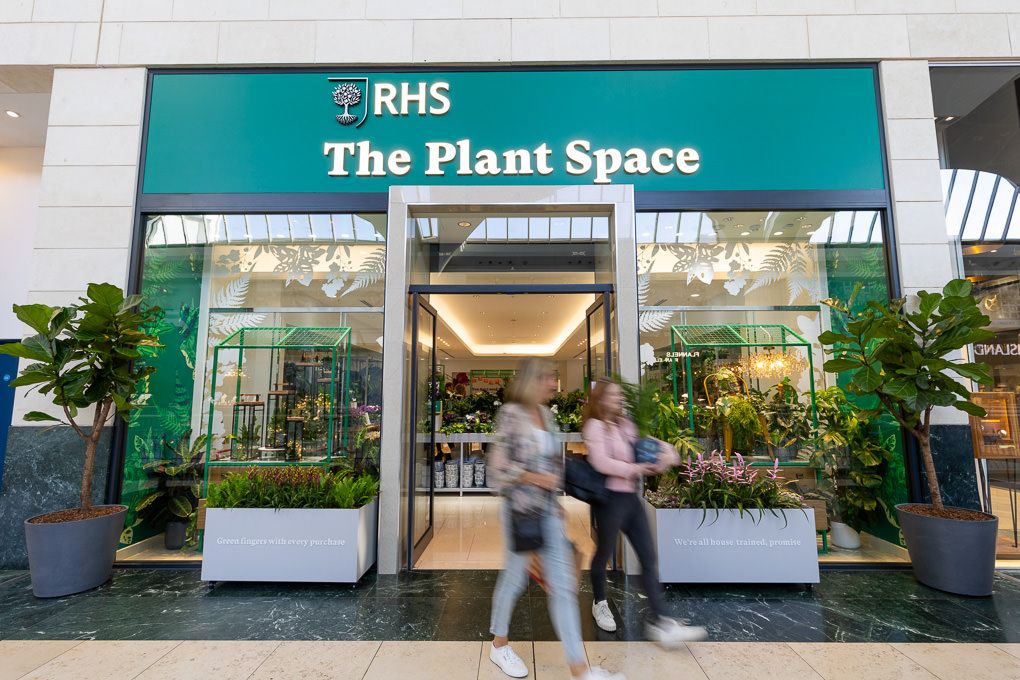
Slower shutter speeds created controlled motion blur as customers walked through the frame. I also photographed people entering or leaving the shop, facing away from the camera or partially obscured by plants and displays.
This allowed the photographs to show genuine activity without relying on recognisable portraits.
The motion was not simply a visual effect. It solved a practical requirement while giving the shop a sense of energy and showing that it was a real, functioning retail environment.
Where identifiable customers or staff are an important part of a commercial brief, permissions and model releases should be planned before the shoot. For this project, anonymous human presence provided the right balance.
Retail Photography Versus a Controlled Lifestyle Shoot
Retail and lifestyle photography often overlap, but they are not the same thing.
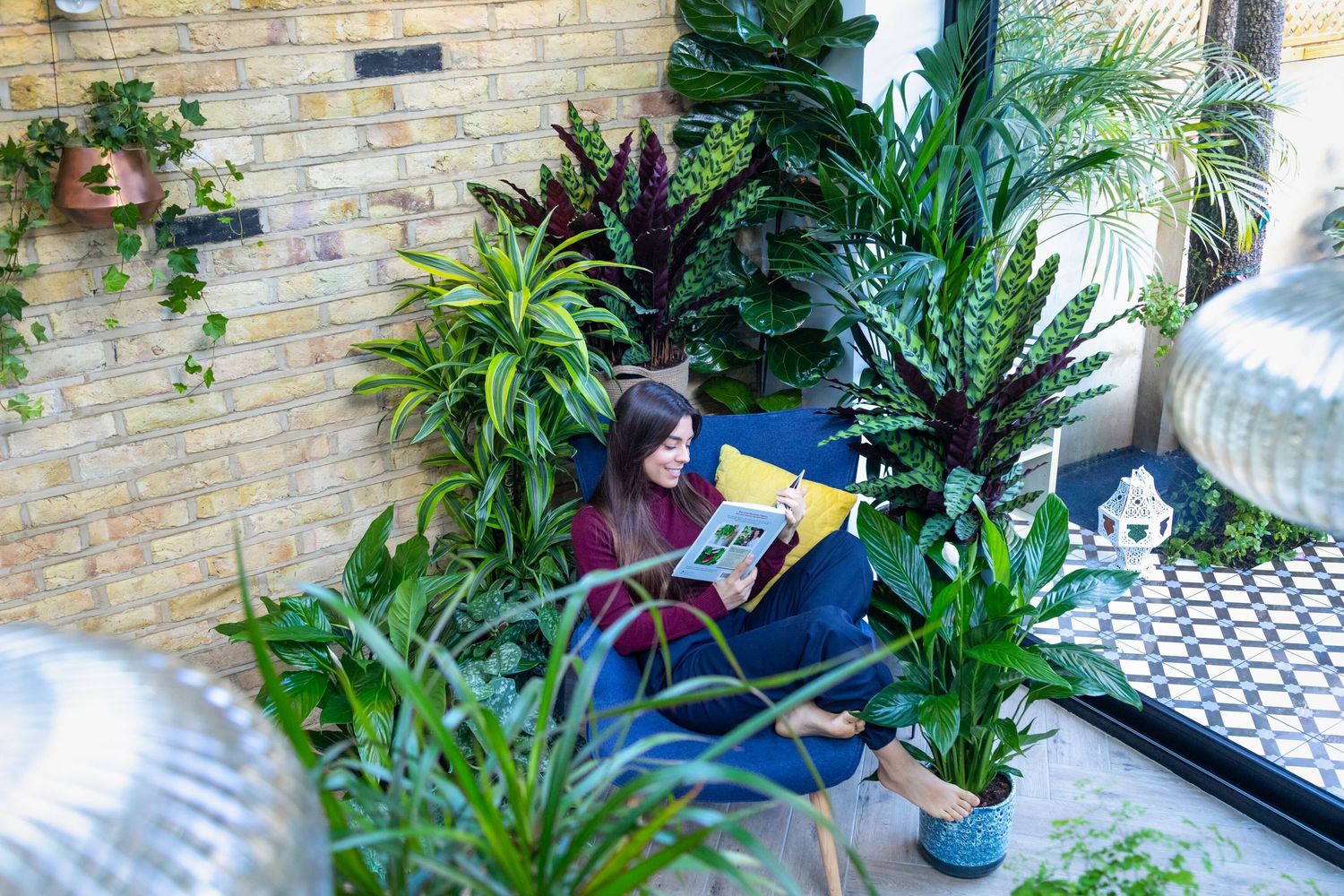
This Bluewater project documented a working shop, its products and genuine customer movement. By comparison, my RHS lifestyle photography case study in London involved a more controlled environment designed to show houseplants within a home.
Both projects used people and products, but they answered different marketing needs.
The London shoot showed how houseplants could fit into everyday life. The Bluewater photographs showed where the products were sold, how the shop was arranged and how customers experienced the retail space.
Keeping that distinction clear helps brands decide what type of photography they actually need.
Delivering 25 Photographs Within 24 Hours
The finished gallery contained 25 carefully selected photographs and was delivered within 24 hours.
Keeping the final collection focused meant the RHS received useful coverage without having to search through hundreds of repetitive images. The gallery included enough variety for different press and website layouts while maintaining a consistent visual style.
Fast delivery matters when photographs support press activity or current website content. A technically strong image that arrives after the communications deadline may no longer be useful.
For another example of photography created around press requirements and a tight turnaround, see my case study covering PR photography for a McDonald’s restaurant opening.
My M&S press photography case study in St Albans shows a slightly different retail brief - photographing employees inside an open store for a corporate press story, with 16 edited photographs delivered within 90 minutes.
Looking for a Commercial Retail Photographer?
I create commercial photography for businesses, brands and organisations, covering working environments, products, interiors and people.
I’m based in Hertfordshire and work across London and the wider UK when the project and brief are the right fit.
If you need photography for a shop, commercial interior, brand image library or press campaign, get in touch to discuss your project.
Retail Photography FAQs
What is retail photography?
Retail photography shows a shop, showroom or other customer-facing space. It can include interiors, products, merchandising, branding, employees and customers using the environment.
What photographs should a retail business request?
A useful collection normally includes exterior photographs, wide interior views, product displays, branded details and images showing how people move through or use the space. The precise shot list should reflect where the photographs will be published.
Can customers appear in retail photographs without being identifiable?
For this RHS project, customers without signed model releases were photographed so they could not be identified. I used controlled motion blur, rear-facing compositions and foreground objects to show genuine activity while meeting the requirements of the brief.
If identifiable customers are required, permissions and model releases should be arranged before photography begins.
Why use a tripod for retail interior photography?
A tripod helps maintain sharp, carefully composed photographs when light levels are low. It allows slower shutter speeds to be used for the shop interior while customer movement can appear naturally blurred.
How quickly can retail photographs be delivered?
Turnaround depends on the brief and number of photographs. For this project, I delivered a final collection of 25 edited photographs within 24 hours. Any urgent press or website deadline should be agreed before the shoot.
Can retail photography take place while a shop is open?
Yes. Photographing during opening hours can show genuine customer activity and how the space works in practice. The shoot should be planned carefully around customer privacy, busy areas and any model-release requirements. Where customers must remain unidentifiable, techniques such as controlled motion blur, rear-facing compositions and foreground framing can be used.
About Lee Charlton
Lee Charlton is a commercial photographer with more than 16 years of professional experience creating photography for brands, businesses and organisations.
This project was photographed during his employment with the Royal Horticultural Society, giving him direct experience of the practical requirements behind in-house press, website and image-library photography.