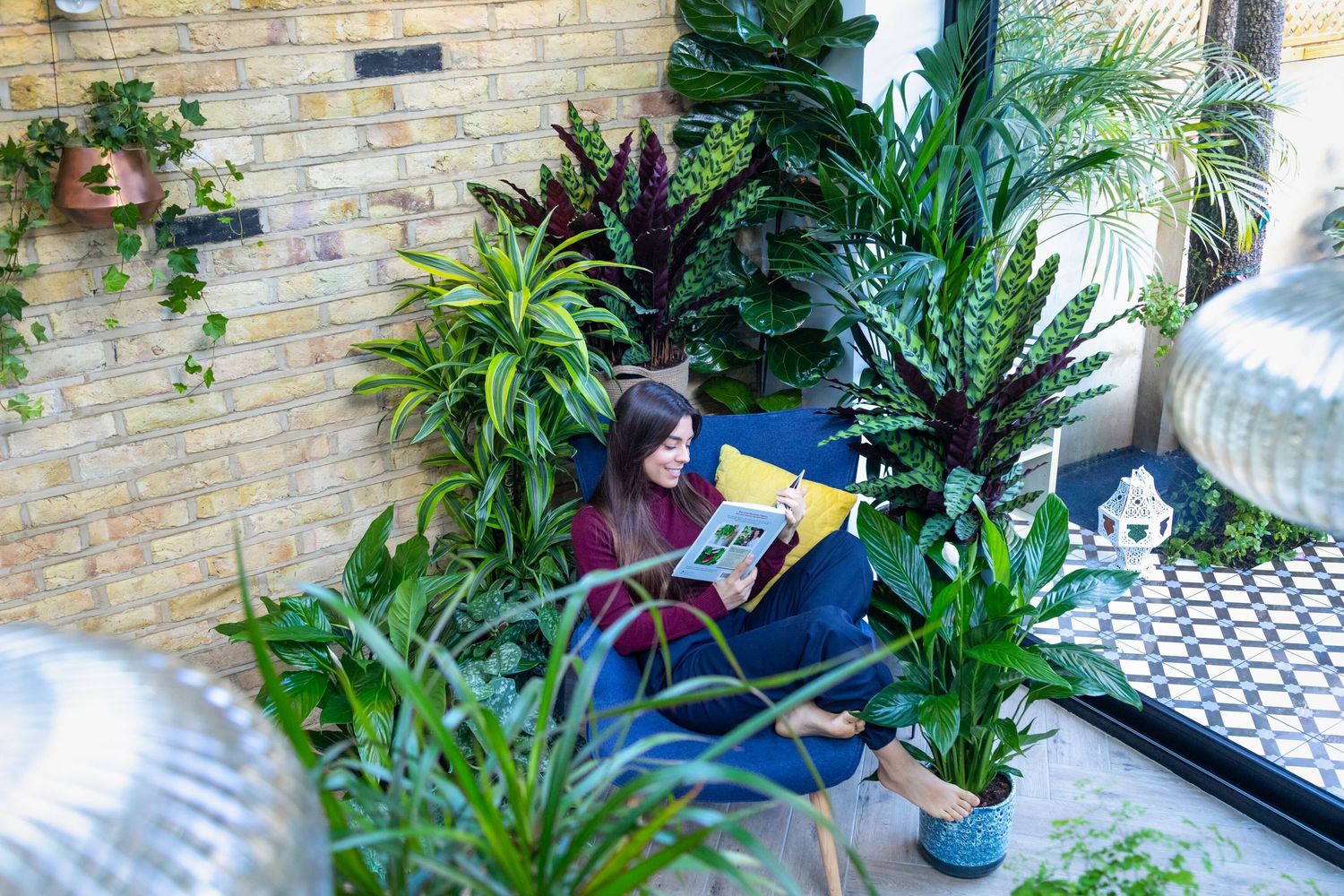
Creating a commercial lifestyle image library for the RHS
This was the first photography shoot I produced after joining the Royal Horticultural Society, and my first opportunity to establish how I wanted RHS lifestyle photography to look and work.
Working as part of the in-house team, I handled the complete creative and photographic process: developing the approach, choosing the London location, selecting the models, planning the shot list, directing the shoot, photographing each setup, editing the work and preparing the final files.
The full-day shoot produced approximately 60 finished photographs. They went on to be used across RHS websites, social media, flyers and wider marketing materials.
The brief: show houseplants as part of real life
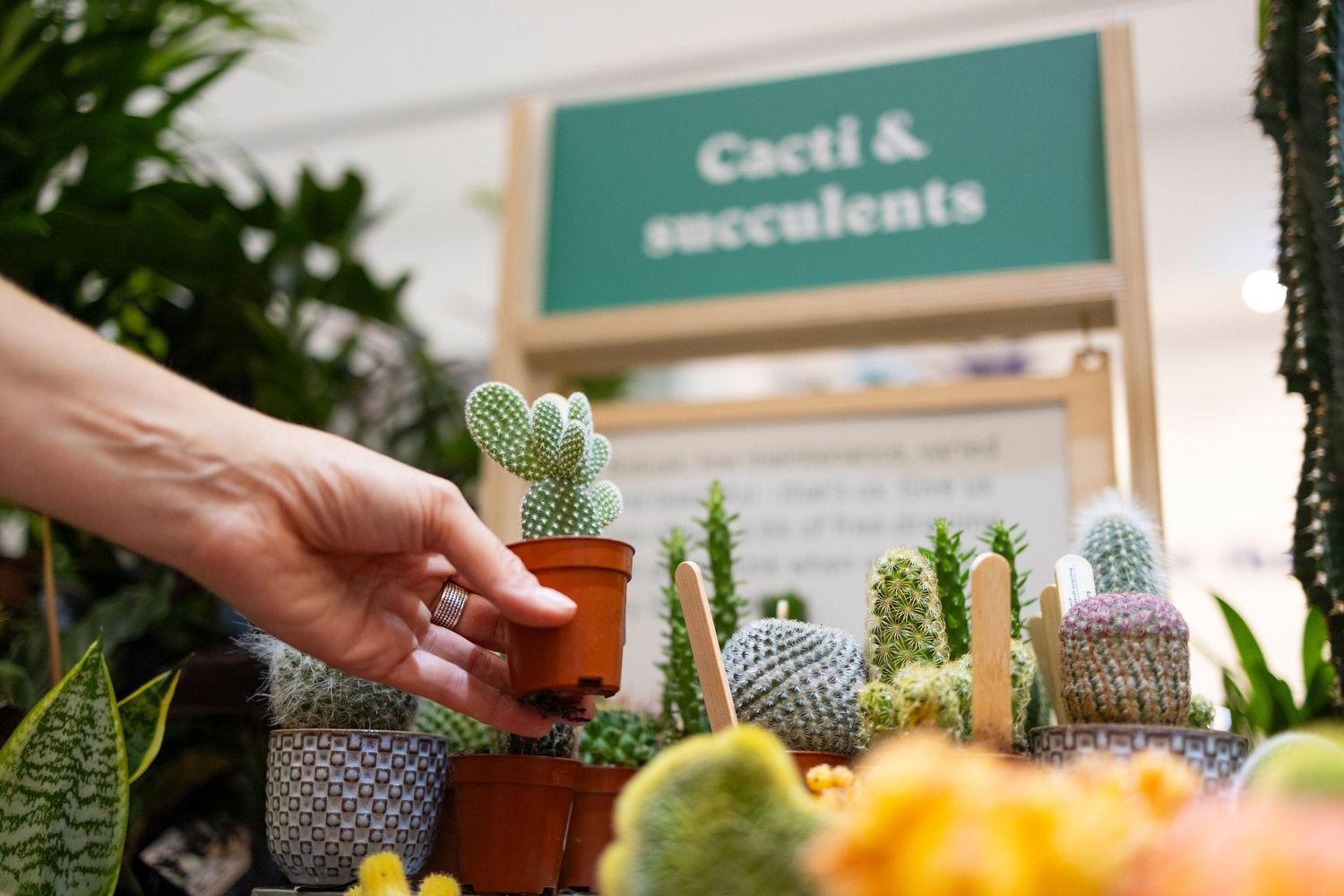
The RHS already had clean photographs of individual houseplants, but isolated product images could not always communicate how the plants might look or feel inside someone’s home.
The purpose of this shoot was to provide that missing context.
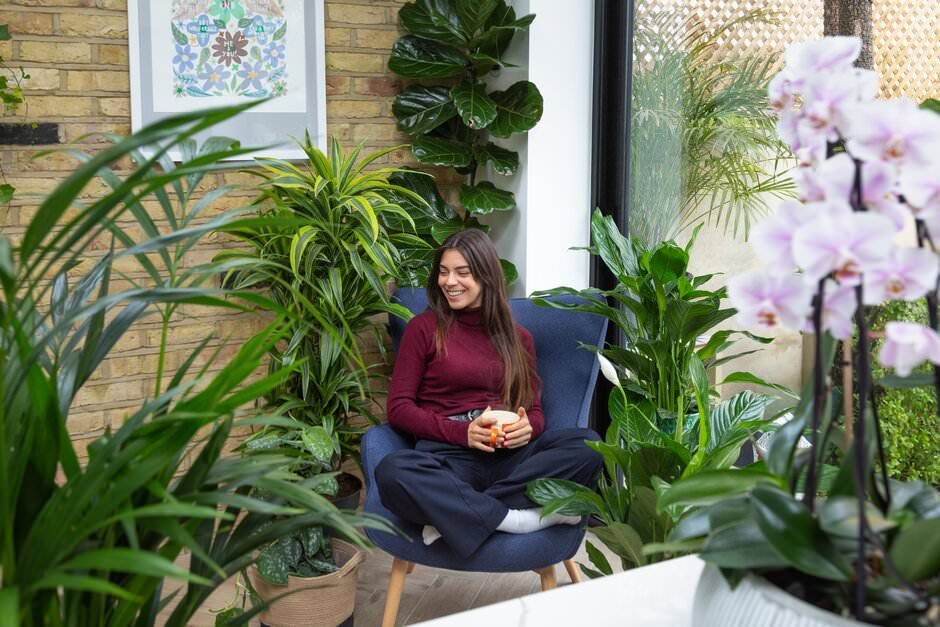
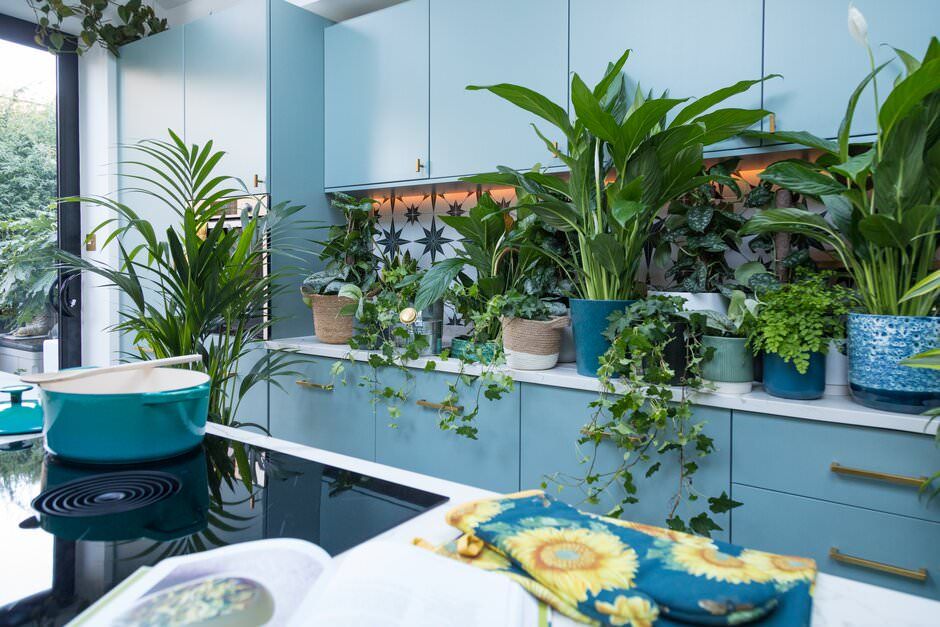
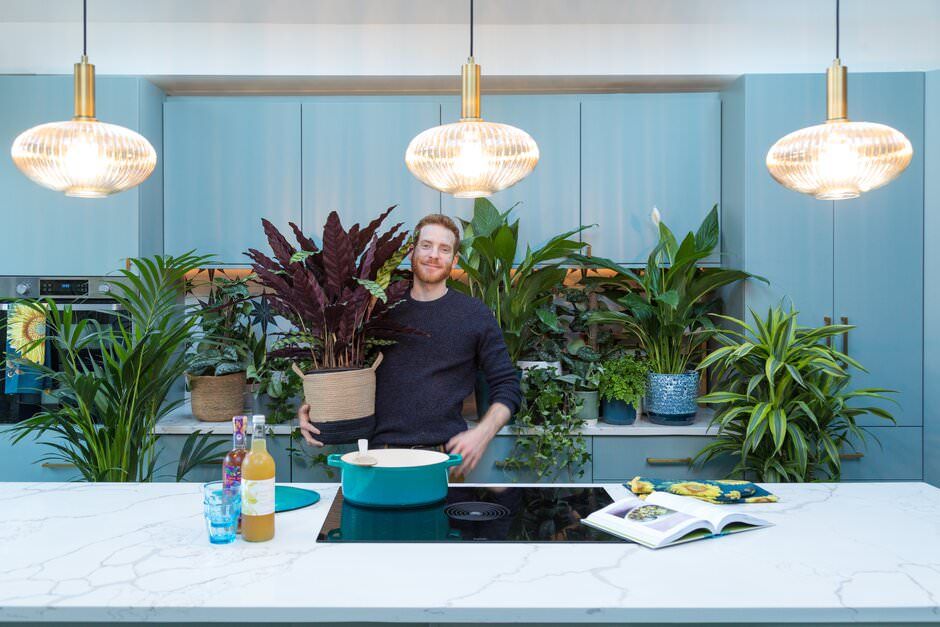
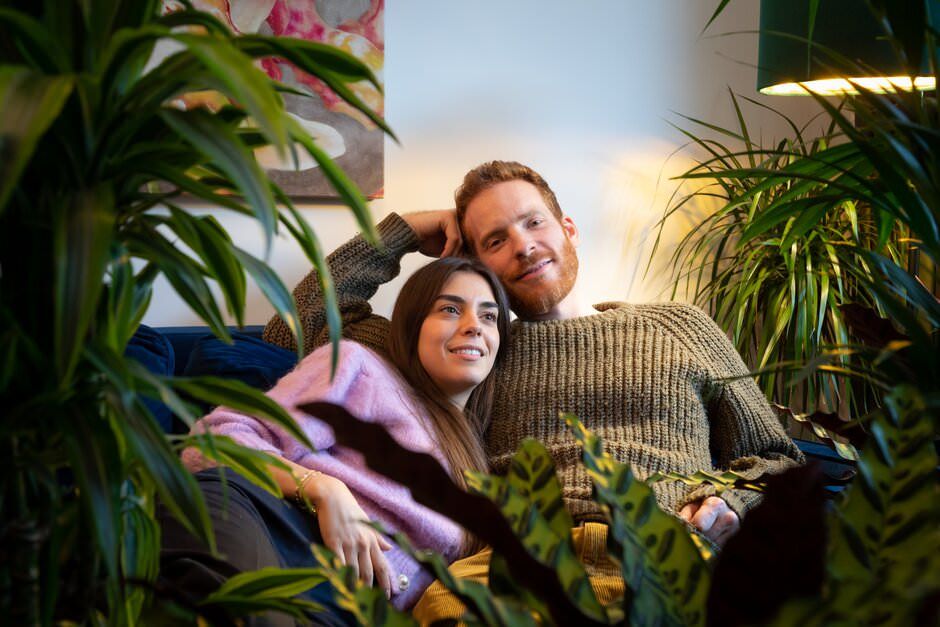
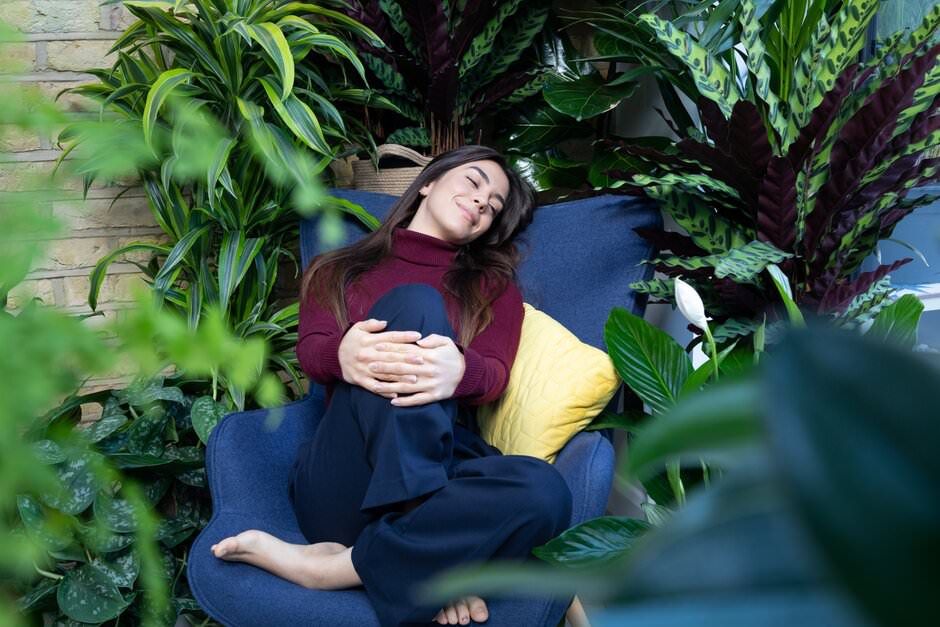
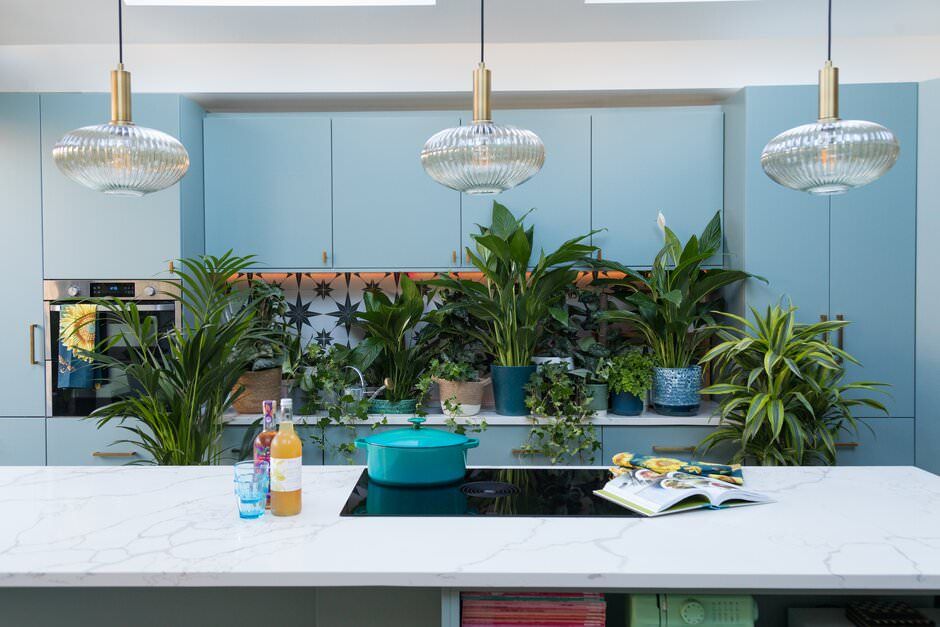
Rather than treating each plant as a standalone product, I wanted to show houseplants as part of everyday life: arranged on shelves, filling quiet corners, surrounding people and changing the atmosphere of a room.
The photographs still needed to present the plants clearly, but they also had to feel warm, relatable and aspirational. Someone looking at them should be able to imagine bringing the same greenery into their own home.
Planning my first RHS photography shoot
As my first shoot for the RHS, this project involved far more than arriving with a camera.
I was responsible for:
- Developing the overall photographic approach
- Finding and selecting a suitable London home
- Selecting the models
- Planning the scenes and shot list
- Considering how the photographs would be used
- Directing the models throughout the day
- Adapting the photography as the natural light changed
- Selecting, editing and preparing the final image collection
Planning around final usage was particularly important. The same set of photographs needed to support websites, social content, printed flyers and other marketing materials.
That affected how I composed each scene. Alongside tighter photographs of people and plants, I created wider images with room for headlines, text or different crops. The objective was not simply to produce attractive photographs; it was to create a practical and versatile image library.
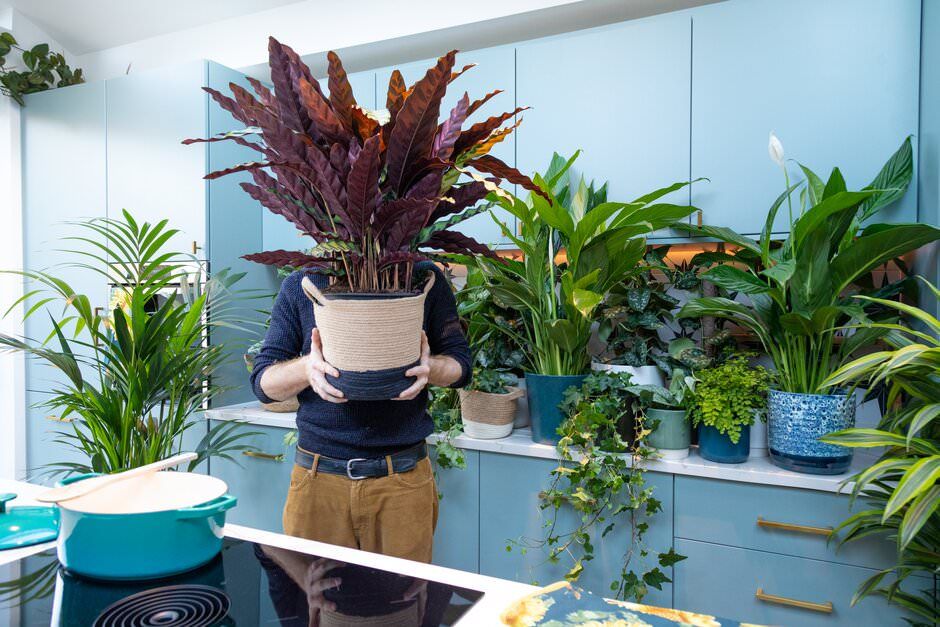
Why I chose a real London home
A real home gave the plants a level of context that would have been difficult to reproduce convincingly in a studio.
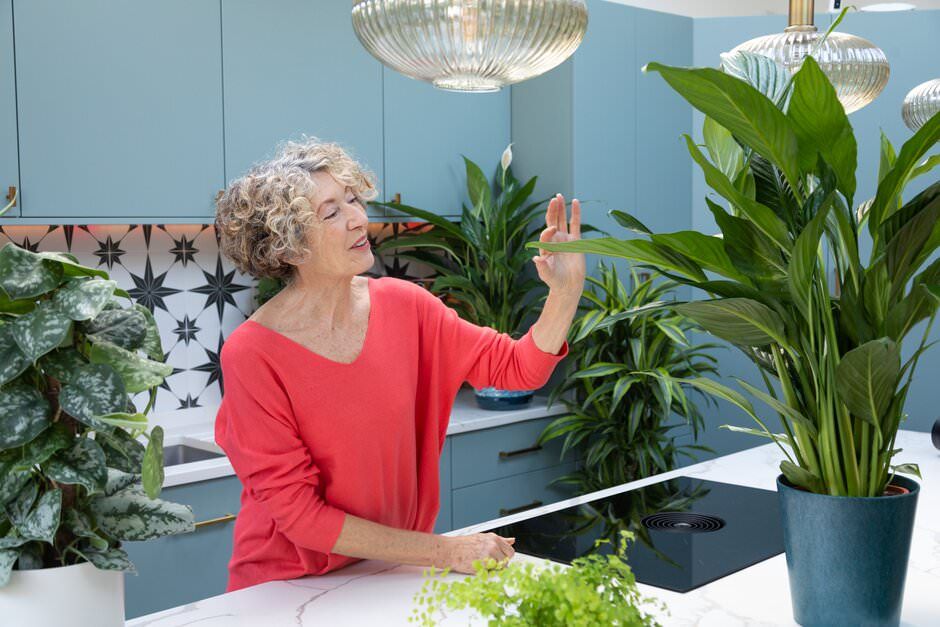
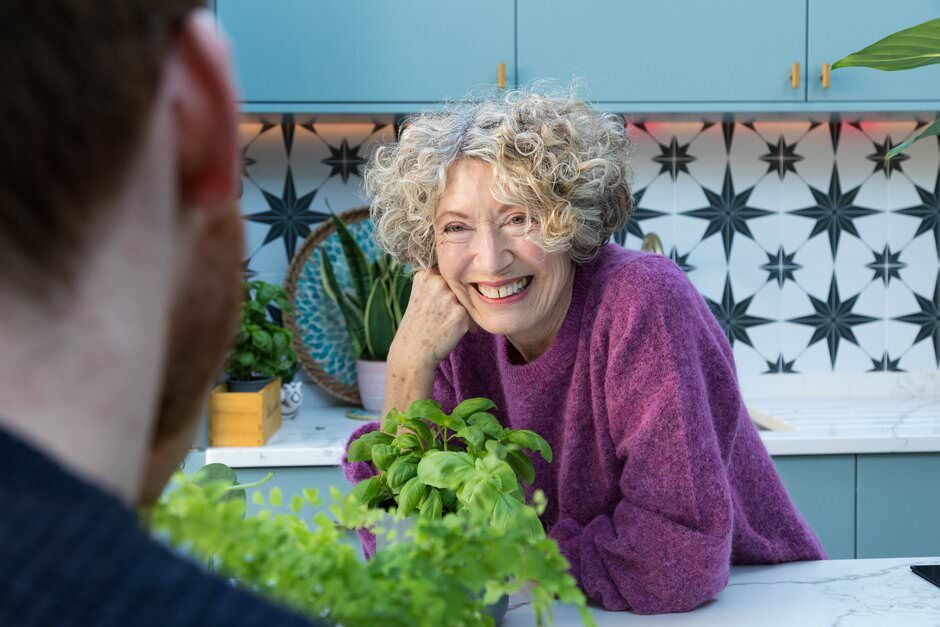
The property had a bright kitchen, characterful details, several different room types and plenty of natural light. This allowed us to create a varied collection without losing time moving between locations.
One room could feel light and contemporary, while another offered a warmer and more intimate setting. Together, the spaces gave the final gallery the appearance of several different homes while maintaining a consistent visual style.
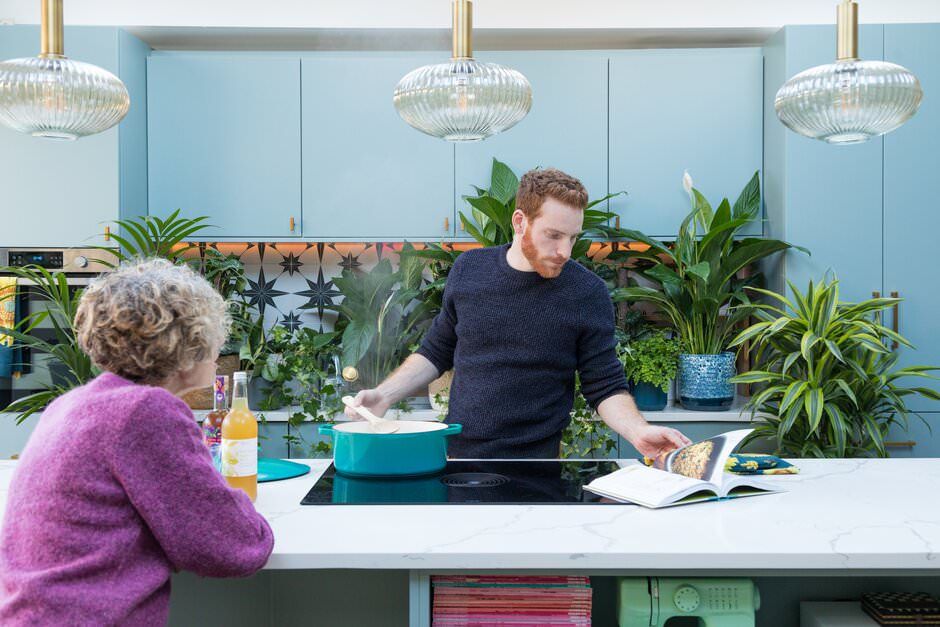
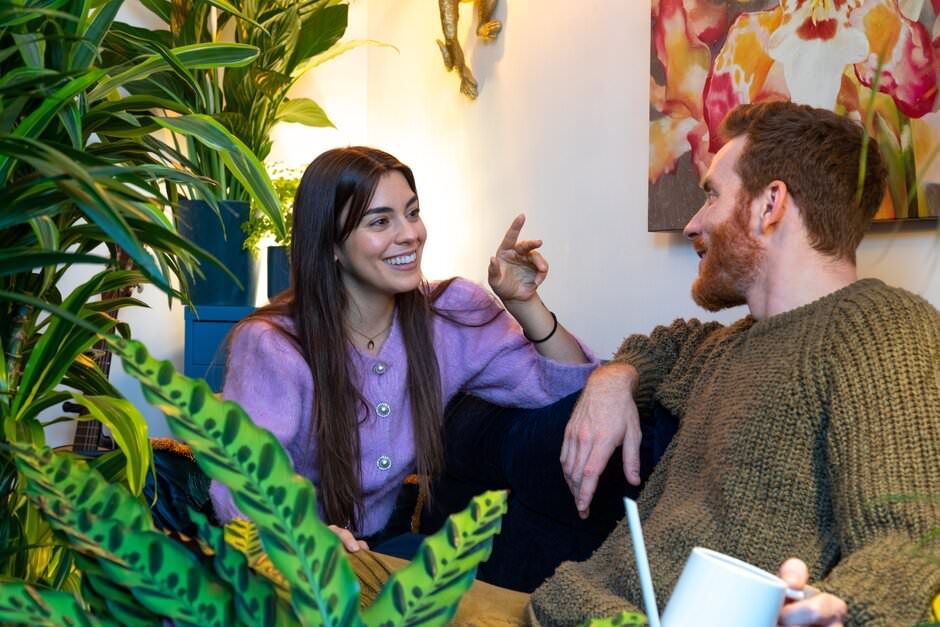
The surroundings also helped the models interact more naturally. Instead of posing against a constructed backdrop, they could sit, move, talk and handle the plants in a believable environment.
Adapting to changing natural light
Natural light gave the photographs their warmth and realism, but it did not remain consistent throughout the day.
As the direction and intensity of the light changed, I continually reassessed the camera position, exposure, composition and order of the setups. A room that worked well in the morning could look completely different later in the day.
The solution was to adapt rather than force every scene into the original schedule. I worked with what the light was doing in each part of the property while keeping the overall colour, mood and quality of the photographs consistent.
That ability to respond is an important part of location photography. A commercial shoot needs a clear plan, but it also needs enough flexibility to take advantage of the conditions on the day.
Directing models without making the photographs feel staged
Lifestyle photography needs direction, even when the finished images are intended to look spontaneous.
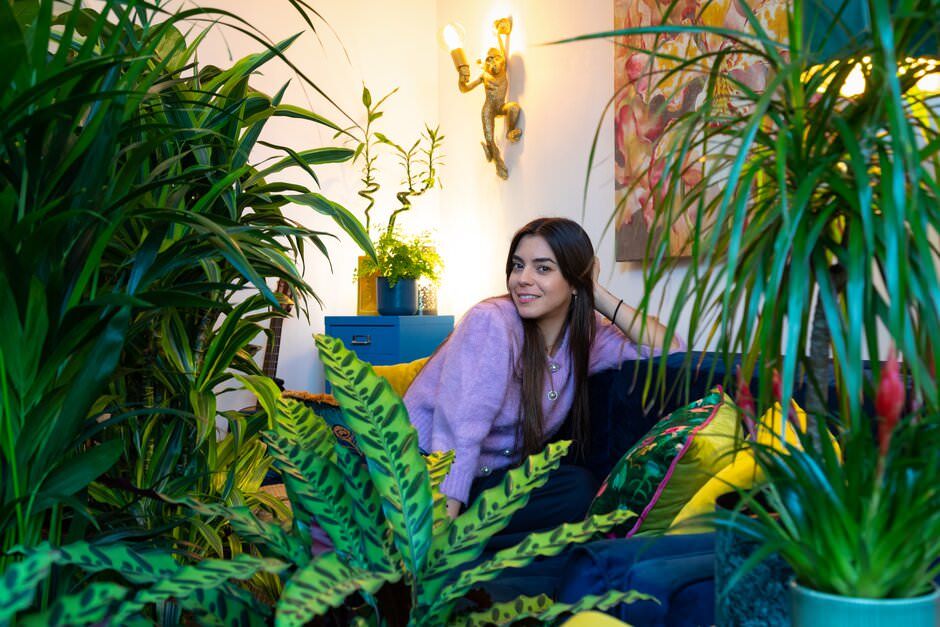
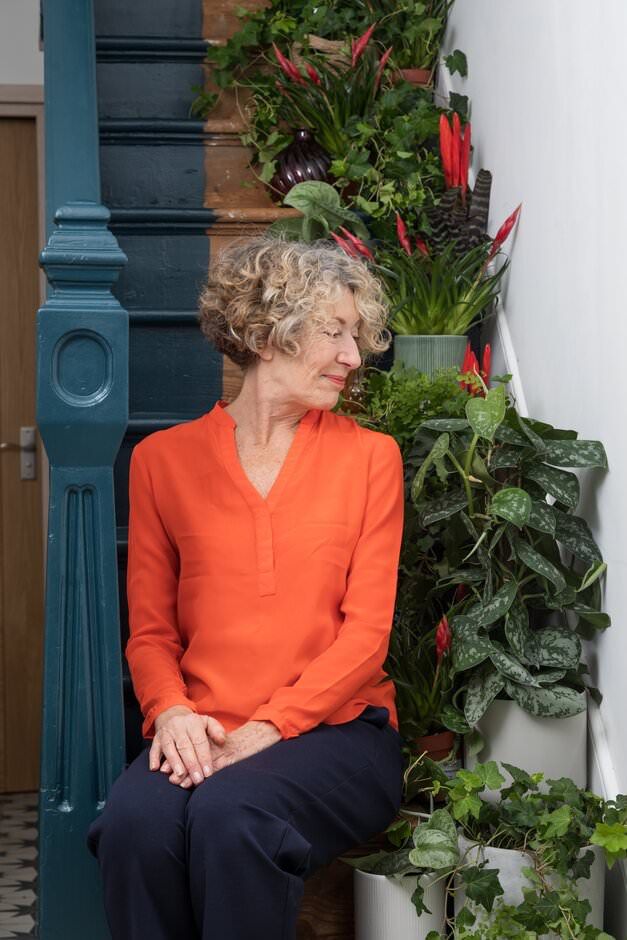
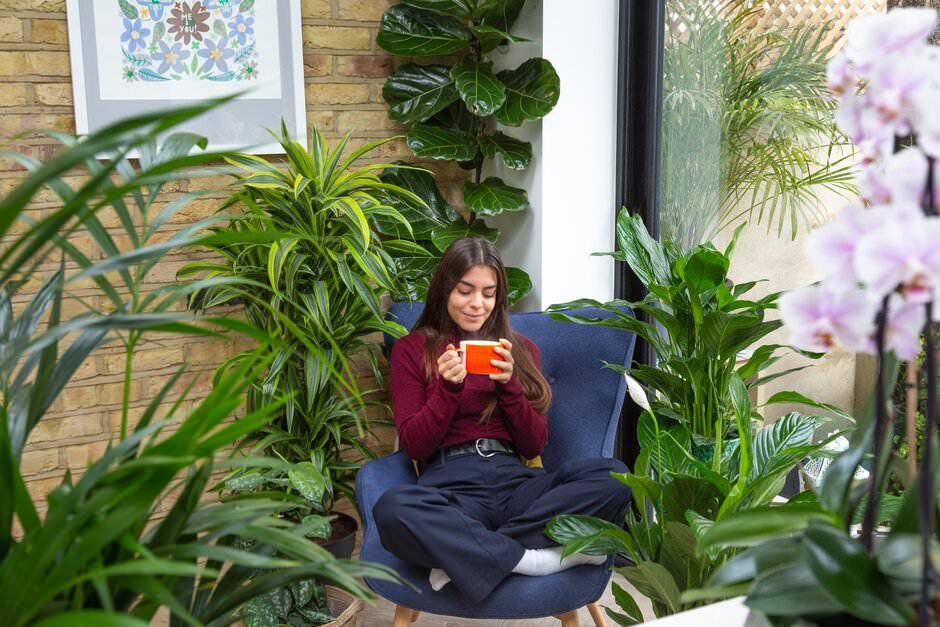
I selected the models and created practical situations for them to respond to rather than relying on a series of fixed poses. They could arrange plants, relax together, move through the rooms and interact with the environment while I watched for genuine expressions and gestures.
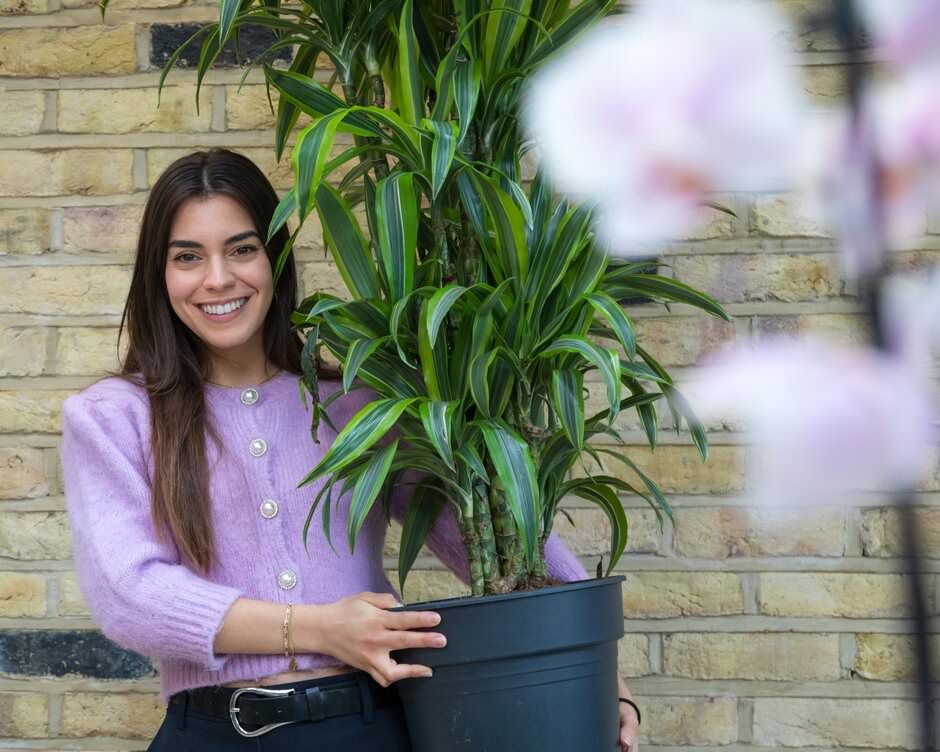
Some of the most memorable photographs were playful, including people balancing plant pots on their heads or appearing from behind oversized leaves.
Those moments brought warmth and humour to the collection. They worked because the underlying composition, lighting and brand purpose remained controlled.
The aim was not to remove direction entirely. It was to provide enough direction to create commercially useful photographs without making the people look uncomfortable or artificial.
Delivering approximately 60 usable photographs
The final collection contained approximately 60 edited images covering different rooms, people, plants, compositions and moods.
It included:
- Wider environmental photographs
- Closer interactions between people and plants
- Horizontal and vertical compositions
- Images with space for marketing copy
- Product-focused details
- Natural portraits and playful lifestyle moments
The photographs were subsequently used across RHS POS, websites, social media and other marketing materials.
That variety was intentional. A successful commercial image library should give designers and marketing teams options rather than forcing one photograph to work in every possible format.
What this first RHS shoot taught me
This project became the starting point for several years working as Photography and Digital Asset Manager at the RHS.
During that time, I planned and delivered photography across marketing, press, publications, events and corporate communications while also managing photographers and digital asset workflows.
My responsibility did not end when the shutter was pressed. The images needed to be properly selected, organised and supplied so that teams across the organisation could find and use them.
That in-house experience continues to influence my approach today. When I plan a commercial shoot, I consider both the photography and what happens to the files afterwards: who needs them, where they will appear and how much flexibility the final collection provides.
You can read more about my professional photography experience.
For a later example of people-focused RHS retail imagery, see my case study about photographing the RHS Plant Space at Bluewater.
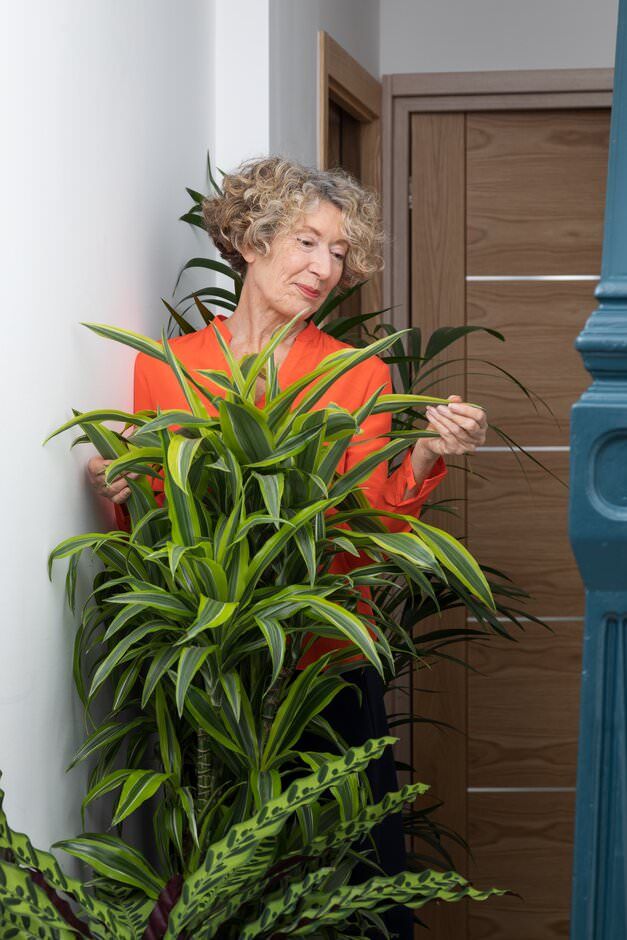
Why does lifestyle photography work for product brands?
Corporate lifestyle photography helps people understand how a product might fit into their lives.
A standalone product photograph can show colour, shape and detail. A lifestyle photograph adds scale, context and emotion. It can demonstrate how the product is used, the environment it belongs in and the kind of experience associated with it.
For retail and product brands, the strongest image libraries often include both approaches. Product images provide clarity, while lifestyle photographs help customers picture ownership and use.
Frequently asked questions
What is commercial lifestyle photography?
Commercial lifestyle photography shows a product, service or brand in a realistic environment. It combines the natural appearance of documentary photography with the planning and control needed for marketing, advertising, websites and printed materials.
Why use a real home instead of a studio?
A real home provides natural textures, believable rooms and practical opportunities for people to interact with products. It can also offer several visual settings within one location, creating more variety without requiring multiple location moves.
How do you make lifestyle photography look natural?
I build scenes around believable activities rather than relying exclusively on fixed poses. Models receive enough direction to understand what is needed, but they are also given room to move and interact naturally.
How many photographs will a full-day lifestyle shoot produce?
This RHS shoot produced approximately 60 finished photographs. The number delivered from another shoot will depend on the brief, number of setups, locations, models, and production complexity. A useful range of images is more valuable than a large gallery of near-duplicates.
Can you plan the complete photography shoot?
Yes. I can help develop the brief, choose suitable locations, plan the required photographs, select or advise on models, direct people during the shoot, and create an image library tailored to its intended use.
Additional crew, specialist styling, permits or complex production requirements can be included where necessary.
How much does commercial lifestyle photography cost?
Pricing depends on the shoot length, location, planning, models, production complexity, image usage and any additional crew required.
My corporate photography pricing guide explains my current starting prices, what is normally included and the factors that affect a commercial photography quote.
Where do you provide lifestyle photography?
I am based in Hertfordshire and regularly work with brands and organisations across London and throughout the UK. I can also discuss international commercial assignments.
What should a commercial lifestyle photography brief include?
A useful brief should identify the products or services being photographed, the intended audience, where the images will be used, any required formats or crops, the location, models, key brand messages, essential shots and the delivery deadline.
If those details have not been finalised, I can help develop the brief and shot list before the shoot.
Planning a commercial lifestyle shoot?
I provide corporate and commercial photography for brands, businesses and organisations that need natural, versatile imagery for websites, marketing, PR, print and social media.
Whether you already have a detailed brief or need help shaping the entire production, I can plan the photography around how the final images will actually be used.
Contact me to discuss your photography project.
About Lee Charlton
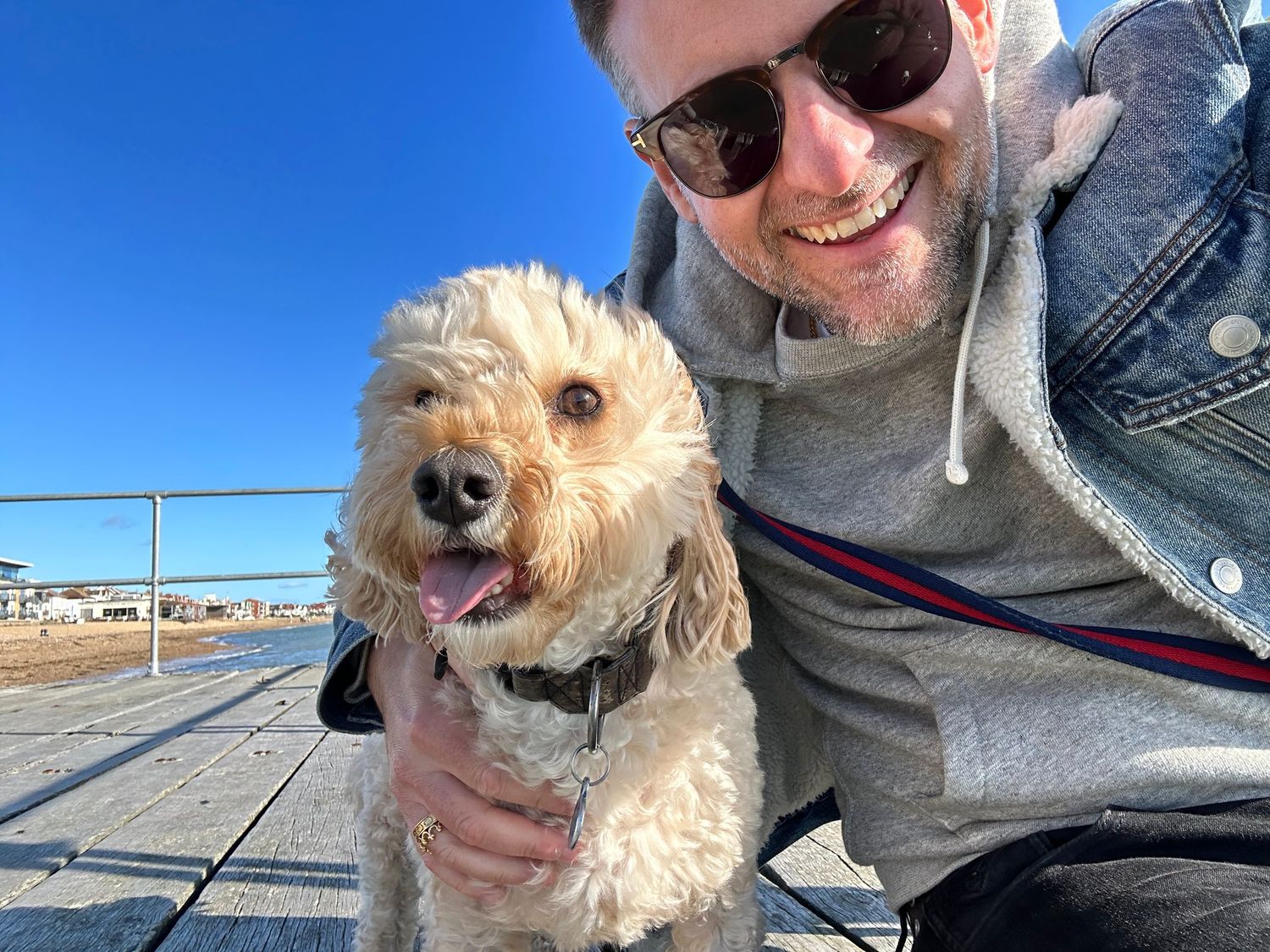
Lee Charlton is a commercial photographer with more than 16 years of professional experience creating photography for brands, businesses and international organisations.
He spent nine years as Global Photography Manager at TUI and four years as Photography and Digital Asset Manager at the Royal Horticultural Society. His work covers corporate photography, commercial lifestyle campaigns, events, people, property, travel and tourism across the UK and internationally.