Becoming a professional travel photographer
I did not grow up planning to become a professional photographer.
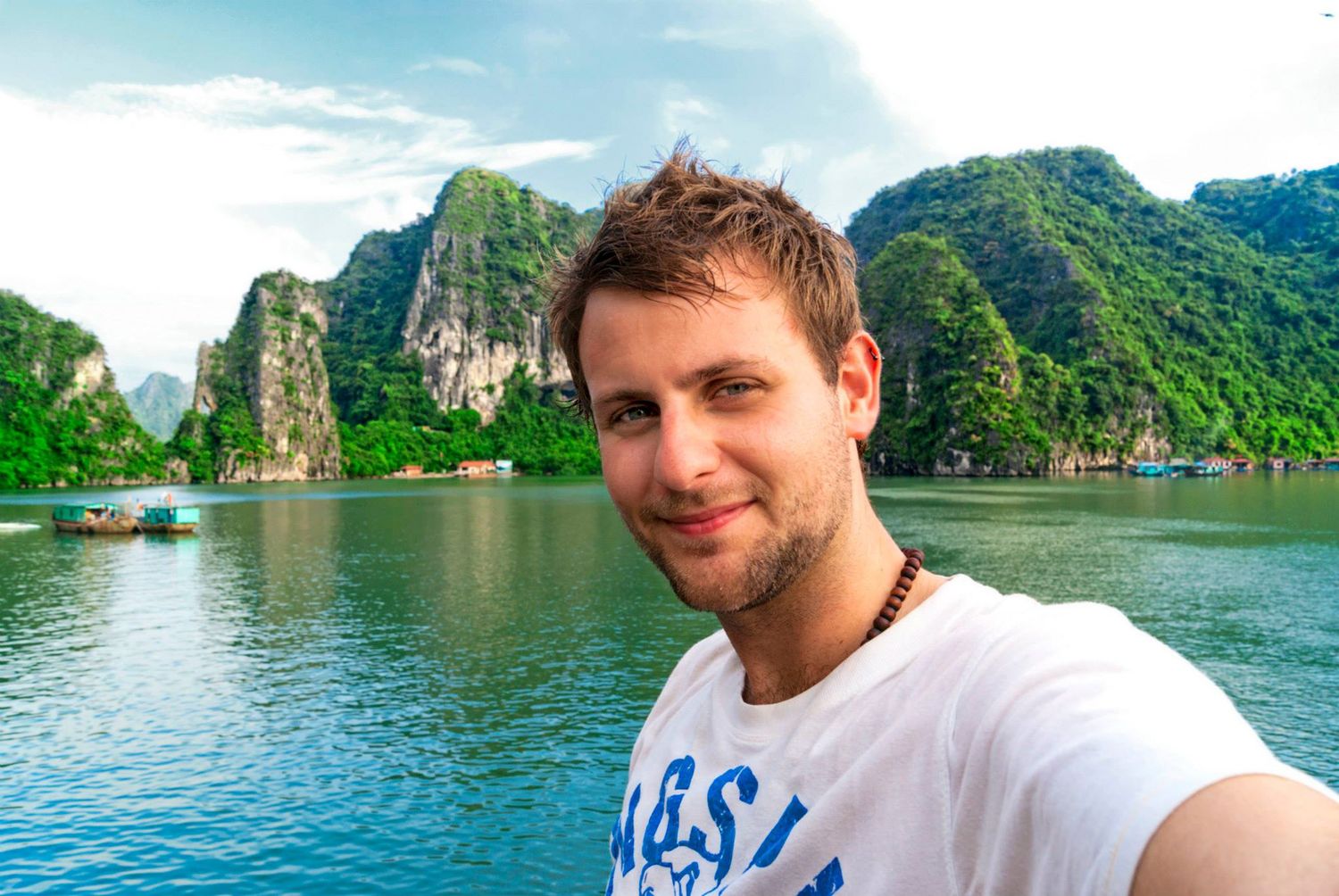
Photography became part of my life in 2010, when I left the UK with a backpack, a basic DSLR and a rough plan to travel around the world.
Before that trip, I had never taken photography particularly seriously. I had won a school photography competition when I was about 12, using an old Nikon film camera, but it was not something I considered as a possible career.
The round-the-world trip changed that completely.
I wanted to properly document the places I visited, the people I met, and the experiences I knew I might never repeat. The more photographs I took, the more interested I became in understanding why some images worked, and others did not.
That curiosity eventually became an obsession, then a source of income and finally a career as a professional travel photographer.
The round-the-world trip that started everything
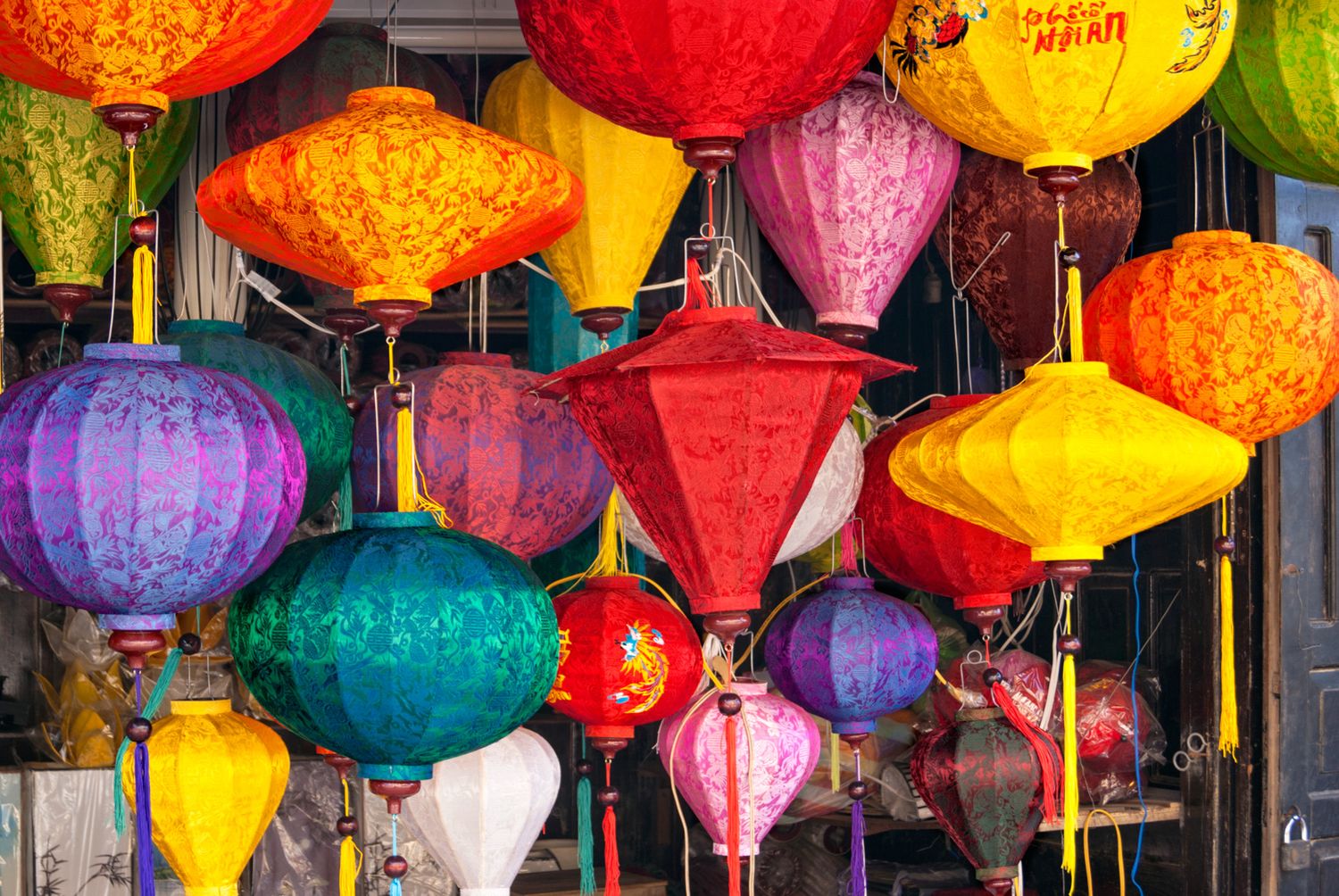
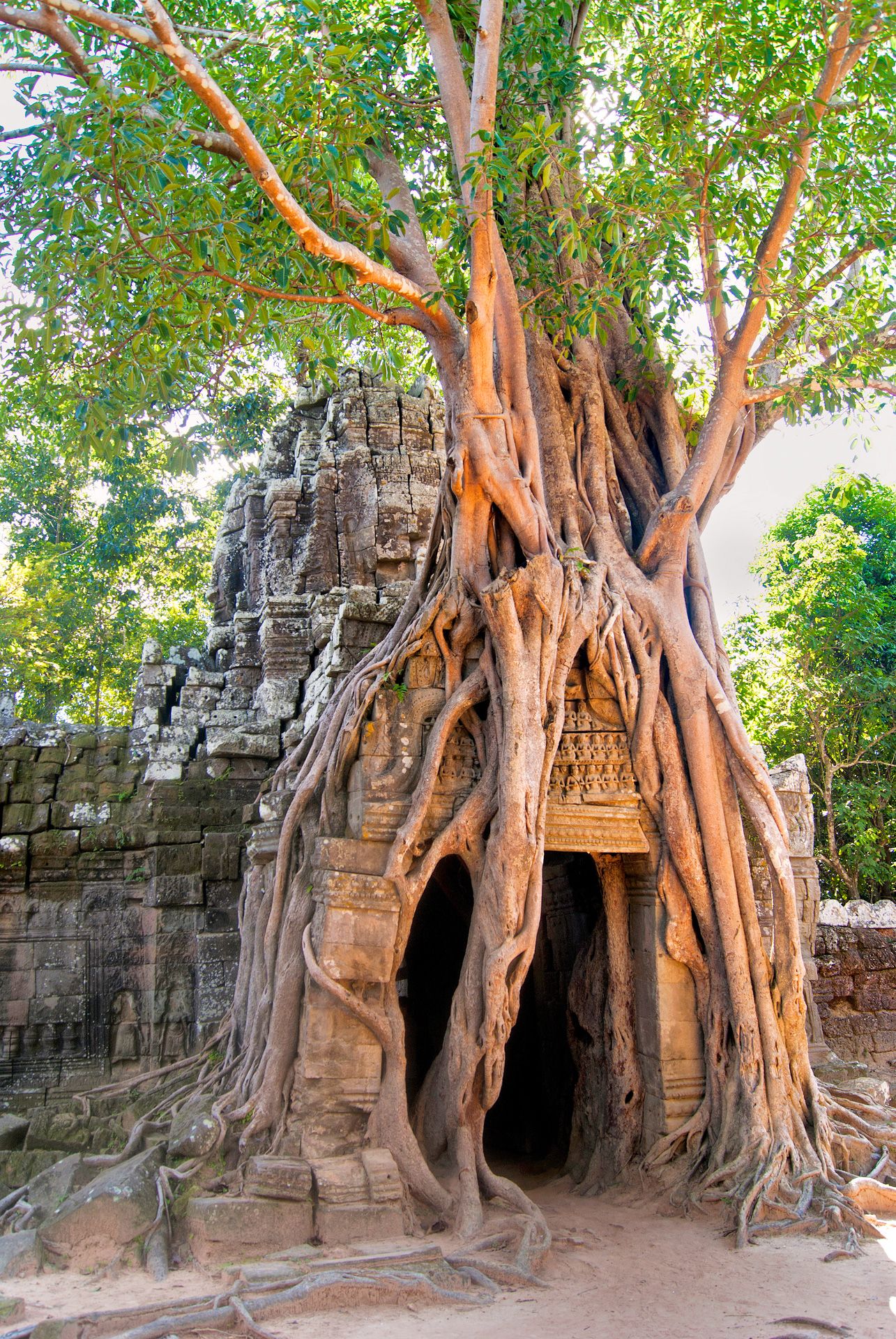
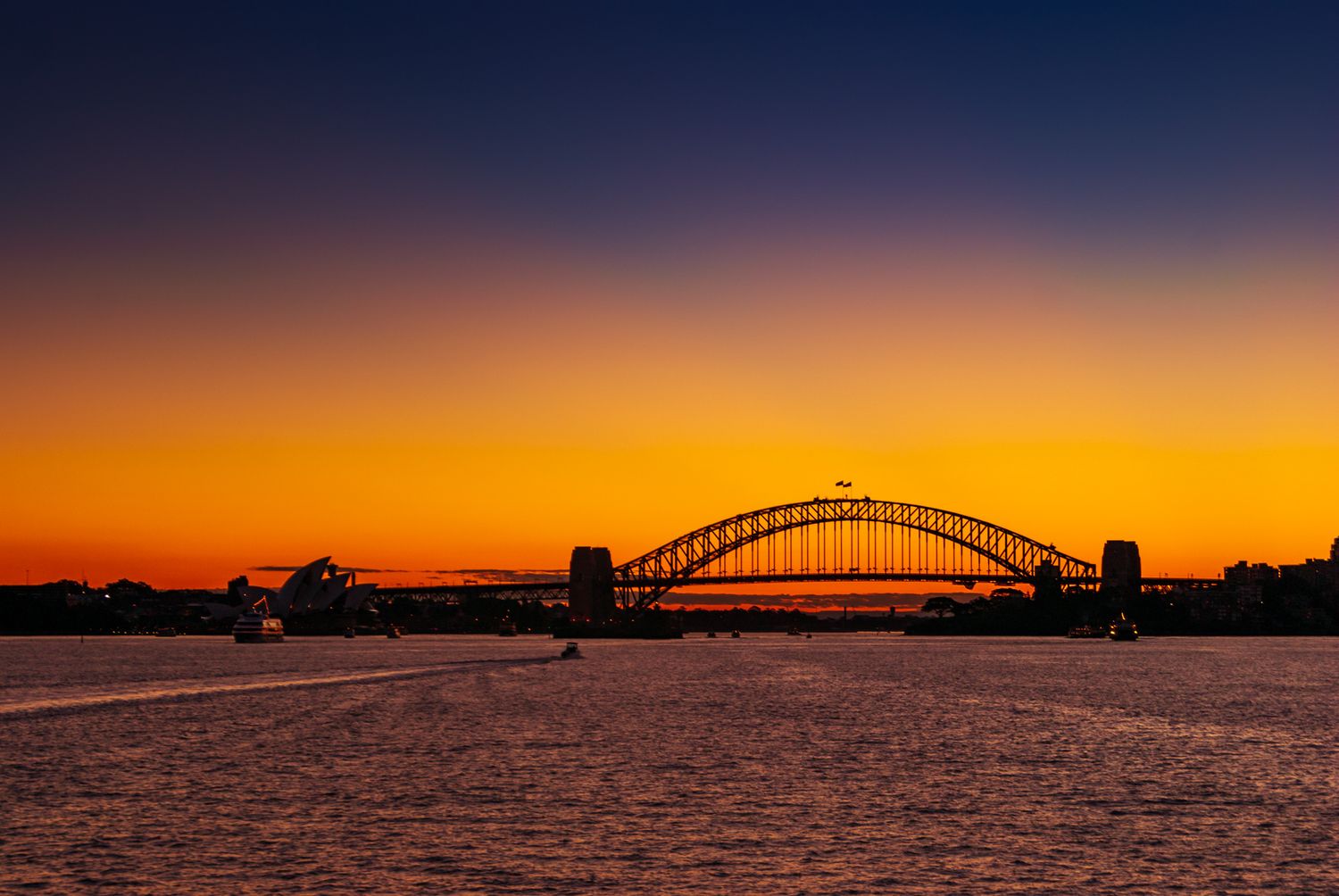
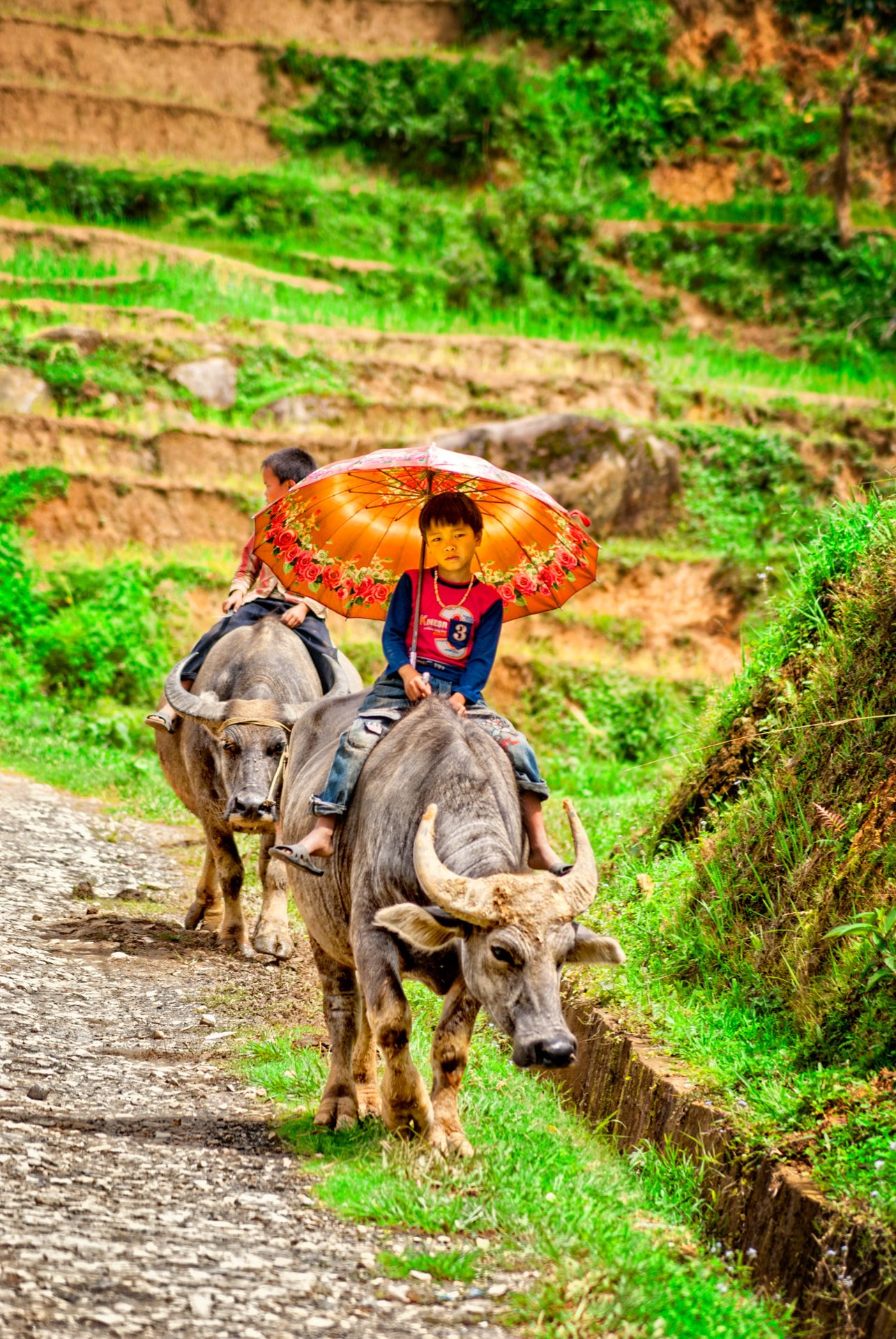
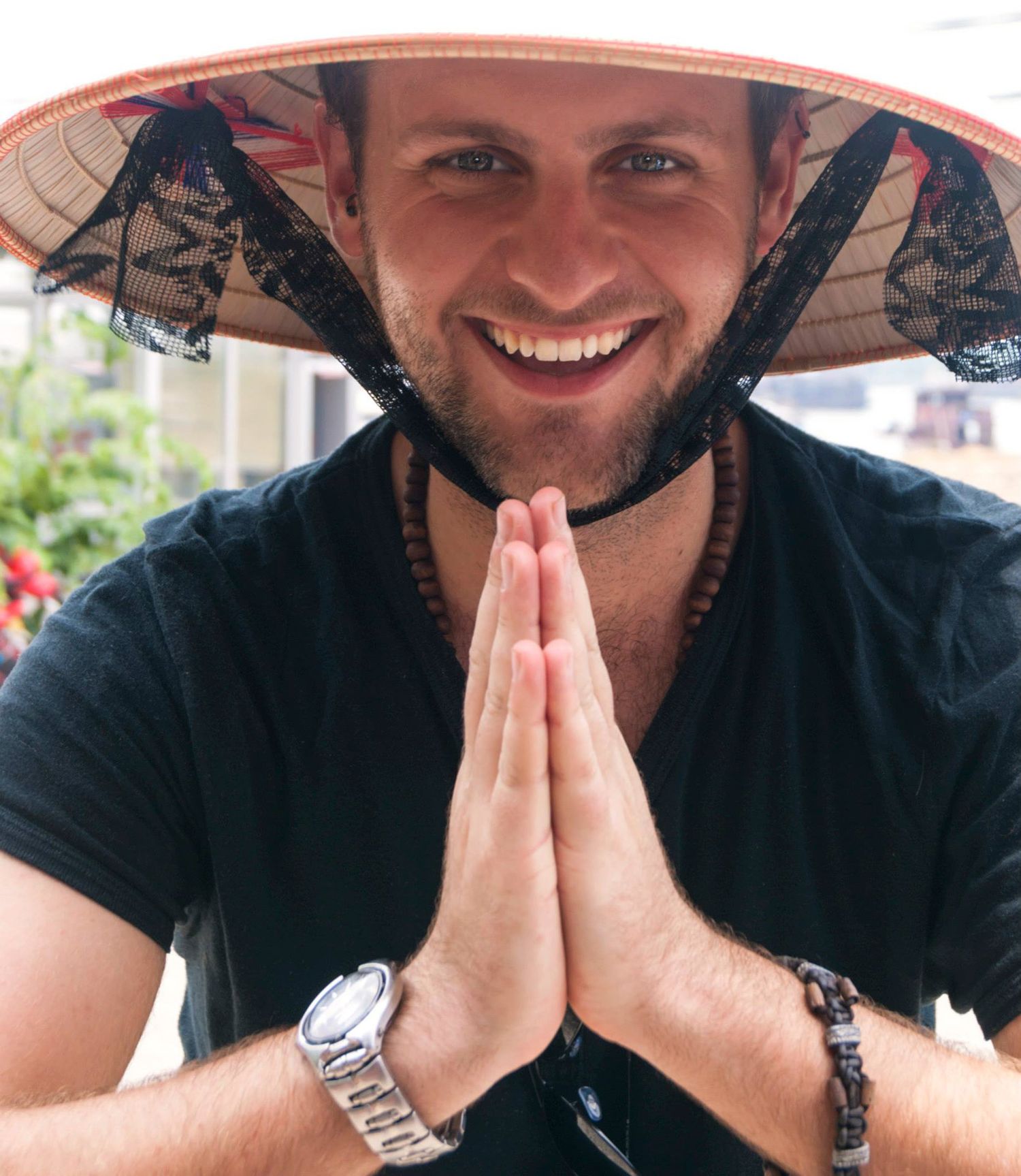
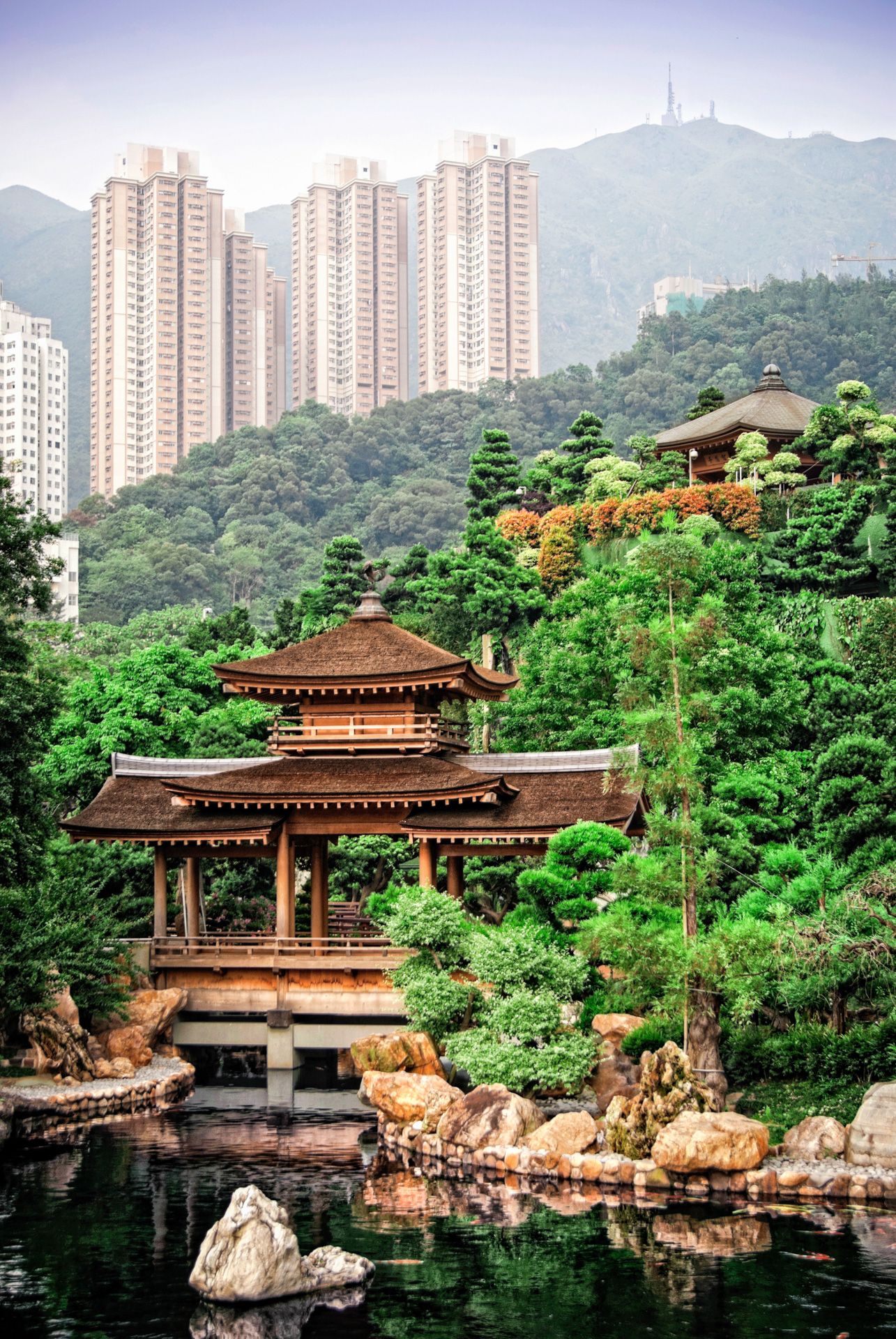
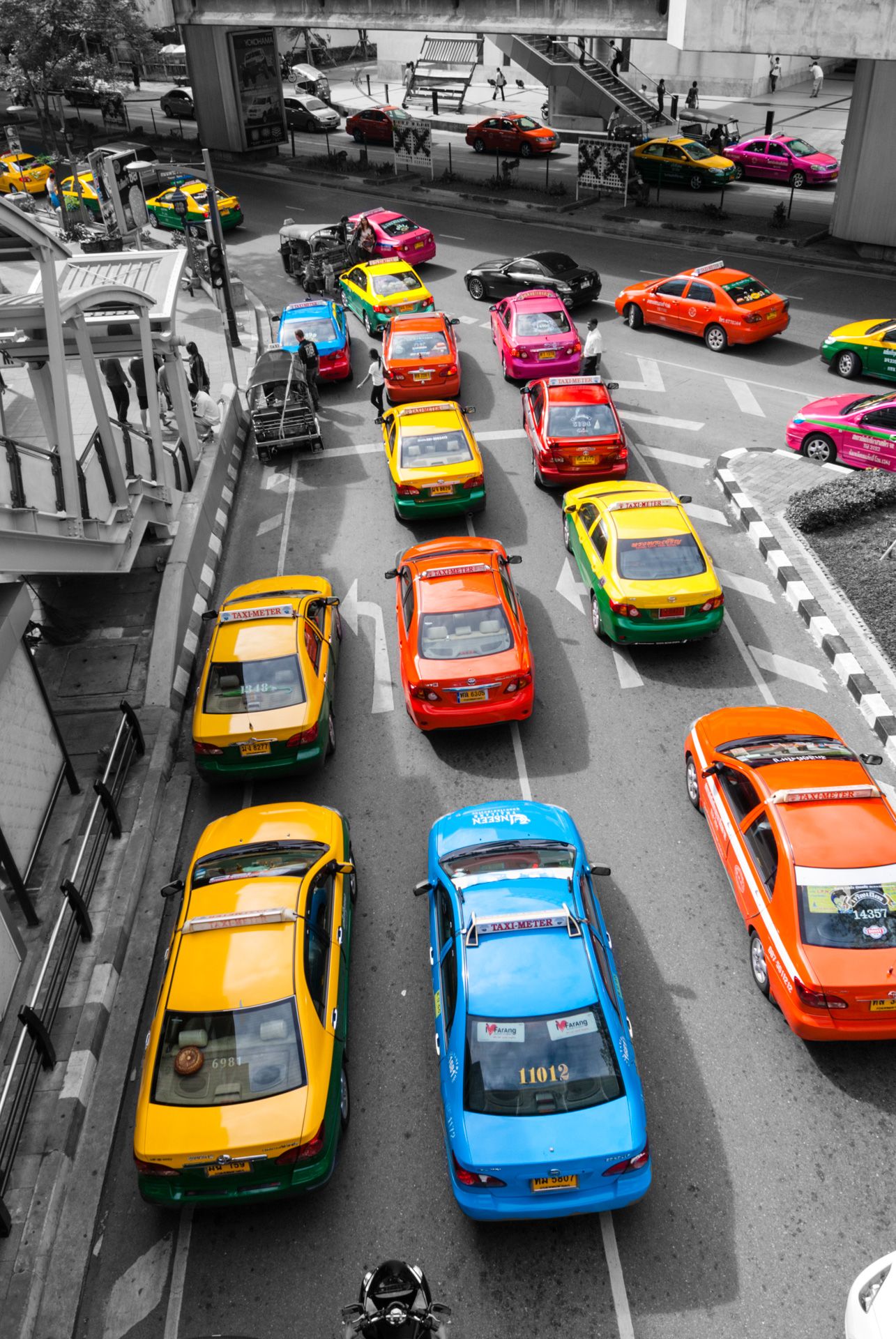
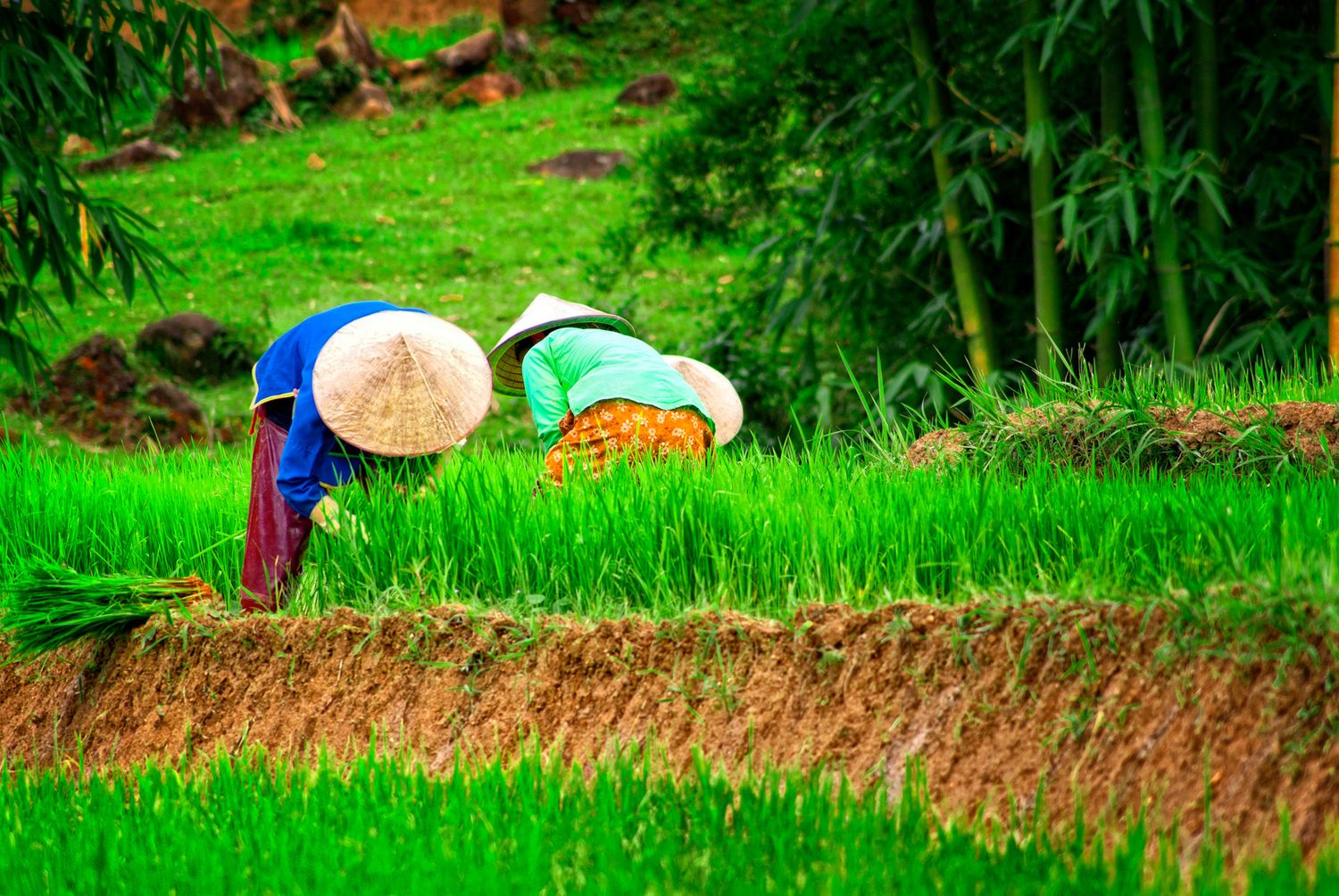
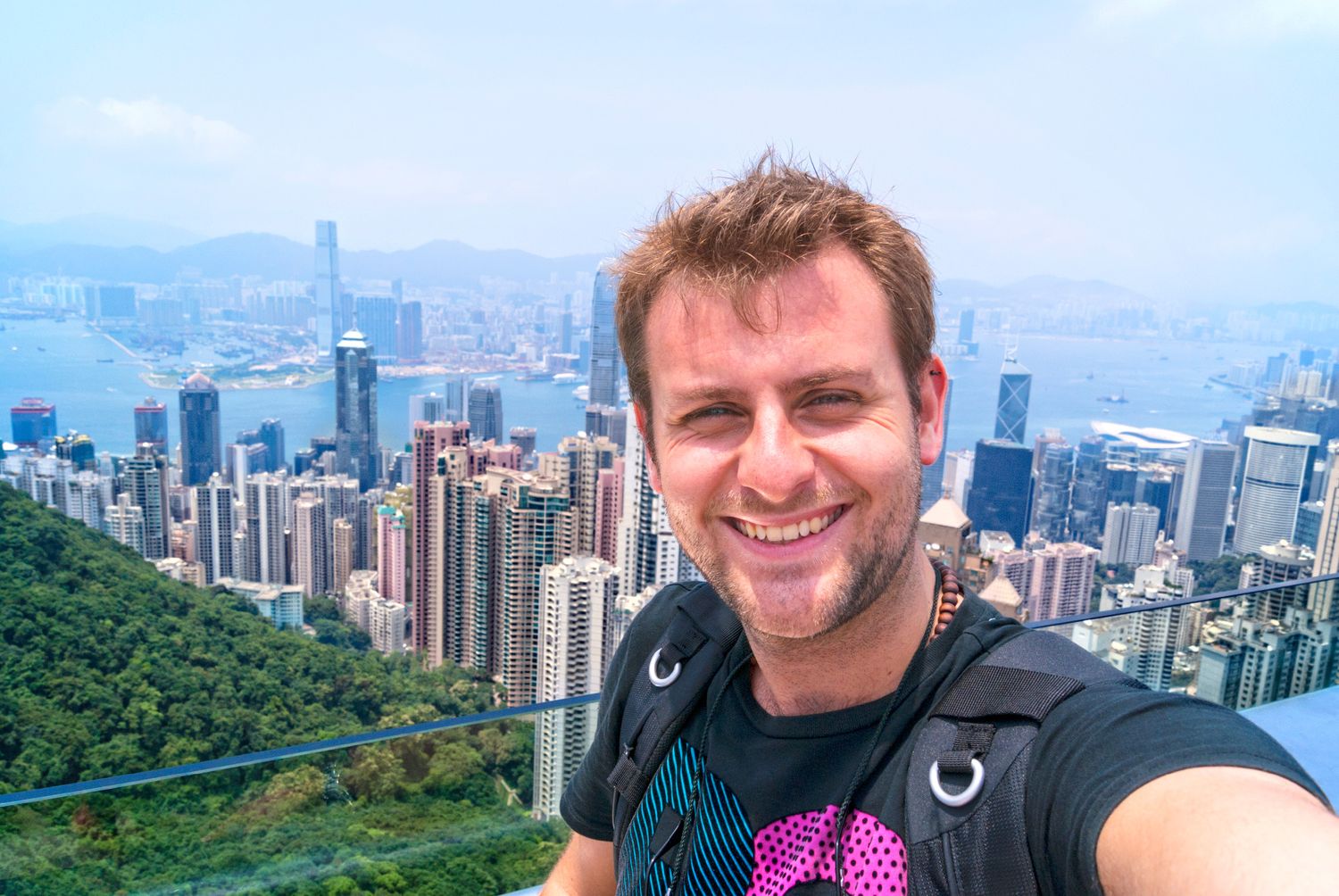
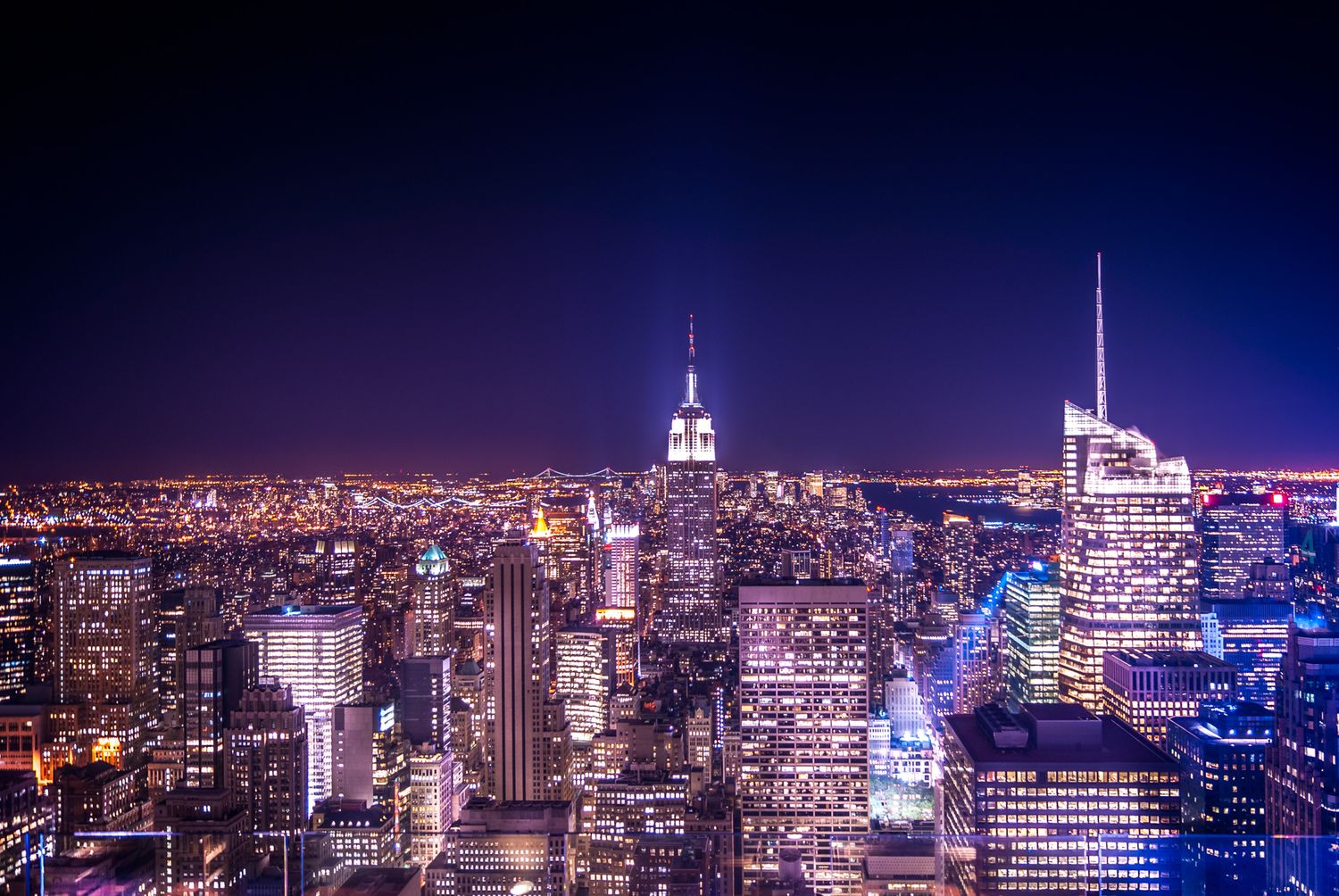
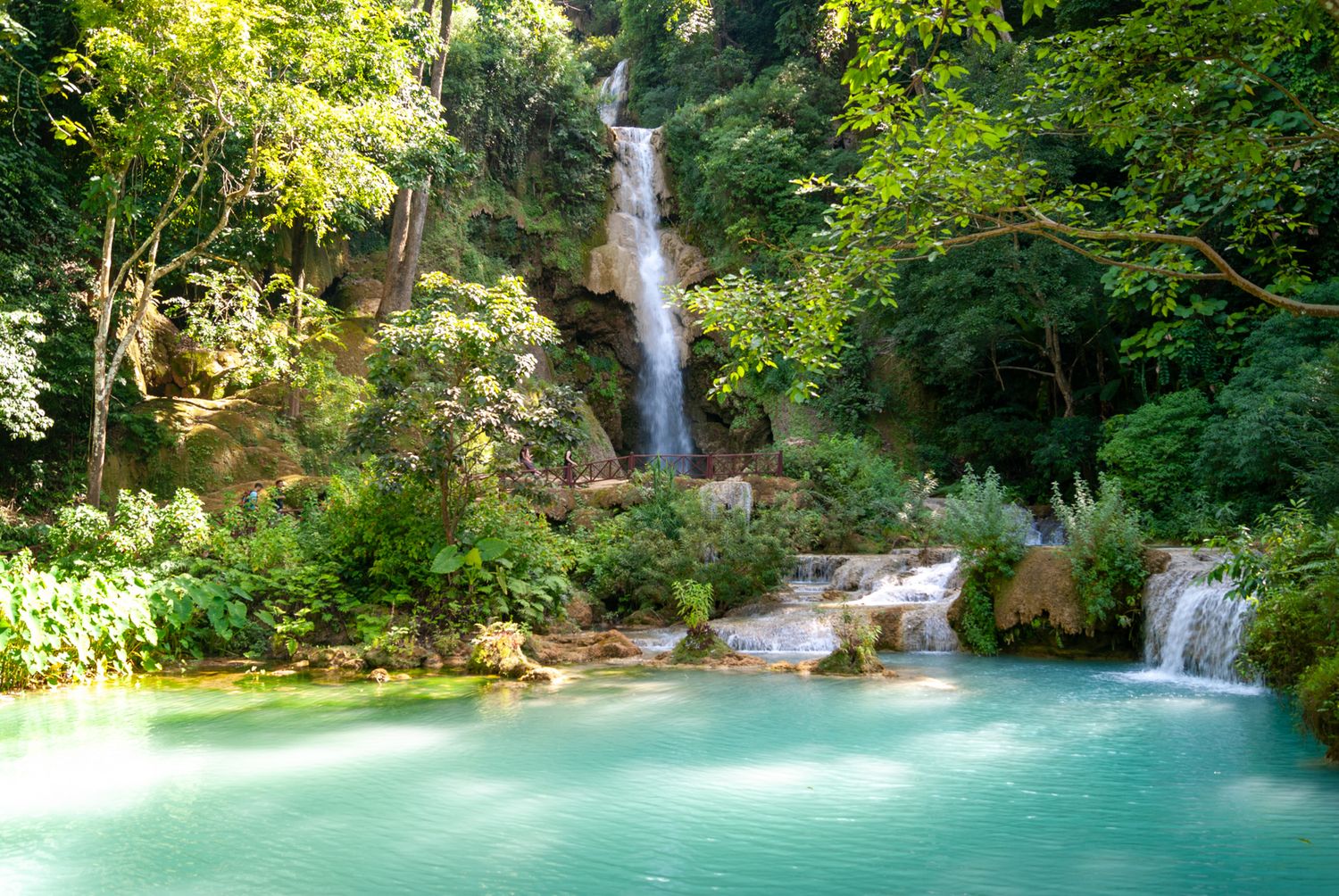
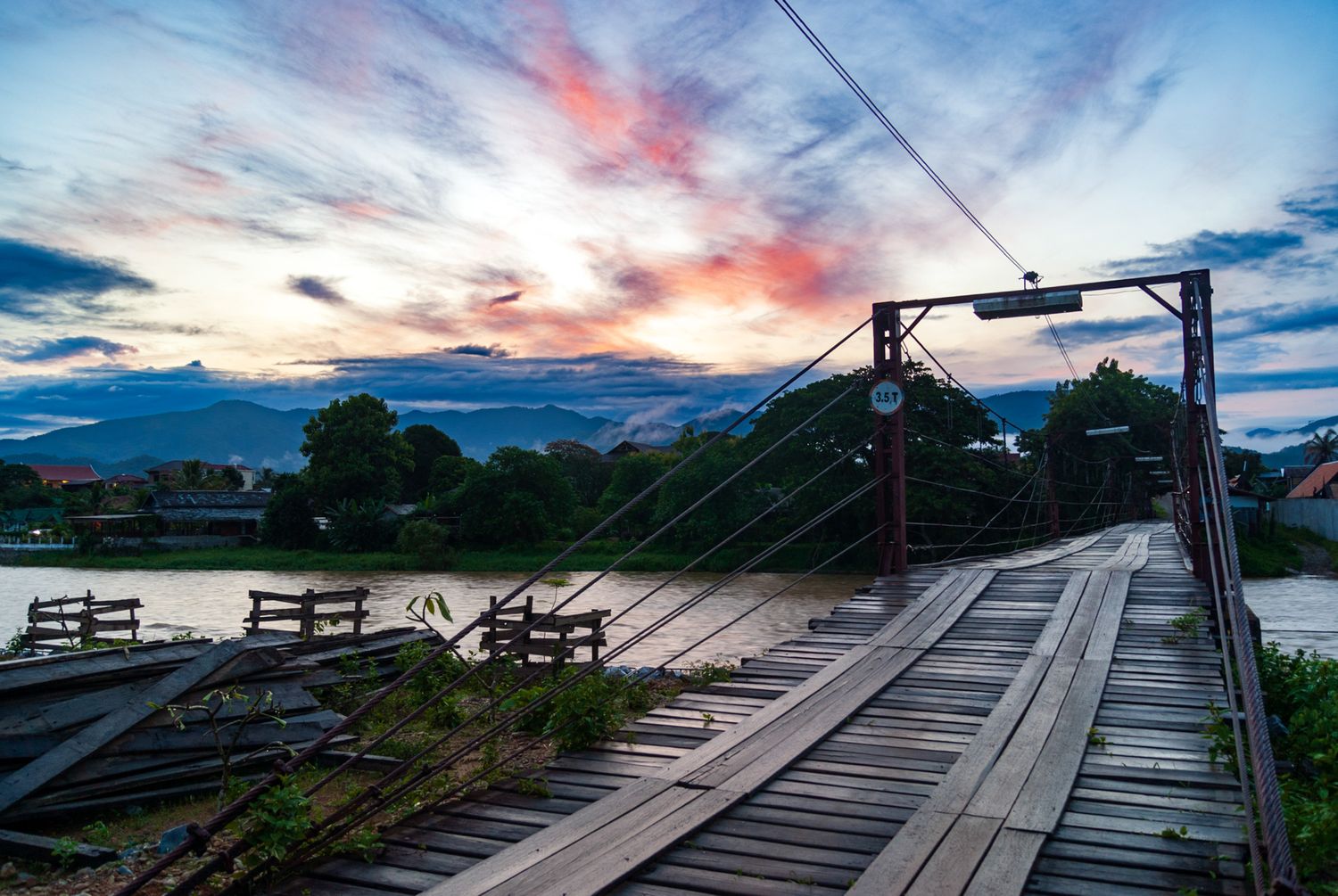
My journey took me through Hong Kong, Macau, Vietnam, Cambodia, Laos and Thailand before continuing to Australia, New Zealand, Fiji, Hawaii and mainland USA.
I travelled with a Sony A230 that my dad had bought for me. It was an entry-level camera, and I had very little technical knowledge when I started.
Most of what I photographed during those first few months was driven by instinct. I would see something interesting, point the camera at it and hope for the best.
Plenty of the photographs were soft, badly exposed or poorly composed. Rather than putting me off, the mistakes made me want to understand what had gone wrong.
I started reading tutorials, studying photographs online and repeating the same techniques until I understood them.
That process became the foundation of everything I know today.
Learning photography without a degree
I am completely self-taught.
I have attended a few courses over the years, but I did not study photography at university or follow a formal training programme.
Instead, I learnt by taking thousands of photographs in real situations.
When an image did not work, I tried to identify why. I experimented with shutter speed, aperture, ISO, composition, lenses, light and editing until the results started to match what I had imagined.
I would often find a photograph online that inspired me and then work out how it might have been created. At first, I tried to replicate styles I admired. Eventually, I began preferring my own versions.
That was an important moment. It was when I realised I was developing my own photographic eye rather than simply copying someone else’s work.
Being self-taught used to make me question whether I belonged in the professional photography industry. Over time, I realised that clients care about the quality and reliability of the work, not where the photographer learnt to create it.
Formal education can be valuable, but it is not the only route into professional photography. Practical experience, curiosity, consistency and the ability to solve problems matter enormously.
Building a travel photography portfolio overseas
After my round-the-world trip, I returned to working overseas for TUI.
Over approximately nine years, I lived and worked in a succession of international destinations, often moving somewhere new every six months.
That gave me an extraordinary opportunity to build a travel photography portfolio while learning how different destinations looked, felt and operated.
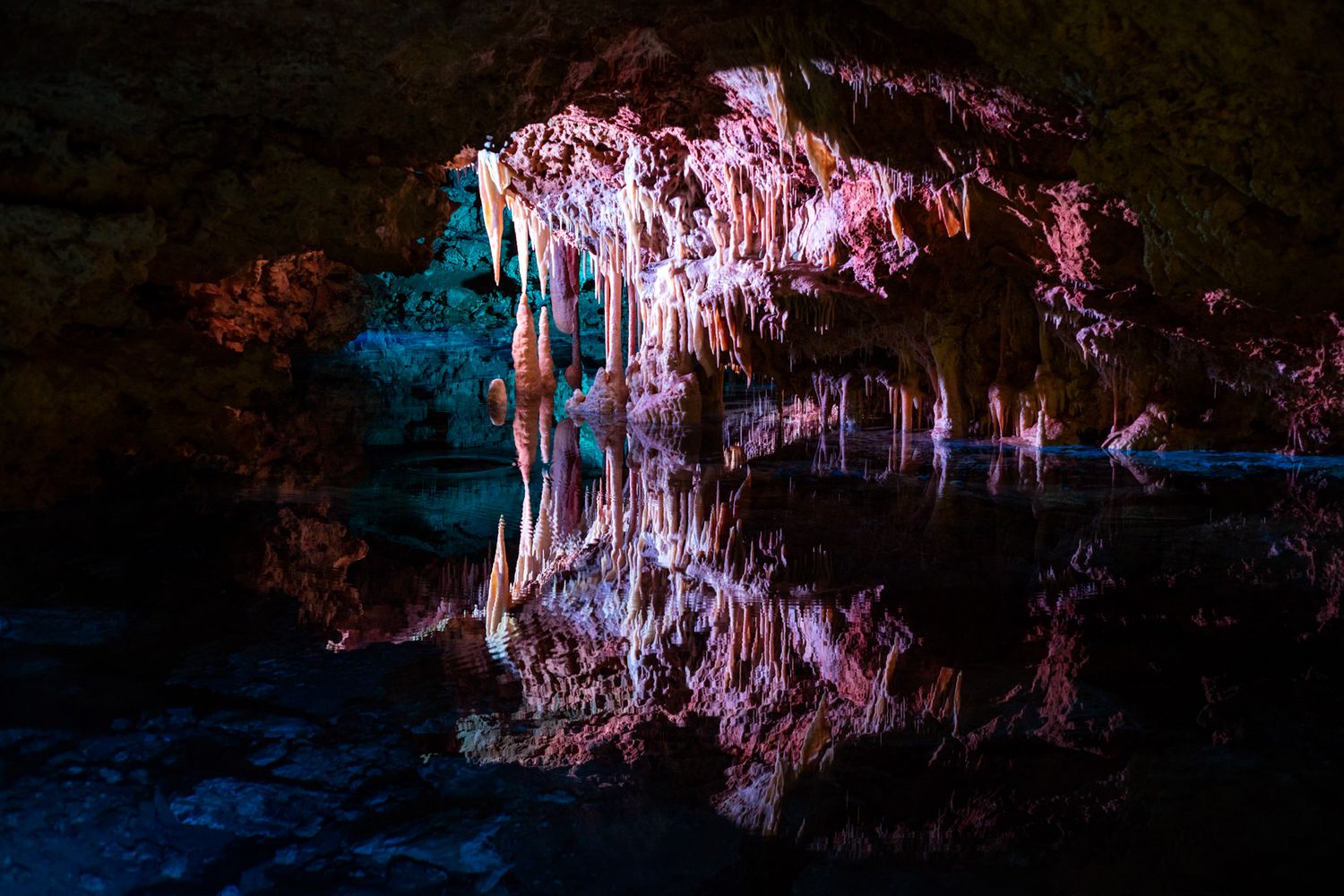
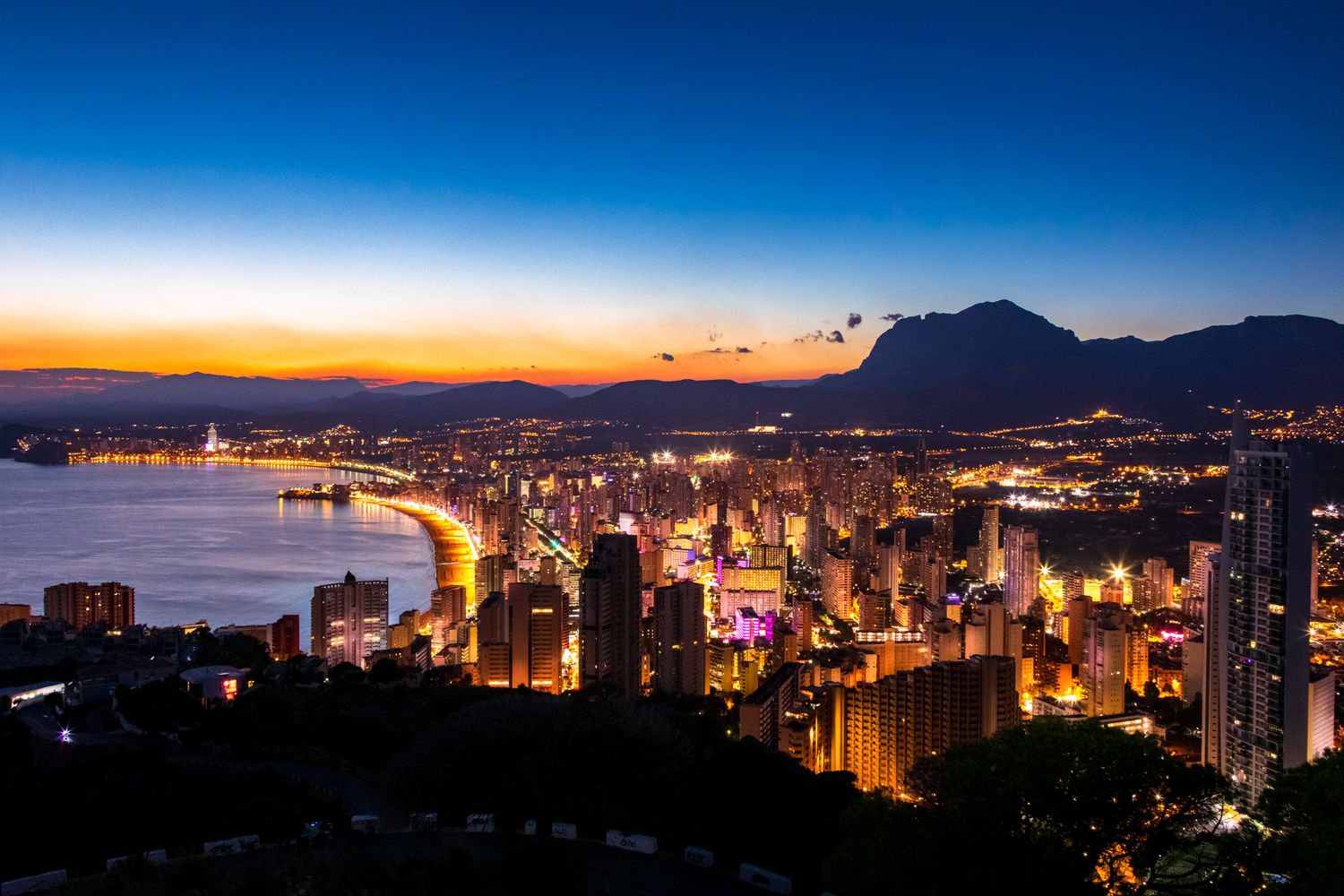
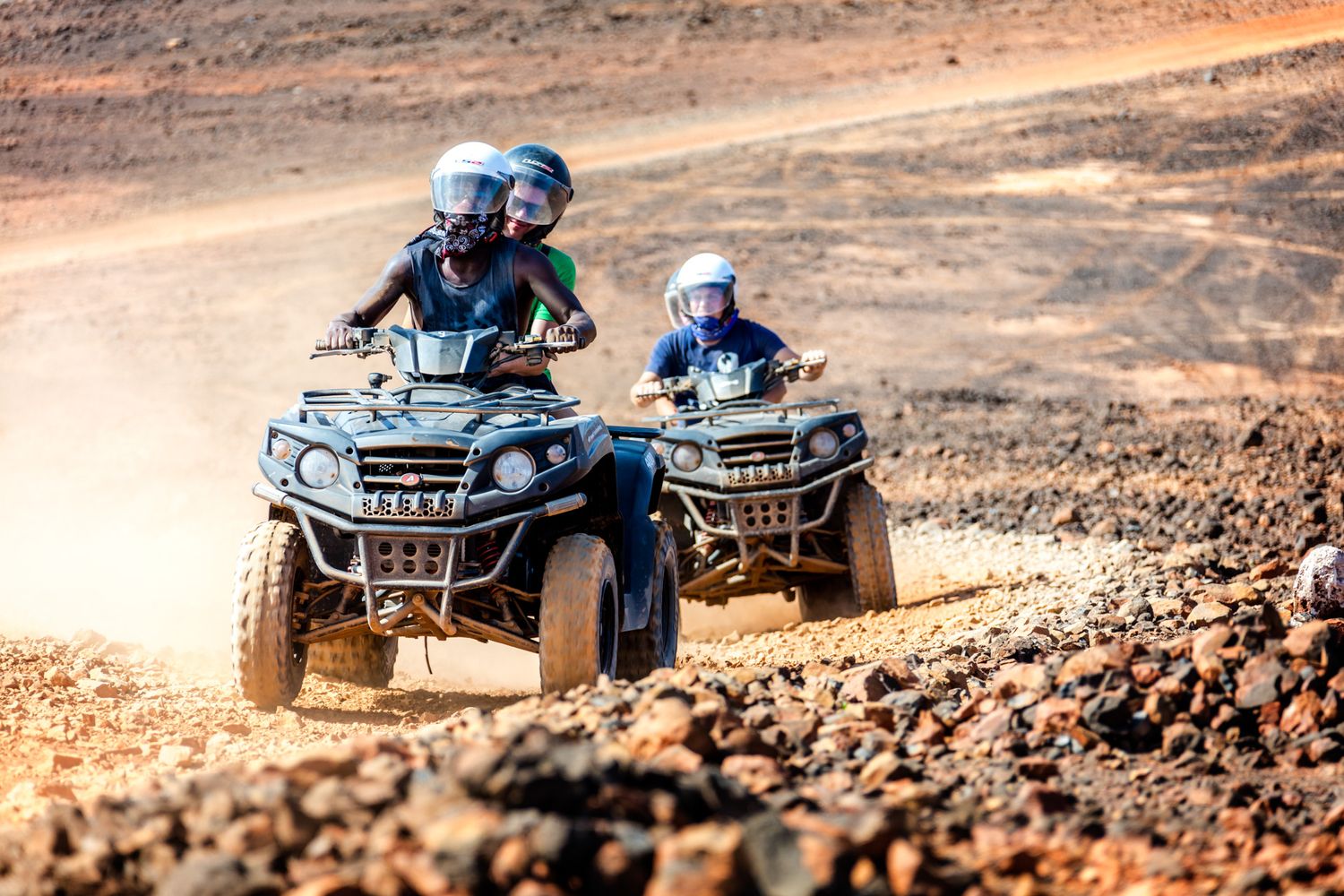
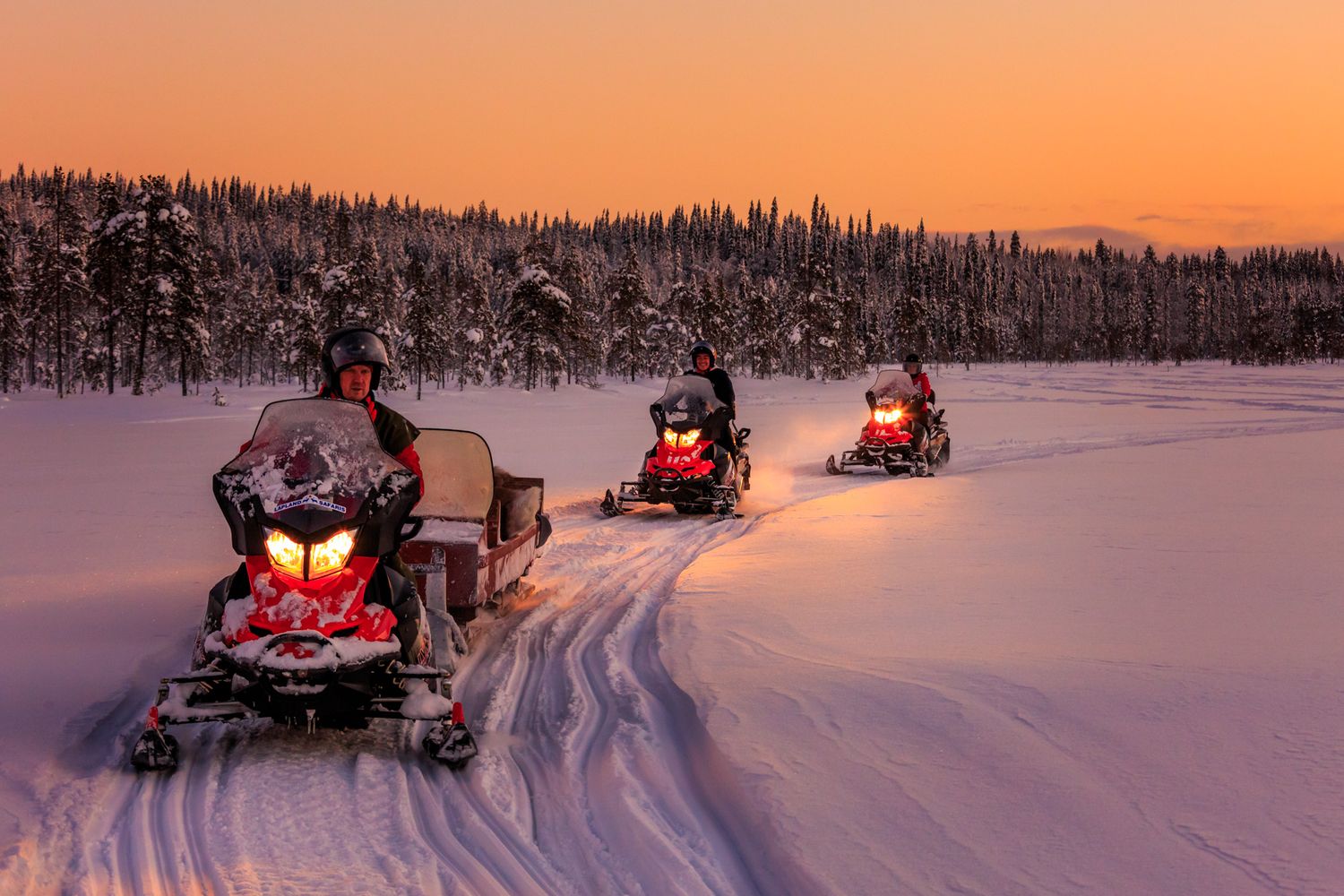
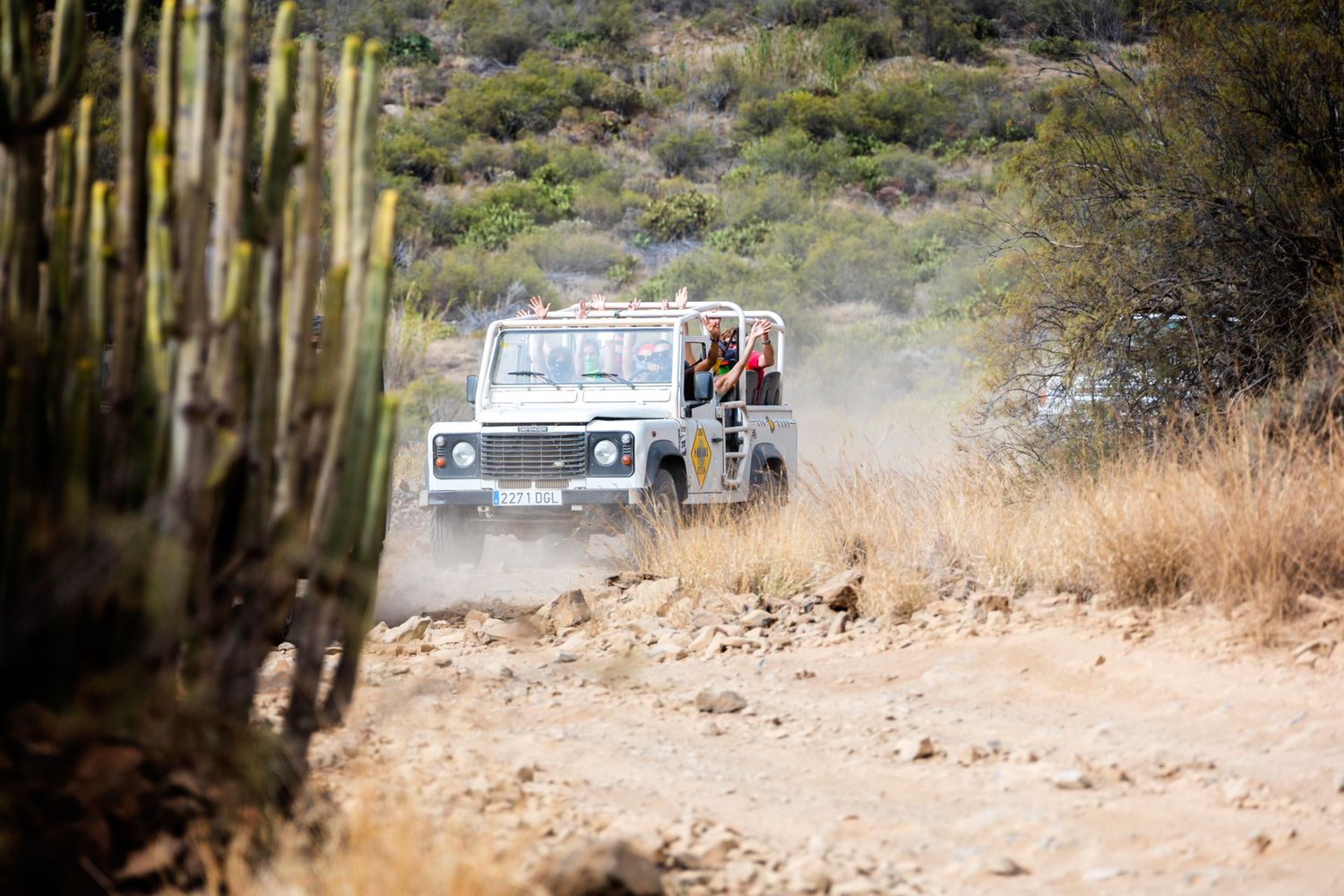
I photographed landscapes, towns, beaches, hotels, excursions, local culture, wildlife, food, activities and the small details that gave each location its identity.
Working overseas also taught me to stop waiting for perfect conditions.
Travel photography rarely happens at the ideal time of day with complete control over the weather, location and people. Sometimes the light is harsh, the destination is crowded or the schedule changes without warning.
A professional photographer still has to produce strong, useful images.
That means adapting quickly, understanding light, finding better angles and making confident decisions without wasting the client’s time.
Selling photography through iStock and Getty Images
Before becoming a full-time professional photographer, I began uploading and licensing my images through iStock and Getty Images.
Stock photography gave me my first proper insight into the commercial value of an image.
A photograph could not simply look attractive. It also needed to communicate a clear idea and be useful to a designer, publisher, travel company or advertising agency.
I began considering:
- Whether the subject was immediately understandable
- Where a designer might place text
- Whether the image worked horizontally and vertically
- How recognisable the destination was
- Whether the photograph told a useful story
- What type of business might license it
Selling stock photography also taught me the importance of accurate captions, keywords, releases, image quality and efficient editing.
I still license stock photographs today through iStock and Getty Images.
How I became TUI’s Global Photography Manager
While I was working overseas for TUI, people within the business began seeing my photography.
TUI was also licensing some of my images through stock photography platforms. They liked the work, knew me personally and understood that I already had extensive knowledge of the company, its customers and its destinations.
Rather than recruiting a traditional external photographer, the business created a photography role that combined my photographic experience with my understanding of TUI.
I became the Global Photography Manager and the sole in-house photographer supporting a business with approximately 70,000 employees worldwide.
The role was an enormous opportunity, but it was not simply a matter of travelling somewhere attractive and taking photographs.
I was responsible for the complete photography process.
That included understanding briefs, planning productions, organising schedules, selecting locations, arranging models, managing releases, directing people, photographing the campaign, editing the images, delivering files, and ensuring the finished content could be found and reused by teams across the business.
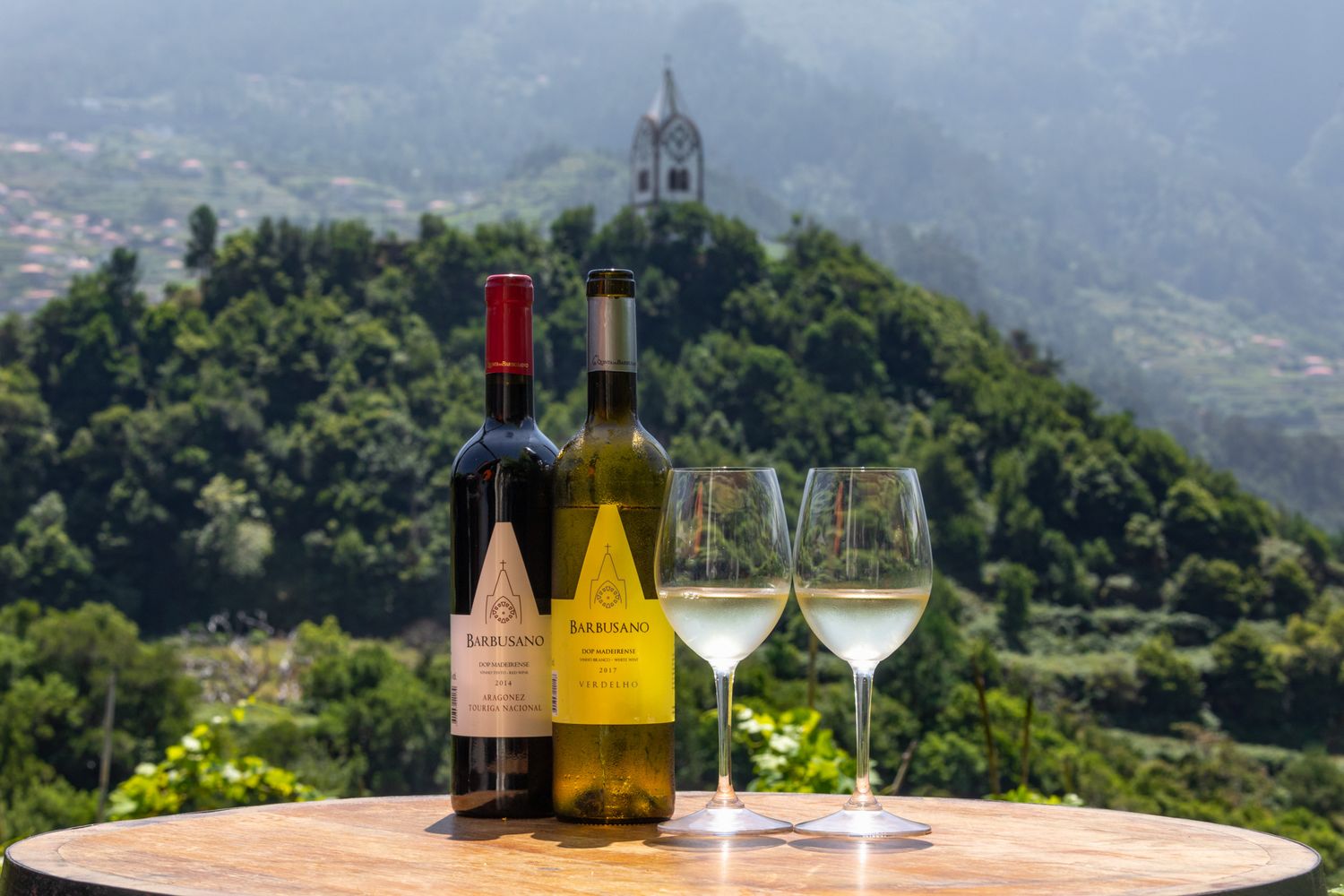
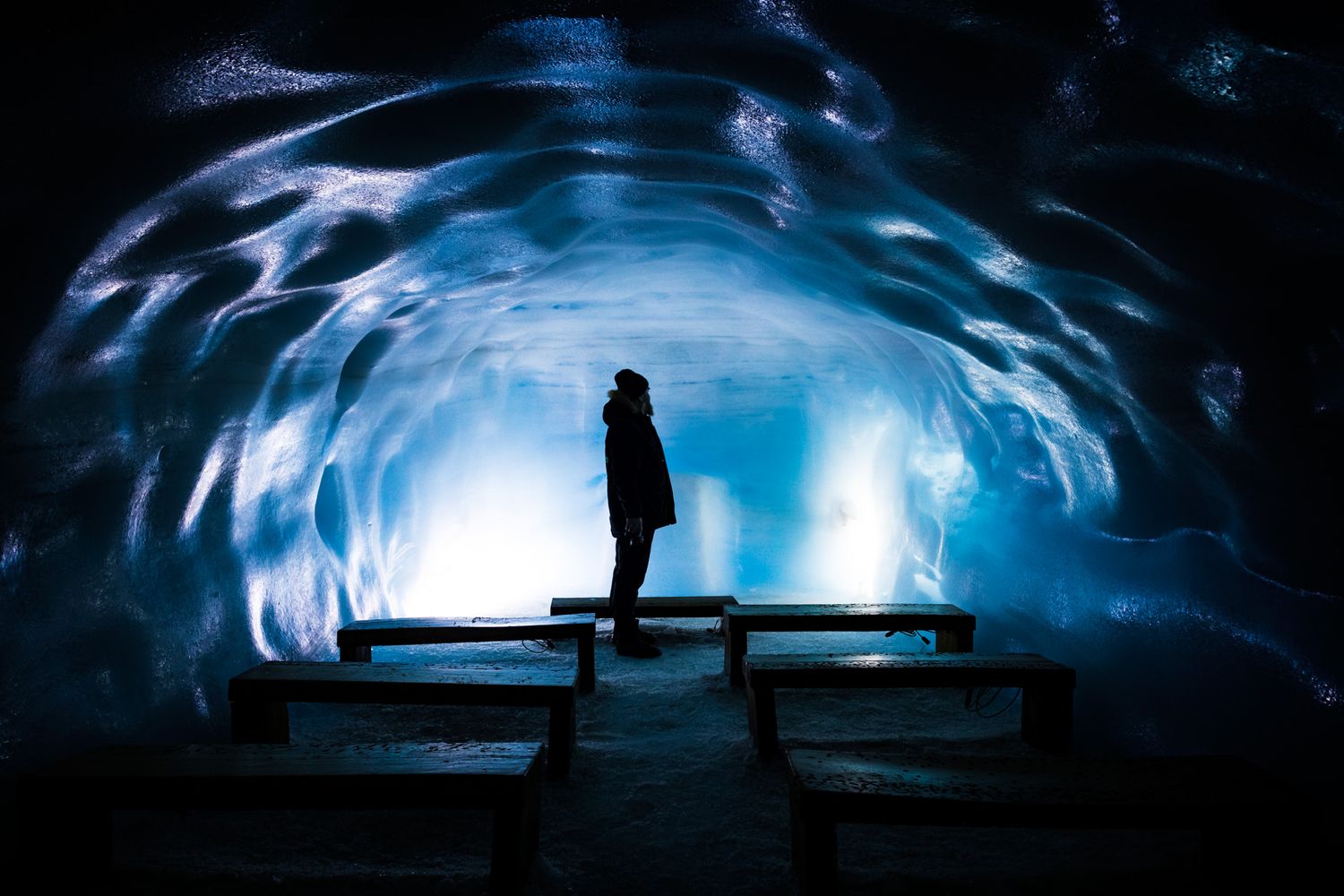
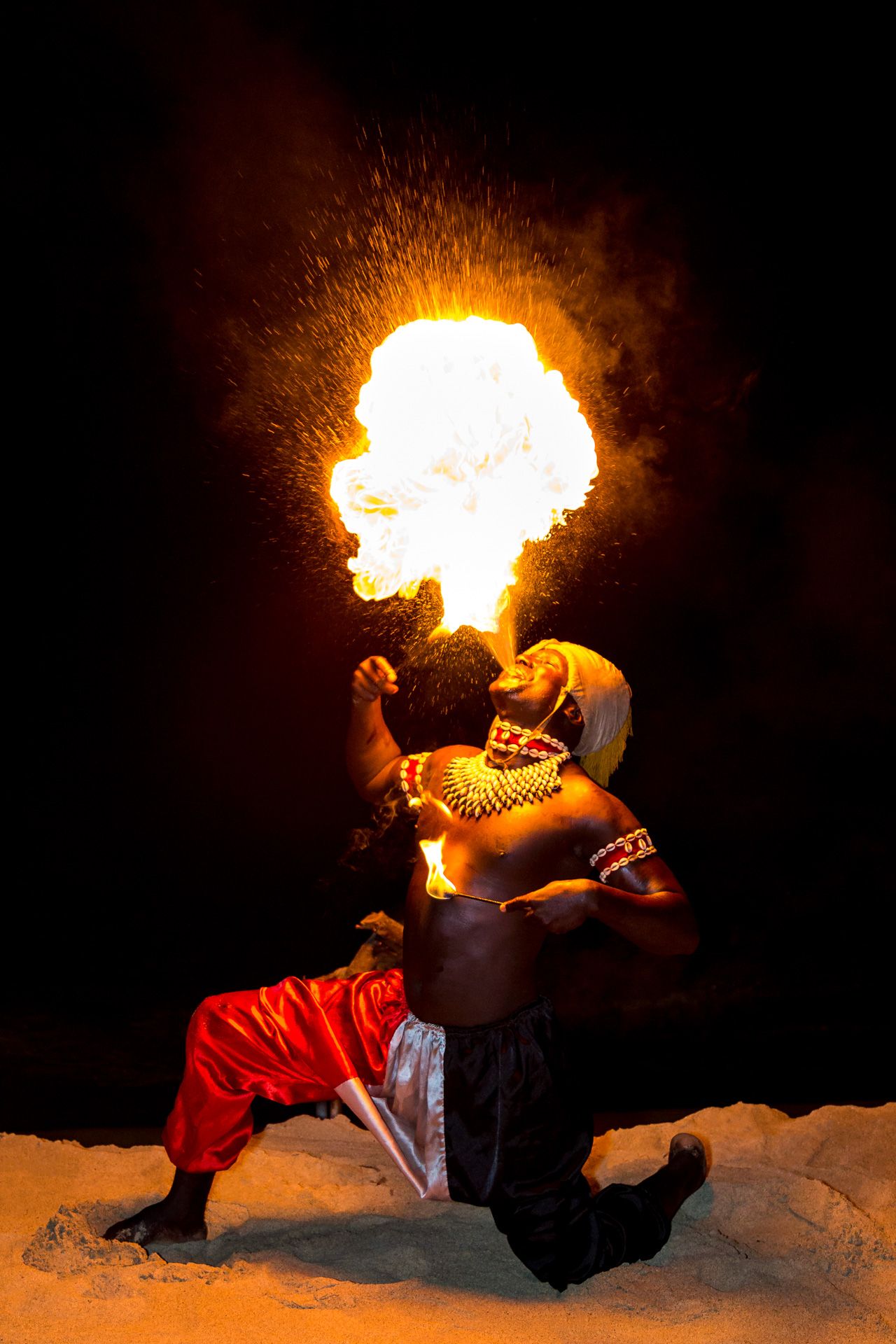
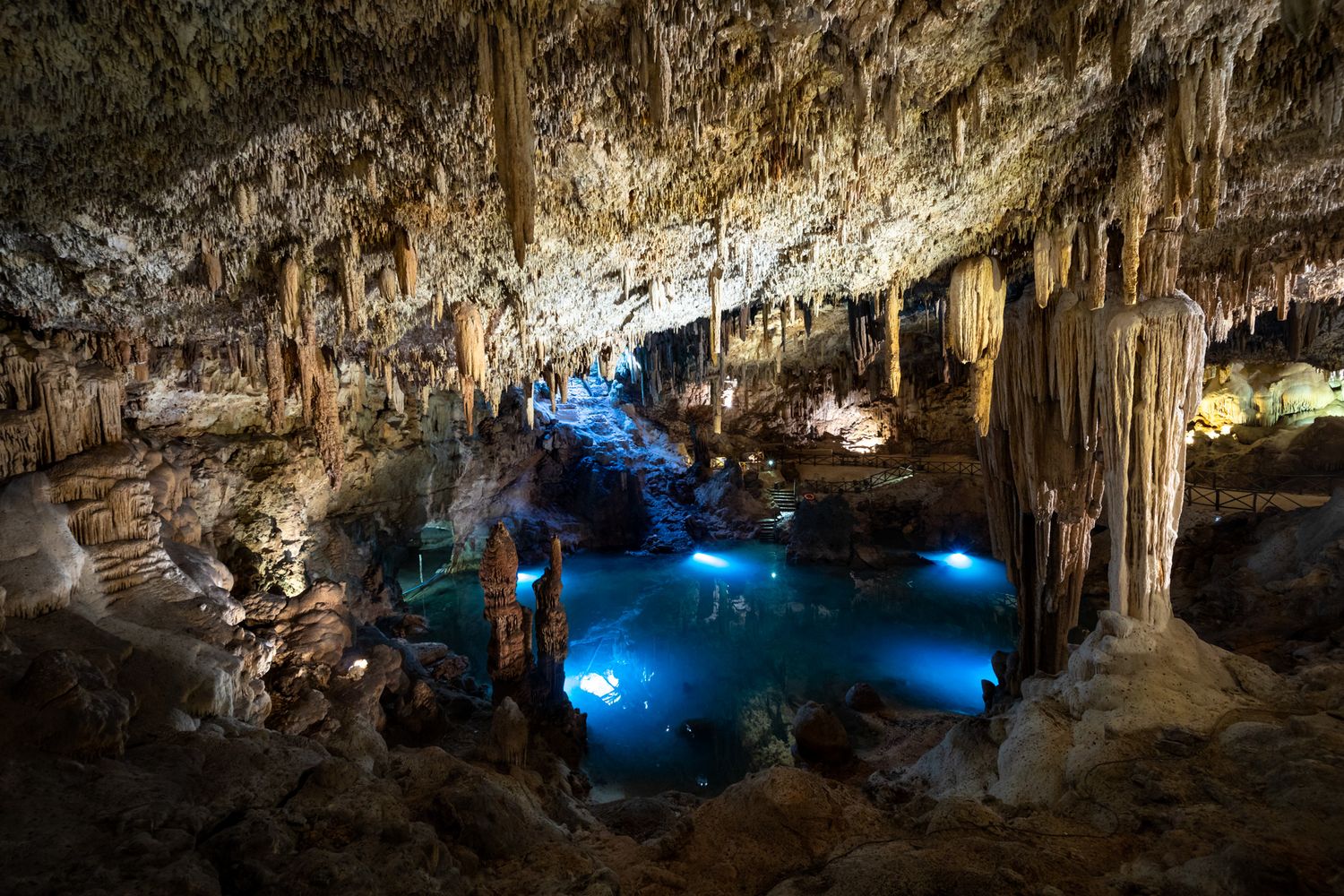

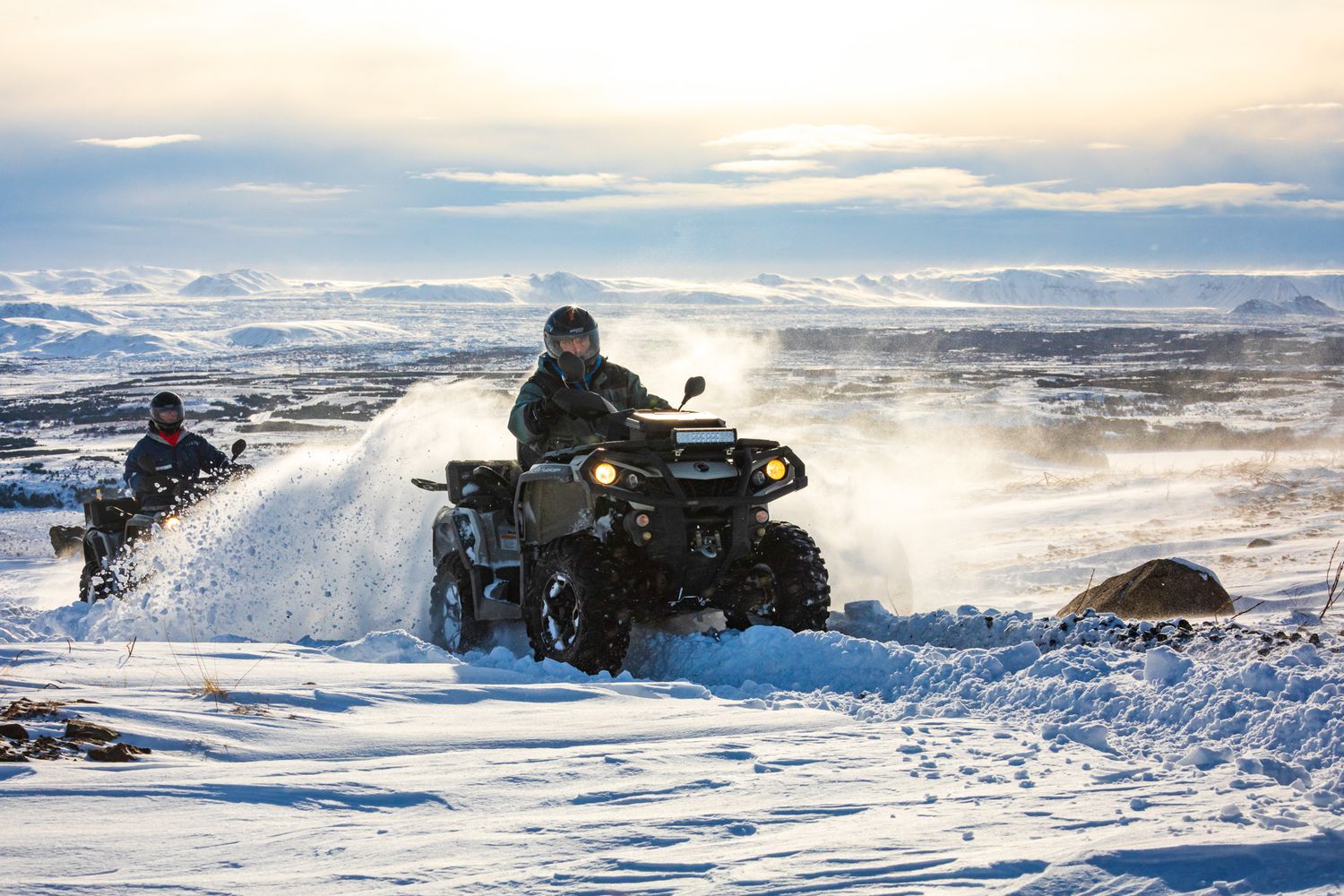
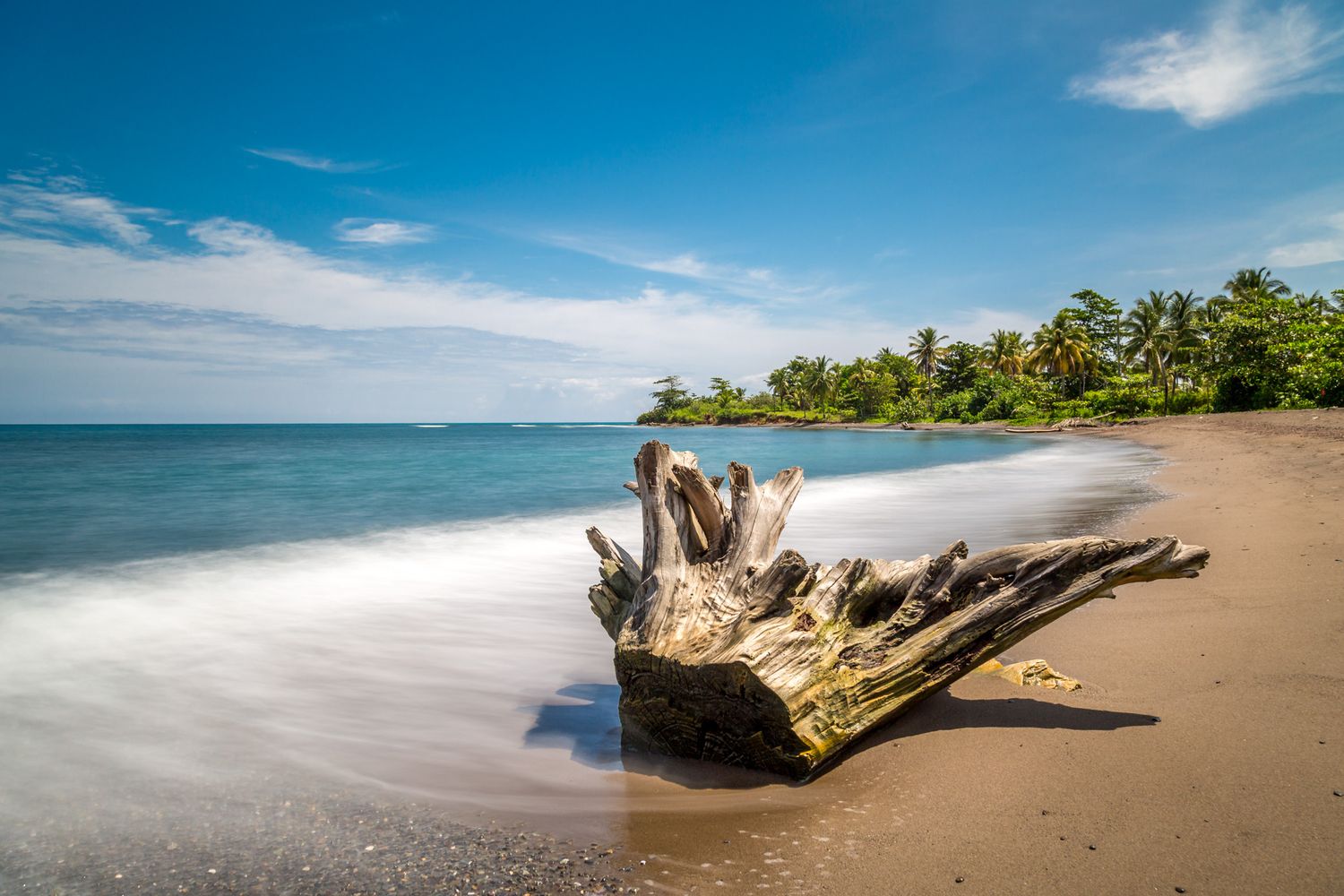
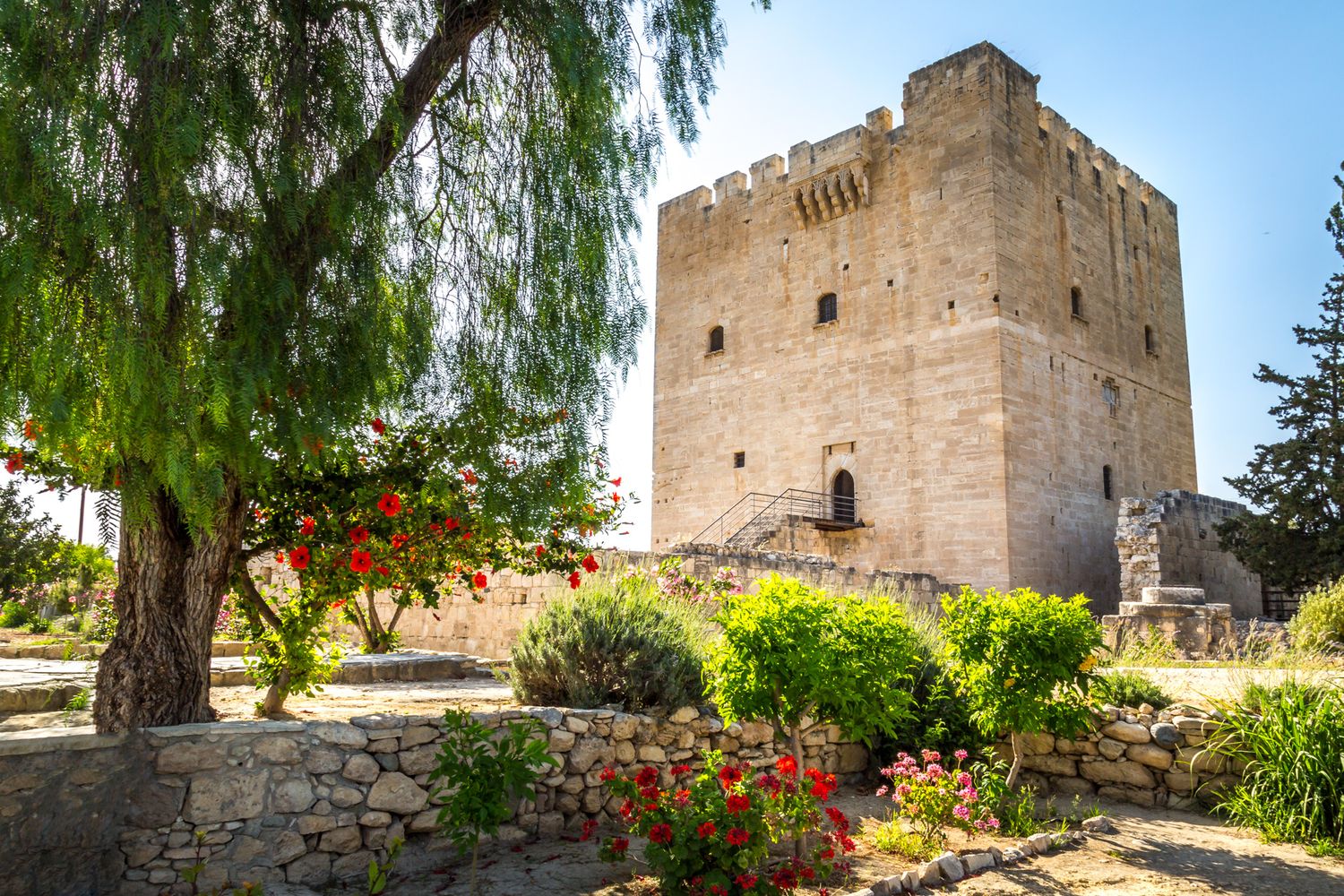
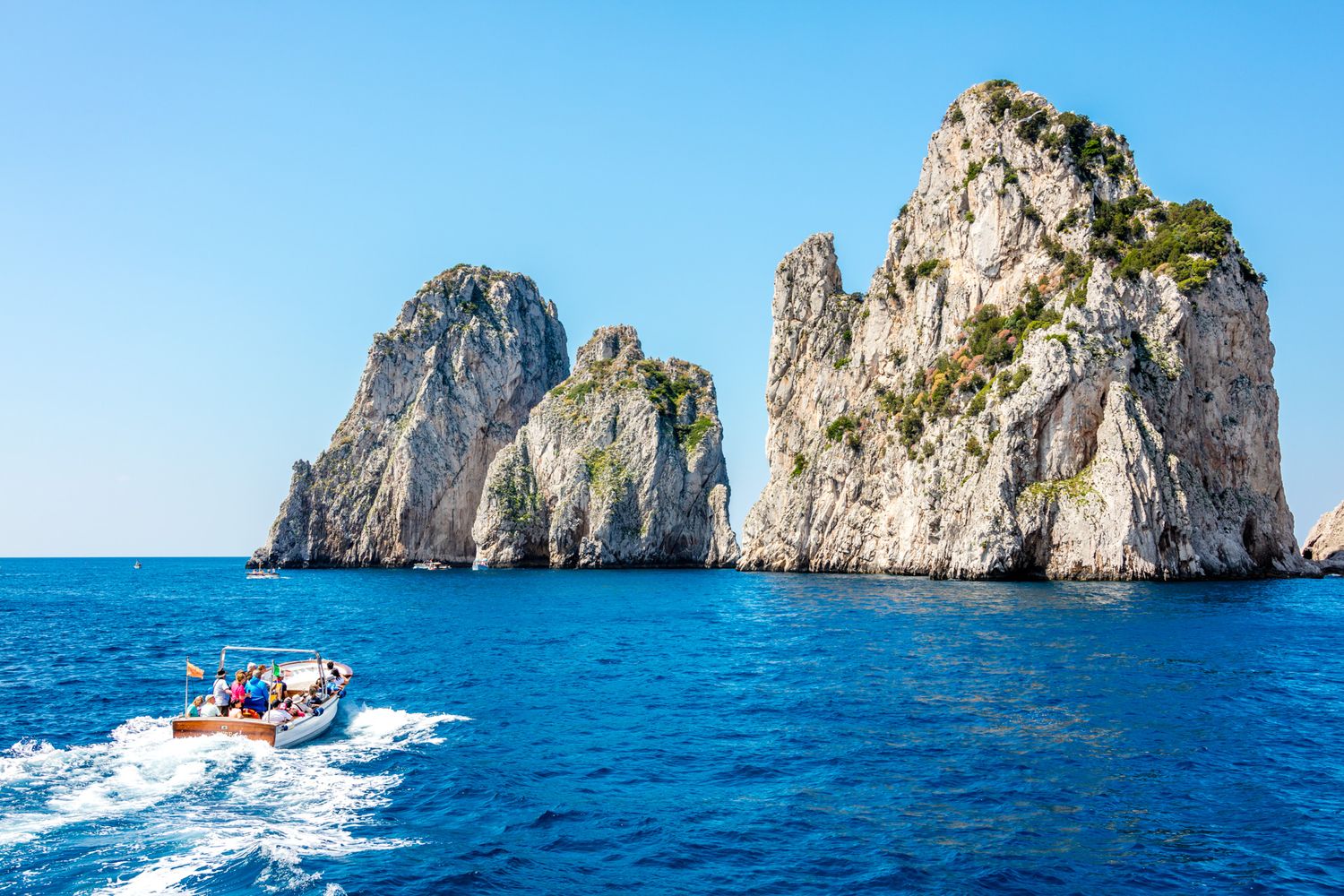
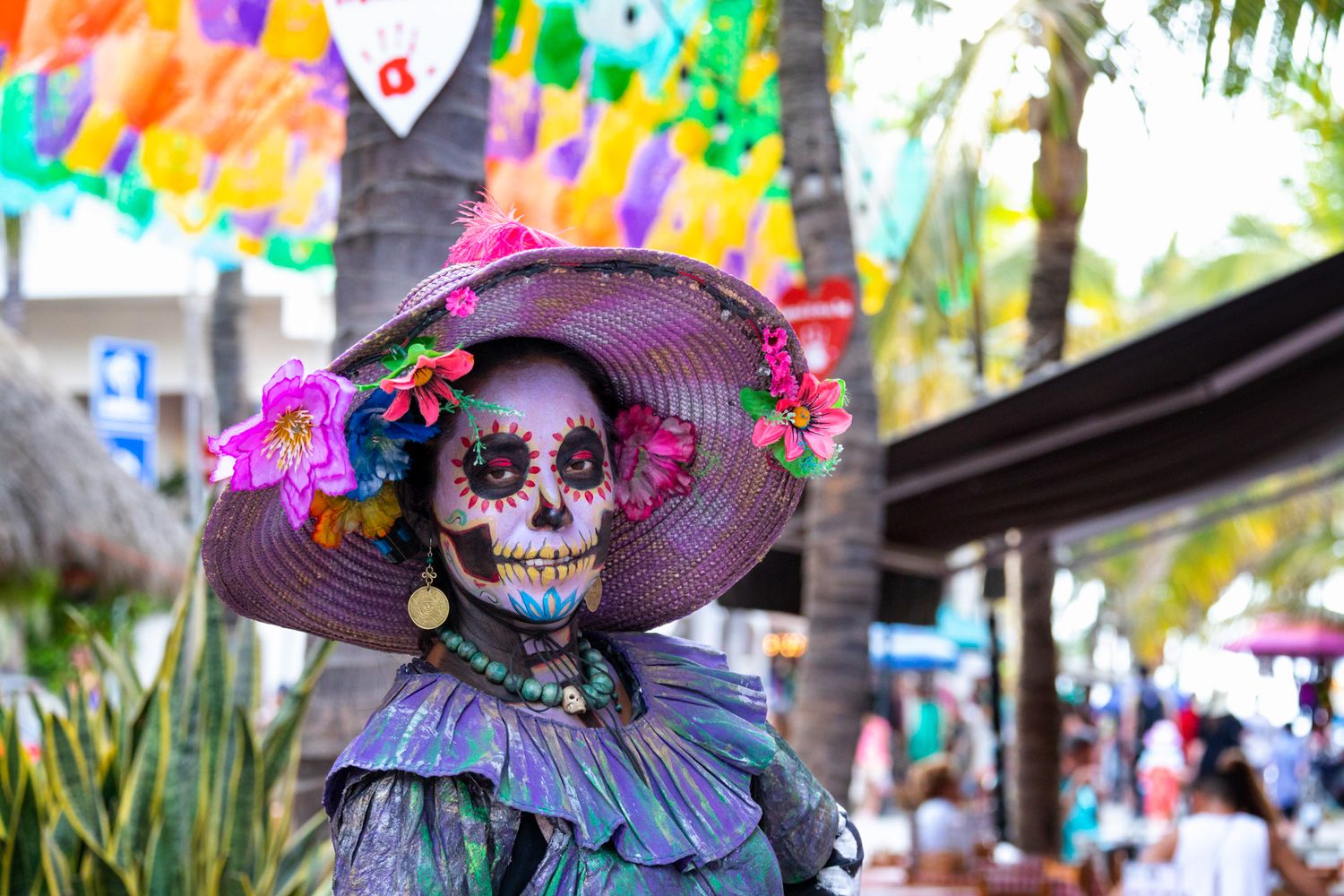
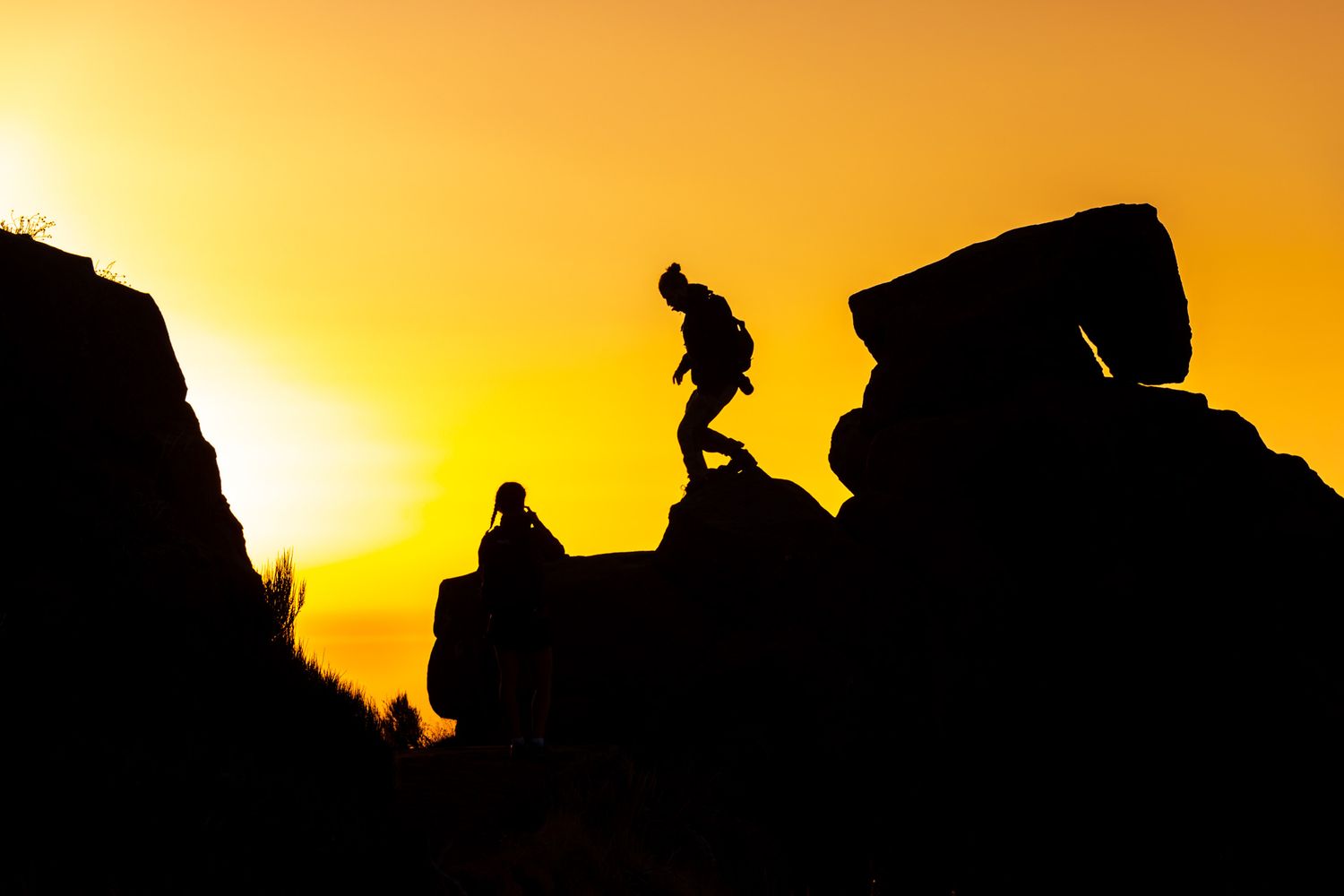
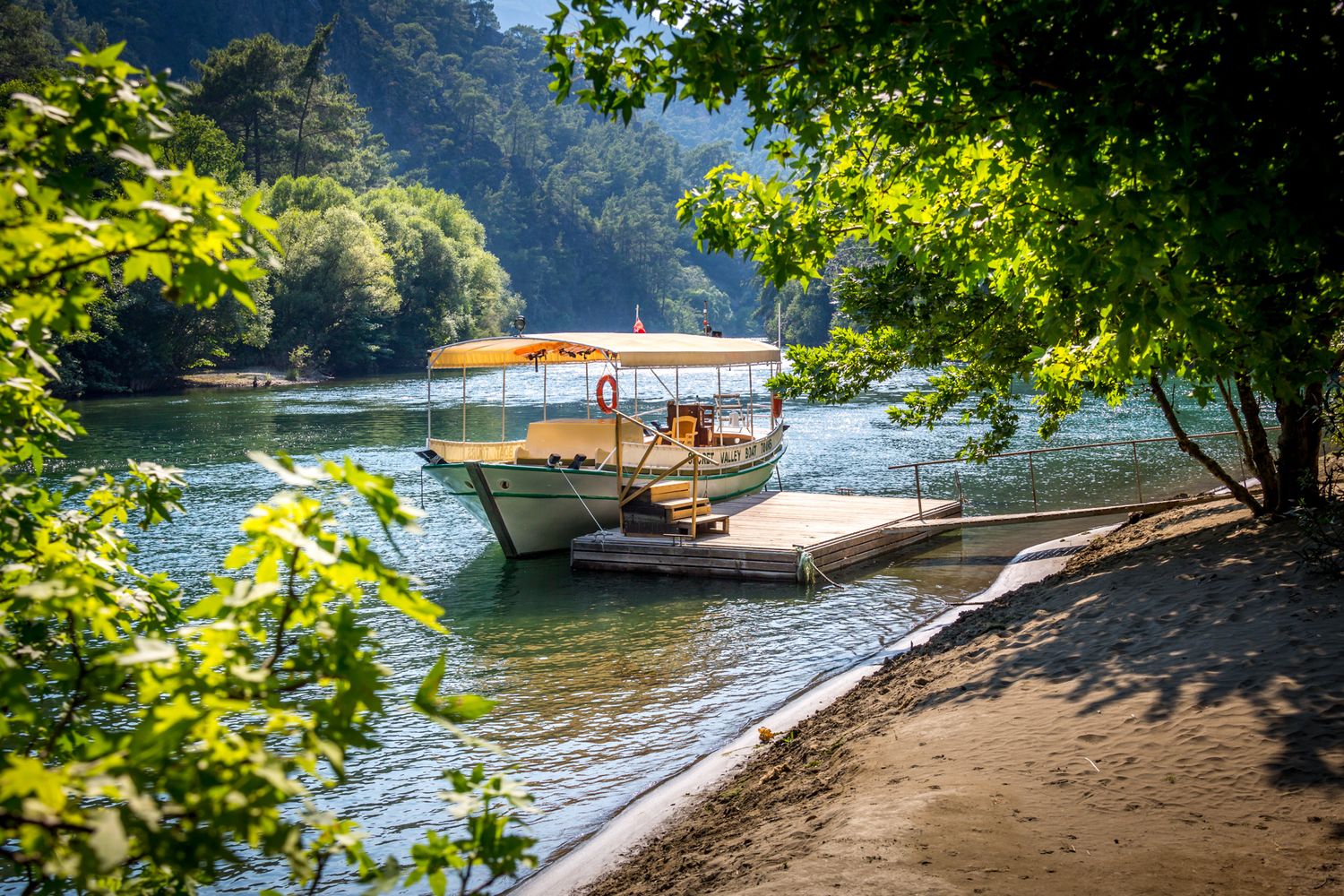
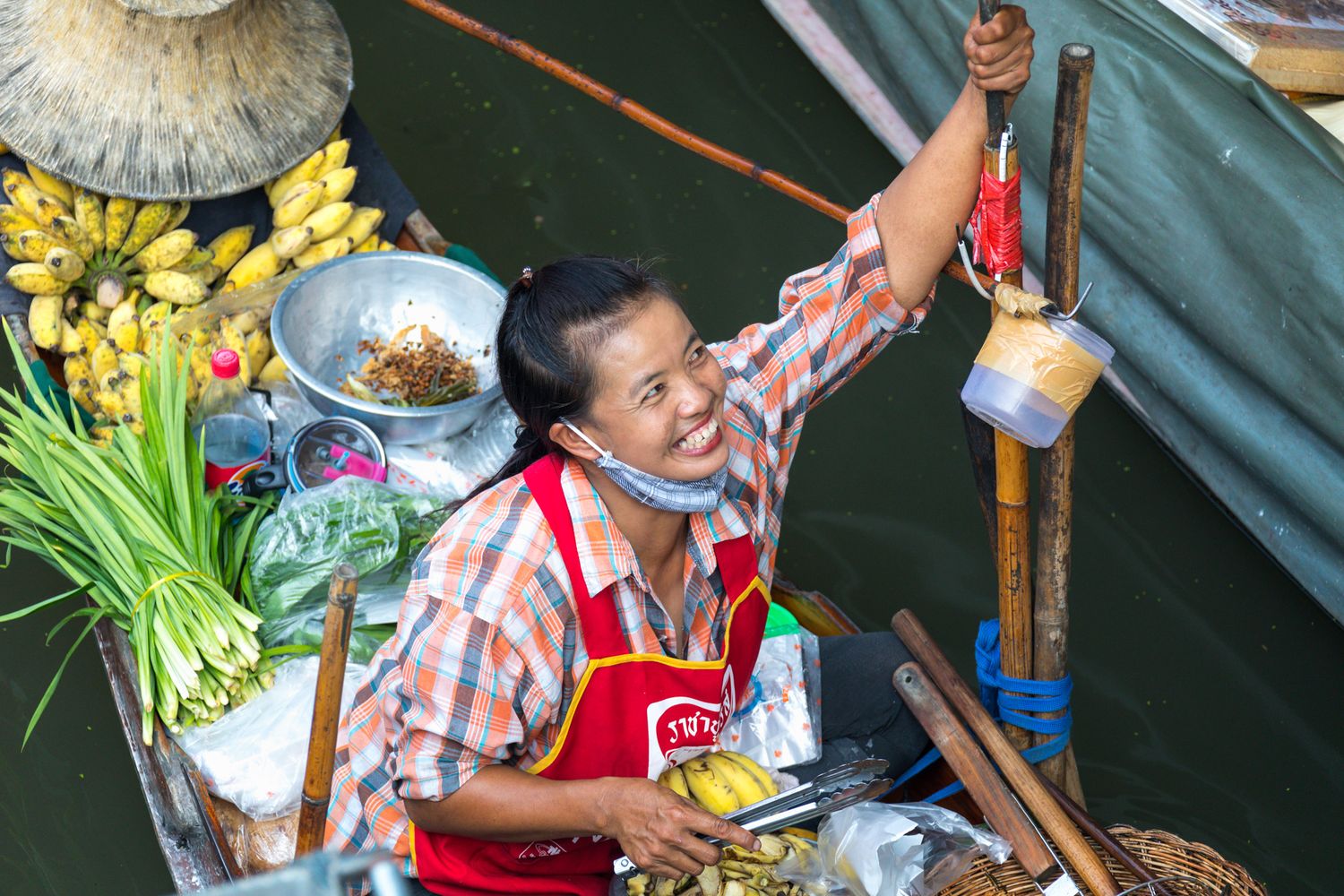
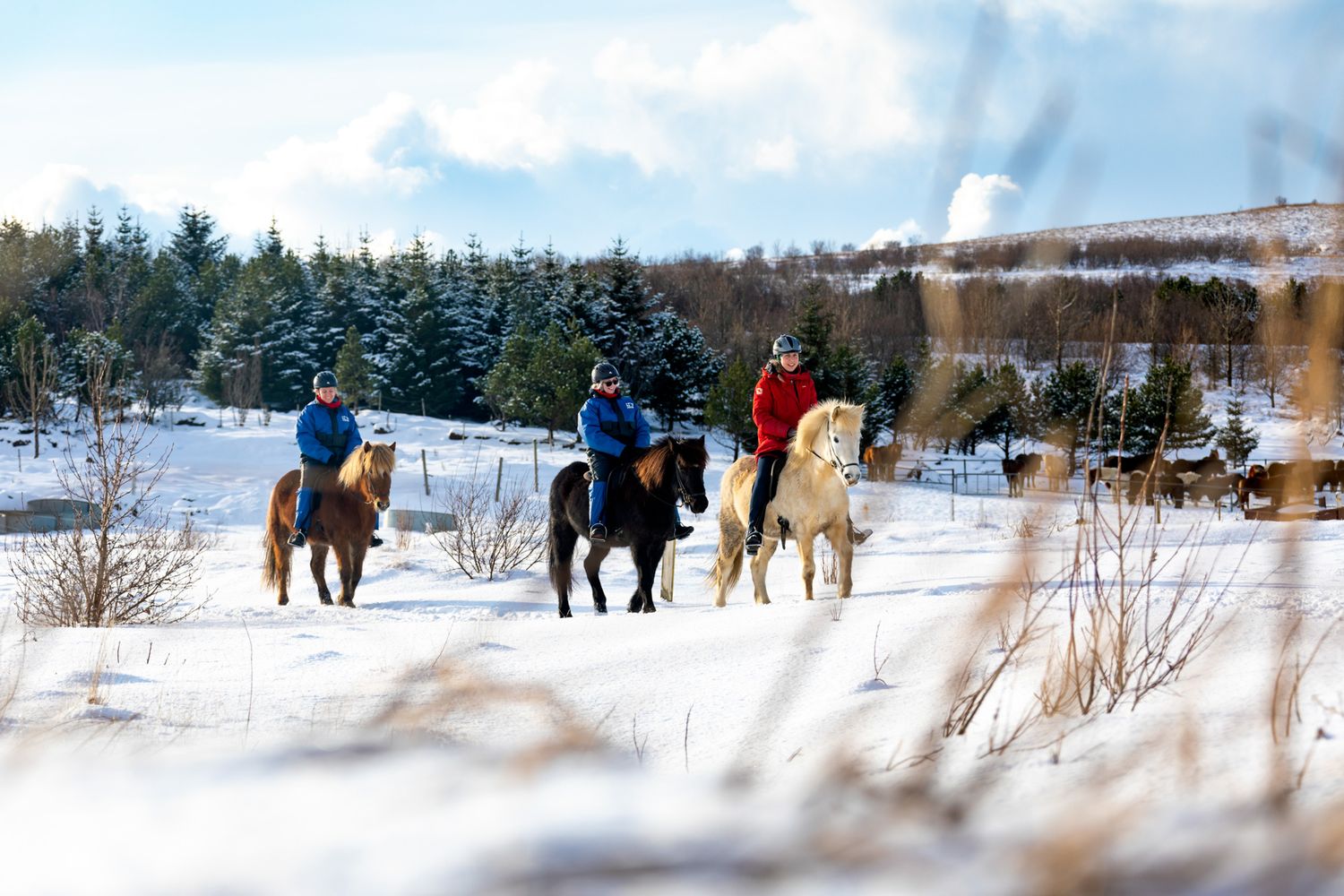
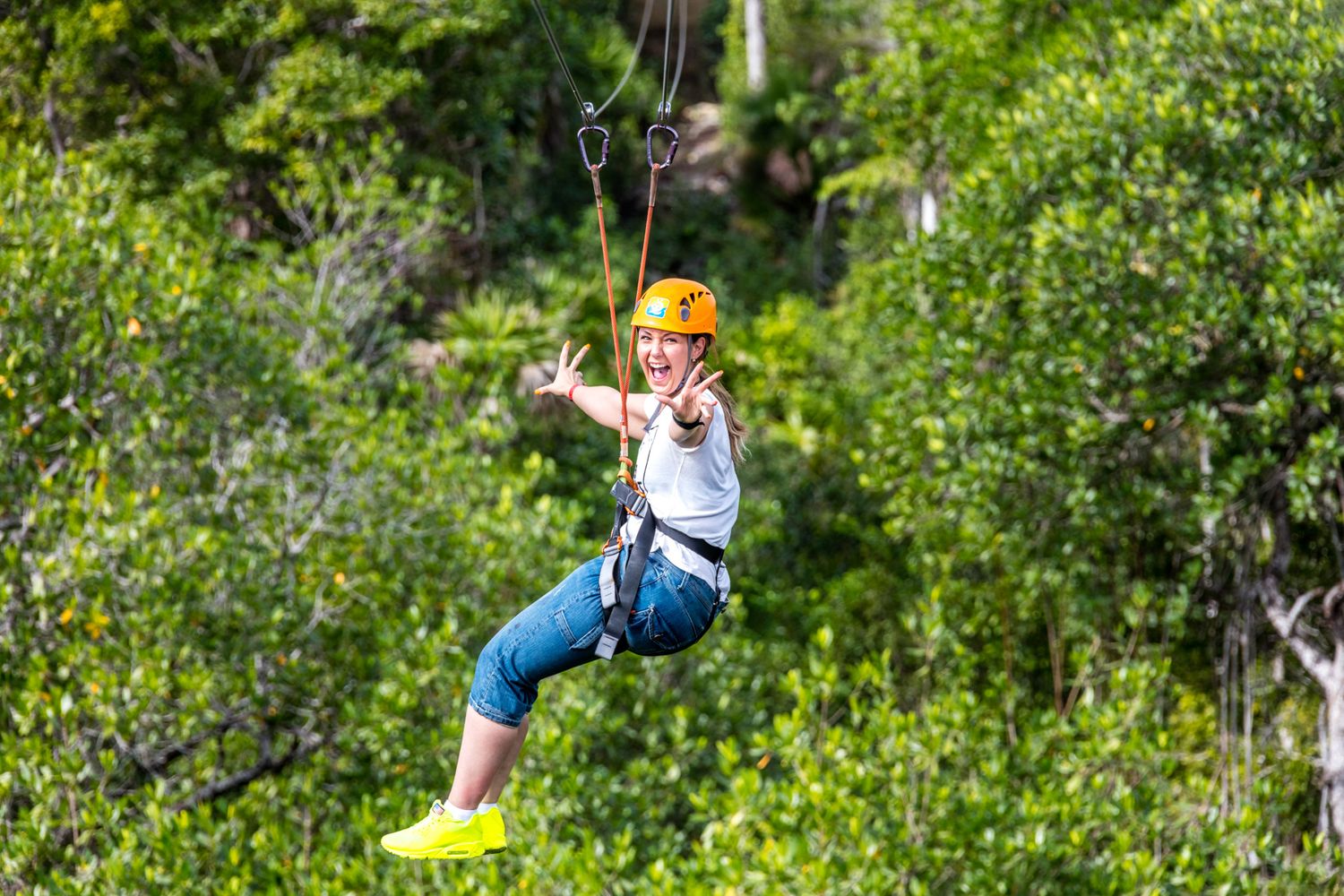
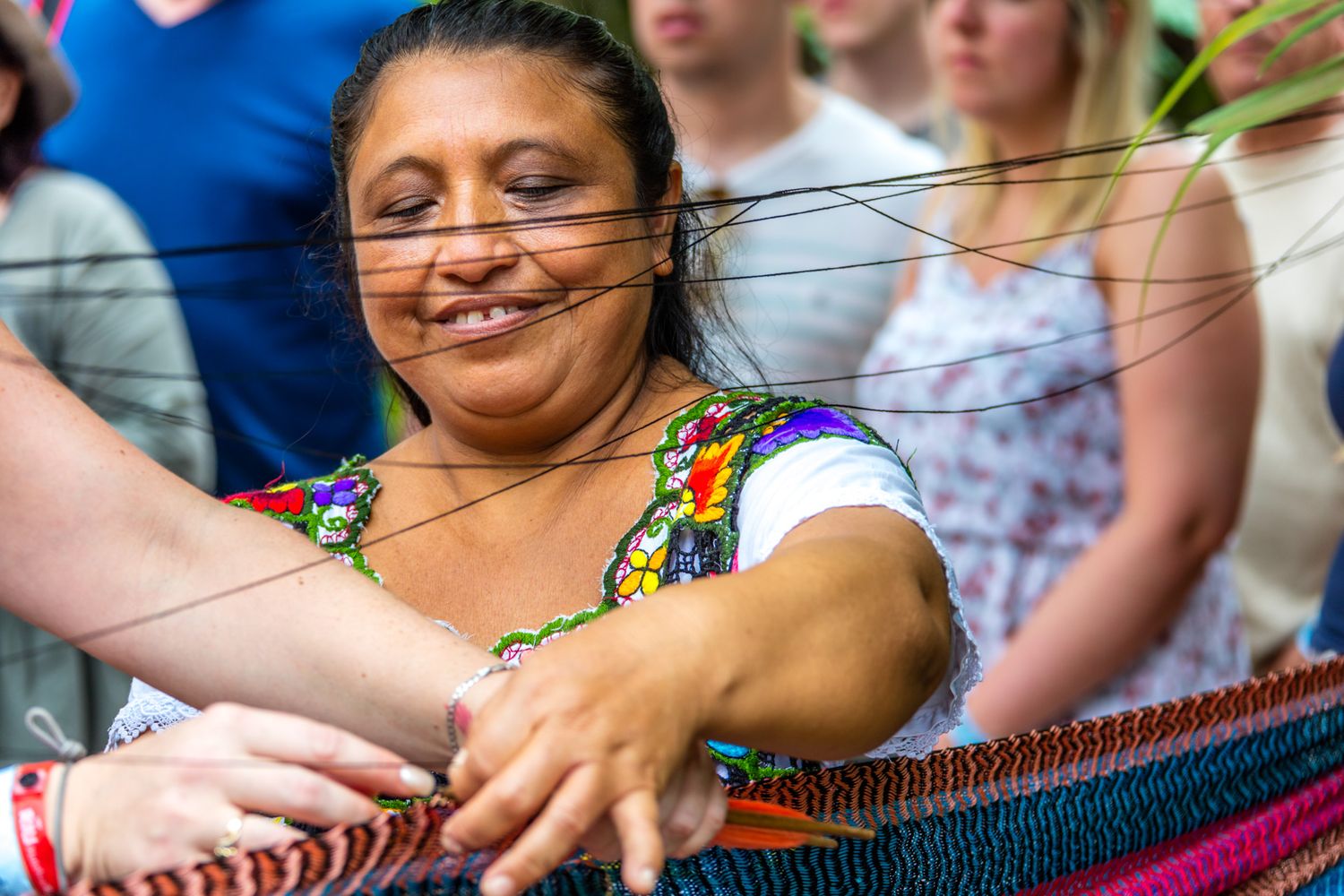
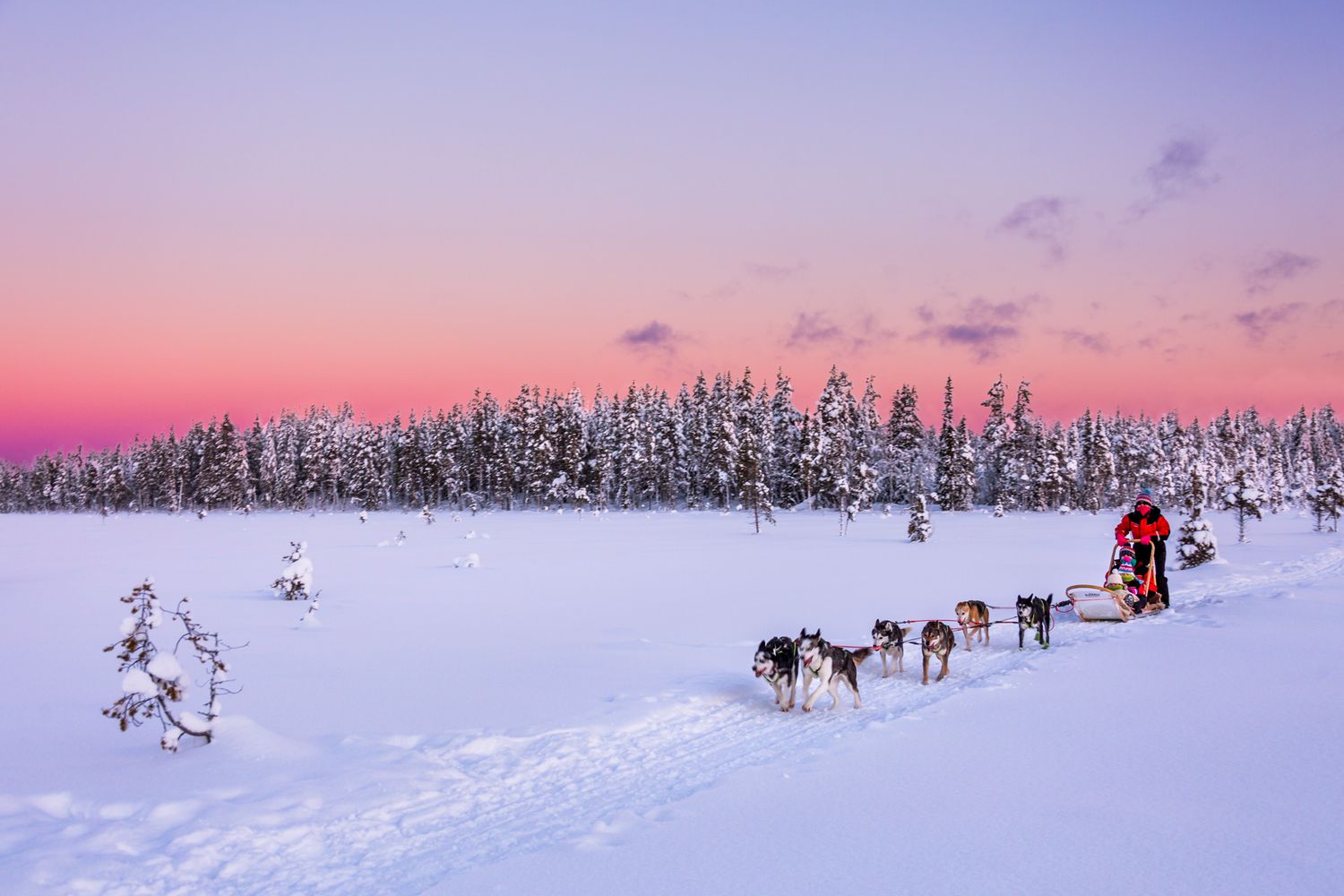
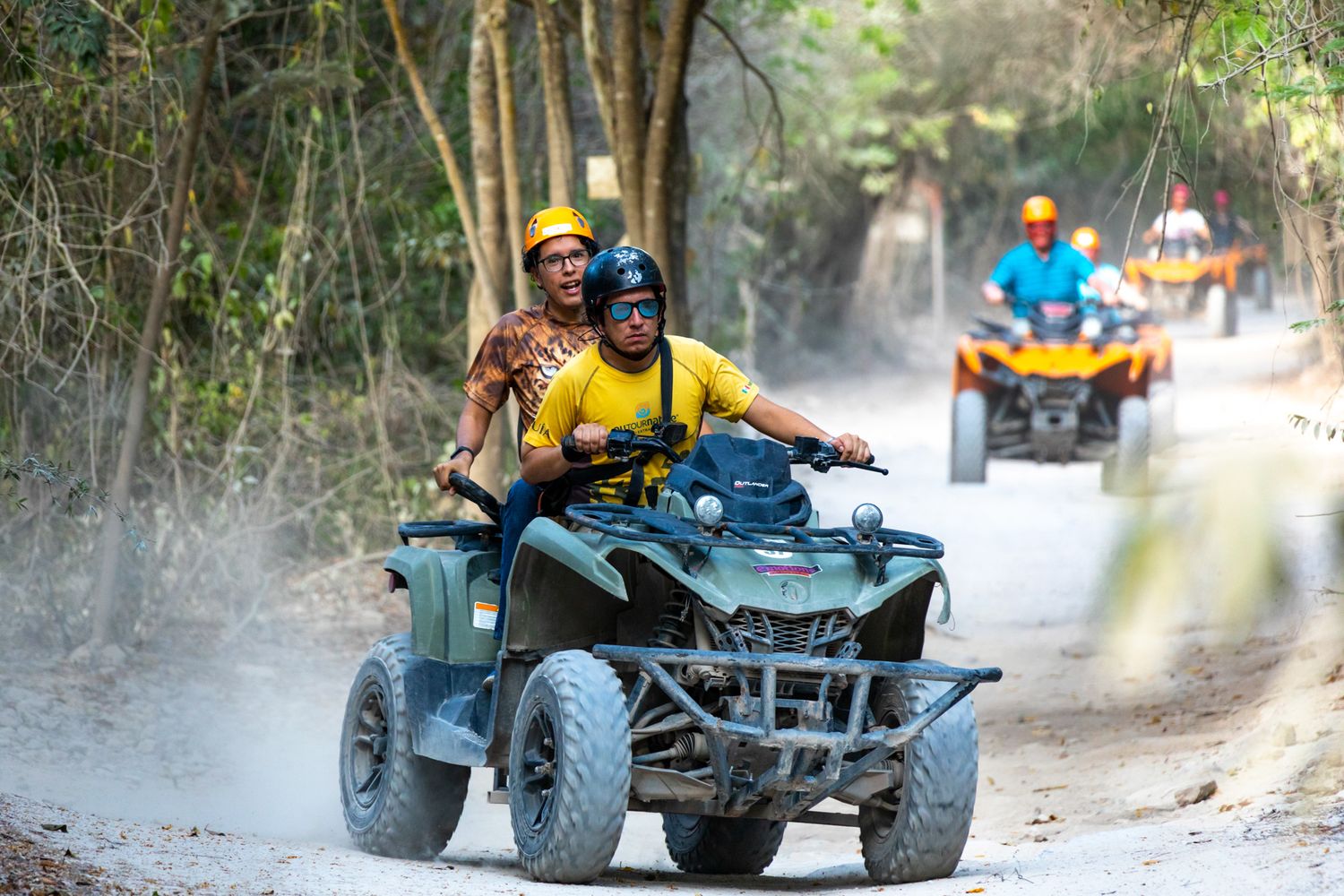
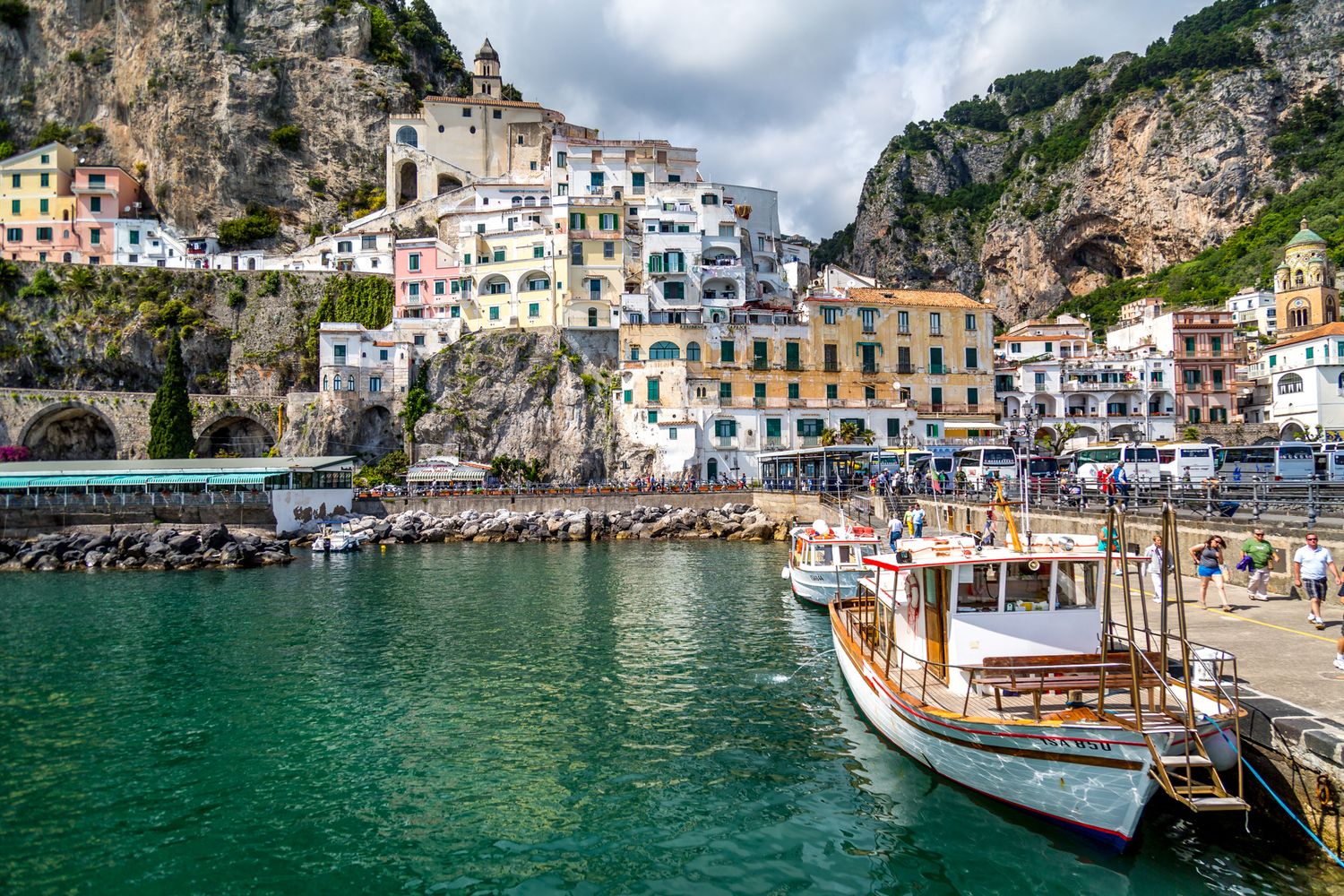
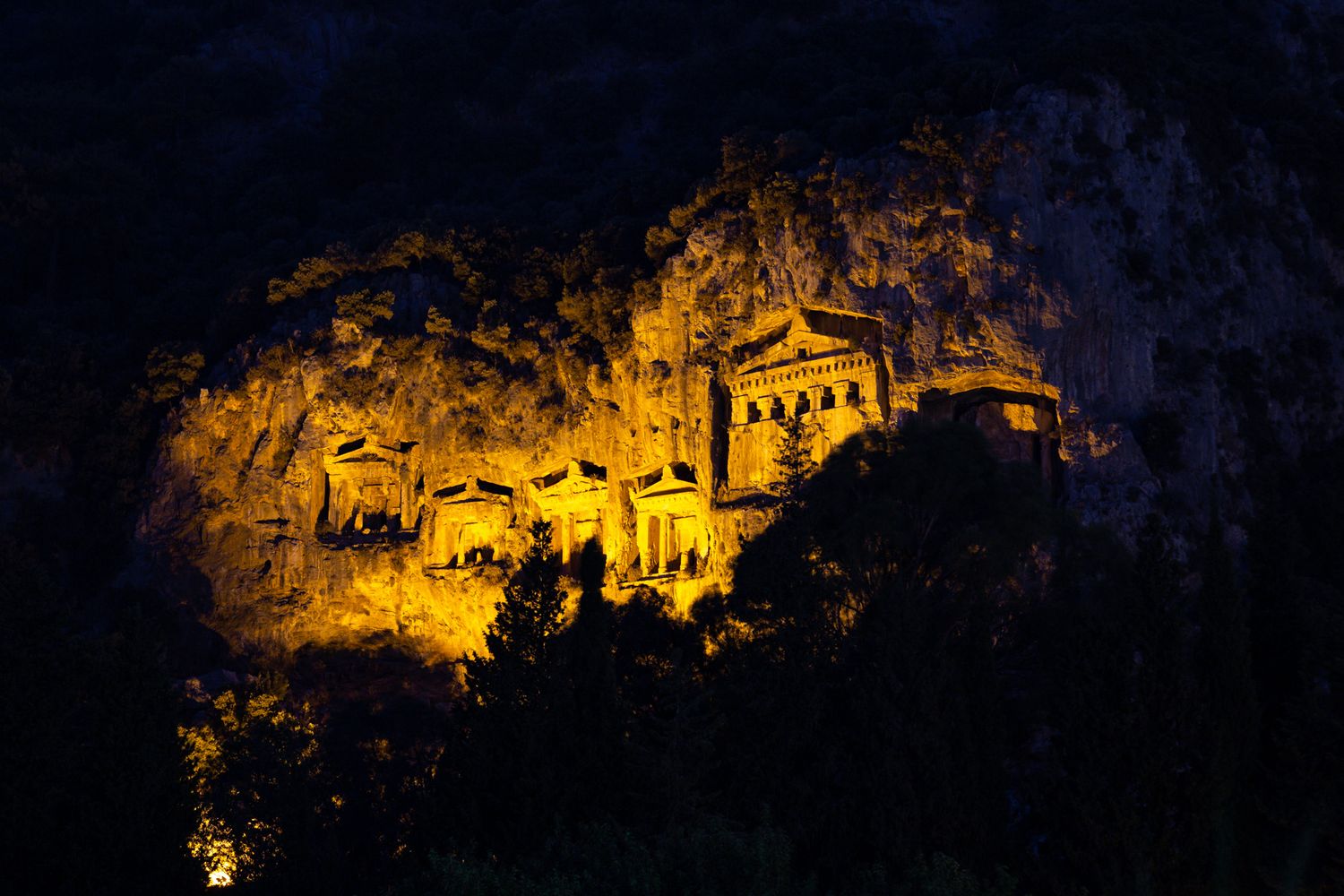
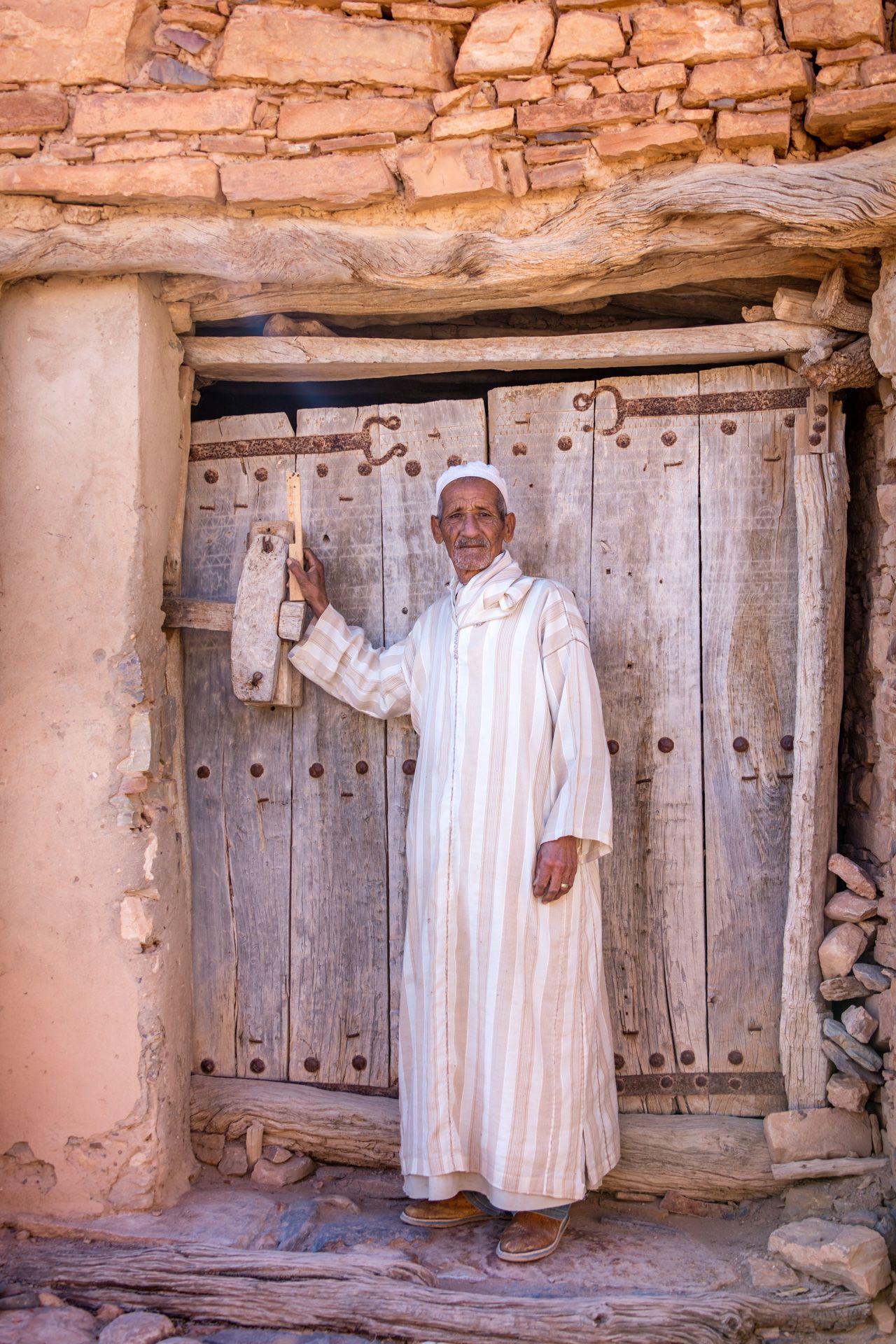
What a commercial travel photographer actually photographs
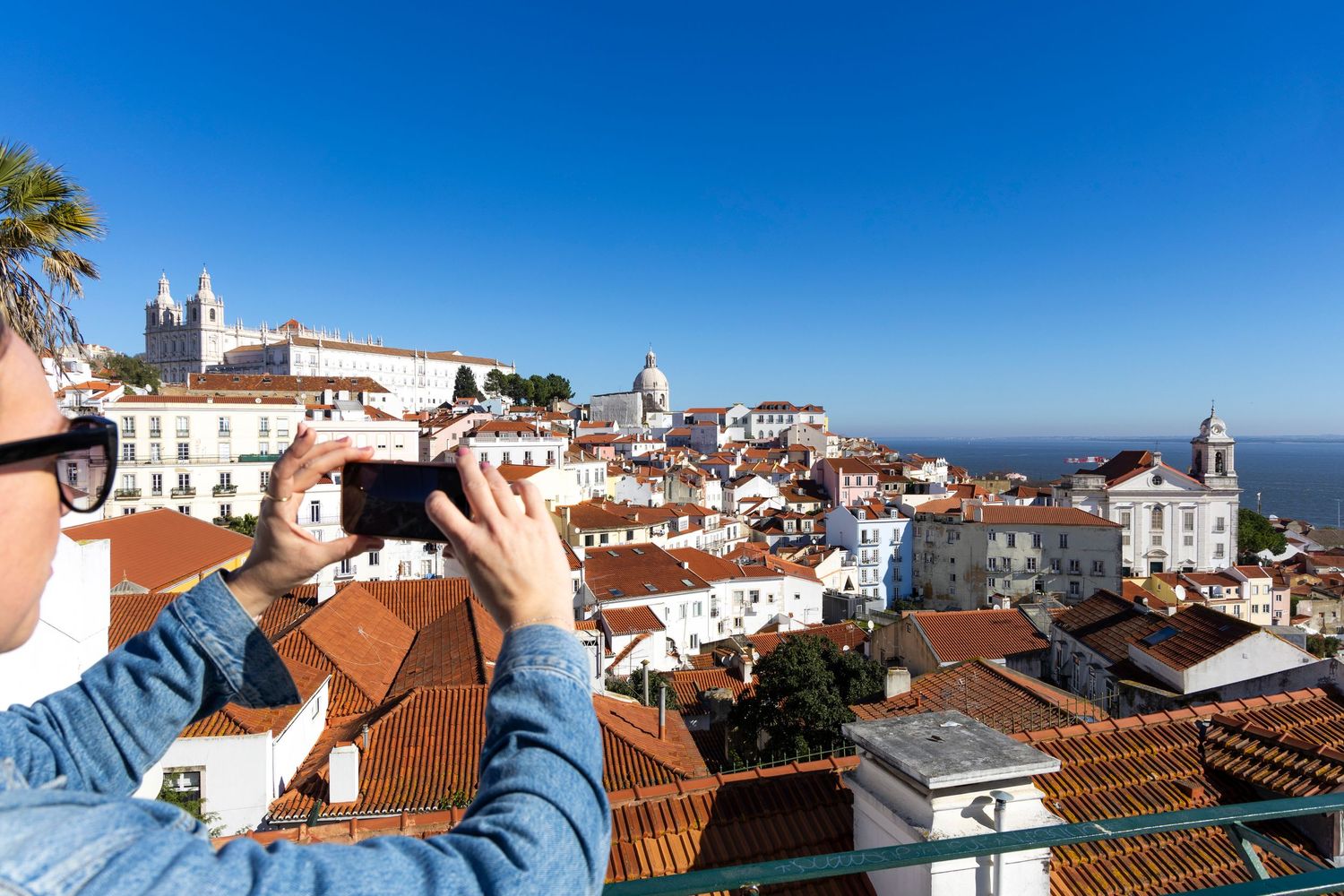
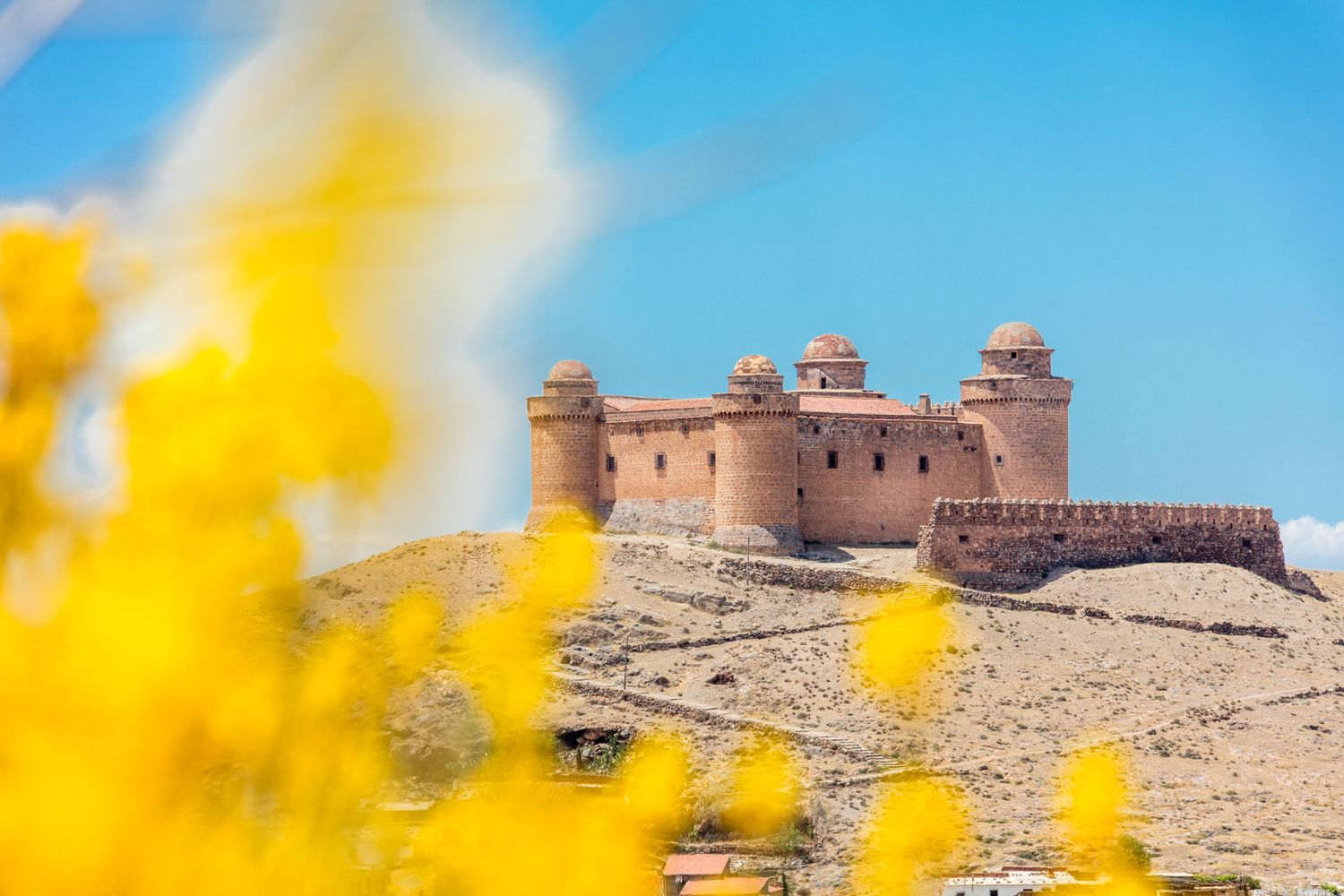
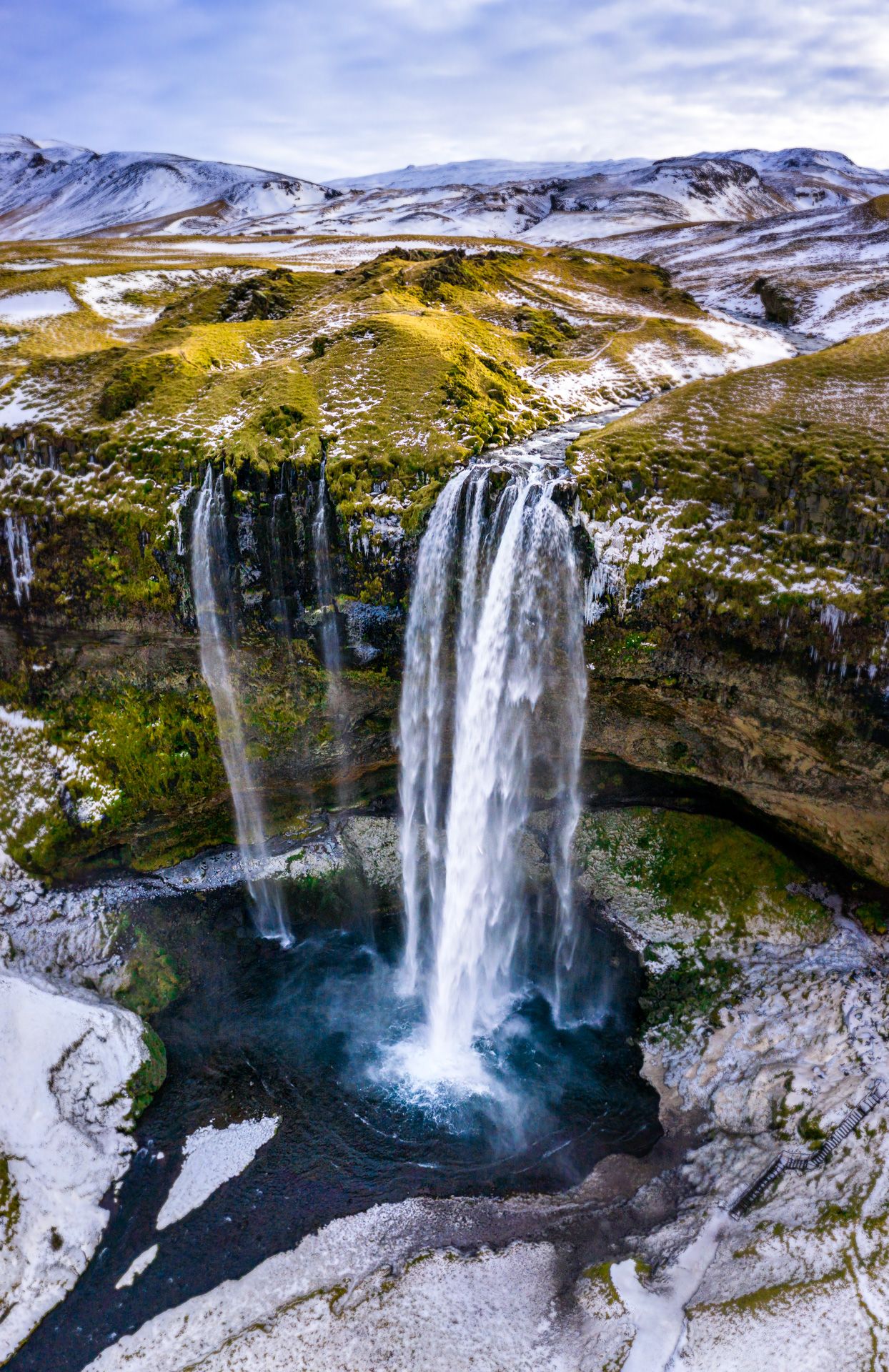
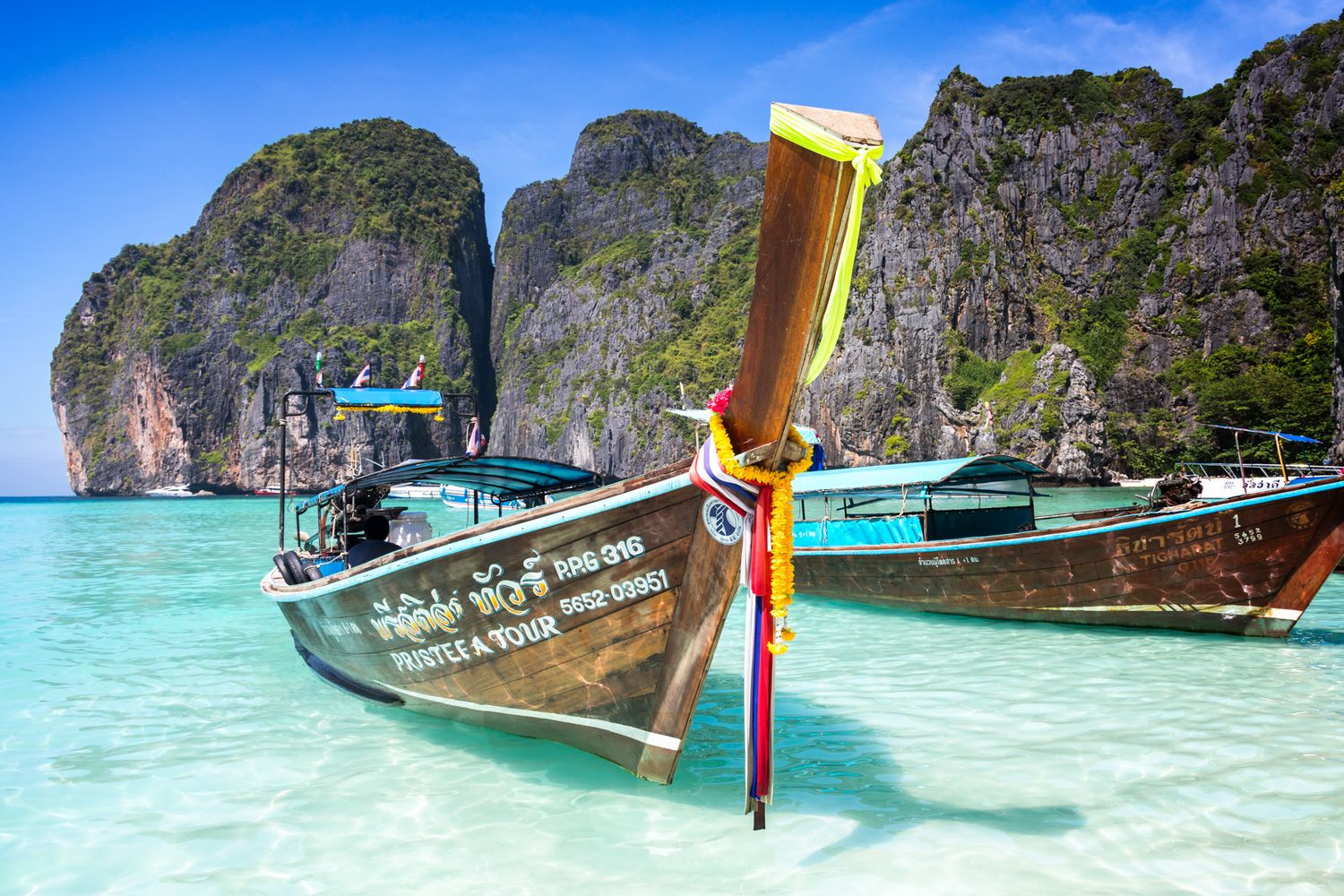
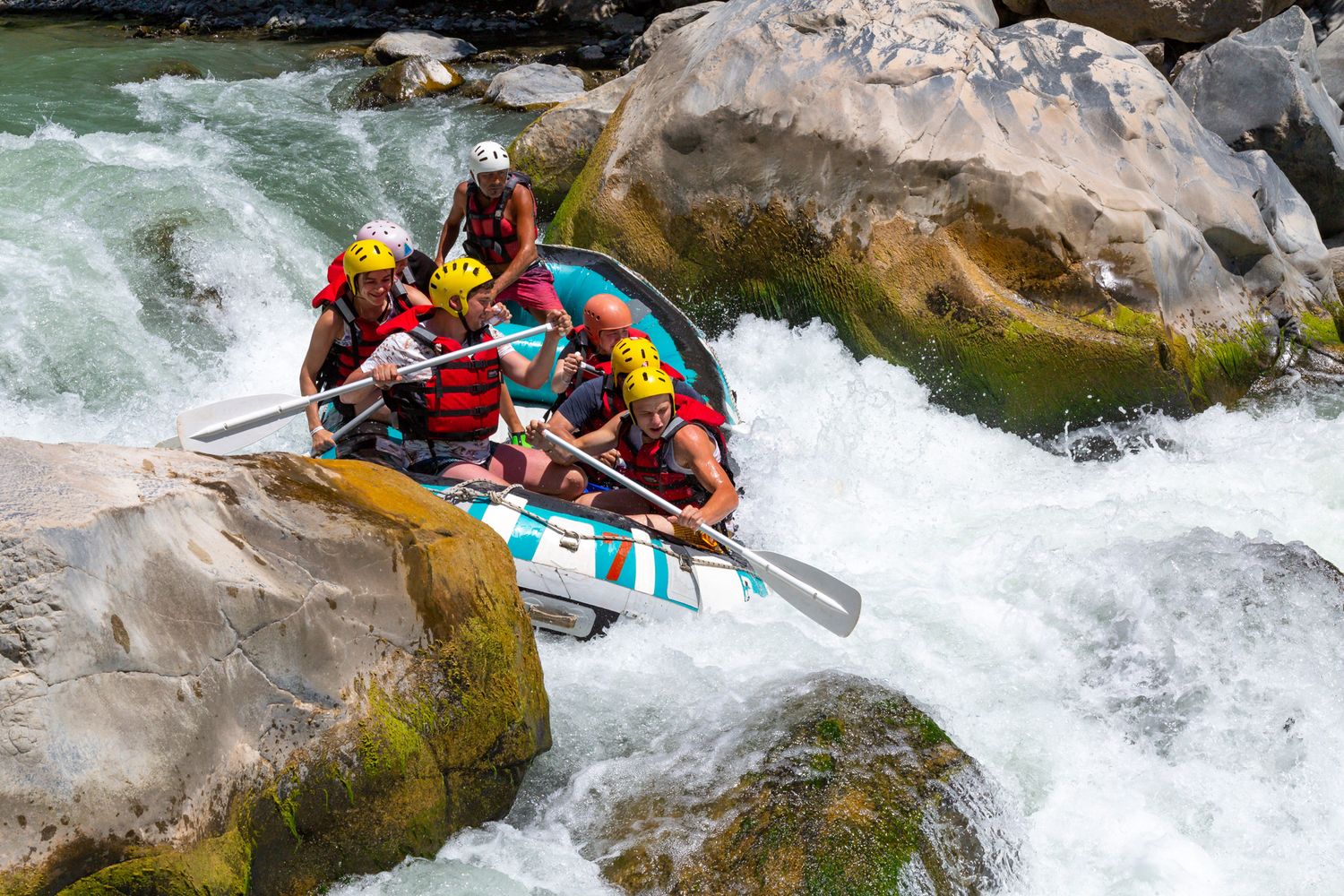
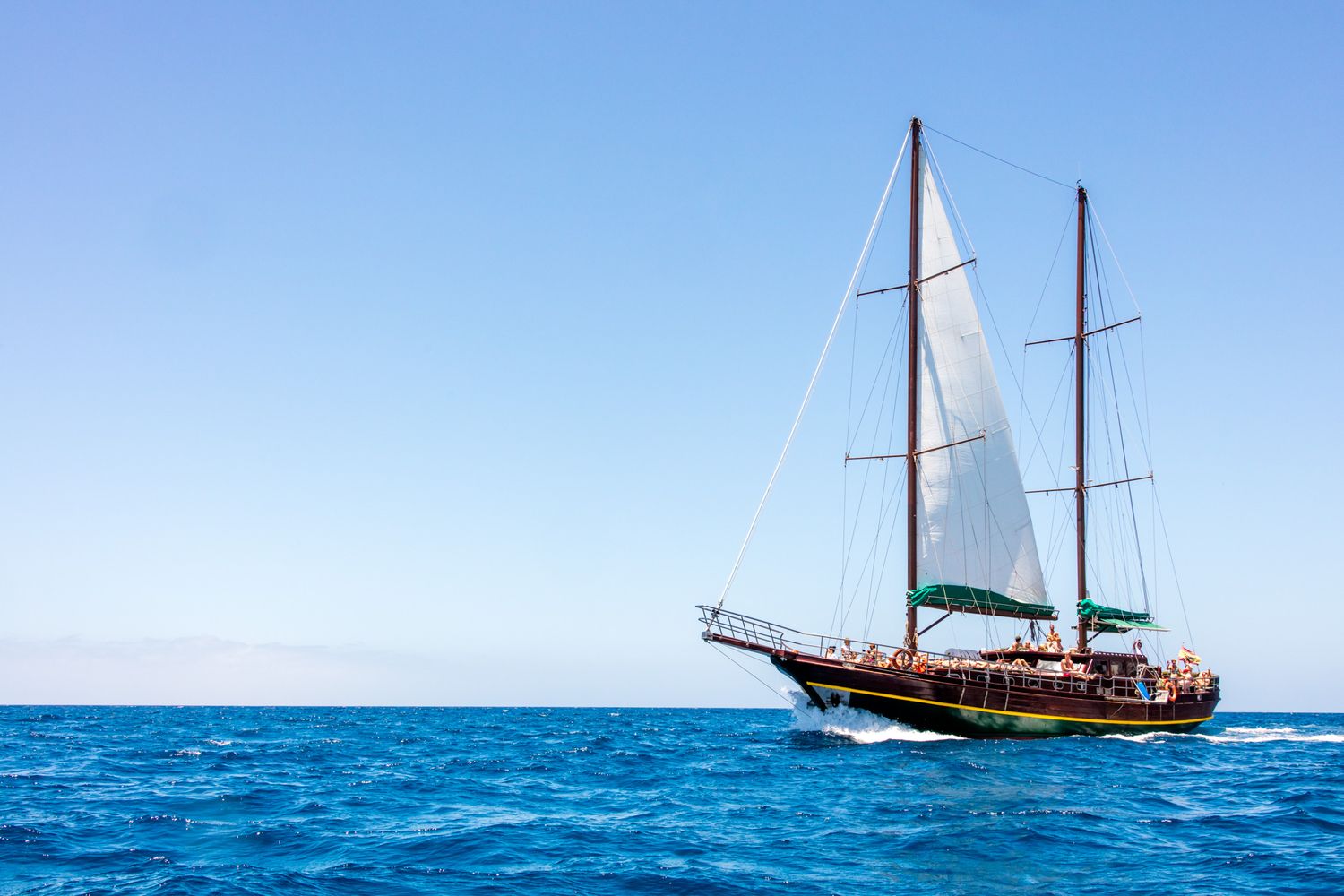
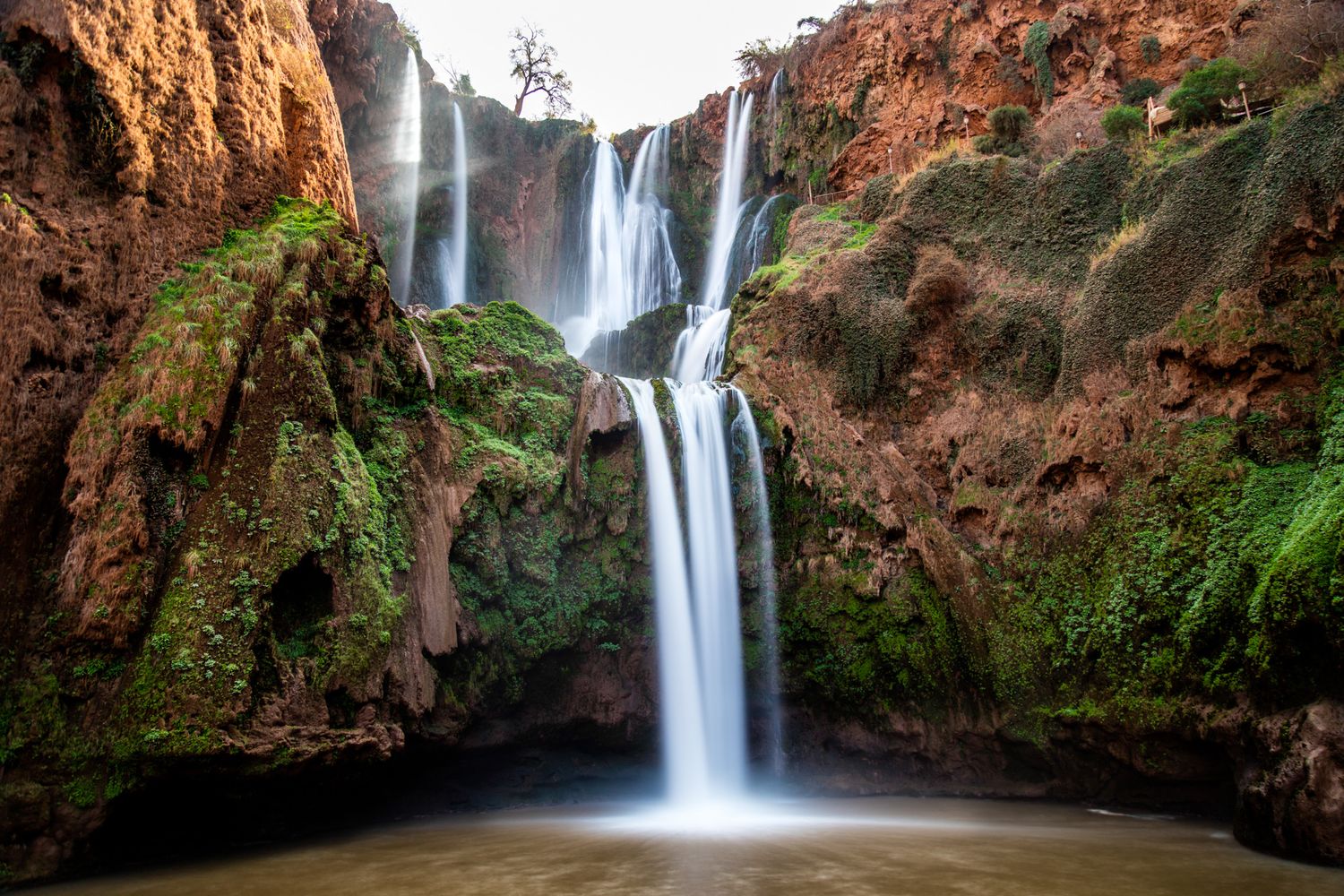
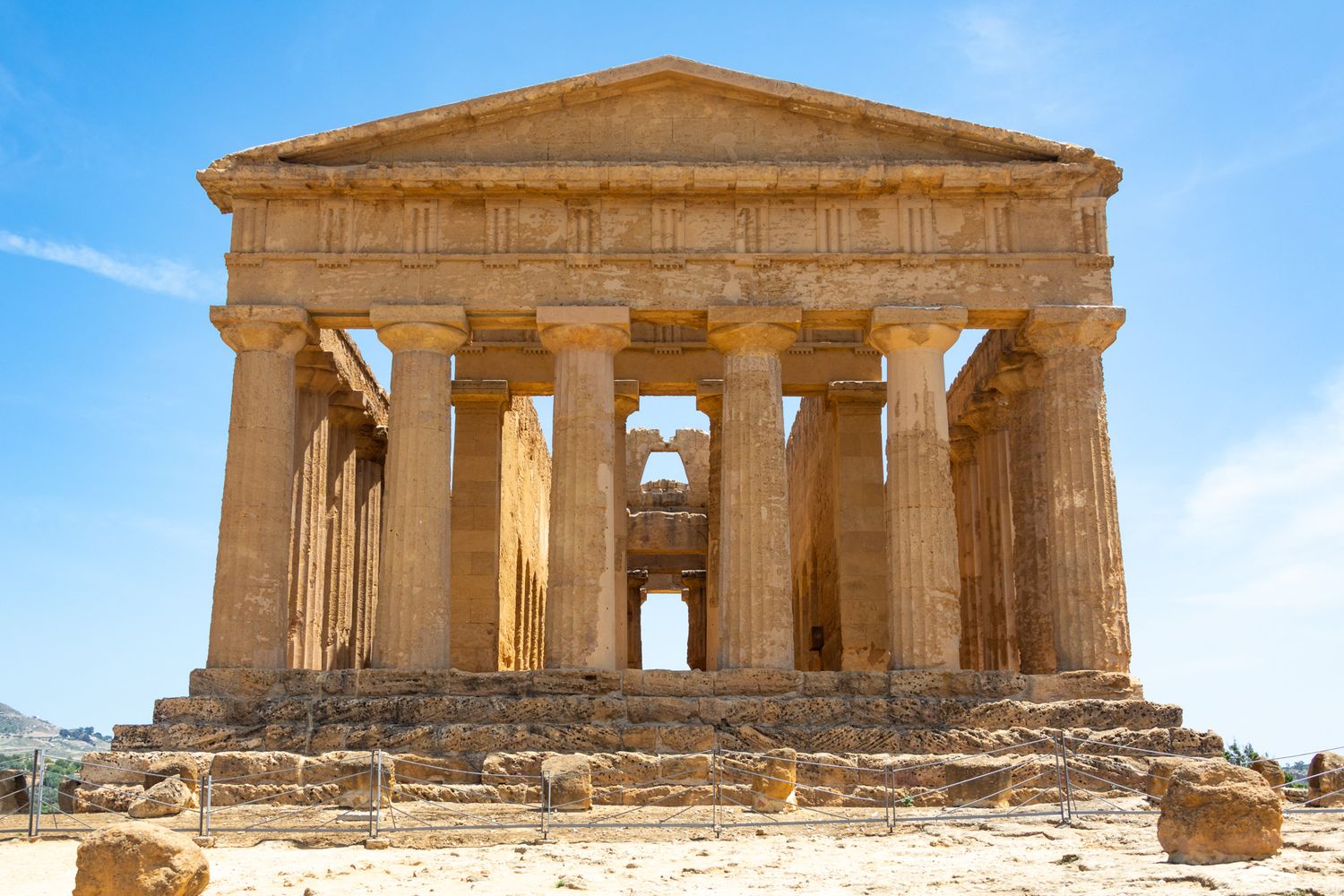
Commercial travel photography is much broader than landscape photography.
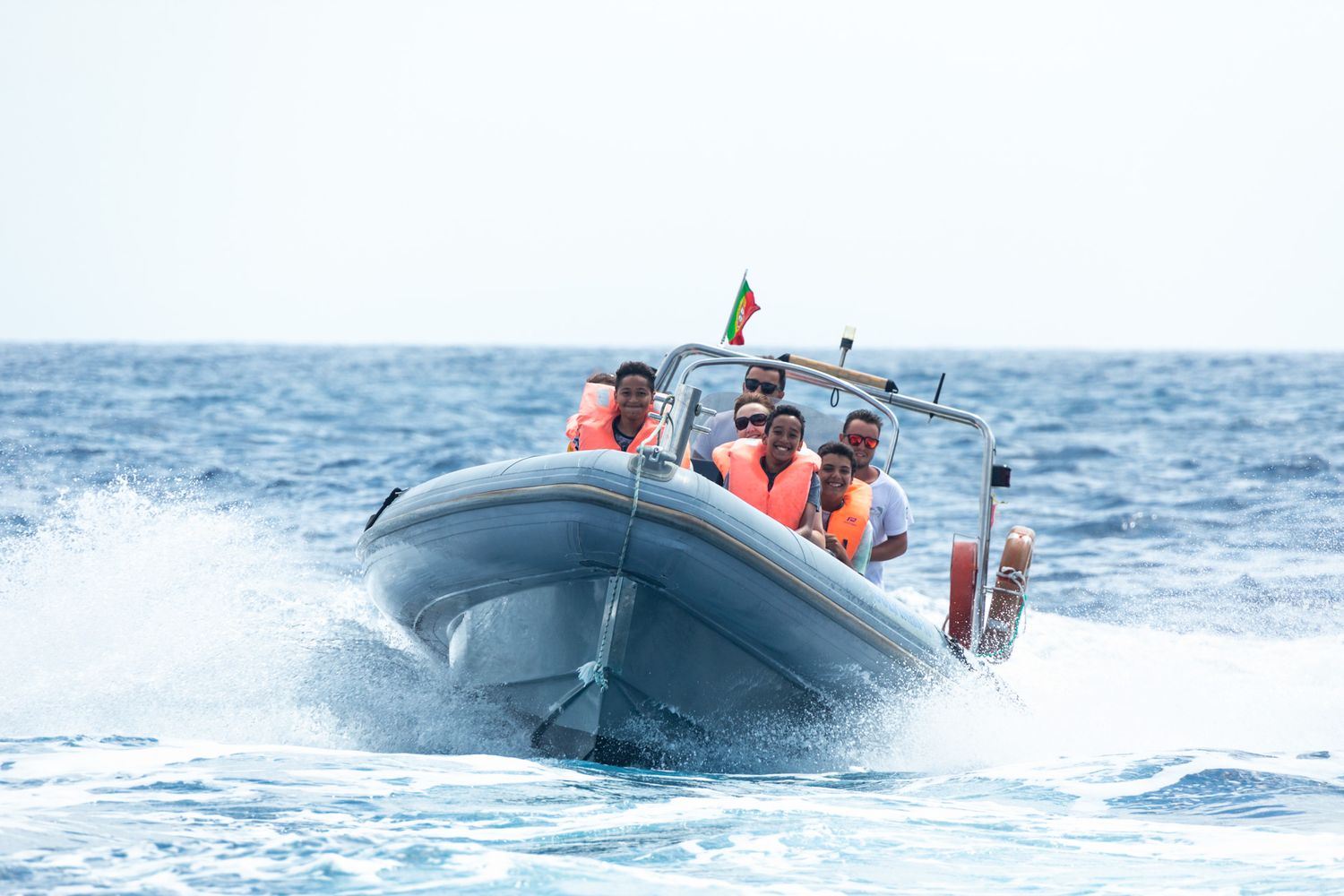
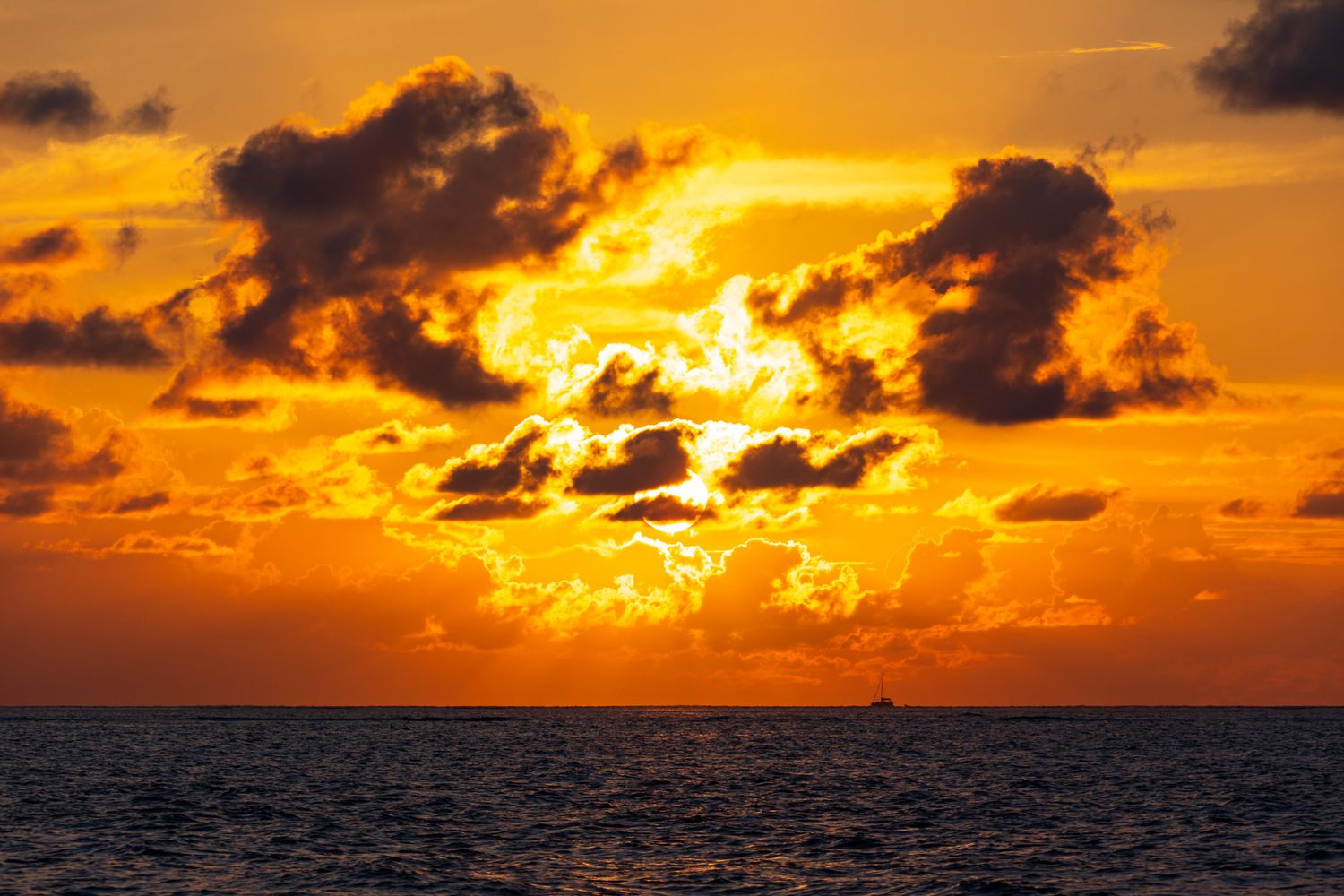
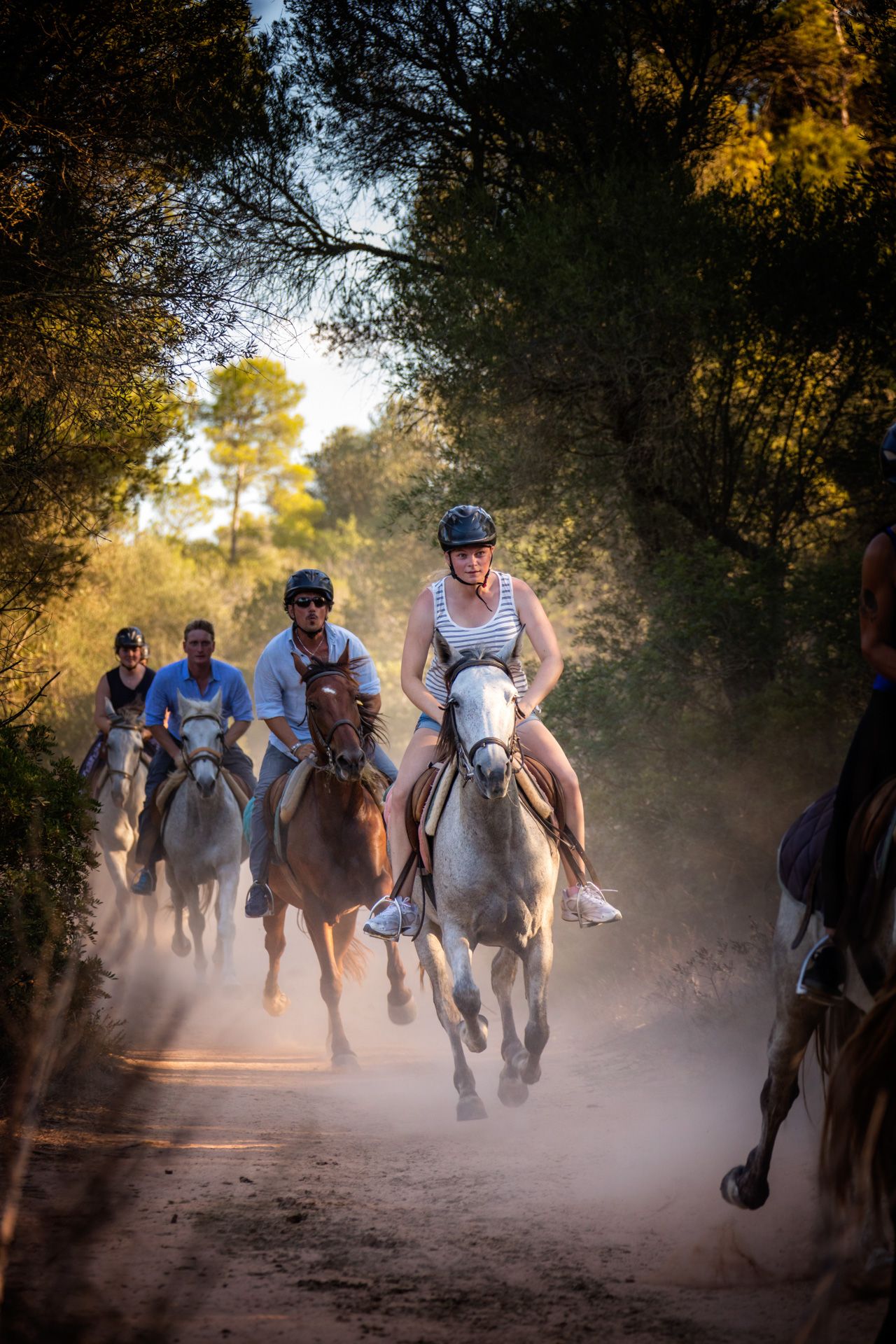
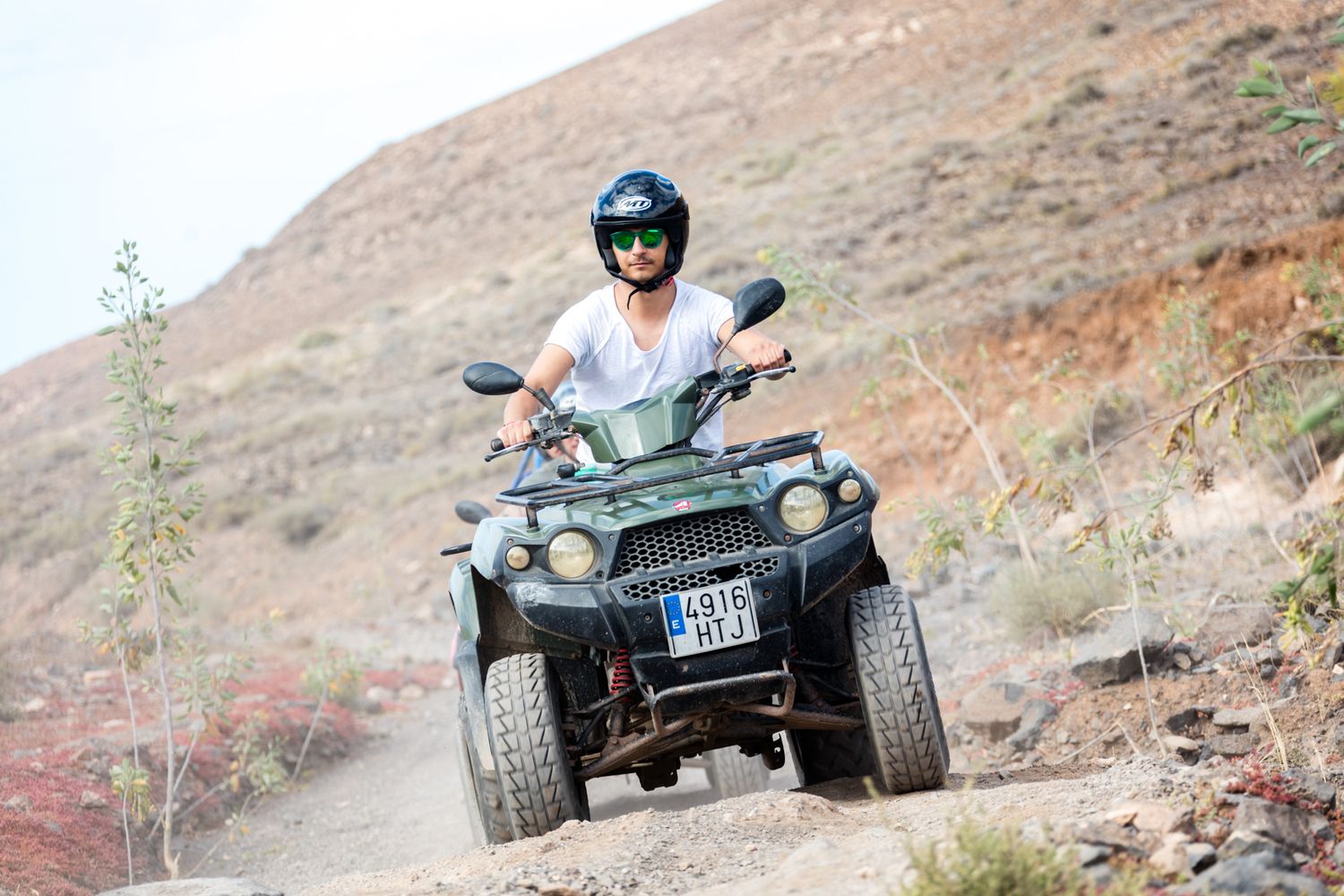
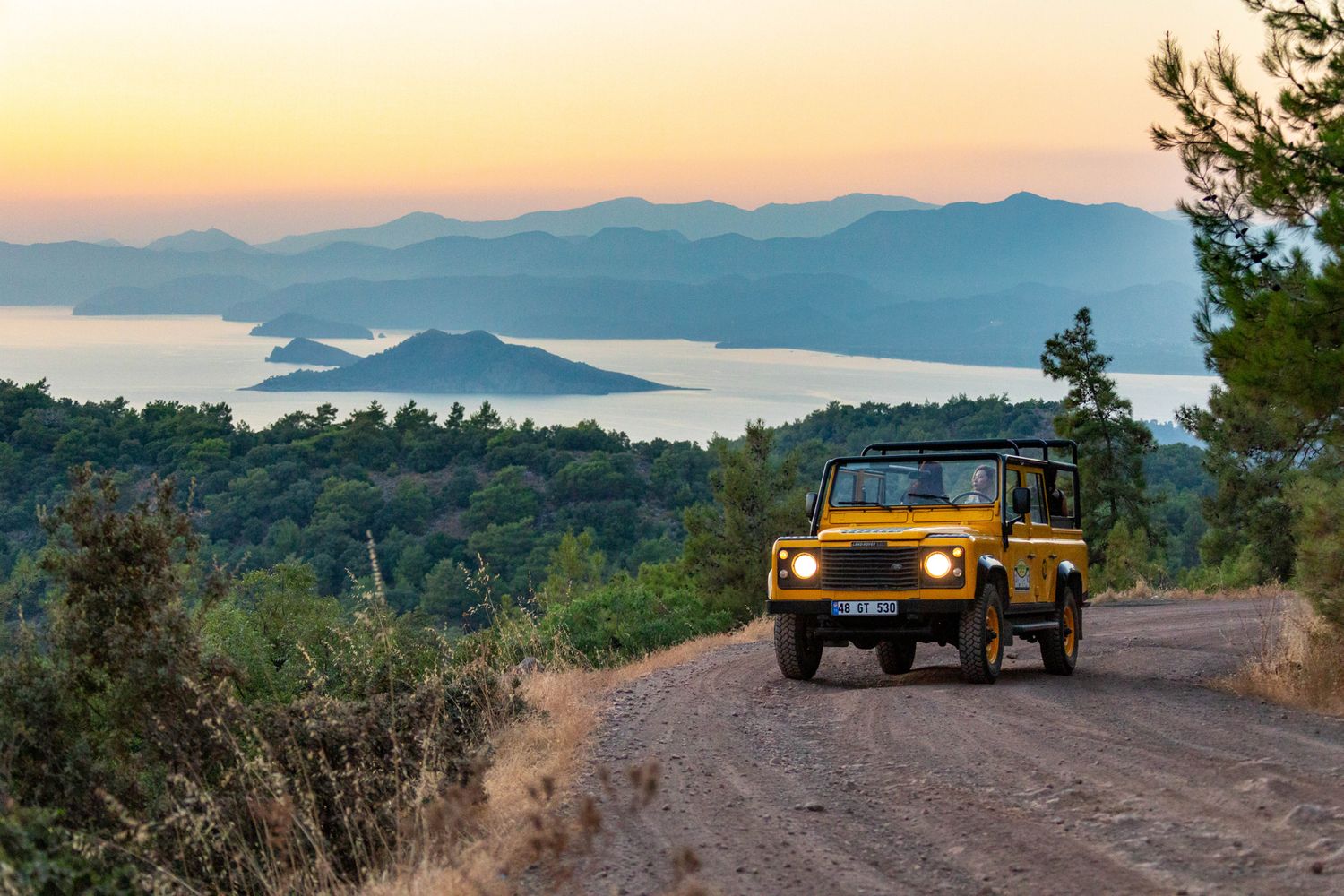
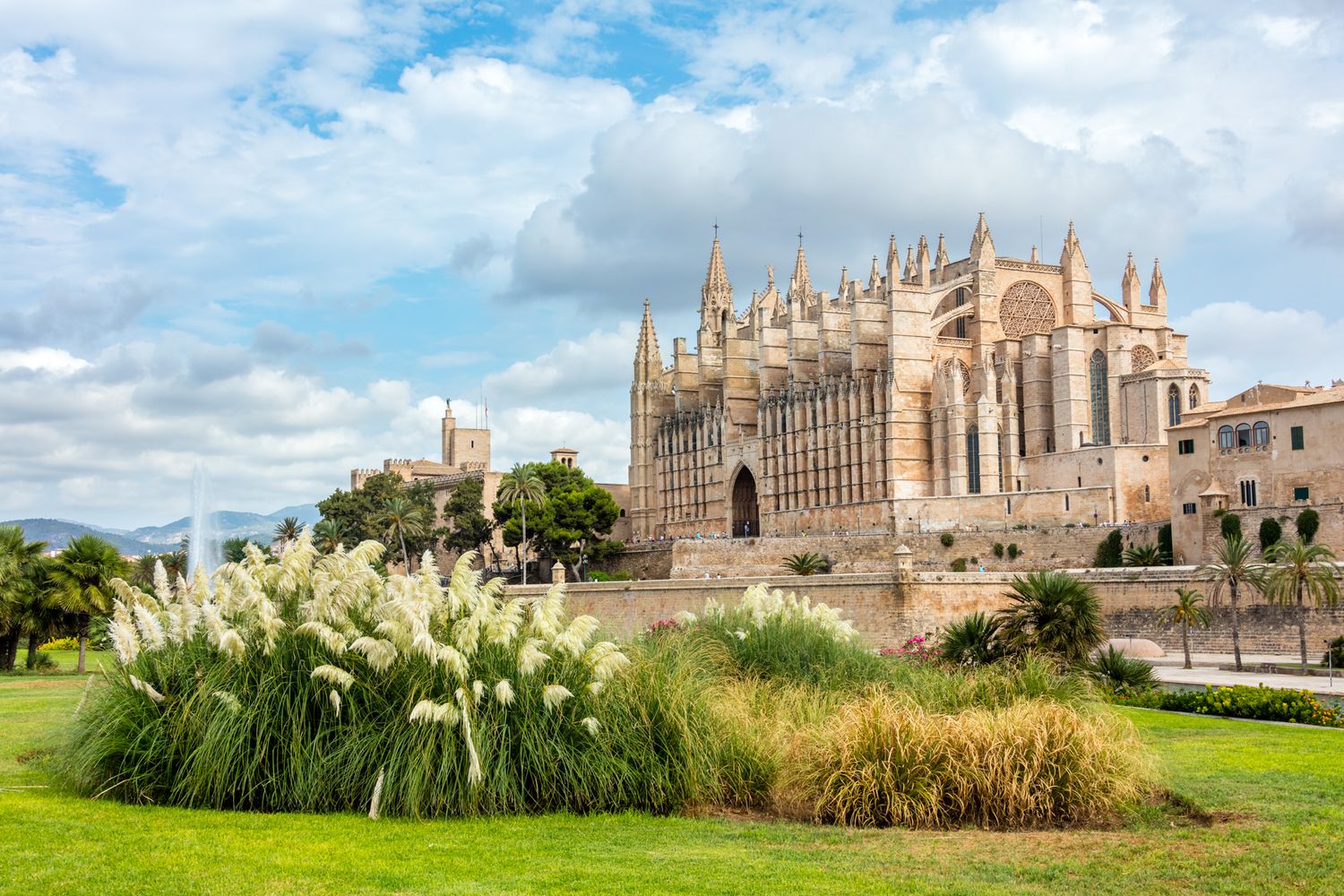
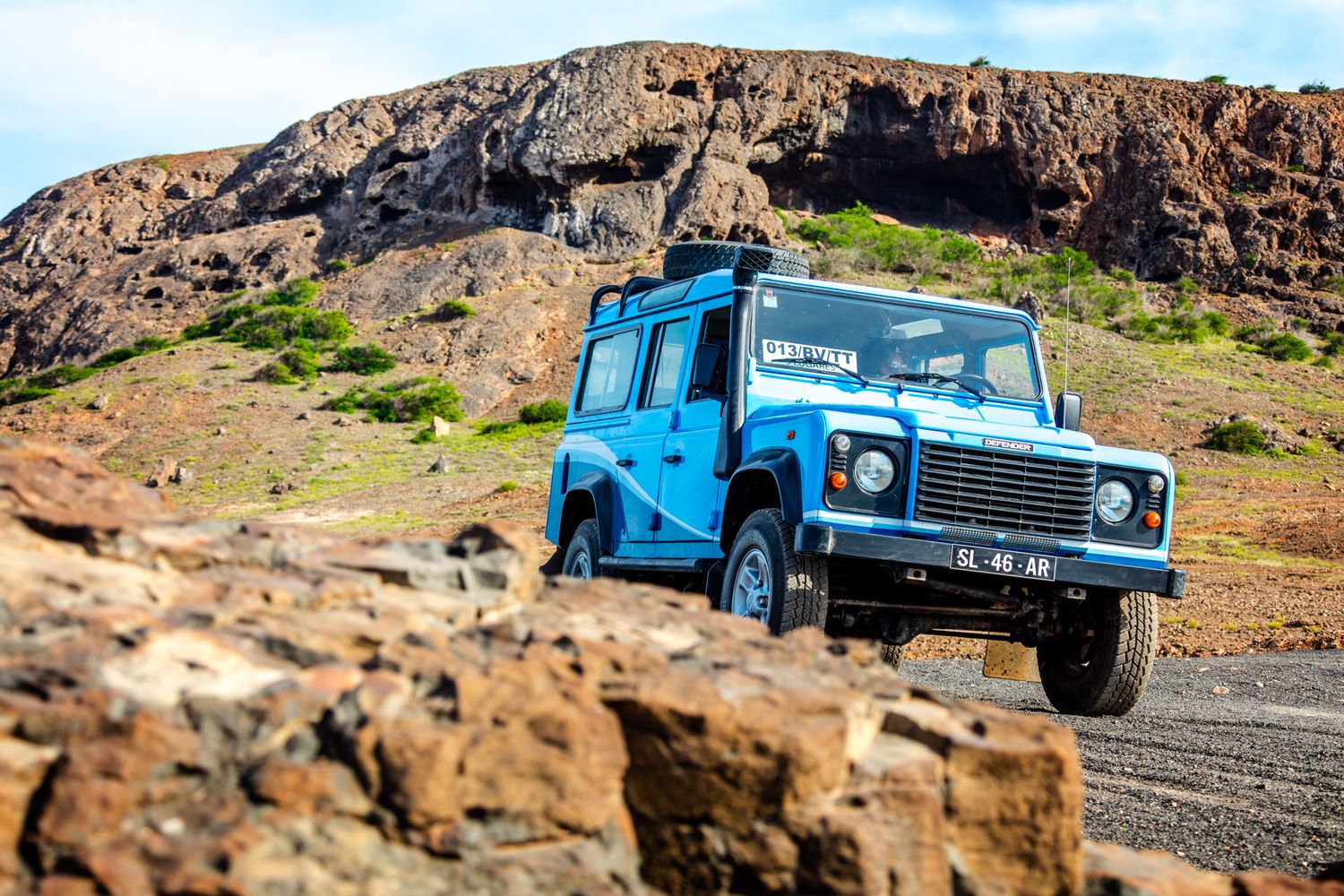
A travel company needs to show not only what a destination looks like, but also what customers can experience there.
My work included:
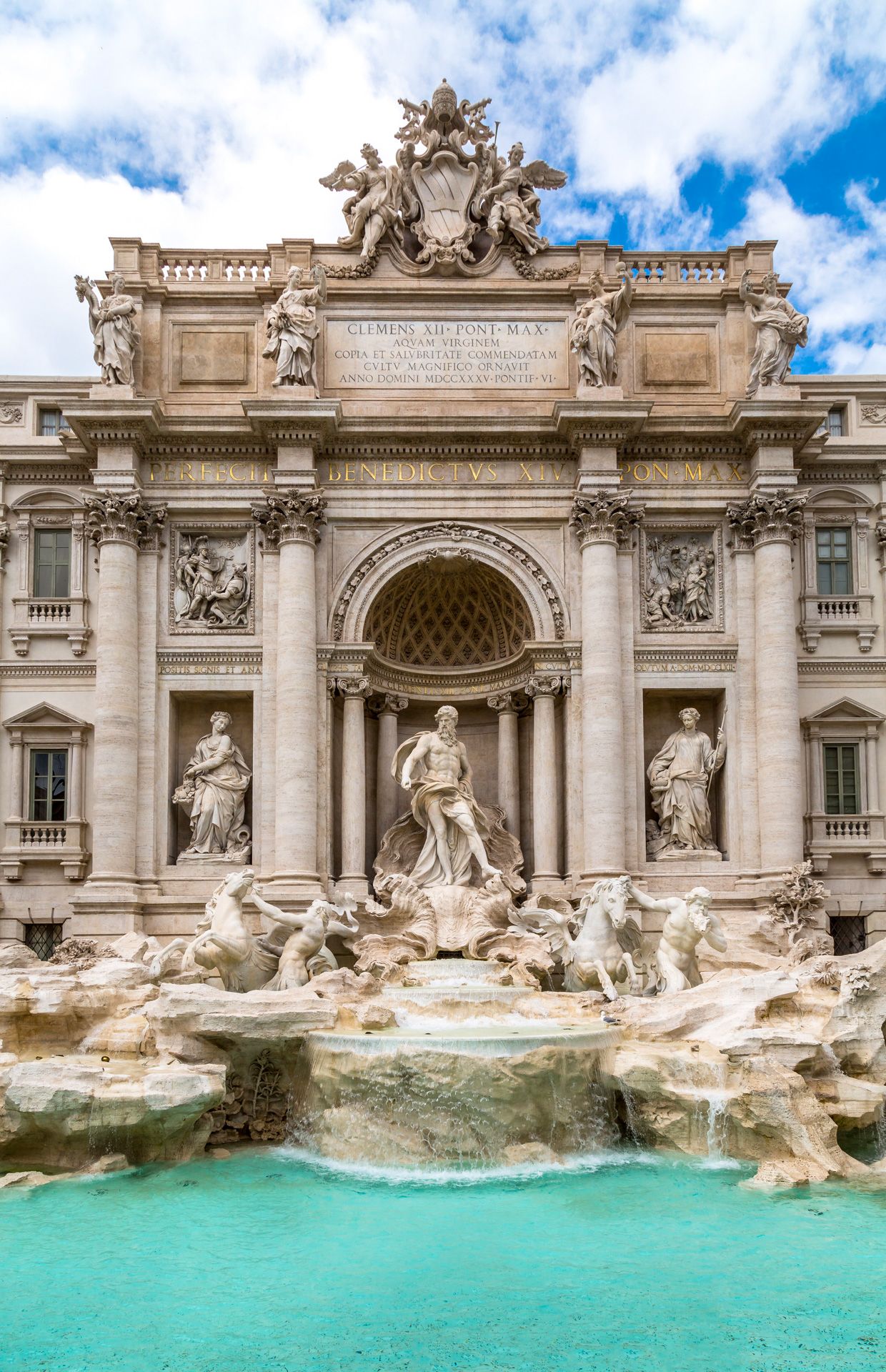
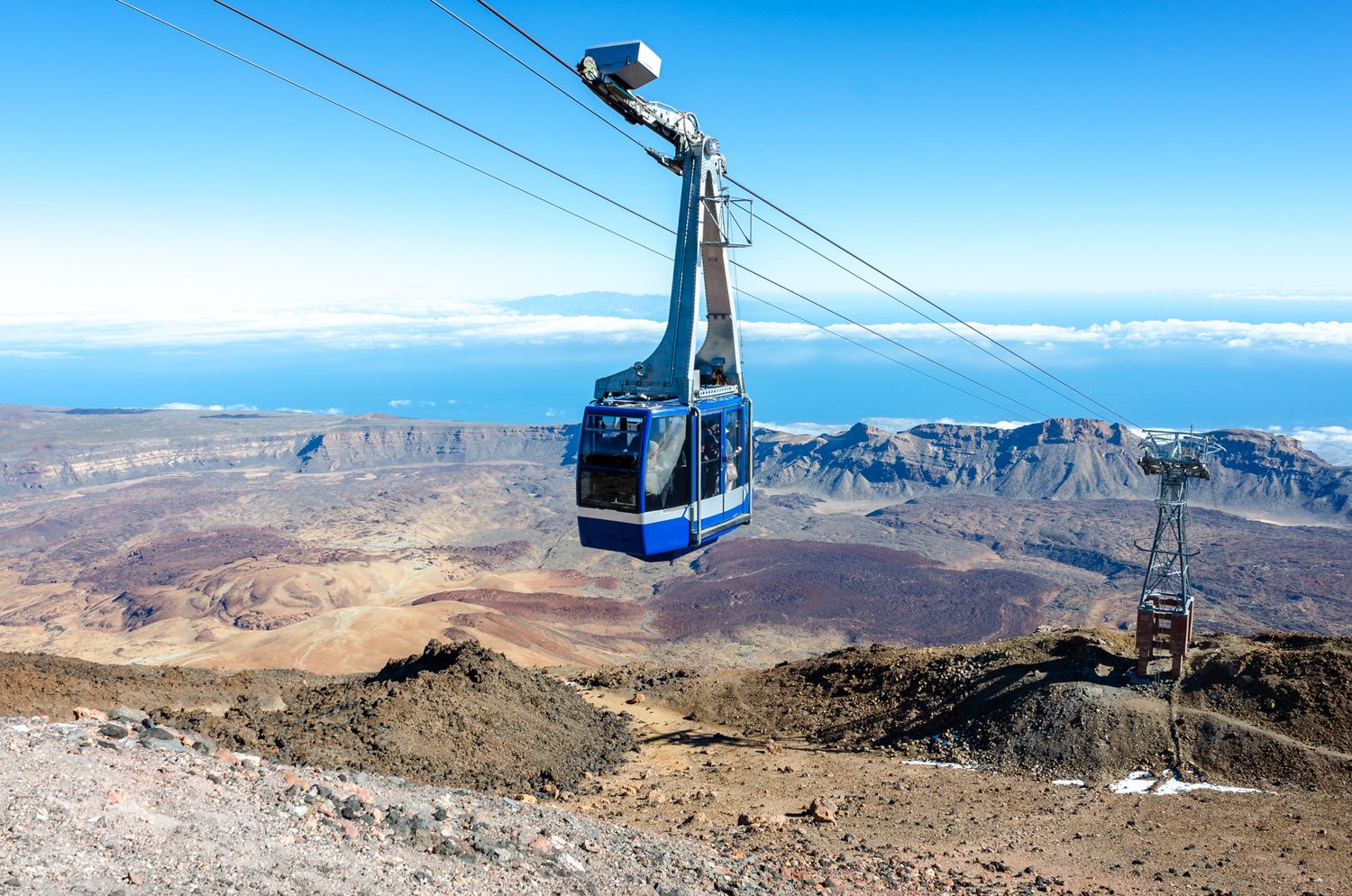
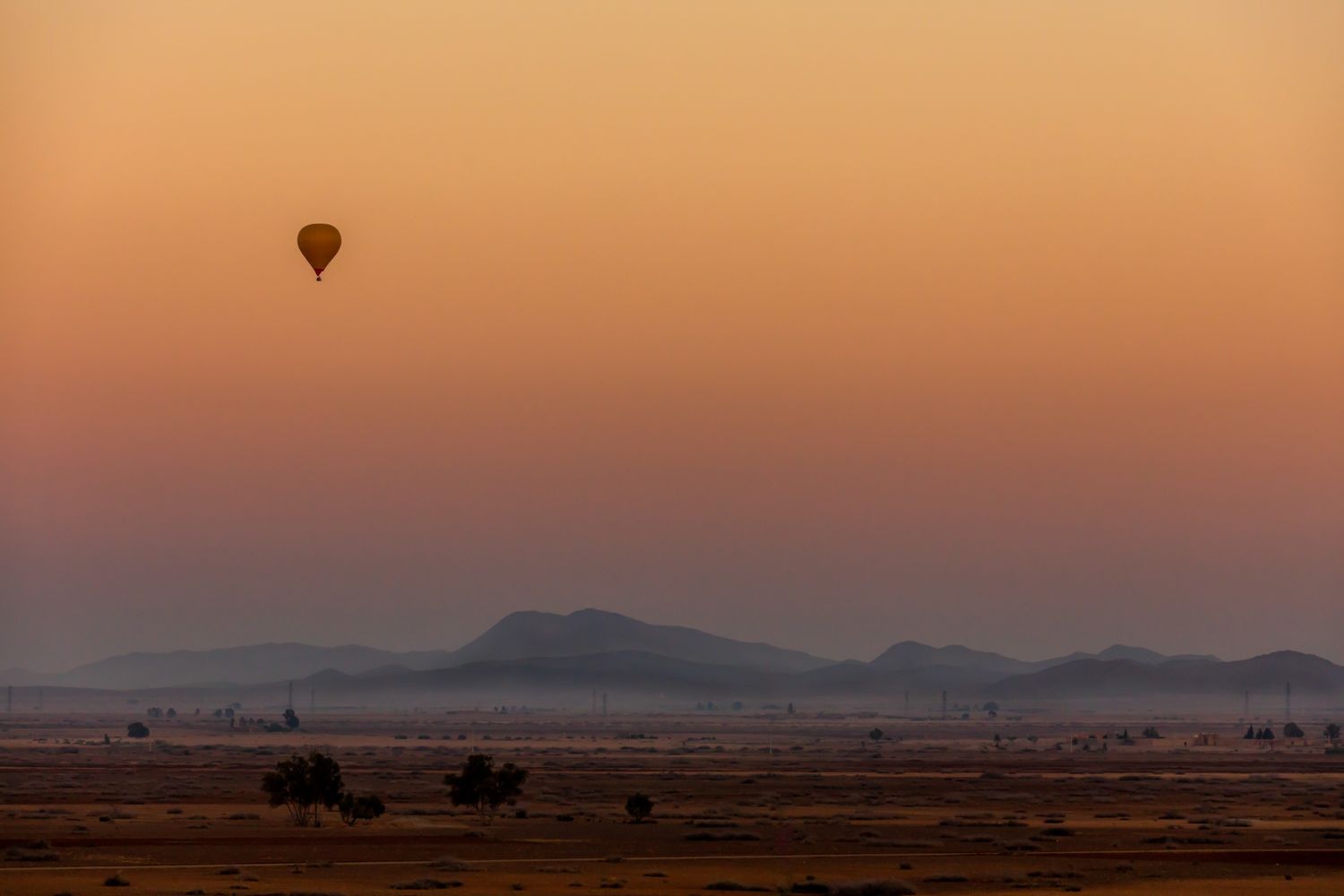
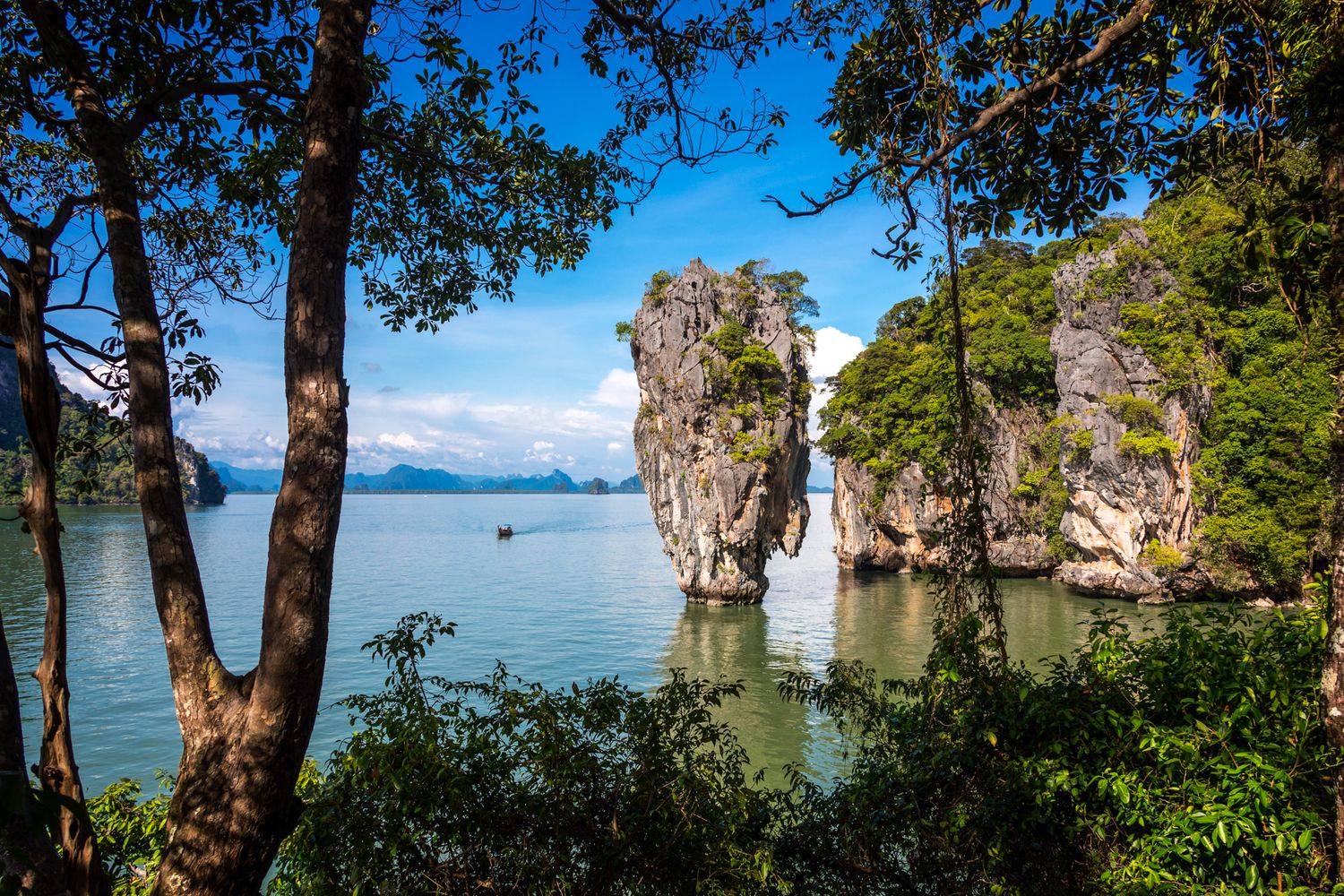
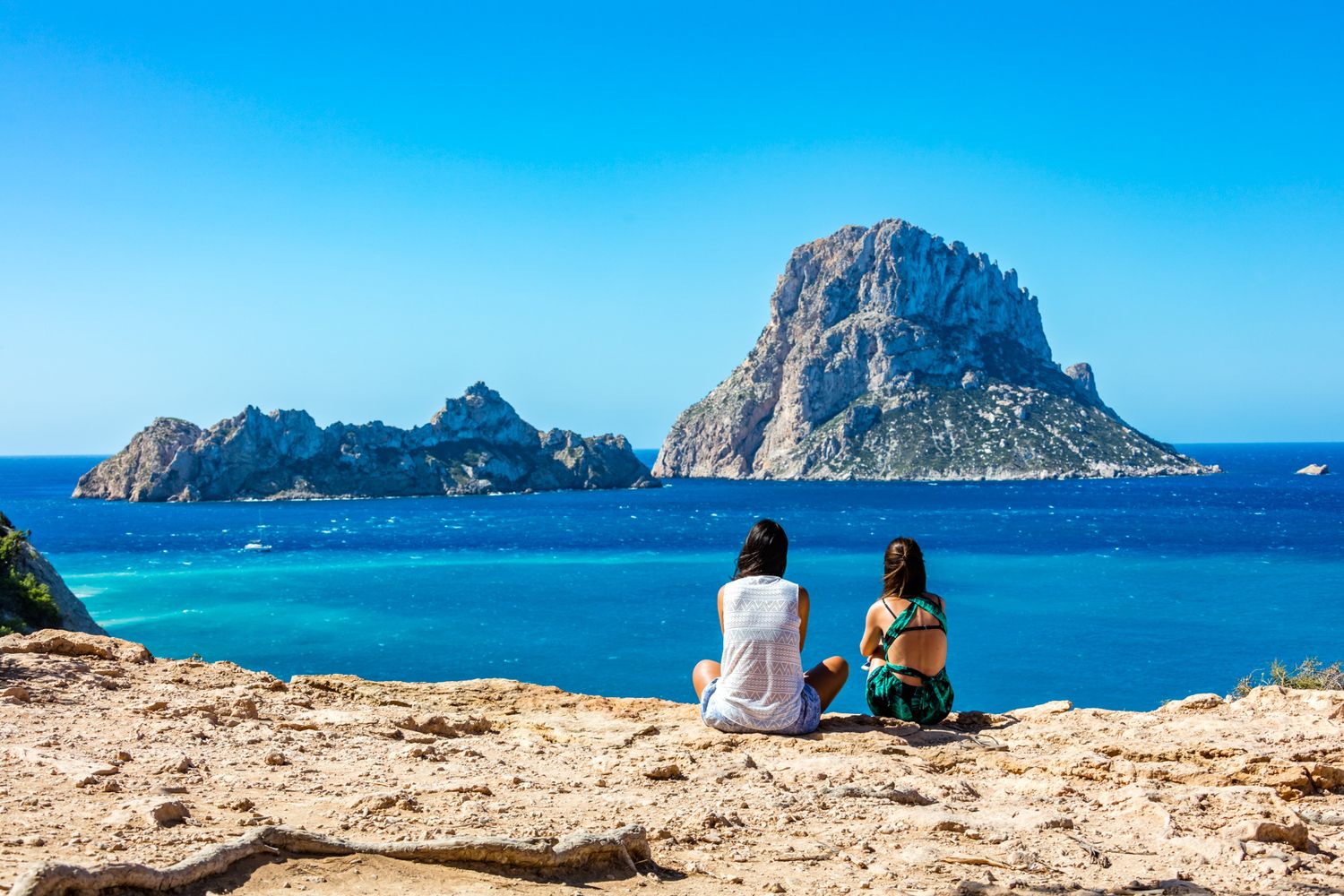
- Destination photography
- Hotels and accommodation
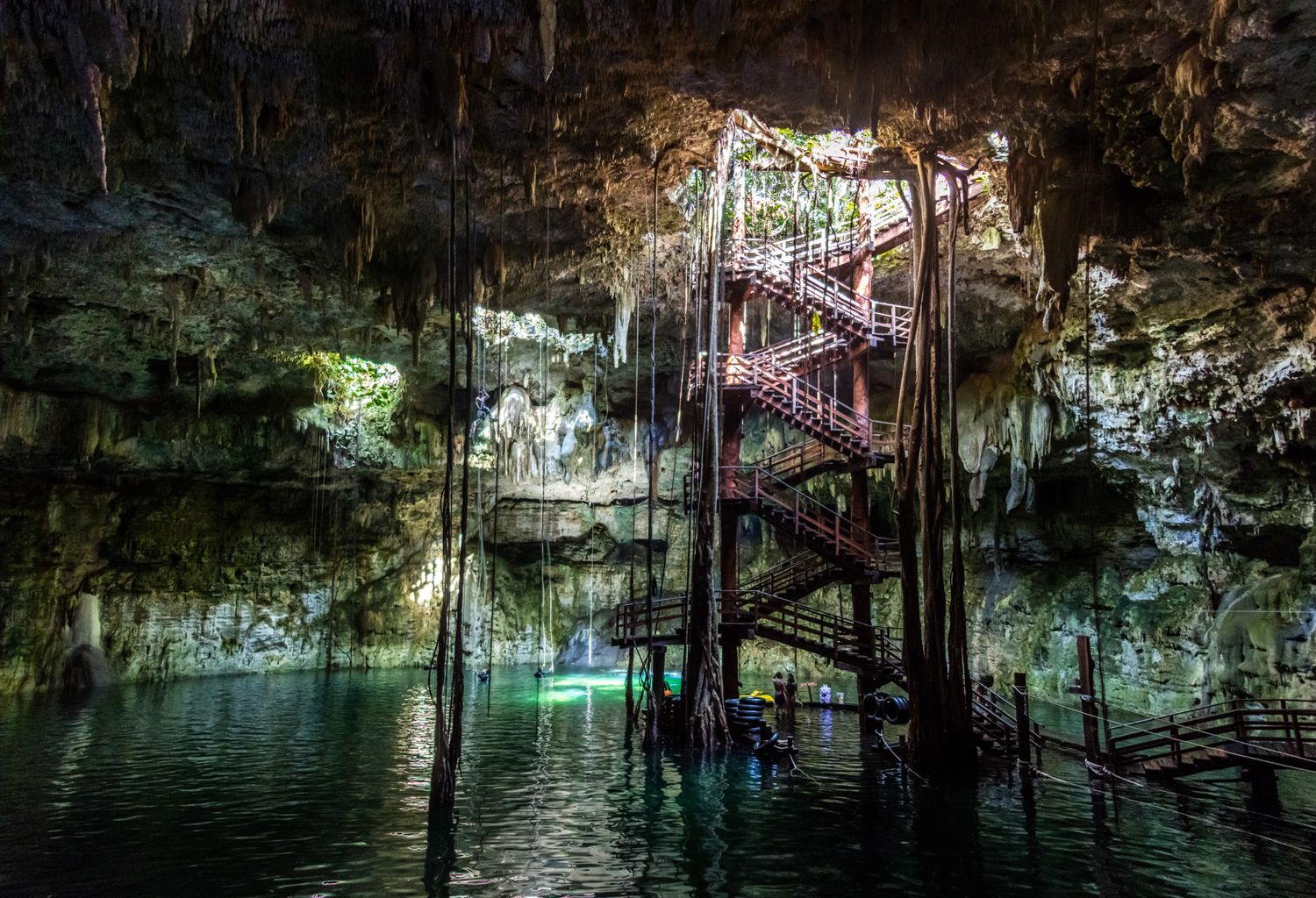
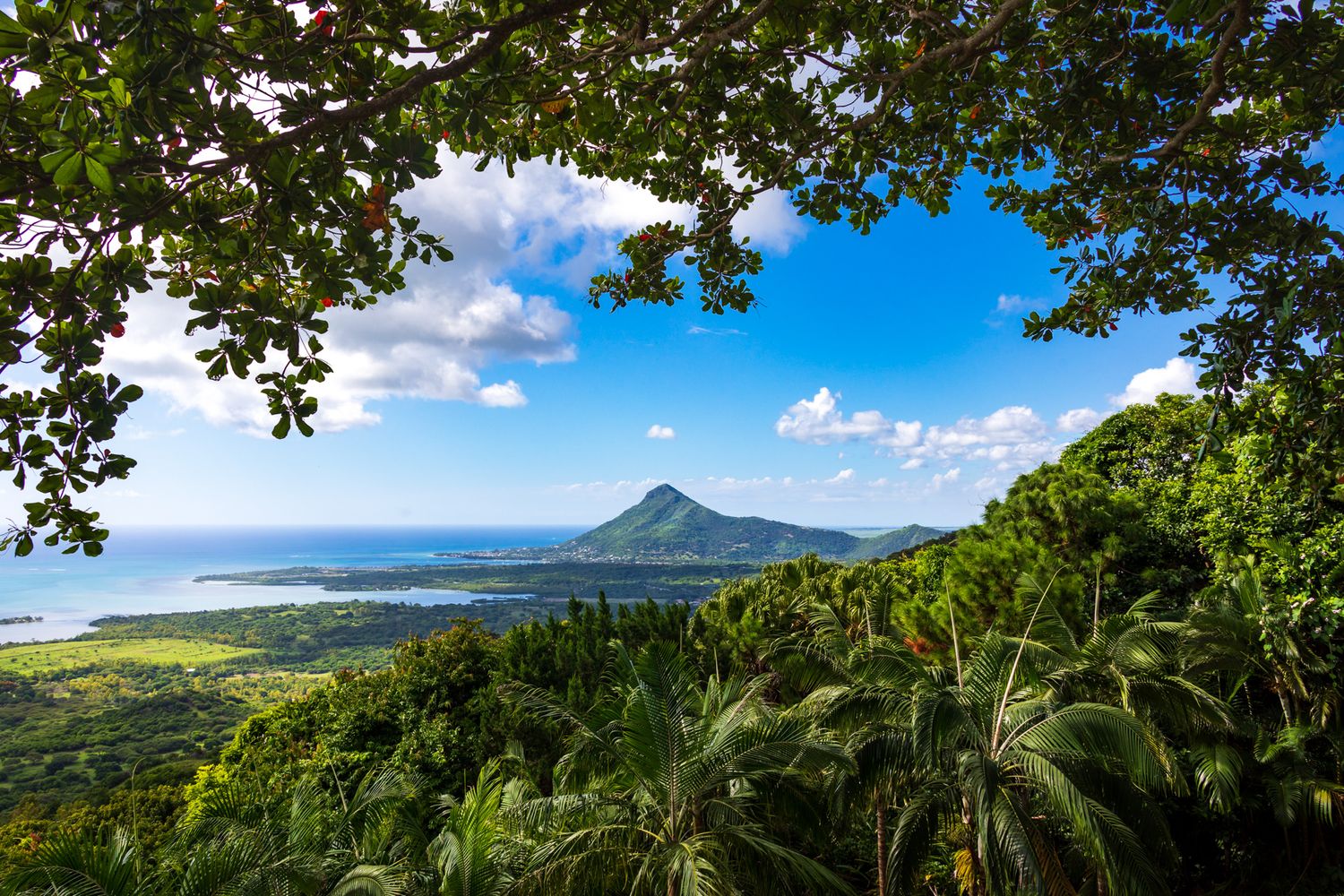
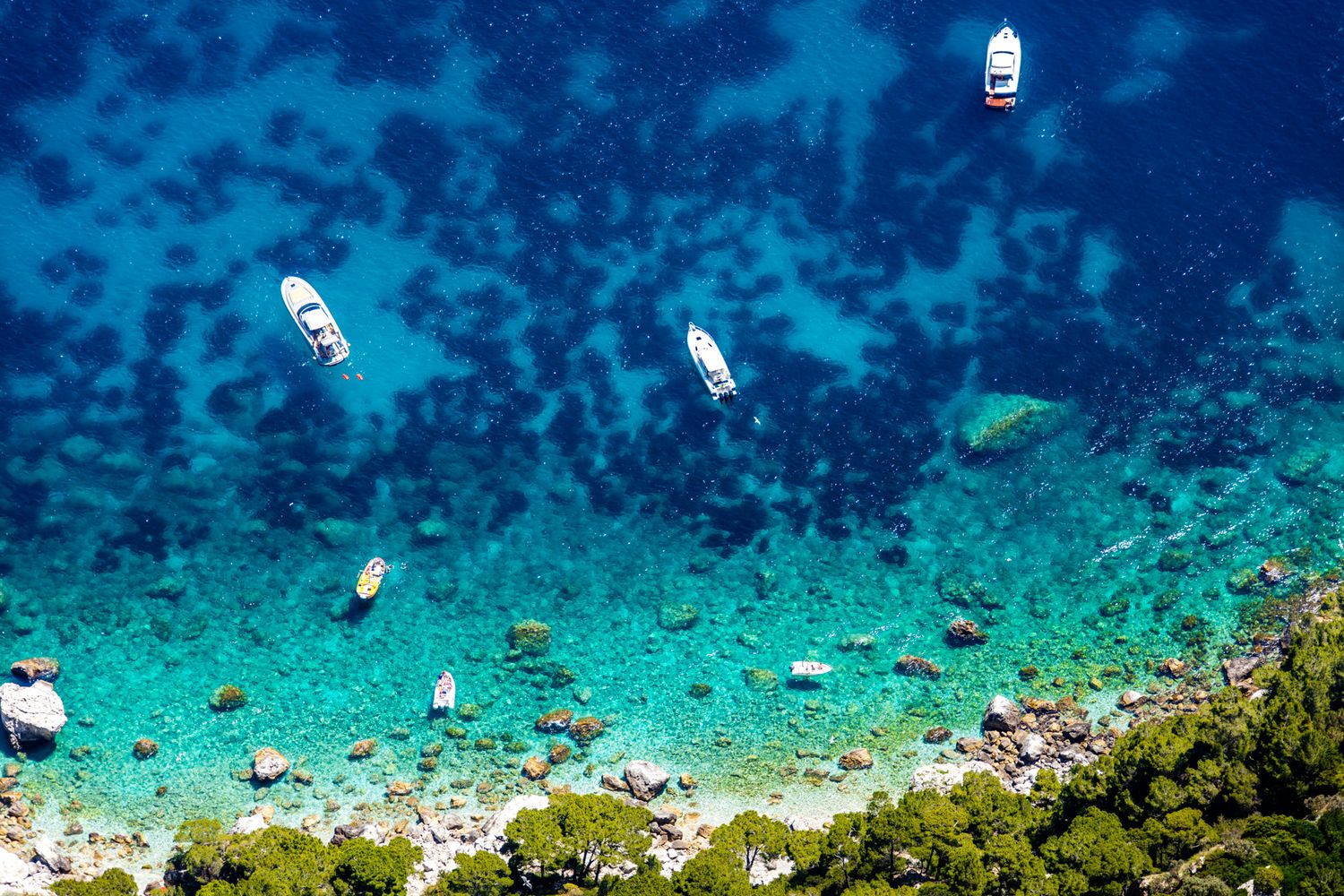
- Beaches, towns and landscapes
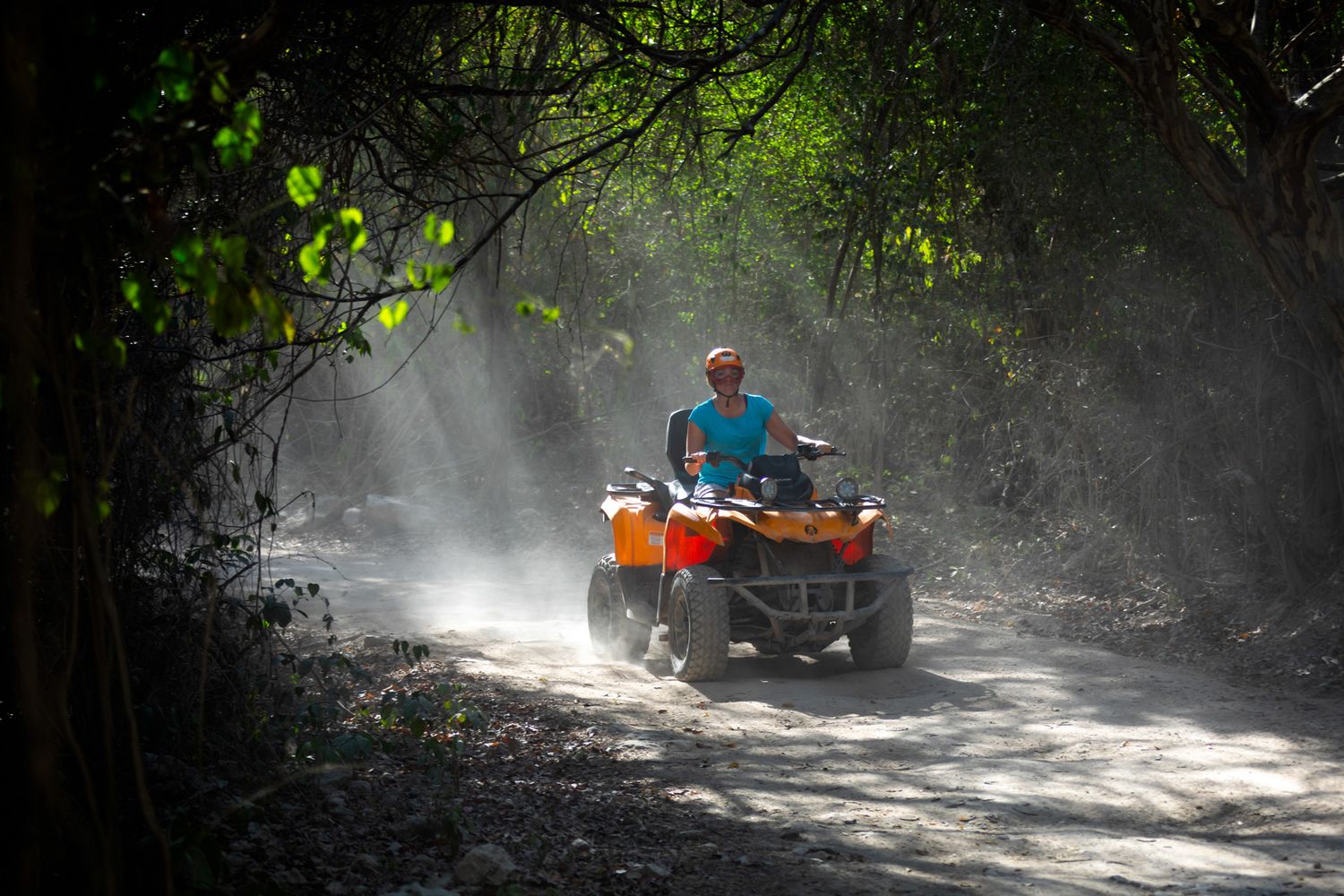
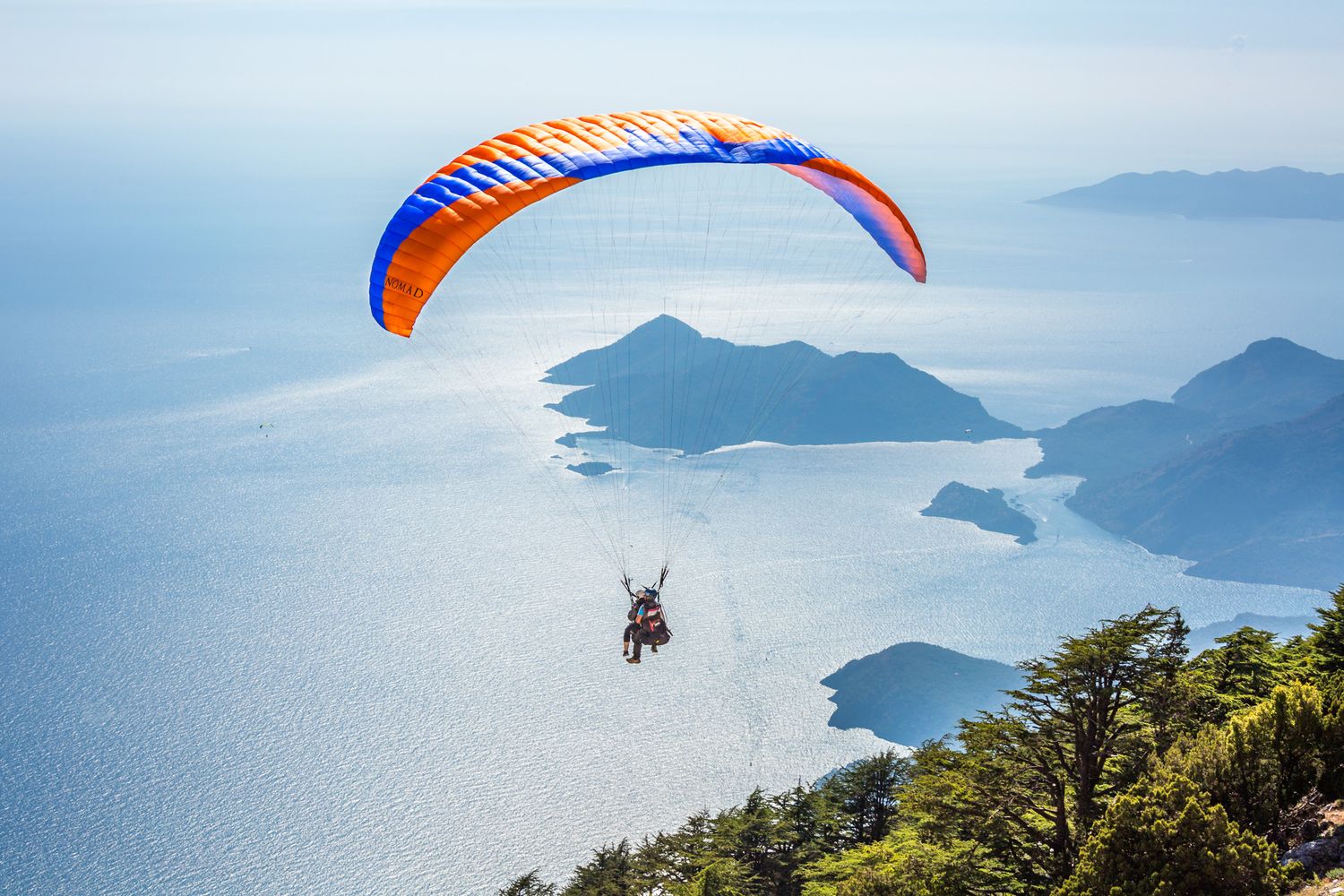
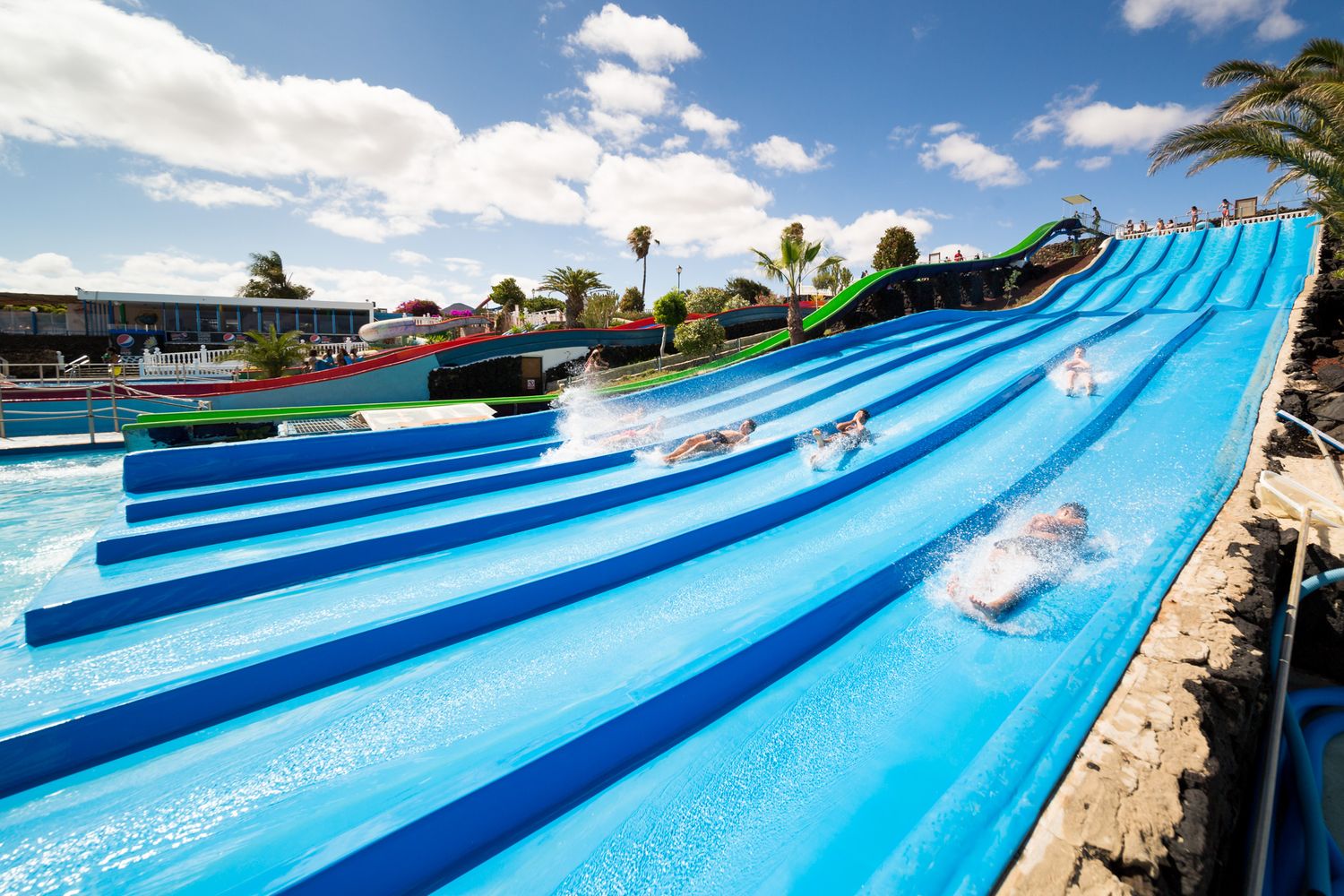
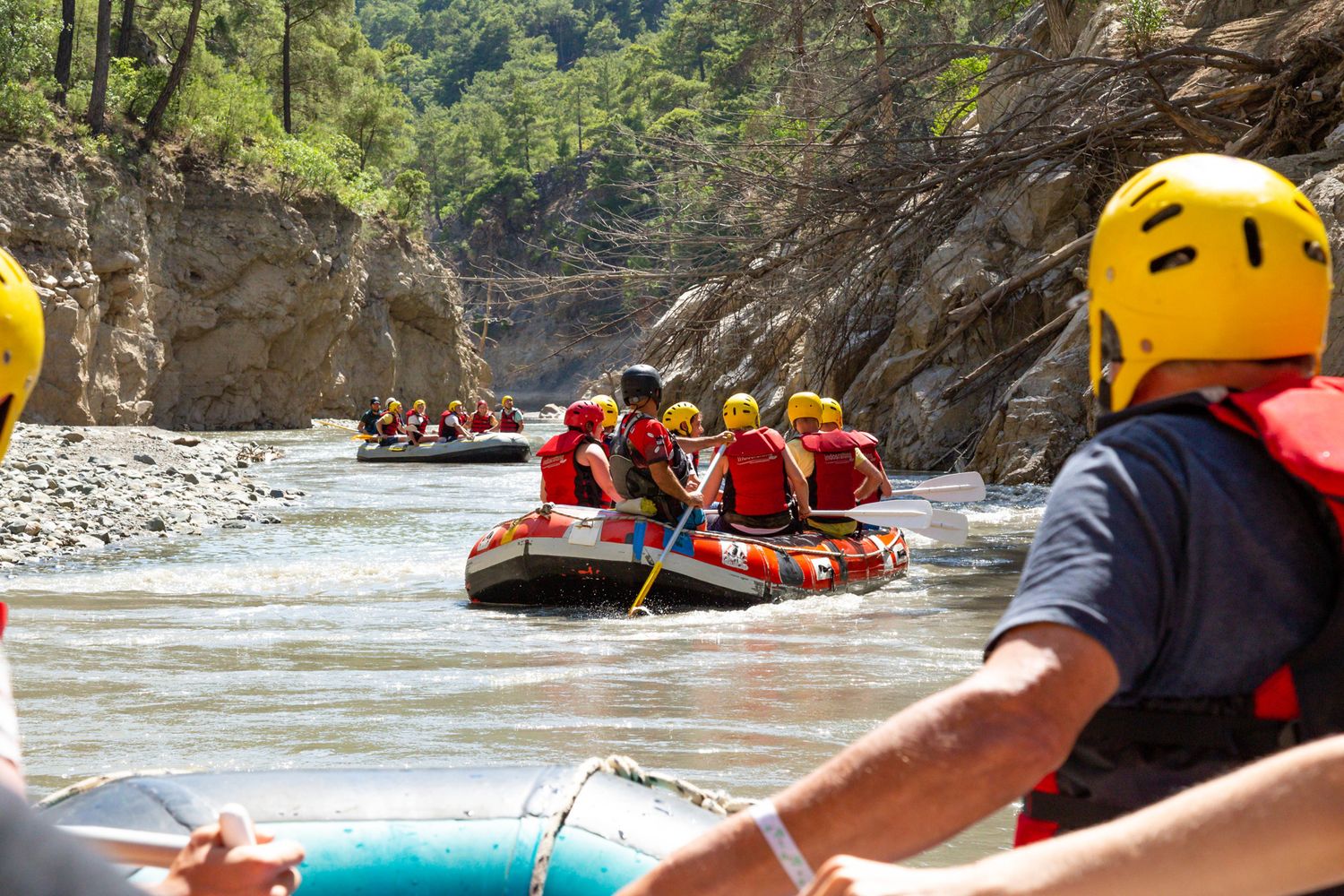
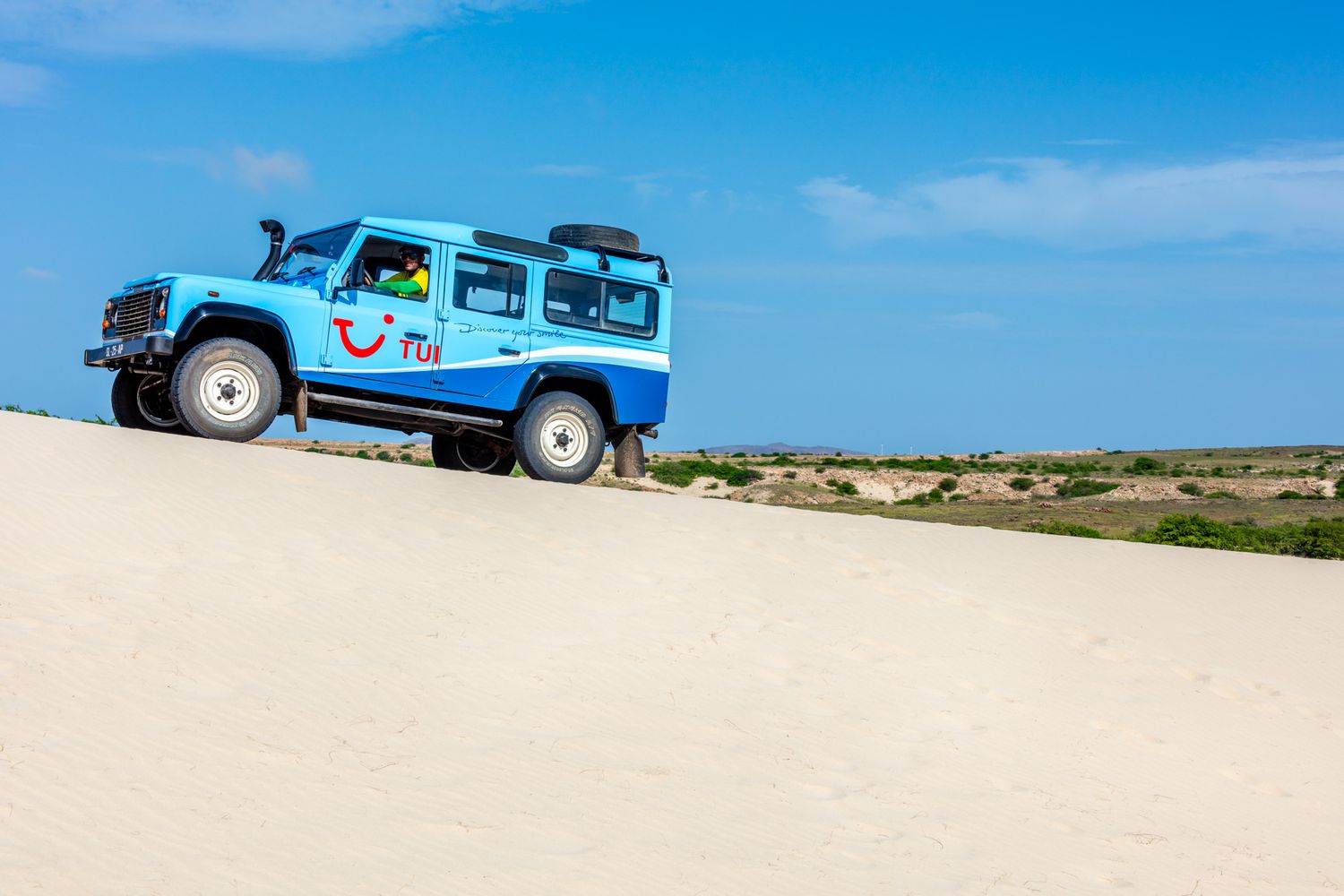
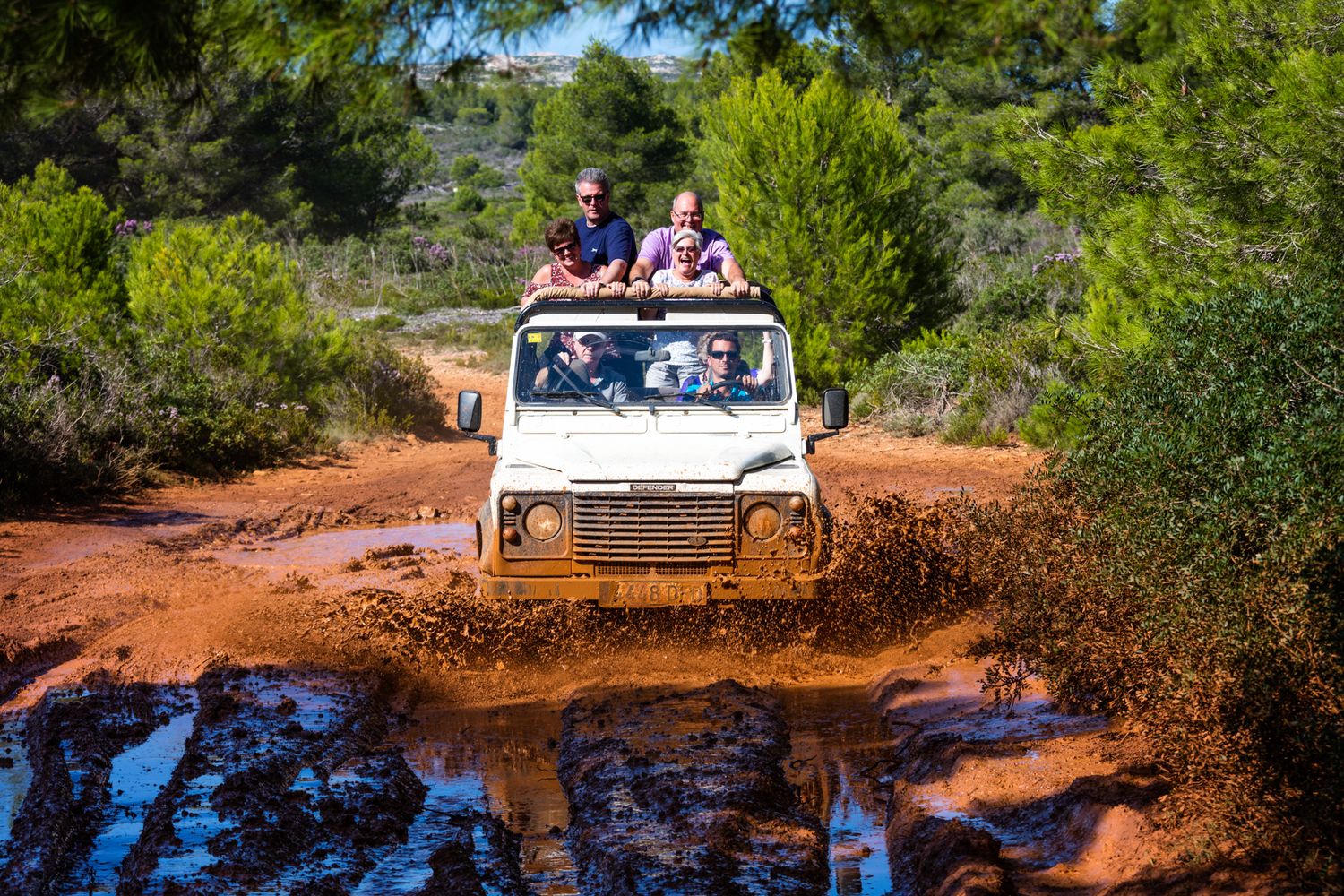
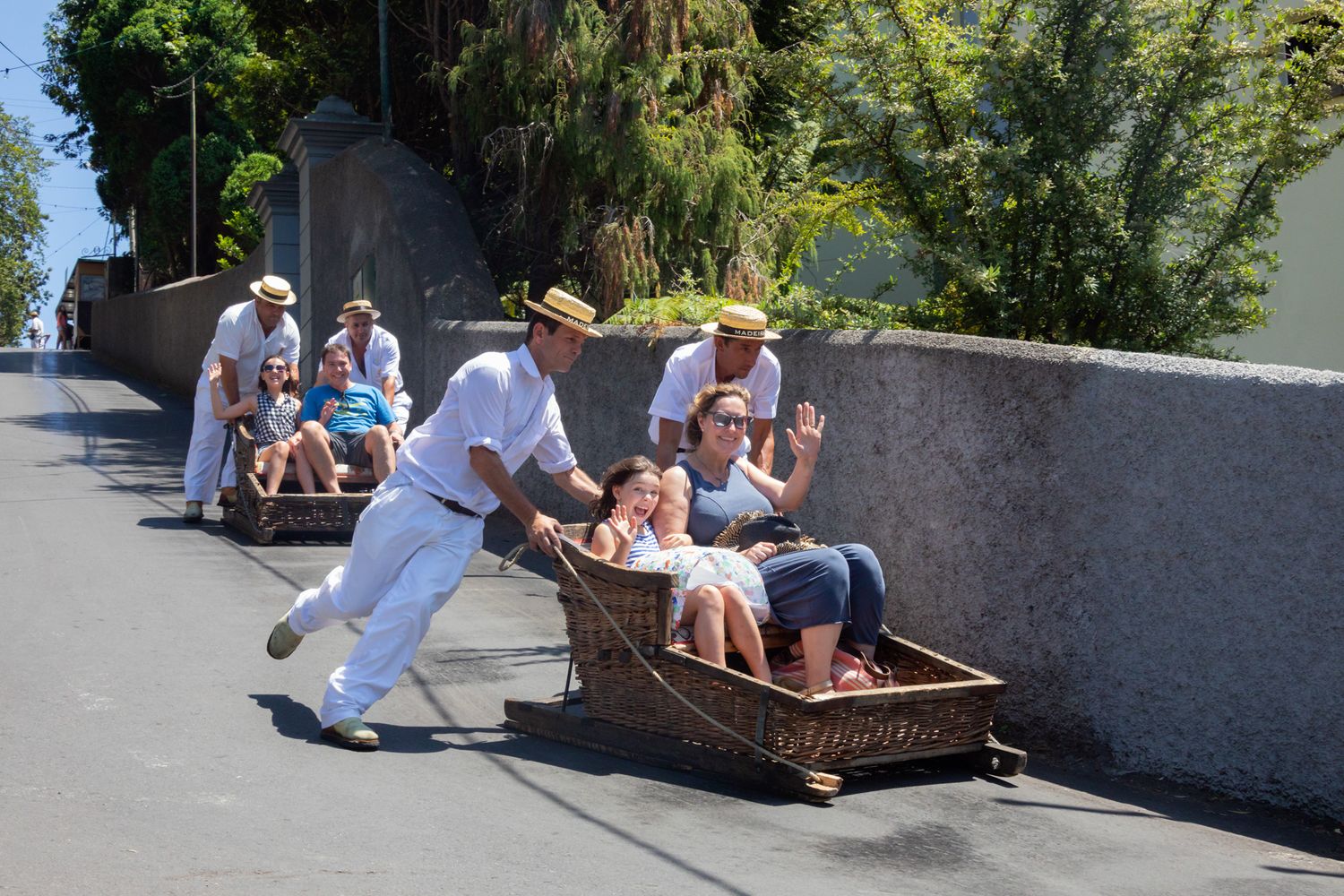
- Excursions and activities
- Lifestyle photography with models
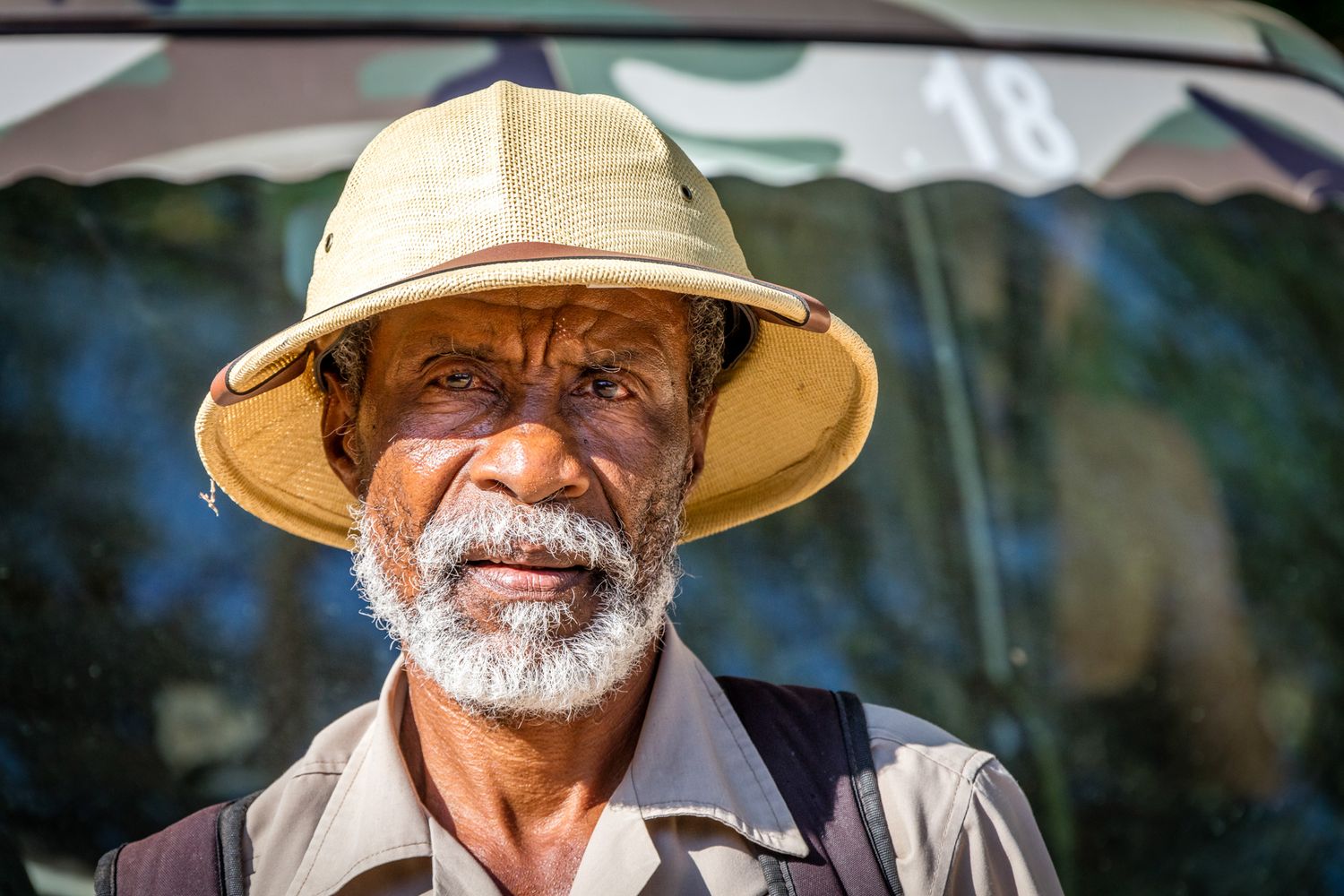
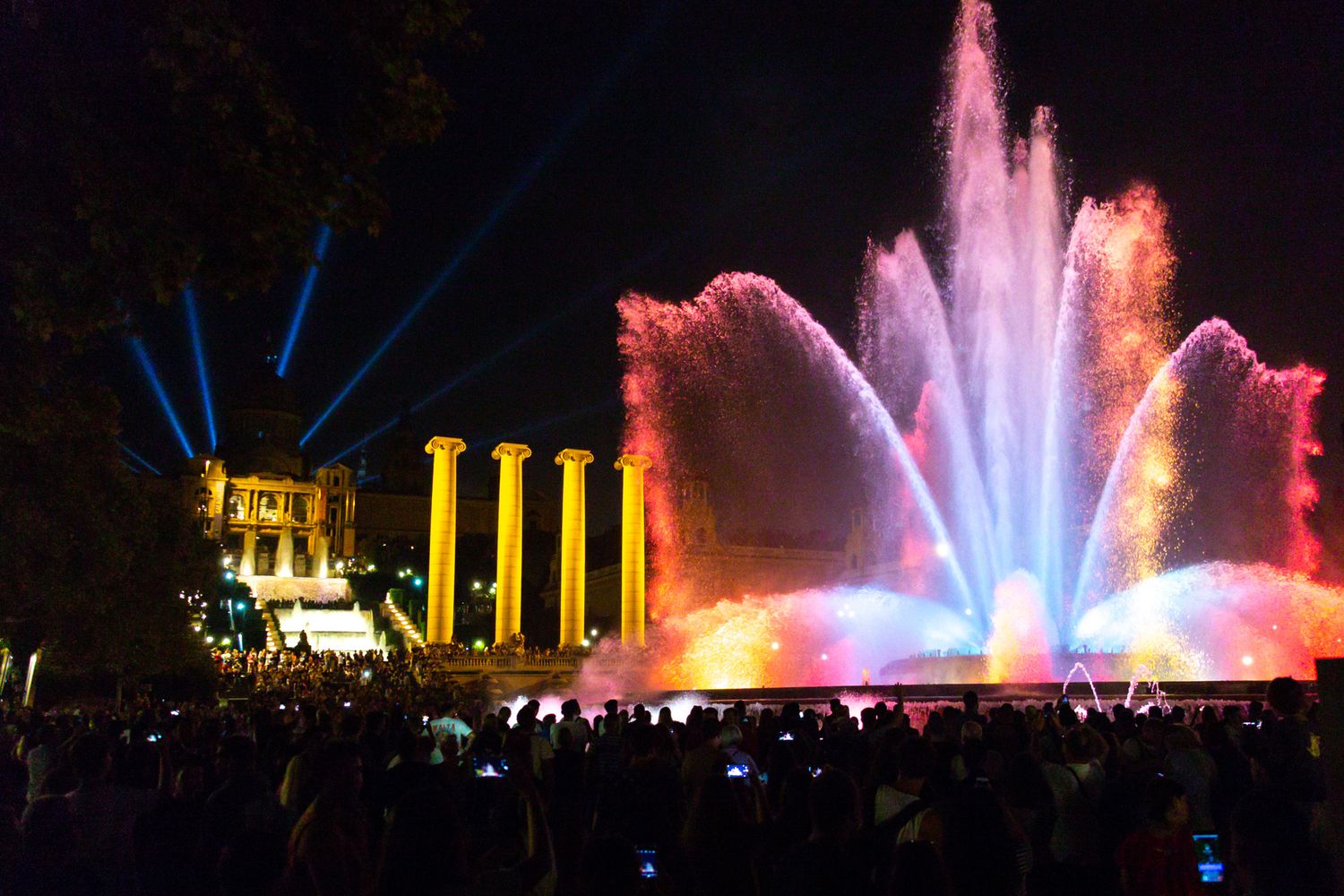
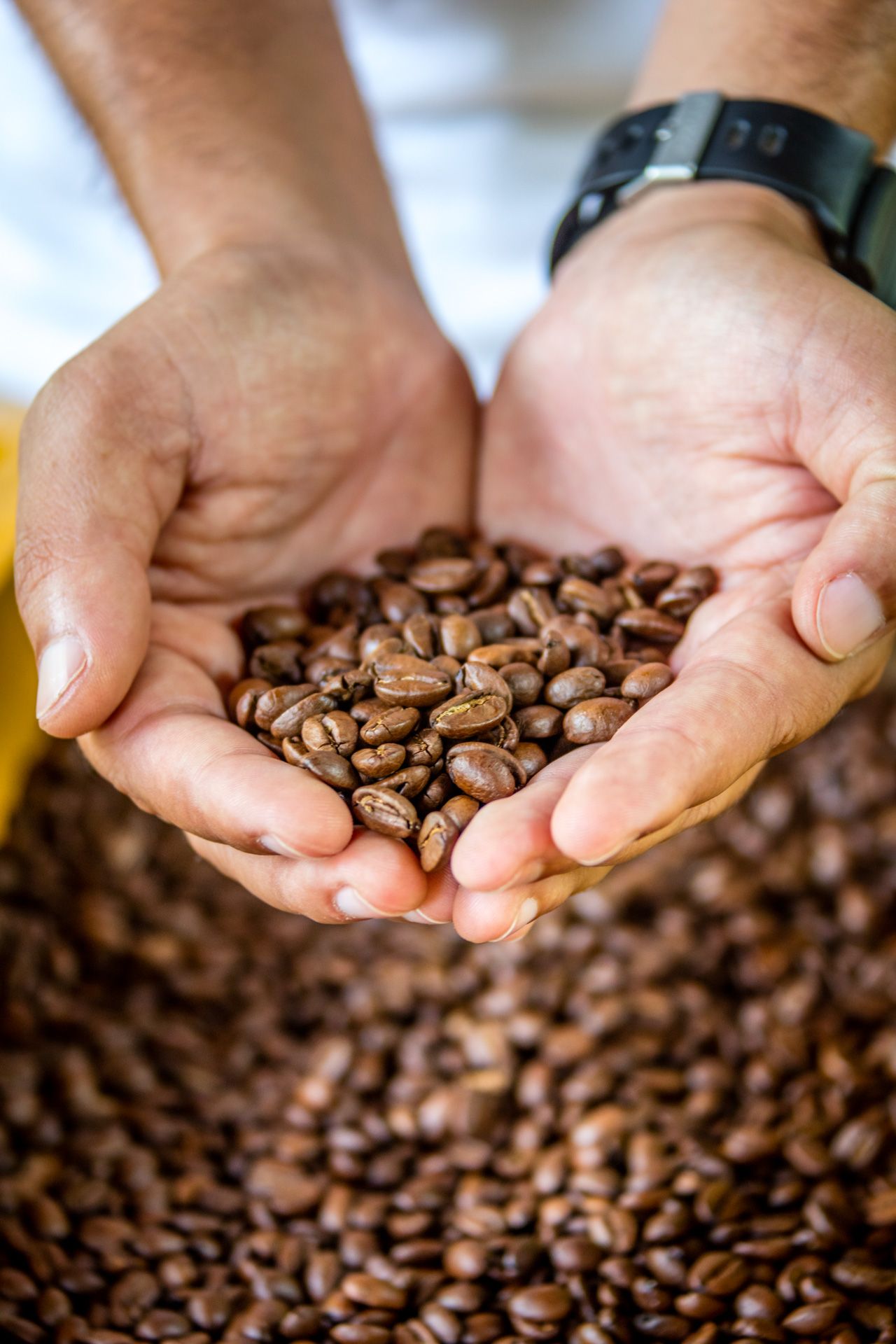
- Local culture and food
- Staff and uniform campaigns
- Conferences and corporate events
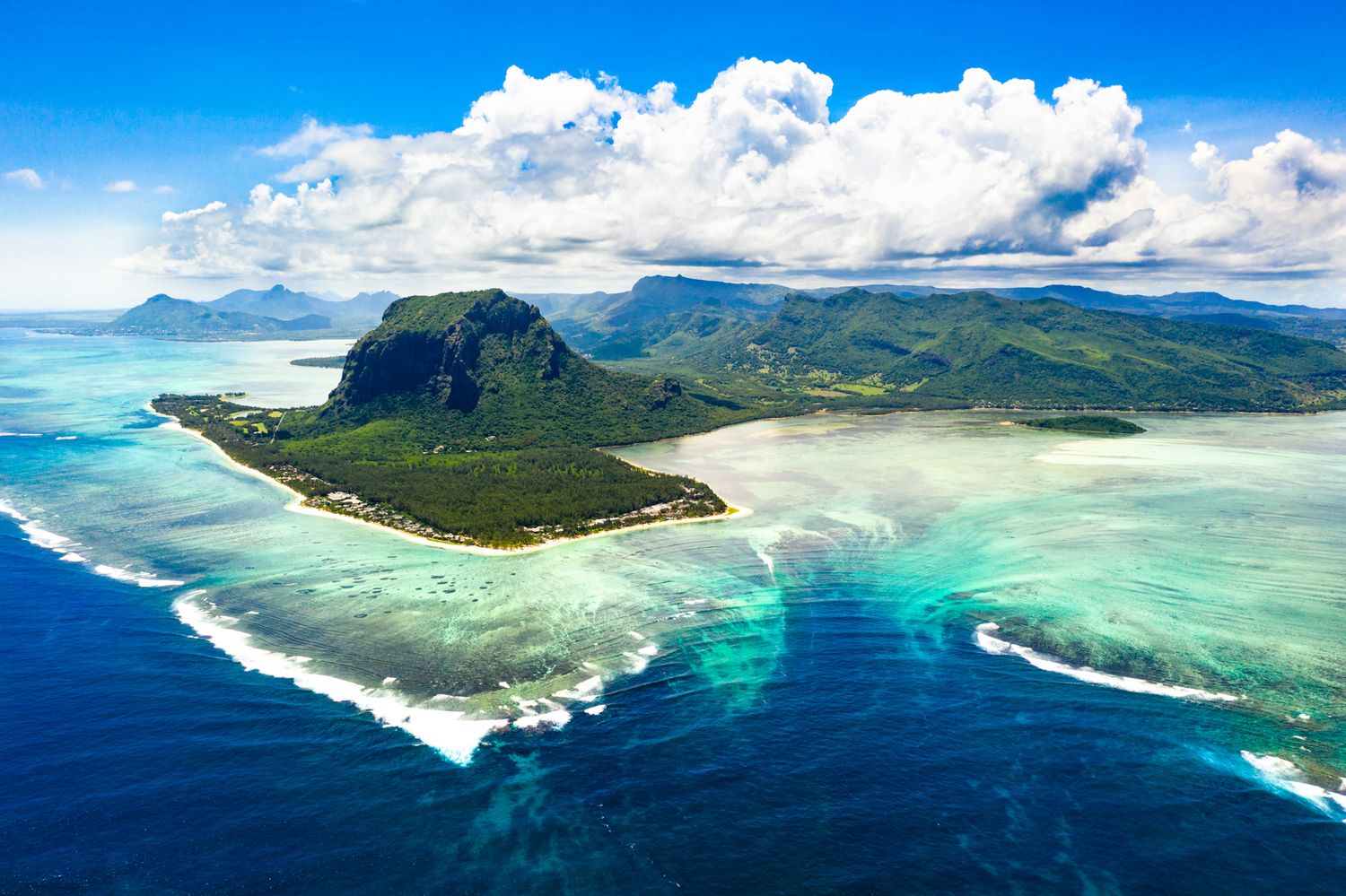
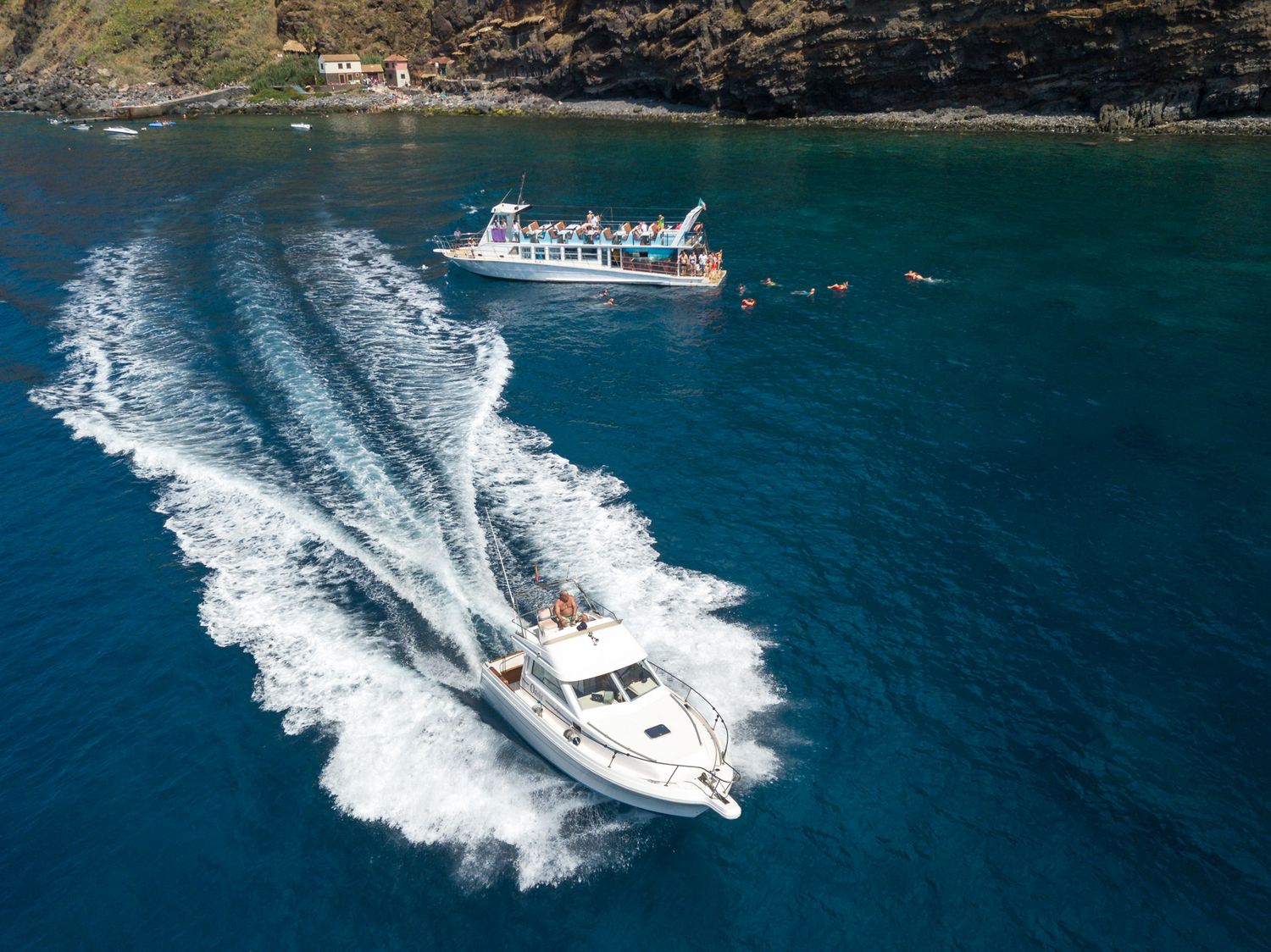
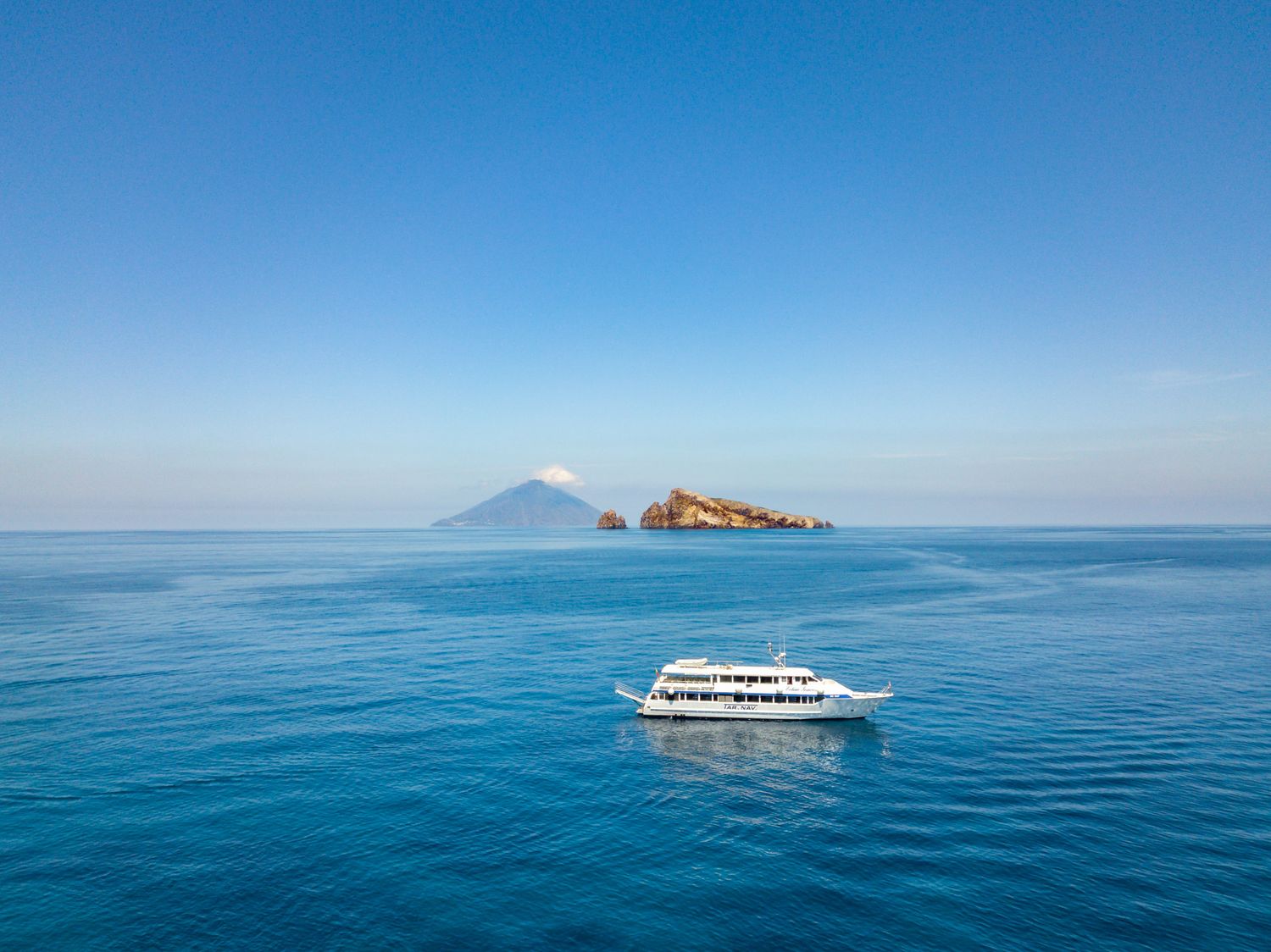
- Aerial and drone photography
- Promotional content for travel experiences
The images were used throughout TUI’s marketing, including websites, brochures, in-flight magazines, resort materials, shop displays, representatives’ devices, digital screens, flyers and other printed and digital campaigns.
Most of those photographs are still being used today.
Across roughly nine years, I averaged around nine destination assignments a year. I have never counted every country, island or region, but that represents dozens of destinations and a substantial international archive.
What skills does a commercial travel photographer need?
Strong photography is only one part of the job.
A commercial travel photographer also needs to understand how the client will use the images and what the photographs need to achieve.
The most important skills include:
Visual storytelling
The photographs need to show what a place feels like, not simply record what it looks like.
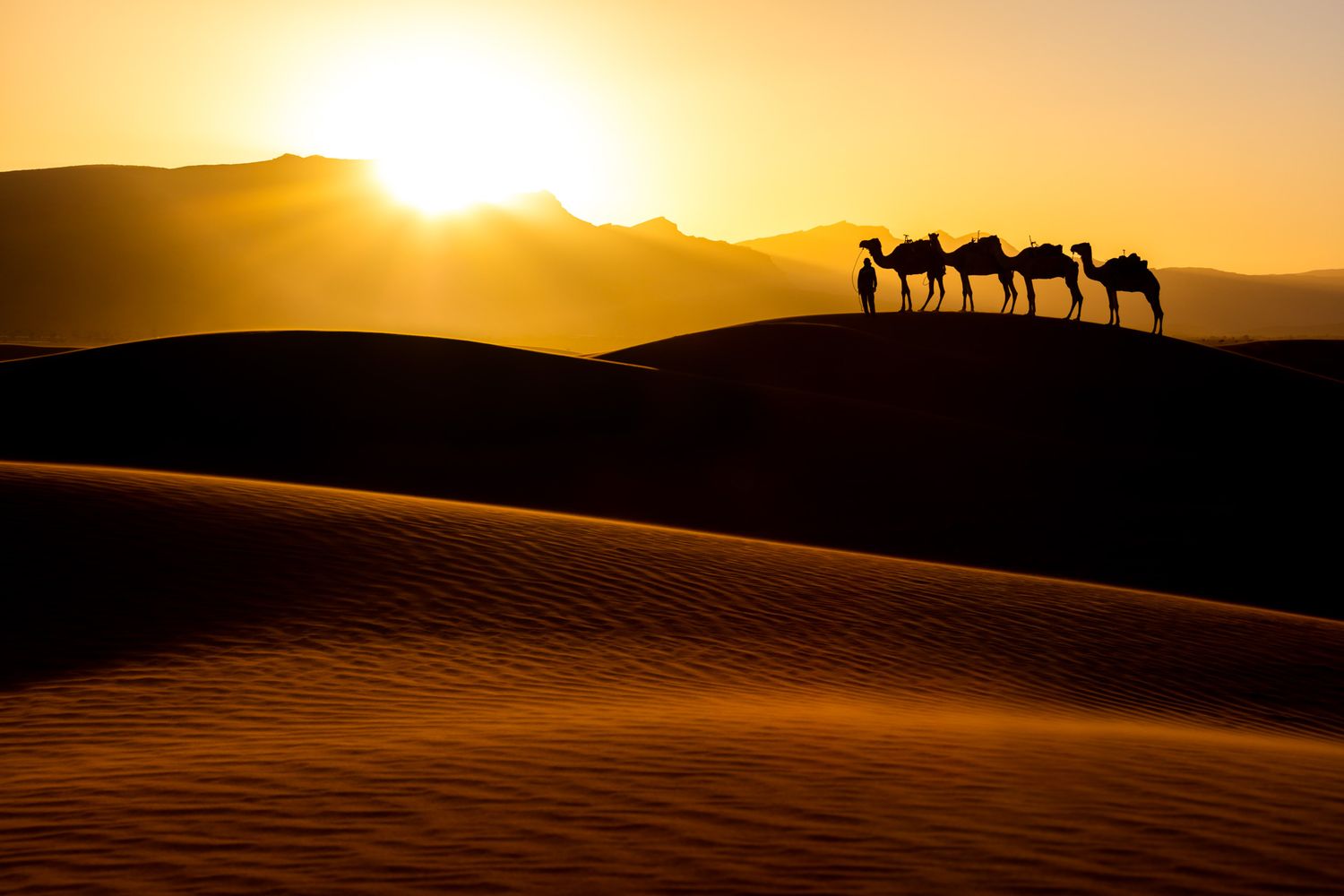
A complete collection should include wide establishing images, recognisable landmarks, human interaction, details, activities and natural moments that work together to tell the destination’s story.
Working with people
Travel campaigns regularly involve models, local guides, hotel staff, customers or members of the public.
A photographer needs to give clear direction without making people look stiff or uncomfortable. Building trust quickly is particularly important when working across cultures or through a translator.
Planning and organisation
Travel shoots can involve flights, transport, locations, models, permissions, tides, weather, opening times and strict production schedules.
Good planning reduces risk, but the photographer also needs to adapt when the plan inevitably changes.
Understanding commercial usage
A beautiful photograph is not automatically a useful marketing image.
Commercial photographers need to produce different crops, orientations and compositions for websites, brochures, social media, advertising and editorial use.
They also need to understand model releases, property permissions and image licensing.
Technical consistency
Travel assignments can move quickly between bright beaches, dark interiors, moving vehicles, evening entertainment and aerial photography.
The photographer needs to work confidently in changing conditions while keeping the finished collection visually consistent.
Reliability
Clients are investing in travel, accommodation, people and production time.
They need someone who can arrive prepared, protect the files, meet the brief and deliver the work on time.
What working internationally taught me
Working internationally taught me that photography is as much about people and problem-solving as it is about cameras.
Every destination operates differently. Cultures, communication styles, expectations and working practices can vary enormously.
I learnt not to assume that a plan that worked in one country would automatically work somewhere else.
I also learnt to communicate simply and clearly, particularly when directing people who spoke limited English or when working through local teams.
Most importantly, international assignments taught me to be adaptable.
Weather changes. Transport is delayed. Locations are busier than expected. A model becomes unavailable. A planned activity is cancelled.
Stopping production is rarely an option.
You assess what is still possible, change the plan and continue producing useful work.
That ability to stay calm and find solutions has been as valuable to my career as any technical photography skill.
How commercial travel photography assignments work
Every assignment is different, but most commercial travel shoots follow a similar process.
1. Understanding the brief
The first step is establishing what the client needs, who the audience is and where the images will be used.
A hotel campaign needs a different approach from an excursion brochure or a destination tourism campaign.
2. Planning the shot list
The brief is developed into a practical list of locations, activities, people and priority photographs.
I also consider orientation, space for text, seasonal requirements and whether the client needs both hero images and broader supporting content.
3. Organising production
Depending on the assignment, this may involve models, releases, local permissions, transport, accommodation, drone restrictions, weather planning and location access.
4. Photographing on location
Travel shoots are often tightly scheduled.
I work through the priorities while remaining alert to unplanned moments, better light or unexpected opportunities that might strengthen the final collection.
5. Editing and quality control
The photographs are backed up, selected, colour corrected and professionally edited.
The aim is consistency across the entire set rather than producing a handful of impressive images surrounded by weaker work.
6. Delivery and future use
Final images are delivered in the required formats, with clear licensing and organised filenames or metadata where needed.
For larger businesses, good organisation is crucial because photographs may be reused by many teams across multiple campaigns for years.
Adding aerial photography to my work
Drone photography later became another important part of my travel work.
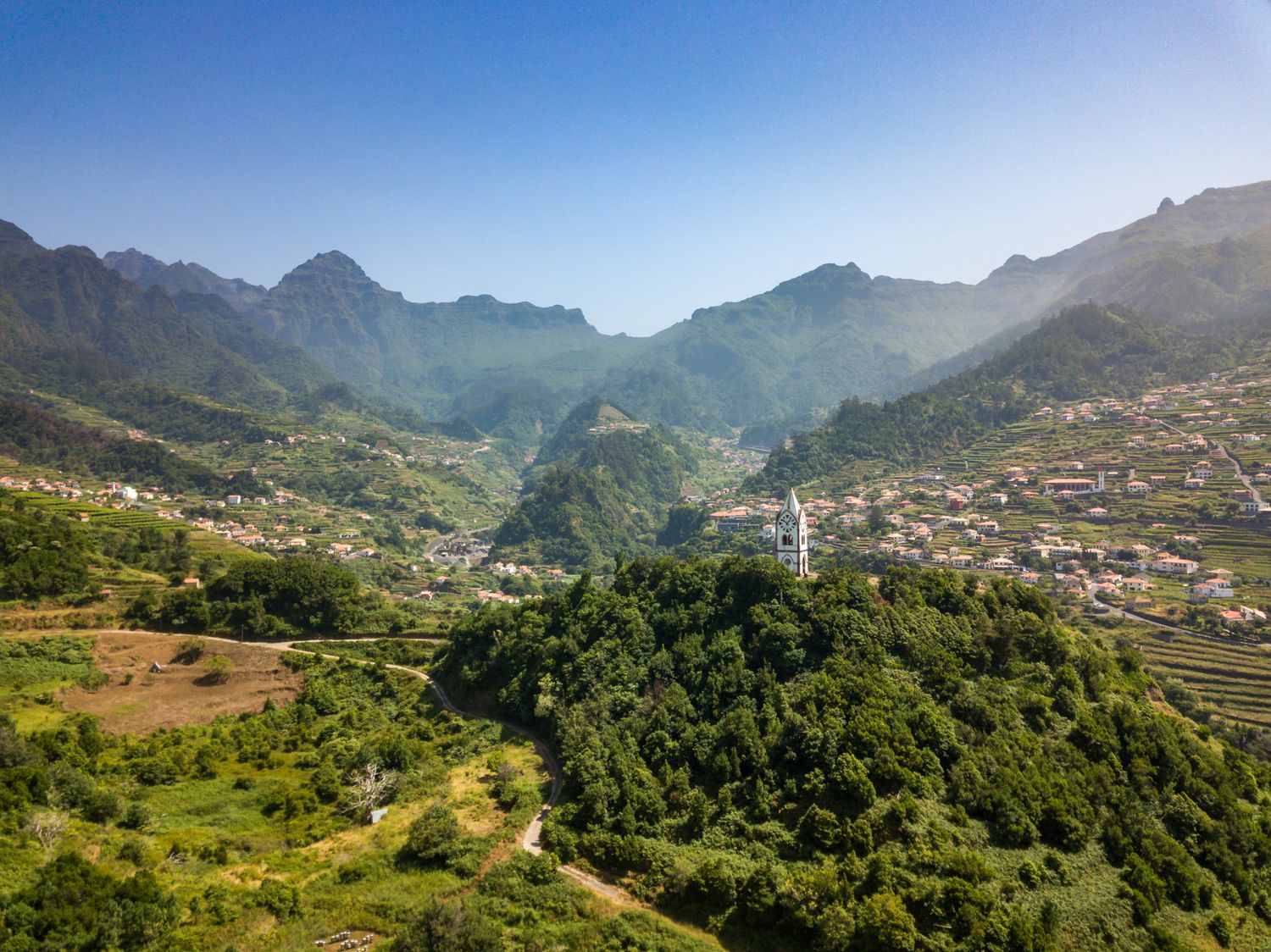
An aerial view can explain a destination in a way that ground-level photography cannot. It can reveal the scale of a coastline, the position of a hotel, the shape of a landscape or the relationship between different locations.
I hold an A2 Certificate of Competency and fly commercially within the relevant UK and local aviation rules.
Drone photography is not appropriate or legal everywhere, particularly around airports, restricted airspace, crowds or protected locations. It therefore needs to be planned properly rather than treated as an automatic addition to every shoot.
When it is possible, aerial photography adds valuable variety and context to a commercial travel collection.
From travel photography to a wider commercial career
Travel photography gave me the foundation for the wider commercial work I produce today.
Working across destinations taught me how to manage unpredictable conditions, photograph people naturally, understand marketing requirements and create varied content under pressure.
Those same skills now apply to my event, conference, corporate, property, lifestyle and brand photography.
Travel remains a major part of my work, but it is also where I learnt to become a more adaptable and commercially aware photographer.
Frequently Asked Questions
Do you need a photography degree to become a professional photographer?
No. A photography degree can provide structure, technical education and useful industry contacts, but it is not essential.
I built my career through self-directed learning, constant practice, stock photography, professional assignments and years of solving real problems for clients.
What matters most is producing consistently strong work, understanding what clients need and being dependable enough for them to trust you with important projects.
Can you build a photography career through travel?
Travel can give you access to extraordinary subjects, but simply visiting interesting places will not create a career.
You still need to learn the technical side of photography, build a coherent portfolio, understand licensing and market your work to the right clients.
My travels created the opportunity to practise constantly. Turning that experience into a career required years of work beyond taking the photographs themselves.
Do travel photographers only photograph landscapes?
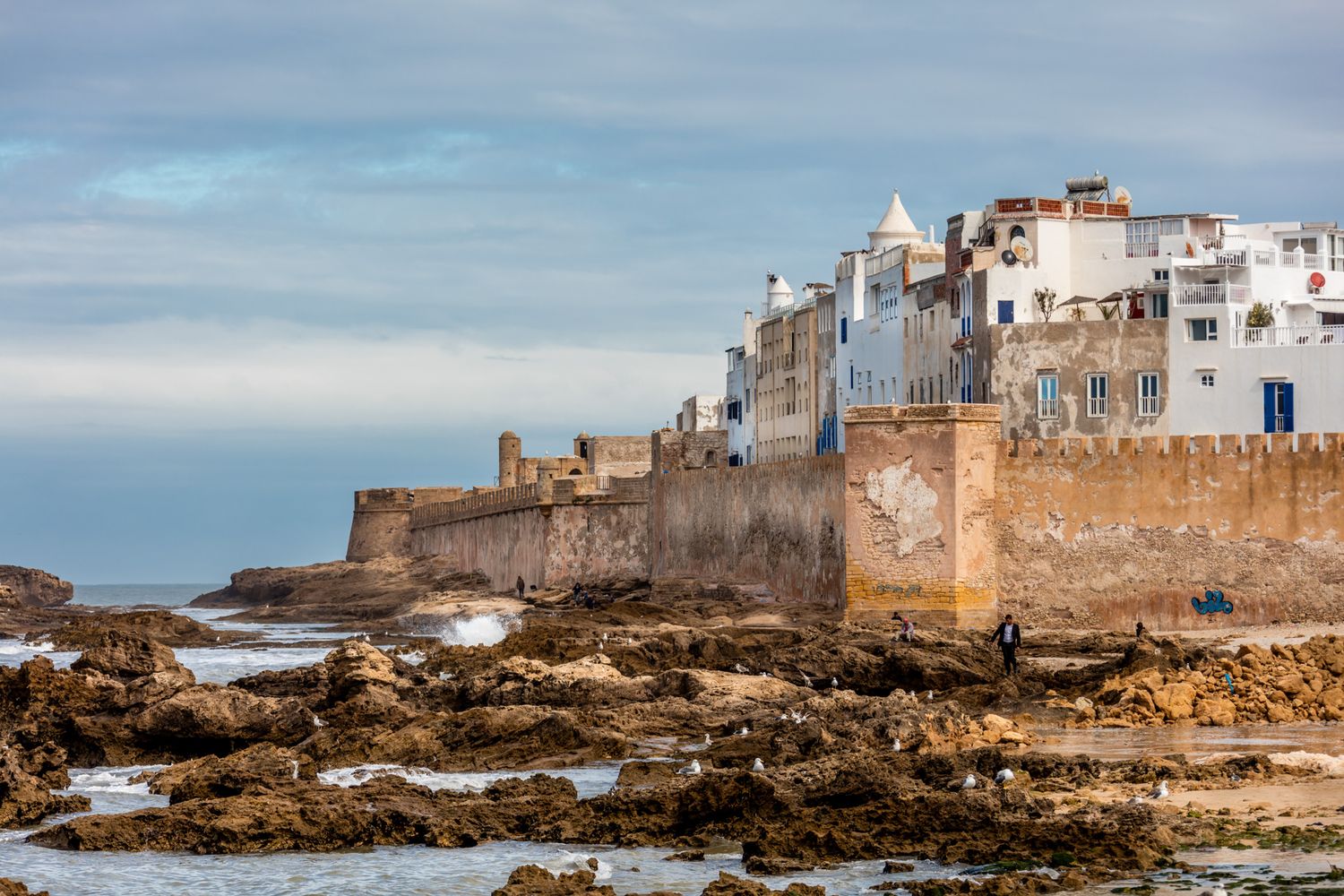
No. Commercial travel photography can include hotels, activities, food, people, culture, events, transport, wildlife, architecture, aerial views and destination landscapes.
In many campaigns, the human experience is just as important as the location.
Do you still photograph travel and tourism campaigns?
Yes. I work with travel companies, tourism organisations, hotels, destinations and experience providers to create photography for websites, campaigns, editorial content, brochures and social media.
My background allows me to manage both the creative and practical sides of a production, from planning and shot lists through to photography, editing and delivery.
What is your favourite destination to photograph?
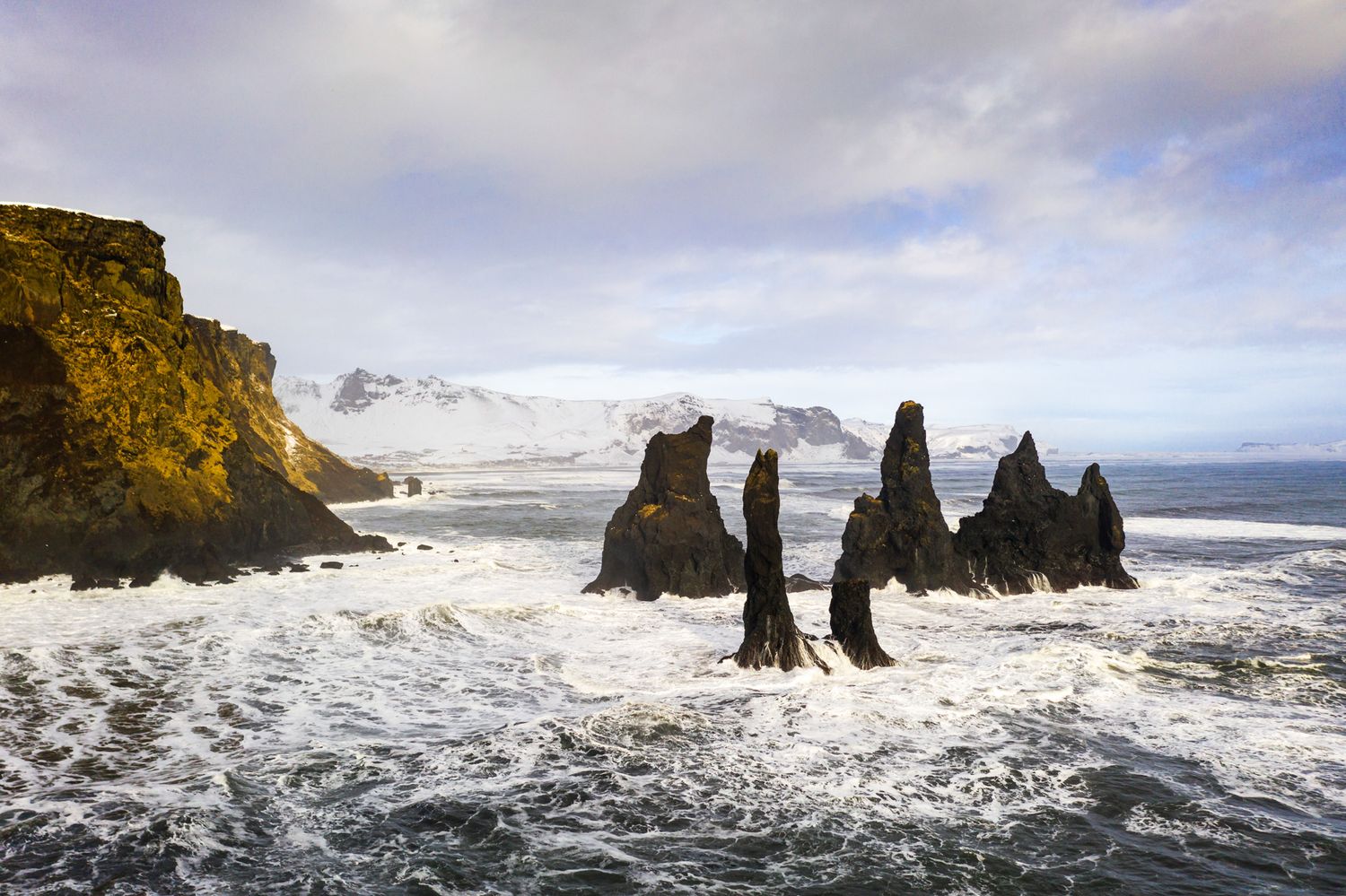
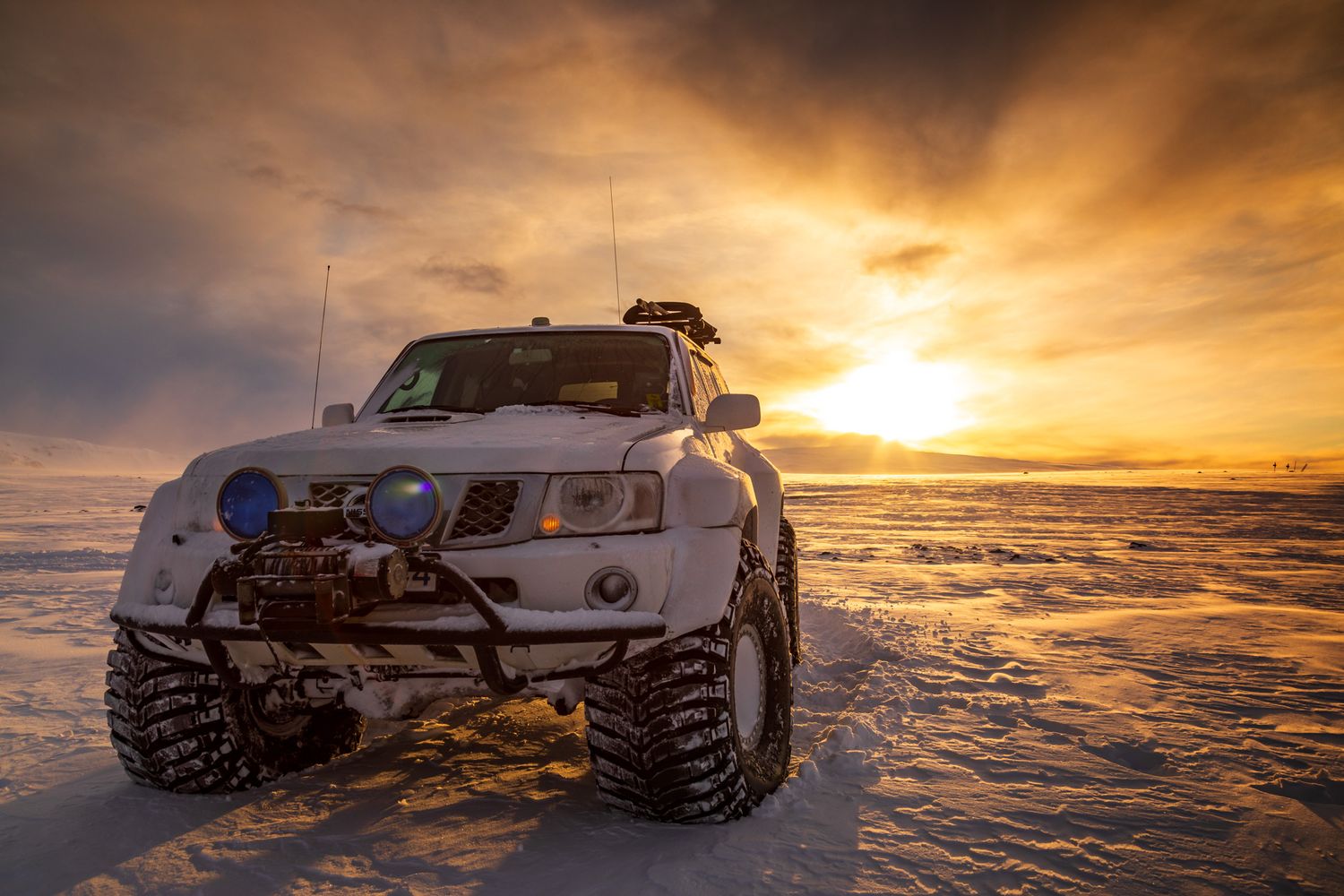
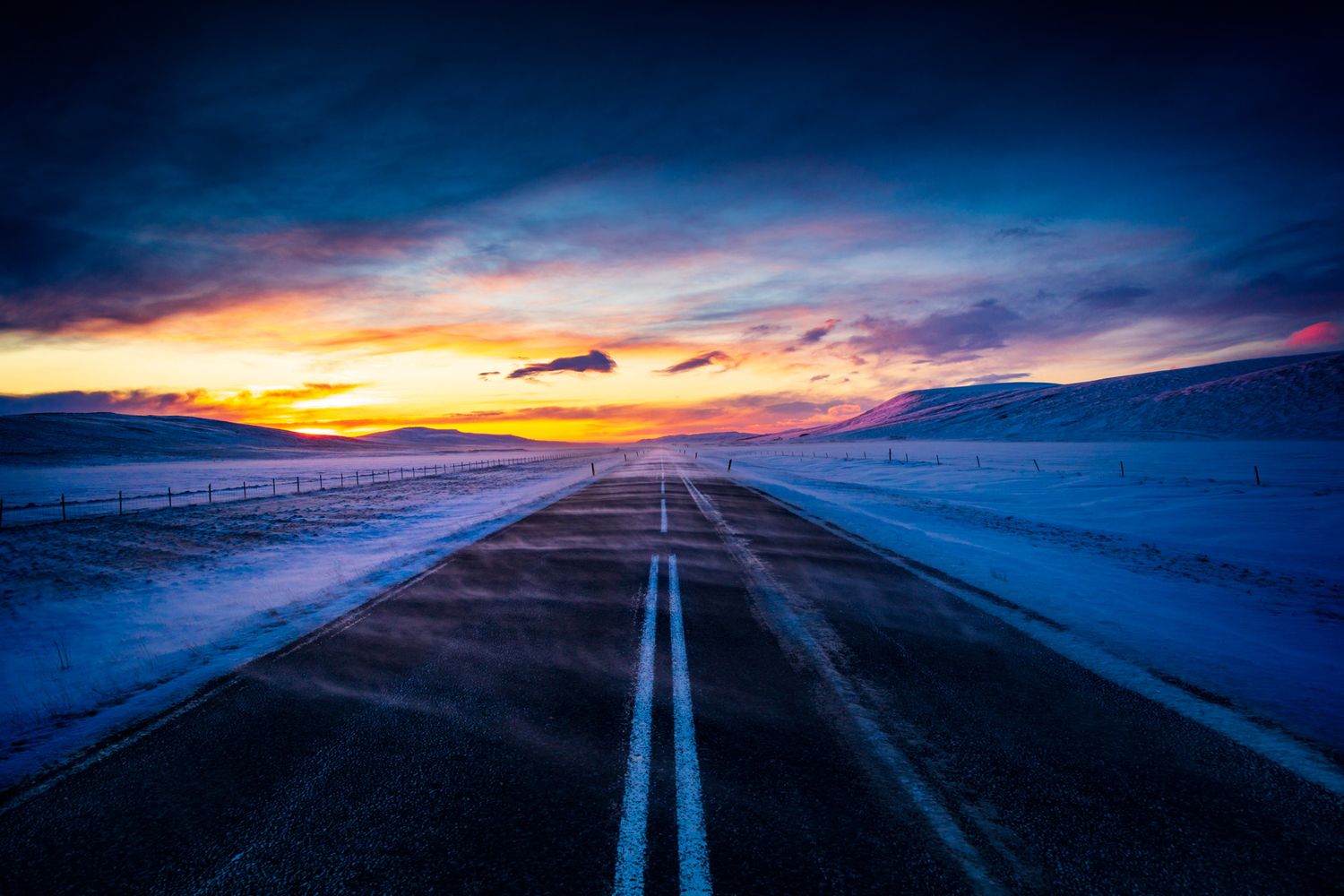
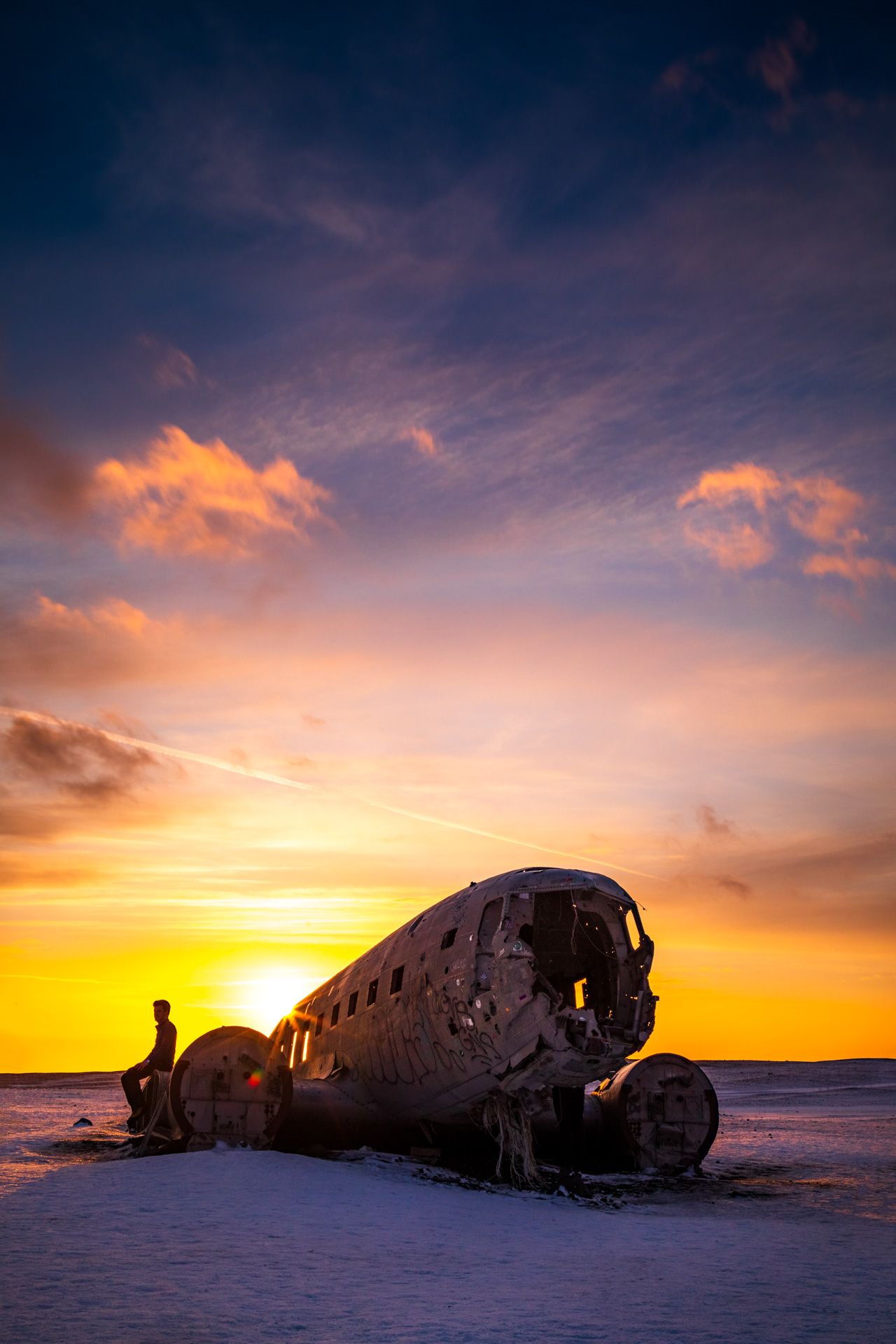
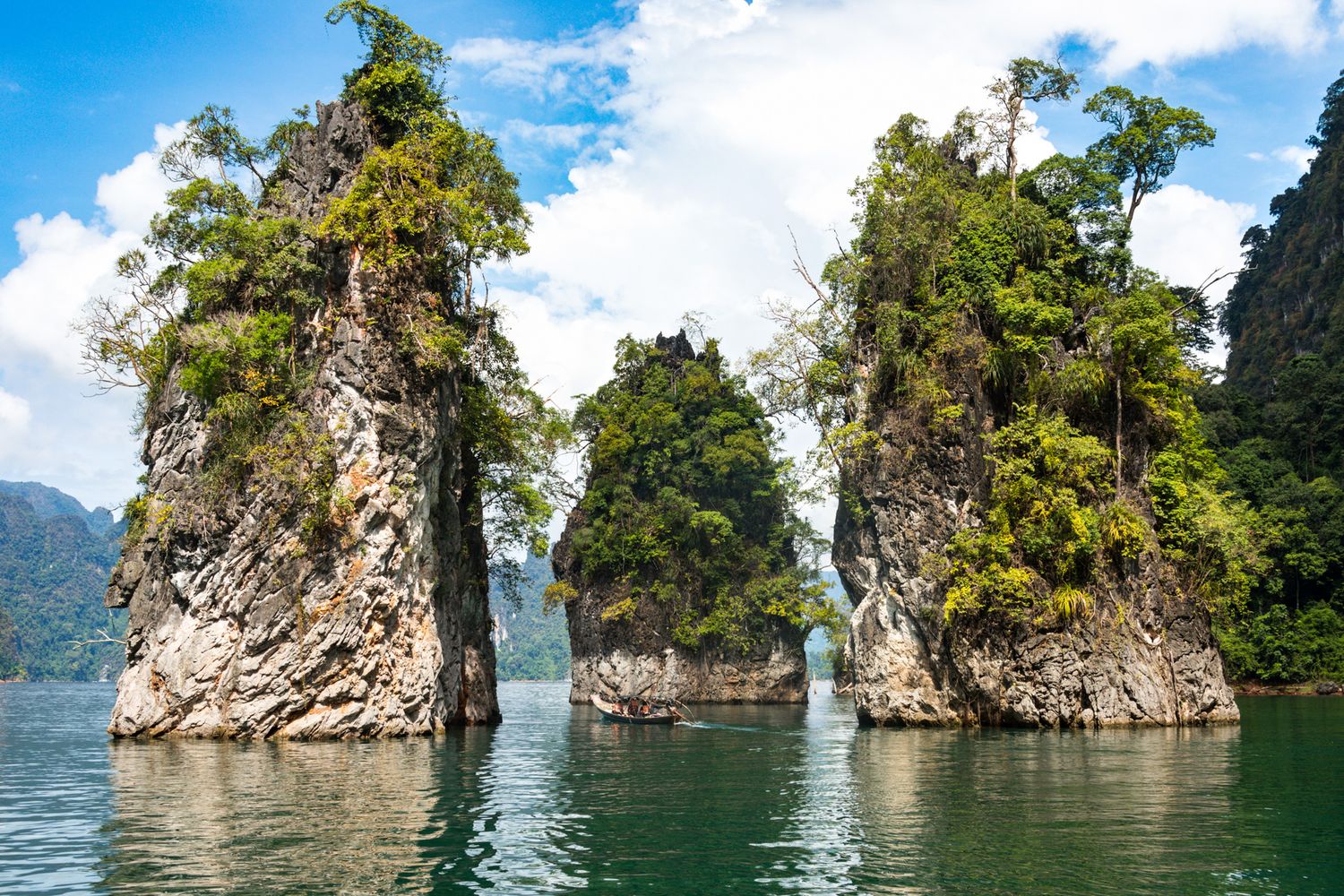
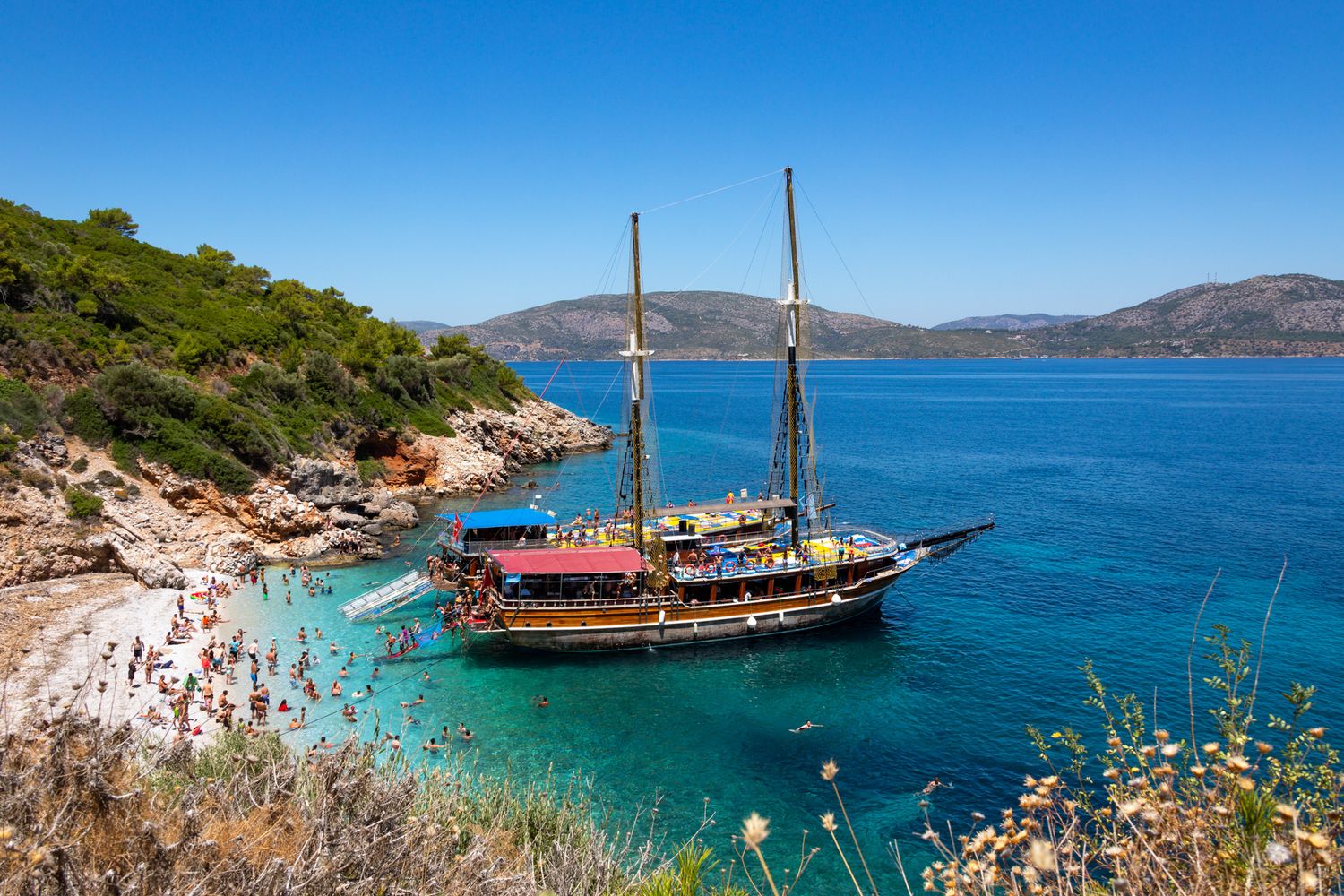
It is almost impossible to choose one, but my top three are Ibiza, Iceland and Thailand.
Ibiza has an incredible mix of coastline, nightlife, hidden coves and character. Iceland is completely different - dramatic, strange and one of the most visually exciting places I have ever photographed. Thailand combines colour, culture, food, landscapes, and everyday life in a way that always offers something worth capturing.
Each one offers something completely different, which is probably why I keep coming back to all three.
What makes a successful commercial travel photography brief?
A strong brief needs to explain who the audience is, what the campaign is trying to achieve and where the photographs will be used.
The most useful briefs also include priority locations, activities, key messages, required formats, model or release requirements and any practical restrictions.
The clearer the brief, the easier it is to create a varied image library that works across websites, social media, brochures, advertising and editorial content.
Looking for a commercial travel photographer?
I provide travel, tourism, destination, lifestyle and aerial photography across the UK and internationally.
With more than 15 years of photography experience and nine years working across international destinations, I understand how to create content that is visually strong, commercially useful and flexible enough to work across several marketing channels.
Get in touch to discuss your destination, campaign or travel photography brief.
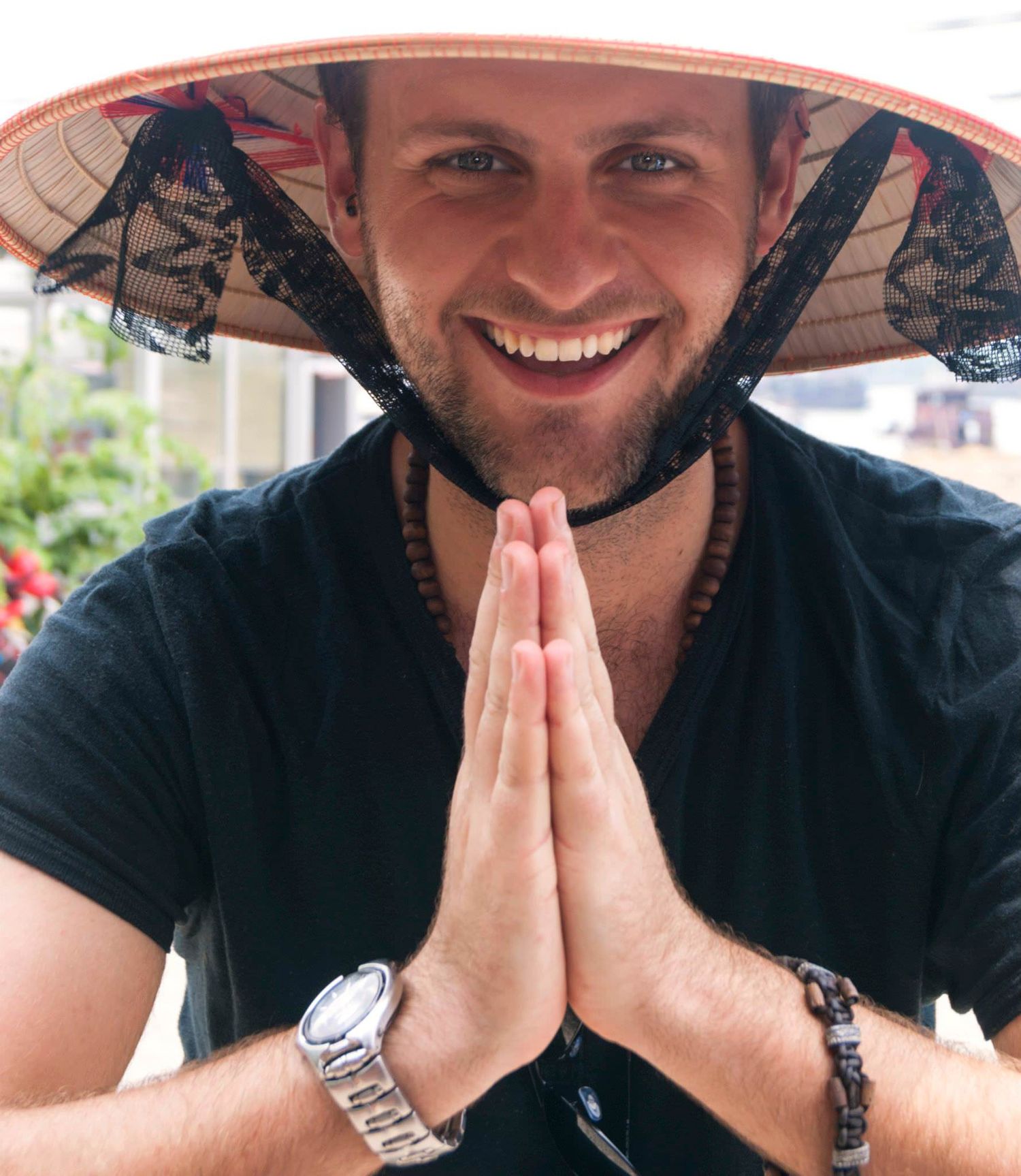
Lee Charlton is a multi-award-winning commercial photographer with more than 16 years of professional experience.
He previously worked as Global Photography Manager for TUI, where he was the sole in-house photographer supporting a global organisation of approximately 70,000 employees.
His photography has been used across international websites, travel brochures, in-flight magazines, retail displays, resort marketing, editorial publications, social media and advertising campaigns.