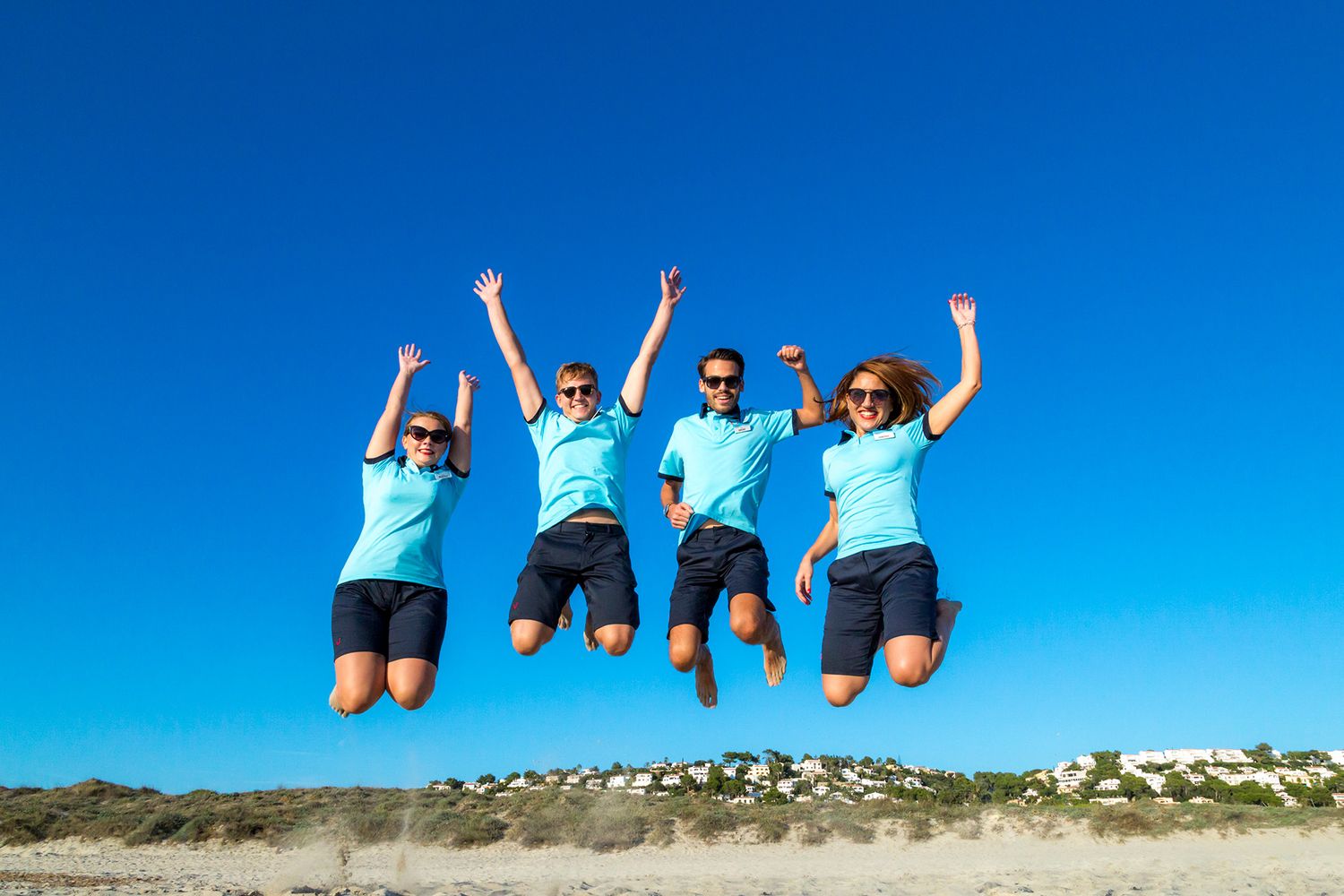
TUI Smiling Faces uniform campaign photography
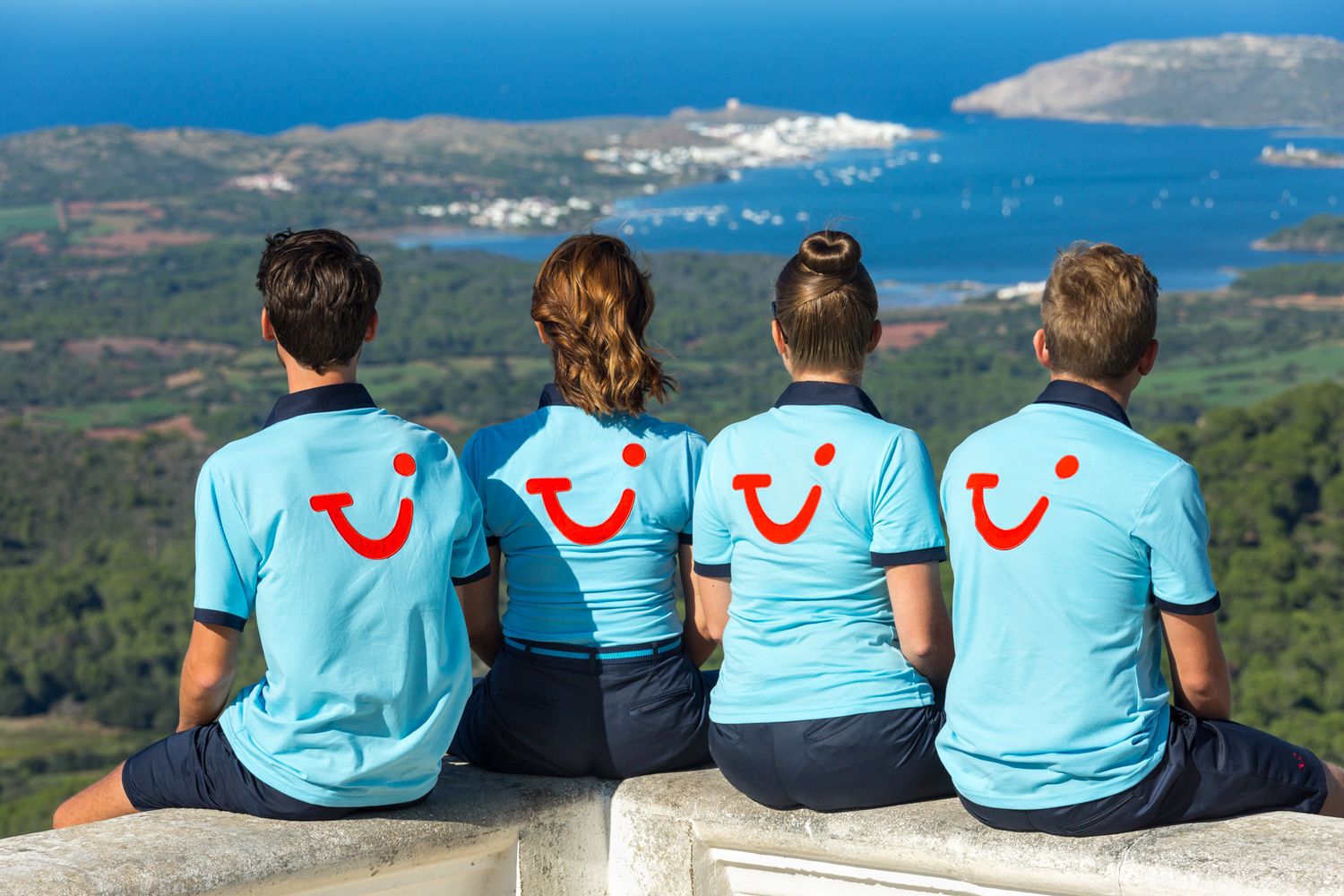
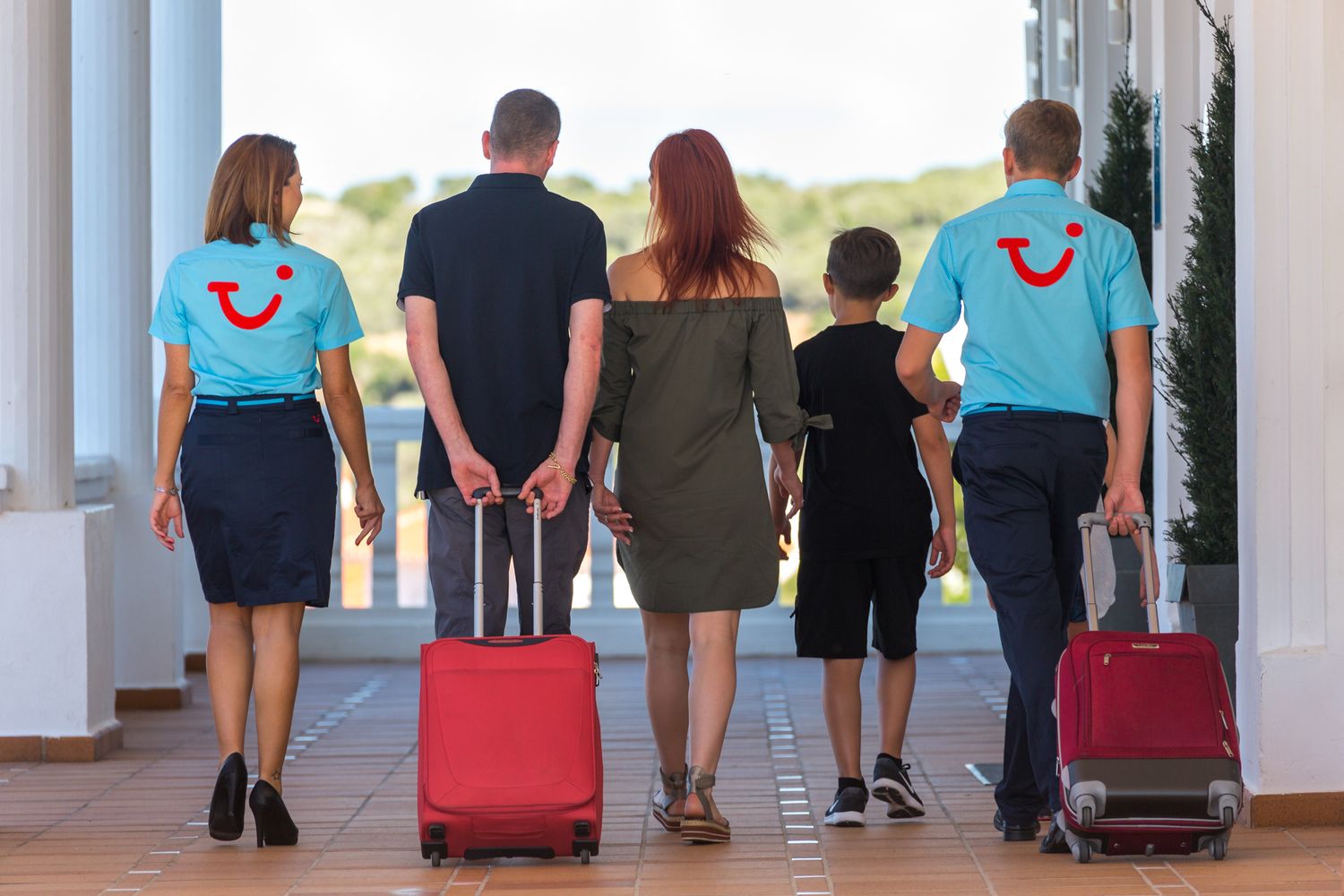
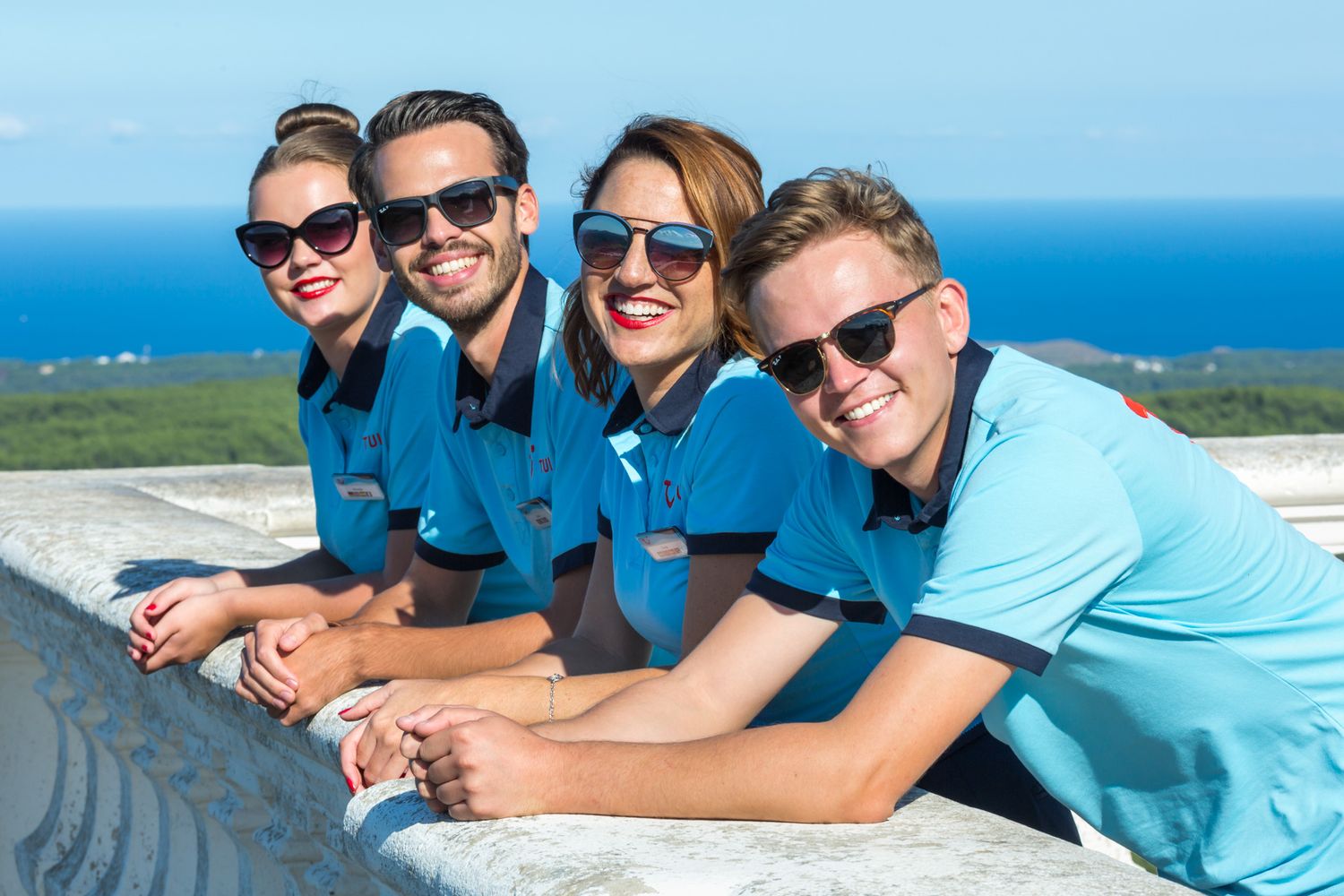
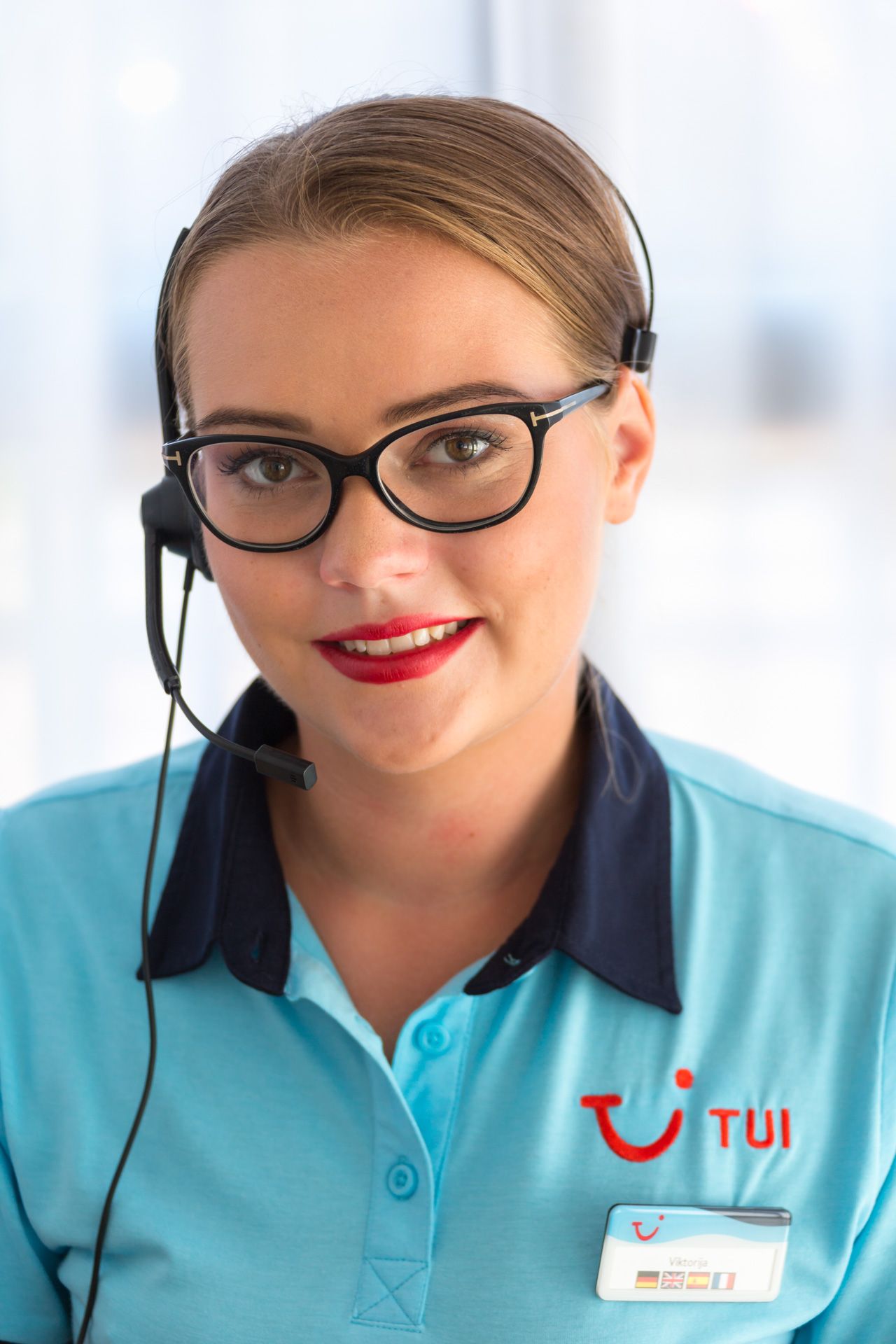
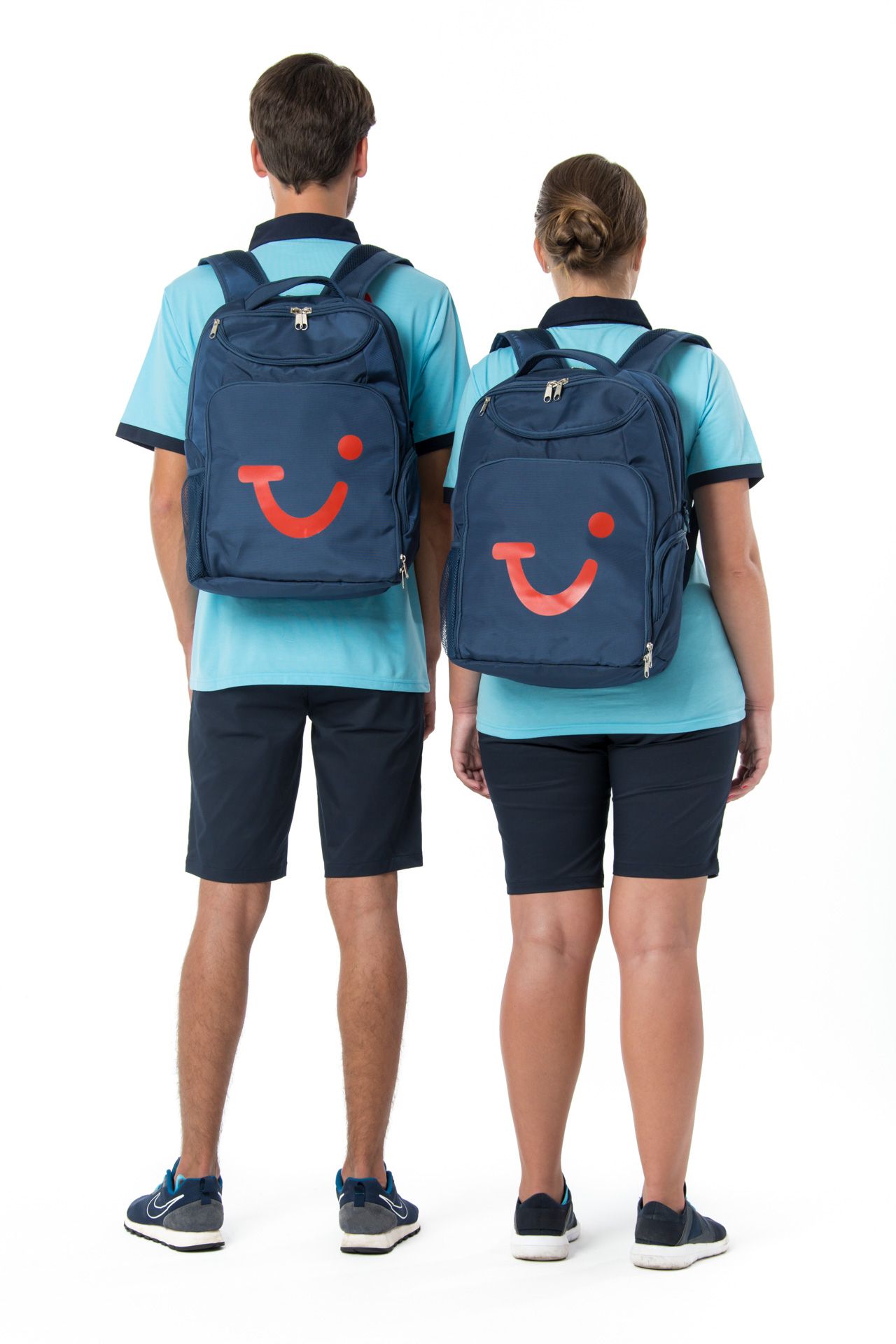
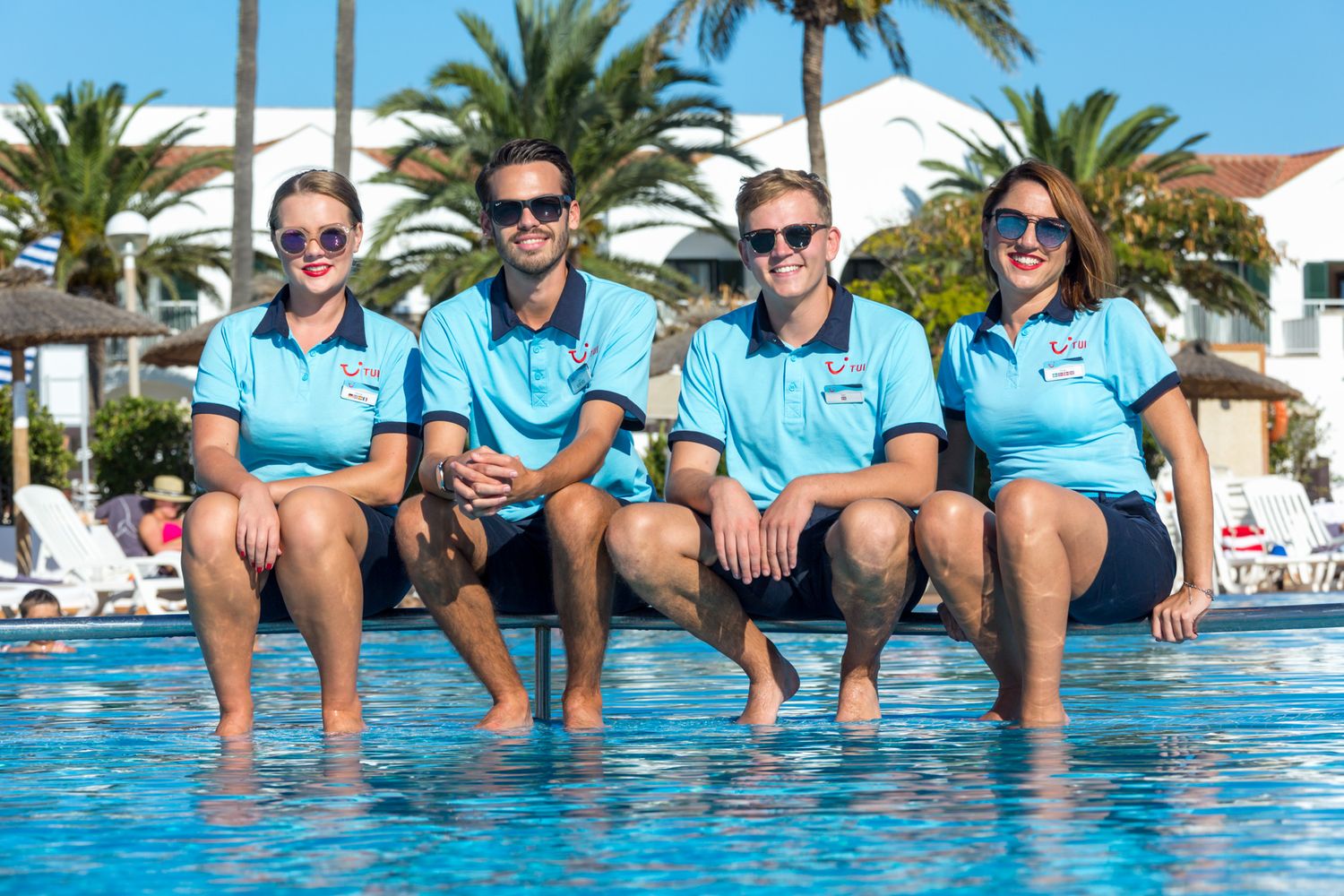
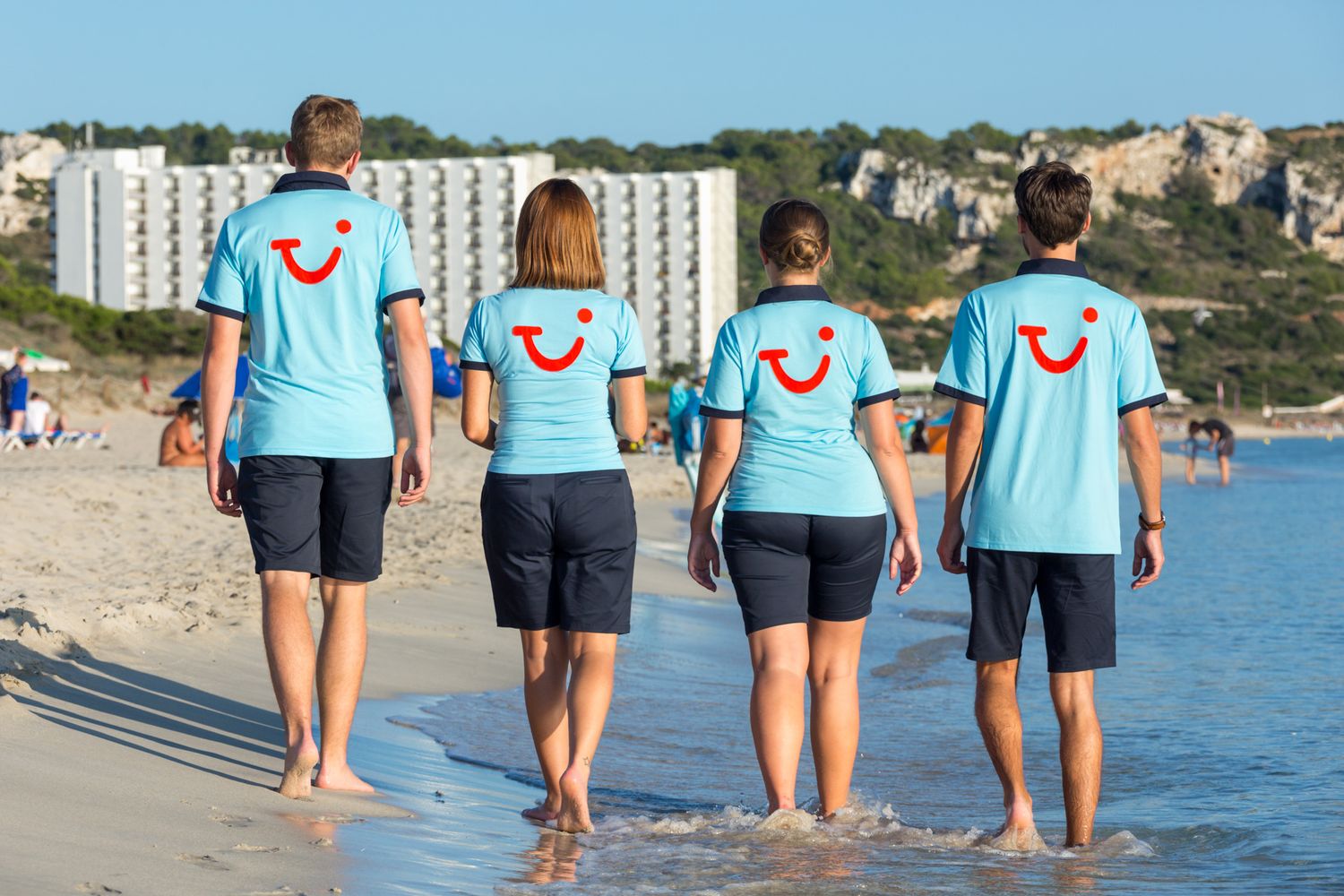
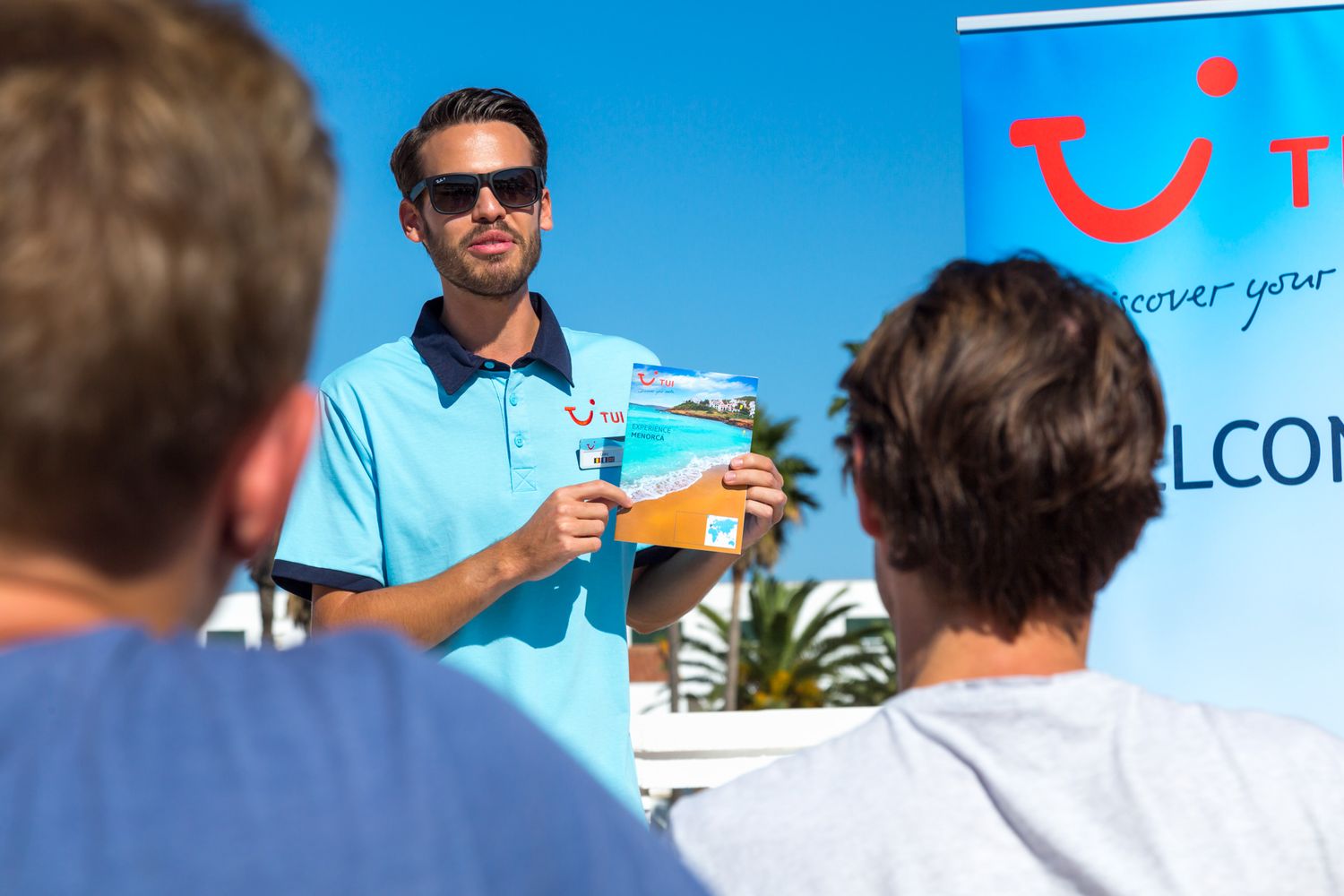
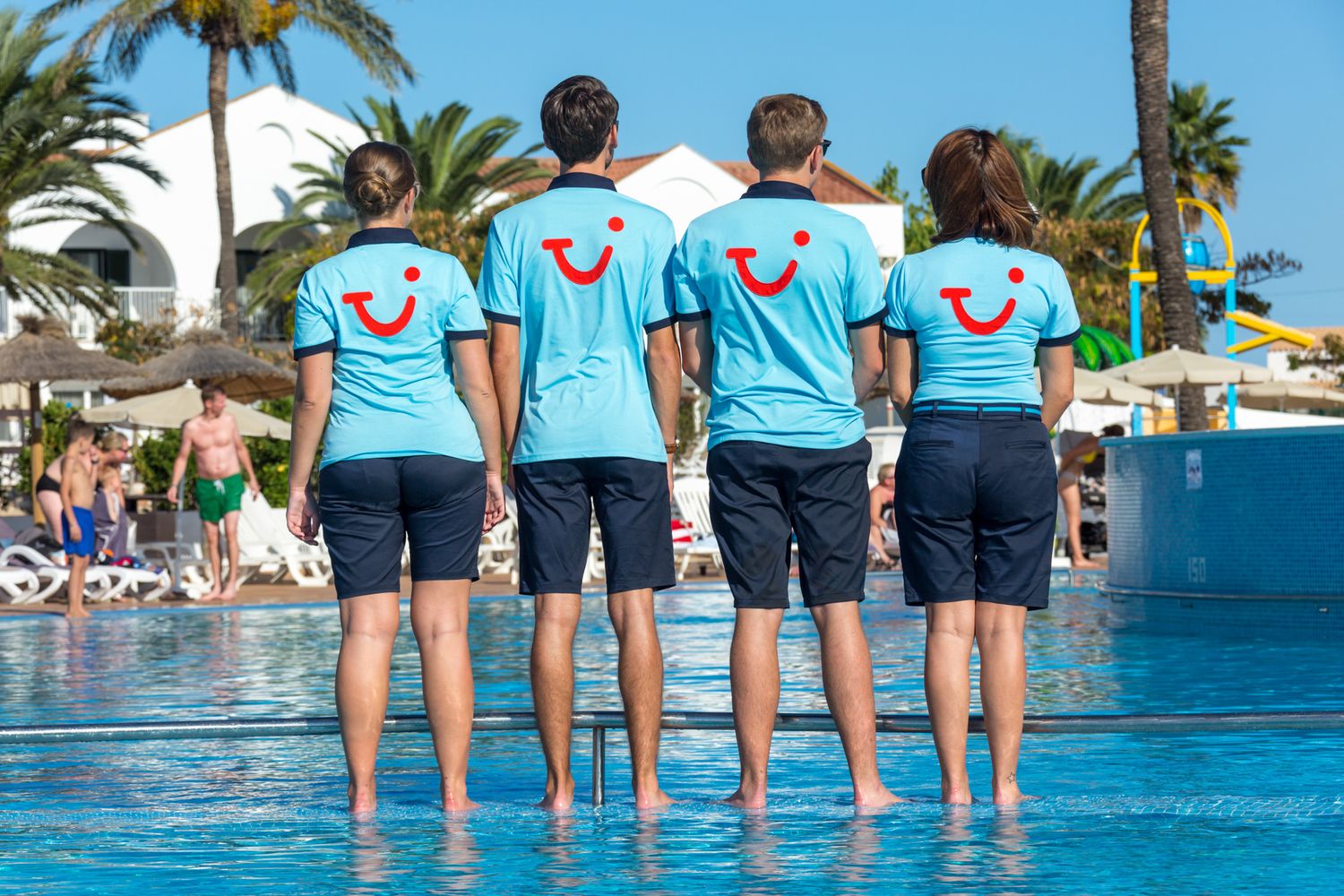
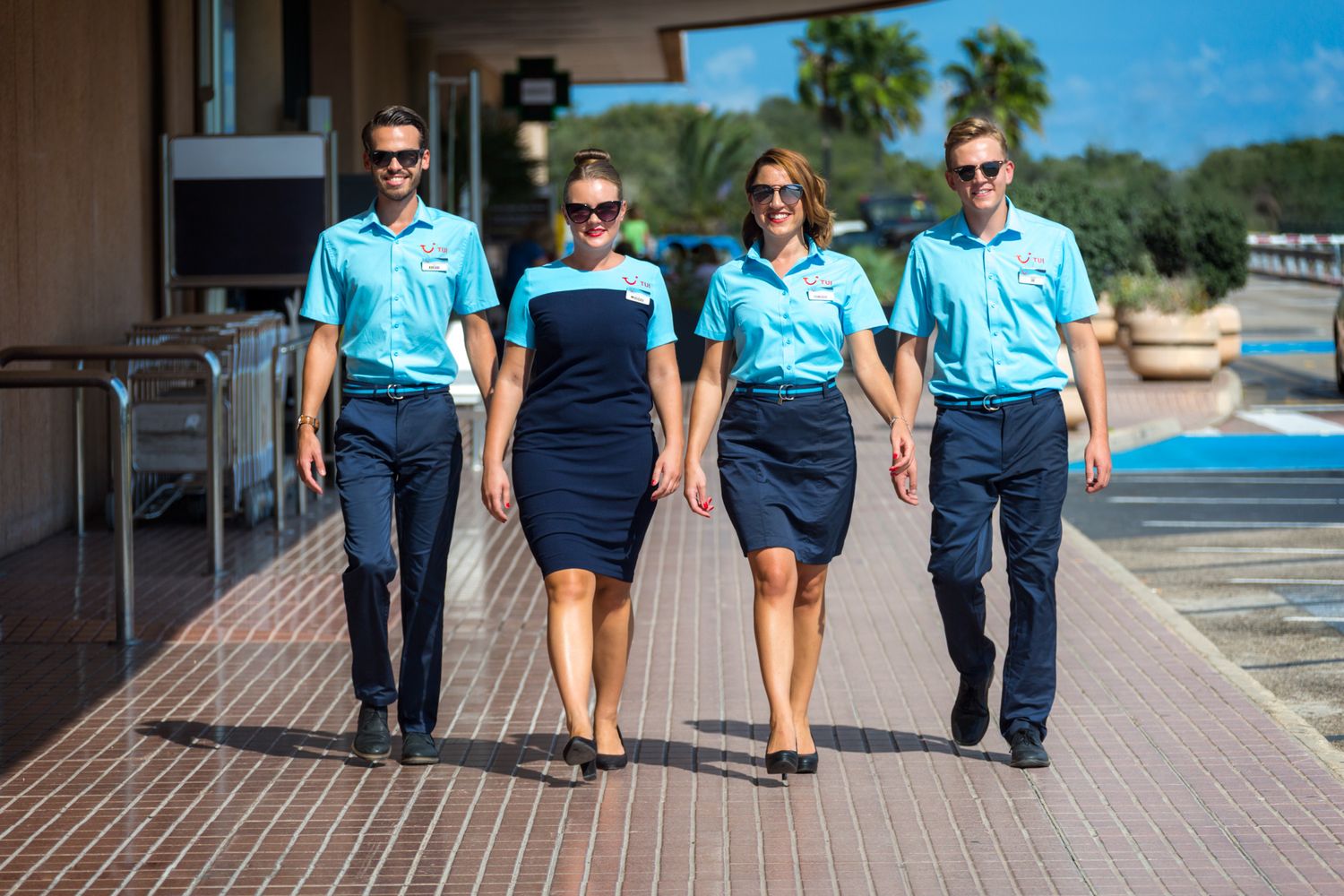
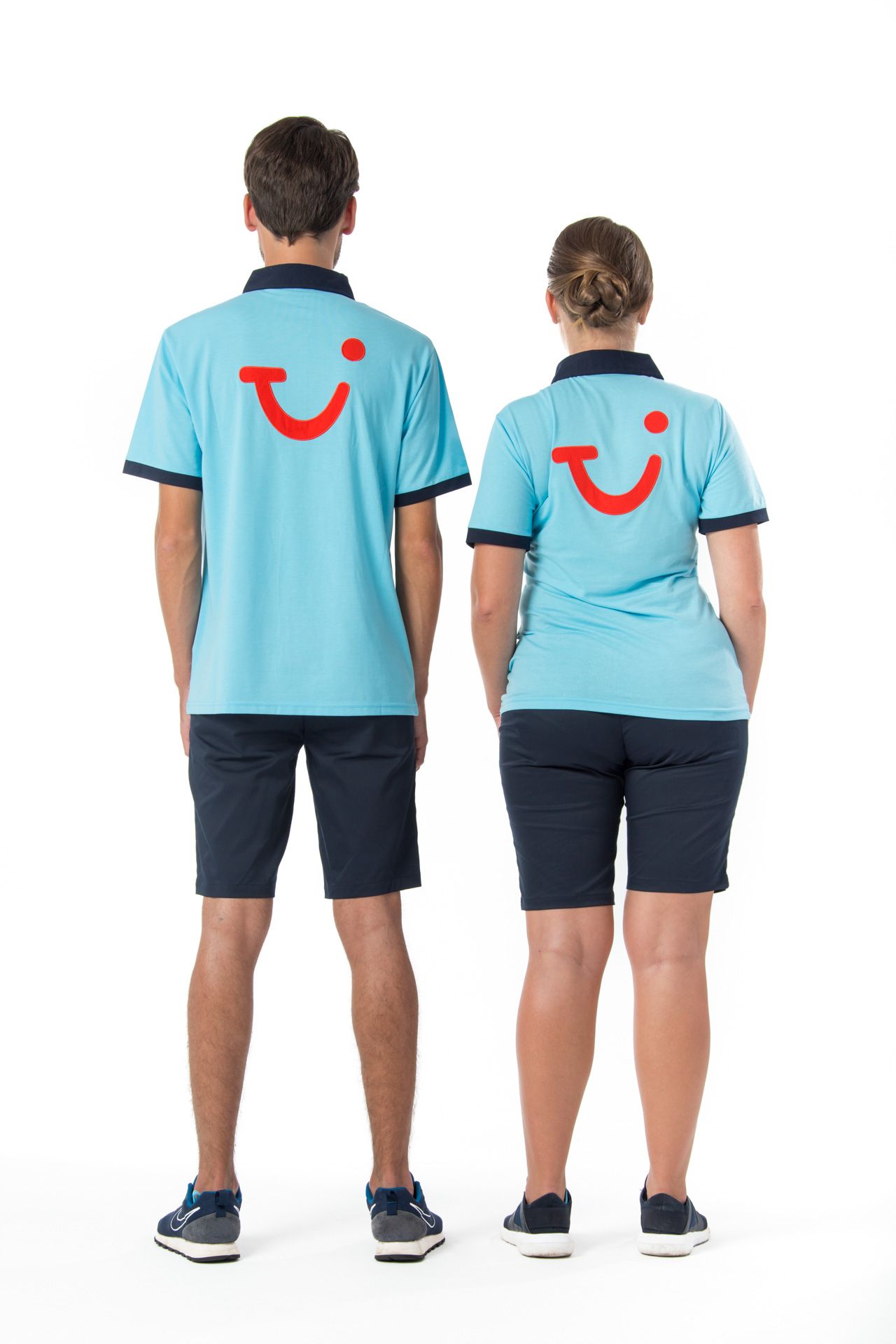
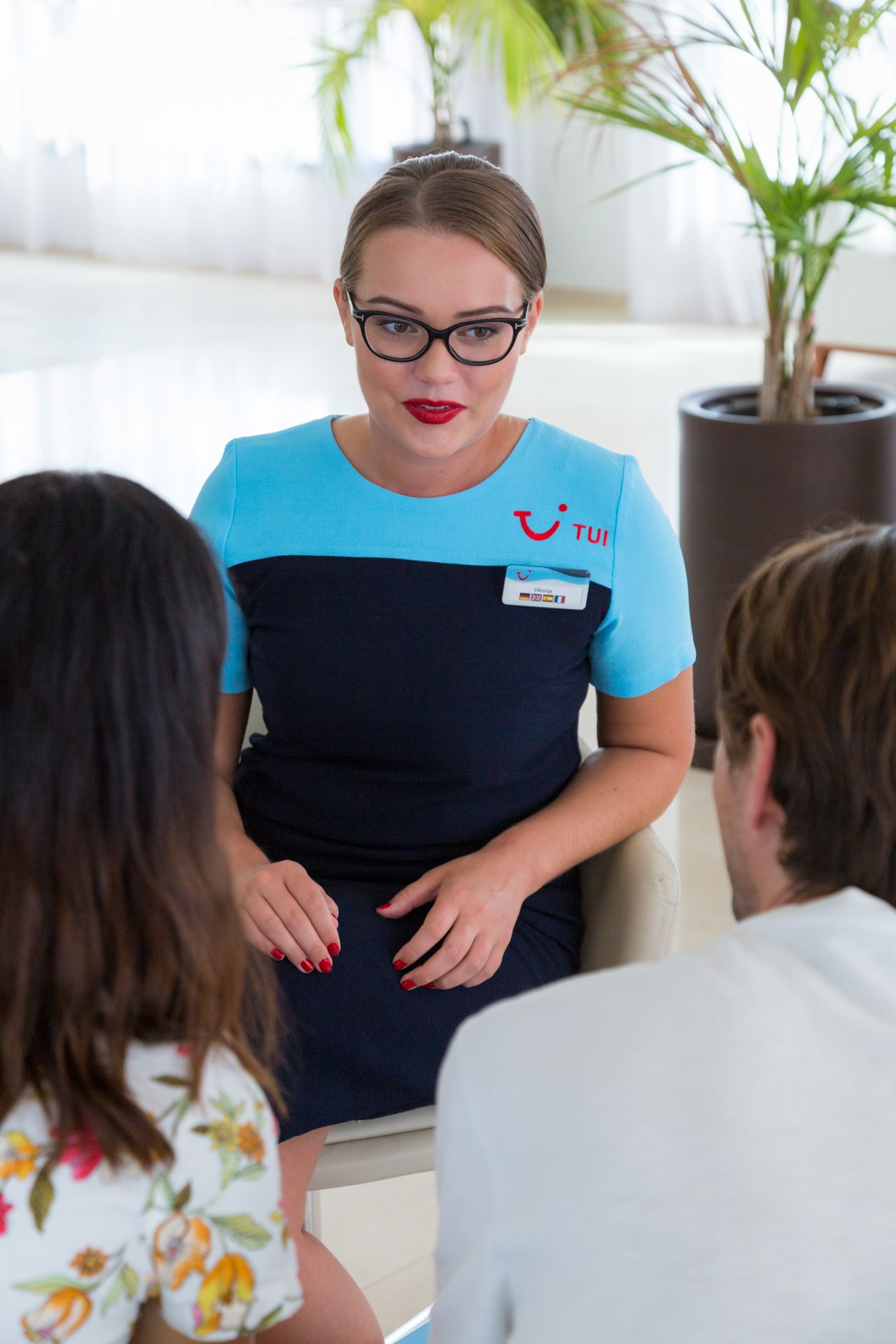
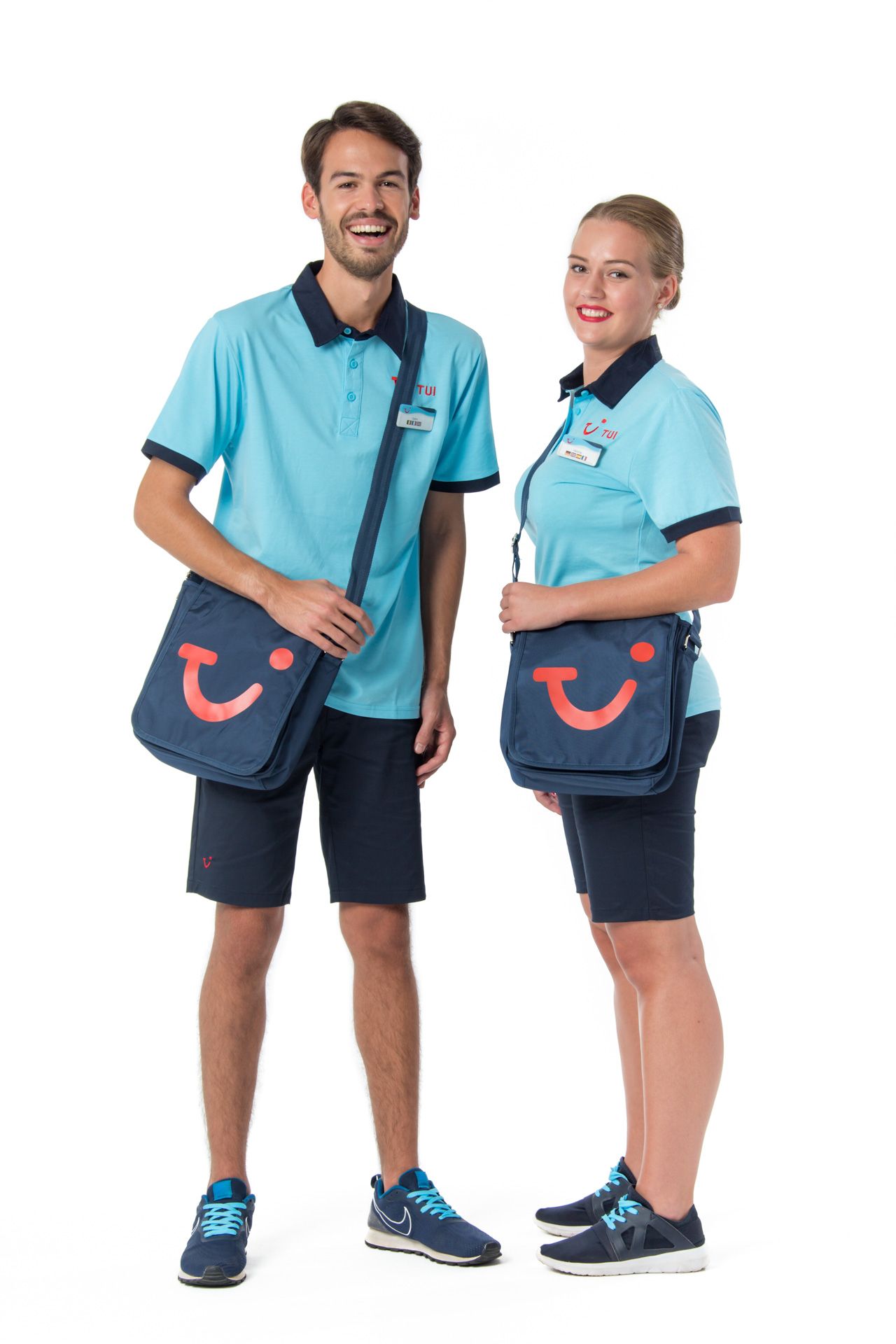
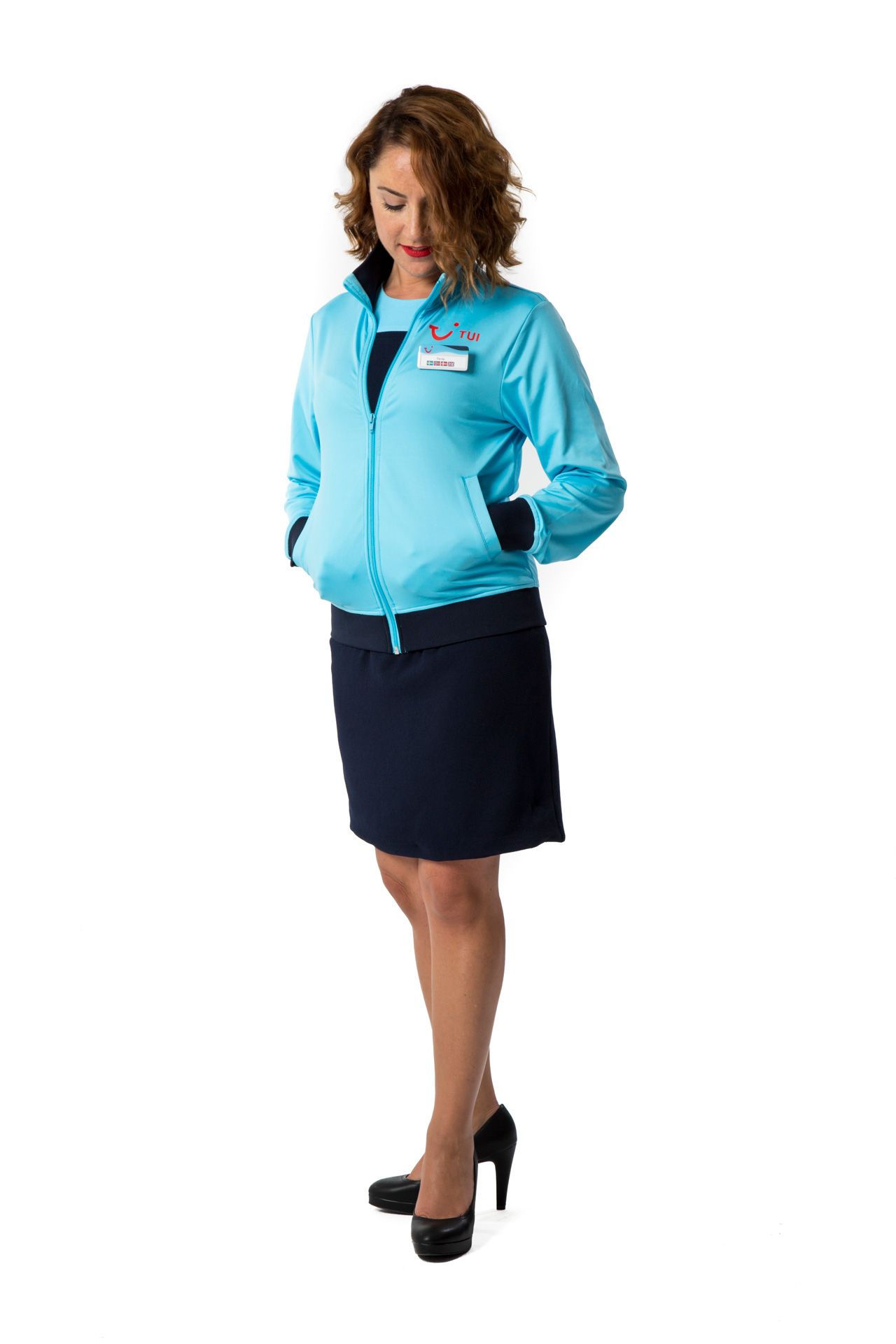
In 2017, TUI launched a new uniform for its overseas resort teams. The Smiling Faces campaign was created to introduce the uniform through natural, people-led photography that celebrated the employees wearing it.
At the time, I was TUI’s Global Photography Manager and the company’s sole in-house photographer, responsible for planning and delivering photography used across the global business.
I worked closely with teams from Brand, Marketing, Internal Communications and the Uniform Team to plan and photograph the campaign across Mallorca and Menorca.
The campaign was designed to celebrate the people behind the TUI brand while creating a versatile image library that could be used across marketing, internal communications, print and digital channels for years to come.
The finished photography was used throughout the business for around six years, appearing across TUI websites, brochures, resort materials, posters, social media, LinkedIn, internal communications and the company’s in-flight magazine.
The campaign brief
The objective was not simply to produce a catalogue of uniform photographs.
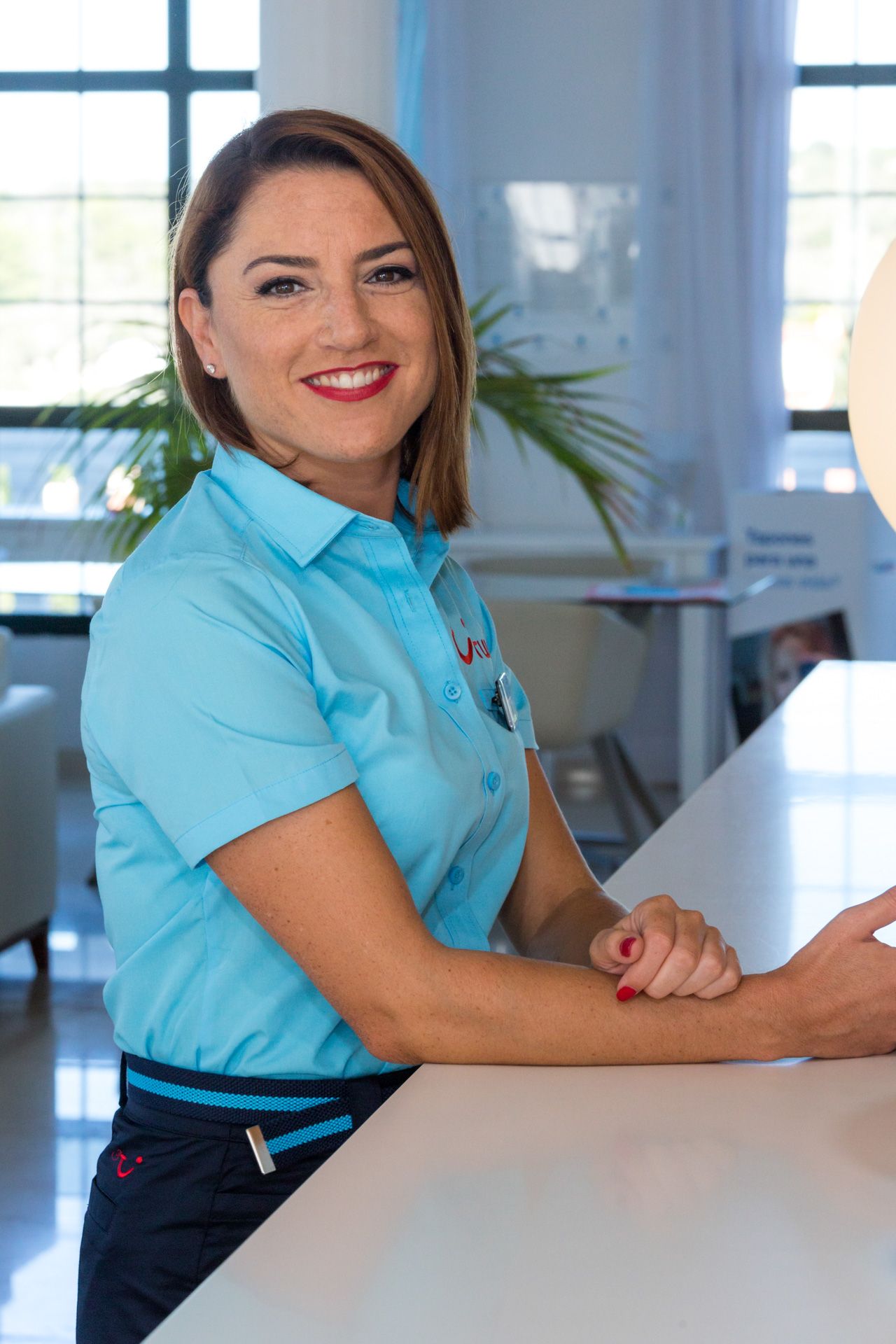
TUI wanted to launch the new clothing while showing the friendly, knowledgeable and approachable people customers would meet during their holidays. The images needed to feel recognisably TUI, but they also had to feel authentic.
Rather than relying entirely on conventional studio photography, we created a mixture of:
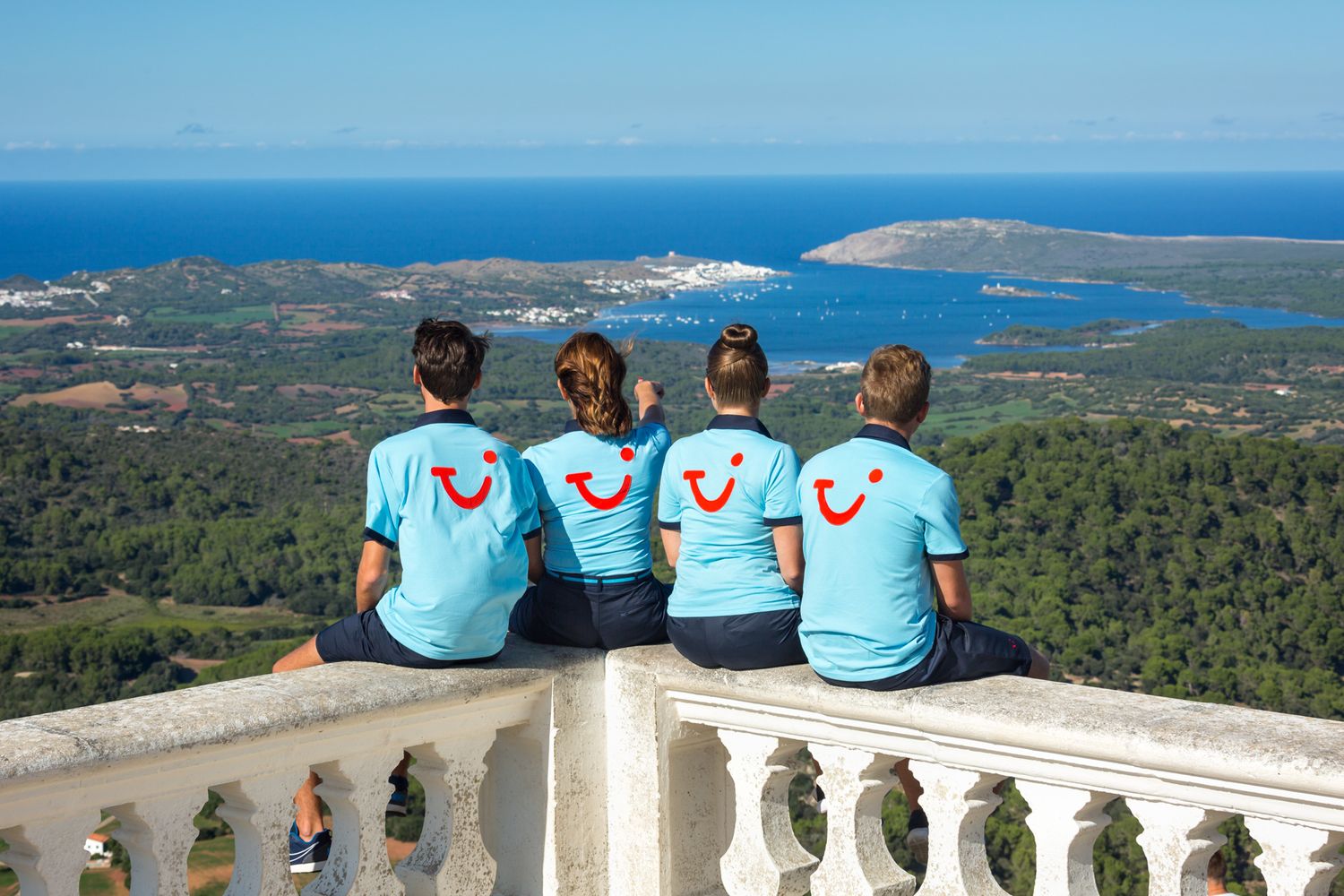
- Natural lifestyle photography
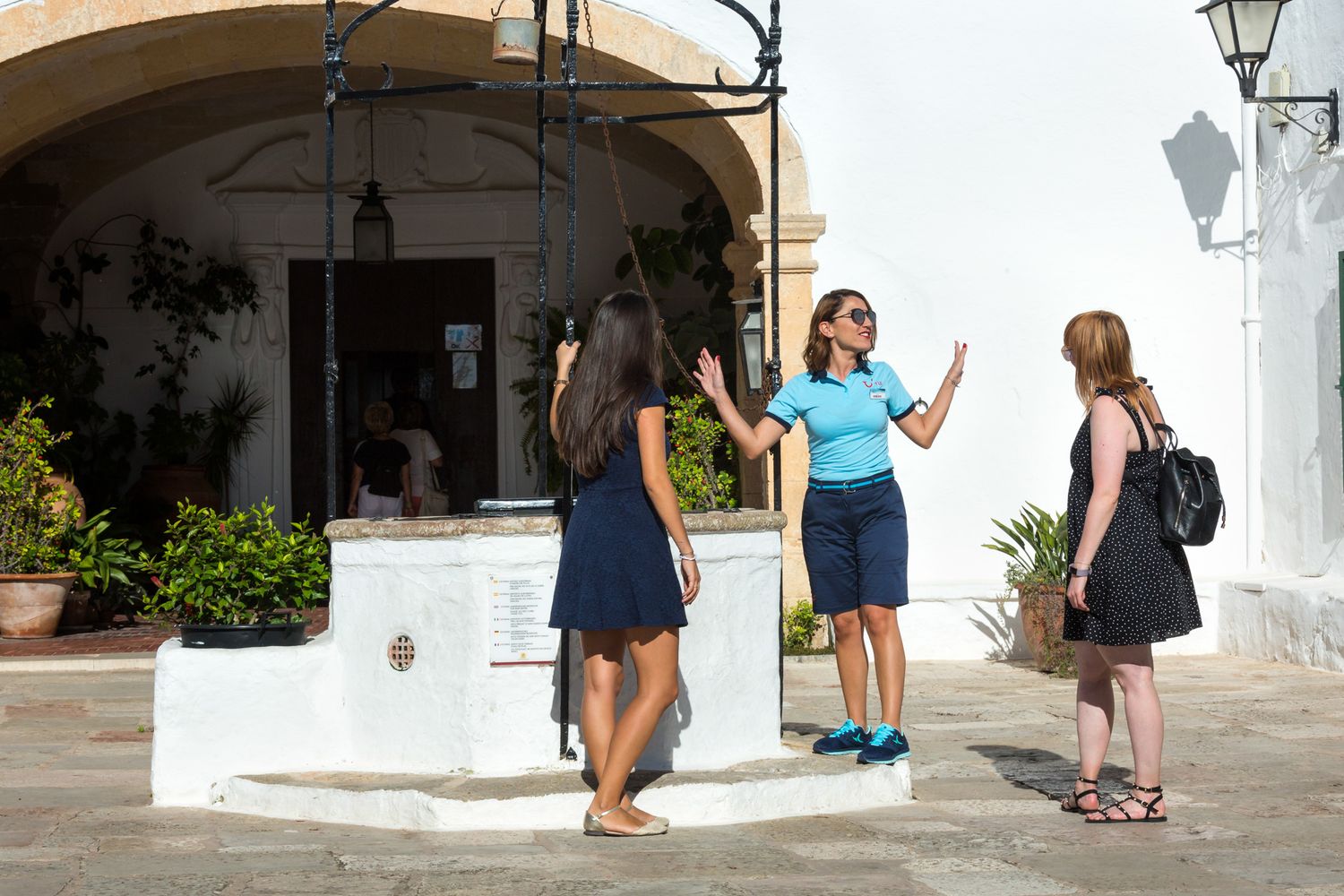
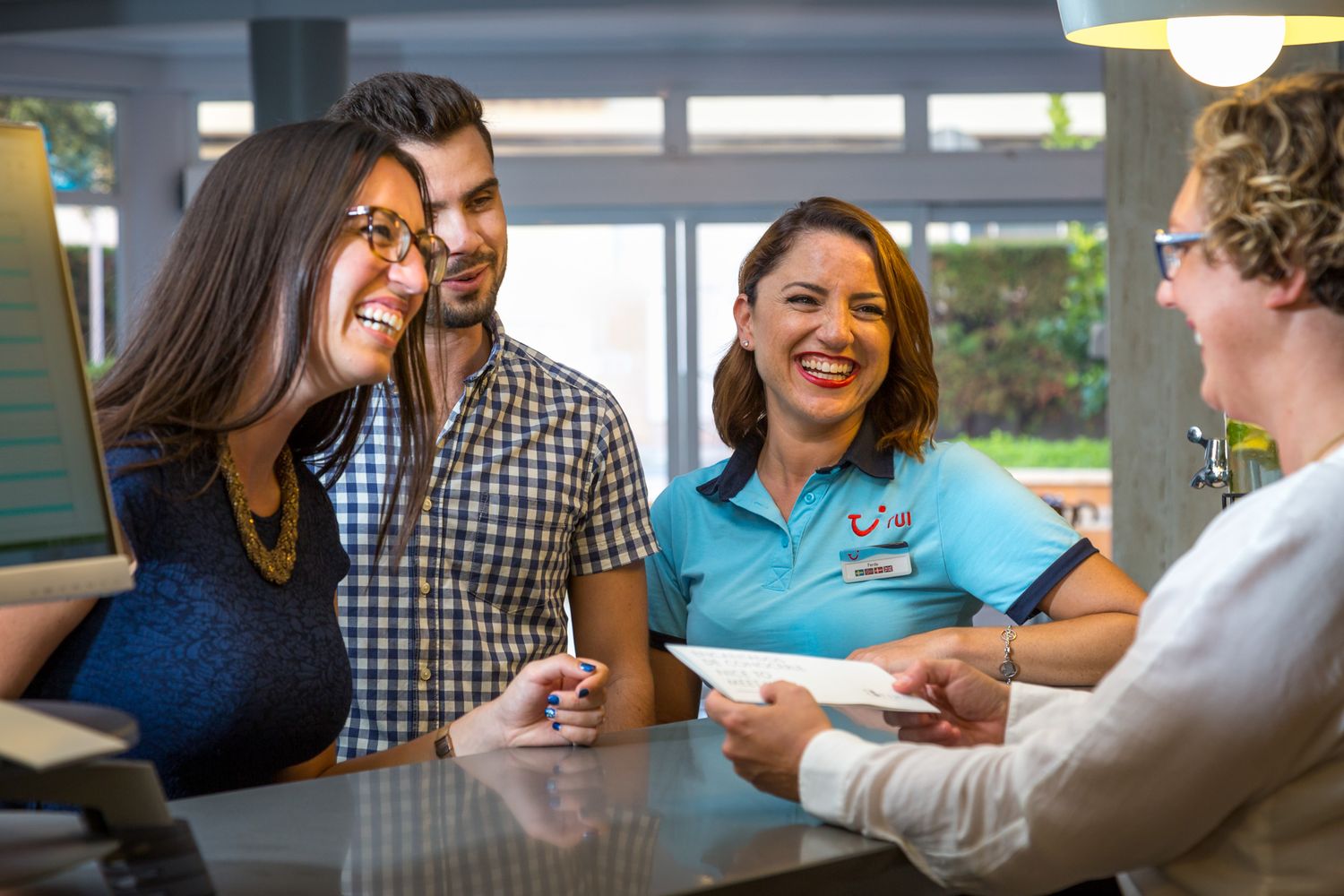
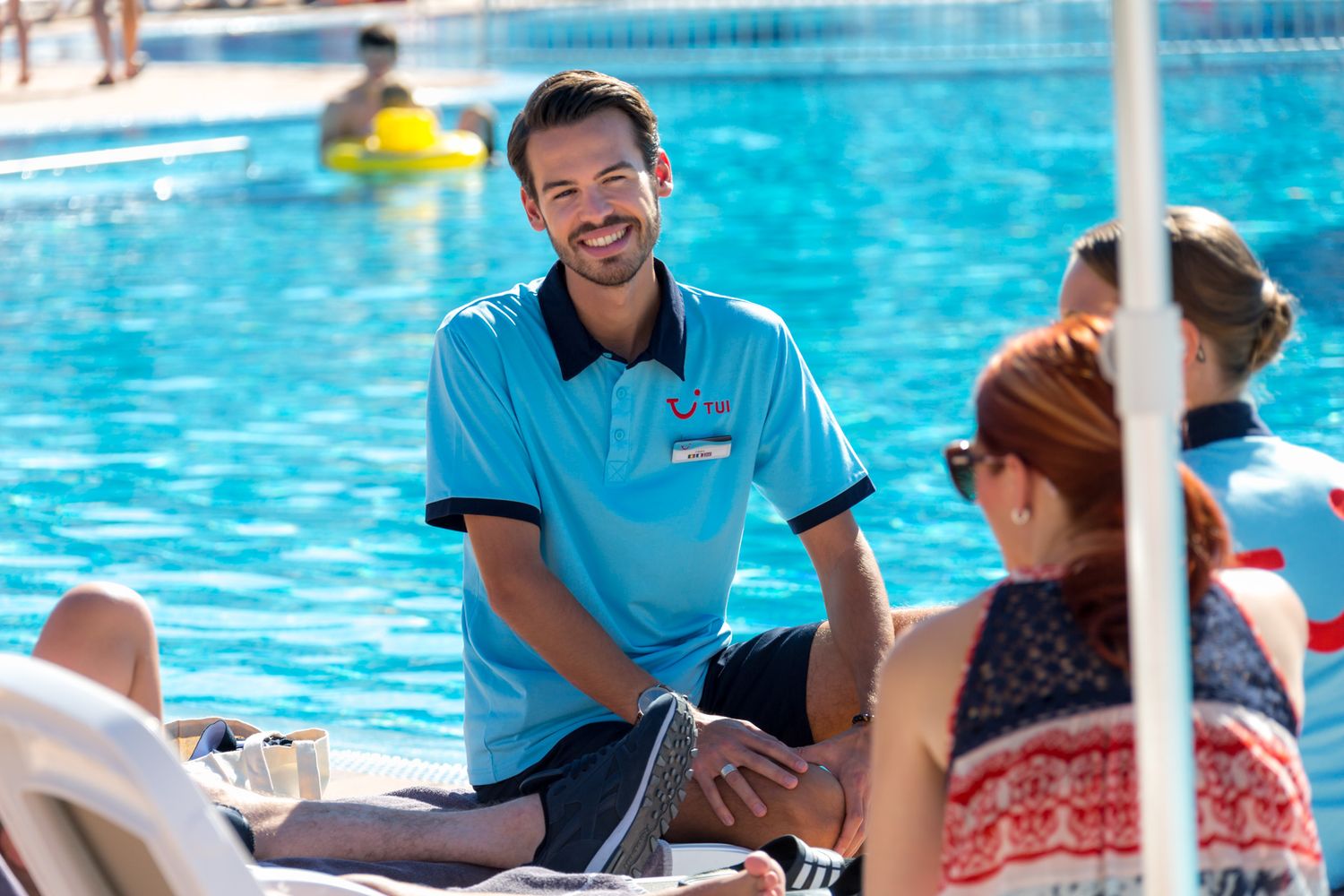
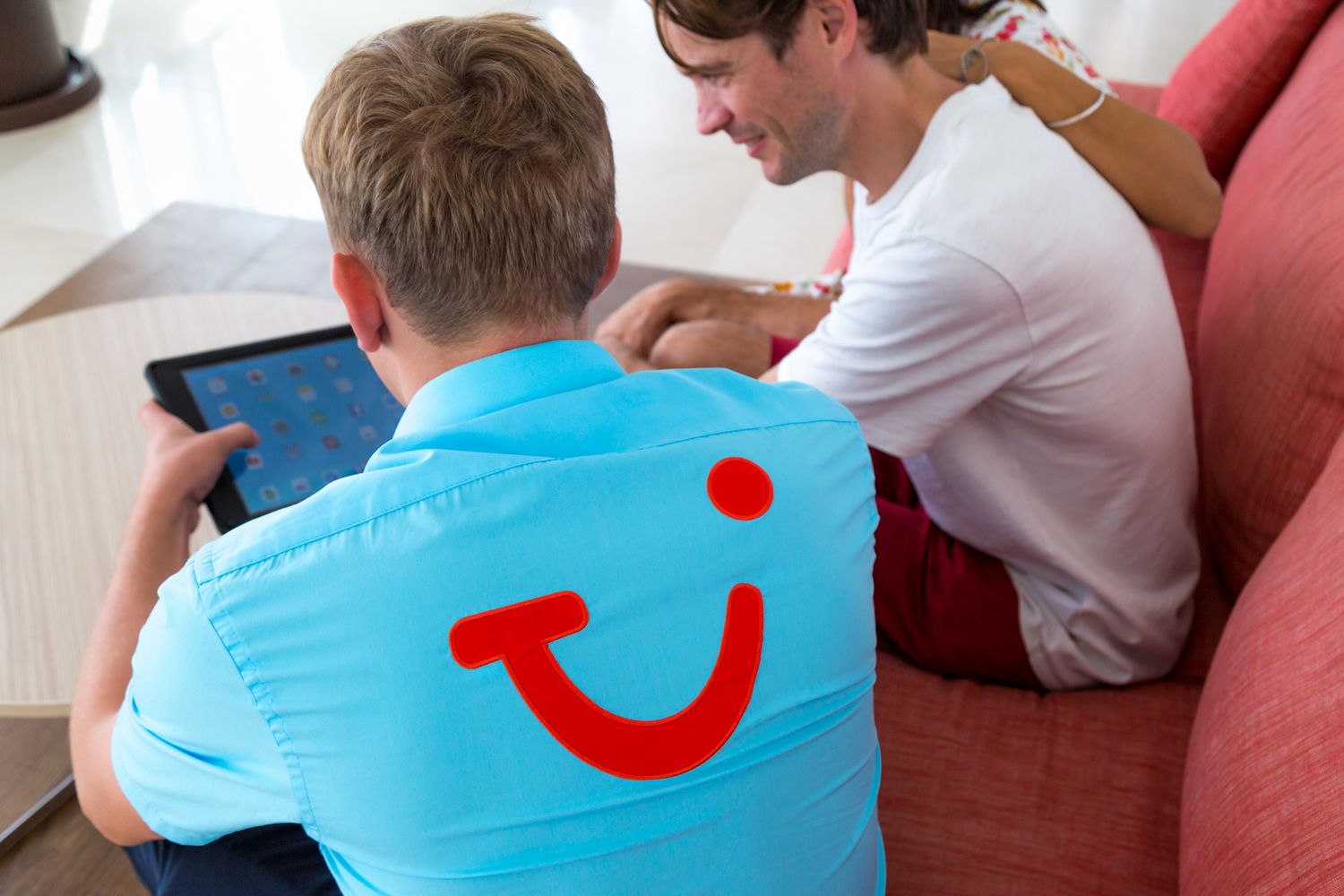
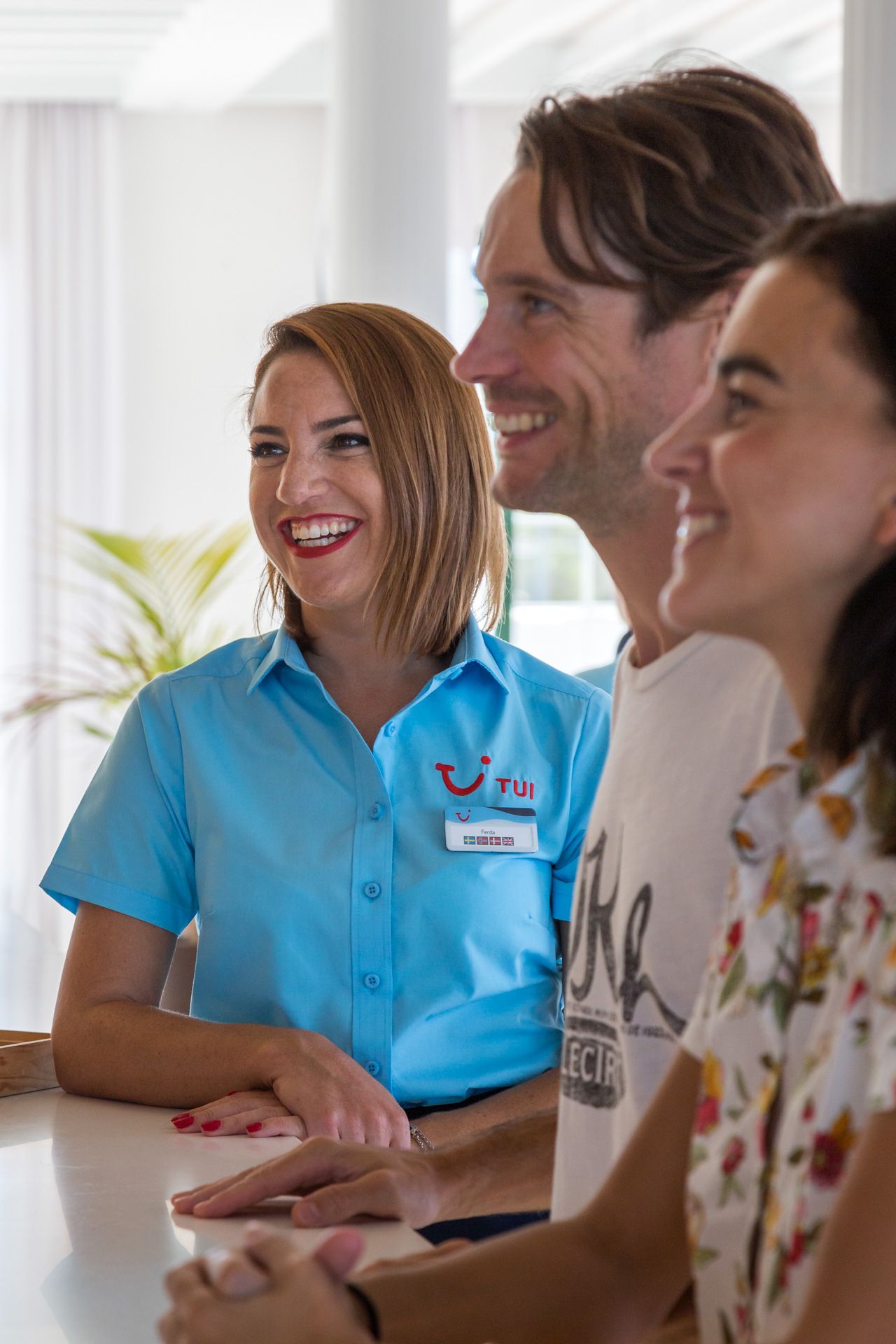
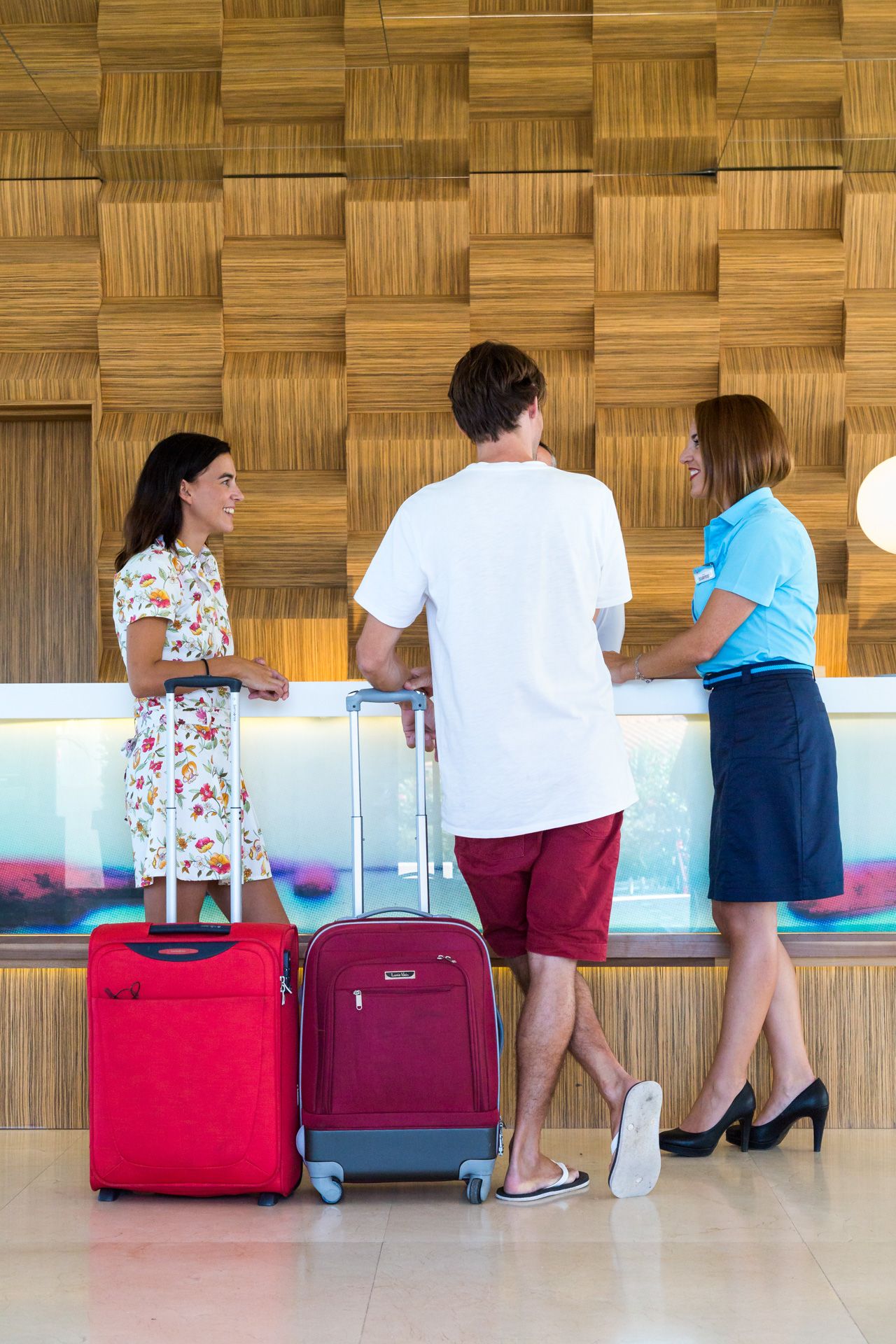
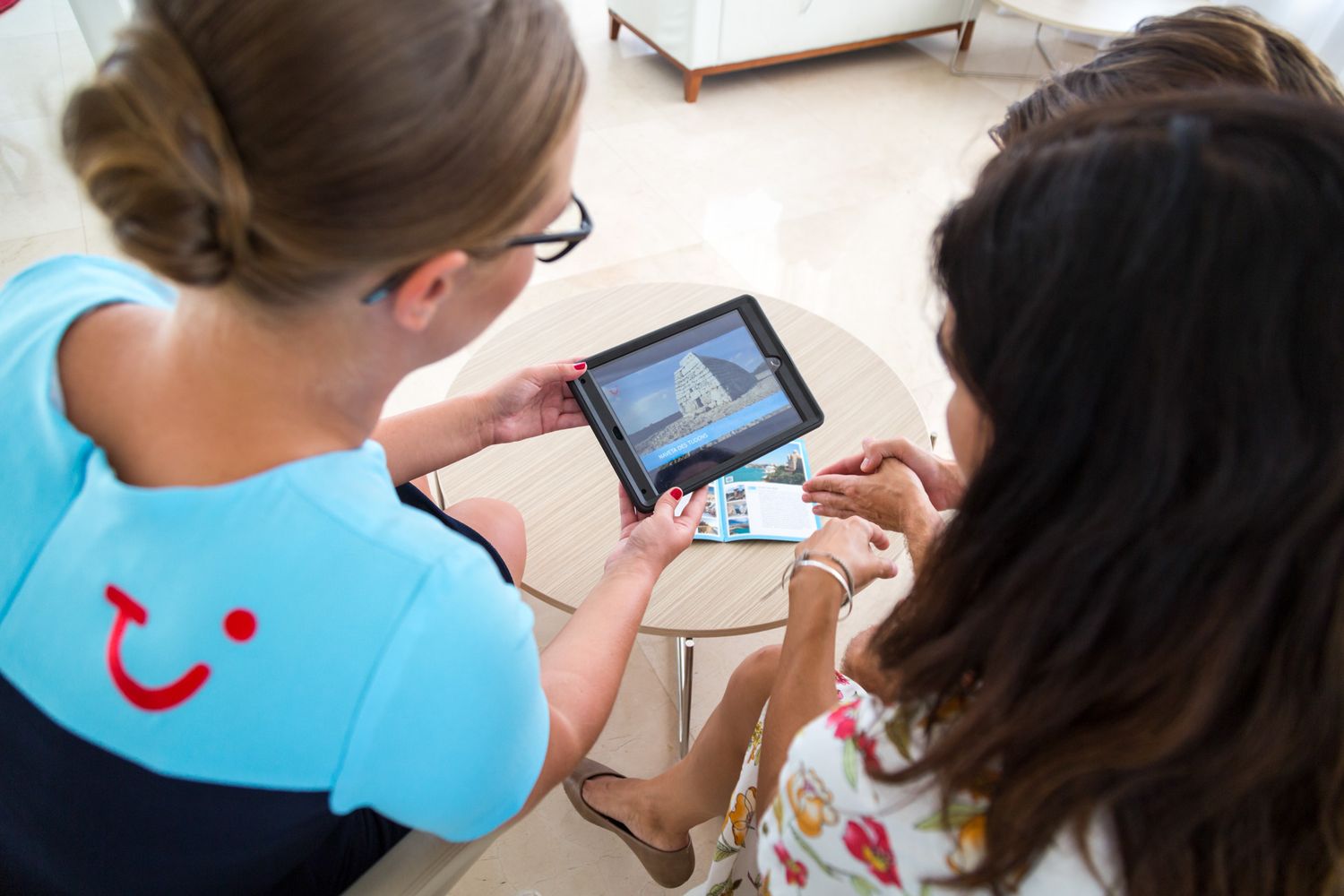
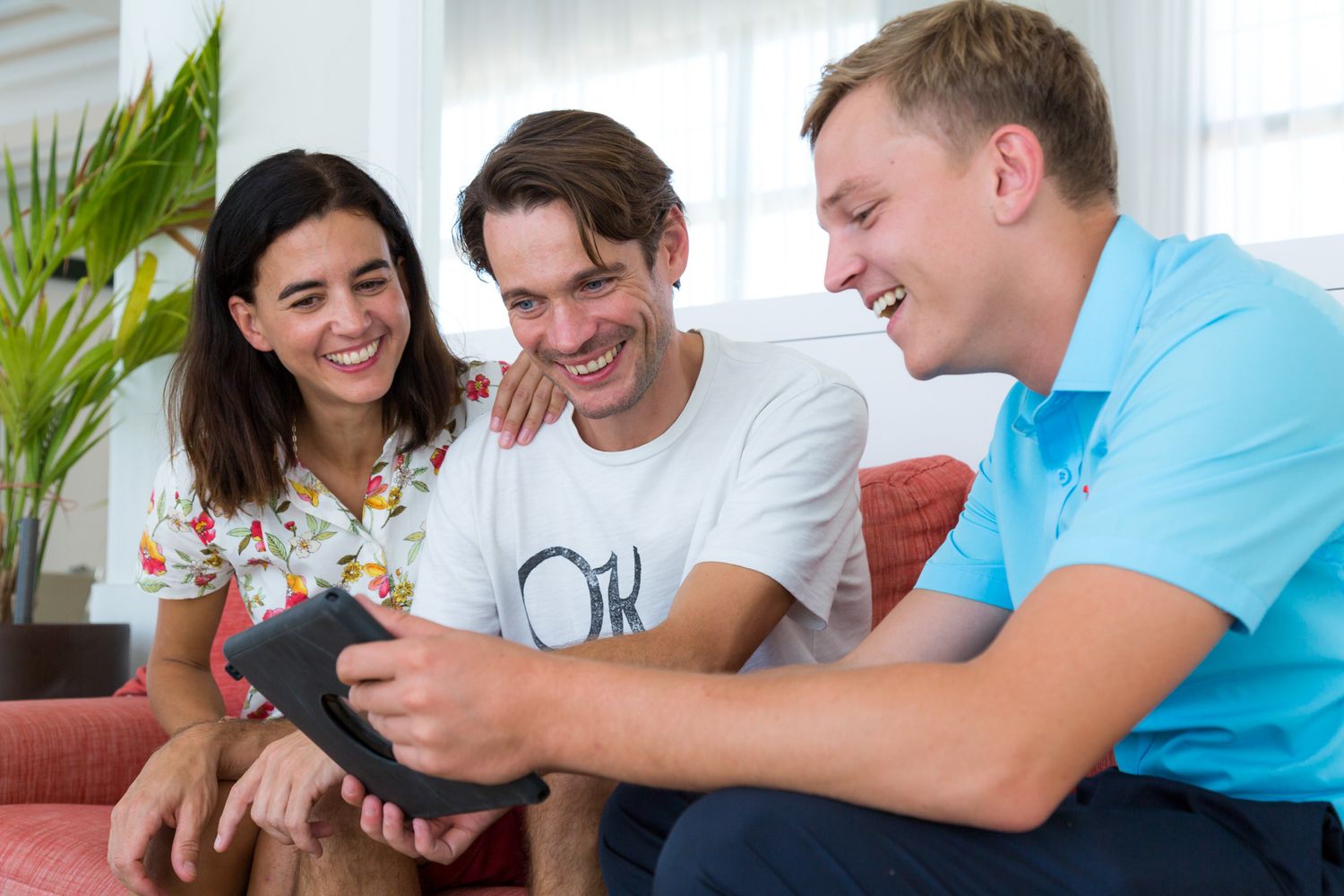
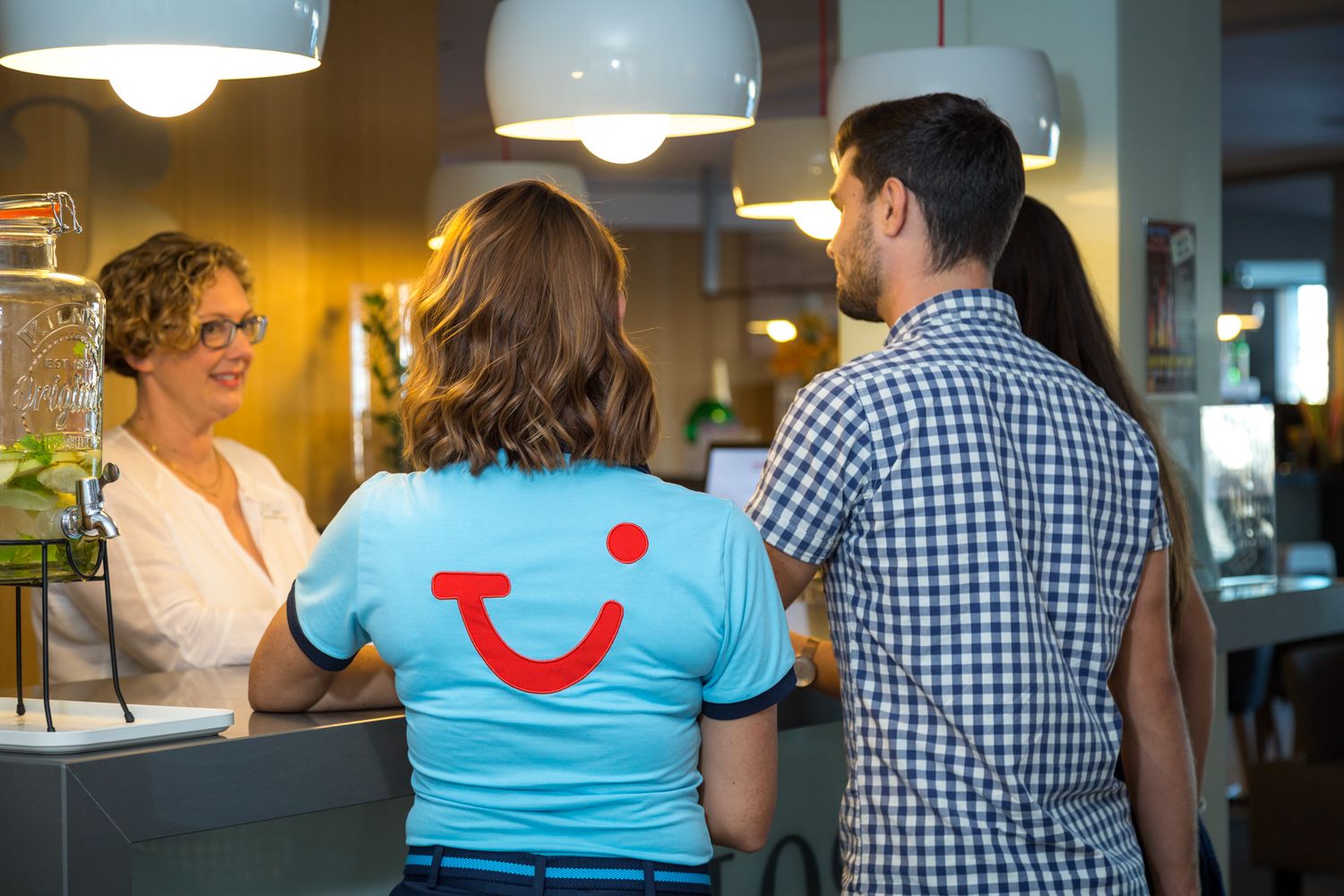
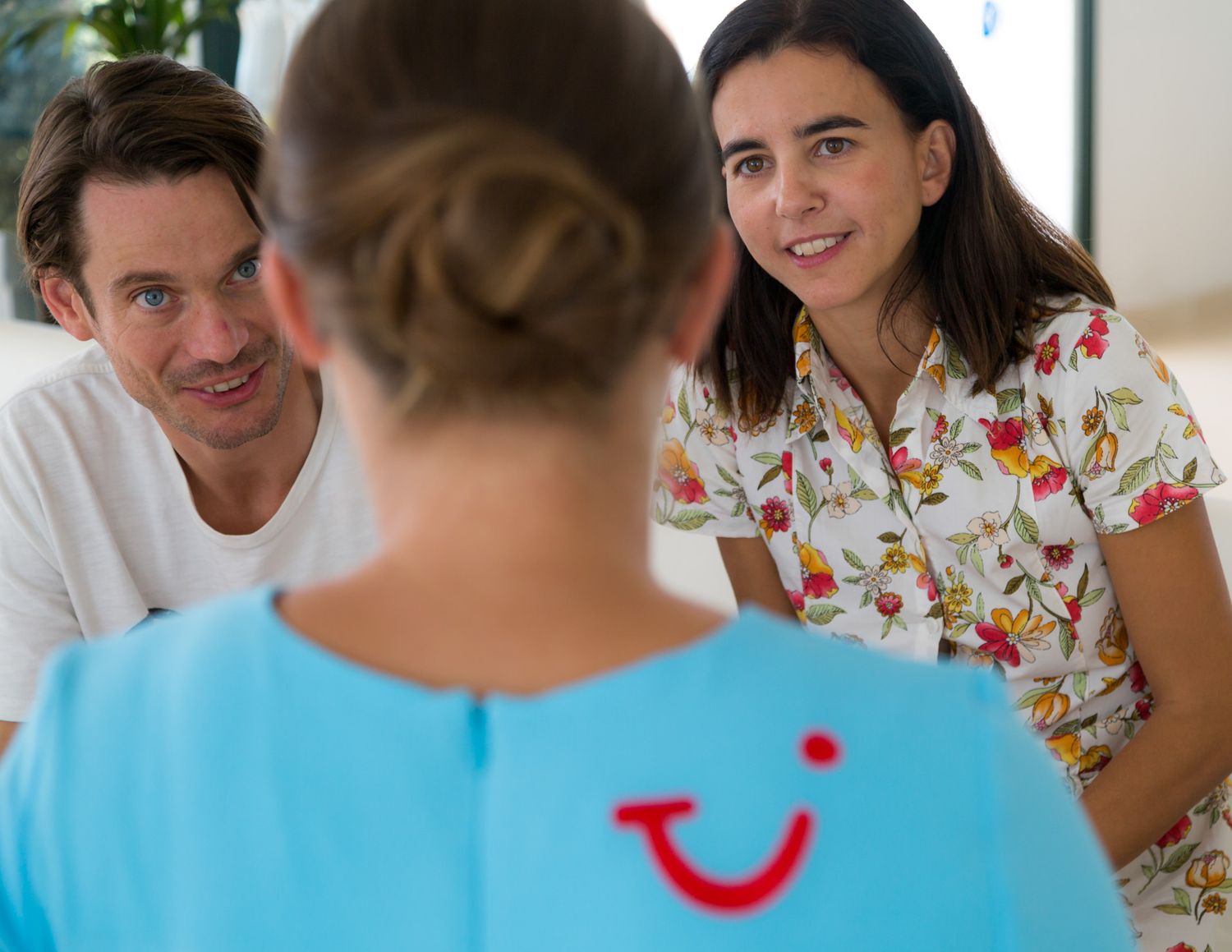
- Staff interacting with guests
- Resort and hotel photography
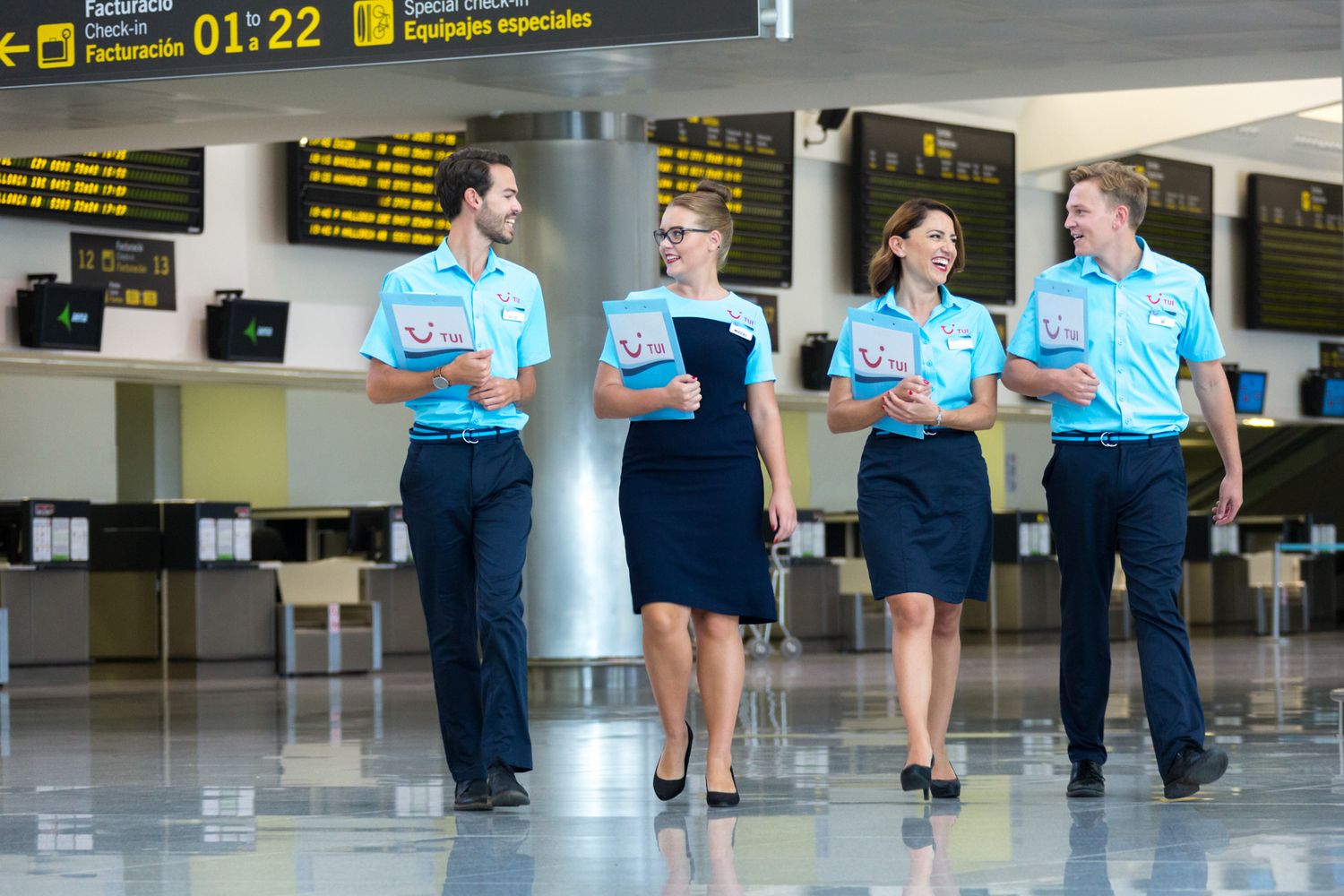
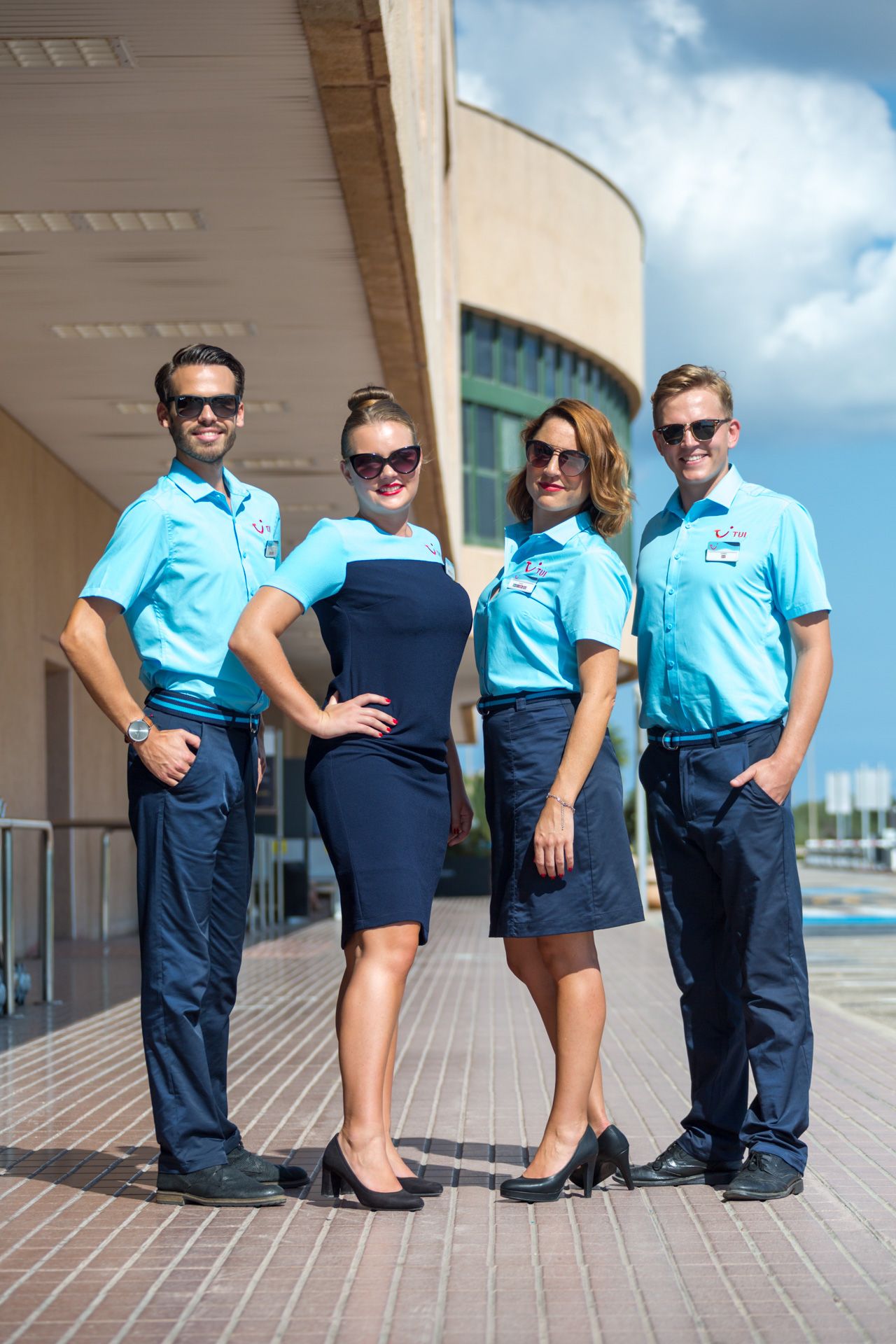
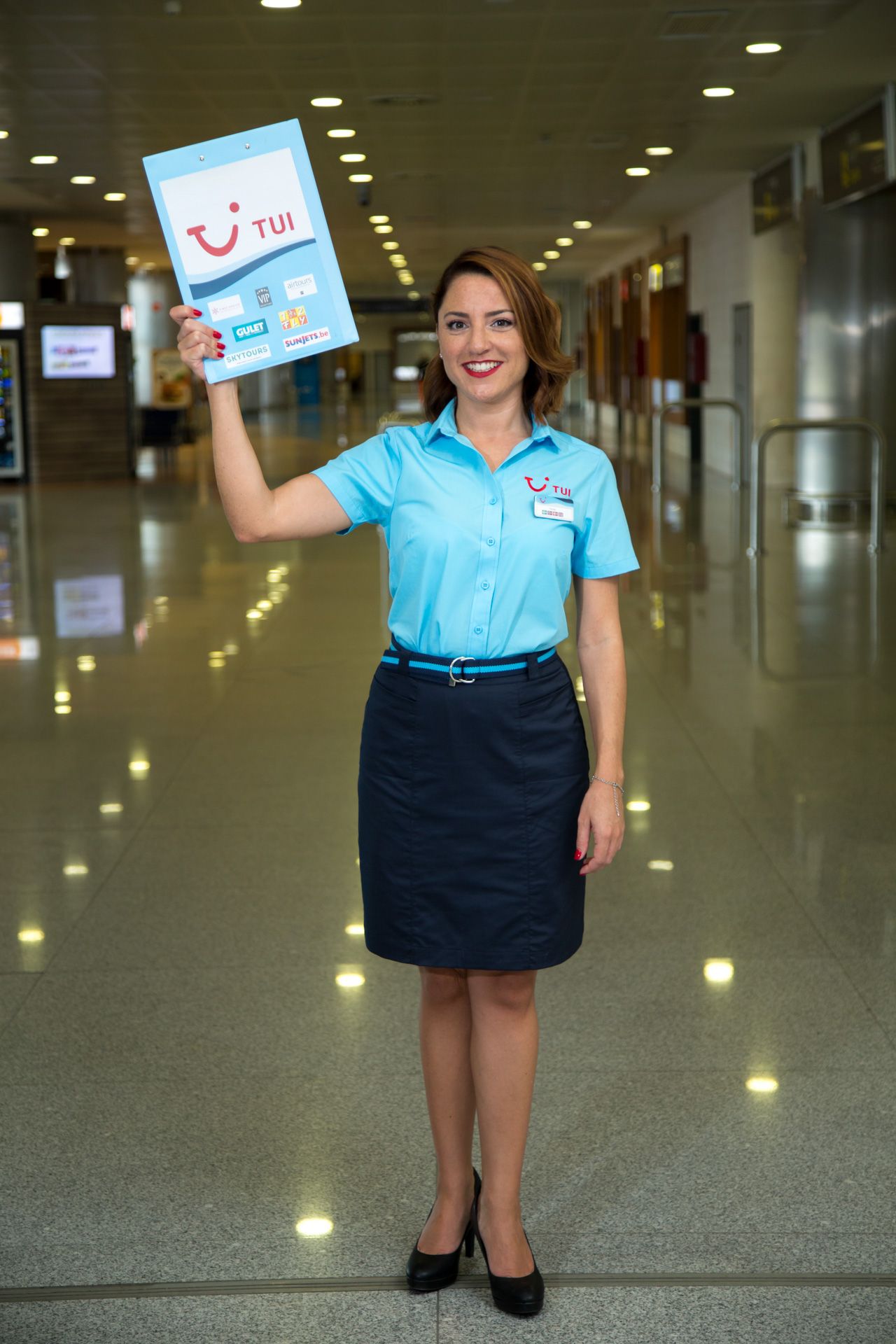
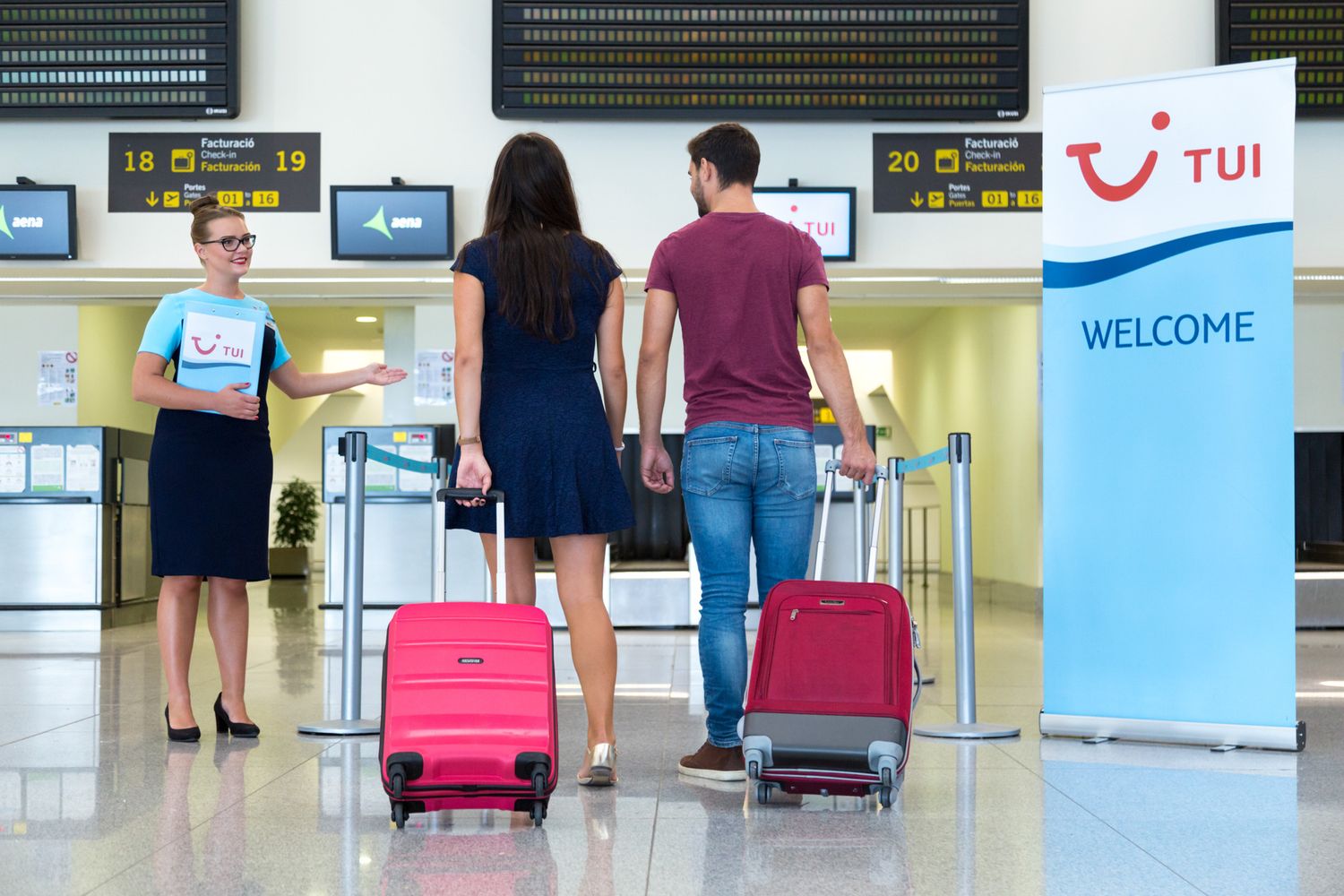
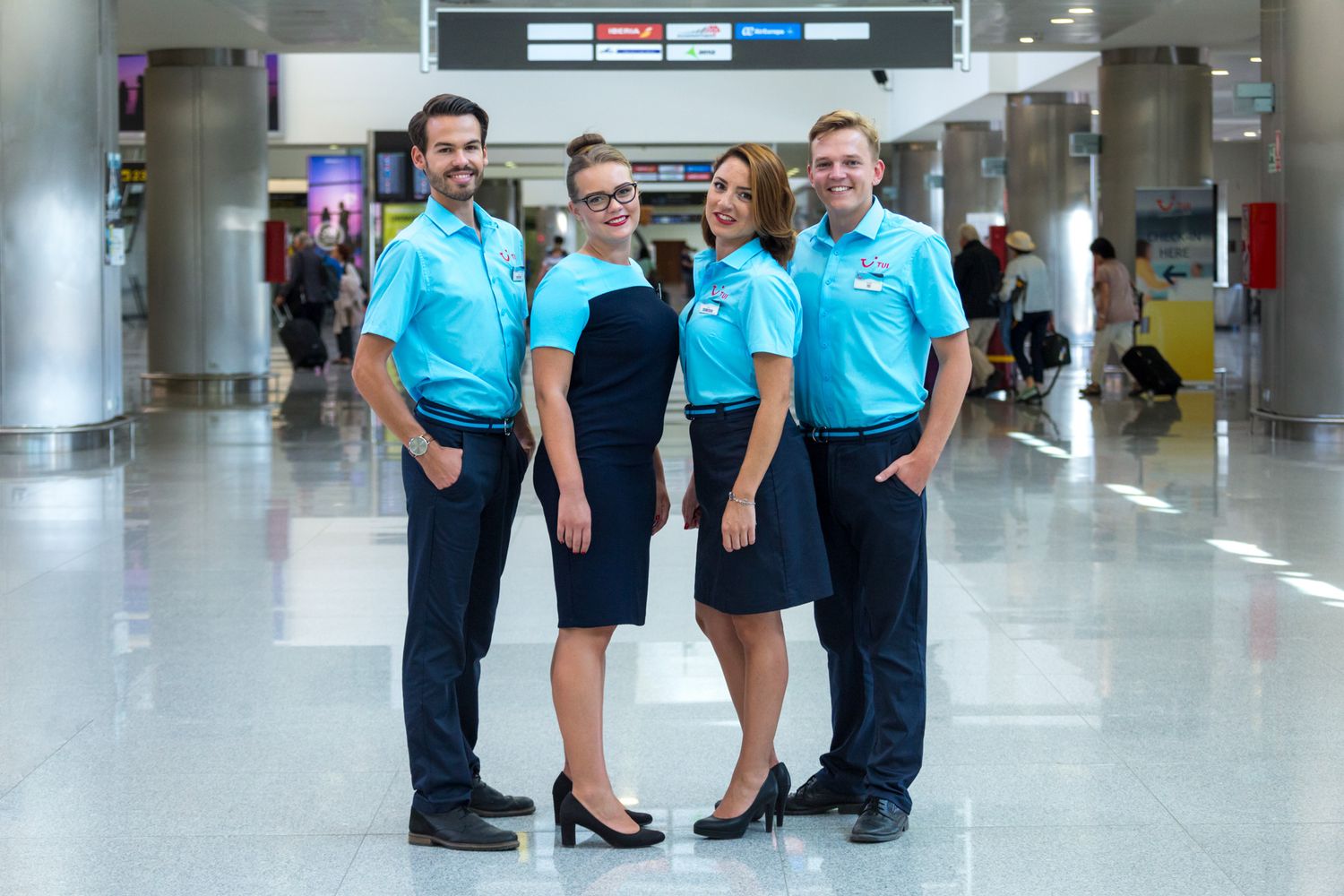
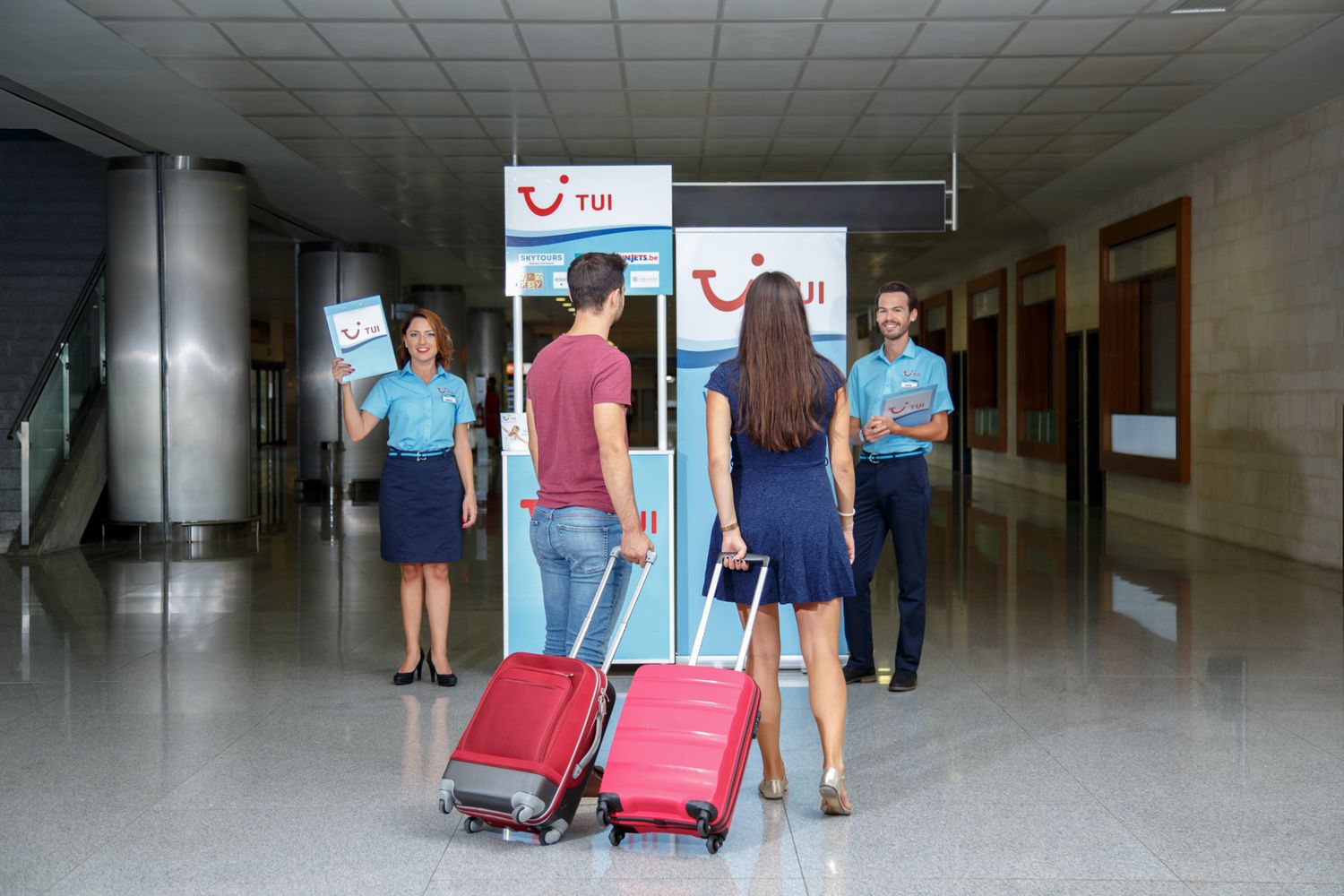
- Airport photography
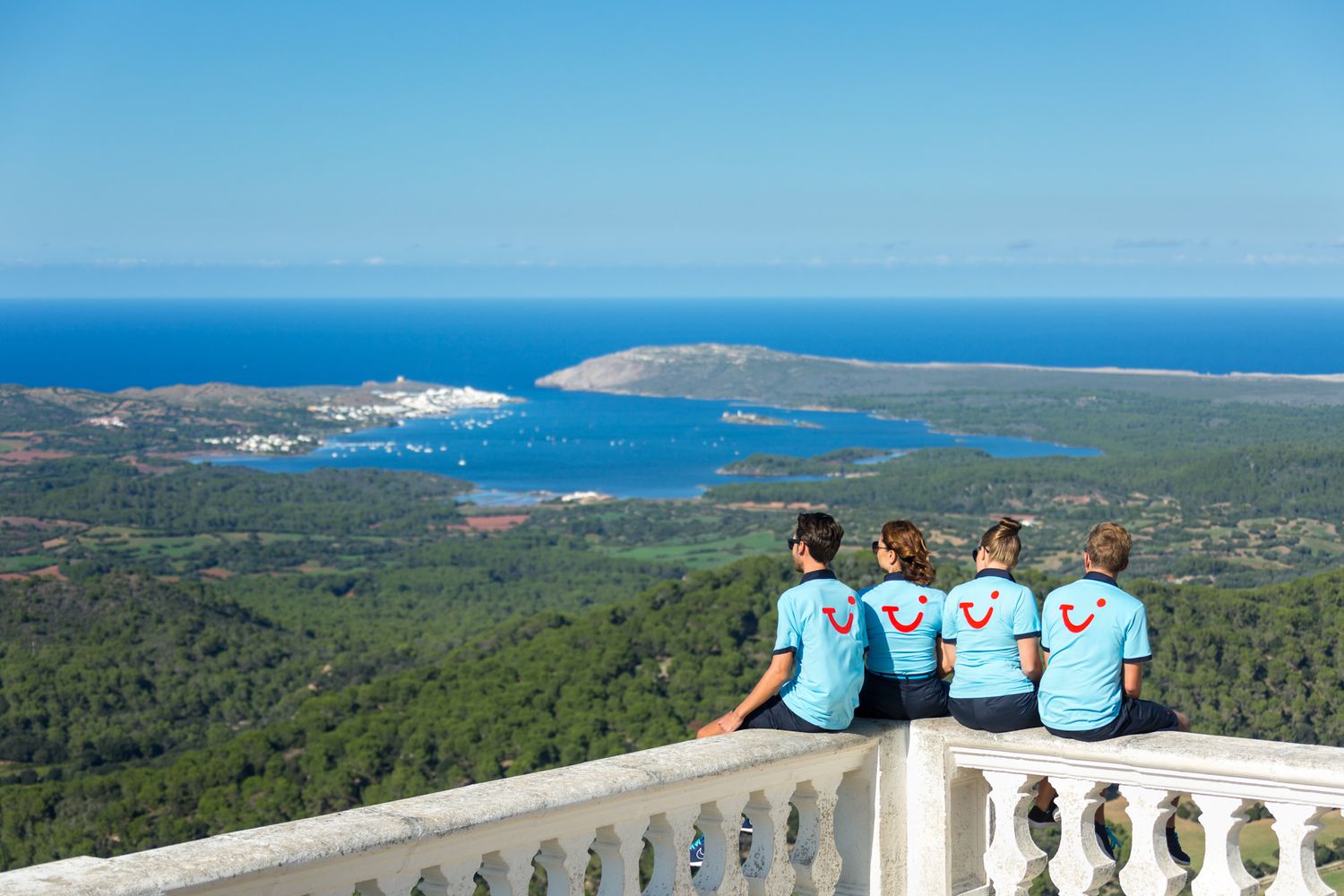
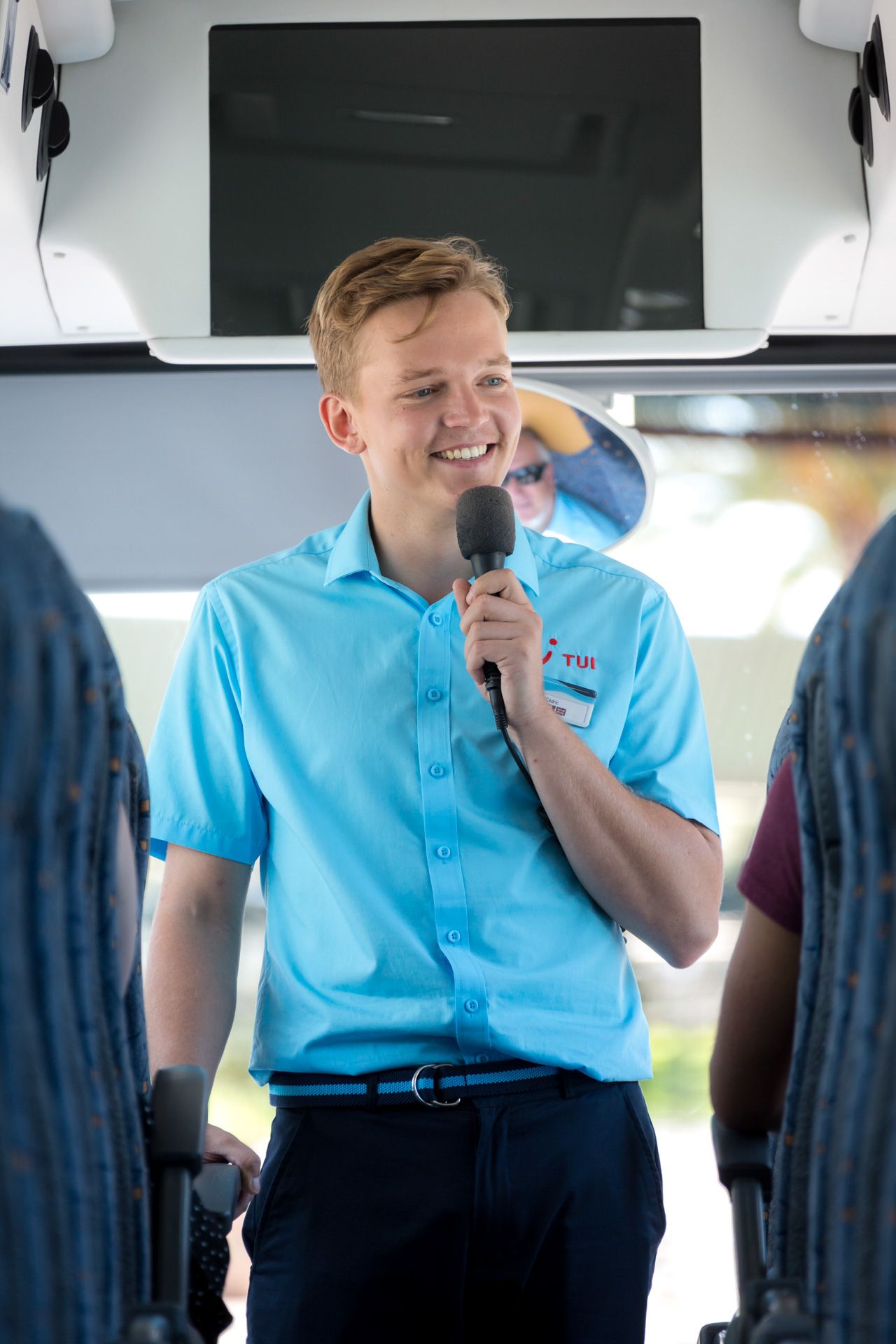
- Excursion and transport scenarios
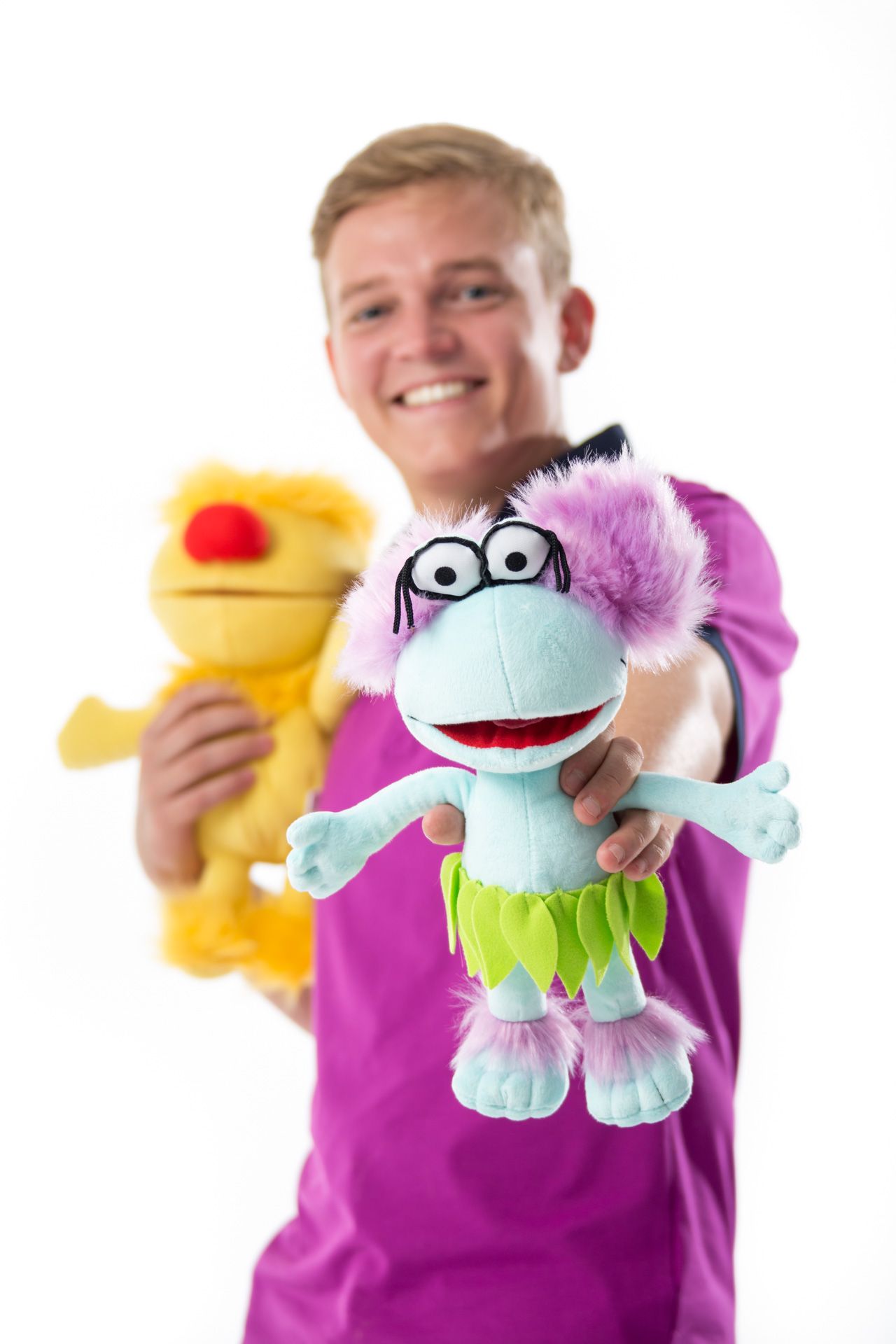
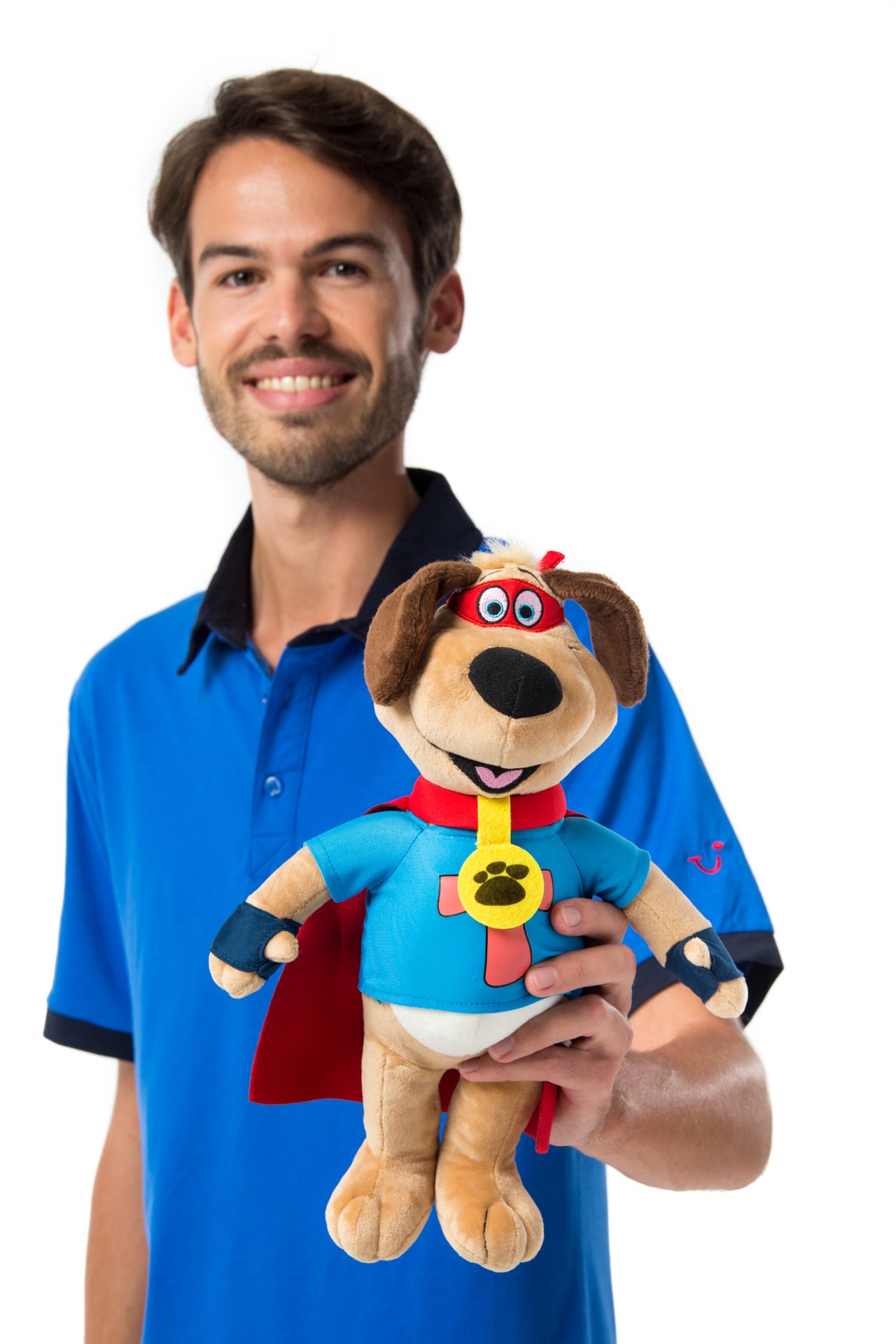
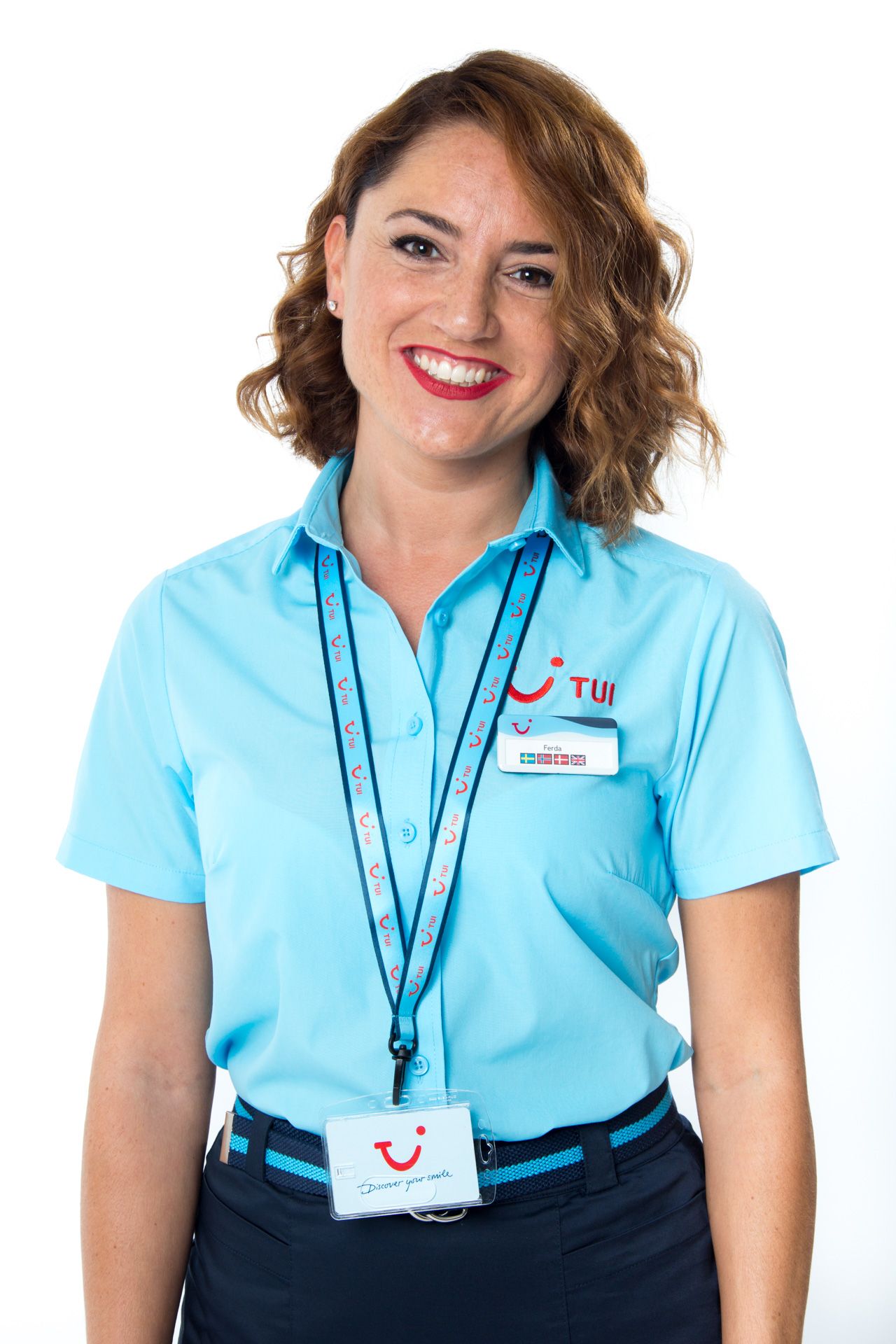
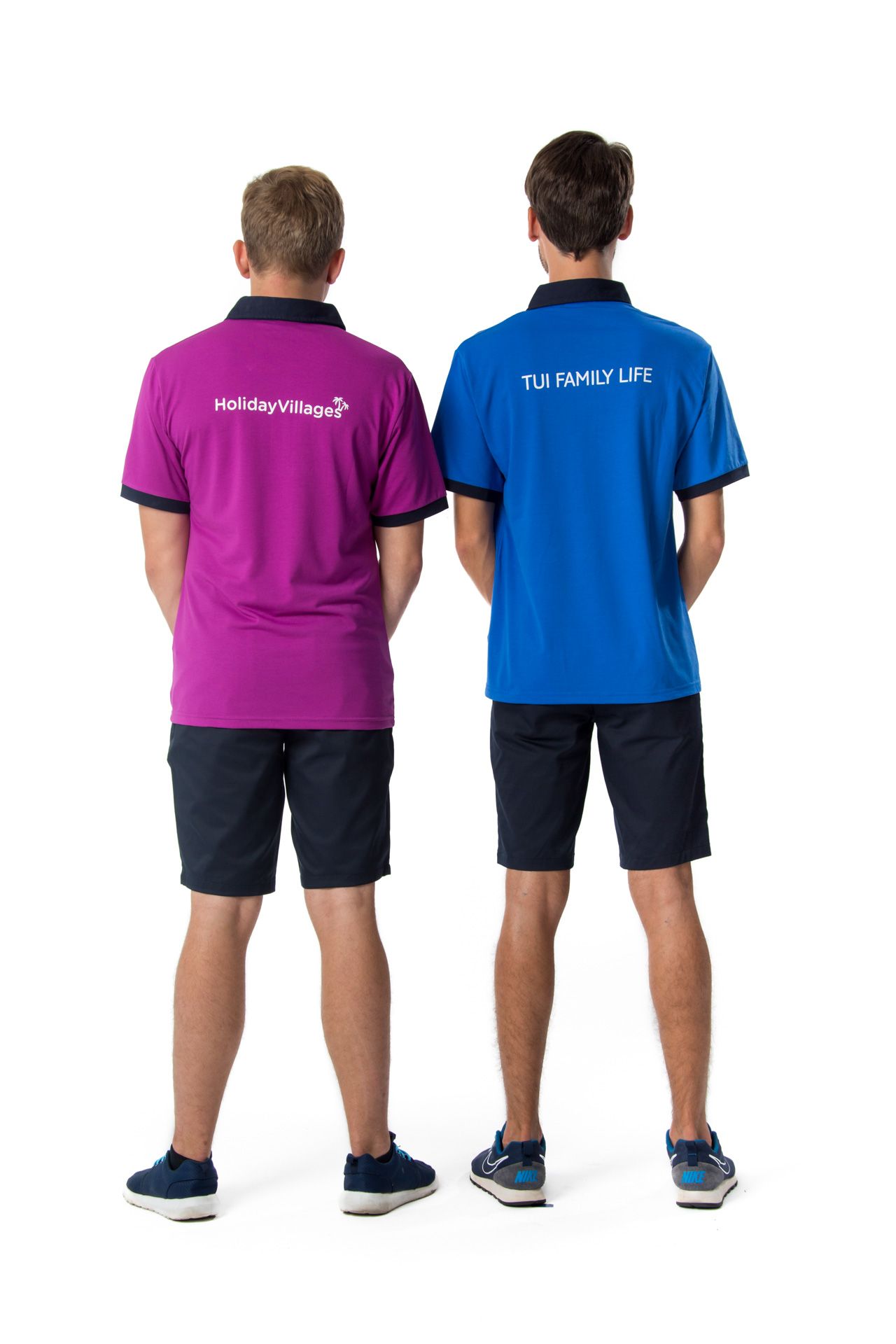
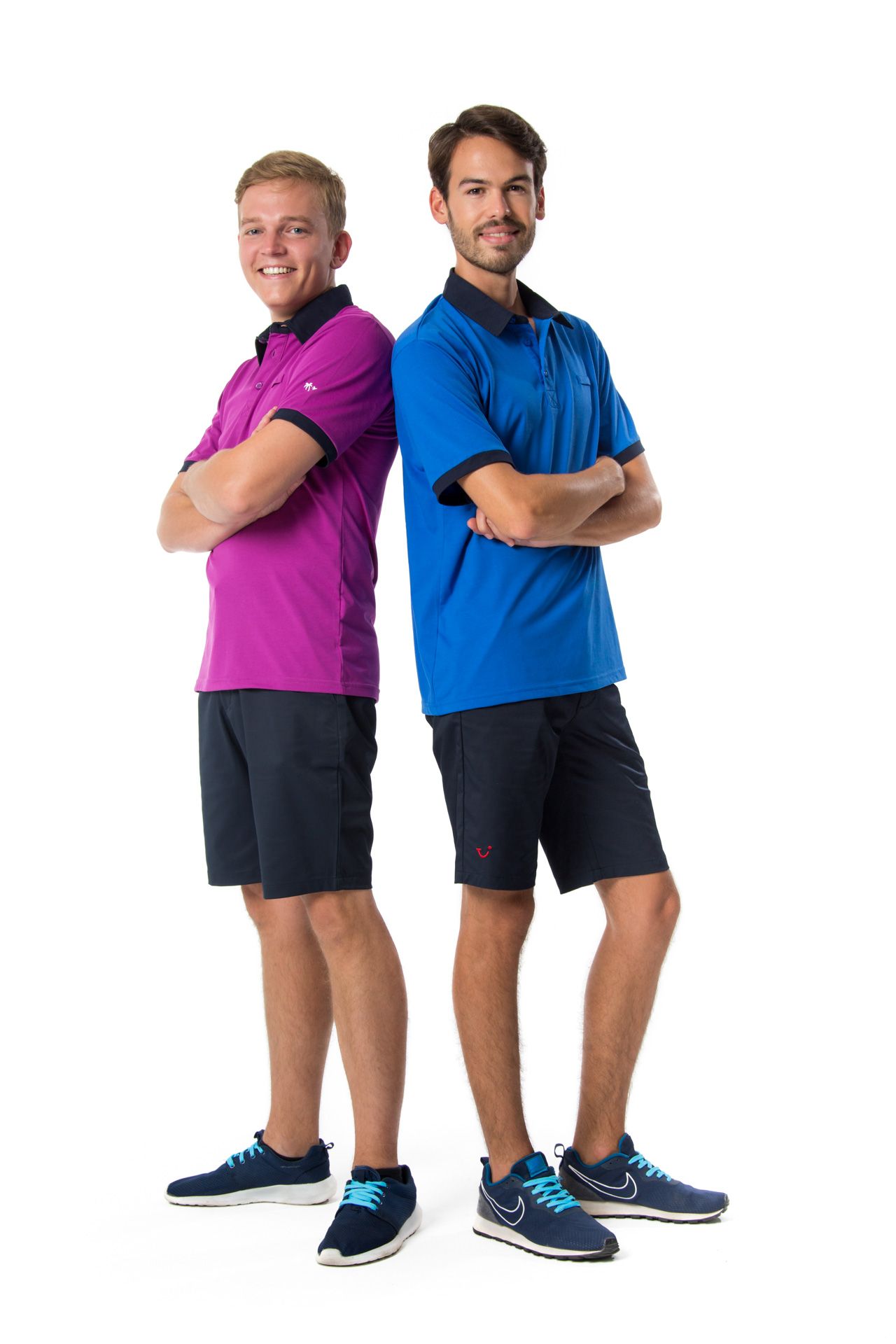
- Clean studio portraits
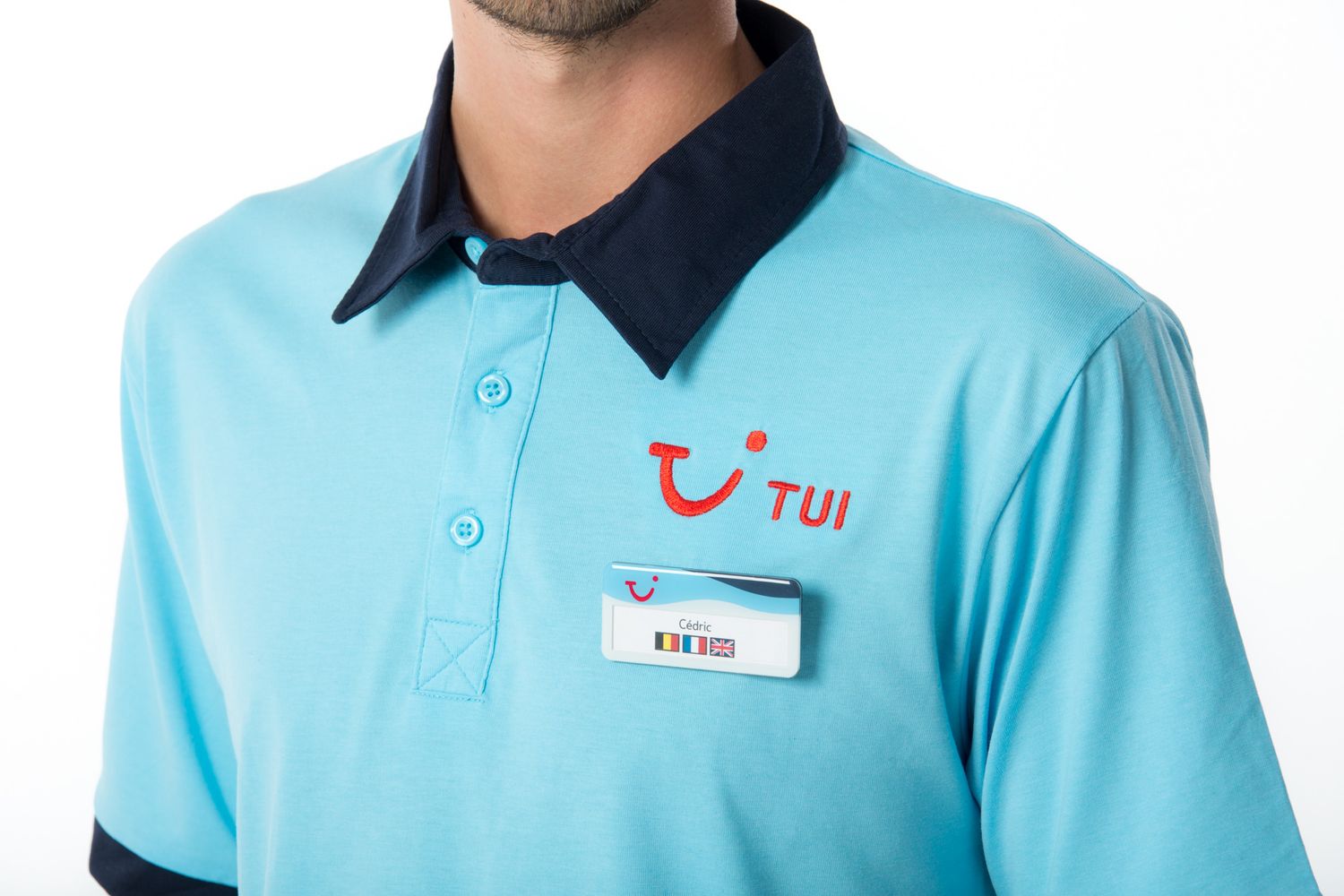
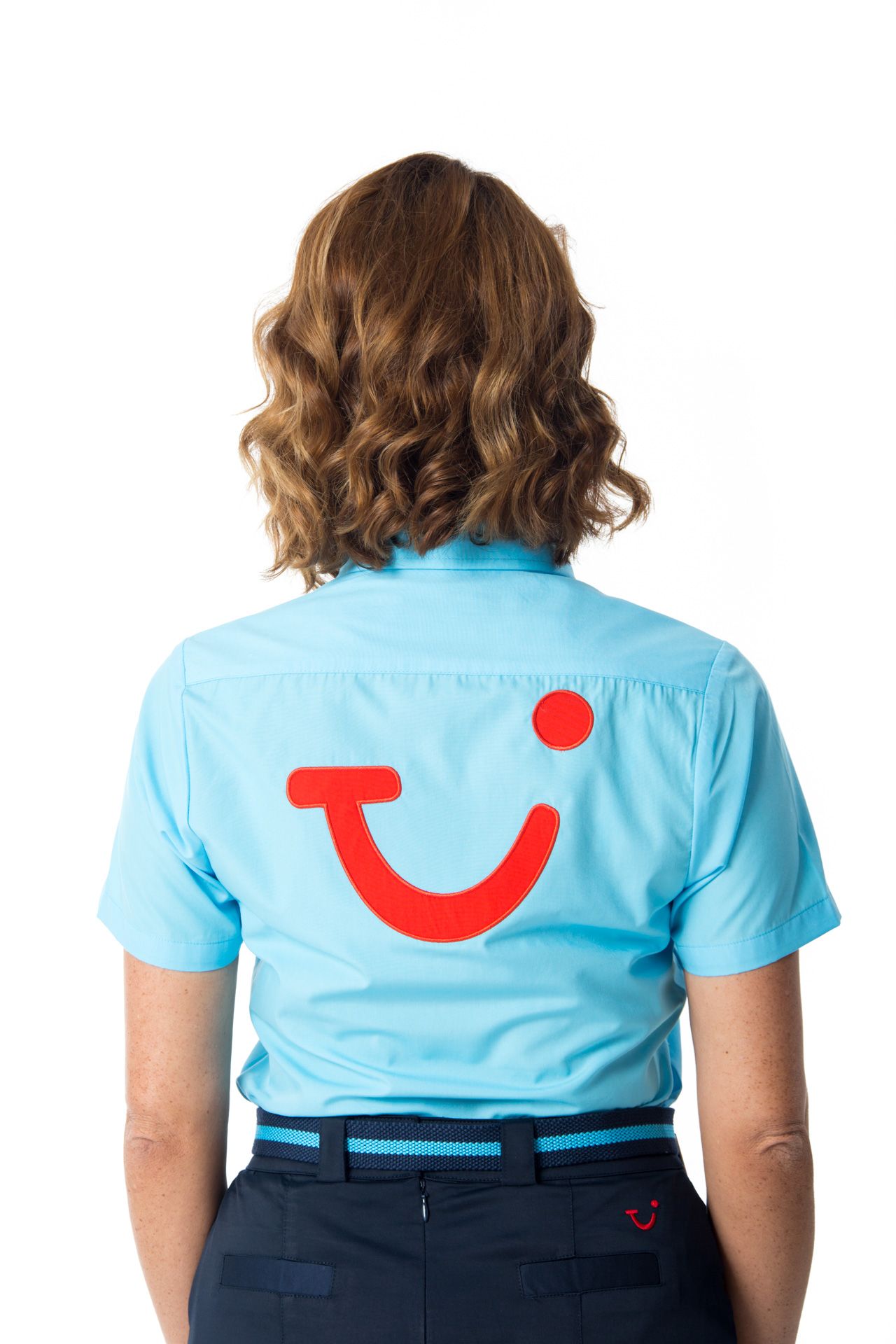
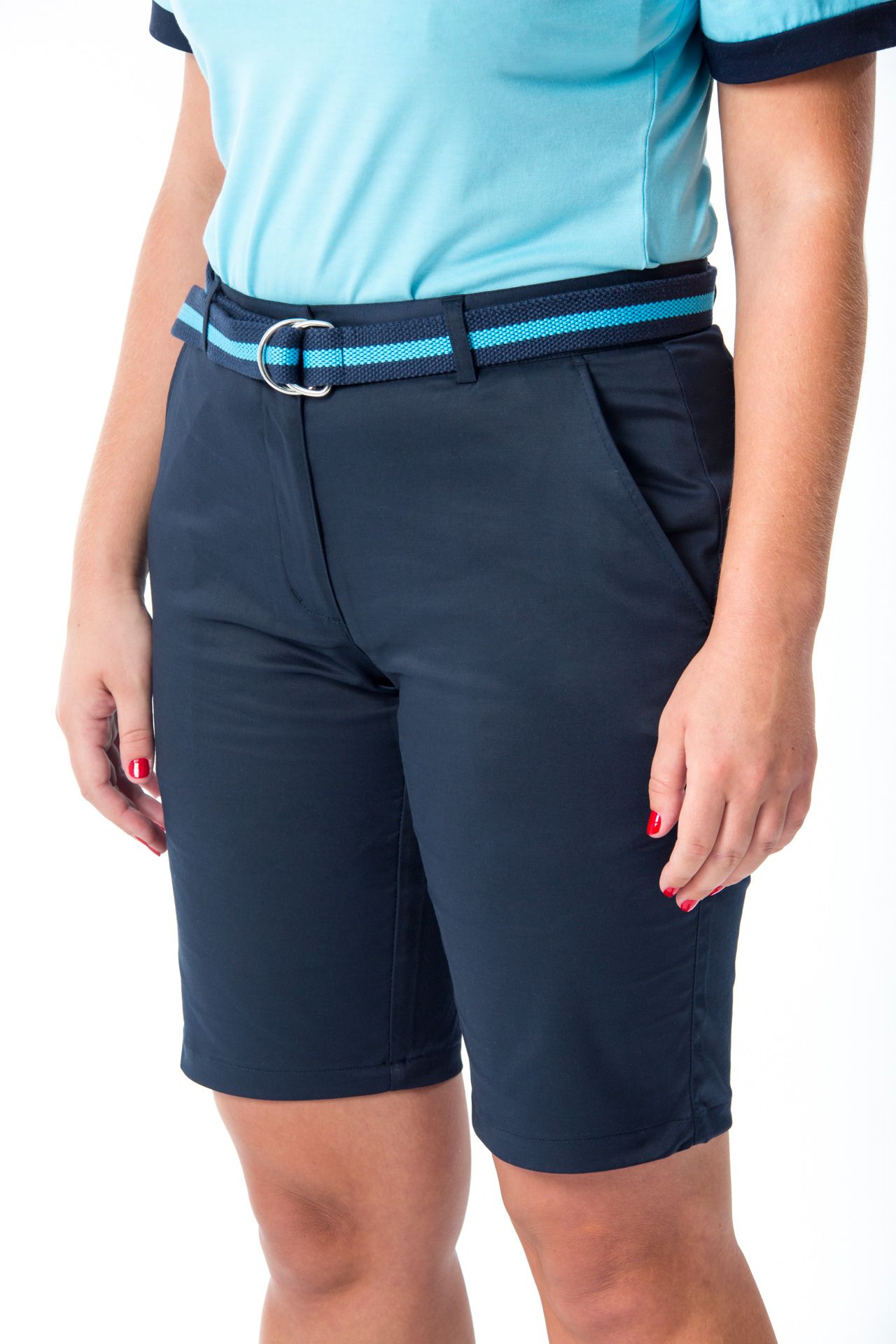
- Uniform details
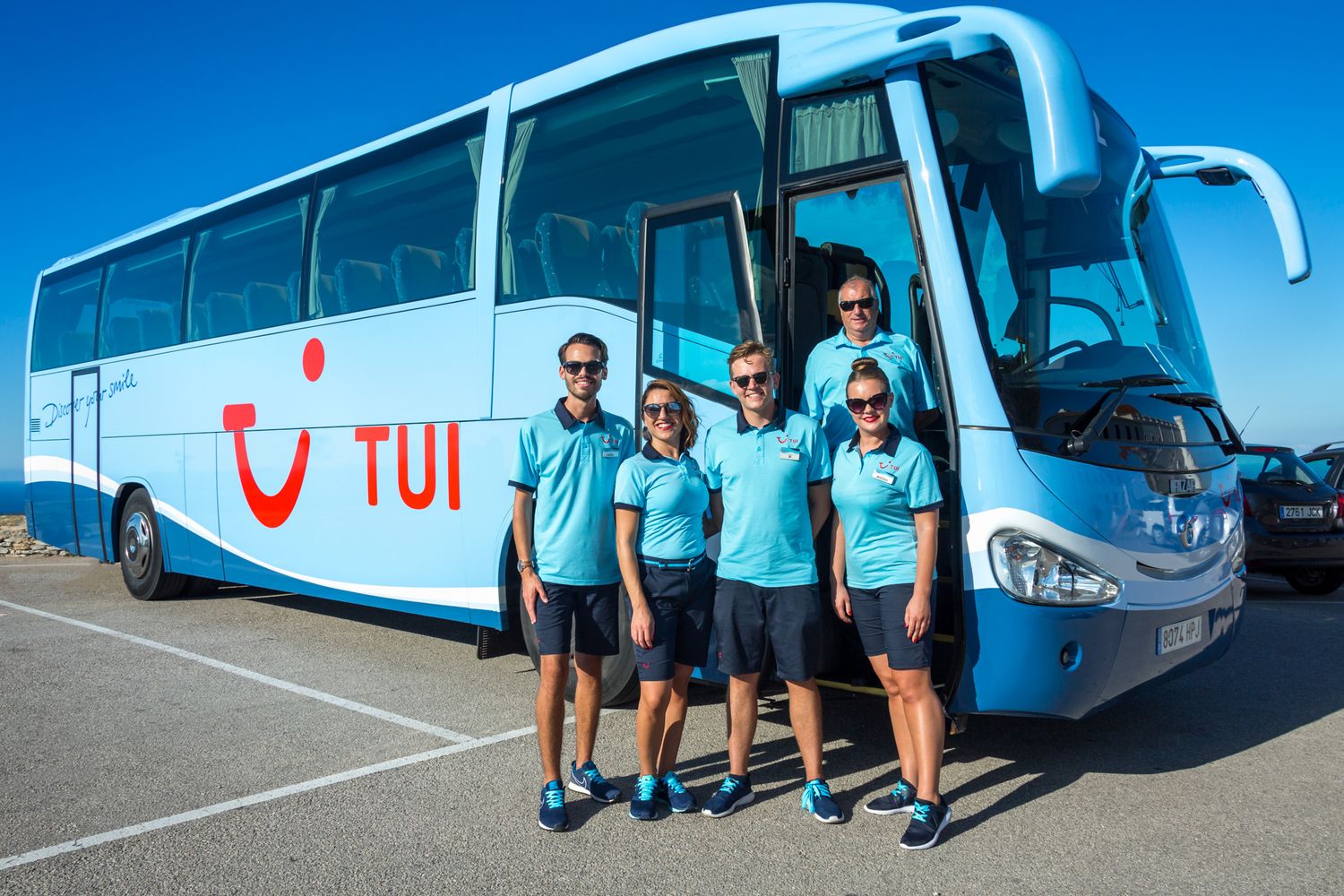
- Group photography
- Images for print, digital and internal communications
This gave the business a flexible photography library rather than a small selection of campaign images designed for only one format.
My role as TUI’s Global Photography Manager
I was fully involved throughout the project, from the initial planning through to the photography and final delivery.
My responsibilities included helping to shape the creative direction, choosing suitable locations, planning the shot list, reviewing practical requirements, and ensuring the finished photographs would work across different departments and marketing channels.
Working as an in-house photography manager meant I understood both sides of the brief. I needed to consider what the creative teams wanted, but also how the images would actually be used by marketing teams, resort staff, designers, internal communications and local markets.
That wider understanding is important on a major commercial photography campaign. An image might look good in isolation, but it also needs to leave room for copy, work in different crops and remain useful across websites, brochures, posters, social media and internal platforms.
Why we photographed the campaign in Mallorca and Menorca
Mallorca and Menorca were chosen because they were two of TUI’s largest and most established holiday destinations.
TUI also had strong working relationships with the airports, hotels and suppliers across both islands. That made it possible to photograph within genuine customer environments while coordinating access and minimising disruption.
The campaign included one location recce day followed by approximately three main photography days.
The recce was essential. It allowed us to assess the light, backgrounds, access, guest activity and practical limitations at each location before the main shoot began.
When a campaign involves active hotels, airports and public-facing areas, you cannot assume every location will work exactly as expected. A proper recce helps identify potential problems before the models, styling teams and wider crew are all standing around waiting.
Using real TUI environments
The campaign was photographed across a mixture of genuine operational environments, including:
- Resort hotels
- Airport areas
- Customer service desks
- Coaches and transport settings
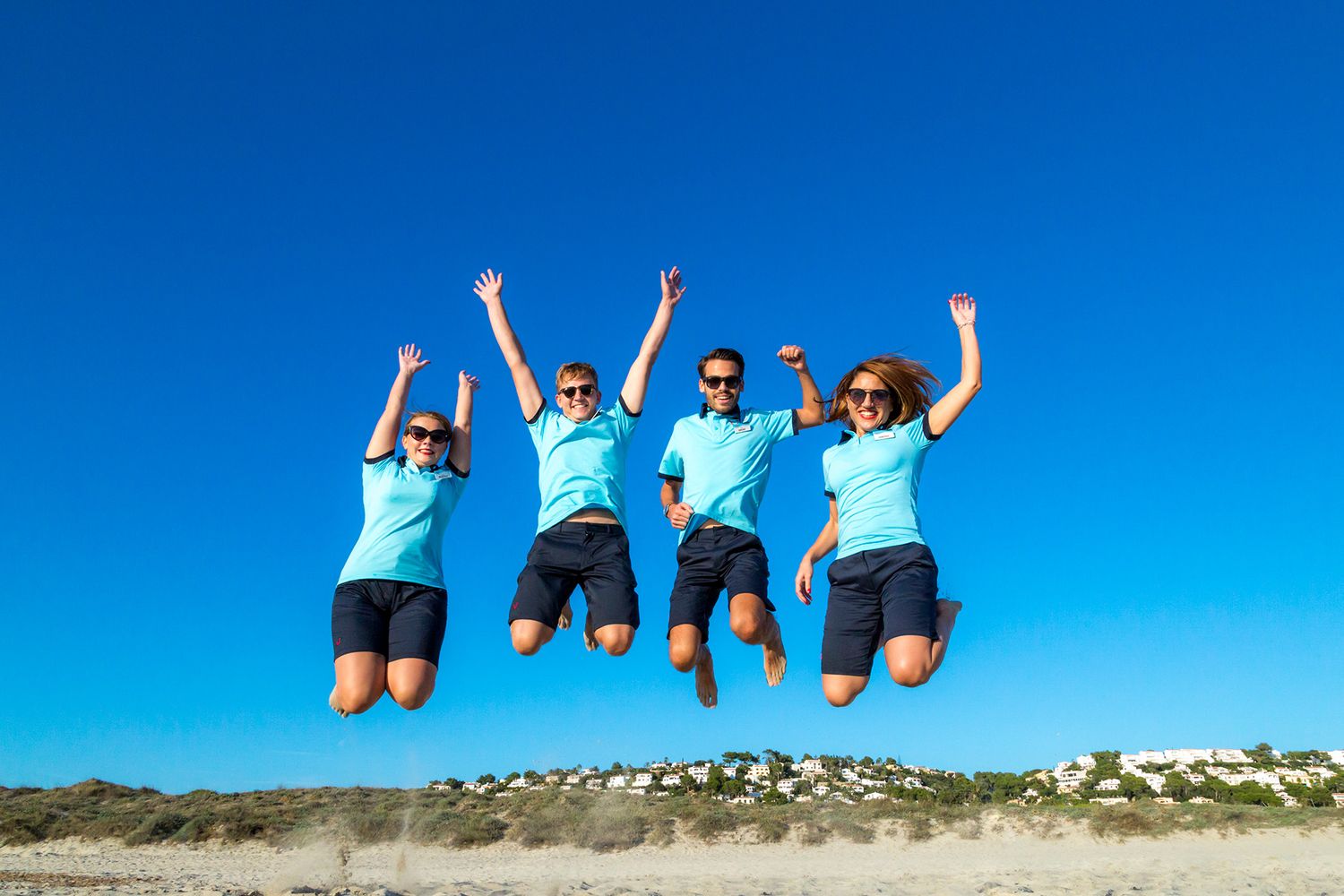
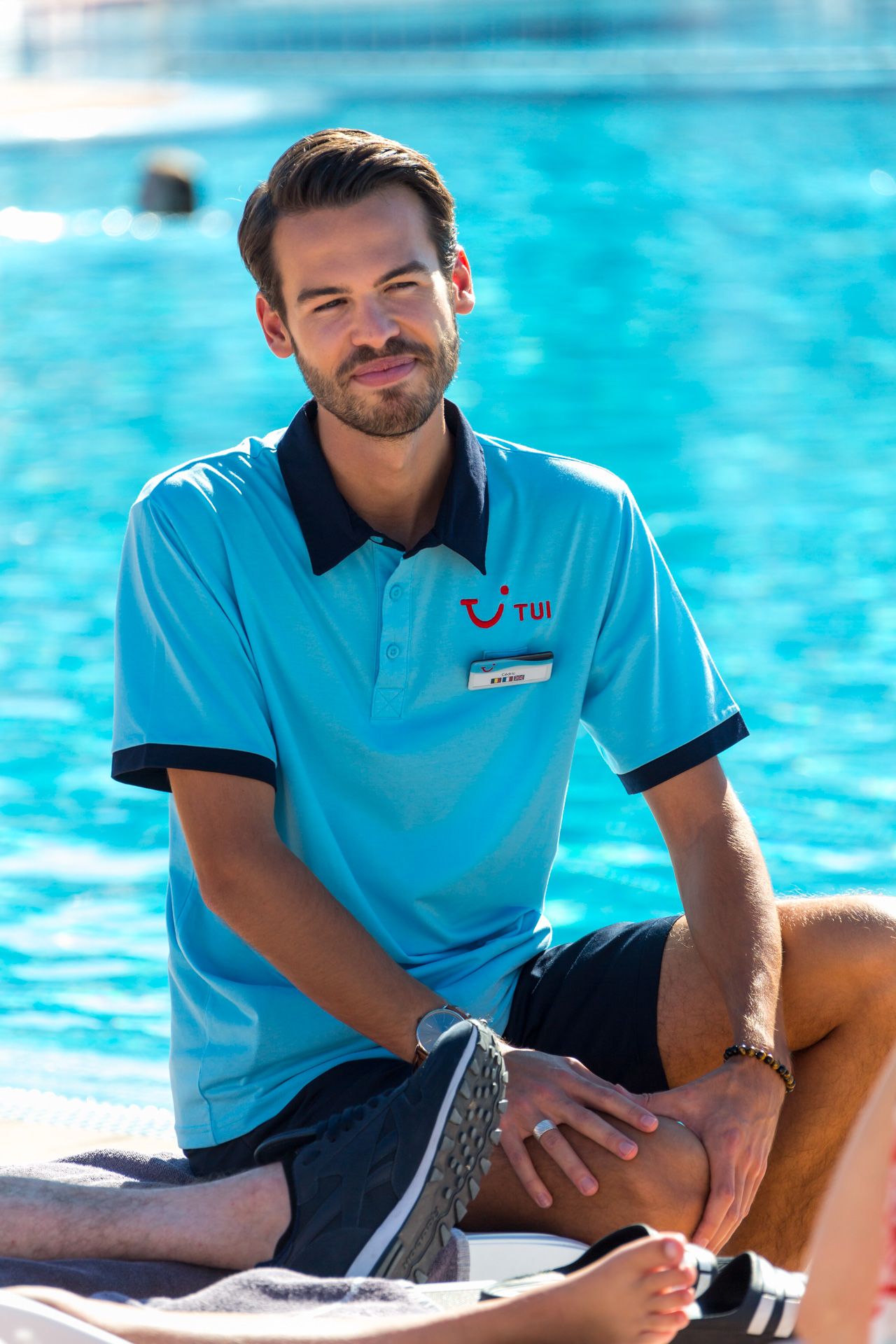
- Pools and beaches
- Excursion locations
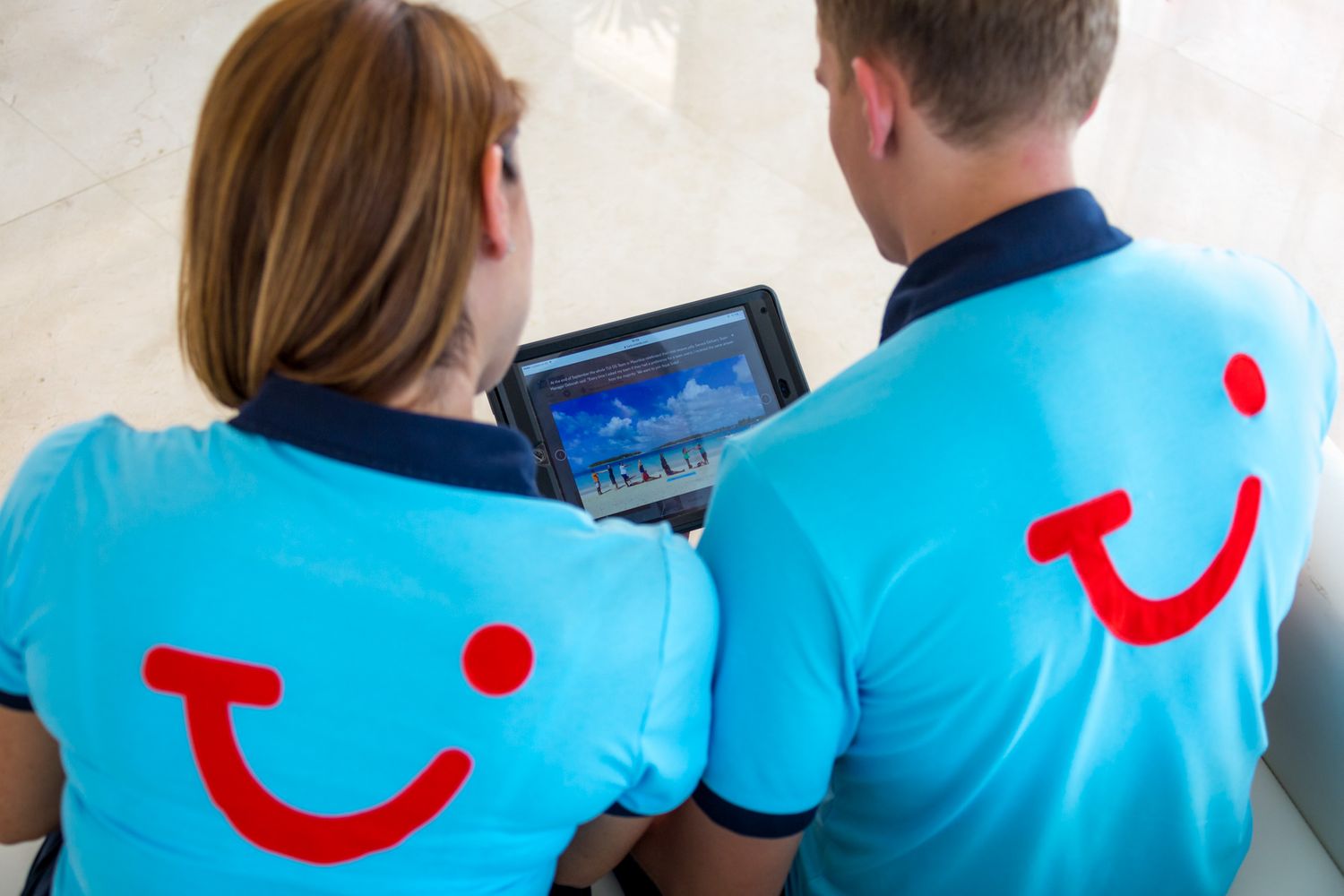
- Offices and welcome areas
- A studio in Menorca
Using real locations helped the photography feel connected to the actual holiday experience.
The airport scenes looked like genuine arrivals. The resort photographs showed the environments in which staff worked. The hotel and customer-service images reflected the interactions customers could expect during their holiday.
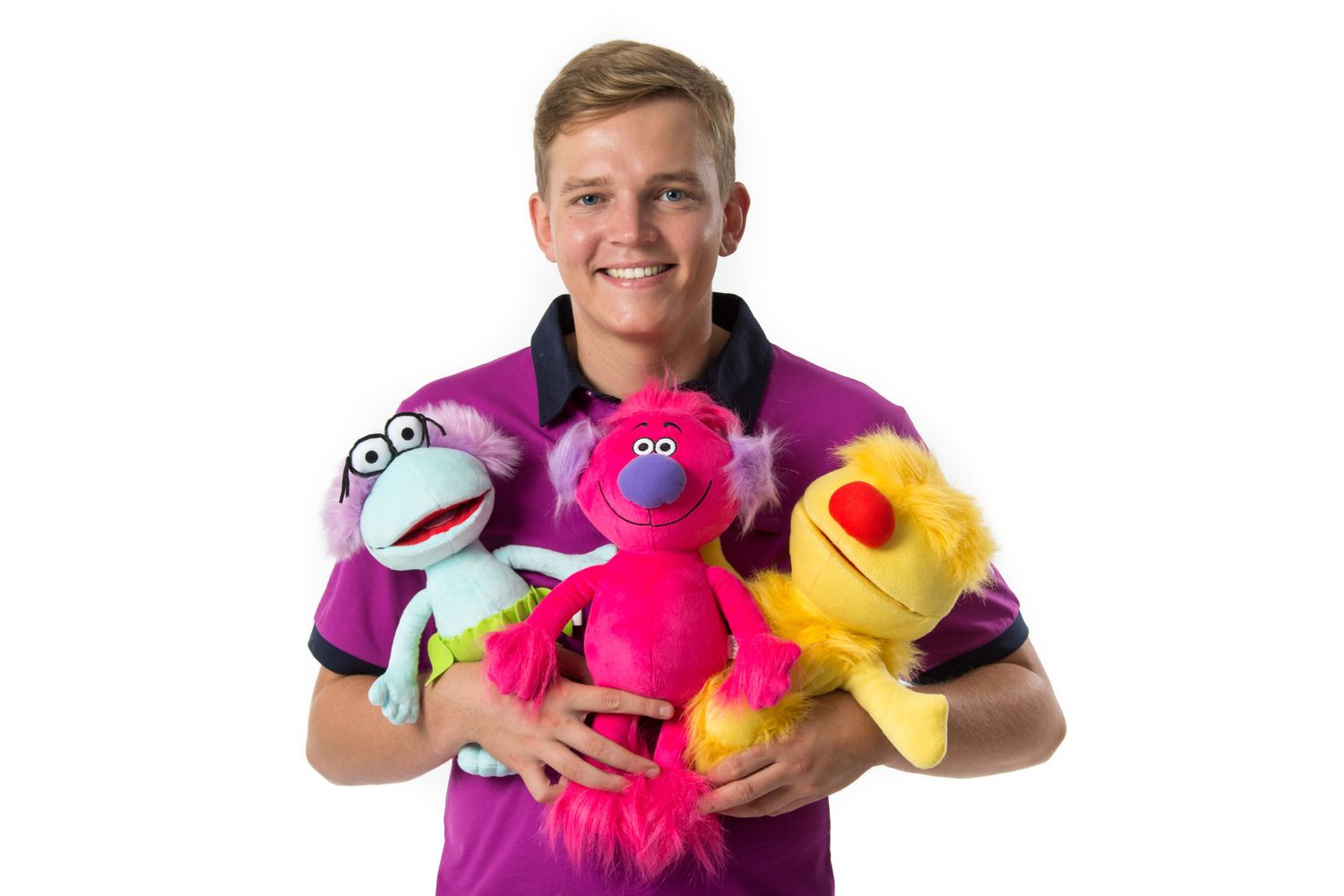
The studio session gave us a controlled environment for clean uniform photographs, outfit combinations and details that could be used by designers when a simpler background was required.
Combining location and studio photography gave TUI a much more useful final image library.
Creating authentic photography with a small cast
The photography featured four models, supported by representatives from Brand and Internal Communications, hair and make-up artists and several additional support staff.
Although the campaign was carefully planned, the finished photographs were not intended to feel heavily staged.
My approach was to create believable situations and then give the people enough direction to make those moments work visually. That might involve adjusting where someone stood, improving the light or repeating an action, but the overall interaction still needed to feel natural.
This is particularly important for travel and tourism photography. Customers are quick to recognise images that feel false or disconnected from the real experience.
The strongest commercial lifestyle photography normally sits somewhere between documentary and fully directed advertising. It needs enough control to meet the brief, while still retaining genuine expressions, movement and human connection.
Photographing in bright Mediterranean sunlight
Mallorca and Menorca offered fantastic settings, but strong Mediterranean sunlight can be difficult to manage.
Bright overhead sun creates deep shadows under the eyes, uneven skin tones and high contrast between shaded and sunlit areas. White buildings, pale paving and reflective surfaces can make those conditions even harsher.
The solution is not simply to avoid sunlight altogether. The campaign needed to feel bright, warm and recognisably Mediterranean.
Instead, I carefully considered the direction of the light, used shaded areas where appropriate and positioned people so the photographs retained the feeling of the destination without creating unflattering shadows.
The photography also had to remain visually consistent across airports, hotels, coaches, beaches, offices and the studio. Each environment had different lighting, colour and space limitations, but the final collection still needed to look like one joined-up campaign.
Working around real guests
Many of the campaign locations remained open and operational during the photography.
We therefore had to work around genuine holidaymakers without disturbing their experience. Guests had paid for their holidays, and the campaign could not take priority over their enjoyment of the hotel, airport or resort.
This affected where we could position people, how much equipment could be used and how long we could spend creating each scenario.
Being the sole photographer meant I needed to work quickly, communicate clearly and adapt when an area became busy or a planned shot was no longer practical.
That kind of flexibility is a major part of professional travel photography. Even with detailed planning, live destinations do not behave like closed studios.
Building a versatile commercial image library
More than 100 finished images were delivered from the campaign.
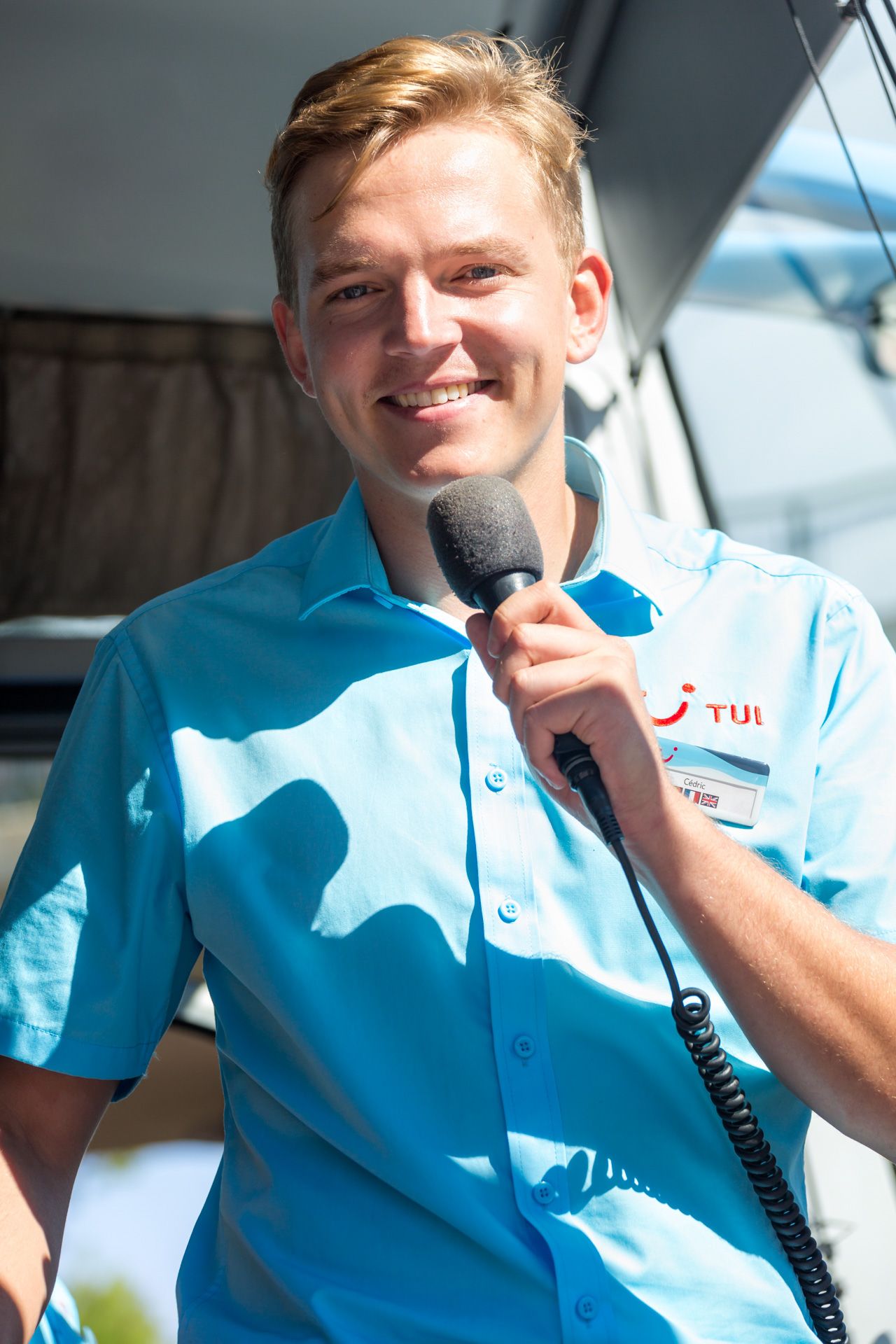
The final selection included wide environmental photographs, medium lifestyle scenes, group images, close portraits, uniform details and clean studio photographs.
Producing that variety was deliberate.
A brochure cover may need a strong vertical image with room for a headline. A website banner requires a wide composition. A social media post might need a close portrait, while an internal presentation could require a simple group photograph or clothing detail.
Thinking about these requirements while shooting helps a brand get substantially more value from one production.
The campaign images were ultimately used for approximately six years across:
- TUI websites
- Holiday brochures
- Resort flyers and welcome materials
- Posters
- Social media
- Internal communications
- Marketing campaigns
- In-flight magazine content
- Other print and digital materials
That longevity showed the value of building a broad, carefully planned photography library rather than creating images for one short-term launch.
What made the Smiling Faces campaign successful?
Several elements helped make the campaign work.
A clear commercial purpose
The photography had a specific job: introduce the new uniform while celebrating the people responsible for looking after TUI customers overseas.
Early involvement from different teams
Brand, Marketing, Internal Communications and the Uniform Team were involved, helping us create photographs that worked across the wider organisation.
Genuine travel environments
Photographing in hotels, airports, resorts and excursion settings connected the new uniform to the actual customer experience.
A consistent visual approach
The locations changed, but the campaign needed to retain the same bright, friendly and approachable visual identity.
Photography designed for multiple uses
We created different compositions, orientations and levels of detail so the photographs could work across print, web, social media and internal communications.
Strong operational relationships
TUI’s established relationships with airports, hotels and suppliers in Mallorca and Menorca made a complex location campaign much easier to coordinate.
What brands can learn from this campaign
A successful commercial photography campaign requires more than a photographer and an attractive location.
Before planning the shoot, brands should understand:
- Who the photography needs to reach
- Where the images will be used
- Which teams need to approve the work
- What formats and orientations are required
- Whether real employees, professional models or both should be used
- How the photography will represent the genuine customer experience
- What access and permissions will be needed
- How long the image library is expected to remain useful
The more clearly those questions are answered before production, the more useful the final photography will be.
This is particularly important for travel, tourism and hospitality brands, where shoots often involve working across several locations while businesses remain open to customers.
You can read more about my route into the industry in How I became a professional travel photographer.
You can also view more examples of my travel and tourism photography and corporate photography for brands and organisations.
Frequently asked questions
What was the TUI Smiling Faces campaign?
The TUI Smiling Faces campaign was created to launch the company’s new overseas resort uniform in 2017. It used natural lifestyle, location and studio photography to introduce the uniform while celebrating the people working across TUI’s holiday destinations.
Where was the TUI uniform campaign photographed?
The campaign was photographed across Mallorca and Menorca. Locations included airports, hotels, resorts, transport settings, excursion areas and a studio in Menorca.
How long did the photography campaign take?
The production included approximately one location recce day and three main photography days across Mallorca and Menorca.
Who photographed the TUI Smiling Faces campaign?
The campaign was photographed by Lee Charlton, who was TUI’s Global Photography Manager and sole in-house photographer at the time. Lee was involved throughout the planning, creative development, location work, photography and final delivery.
How many photographs were delivered?
More than 100 finished photographs were supplied, including lifestyle images, group photographs, uniform details, environmental scenes and studio portraits.
Where were the campaign photographs used?
The images were used across TUI websites, brochures, resort flyers, posters, social media, LinkedIn, internal communications, marketing materials and the company’s in-flight magazine. The photography remained in use for approximately six years.
Do you photograph travel and tourism campaigns internationally?
Yes. I provide travel and tourism photography for destinations, hotels, resorts, attractions, activities and tourism brands across the UK and internationally.
Can real employees be used instead of professional models?
Yes. In many commercial photography campaigns, using genuine employees can create more authentic and relatable imagery than using professional models. With the right planning and direction, real staff often help brands build trust while showcasing the people behind the business. The key is making sure everyone is comfortable on camera and that the photography is carefully planned to look natural rather than staged.
Travel and tourism campaign photography
I have more than 16 years of professional photography experience, including nine years as TUI’s Global Photography Manager.
During that time, I travelled internationally creating photography for destinations, resorts, campaigns, websites, brochures, magazines, retail environments and customer communications.
Today, I work with travel companies, tourism organisations, destinations, hotels, visitor attractions and other businesses that need natural, commercially useful photography.
If you’re planning a travel, tourism or lifestyle brand campaign and need photography that feels authentic while delivering commercial value across print, digital and social media, I’d love to hear about your project.
About Lee Charlton
Lee Charlton is a multi-award-winning commercial photographer with more than 16 years of professional experience.
He previously spent nine years as Global Photography Manager for TUI, working as the sole in-house photographer supporting a global travel organisation. His photography has been used internationally across websites, brochures, in-flight magazines, resort materials, retail environments, social media and major brand campaigns.
Lee now provides corporate, travel, tourism, event and commercial photography across Hertfordshire, London, the UK and internationally.