What is corporate photography?
Corporate photography is professional photography created to help a business or organisation communicate, market itself and build trust.
It can include:
- Staff and leadership headshots
- Workplace photography
- Corporate events and conferences
- PR photography
- Brand campaigns
- Recruitment photography
- Office interiors
- Products and services
- Annual reports
- Website and social media content
The term covers far more than people shaking hands in meeting rooms.
A well-planned corporate shoot should create a useful library of photographs that can support your website, recruitment, PR, marketing, internal communications and social media rather than solving one immediate requirement.
After more than 16 years working as a professional photographer, including roles as Global Photography Manager at TUI and Photography and Digital Asset Manager at the RHS, this is the biggest difference I see between businesses with strong visual branding and those without.
The strongest businesses plan image libraries. They do not simply commission disconnected photographs whenever somebody realises the website needs updating.
What does corporate photography include?
Corporate photography can cover almost any professional photography commissioned by a business, charity, public organisation or agency.
The exact combination depends on the organisation, its audience and how the photographs will be used.
Corporate headshots
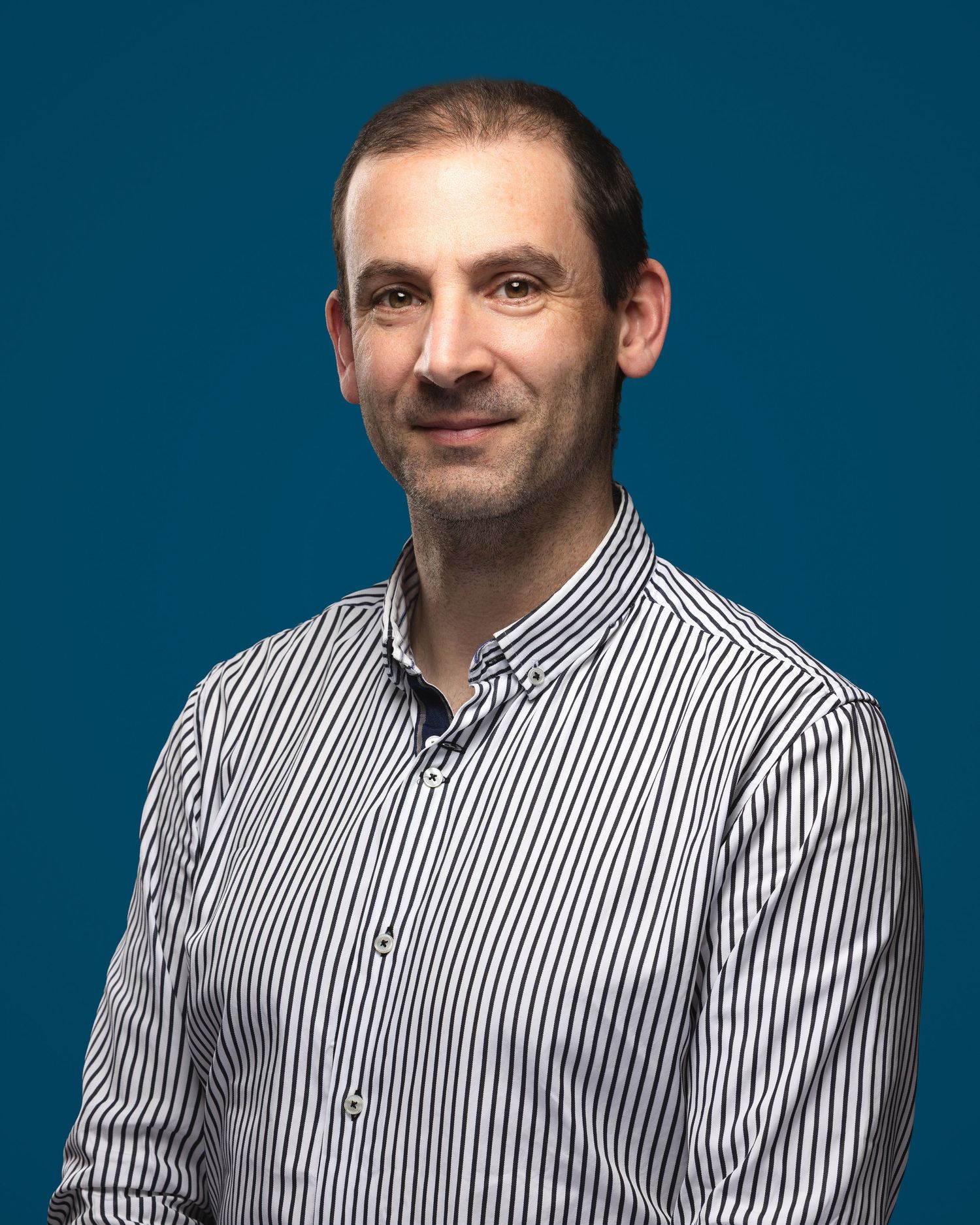
Corporate headshots provide consistent professional portraits for employees, directors and leadership teams.
They are commonly used across:
- Company websites
- LinkedIn profiles
- Email signatures
- Staff directories
- Press releases
- Speaker profiles
- Annual reports
For smaller requirements, individual professional headshot and personal branding sessions start from £149.
Larger team sessions can be completed at your workplace using a repeatable lighting and background setup, allowing new employees to be photographed consistently in future.
Workplace photography
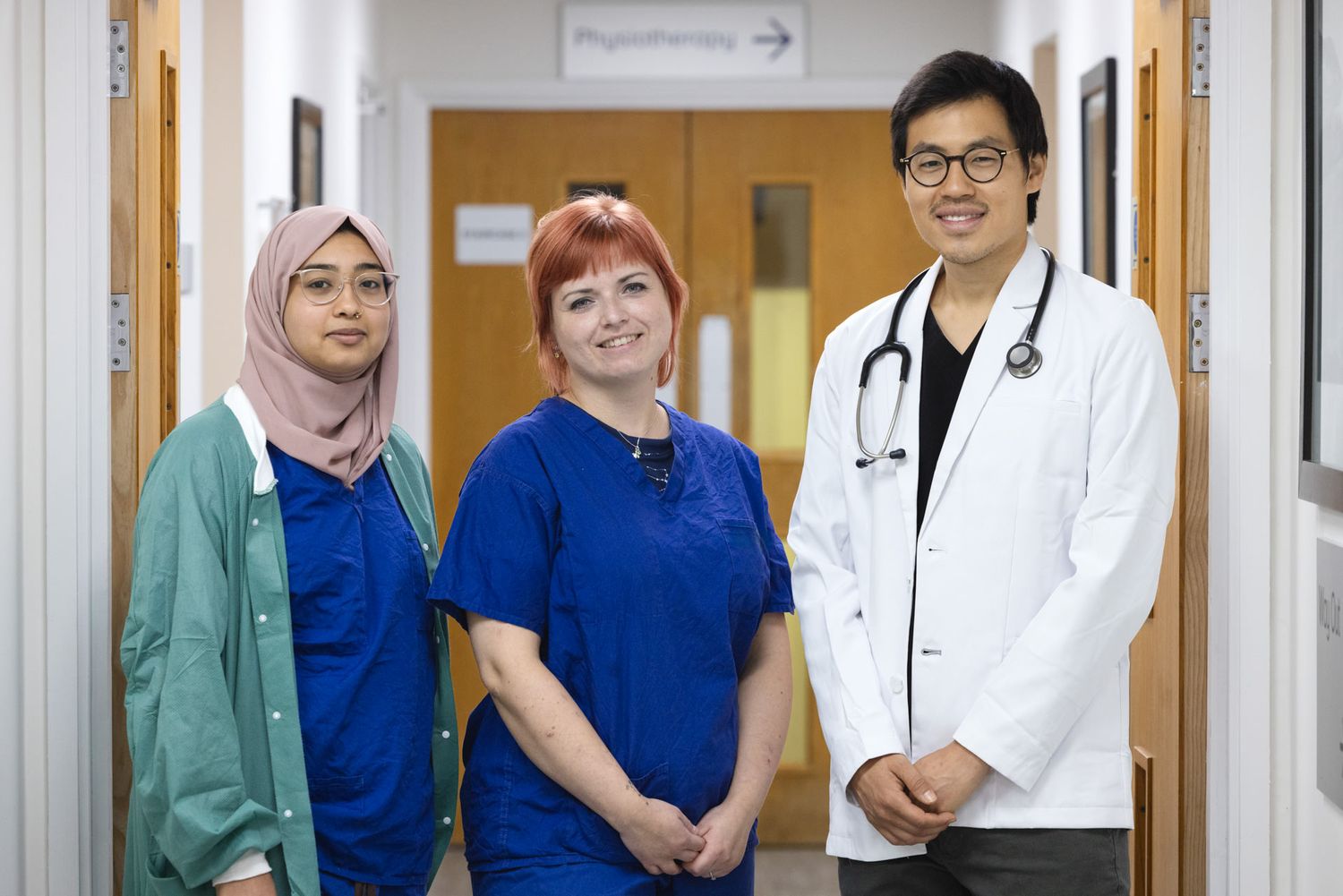
Workplace photography shows real employees, environments and services rather than relying on generic stock images.
This might include:
- People collaborating
- Employees carrying out their roles
- Meetings and presentations
- Customer interactions
- Manufacturing or production
- Office environments
- Branded details
- Equipment and facilities
Natural workplace photographs are particularly valuable for company websites, recruitment campaigns and employer branding because they show what the organisation genuinely looks and feels like.
Employer branding and recruitment photography
Employer branding photography helps potential applicants understand what it is genuinely like to work for an organisation. Instead of relying on generic stock photographs, it shows real employees, roles, workplaces and working environments.
These photographs can be used across:
- Careers pages
- Job advertisements
- LinkedIn recruitment campaigns
- Graduate and early-career recruitment
- Recruitment brochures and presentations
- Exhibition stands and careers fairs
- Employee profiles
- Onboarding and internal communications
A useful employer-branding shoot might include:
- Employees carrying out their actual roles
- Teams collaborating or meeting
- Different departments and working environments
- Training and mentoring
- Leadership interacting with employees
- Workplace facilities and branded details
- Environmental portraits and consistent staff headshots
The aim is not to stage endless photographs of people pretending to laugh around a laptop. The images should feel positive and professional, but still provide a credible view of the organisation and its people.
Before the shoot, identify the roles, departments and locations that genuinely represent the business. The brief should also confirm which employees can be photographed, whether any confidential information or restricted areas must be avoided and where the finished photographs will be used.
It is worth creating a mixture of landscape, portrait, square and wider compositions. This gives recruitment and marketing teams more flexibility across careers websites, job adverts, social media and printed materials.
The organisation should explain the intended use of the photographs to employees and manage its own consent and privacy requirements.
If the shoot also includes staff portraits, my guide to organising a corporate headshot day explains how to schedule employees and keep their headshots consistent.
Corporate events and conferences
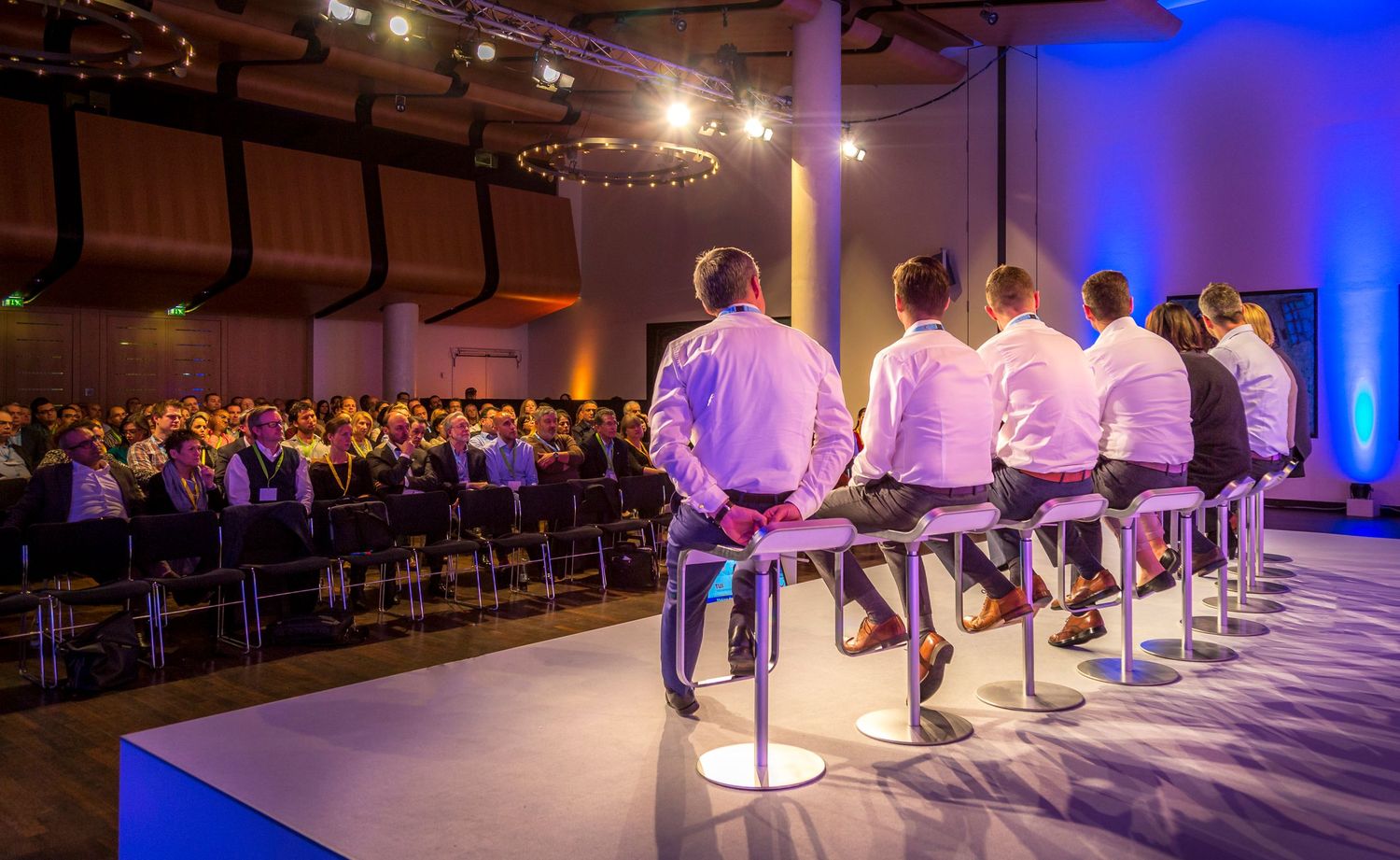
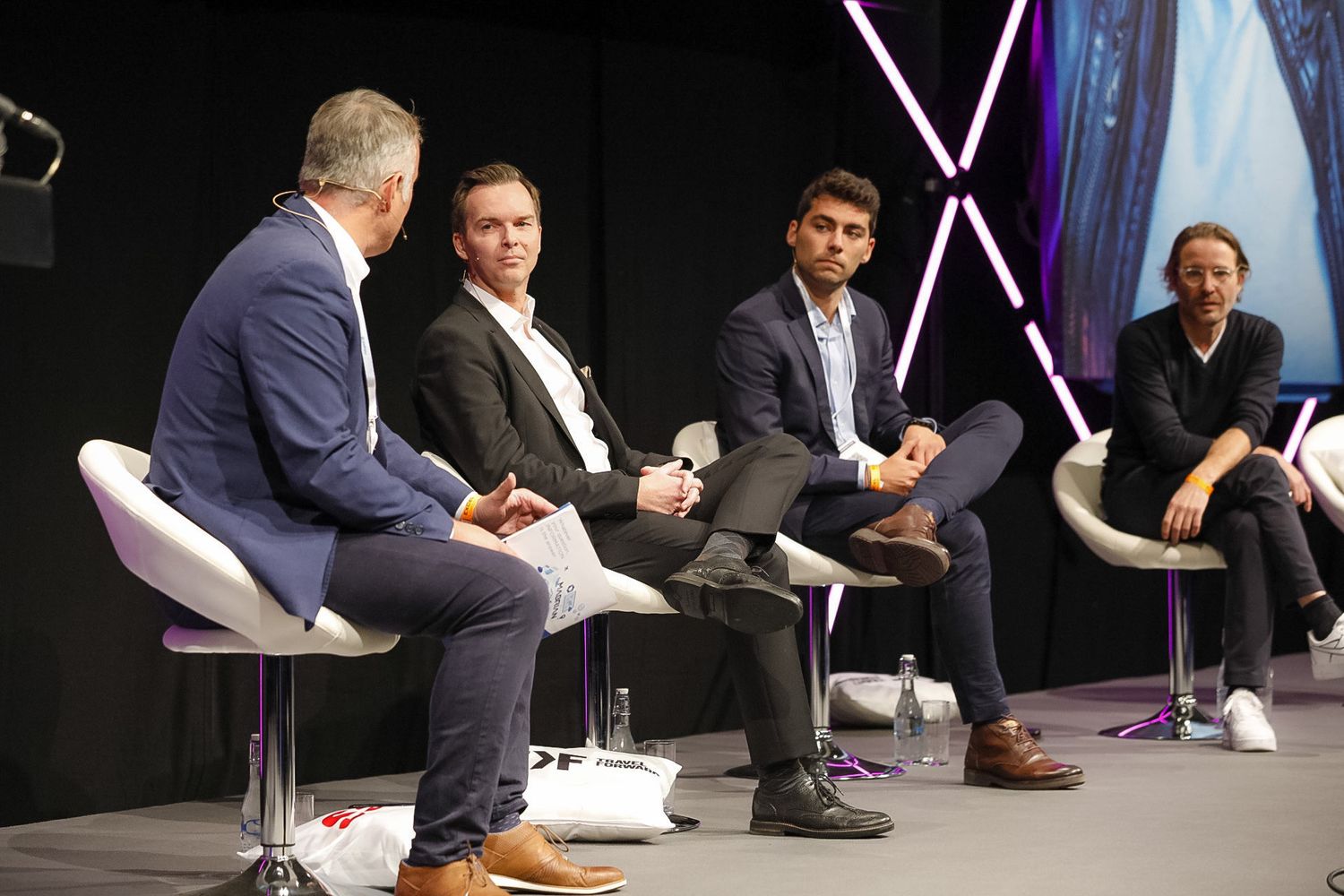
Corporate event and conference photography can cover conferences, exhibitions, awards ceremonies, networking events, product launches, trade shows and company celebrations.
The aim is not simply to prove that the event happened.
A useful event gallery should capture:
- Speakers and panel discussions
- Audience reactions
- Networking
- Sponsors and branding
- Exhibition stands
- Awards and presentations
- Venue details
- Important guests
- The overall atmosphere
These photographs can then support post-event marketing, future ticket sales, press coverage, sponsor reporting and social media.
For larger events, my conference photography checklist explains the main photographs organisers should plan to capture.
PR and press photography
PR photography is created with media coverage and communications deadlines in mind.
It may involve:
- Press launches
- Photocalls
- Public figures
- Business announcements
- Openings and ribbon cuttings
- Awards
- Campaign launches
- Charity partnerships
Expressions, composition, captions and delivery speed all become particularly important when photographs are being supplied to journalists or published shortly after the shoot.
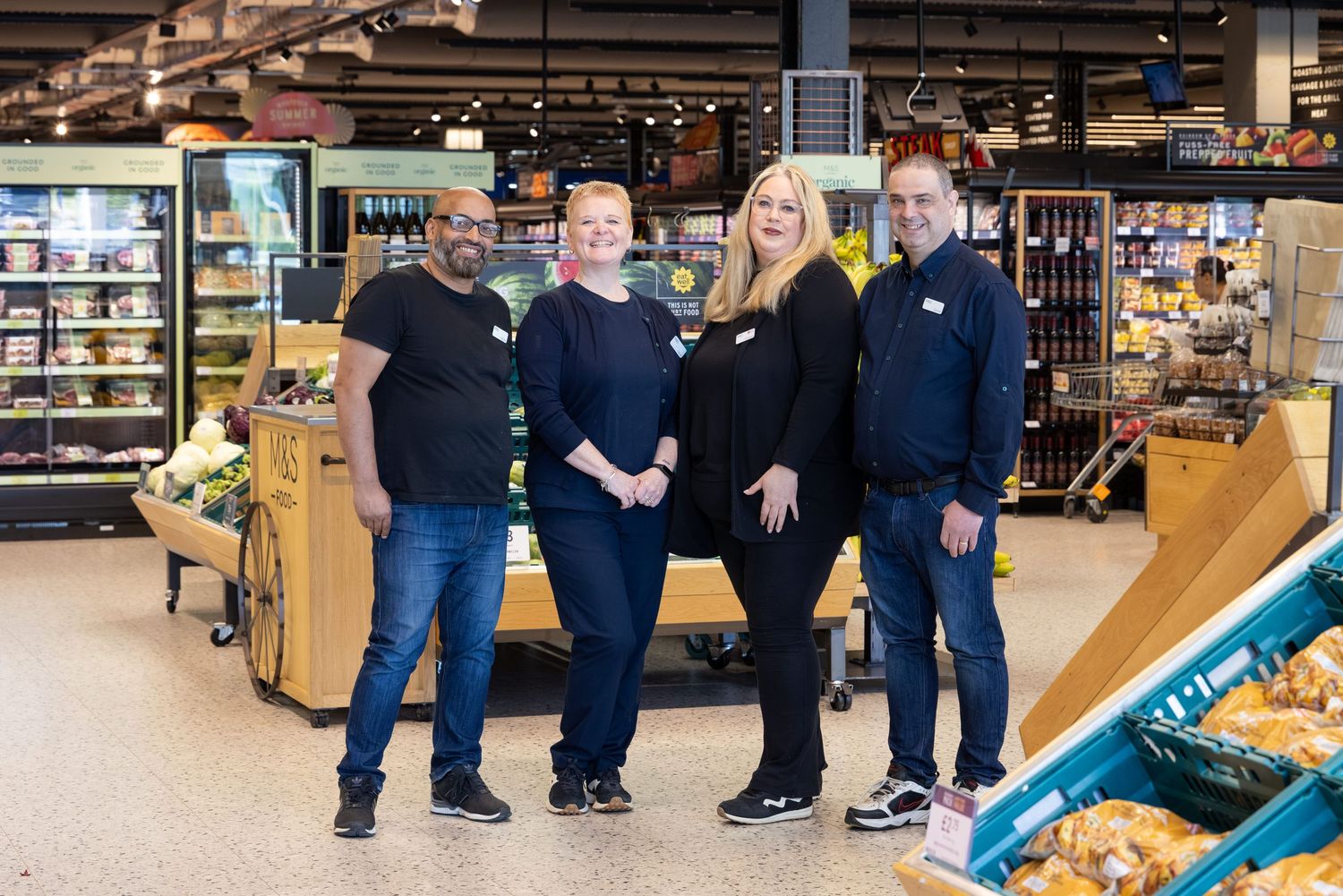
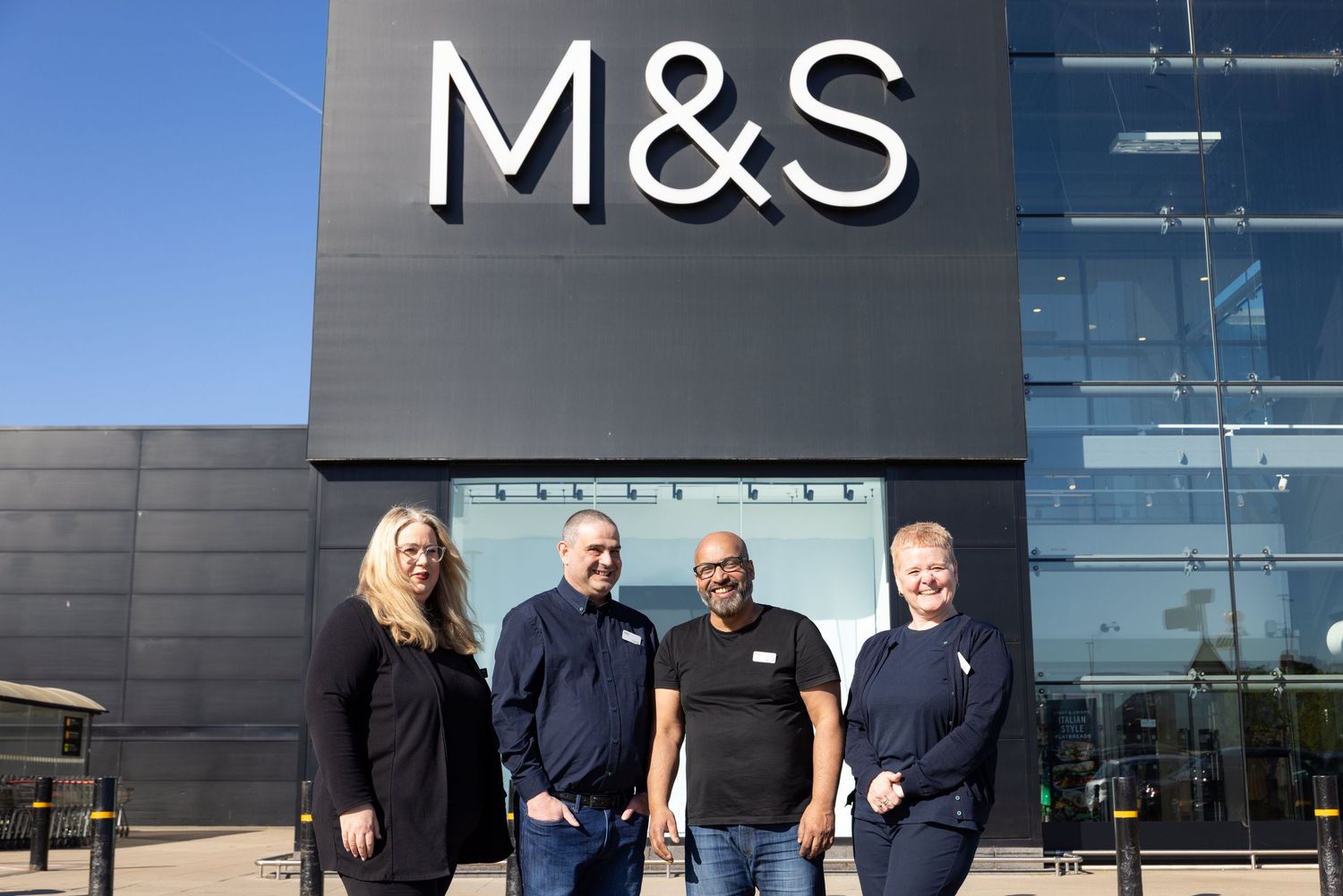
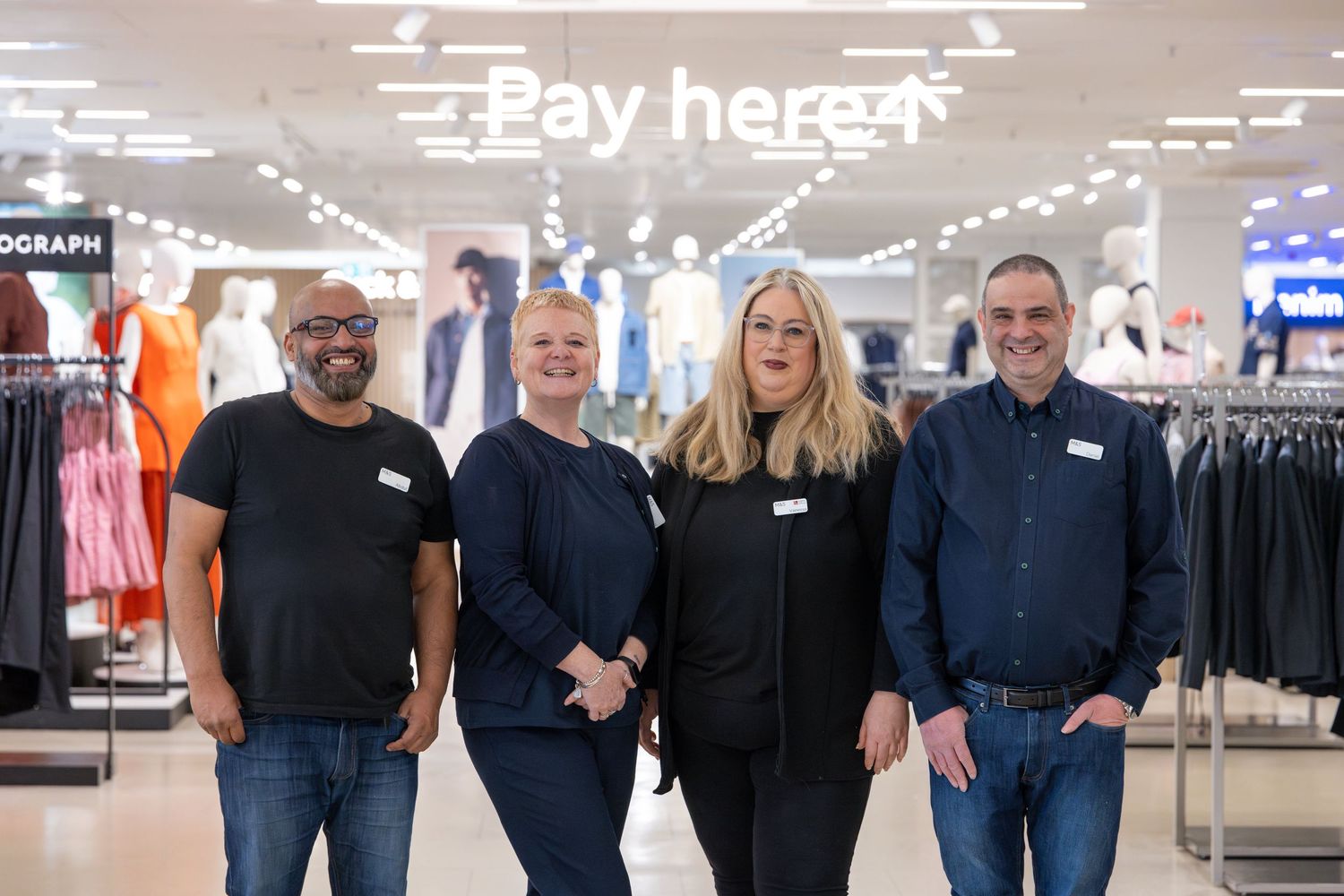
A good example is my M&S press photography case study in St Albans, where the brief was built around a staff-service press story and 16 finished photographs were delivered within 90 minutes for immediate distribution.
Brand and campaign photography
Brand photography creates a consistent visual identity around an organisation, campaign or service.
Rather than producing a single formal team photograph, the shoot might include people, workplaces, details, products, and natural interactions across several locations.
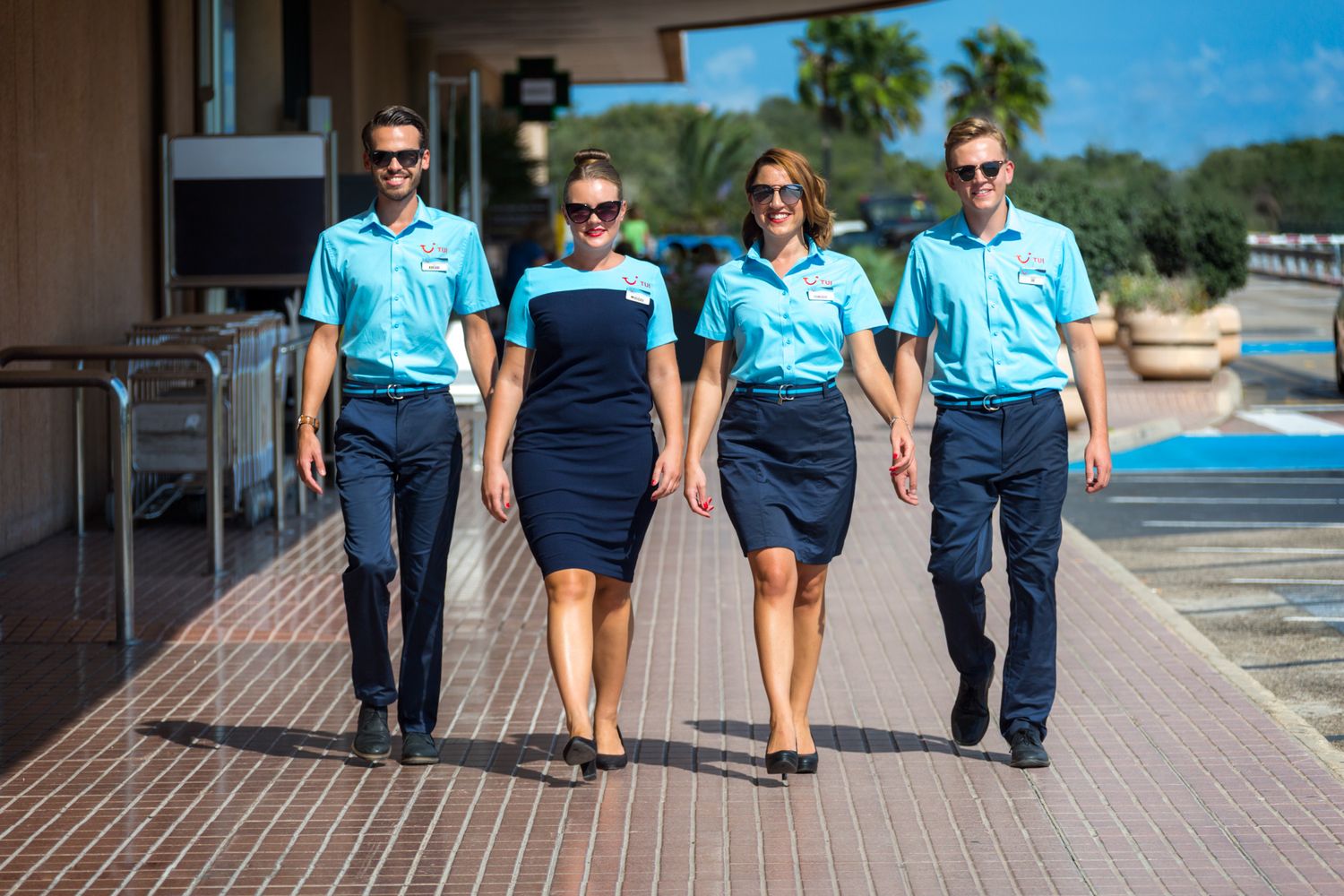
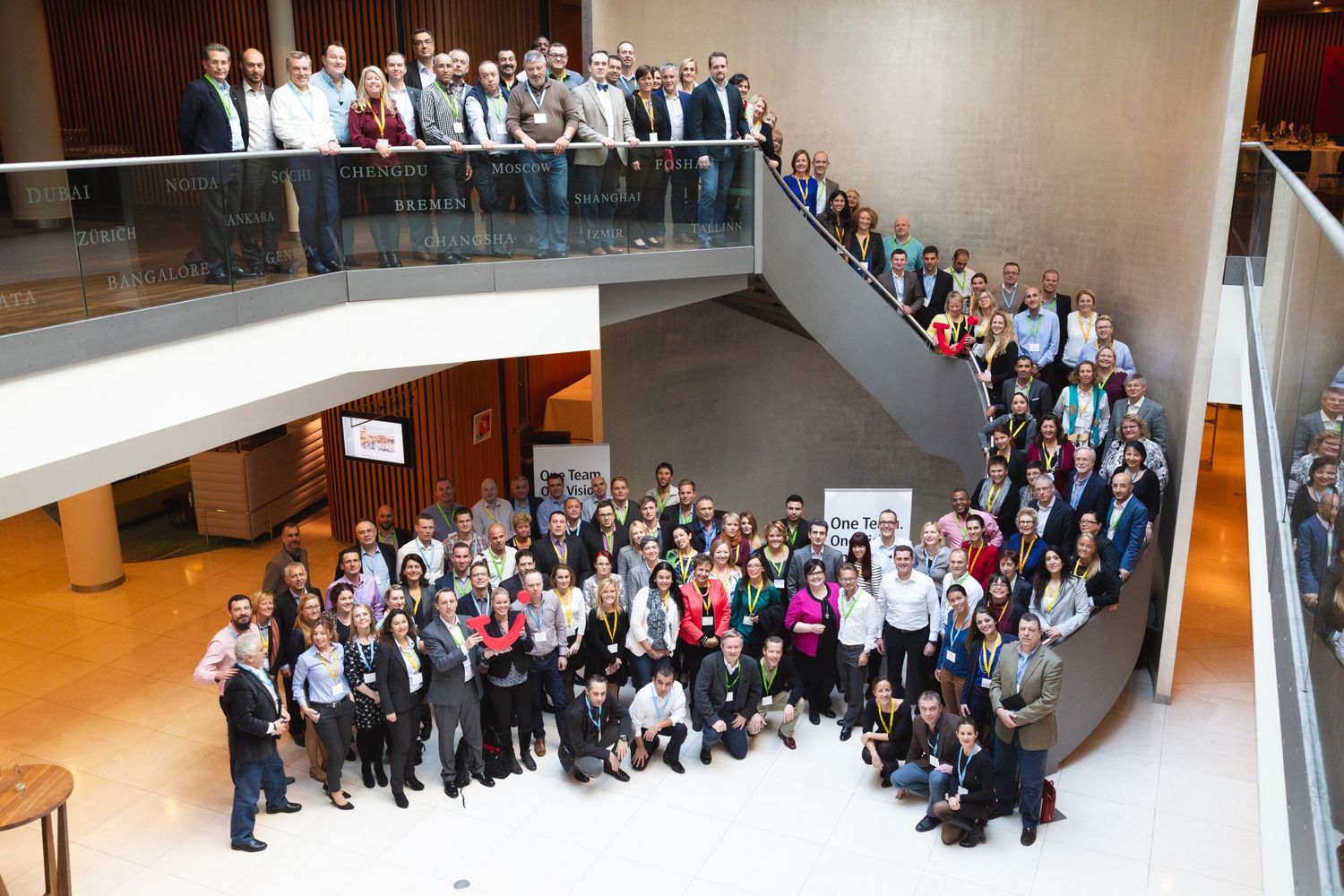
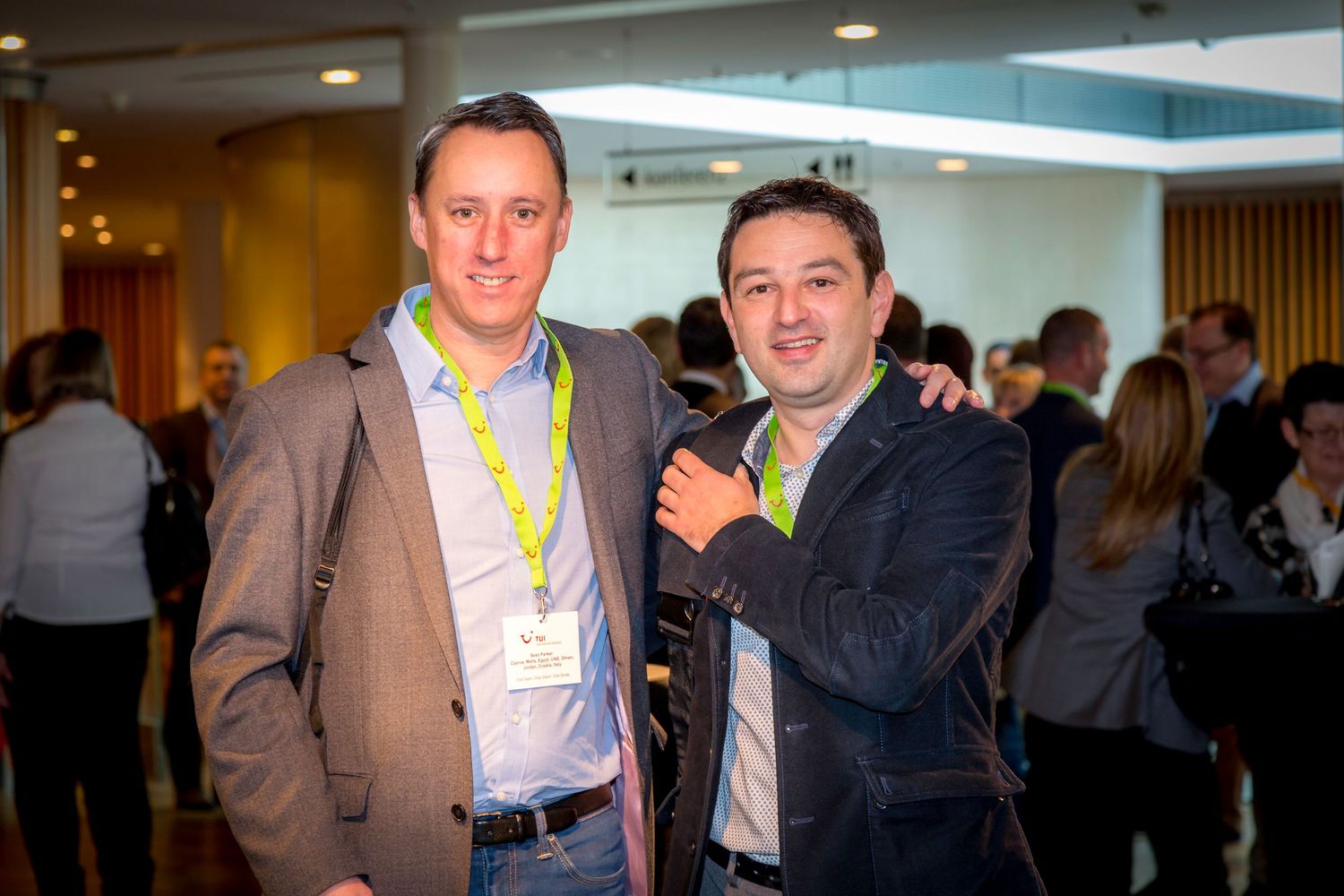
When I photographed the TUI Smiling Faces campaign, the brief involved real staff, branded uniforms, airport environments and destination photography across Mallorca and Menorca.
The resulting images needed to work across marketing, internal communications and customer-facing materials rather than for one isolated use.
Corporate interiors and locations
Businesses may also need professional photography of:
- Offices
- Hospitality spaces
- Retail environments
- Meeting rooms
- Venues
- Facilities
- Buildings and architecture
These images are often combined with workplace photography to provide a complete picture of the organisation.
What do businesses use corporate photography for?
A single corporate photography commission may produce images for:
- Websites
- Recruitment campaigns
- Press releases
- Annual reports
- Internal communications
- Social media
- Brochures
- Exhibition stands
- Email marketing
- Investor presentations
- Conference programmes
- Award submissions
- Advertising
One properly planned shoot can provide content for several years.
That is why the briefing stage matters. The photographer needs to understand where the images will appear, who needs to be photographed and which parts of the business are most important.
This also affects how photographs are composed. A website banner needs a different shape and amount of empty space from a LinkedIn post, printed brochure or vertical social media image.
What is the difference between corporate and commercial photography?
Corporate photography is a type of commercial photography.
Commercial photography is the broader term and can also include:
- Advertising
- Products
- Food
- Fashion
- Property
- Travel
- Hospitality
- Retail campaigns
Corporate photography specifically focuses on businesses, organisations, employees, services, workplaces and professional events.
The terms overlap, and many photographers work across both areas.
Why not simply use stock photography?
Stock photography can be useful when a business needs a general supporting image quickly.
However, it cannot show:
- Your employees
- Your workplace
- Your culture
- Your customers
- Your services
- Your events
- Your facilities
- Your brand personality
Stock images are also available to your competitors.
Original photography creates something specific to your organisation and helps your website, recruitment and marketing feel more credible.
Real employees will nearly always communicate more about your business than an anonymous model pointing at a laptop in a suspiciously tidy meeting room.
How much does corporate photography cost?
My current corporate photography prices start from:
- Individual headshot sessions from £149
- Corporate headshots and small team sessions from £249
- Half-day corporate photography from £499
- Full-day corporate photography from £799
- Priority turnaround from £150, subject to availability
- Multi-day, multi-location and larger campaigns quoted individually
I publish starting prices because businesses should be able to judge whether we are broadly aligned before making an enquiry.
The final quote will depend on:
- The length of the shoot
- The number of people
- The number of locations
- The complexity of the brief
- Travel requirements
- Delivery deadlines
- Image usage
- Whether additional photographers or assistants are needed
My detailed guide to corporate photography prices in the UK explains these costs, what should be included and when a half-day or full-day is likely to offer better value.
Conference coverage can involve different considerations, particularly when several sessions happen simultaneously, or images are needed during the event. These are covered separately in my guide to conference photography costs in the UK.
What is normally included in the price?
Unless agreed otherwise, my corporate photography quotes normally include:
- Planning and briefing
- Photography during the agreed hours
- Professional cameras, lighting and backup equipment
- Image selection
- Professional editing
- Natural headshot retouching where appropriate
- Delivery through a private online gallery
- High-resolution edited images
- Web-ready files where required
- Agreed business usage
Typical business usage may include your website, organic social media, PR, recruitment, presentations, internal communications and printed marketing.
Large advertising campaigns, third-party use, unusual licensing requirements, extensive retouching, additional crew and urgent delivery may be quoted separately.
Everything should be agreed before the shoot, not added as a surprise afterwards.
How should a corporate photography shoot be planned?
The best corporate shoots start before the photographer arrives.
A useful brief should explain:
- Where the photographs will be used
- Who needs to be photographed
- Which teams or departments must be included
- The locations involved
- Important brand guidelines
- Required image formats
- Any PR or campaign deadlines
- Whether sponsors or partners need coverage
- Who will approve the photographs
- When the final images are required
It also helps to identify any practical issues such as security restrictions, confidential areas, PPE, limited access or employees who cannot be photographed.
You do not necessarily need an enormous spreadsheet containing every possible photograph.
A clear list of priorities, people and intended uses is normally more valuable than trying to direct every frame.
For product launches and live press events, my guide to briefing a PR photographer covers timings, key people, shot priorities, image usage and delivery in more detail.
What is a corporate image library?
A corporate image library is a varied, organised collection of photographs created for repeated use across the business.
It might cover:
- Leadership
- Employees
- Teams
- People working
- Offices and facilities
- Meetings
- Products and services
- Customers
- Branded details
- Website banners
- Portraits
- Social media content
Creating this library during one properly planned commission is often better value than booking several small shoots throughout the year.
My background in digital asset management also influences how I photograph.
I consider how images will be named, organised, searched, licensed and reused rather than simply delivering hundreds of similar photographs with no clear purpose.
My RHS lifestyle photography case study shows how one full-day production created approximately 60 assets for web, social media, flyers and wider marketing.
How do you choose a corporate photographer?
A strong portfolio matters, but it should not be the only consideration.
Ask whether the photographer:
- Has worked with similar businesses or organisations
- Understands marketing and PR requirements
- Can work confidently around employees and senior leaders
- Has experience in difficult or mixed lighting
- Carries backup equipment
- Holds appropriate insurance
- Provides clear usage terms
- Can meet your delivery deadline
- Can work discreetly without disrupting the business
- Understands how to create a consistent image library
For events in particular, experience matters because speeches, reactions and presentations cannot be recreated later.
My guide to choosing the right corporate event photographer covers the questions worth asking before booking.
My approach to corporate photography
Corporate photography has been central to my career for more than 16 years.
As Global Photography Manager at TUI, I was the company’s sole in-house photographer and planned photography used across the international business. That involved working with marketing, brand, PR, internal communications and senior stakeholders.
I have also worked as the Photography and Digital Asset Manager at the RHS, overseeing photographers, shoots, and digital asset workflows, while continuing to photograph corporate events, conferences, staff, campaigns, and press activity.
This means I understand corporate photography from both sides of the brief.
I know what it is like to commission photography, manage stakeholders, work within brand guidelines and then organise the resulting images so that people can find and use them properly.
When photographing for clients, I am not only thinking about whether an individual photograph looks good.
I am thinking about whether the complete gallery will still be useful six months or three years later.
FAQ's
What is included in corporate photography?
Corporate photography can include headshots, leadership portraits, workplace photography, conferences, company events, PR photography, interiors, recruitment campaigns, website photography and complete business image libraries.
How much does corporate photography cost?
My corporate photography starts from £499 for a half-day and £799 for a full-day. Individual headshot sessions start from £149, while corporate headshot and small-team sessions start at £249.
Larger or more complex projects are quoted individually.
How long does a corporate photography shoot take?
A focused headshot or leadership session may only require one or two hours.
A half-day is often suitable for a small team, a single workplace, or a focused collection of website images. A full day is normally better for several departments, multiple environments or a complete business image library.
Can corporate photography be carried out during the working day?
Yes. Most corporate shoots are designed to minimise disruption, with portable lighting and flexible scheduling allowing photography to take place while the business continues to operate.
How often should businesses update their photography?
Many businesses refresh their main photography every two to four years.
Growing organisations may need updates more frequently when employees, offices, services or branding change.
Can headshots and workplace photography be completed together?
Yes. Combining compatible requirements can be an efficient way to create a more useful collection.
For example, a full-day shoot might include leadership portraits, employee headshots, workplace photography, interiors and website content.
What is employer branding photography?
Employer branding photography shows real employees, workplaces and company culture for use across careers pages, job advertisements, recruitment campaigns and internal communications. It helps potential applicants see a more credible representation of the organisation than generic stock photography can provide.
Need corporate photography for your business?
I provide corporate photography across Hertfordshire, London and the UK, including headshots, workplace photography, corporate events, PR photography and complete company image libraries.
Every shoot is planned around how the photographs will actually be used, whether that is for your website, recruitment, internal communications, social media, press coverage or wider marketing.
Get in touch to discuss your project, check availability and receive a clear quote.

About the author
Lee Charlton is a professional corporate, event and commercial photographer with more than 16 years of experience working with businesses, organisations and international brands.
He was previously Global Photography Manager at TUI, where he was the company’s sole in-house photographer and planned and delivered photography used across the global business.
Lee has also worked as the Photography and Digital Asset Manager at the Royal Horticultural Society, overseeing photographers, shoots and digital asset workflows while continuing to photograph conferences, corporate events, PR launches, staff portraits and commercial campaigns.
Through Lee Charlton Photography, he works with businesses across Hertfordshire, London and the UK, creating professional photography for websites, marketing, press, recruitment and internal communications.