Combining directed lifestyle imagery with candid flower show photography
Corporate lifestyle photography shows people experiencing a business, venue, product or event in a natural and believable way.
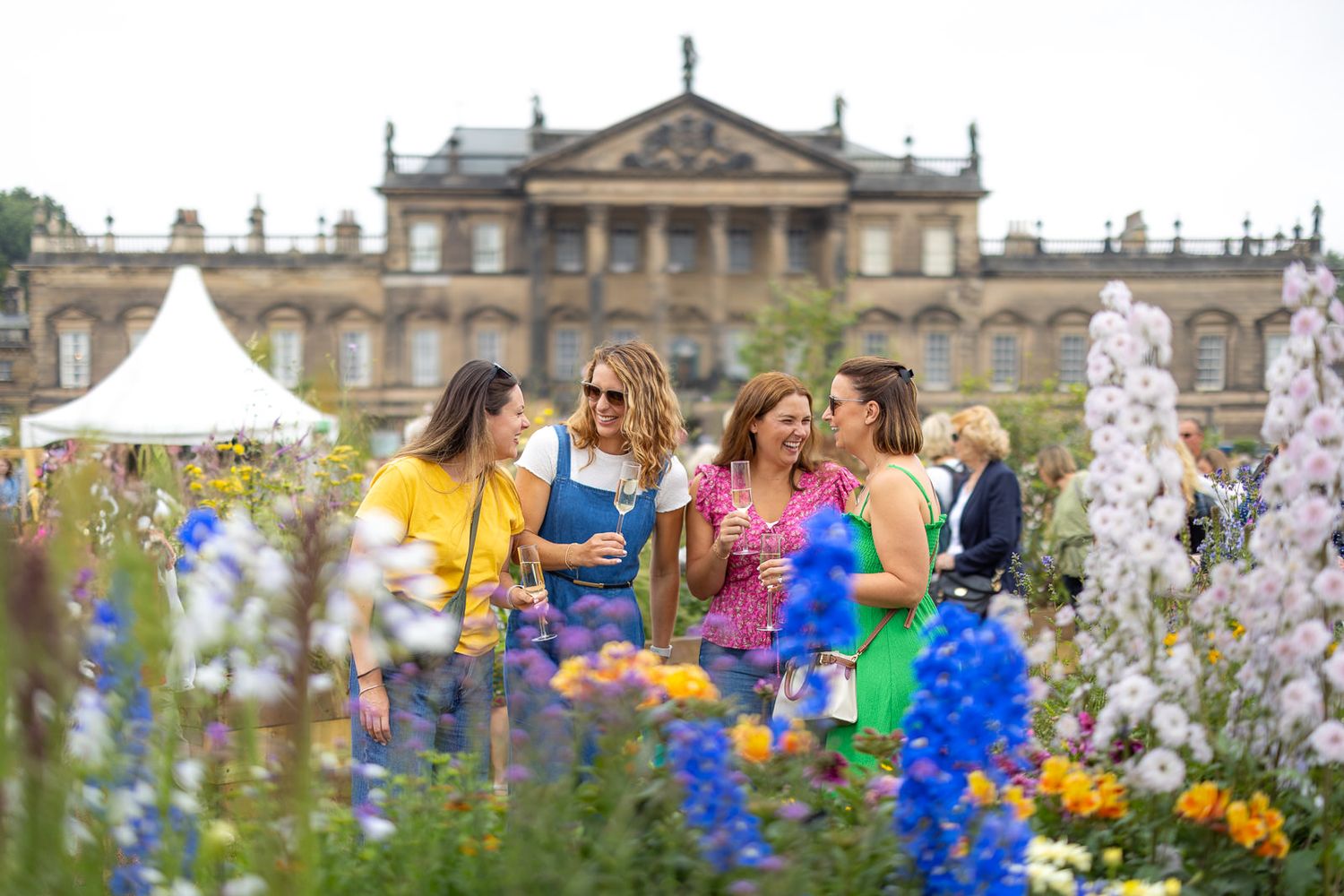
For this one-day photography commission at the RHS Wentworth Woodhouse Flower Show, I combined a directed lifestyle shoot with four non-professional models and candid photography of genuine visitors enjoying the event.
The shoot was undertaken as part of my role with the Royal Horticultural Society and commissioned by the Shows Marketing and Brand teams. The final collection of approximately 50 to 100 photographs was created for use across marketing, websites, social media and out-of-home advertising.
It is a good example of how carefully directed imagery and observational corporate photography can work together to create a varied and commercially useful image library.
What was the photography brief?
The phrase used within the brief was:
More plant, less people.
In practice, that did not mean removing people from the photographs. The imagery still needed to communicate the experience of attending the show.
The aim was to include planting, displays, and the Wentworth Woodhouse setting, while using people to add scale, energy, and a human connection.
That balance matters. A photograph containing only plants may show what was displayed, but it does not necessarily show what it felt like to visit the event. Equally, tightly framed photographs of people could have been taken almost anywhere.
The strongest images needed to combine:
- People enjoying the show
- Seasonal planting and floral displays
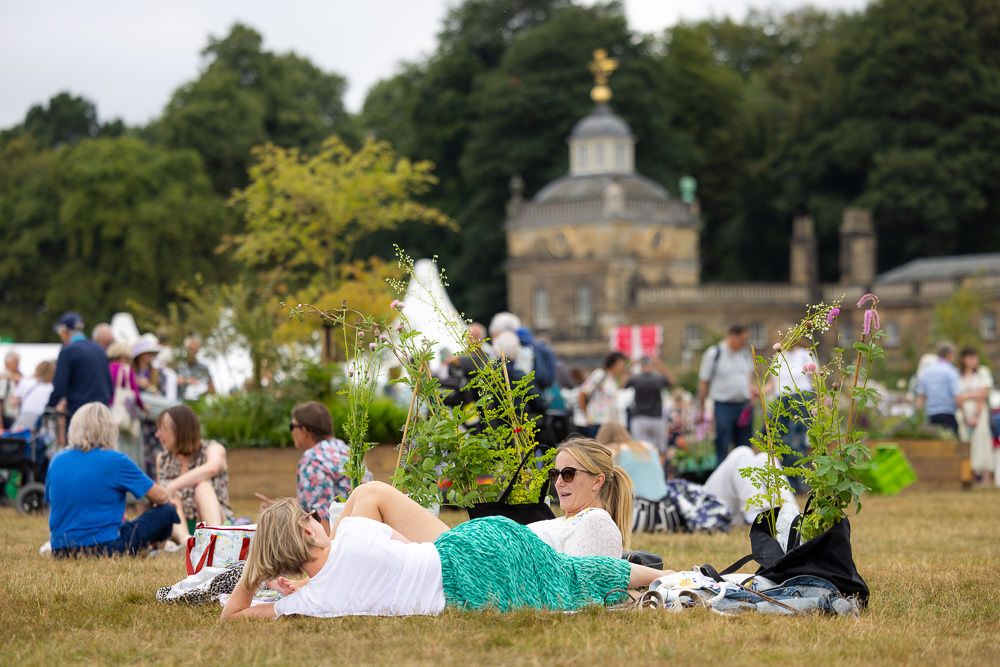
- The historic architecture of Wentworth Woodhouse
- Exhibitors, demonstrations and entertainment
- The scale and atmosphere of the event
- Clear space and flexible compositions for marketing use
The people brought the experience to life, while the location and planting established what made the event distinctive.
Two photography shoots in one day
The day was divided into two connected but different photography briefs.
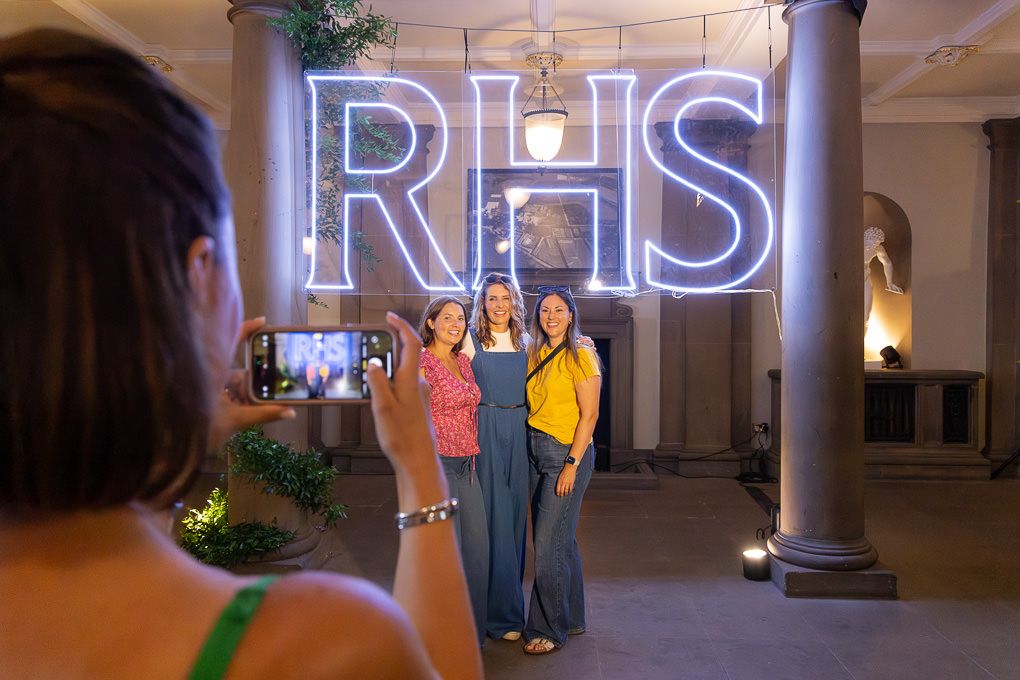
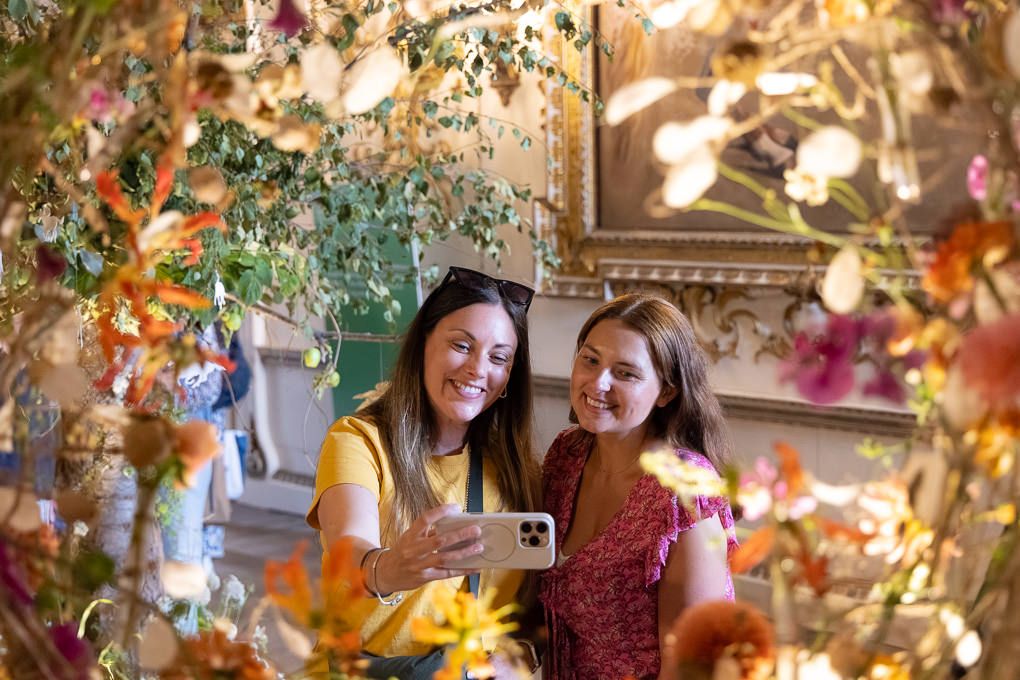
The first was a directed corporate lifestyle shoot using four friends as models. The second involved photographing genuine visitors candidly as they explored the show.
This approach gave the marketing team both controlled campaign imagery and a more observational record of the event.
Directed lifestyle photography with non-professional models
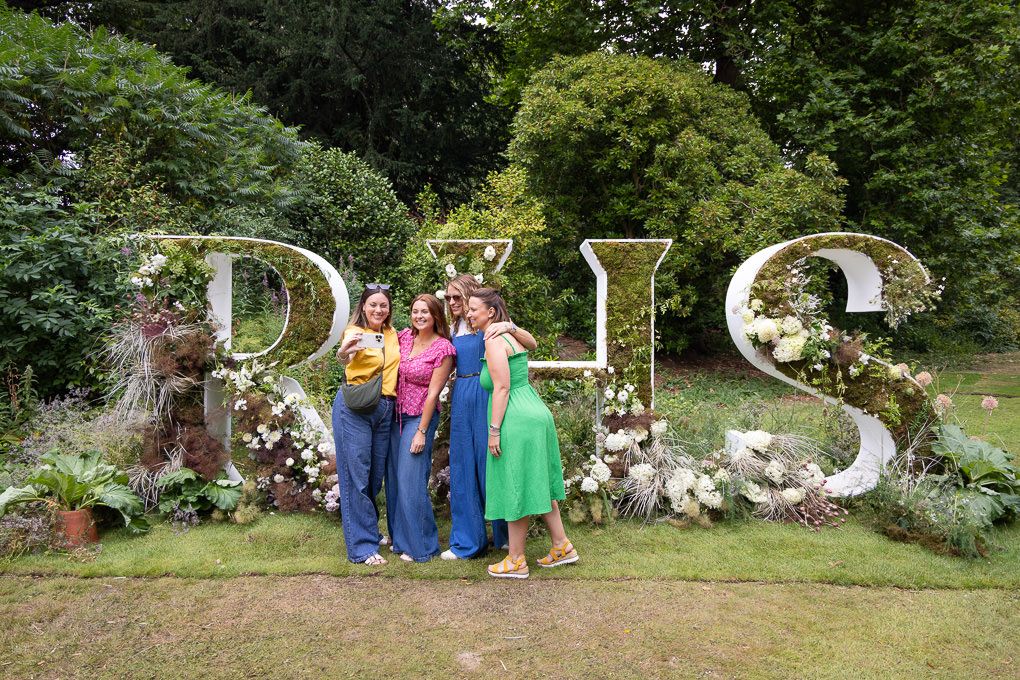
The first part of the day involved photographing a friendship group of four people.
They were not professional models, which suited the brief. They looked like genuine visitors rather than people who had been placed into an obviously staged advertising campaign.
The marketing and brand teams had already developed the brief and planned the general activities. This was not a campaign where I created the concept from scratch. My responsibility was to interpret their direction photographically and make each situation look convincing on location.
The group were photographed:
- Walking through areas of planting
- Looking at displays together
- Talking and laughing naturally
- Exploring different parts of the show
- Interacting with installations and activities
- Enjoying the food, entertainment and venue
Although the situations were directed, the photographs still needed to feel relaxed.
That meant giving the group an activity or destination rather than repeatedly asking them to stand still and smile at the camera. People usually appear more comfortable when they have something natural to do.
How do you make staged lifestyle photography look natural?
Good lifestyle direction should provide a framework without controlling every movement.
Rather than positioning every hand and expression, I normally give people a simple action:
- Walk towards a particular display
- Talk to each other while moving
- Look at something together
- Pause briefly at a chosen location
- Repeat an action from a slightly different angle
I can then adjust the composition, background and timing while allowing the interaction itself to remain fairly loose.
Because the Wentworth Woodhouse group already knew each other, their conversations and reactions felt genuine. My job was to position myself where the light, planting and architecture supported those moments.
Professional models can be useful for certain campaigns, but they are not always necessary. Friends, employees or customers can work extremely well when the brief calls for a more familiar and relatable atmosphere.
Candid photography of genuine show visitors
Once the directed photography was complete, I moved on to candid coverage of the flower show.
This required a different approach.
With the models, I could repeat an action, alter their position or wait for the background to clear. During the live event, moments happened once and disappeared quickly.
I photographed people:
- Browsing plant displays
- Walking through the gardens
- Watching demonstrations
- Relaxing and eating together
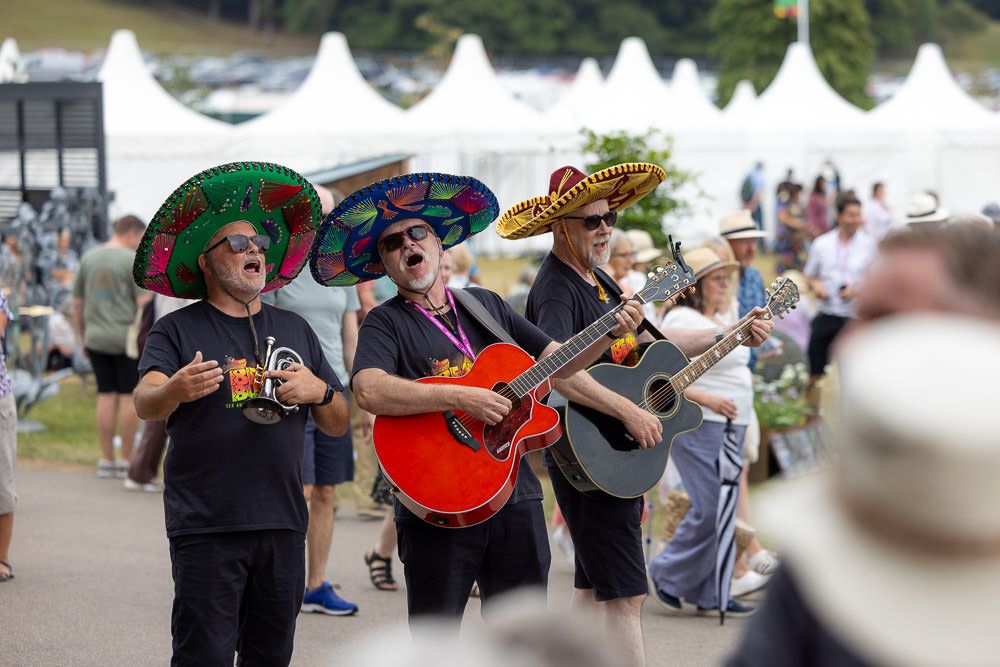
- Enjoying performances
- Exploring the historic venue
- Talking with exhibitors
- Taking part in show activities
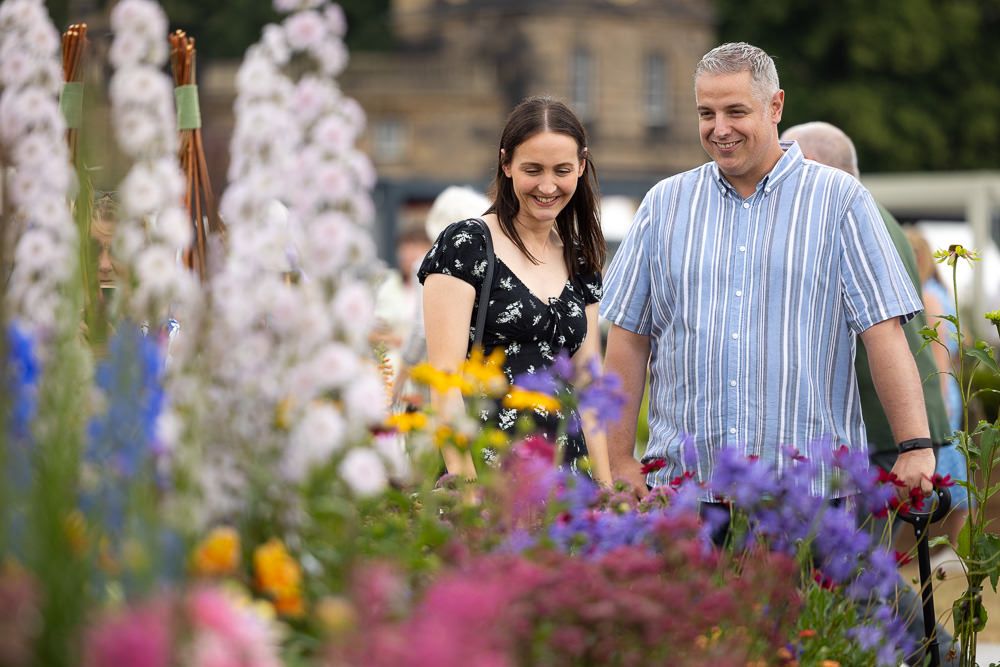
This part of the brief was closer to my usual corporate event photography style. I worked observationally, moving around the show and anticipating interactions rather than constantly interrupting visitors.
Everyone featured recognisably within the final collection was covered by an appropriate model release.
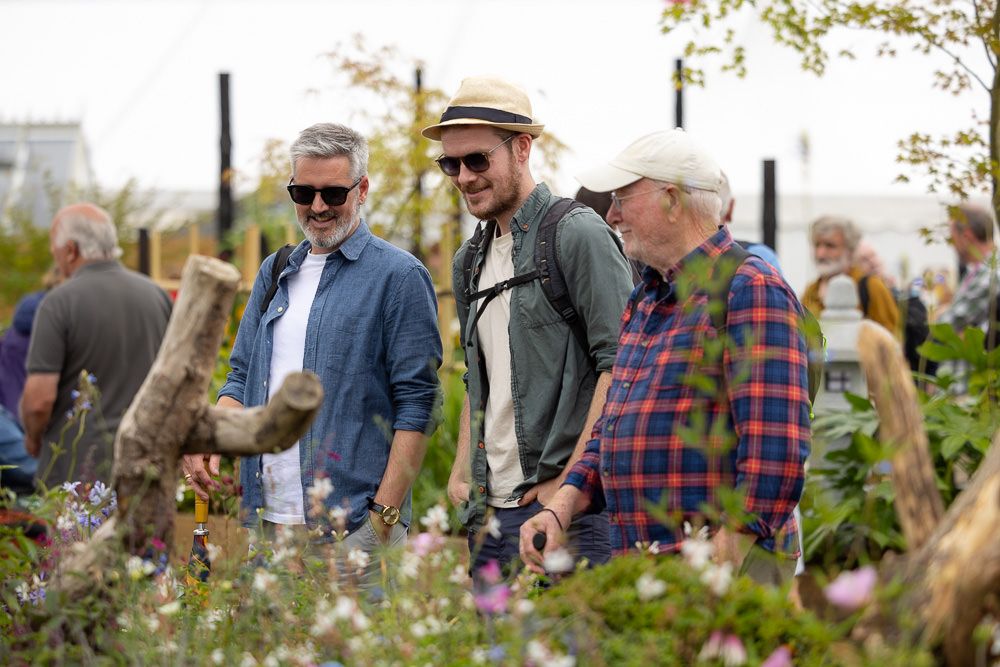
What is the difference between lifestyle and candid photography?
Lifestyle and candid photography can look similar, but they are created differently.
Lifestyle photographs usually involve some level of planning or direction. The photographer may choose the location, activity, people and approximate composition before allowing the interaction to unfold naturally.
Candid event photography documents genuine moments as they happen, with little or no intervention.
Using both approaches provided:
- Controlled images featuring specific locations and activities
- Natural reactions from genuine visitors
- Reliable photographs with clear marketing potential
- A wider visual record of the overall flower show
- Greater variety across the final gallery
One approach was not automatically better than the other. They served different purposes.
Balancing people, plants and the location
Wentworth Woodhouse was not merely a background.
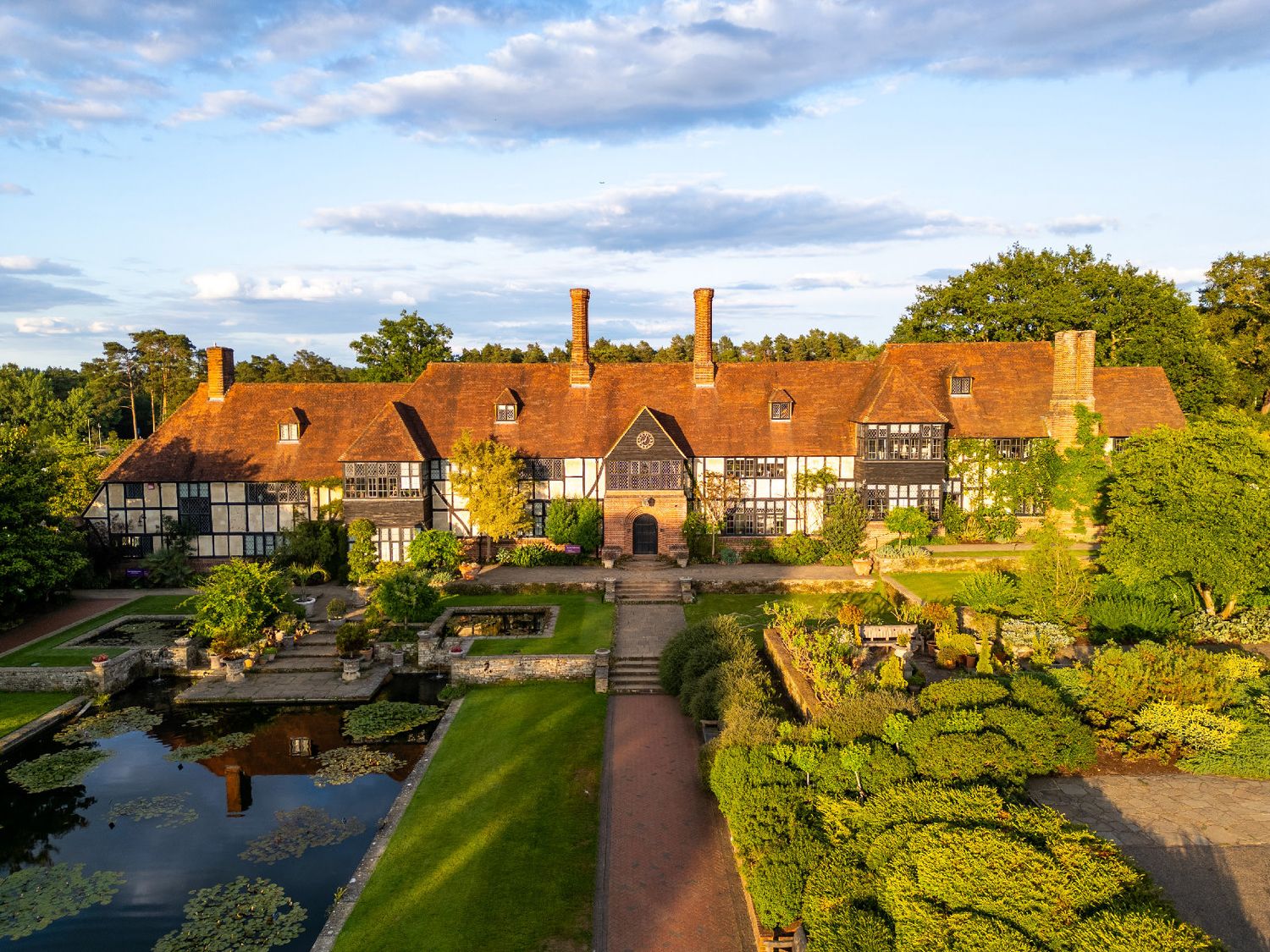
Its architecture immediately established the scale and identity of the event, while the show planting added colour, depth and context.
I regularly looked for compositions in which people could be framed by flowers, pathways, displays, or parts of the house. This allowed the human element to remain clear without completely overpowering the setting.
The lens choice made a significant difference.
A wider composition could show visitors within the scale of the show, while a longer lens allowed me to isolate interactions and use planting to frame the foreground.
This is also an important part of photographing gardens and outdoor spaces. My guide to photographing gardens at RHS Wisley explains more about using paths, architecture and layered planting within a composition.
Photographing in grey and wet weather
The show took place beneath grey skies with intermittent drizzle.
That was not ideal for a campaign intended to feel warm, colourful and inviting, but outdoor commercial photography often involves working with whatever conditions arrive.
Flat light can actually be helpful for photographing people because it reduces harsh shadows and squinting. The bigger challenge is preventing the photographs from feeling dull.
I concentrated on:
- Using colourful planting within the frame
- Finding cleaner and brighter backgrounds
- Positioning people where the available light was most flattering
- Protecting pale skies and highlights
- Maintaining natural skin tones
- Using expressions and movement to create energy
- Avoiding compositions dominated by empty grey sky
The photographs were then edited to lift shadows, balance the greens and introduce restrained warmth.
The intention was not to manufacture blazing sunshine that never existed. It was to produce a consistent, inviting gallery while keeping the colours and conditions believable.
Working with available light
The entire shoot was photographed using natural and available light.
I did not use flash, reflectors or portable studio lighting.
That kept the setup lightweight and allowed me to move quickly between the directed shoot and candid event coverage. It also meant visitors were not constantly distracted by flashes during the live show.
My usual Canon EOS R5 and R6-series camera bodies were paired mainly with 24-105mm and 70-200mm lenses.
The 24-105mm provided flexibility when moving between wider venue photographs and closer lifestyle moments. The 70-200mm was particularly useful during the candid coverage because it allowed me to photograph natural interactions without standing directly beside the people involved.
Creating photographs for different marketing formats
A corporate lifestyle shoot should create more than a collection of attractive photographs.
The images need to work within real layouts and campaigns.
For Wentworth Woodhouse, that meant creating a mixture of:
- Horizontal photographs for website banners
- Vertical images for social media
- Wider photographs showing the venue
- Close interactions between people
- Images with space for text and graphics
- Planting and location details
- Photographs suitable for large-format advertising
- General event coverage for future marketing
I also varied the positions of the subjects within the frame. Placing everyone centrally in every photograph would have severely limited how designers could crop or add text to the images.
This is the same principle used throughout my travel and tourism photography. Visitor attractions and destinations need photographs that show both the physical location and the experience available there.
The final image collection
Approximately 50 to 100 finished photographs were produced from the day and delivered within a couple of weeks.
The collection included:
- Directed friendship-group imagery
- Candid visitor photography
- Wide views of the flower show
- Wentworth Woodhouse architecture
- Floral and planting displays
- Exhibitors and demonstrations
- Food and hospitality
- Entertainment and activities
- General atmosphere and supporting details
Together, these images provided a much more complete view of the event than either the directed or candid photography could have achieved alone.
The photographs have since been used across RHS marketing, websites, social media and out-of-home advertising.
Why combine staged and candid photography?
Staged lifestyle photography provides control.
It allows the marketing team and photographer to feature specific experiences, choose useful backgrounds and create compositions that fit known campaign requirements.
Candid photography provides unpredictability and variety.
It captures real reactions, unexpected interactions and moments that would be difficult to recreate convincingly.
Combining the two gives an organisation:
- Reliable campaign imagery
- Authentic event coverage
- A broader selection of people and activities
- Content for different platforms
- Greater value from one photography day
This approach can work particularly well for public events, heritage venues, hospitality businesses, tourism organisations, exhibitions and visitor attractions.
For a broader explanation of how organisations use this type of content, read what corporate photography includes.
Lessons for planning a corporate lifestyle shoot
The Wentworth Woodhouse shoot highlights several useful points for marketing and brand teams.
Be clear about the balance between people and place
Statements such as “more plant, less people” are useful creatively, but the photographer still needs to understand what the images are expected to communicate.
Should the people be the main subject, supporting characters or simply a source of scale?
Clarifying that before the shoot reduces confusion on location.
Give people something believable to do
Natural expressions are difficult to produce when people stand without purpose.
Activities, movement and genuine interaction usually create more convincing photographs than repeatedly asking everyone to look happy.
Plan for several formats
Discuss horizontal, vertical and square crops before photography starts.
The photographer can then create intentional variations rather than relying on aggressive cropping afterwards.
Do not rely on the weather
Outdoor campaigns need a realistic backup plan.
That may involve using sheltered locations, adapting the schedule, prioritising certain scenes or accepting a softer and more natural visual style.
Combine controlled and genuine moments
A fully staged shoot may become too polished. A completely candid shoot may fail to provide the specific images required.
Combining the two often produces the most commercially useful result.
You can find more practical commissioning advice in my guide to choosing the right photographer for a corporate event.
Corporate lifestyle photography FAQs
What is corporate lifestyle photography?
Corporate lifestyle photography uses people, locations and activities to show what an organisation, service or experience feels like.
The photographs may be fully directed, lightly staged or captured candidly. They are commonly used for websites, advertising, recruitment, public relations and social media.
Do corporate lifestyle shoots require professional models?
No. Professional models can be useful, but employees, customers, friends or members of a community may feel more representative of the organisation.
Non-professional models generally need clearer direction and enough time to become comfortable in front of the camera.
Can staged lifestyle photography still look natural?
Yes. The best results usually come from giving people a believable activity rather than asking them to hold a rigid pose.
Simple actions such as walking, talking, browsing or working together create natural movement and genuine interaction.
What is the difference between lifestyle and event photography?
Lifestyle photography usually involves planned people, locations or activities. Event photography primarily documents genuine moments during a live event.
The two can be combined within one shoot, as they were at RHS Wentworth Woodhouse.
Can corporate lifestyle photography be created in bad weather?
Yes. Overcast light can be flattering for people, although the photographer may need to adapt the locations, compositions and schedule.
Careful editing can also improve warmth and consistency without making the final images look artificial.
Where can corporate lifestyle photographs be used?
They can be used across websites, social media, advertising, press coverage, recruitment, printed publications, internal communications and out-of-home campaigns.
The photography brief should identify the expected uses so that suitable orientations and compositions can be created.
How many photographs are normally delivered?
The number depends on the length and complexity of the shoot.
This one-day Wentworth Woodhouse commission produced approximately 50 to 100 finished images across the directed and candid photography.
How quickly are corporate lifestyle photographs delivered?
Standard delivery depends on the size of the project and the number of images required.
The Wentworth Woodhouse collection was completed within a couple of weeks. Faster turnaround can be agreed when images are needed for immediate press or social media use.
Lee Charlton is a multi-award-winning commercial photographer with more than 16 years of professional experience.
He spent nine years as Global Photography Manager at TUI, where he was the company’s sole in-house photographer supporting a global organisation. Lee also worked at the RHS for four years, photographing gardens, flower shows, corporate events, employees, campaigns and visitor experiences across the UK.
His work combines first-hand experience of photography production with an understanding of what marketing, brand, communications and digital teams actually need from their images.
Planning a corporate lifestyle photography project?
I photograph businesses, events, visitor attractions, heritage venues and tourism organisations across Hertfordshire, London and throughout the UK.
Get in touch to discuss your photography brief, where the images will be used and the type of people and locations you need to feature.