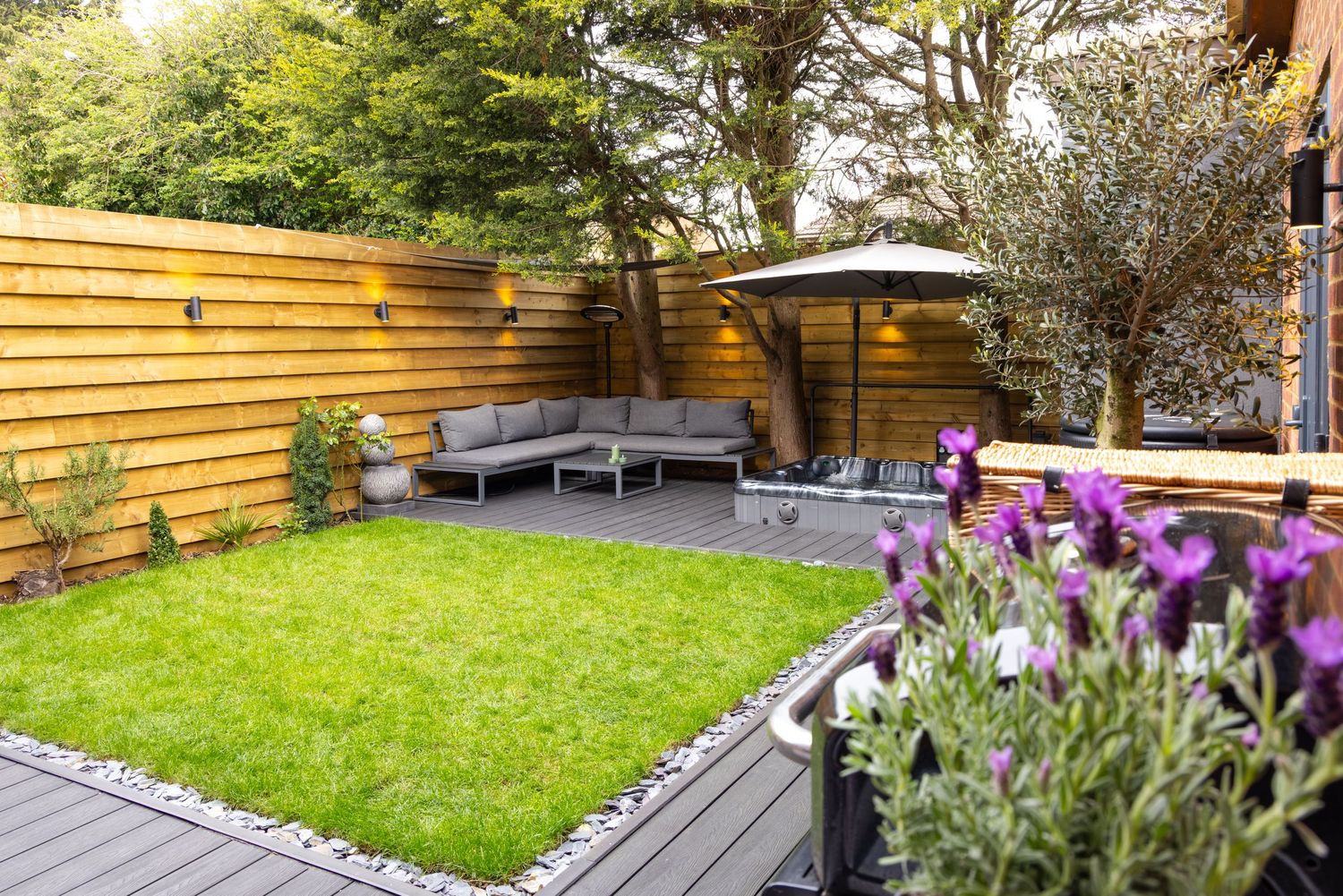
A half-day interior and lifestyle shoot for a private wellness space
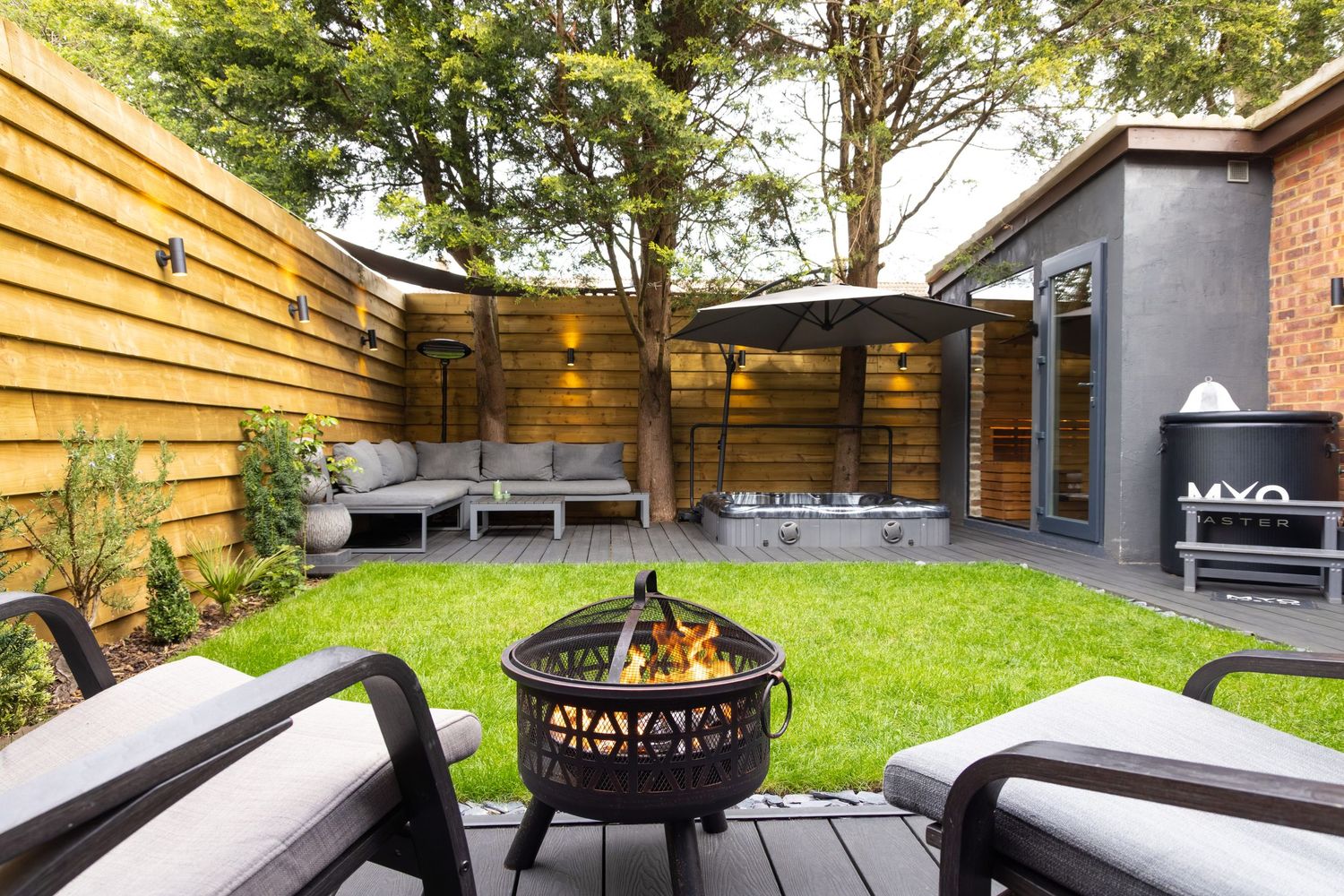
I photographed Garden Spa in Toddington during a half-day shoot, creating a varied library of interior, exterior, detail and lifestyle photographs for its marketing. The finished collection included just under 80 edited images, based on approximately 40 compositions produced in both vertical and horizontal formats.
For a small wellness business, that variety matters. The photographs needed to present the space accurately, capture its calm and private atmosphere, and work across Instagram, its website and wider marketing, not simply look good as individual images.
Project at a glance
Business: Garden Spa Toddington
Location: Toddington, Bedfordshire
Business type: Small, family-run private wellness venue
Shoot length: Half day
Coverage: Interiors, exteriors, details and owner-led lifestyle images
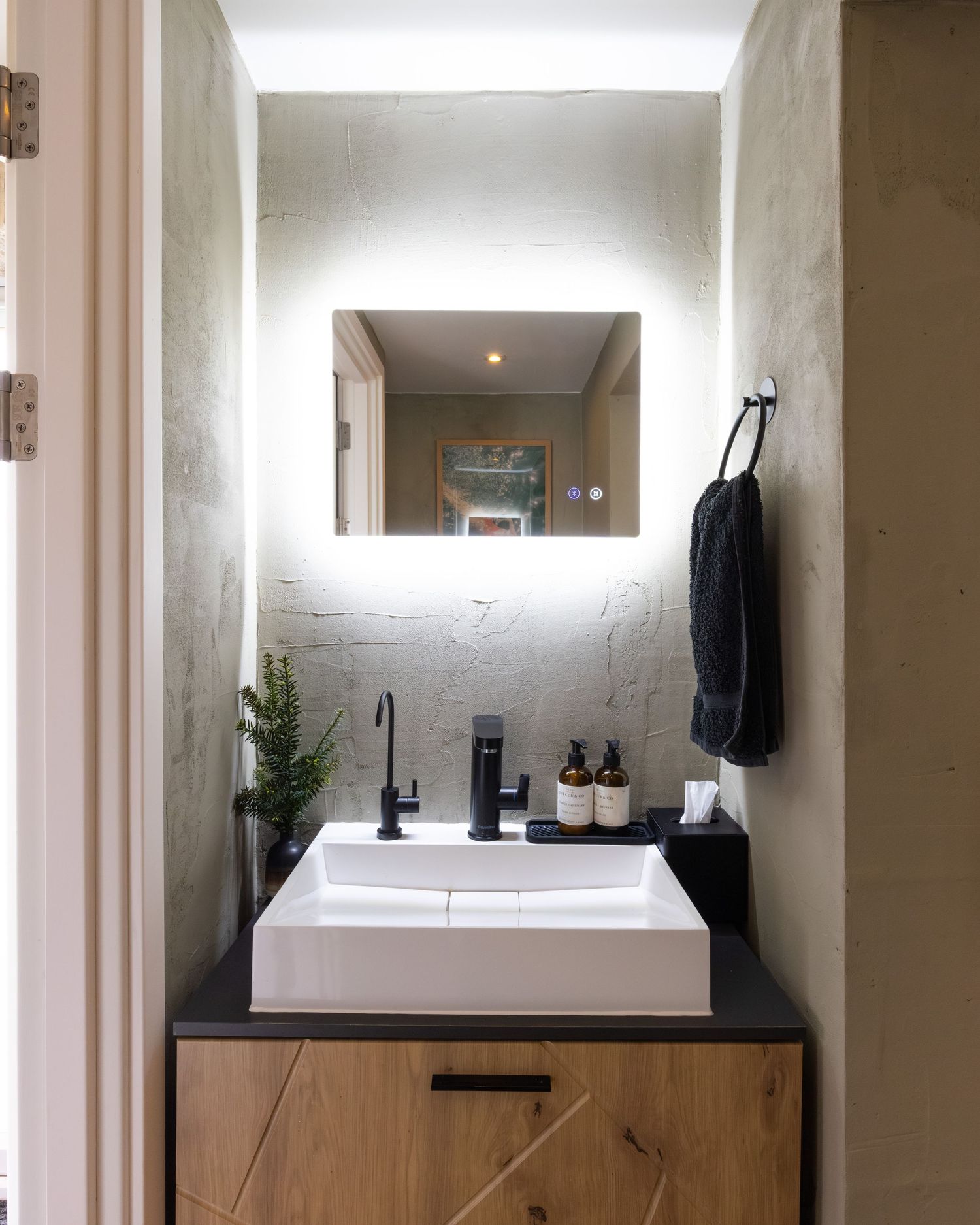
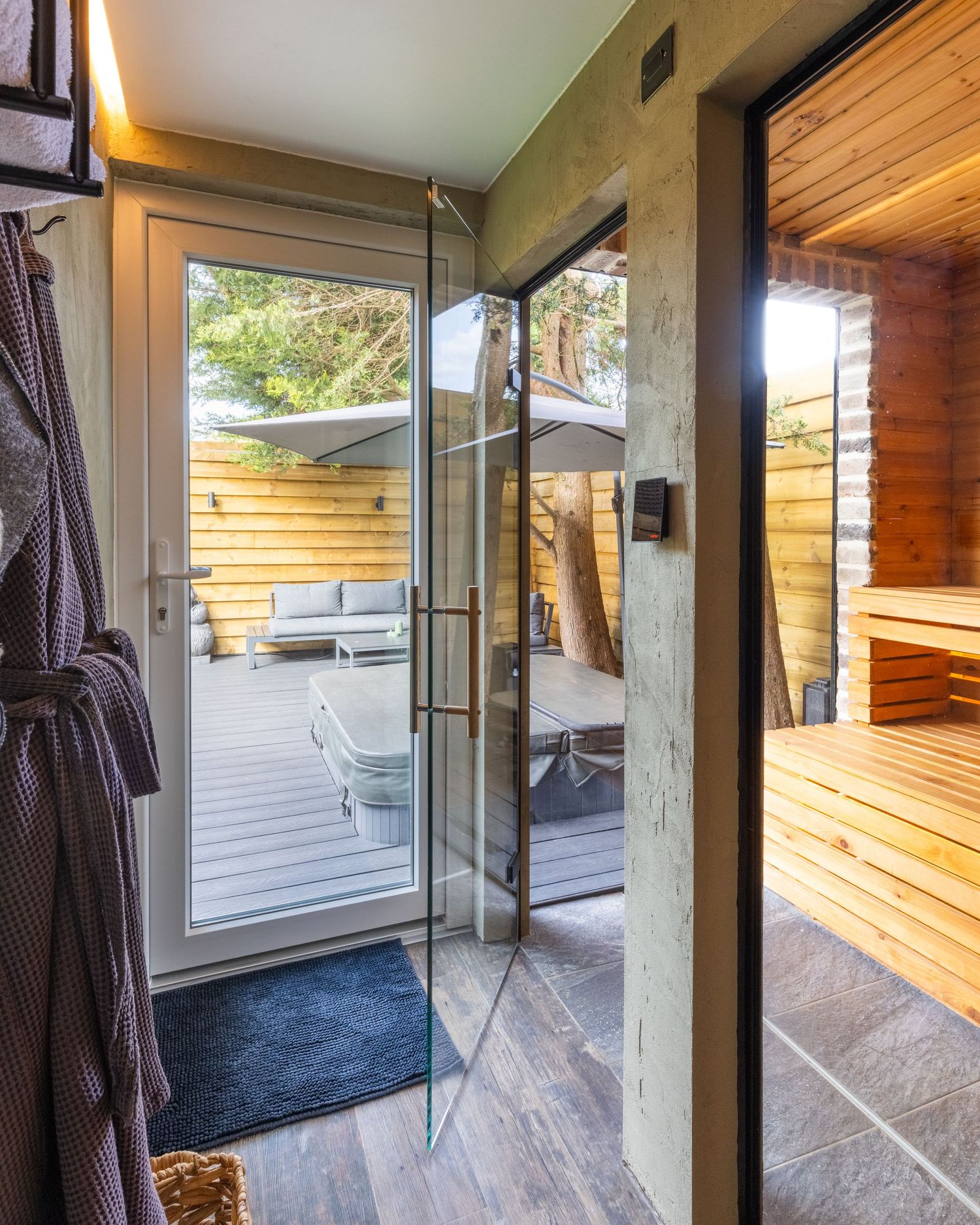
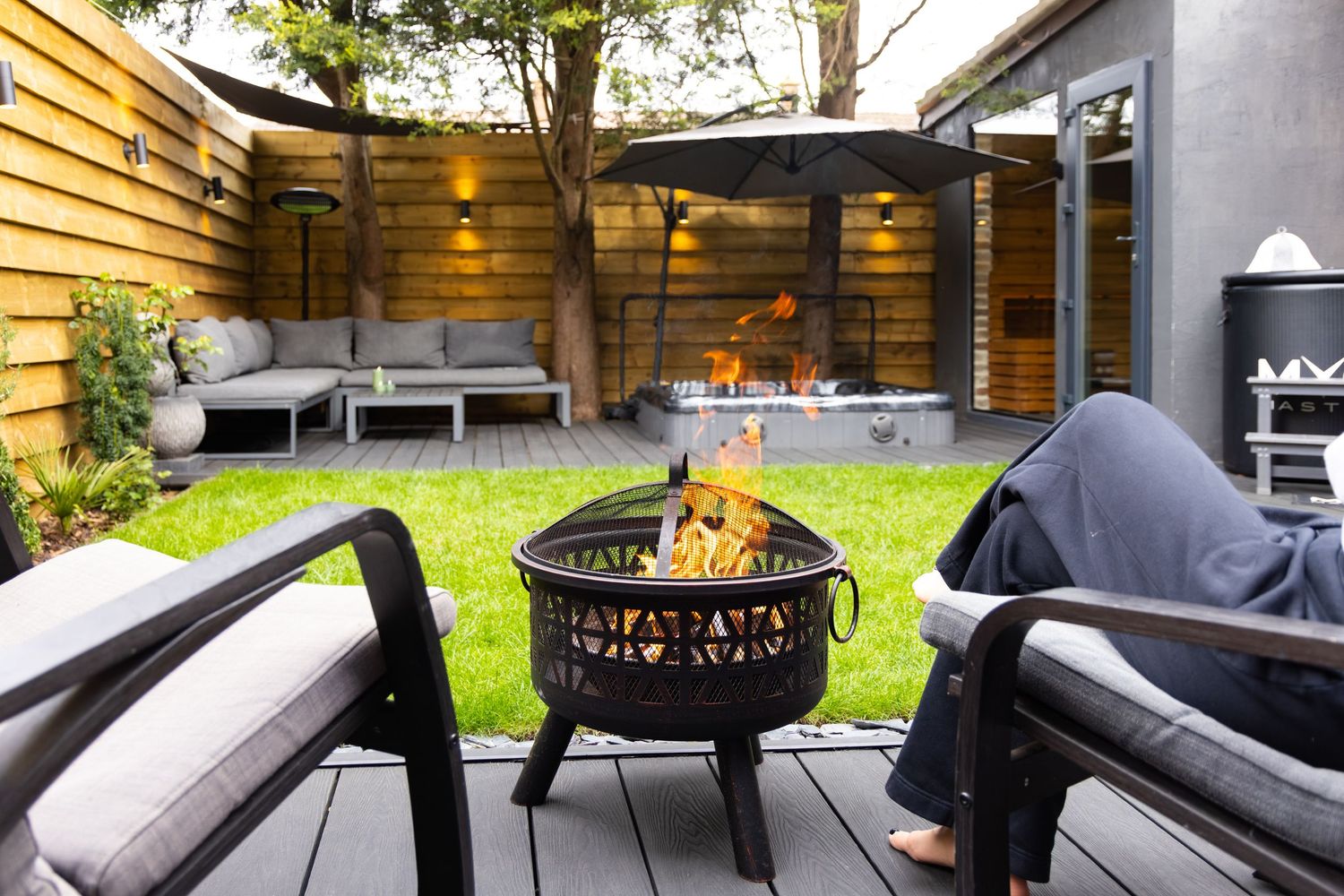
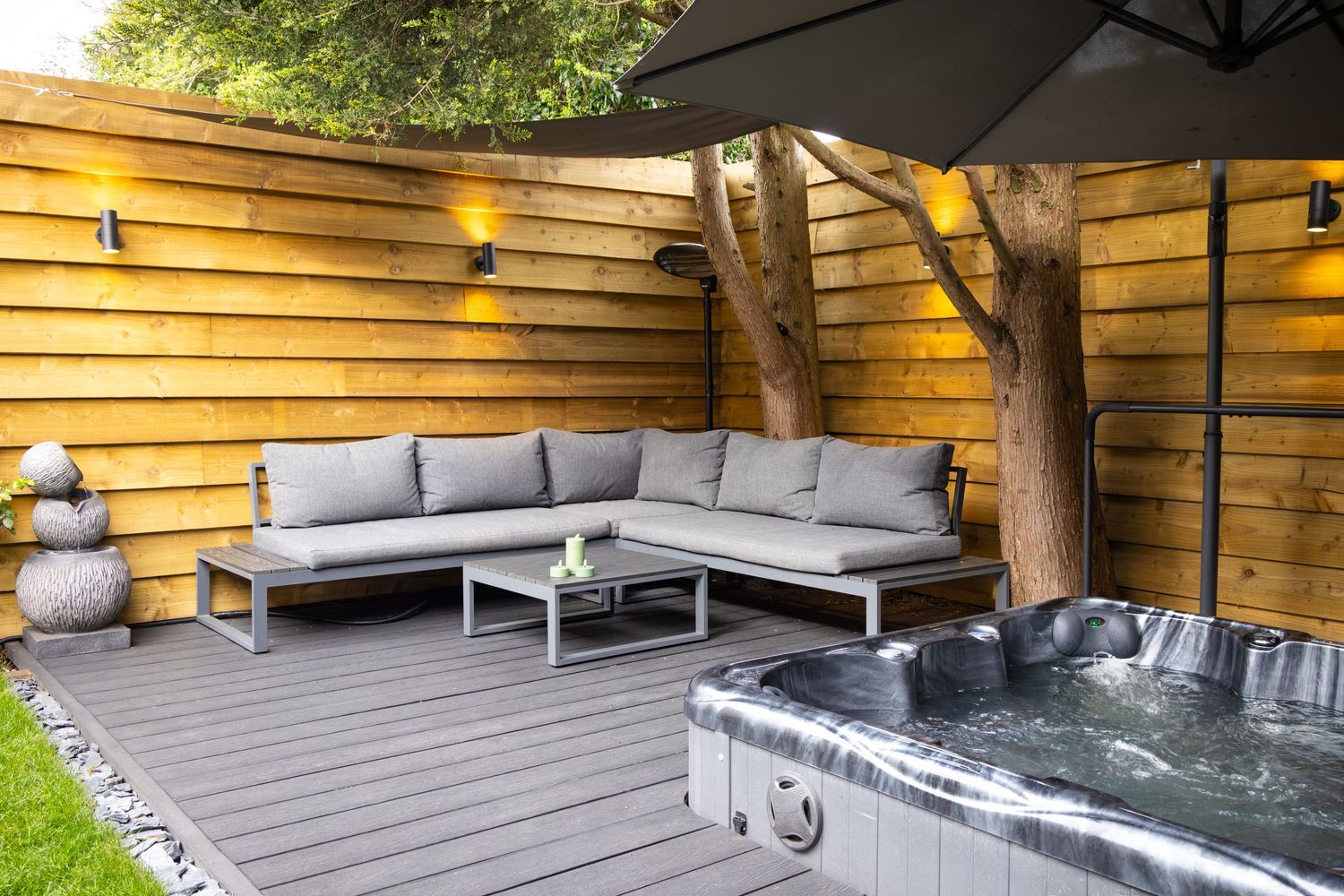
Spaces photographed: Sauna, relaxation room, bathroom, hot tub and outdoor areas
Final collection: Just under 80 edited photographs from approximately 40 vertical and horizontal compositions
Main uses: Instagram, website content and wider business marketing
Creating photographs for the way the business markets itself
Garden Spa relies heavily on Instagram to show the venue, share availability and communicate the experience it offers. The brief therefore called for more than a conventional set of wide interior photographs.
I planned the shoot around the different ways the images could be used. Horizontal compositions gave the business options for website banners and wider marketing layouts, while vertical versions were better suited to Instagram posts, stories and mobile-first content.
I also photographed a mixture of complete spaces, smaller details and lifestyle moments. This made the finished gallery more flexible and avoided leaving the business with dozens of slight variations of the same room.
That approach is central to my property and interior photography: the final images need to fit the client’s real marketing channels, not just my portfolio.
Photographing a compact and reflective spa interior
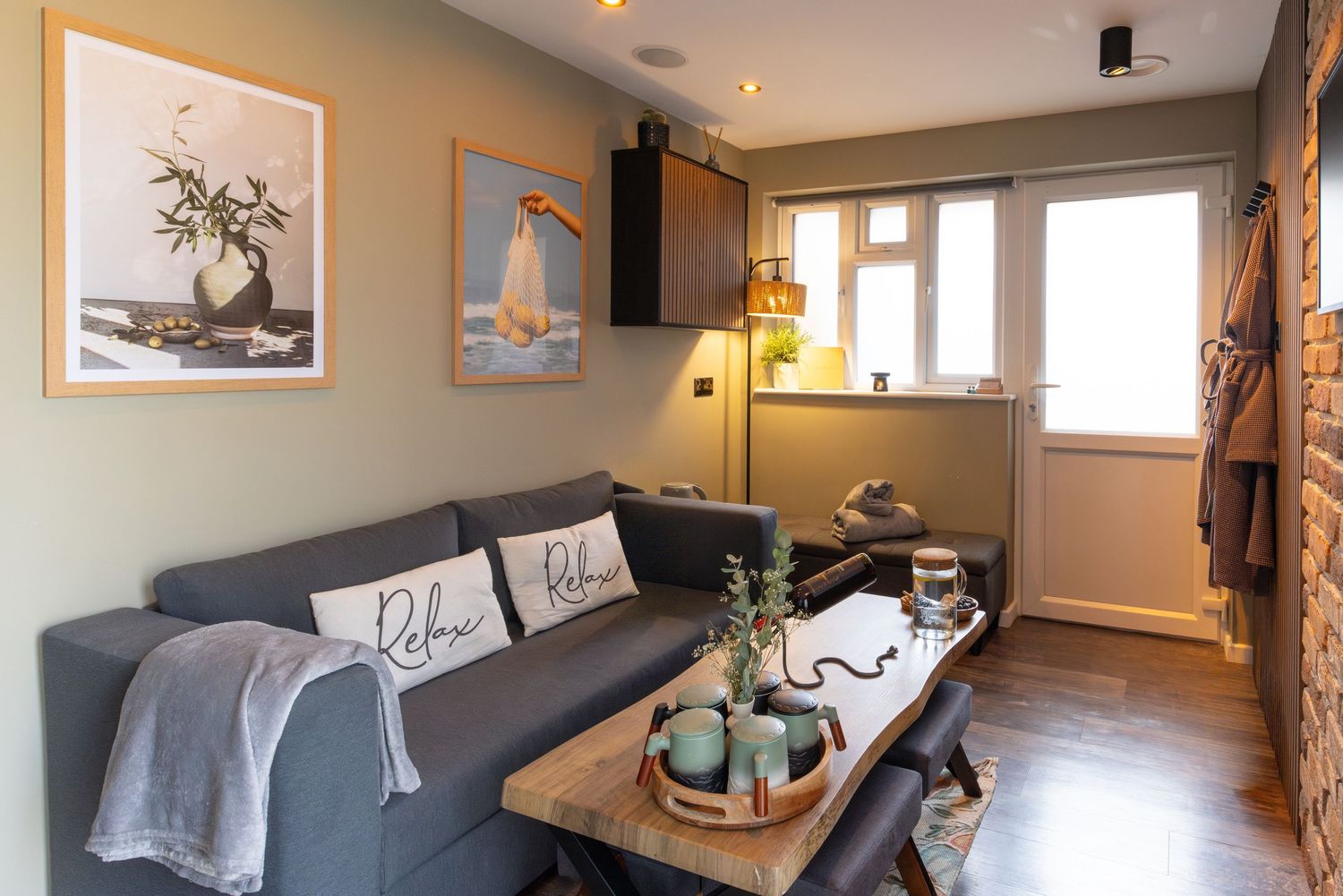
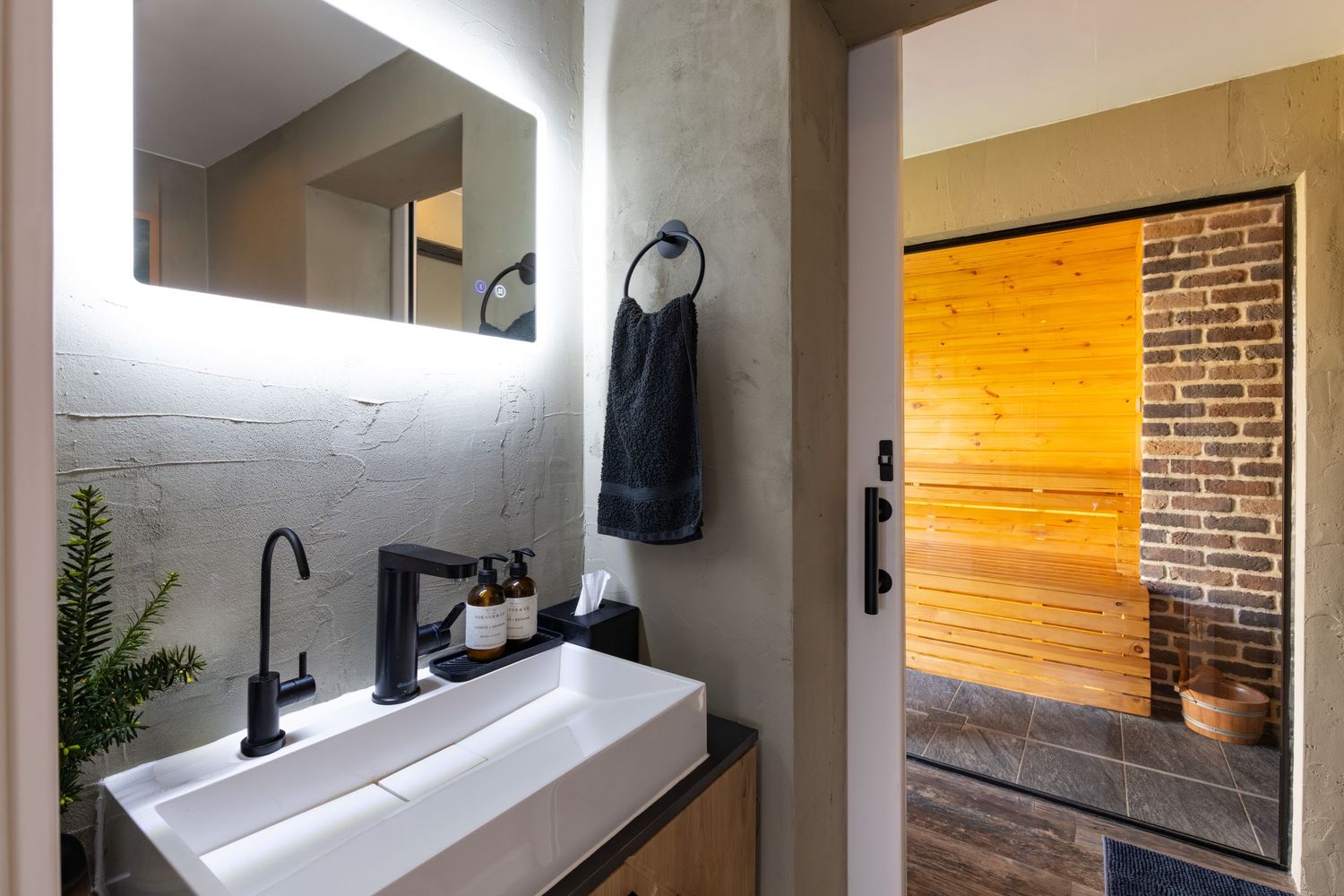
Small wellness spaces present several practical challenges. Camera positions are limited, but using an unnecessarily wide view can distort the room and give potential guests a misleading impression of its size.
I worked carefully with camera height, position and composition to show the layout clearly while keeping proportions natural. In a compact room, moving slightly to one side or changing height can be the difference between a balanced photograph and one dominated by a door frame, reflection or distracting foreground object.
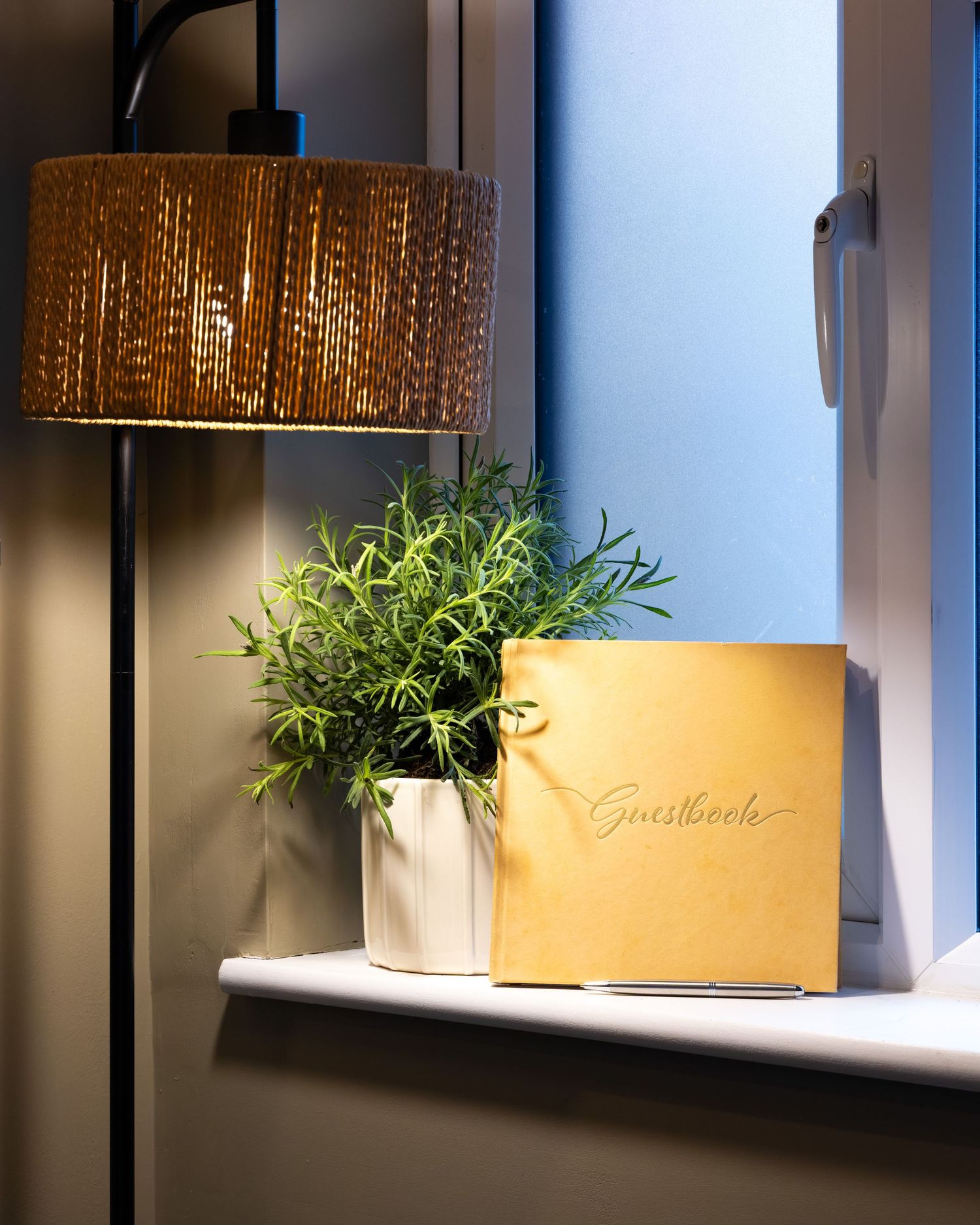
Glass doors, mirrors, framed artwork and windows created another challenge. I had to check reflections throughout the shoot, not only for the camera and photographer but also for bright objects elsewhere in the room.
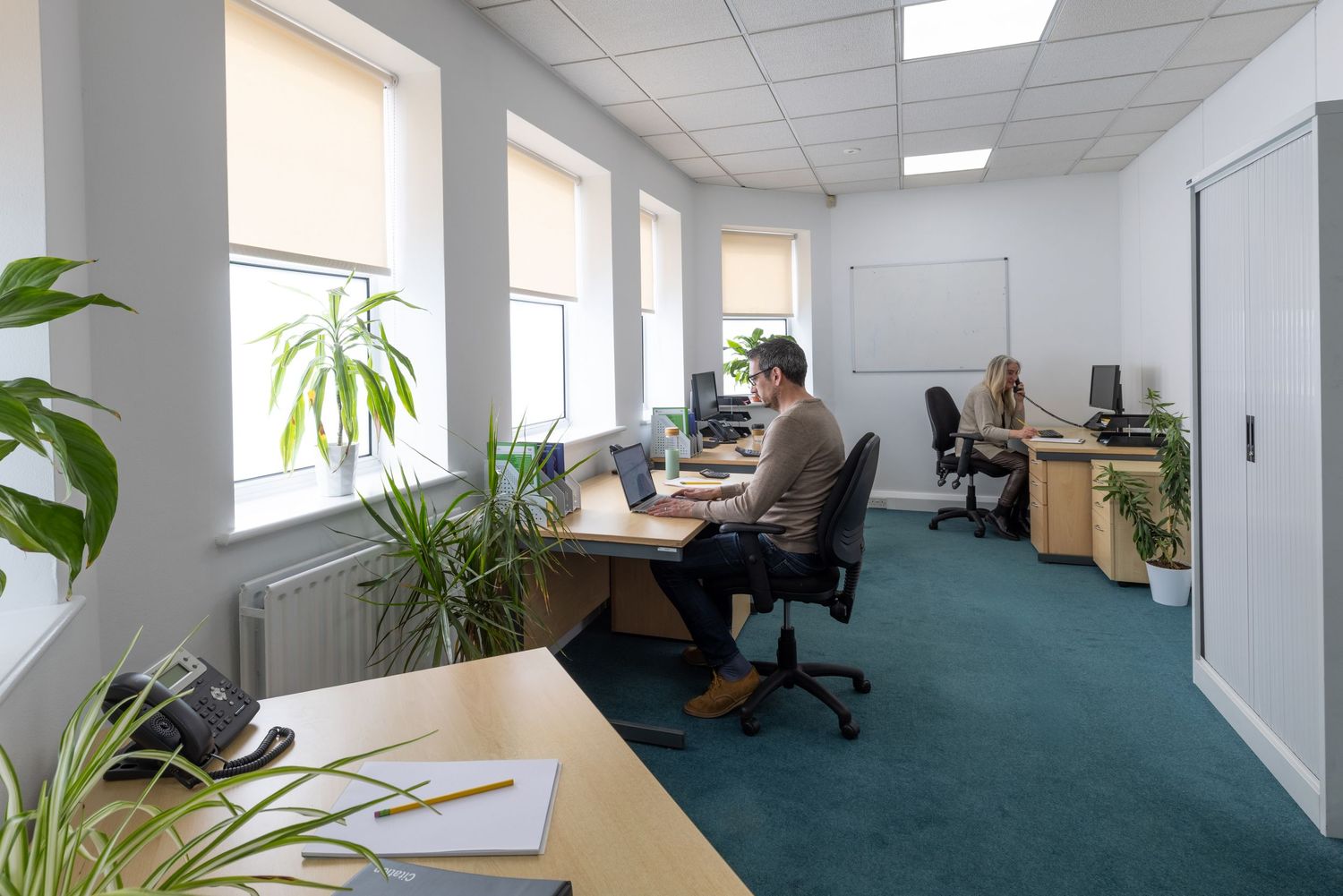
The same principles apply to other commercial spaces. My office photography case study in Hitchin shows how I approached accurate proportions and mixed lighting in another set of compact interiors.
Balancing daylight and warm interior lighting
The spa combined soft daylight through frosted windows with warmer internal lighting. If that contrast is handled poorly, the result can feel inconsistent: neutral areas become too cold, warm areas turn orange, or windows lose all useful detail.
I used exposure blending where necessary to balance brighter and darker areas without creating an exaggerated HDR effect. A polarising filter helped control some of the reflections, and the available light was strong enough for me to complete the shoot without flash.
That decision was specific to this project. I do not follow a rule that every interior must be photographed using only natural light or that every room requires flash. I assess the space, existing light and intended result before deciding what will look most natural.
I also made small styling adjustments as I worked. These were refinements rather than a complete restyle: straightening items, checking the balance of a scene and removing anything that distracted from the space.
Adding a human element
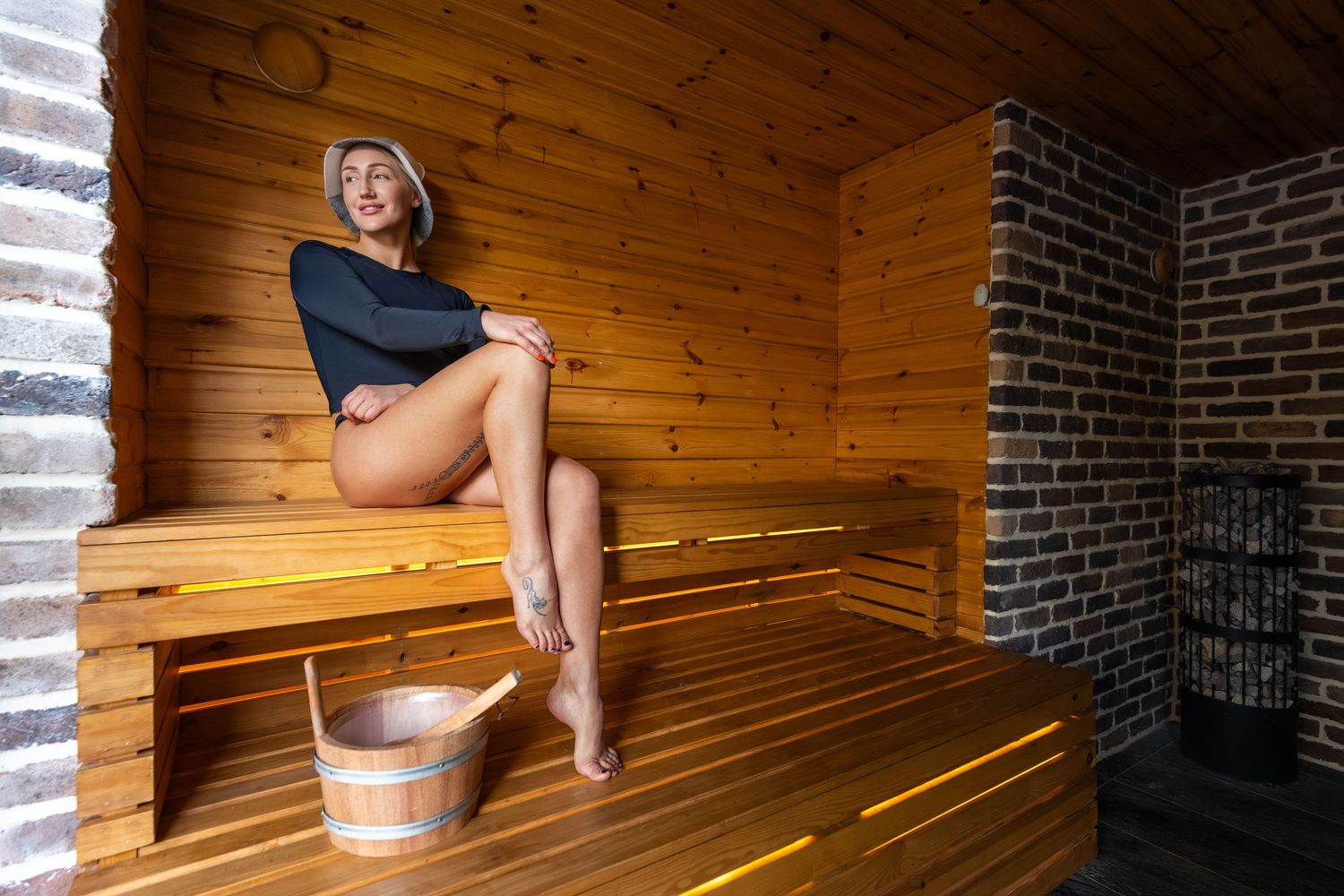
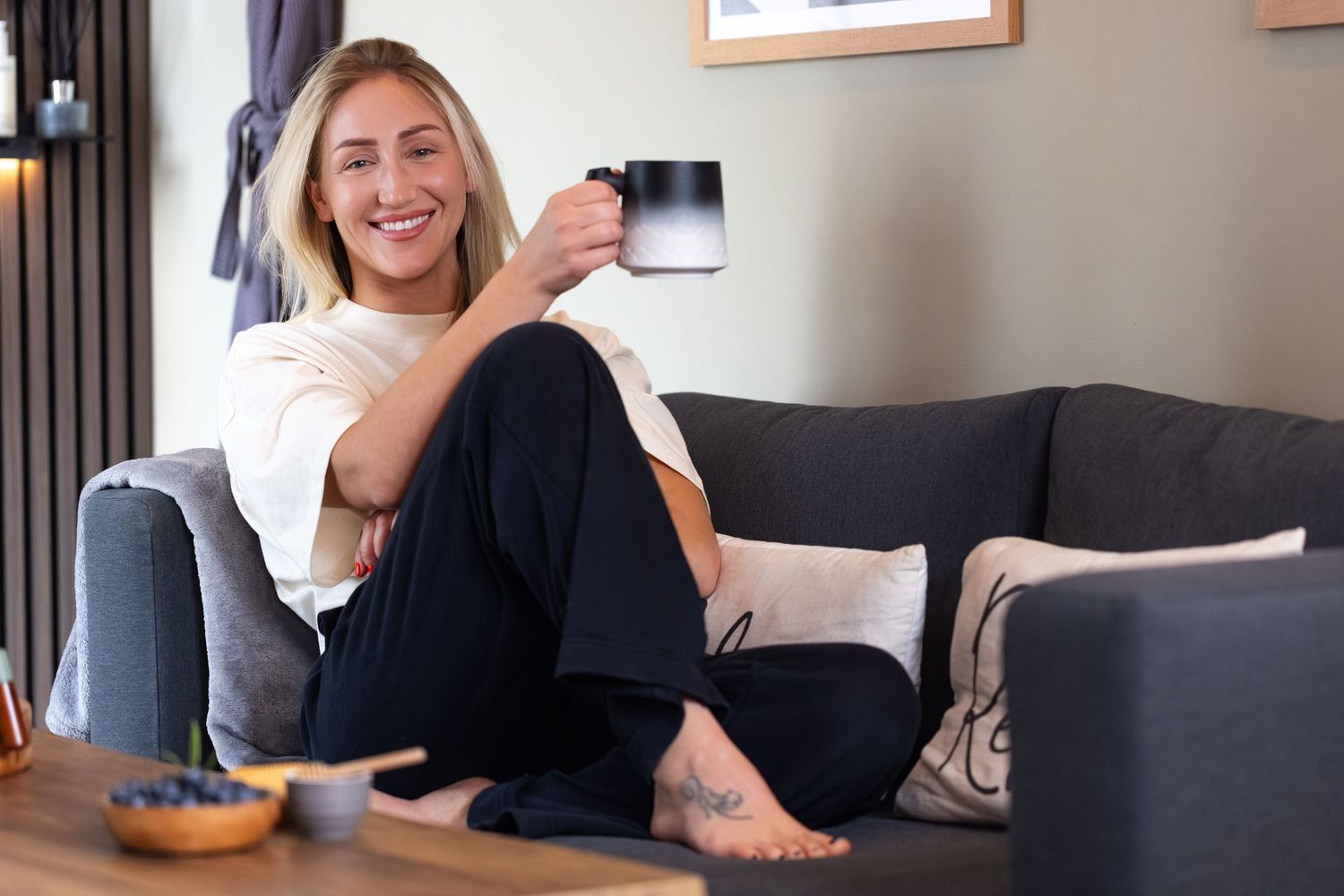
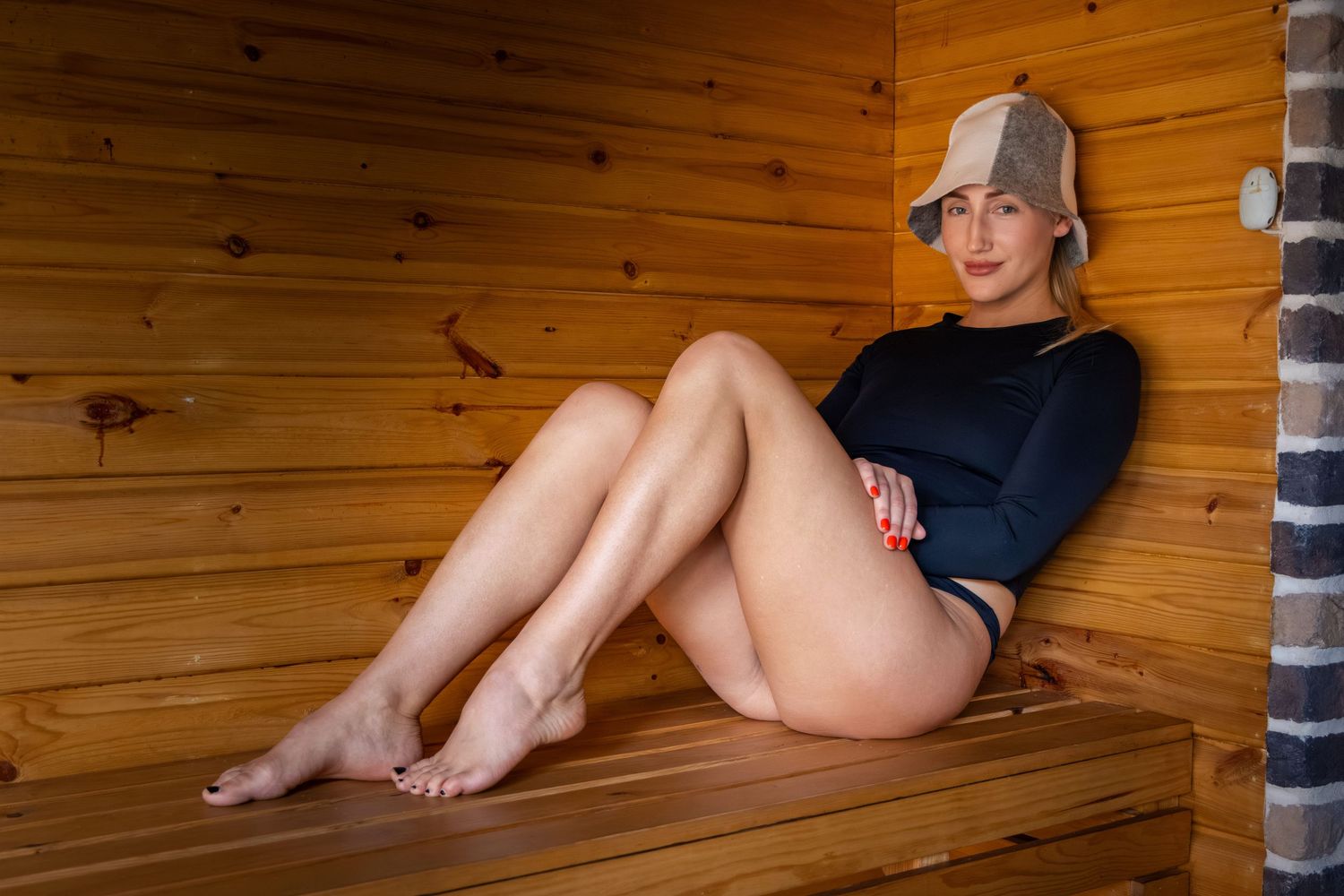
Partway through the shoot, we added lifestyle photographs of the owner using the sauna and relaxation areas.
These frames served a different purpose from the empty-room images. The interiors showed the layout and finish clearly; the lifestyle images helped viewers understand how it might feel to spend time there.
A person does not need to appear in every spa photograph. Used selectively, however, lifestyle content can provide scale, warmth and a stronger sense of experience. It also gives the business more variety for social media, where a continuous sequence of empty-room photographs can quickly become repetitive.
Building a useful content library
The finished set contained approximately 40 different compositions, with vertical and horizontal versions bringing the total to just under 80 edited images.
That structure provided coverage of:
- Complete indoor and outdoor spaces
- Important facilities and features
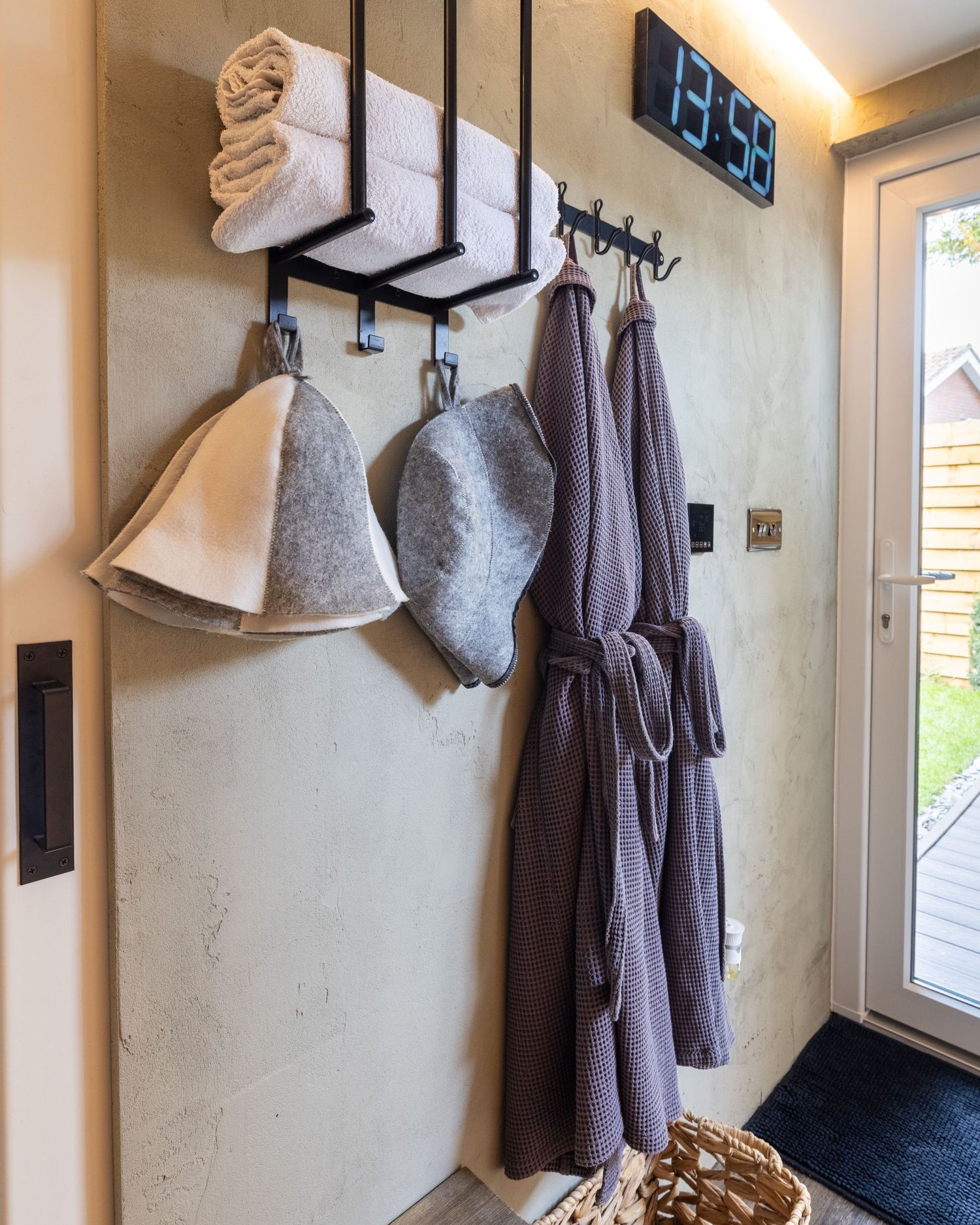
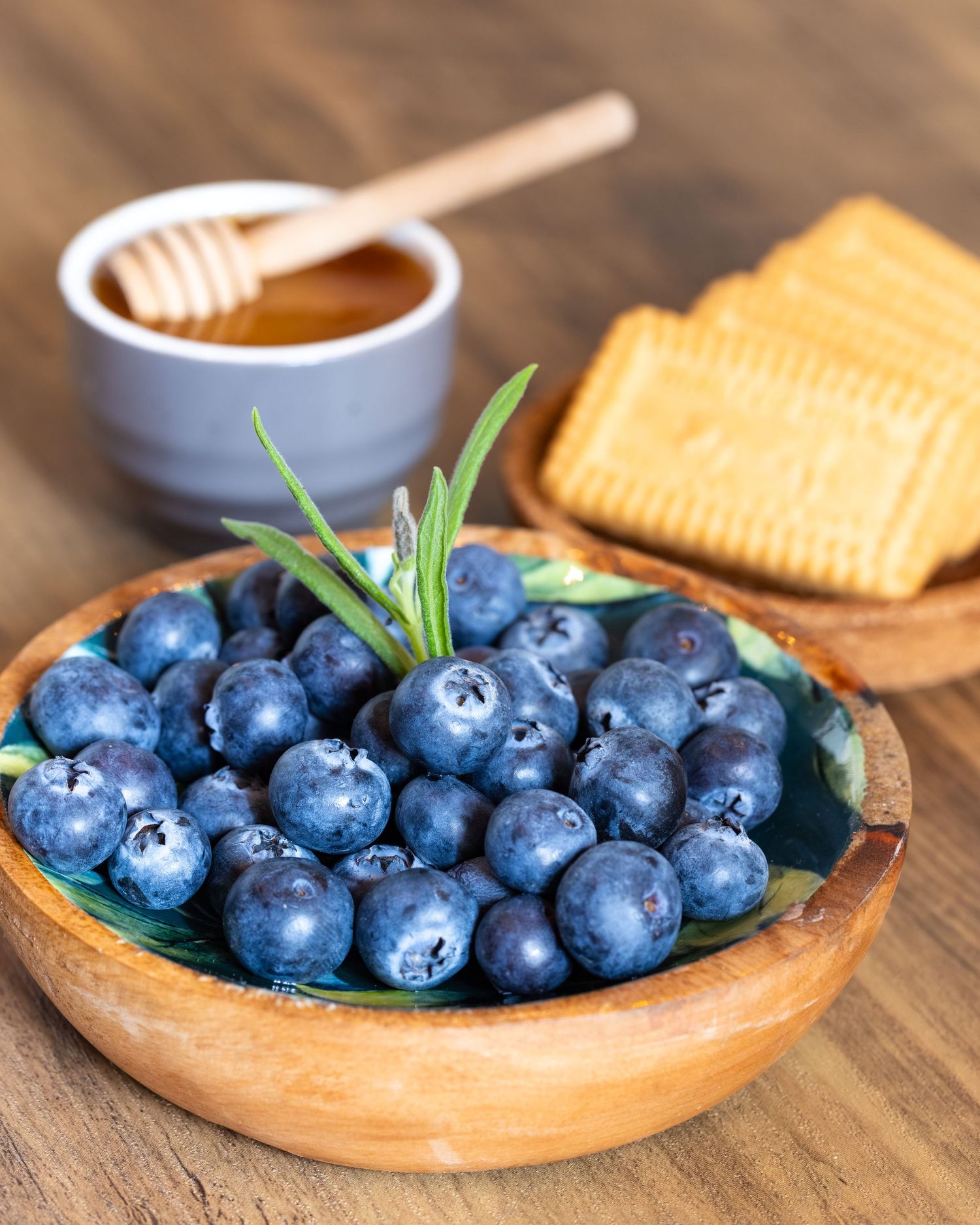
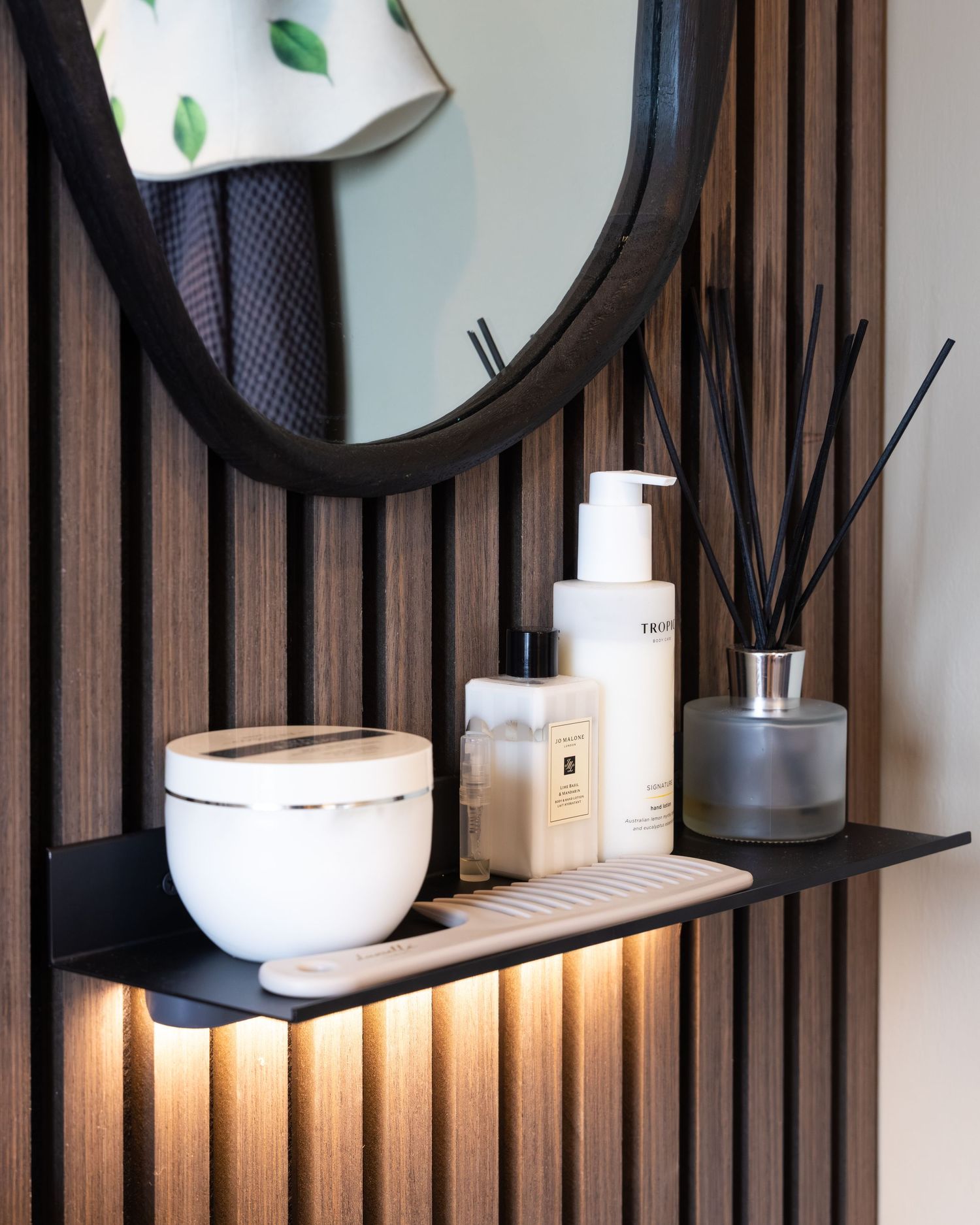
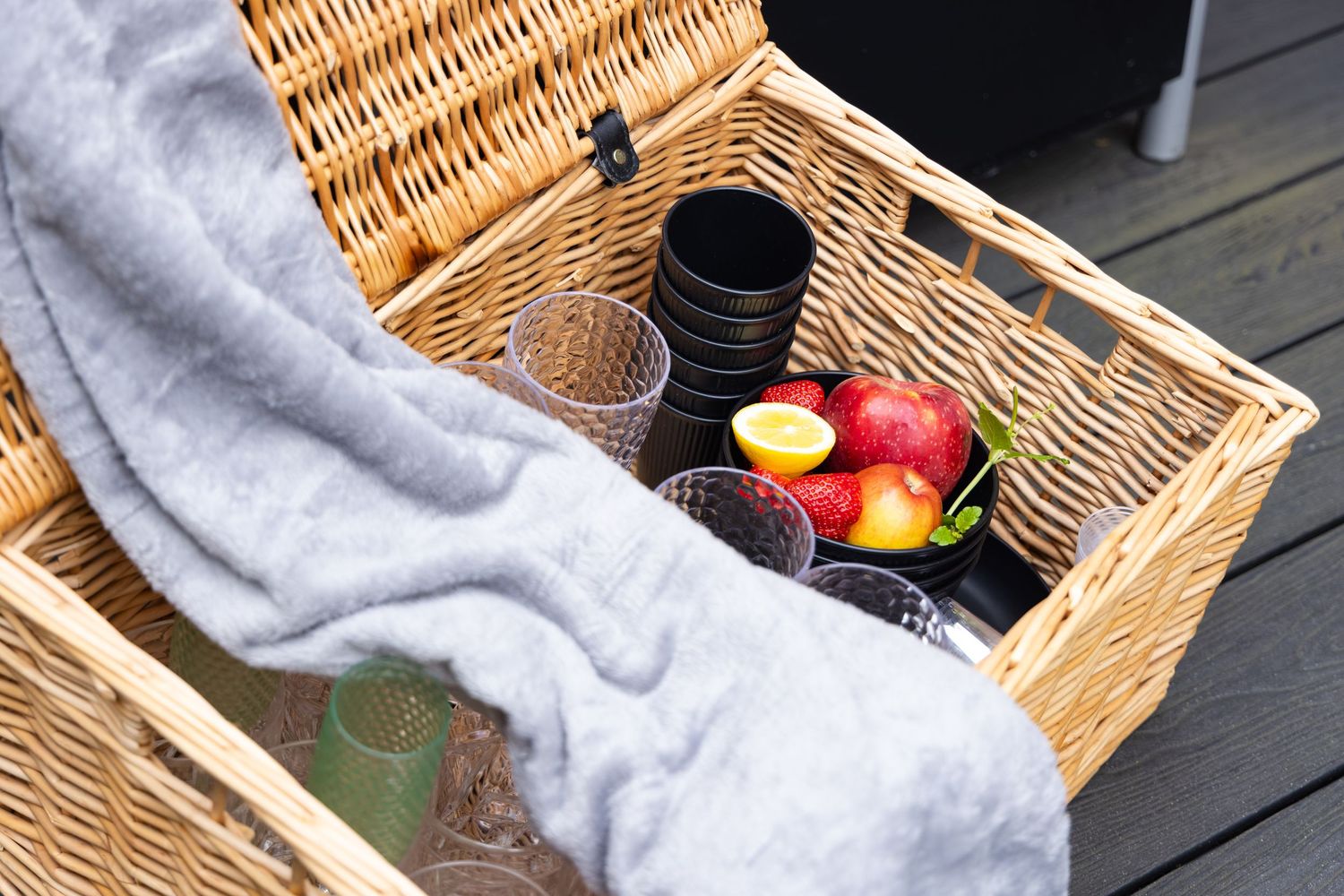
- Details such as towels, robes and styled refreshments
- Clean photographs without people
- Lifestyle photographs showing the spa in use
- Vertical content for social media
- Horizontal content for websites and marketing layouts
The aim was not to maximise the number of files. It was to give the business enough genuinely different material to communicate consistently without relying on a handful of repeated photographs.
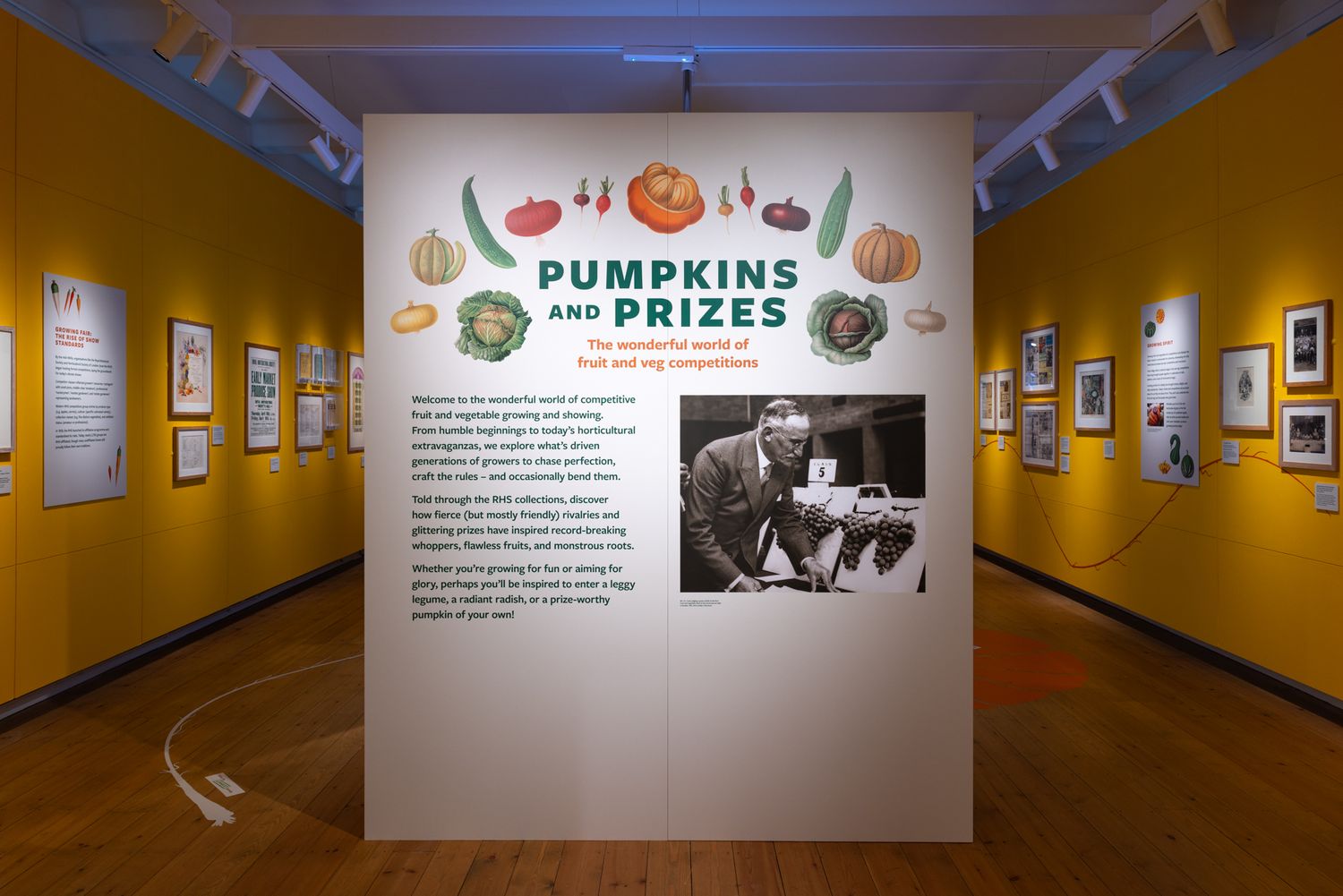
A similar need shaped my interior photography for the RHS Rosemoor holiday apartments, where the images also had to work across several commercial platforms and formats.
Practical planning for a spa photography shoot
The strongest spa shoots start with the intended use of the images. Before photography begins, I recommend identifying:
- The spaces and facilities that influence a customer’s decision
- Where the photographs will appear
- Which layouts require vertical, horizontal or banner-shaped images
- Whether the owner, team members or models will appear
- Any brand details, treatments or products that should be included
- Temporary items, signage or personal belongings that should be removed
Glass, mirrors and polished surfaces should be cleaned particularly carefully. Towels, robes and small accessories should also be prepared as a consistent set. These details may feel minor in person, but they become much more noticeable in a finished photograph.
It is also worth deciding whether the venue should look ready for a guest or completely untouched. Either approach can work, but the decision should be intentional and consistent across the gallery.
Spa photography questions
Can a compact spa be photographed without making it look cramped?
Yes. The answer is careful positioning and composition rather than simply choosing the widest possible view. I aim to show the layout and atmosphere clearly while keeping proportions realistic. Detail photographs and tighter compositions can then add character without asking one wide image to communicate everything.
Should spa photography include both vertical and horizontal images?
If the photographs will be used across a website and social media, usually yes. Horizontal images suit banners, editorial layouts and many website sections, while vertical photographs are better for stories, reels covers and mobile content. Planning both during the shoot is more effective than trying to crop every image afterwards.
Does someone need to appear in the photographs?
Not necessarily. Empty interiors are often essential because they show the space clearly. A small number of carefully planned lifestyle images can, however, help potential guests understand scale, atmosphere and how the facilities are used. Any people appearing in commercial images and the intended usage should be agreed before the shoot.
How should a spa prepare reflective surfaces?
Mirrors, shower screens, windows, taps and polished fittings should be cleaned immediately before photography. It also helps to remove temporary signs, loose cables, cleaning products and personal belongings. During the shoot, I check camera positions and angles carefully to minimise unwanted reflections.
How many images will we receive?
It varies by shoot, but typically you’ll receive a strong, usable set of images rather than just a handful. The aim is to give you enough content for ongoing use across your marketing.
Do you help with styling or preparing the space?
Yes. I’ll guide you on how to prepare beforehand, and I’ll make small adjustments during the shoot to get the best possible result.
Planning photography for a spa or wellness business?
If you run a spa, wellness venue, or hospitality business and need photographs for your website, social media, or wider marketing, tell me about the space, the images you currently have, and where the new work will be used.
I photograph commercial interiors across Bedfordshire, Hertfordshire, London and further afield. Get in touch to discuss your project and request a clear quote.
Hi, I’m Lee Charlton, a Hertfordshire-based commercial photographer with more than 16 years of professional experience photographing businesses, brands, properties and destinations across the UK and internationally.
I spent nine years as Global Photography Manager for TUI, creating and managing imagery for marketing campaigns, websites, internal communications and brand content around the world. That experience continues to shape how I work today: I consider where photographs will be used, which formats a business needs and how the finished collection will work as a complete marketing resource.
My clients and employers have included TUI, the RHS, BBC and M&S, alongside independent businesses such as Garden Spa Toddington. I work across Hertfordshire, Bedfordshire, London and the wider UK.