
Choose your photography schedule around what needs to change
One substantial photoshoot makes sense when you need a broad collection of images for a website, rebrand, or launch. Regular smaller shoots become useful when your subjects change throughout the year, such as seasonal activities, products or projects. For other businesses, an initial library followed by occasional updates is enough.
Start with what you need the photographs to show, when those subjects will be available, and how you plan to use the images.
My work at TUI and the Royal Horticultural Society has involved both substantial image-library productions and photography that needs to happen at different times of year. Those experiences have taught me to question the purpose of another shoot before deciding how often it should happen.
When does one substantial photoshoot make sense?
A larger commission works well when you can cover several photography needs together.
For example, a business preparing a new website might need leadership portraits, staff at work, interiors, service photographs and wider images for page banners. If the people and locations are available, planning those requirements together can reduce repeated setup and coordination.
It also gives you the opportunity to create a consistent collection with enough variety for different uses.
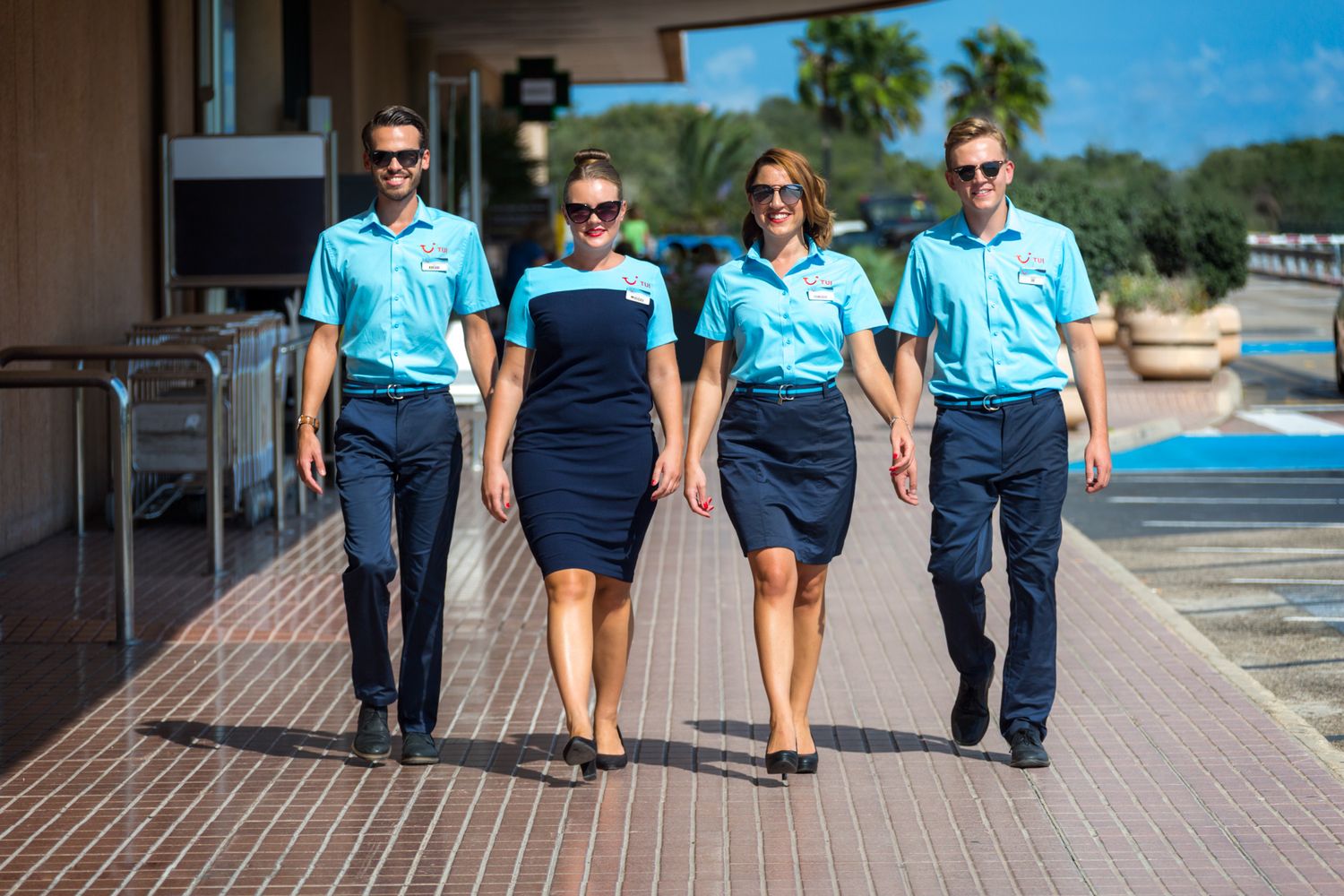
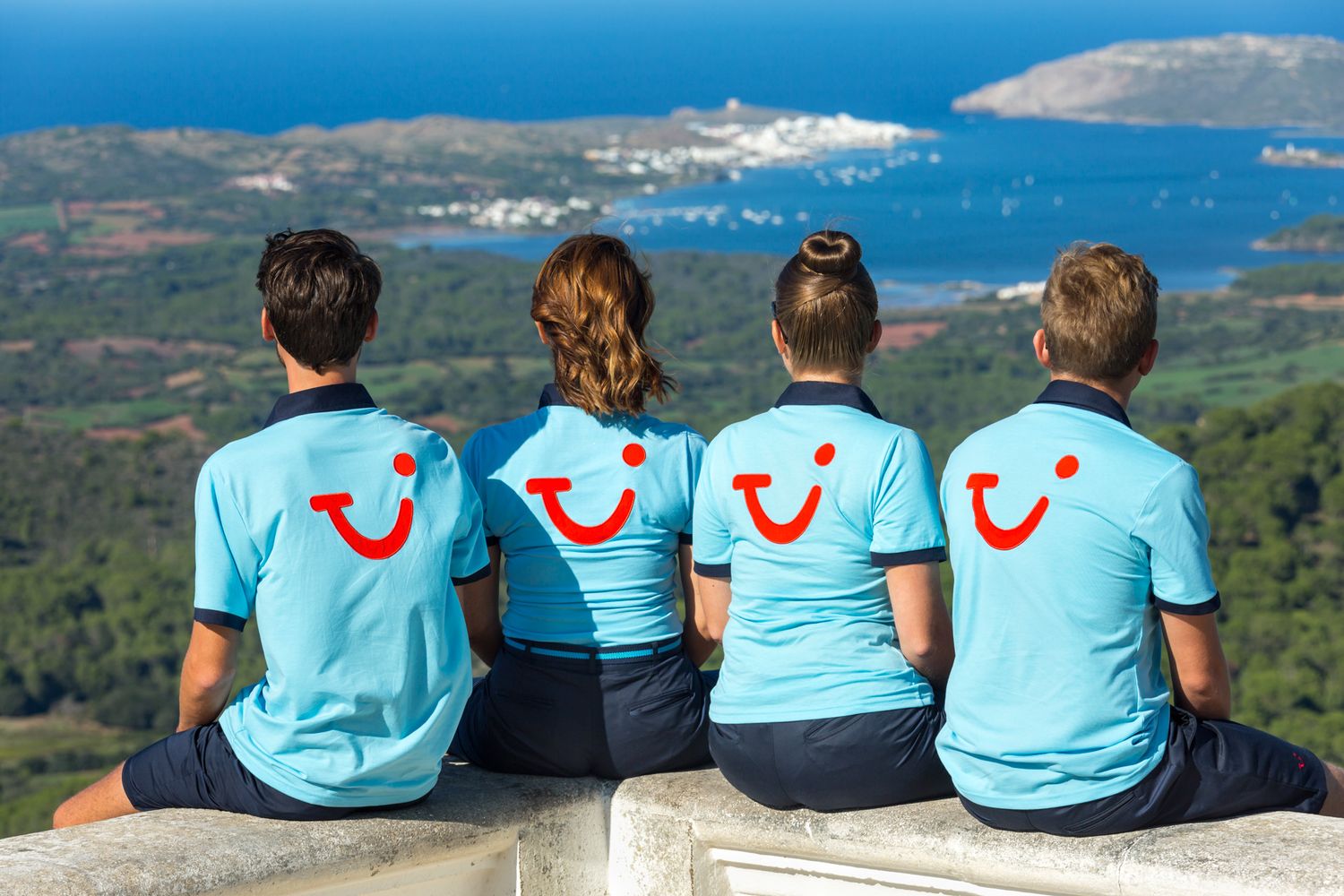
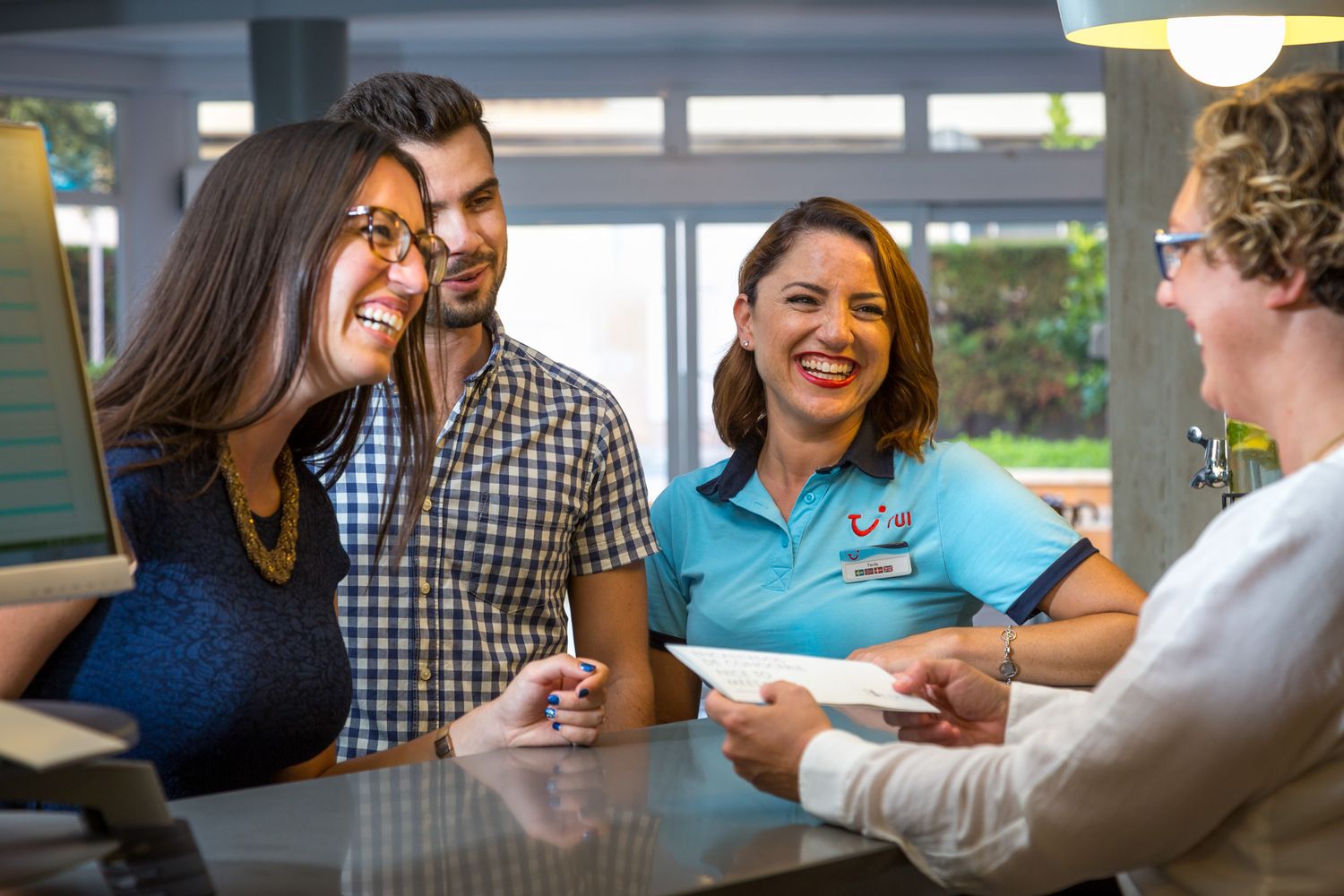
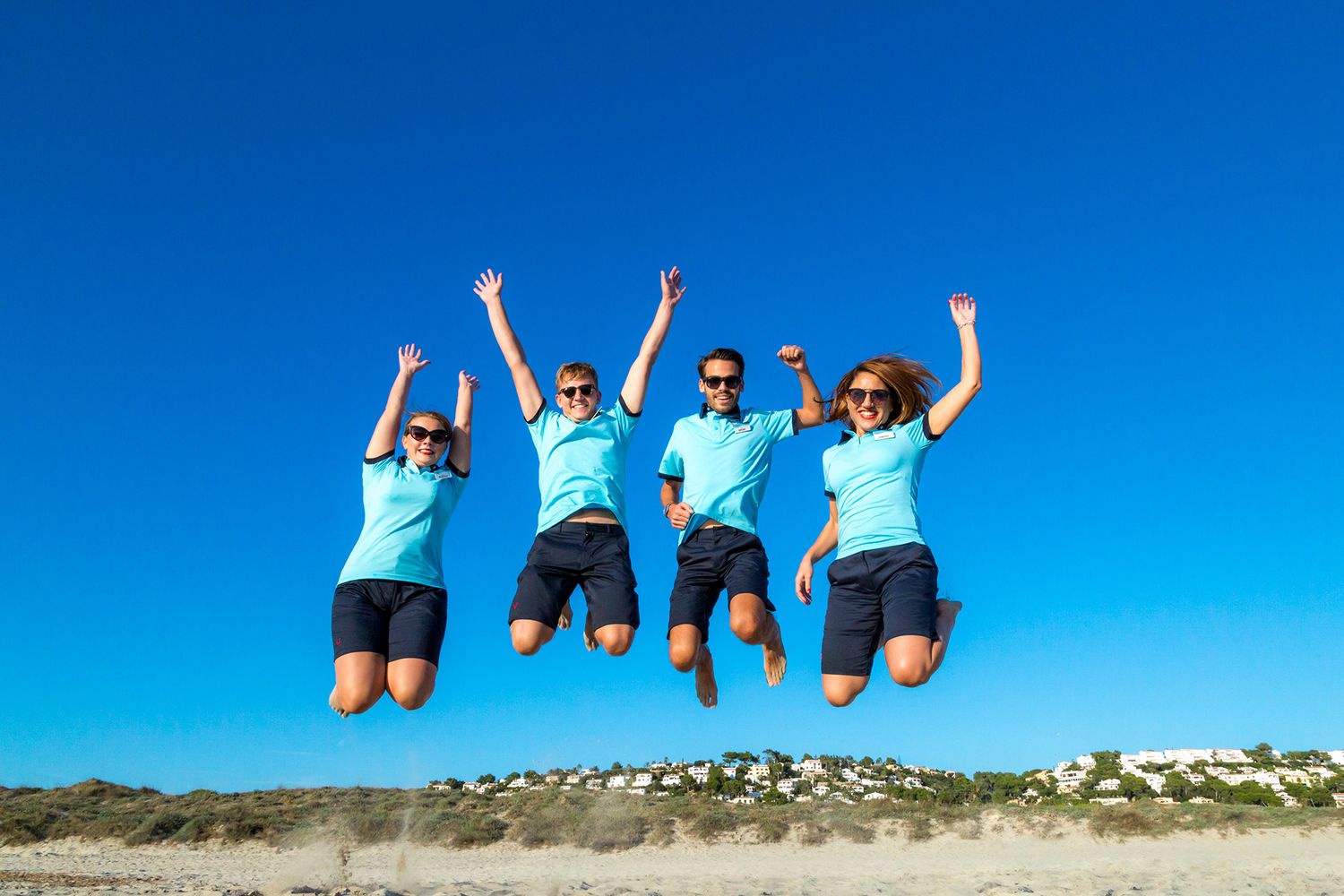
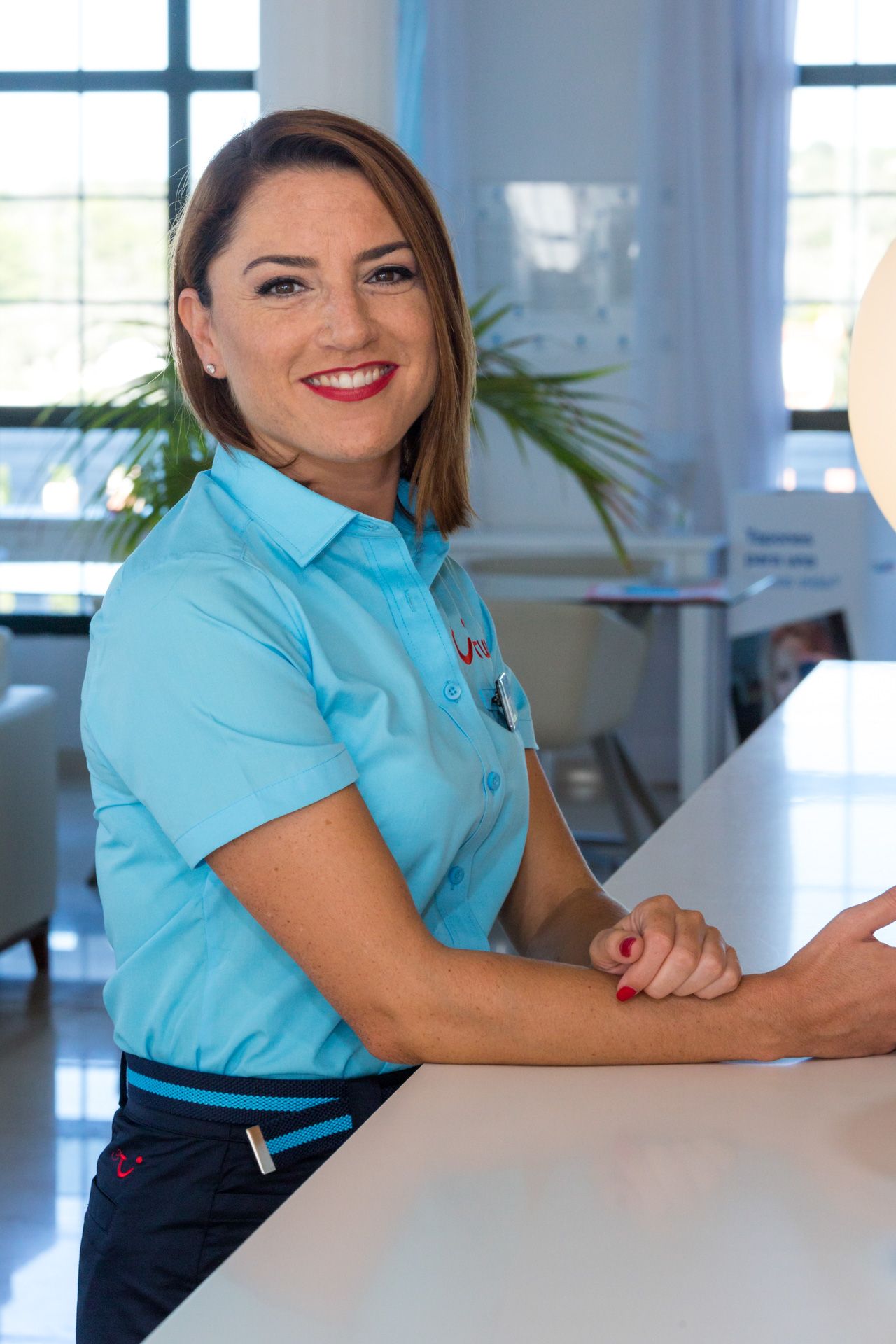
My TUI Smiling Faces campaign is an example of a substantial production with a long working life. The business used the photographs across the business for around six years.
That does not mean every company shoot will last that long. It shows why useful photographs do not automatically need replacing every few months.
A larger shoot is worth considering when:
- You are launching or redesigning a website.
- Your branding or visual style is changing.
- Your existing photographs leave gaps across several departments or services.
- The subjects you need can realistically be photographed during the same production.
If a website launch is driving the booking, my website photography briefing guide explains what to prepare before shoot day.
When are regular smaller shoots more useful?
Repeat visits make sense when the photographs need to show things that happen at different times.
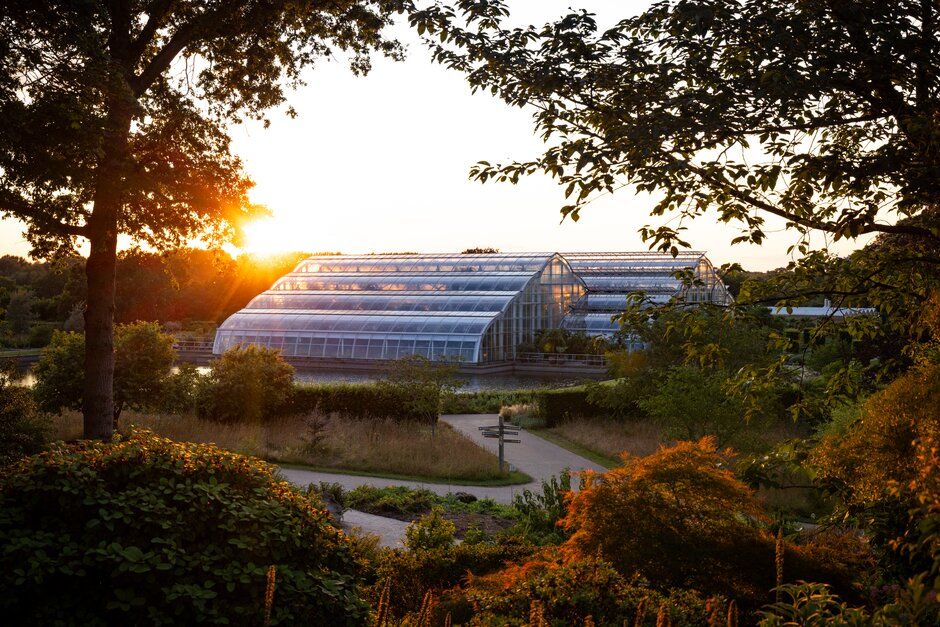
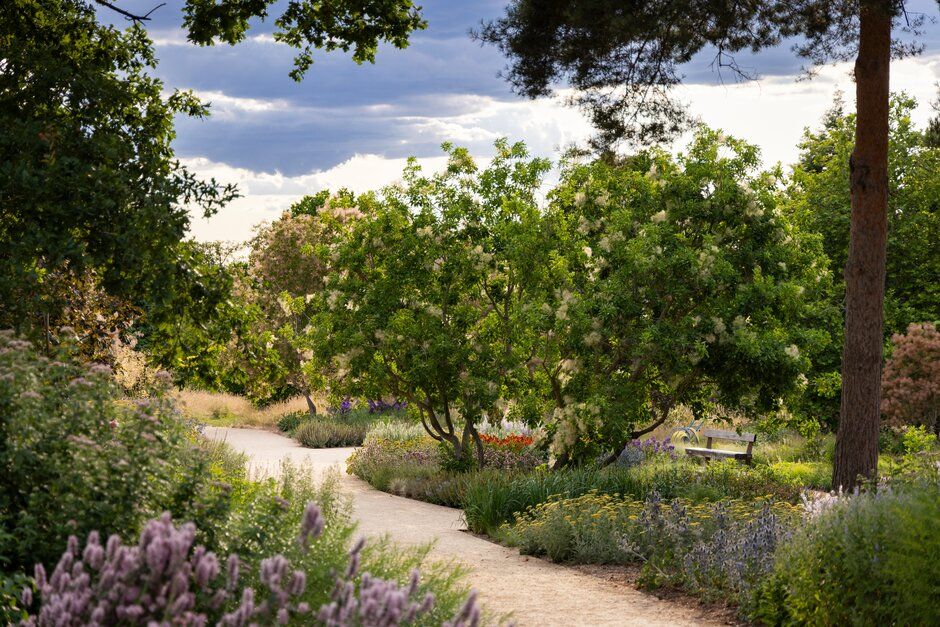
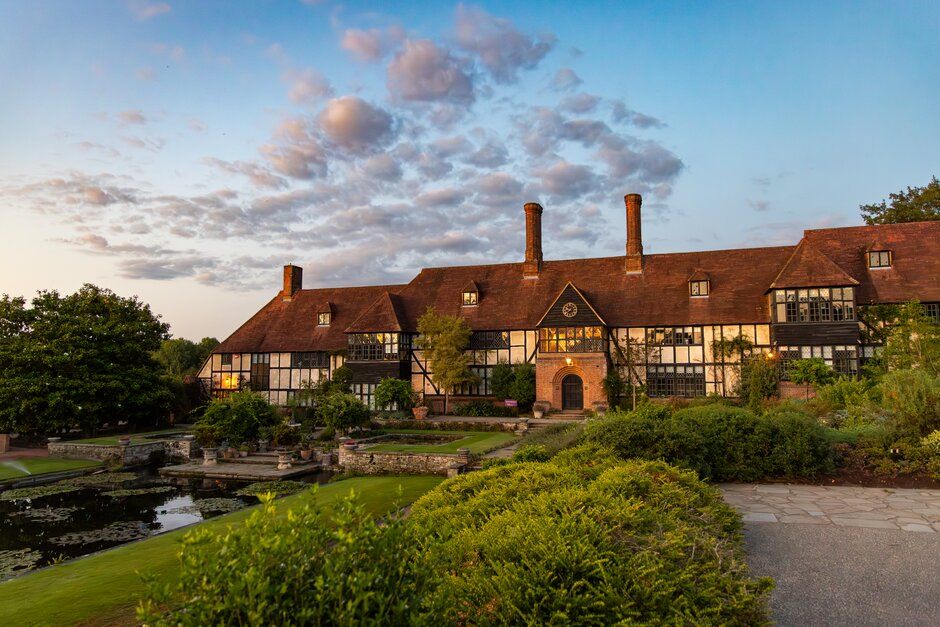
At the RHS, lifestyle and garden photography needs seasonal refreshes. A garden changes through the year, and photographs taken in one season cannot represent everything visitors will experience in another.
I have also been photographing monthly for an RHS allotment book project. The work needs coverage across different months, so the photography has to follow that progression.
You can't capture a whole growing year in one busy photography day.
The same principle applies to businesses with seasonal products or experiences, projects reaching different stages, campaigns requiring new subjects or settings, and regular changes to their people, premises, or services.
The reason for the next visit should be clear. “We need photographs of this new activity” is a more useful brief than “It has been three months since the last shoot.”
Could an initial library and occasional updates be enough?
Yes. You may need a substantial collection at the start, then smaller commissions when something changes.
An office might need a broad website library, followed later by photographs of a new service or location. Existing images of unchanged parts of the business may still be useful.
Before recommending another shoot, I would ask: what do you want to achieve differently this time?
Perhaps you want a different look, feel or style. Perhaps the photographs no longer represent the business. Or perhaps the collection is still useful but missing a few specific subjects.
Those answers lead to different briefs. A change of visual direction may justify a wider refresh. A small gap may only need a focused update.
Are several smaller shoots cheaper than one larger shoot?
Compare the total work involved.
Each visit can require travel, preparation, access arrangements, equipment setup, photography and editing. A short photo session doesn't necessarily mean less work overall.
From my experience, the logistics are one of the biggest challenges. Coordinating plans and people can be difficult, particularly when several diaries need to align. Spreading photography across more visits also spreads that coordination across more dates.
However, combining everything is only efficient when the subjects are ready, and the schedule is realistic. Photographing a project too early adds little value, even if the photographer is already on site.
My corporate photography pricing guide explains what affects a commission's cost.
What could a photography plan look like across the year?
A business creating its first image library might start with one substantial shoot, then schedule smaller updates as new things come up to photograph. Here is an illustrative plan.
Before the website launch
Plan the main shoot around the photographs your essential pages need: your people, workplace and services. Discuss other marketing uses at the same time so the collection can support more than the website.
Before a seasonal campaign
Arrange a focused shoot when the relevant products, activities or setting are available. Work backwards from the campaign deadline, allowing time for editing, image selection and preparing the marketing materials.
When something significant changes
A new location, service or team requirement may create a gap in your existing collection. Review what you already have, then brief the photographer on the specific additions you need.
Towards the end of the year
Review which photographs you actually used, which still represent the business and what is missing. Use that information to plan the next year’s photography.
Some businesses will need several visits. Others may get everything they need from the initial commission. A review does not have to result in another booking.
Would a photography retainer suit your business?
For businesses that need photography throughout the year, I can provide ongoing support across corporate events, marketing campaigns, staff photography and workplace imagery. This can be arranged as individual bookings or a more structured ongoing agreement, depending on what works best for your business.
Discuss:
- The number and length of sessions.
- The subjects and locations involved.
- Planning, editing, delivery and image usage.
- How dates will be agreed.
- What happens when requirements or schedules change.
- How additional work will be priced.
A regular payment alone doesn't tell you how much photography you need. You could have planned repeat bookings without a retainer, or an ongoing agreement covering a particular pattern of work.
What should you decide before booking?
Start by reviewing the photographs you already have.
Identify what is still accurate and useful, what needs replacing, and what you cannot currently show. Then look ahead at launches, seasonal activity, and other changes that will genuinely require new images.
That gives us a practical basis for choosing one main shoot, a series of visits or occasional updates.
Frequently asked questions
Can we use the same photographer for future updates?
Using the same photographer can help maintain continuity because they already understand the business and the previous approach.
Share the existing photographs and explain what needs to stay consistent, particularly if the location, people or brief have changed.
Does posting regularly on social media mean we need regular photoshoots?
Posting frequency alone is not enough to decide. Review whether your existing collection has suitable subjects and enough variety. New photography becomes useful when there is something relevant missing, rather than simply because you need another post.
Can photography and video be planned together?
Yes, but raise both requirements at the briefing stage. They need their own time and deliverables agreed, even when they are created during the same visit.
Need help deciding how much photography to book?
Whether you need a one-off corporate photoshoot or photography throughout the year, I can help you plan an approach that works for your business.
You can view my corporate photography services and starting prices, or get in touch to discuss your photography plans for advice, availability and a quote.
If you expect to need regular updates, we can also discuss whether a planned series of shoots or an ongoing arrangement would suit the work.
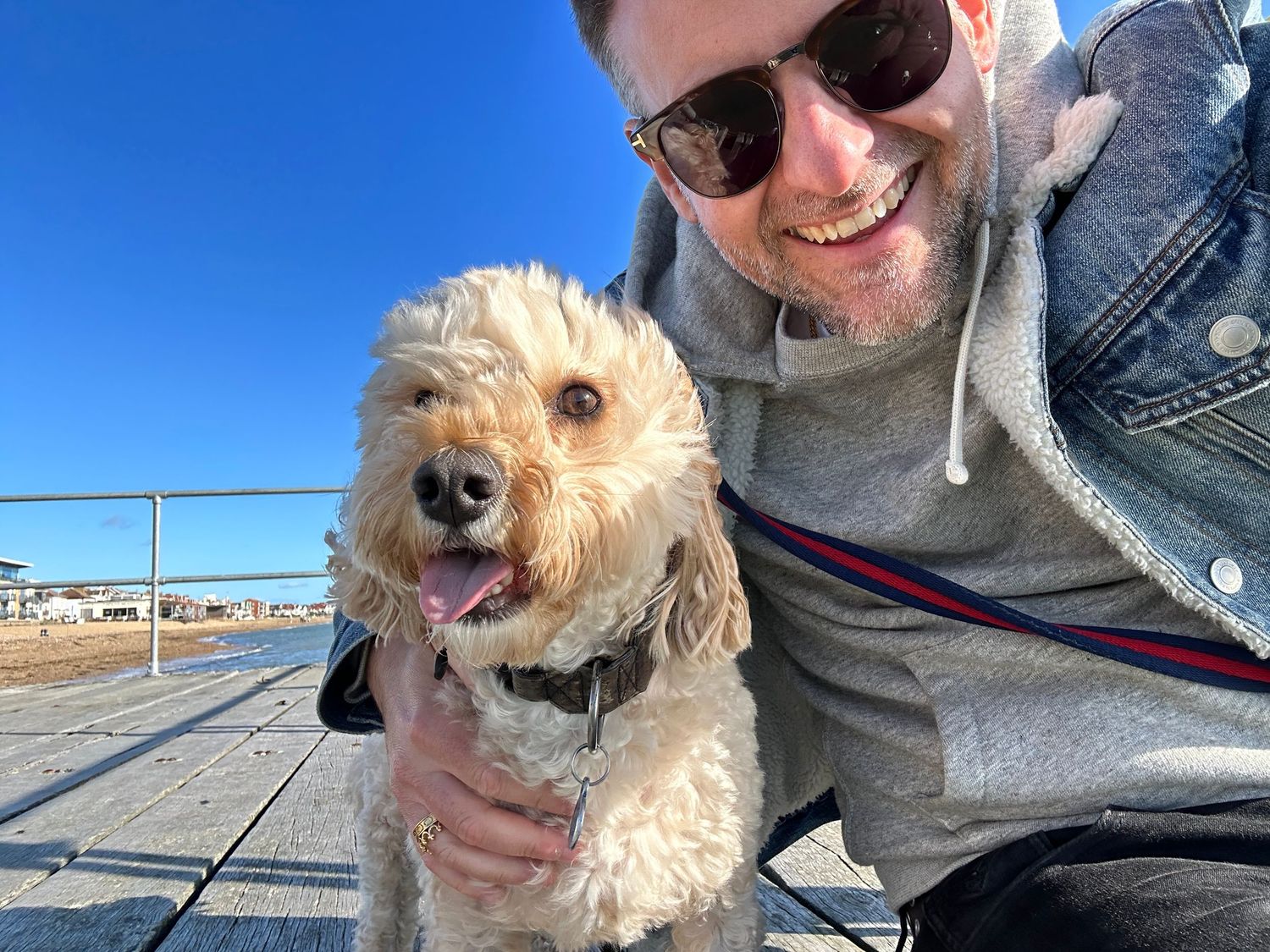
I’m Lee Charlton, a commercial photographer with more than 16 years of professional experience, including nine years as Global Photography Manager at TUI and in photography and digital asset management at the RHS.
I’ve worked on both sides of the brief, planning photography for marketing teams and creating the images they need. That experience includes substantial campaign libraries, seasonal refreshes and projects requiring monthly shoots.