What estate agents and sellers need to know about accurate property imagery
AI property photography becomes misleading when editing changes a buyer’s understanding of a property’s size, condition, features or surroundings.
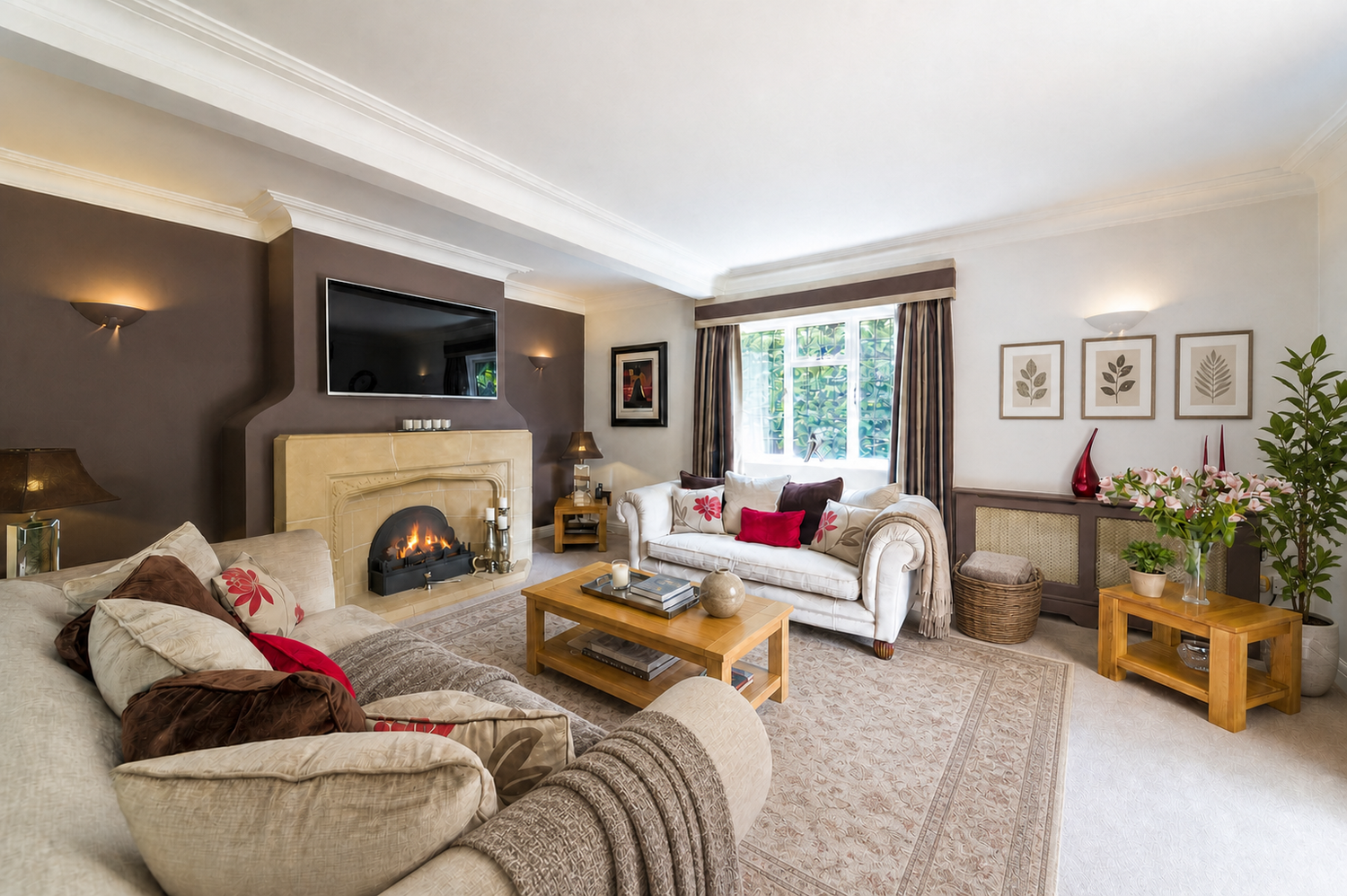
Correcting exposure, colour, perspective and lens distortion is normal professional editing. Removing permanent objects, concealing damage, stretching rooms or replacing views creates a different version of the property.
Virtual staging and proposed renovations can be useful, but they should be clearly labelled and shown alongside an accurate photograph wherever possible.
After more than 16 years working professionally as a photographer, I have edited thousands of commercial, travel, interior and property images. Editing has always been part of photography. AI has not created that process, but it has made substantial alterations faster, cheaper and harder for the average viewer to detect.
That makes professional judgement more important, not less.
My approach to property photography for estate agents is straightforward: make the property look bright, natural and appealing without creating something that is not really there.
What is AI property photography?
AI property photography generally refers to using artificial intelligence to edit, enhance or generate elements within property photographs.
Depending on the software and instructions used, AI can:
- Remove or add furniture
- Replace skies
- Redecorate rooms
- Change flooring or wall colours
- Remove stains and damage
- Generate landscaping
- Alter views
- Add architectural features
- Extend rooms or gardens
- Create proposed renovation images
Some of these uses are presentational. Others materially change what a buyer is being shown.
The technology is not automatically the problem. The relevant question is whether the finished image remains an accurate representation of the property.
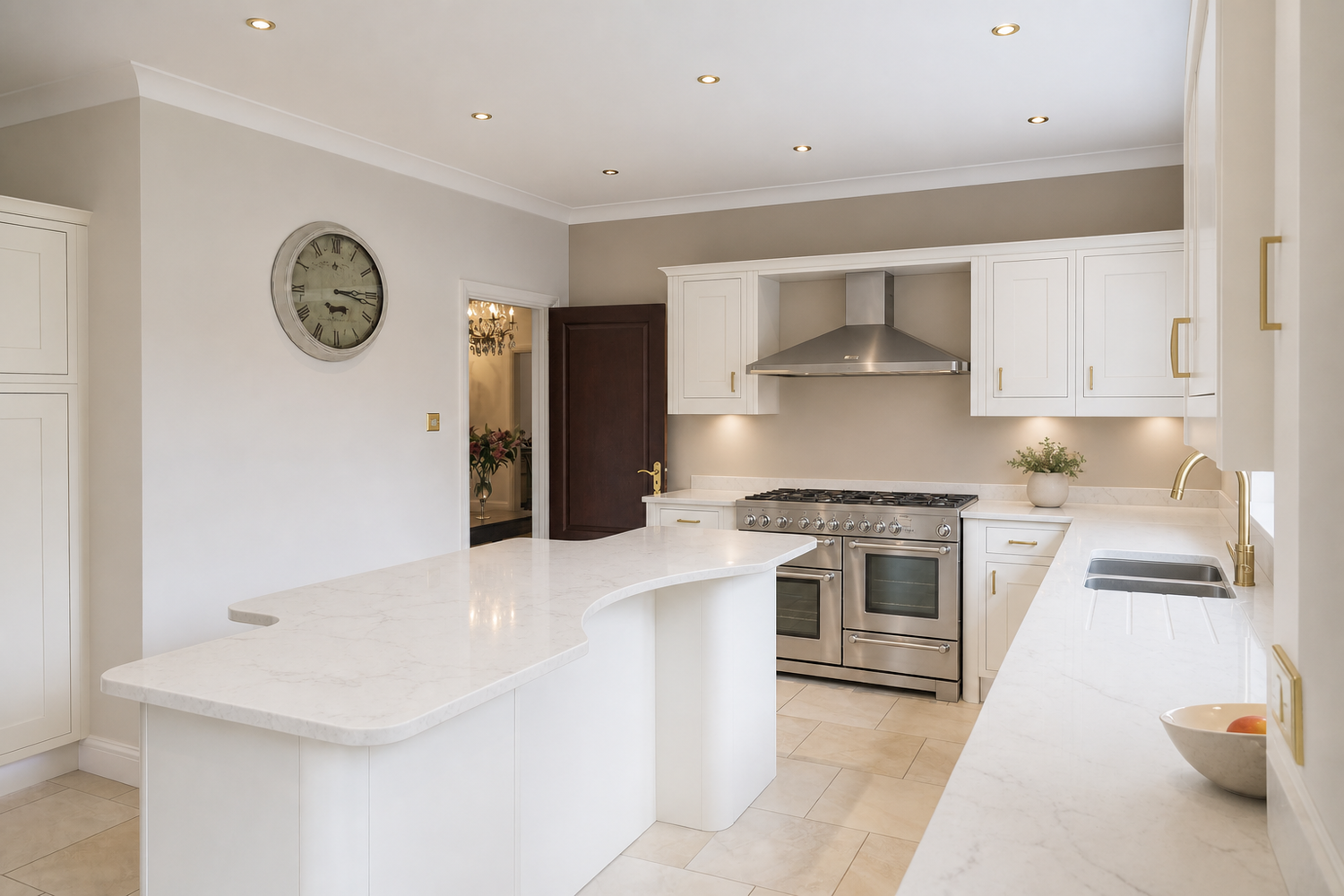
Most professional property photographs are edited
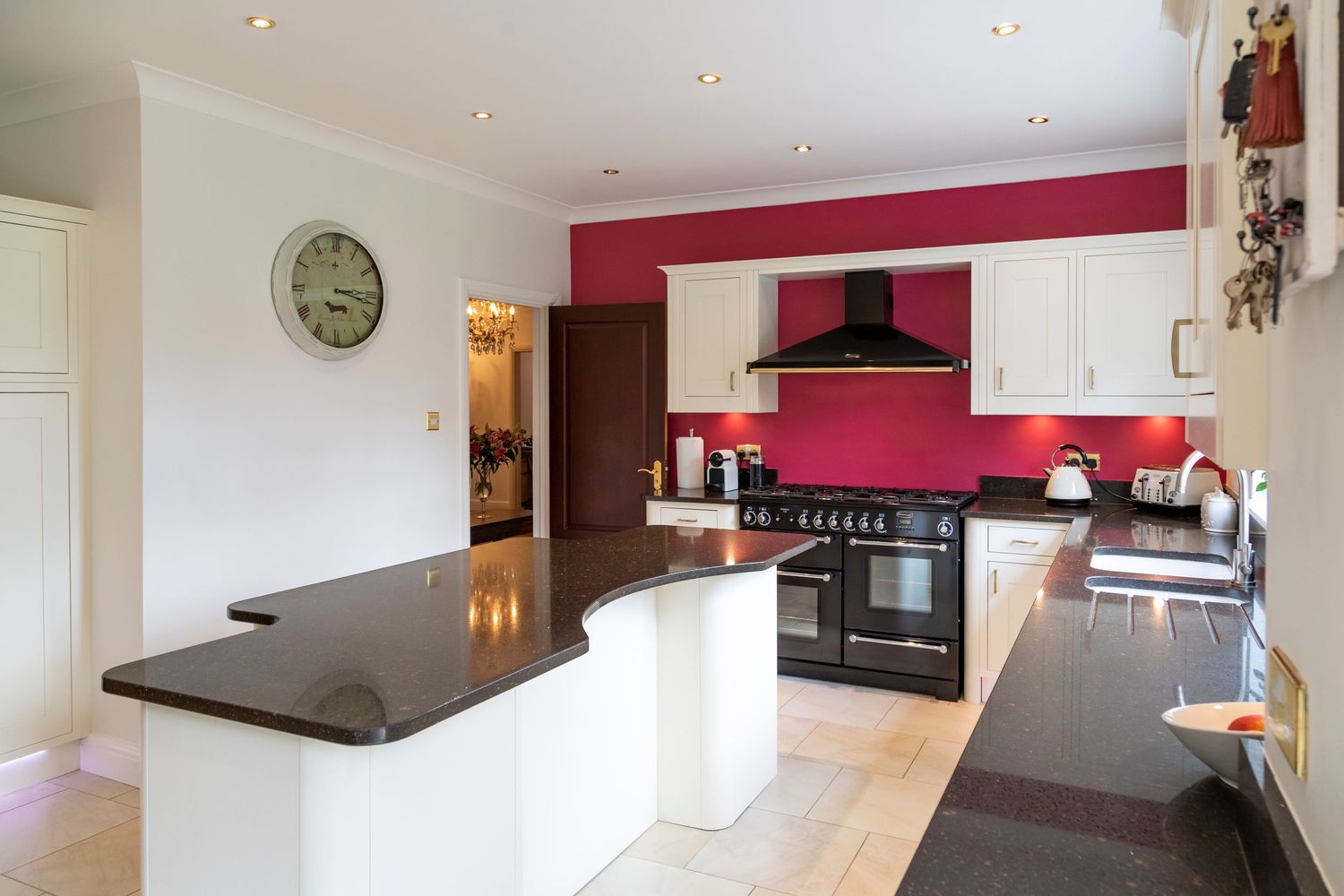
A professionally produced property image rarely comes straight from the camera and enters a listing without any adjustments.
Normal editing may include:
- Correcting exposure
- Balancing bright windows and darker interiors
- Adjusting white balance
- Straightening vertical lines
- Correcting lens distortion
- Improving contrast
- Removing sensor marks
- Balancing colour
- Cropping the frame
These changes compensate for the limitations of cameras and lenses. They are not intended to invent a better property.
A camera may make a bright room appear dark because it is exposing for the windows. Mixed daylight and artificial lighting can produce strange colour casts. Wide-angle lenses can make walls and doorframes appear to lean.
Correcting those problems helps a photograph look closer to the space as it was experienced.
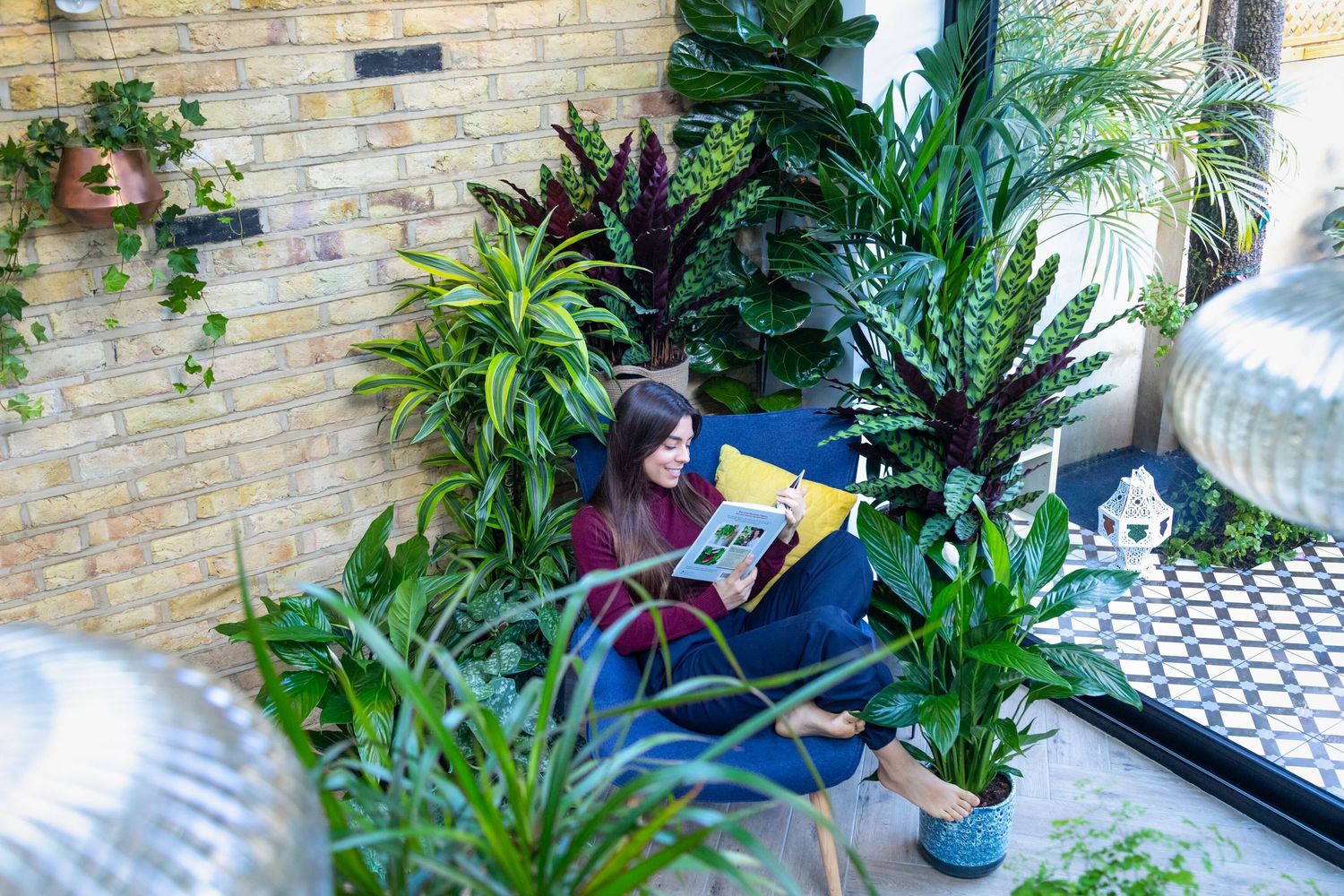
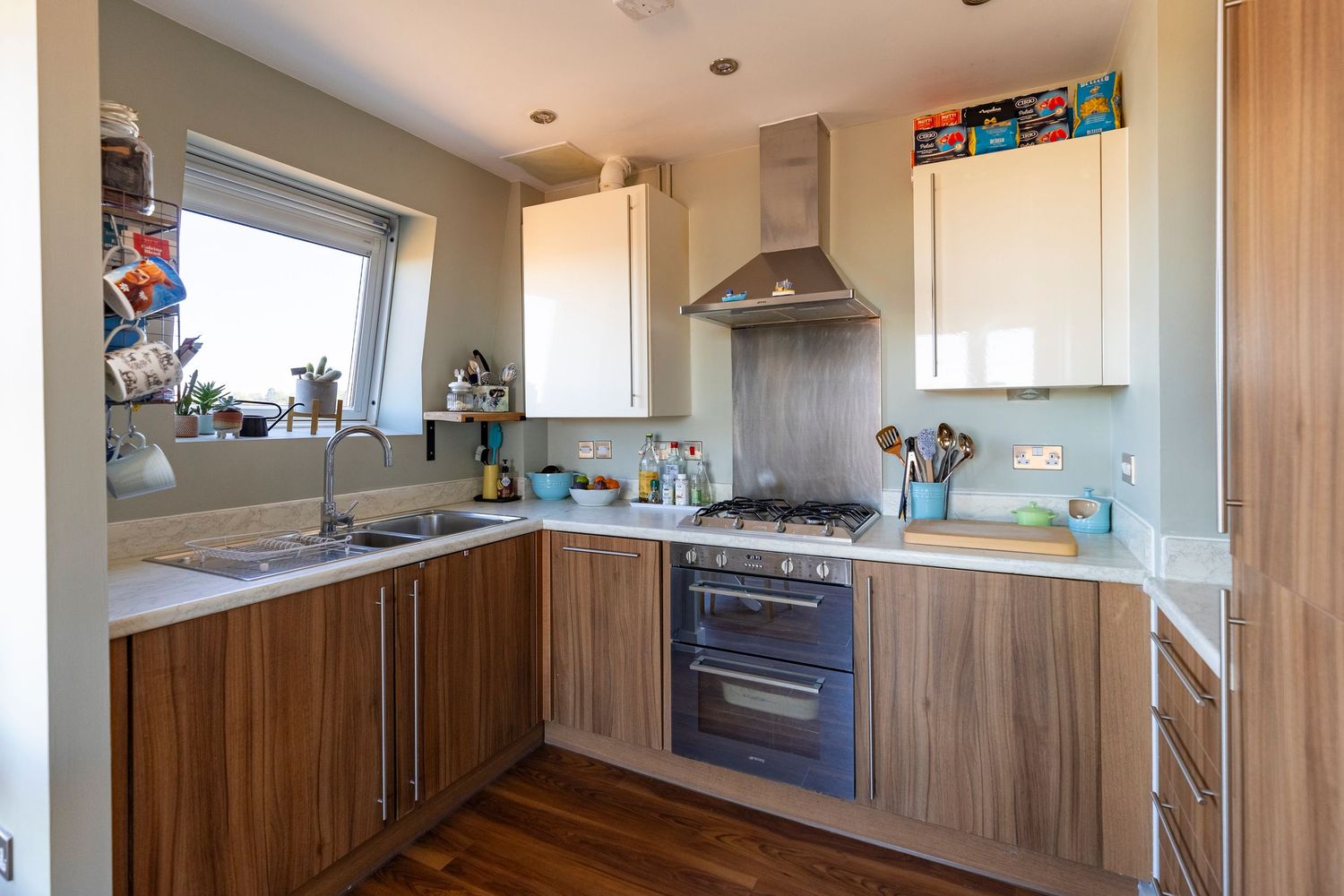
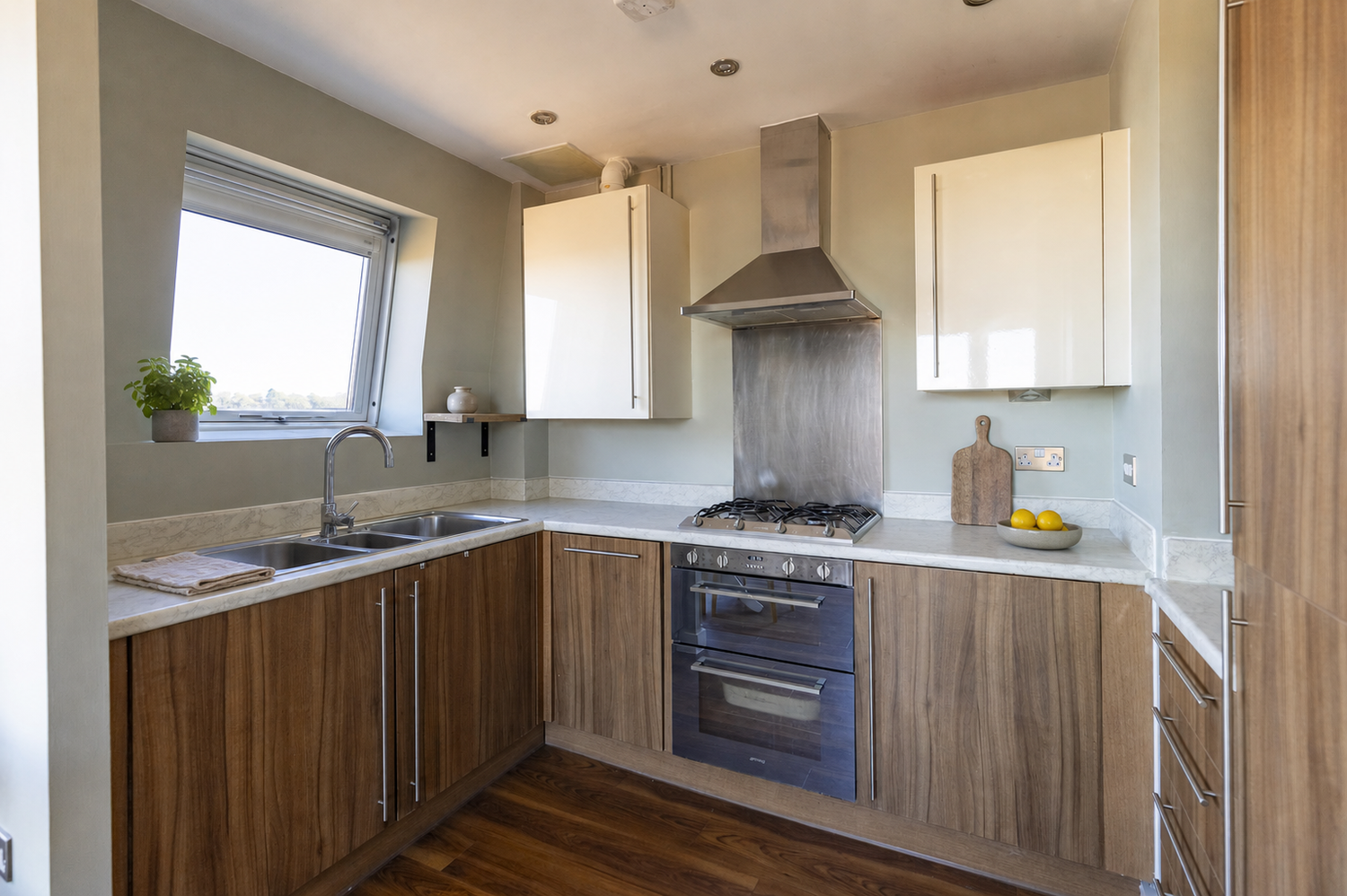
My Hitchin apartment photography case study shows how exposure blending, perspective correction and careful colour balancing can produce polished images while retaining the property’s actual layout and outlook.
When does property-photo editing become misleading?
A practical test is:
Could this edit cause a buyer to form a materially different impression of the property?
If the edit changes the apparent size, condition, features, setting or usability of the property, it has probably gone too far.
Removing permanent objects
Permanent features and surrounding structures should remain visible.
That includes:
- Electricity pylons
- Nearby buildings
- Road signs and street lights
- Structural columns
- Neighbouring properties
- Permanent garden structures
- Visible utility equipment
Removing these objects does more than improve the presentation. It changes the property or its surroundings.
Hiding damage or poor condition
Editing should not be used to conceal:
- Damp or mould
- Significant cracks
- Broken fittings
- Damaged flooring
- Stained walls
- Missing tiles
- Neglected gardens
- Visible structural defects
Removing a temporary scuff or small mark may be reasonable in some circumstances. Making a property appear to be in substantially better condition is different.
Exaggerating room dimensions
Wide-angle lenses are commonly used because they help show the layout of smaller rooms. They still need to be used responsibly.
Excessive lens correction, stretching or AI-generated expansion can make a room appear considerably larger than it is.
The aim should be to show the room clearly, not make viewers question whether they have arrived at the same property.
Replacing views or surroundings
The view from a room can affect whether someone decides to arrange a viewing.
Replacing a car park, a neighbouring wall, or a busy road with trees, countryside, or water is clearly misleading. The room may be unchanged, but the photograph is presenting a different location.
Adding features that do not exist
Property photographs should not quietly introduce:
- Fires in unusable fireplaces
- Completed landscaping
- New kitchen units
- Additional windows
- Balconies
- Improved views
- Decorative architectural features
- Building work that has not been completed
If an image is intended to show a proposed design, it should be presented as a visualisation rather than a photograph of the property’s current condition.
A quick test before approving an AI edit
Before using an altered property image, ask:
- Has anything permanent been removed or added?
- Does the property appear to be in better condition than it really is?
- Has the apparent size, shape or layout changed?
- Have the view, surroundings or weather been materially altered?
- Would knowing about the edit affect someone’s decision to enquire or arrange a viewing?
If the answer to any of these questions is yes, avoid the change or present it as a clearly labelled visualisation alongside an accurate photograph.
Is replacing a grey sky misleading?
Replacing a blank or overexposed sky with a neutral, realistic sky can be a minor presentational edit.
However, the replacement should not:
Conceal buildings, cables or other features
Create dramatic weather that was not present
Introduce unrealistic sunlight or shadows
Change the apparent time of day
Turn an ordinary exterior into a fictional sunset scene
The safest approach is to retain the actual skyline and use a replacement that matches the original light. If the new sky materially changes the impression of the property or location, it should not be used.
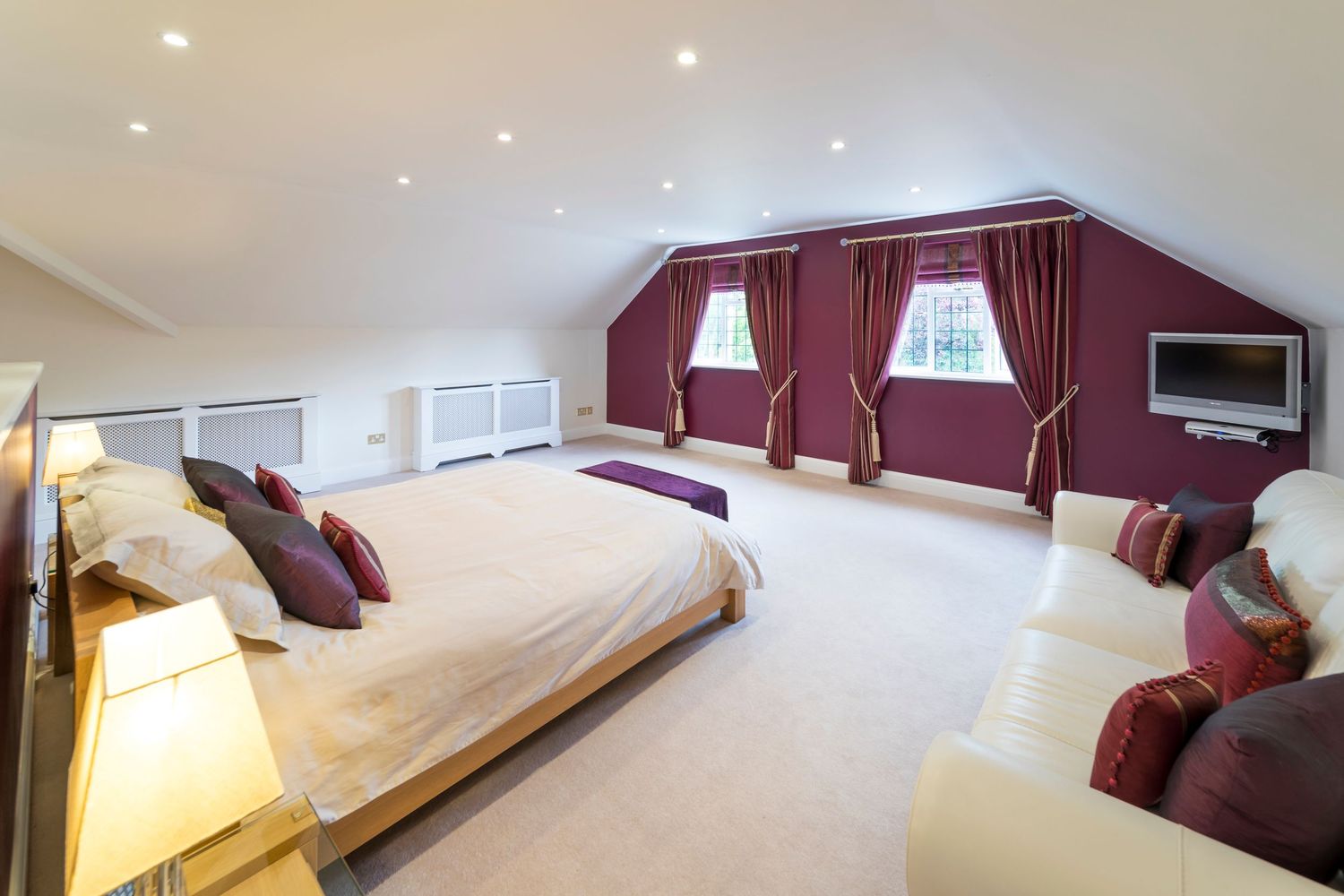
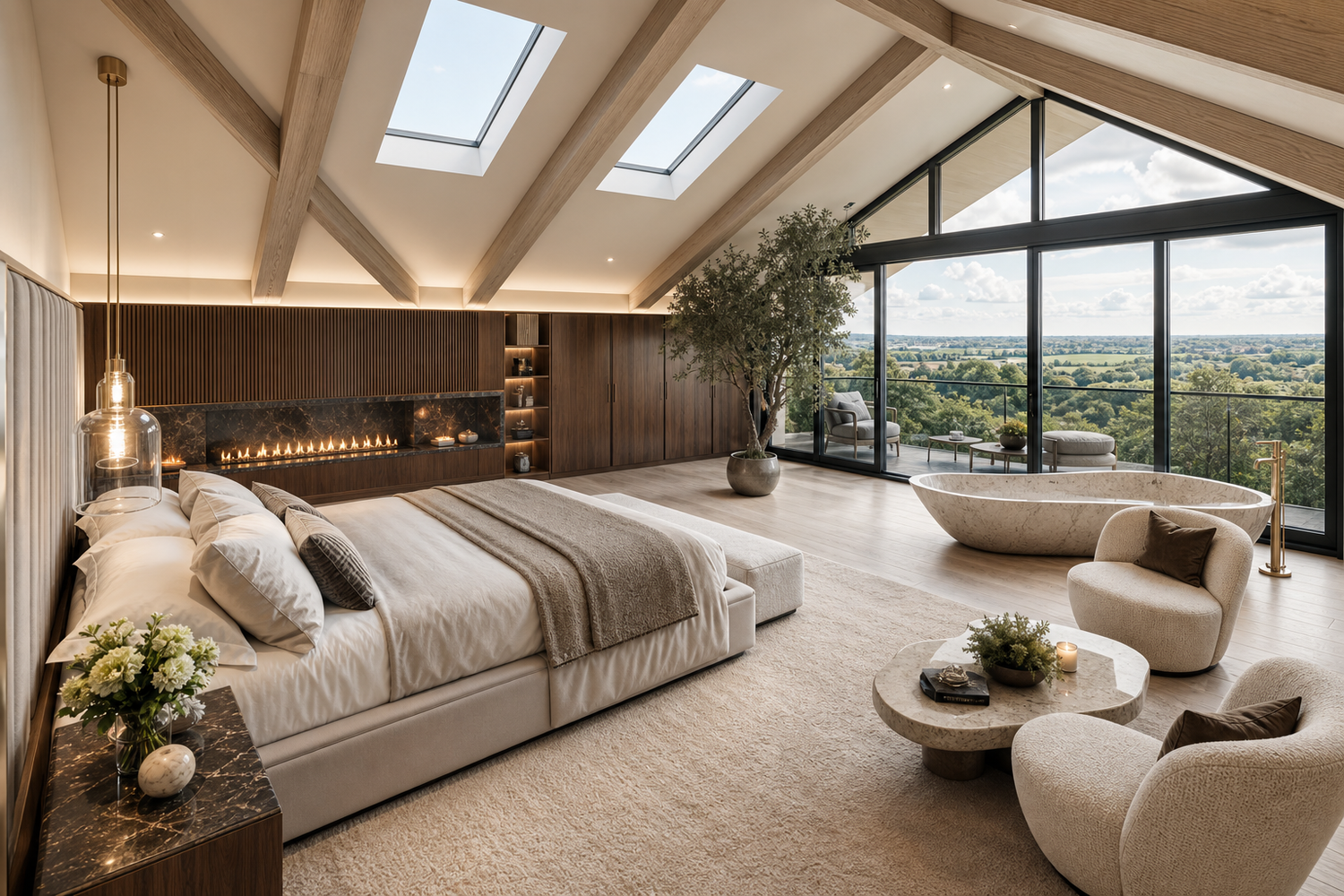
What about virtual staging?
Virtual staging can help buyers understand how an empty room might be used and how realistically scaled furniture could fit.
The problem is not virtual staging itself. The problem is presenting a digitally staged image as though it documents the property’s current appearance.
Good practice includes:
- Clearly labelling the image as virtually staged
- Including the original empty-room photograph
- Keeping room dimensions unchanged
- Using realistically scaled furniture
- Retaining permanent fixtures
- Avoiding the concealment of damage
- Not adding renovations or features that do not exist
Virtual staging should help viewers imagine possibilities. It should not imply that furniture, finishes or improvements are included with the property.
Should AI-edited property images be labelled?
Minor photographic corrections do not normally need individual labels. Buyers generally understand that professional photographs have been adjusted for exposure, colour and composition.
Substantial generated changes are different.
Clear labelling is advisable when an image includes:
- Virtual furniture
- Proposed renovations
- Digitally changed décor
- Removed existing furniture
- Generated landscaping
- Features that are not currently present
Terms such as virtually staged, digital visualisation or artist’s impression should be visible and unambiguous.
A label should not be hidden at the bottom of a long property description. It should appear with the relevant image.
What does UK consumer law say about misleading property imagery?
The unfair commercial practices provisions of the Digital Markets, Competition and Consumers Act 2024 apply to commercial practices taking place from 6 April 2025.
The Competition and Markets Authority’s guidance on unfair commercial practices explains that a commercial practice may be misleading if it contains false or misleading information, or if its overall presentation is likely to deceive the average consumer and cause them to make a different decision.
The CMA specifically uses a misleading house description as an example and explains that the resulting decision could include whether someone chooses to view the property.
Information that explains a substantial digital alteration should therefore be clear, timely and prominent. A label may help explain virtual staging, but it should not be treated as permission to use an image whose overall presentation is still deceptive.
The practical point is straightforward:
If an edit could materially affect someone’s understanding of the property or their decision to enquire, arrange a viewing or make an offer, it should either be avoided or clearly presented as a visualisation.
I am a photographer, not a solicitor, so estate agents and other property professionals should obtain their own legal or compliance advice where necessary.
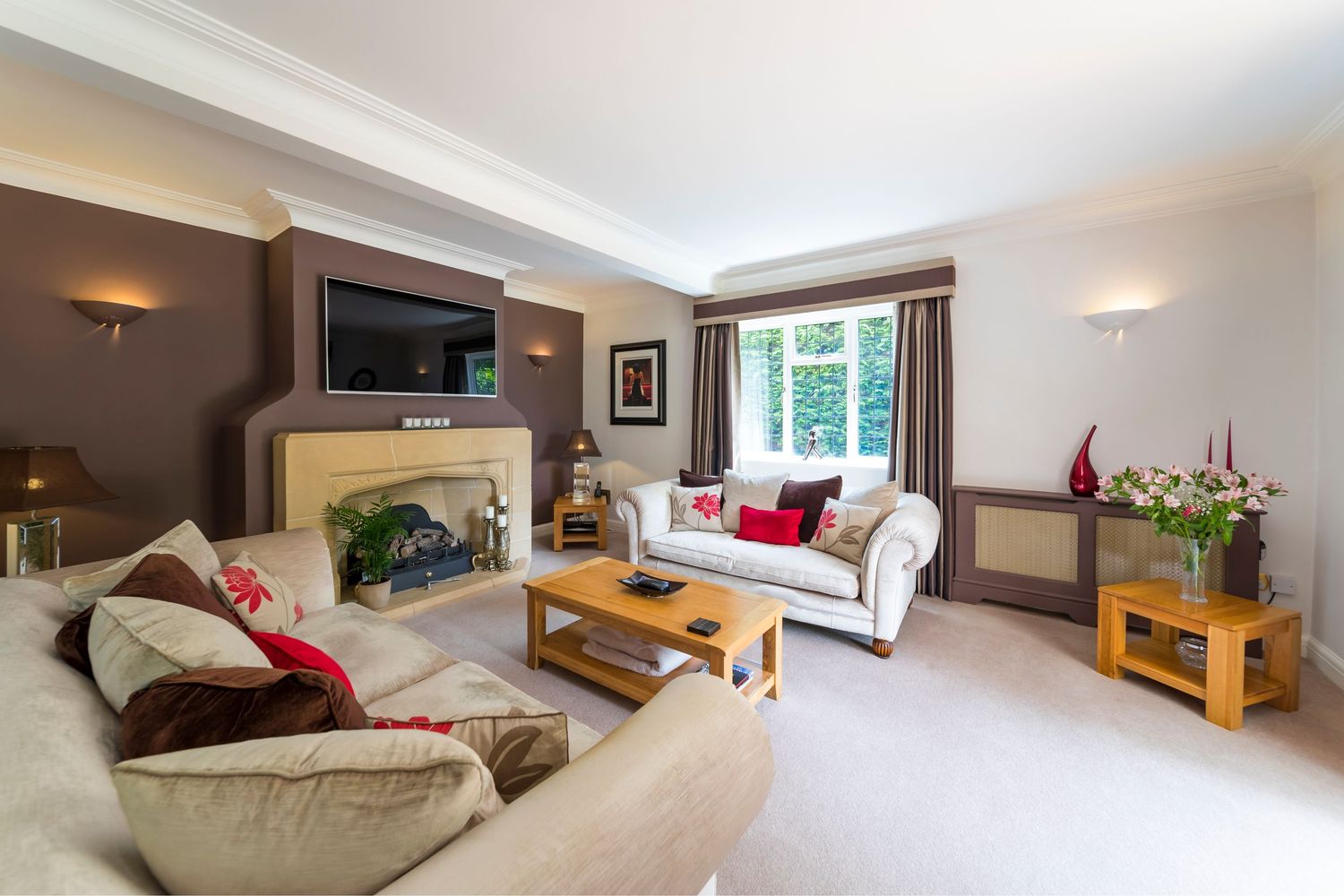
Agree editing and approval responsibilities
The photographer should explain any substantial alterations made to the images. The estate agent or business publishing them should understand and approve what is being presented.
A sensible workflow includes:
- Agreeing permitted editing before the shoot
- Keeping the original files
- Recording substantial digital changes
- Labelling virtual staging clearly
- Checking that permanent features remain accurate
- Having one person approve the final gallery
- Avoiding vague requests to “make everything look better”
The person approving the images should not assume that every technically possible alteration is suitable for property advertising.
Preparing the property is better than fixing it afterwards
The most convincing property images are normally created by preparing the home properly before the photographer arrives.
That may include:
- Cleaning surfaces
- Removing bins
- Hiding loose cables
- Making beds
- Clearing worktops
- Opening curtains and blinds
- Tidying gardens
- Moving the seller’s vehicles
- Removing personal or sensitive items
Physical preparation produces a more natural result and gives the photographer greater control over lighting, reflections and composition.
AI cannot fully rescue a badly prepared room without increasing the risk of unnatural or misleading results.
My approach to property-photo editing
My aim is to make properties look bright, accurate and professionally presented.
That includes correcting exposure, colour, perspective and lens distortion. I also make sensible, minor adjustments that improve the photograph without altering the property's reality.
I do not believe in removing permanent features, disguising defects or stretching rooms until they bear little resemblance to the actual space.
Over nine years as Global Photography Manager at TUI, I produced photography for an international business where imagery needed to be attractive, usable, and accurate across markets.
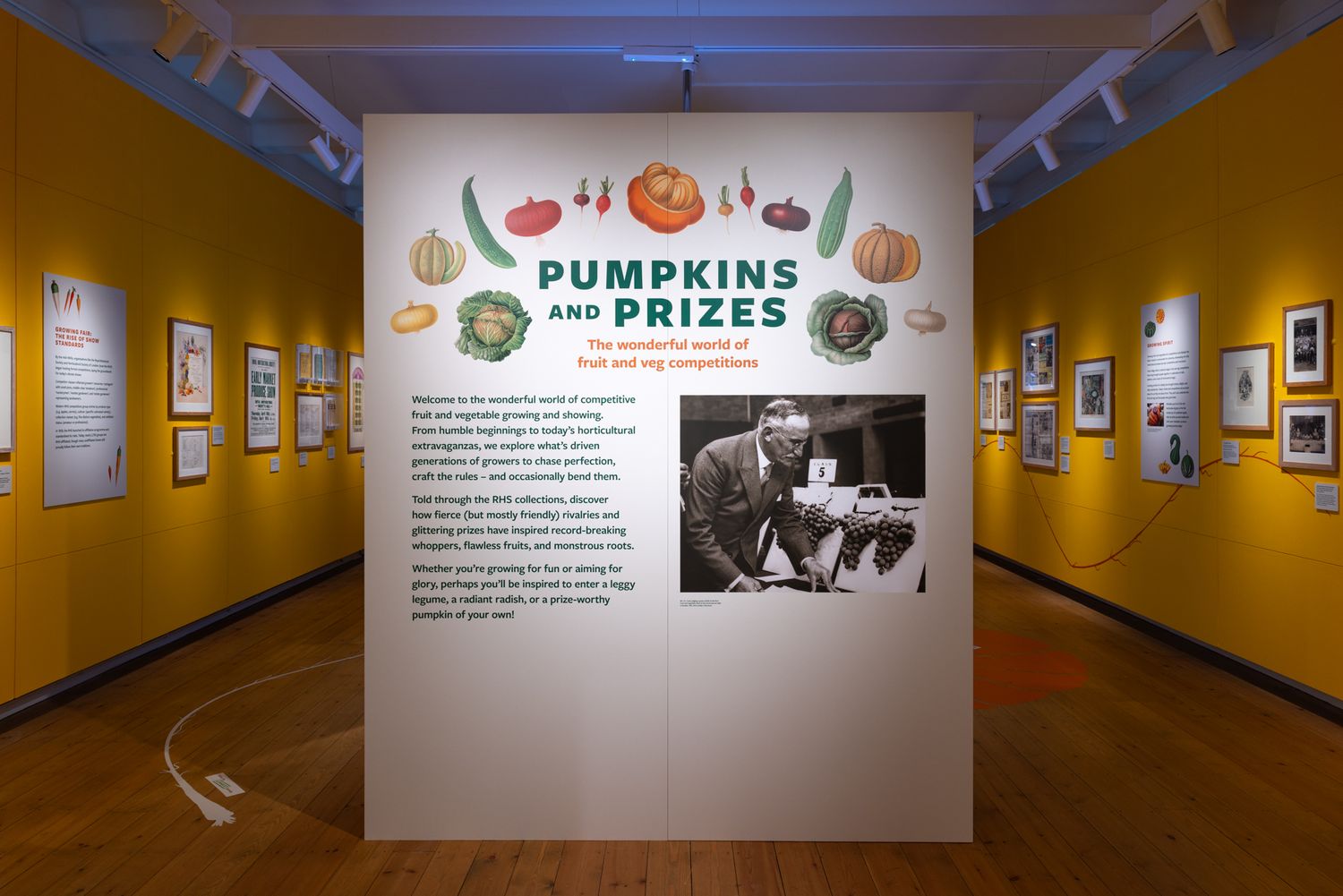
I also worked at the Royal Horticultural Society for four years in photography and digital asset management. That involved considering accuracy, permissions, context, metadata and long-term image use, rather than judging an image only by how striking it looked.
The same principle applies to my property and interior photography.
A strong property photograph should survive scrutiny. It should encourage a viewing because the property genuinely appeals, not because the image has manufactured something that is not there.
Need accurate, professional property photography?
I provide photography, floor plans, drone imagery, video and interactive property tours for estate agents, property businesses and private sellers.
Explore my services for:
Estate agents and property professionals
Homeowners and private sellers
My editing is designed to present properties clearly and professionally without creating misleading expectations.
AI property photography FAQs
Is AI property photography legal in the UK?
Using AI is not automatically prohibited. What matters is whether the finished marketing is false, omits material information or creates an overall presentation likely to mislead consumers. Substantial visualisations should be clearly labelled, but disclosure may not make an otherwise deceptive image acceptable.
Can an estate agent replace a grey sky?
A neutral and realistic replacement may be a reasonable presentational edit if it retains the real skyline, surroundings and lighting. A dramatic sunset or altered weather that materially changes the impression of the property should be avoided.
Can clutter be removed from property photographs?
Minor temporary items can sometimes be removed. Large-scale decluttering, furniture removal or anything that changes the apparent size, storage or condition of the room should be avoided or clearly disclosed.
Does virtual staging need to be labelled?
Virtual staging should be clearly labelled so viewers understand that furniture or décor has been digitally added. Including the original empty-room photograph is also good practice.
Can AI show a proposed renovation?
Yes, provided the image is clearly described as a proposed design, digital visualisation or artist’s impression. It should not be presented as a photograph of the property’s current condition.
Who should approve edited property photographs?
The photographer should identify substantial alterations, while the estate agent or property professional publishing the listing should review and approve the finished images. Editing and disclosure requirements should be agreed before publication.
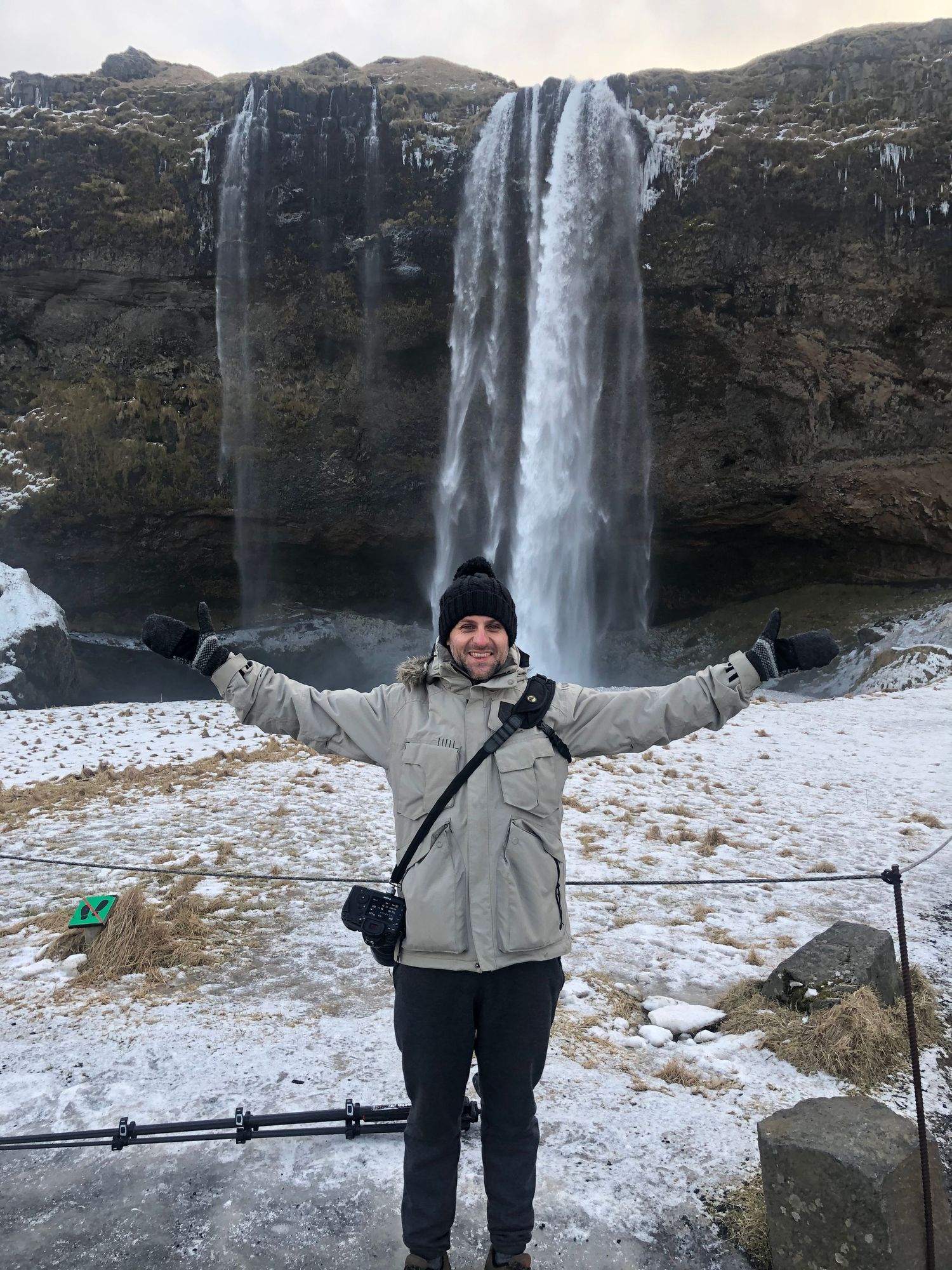
Lee Charlton is a professional property, interior and commercial photographer with more than 16 years of experience.
He spent nine years as Global Photography Manager and the sole in-house photographer for TUI. Lee also worked at the Royal Horticultural Society for four years in photography and digital asset management.
Through Lee Charlton Photography, he works with estate agents, property businesses, private sellers and commercial clients across Hertfordshire, London and the wider UK.