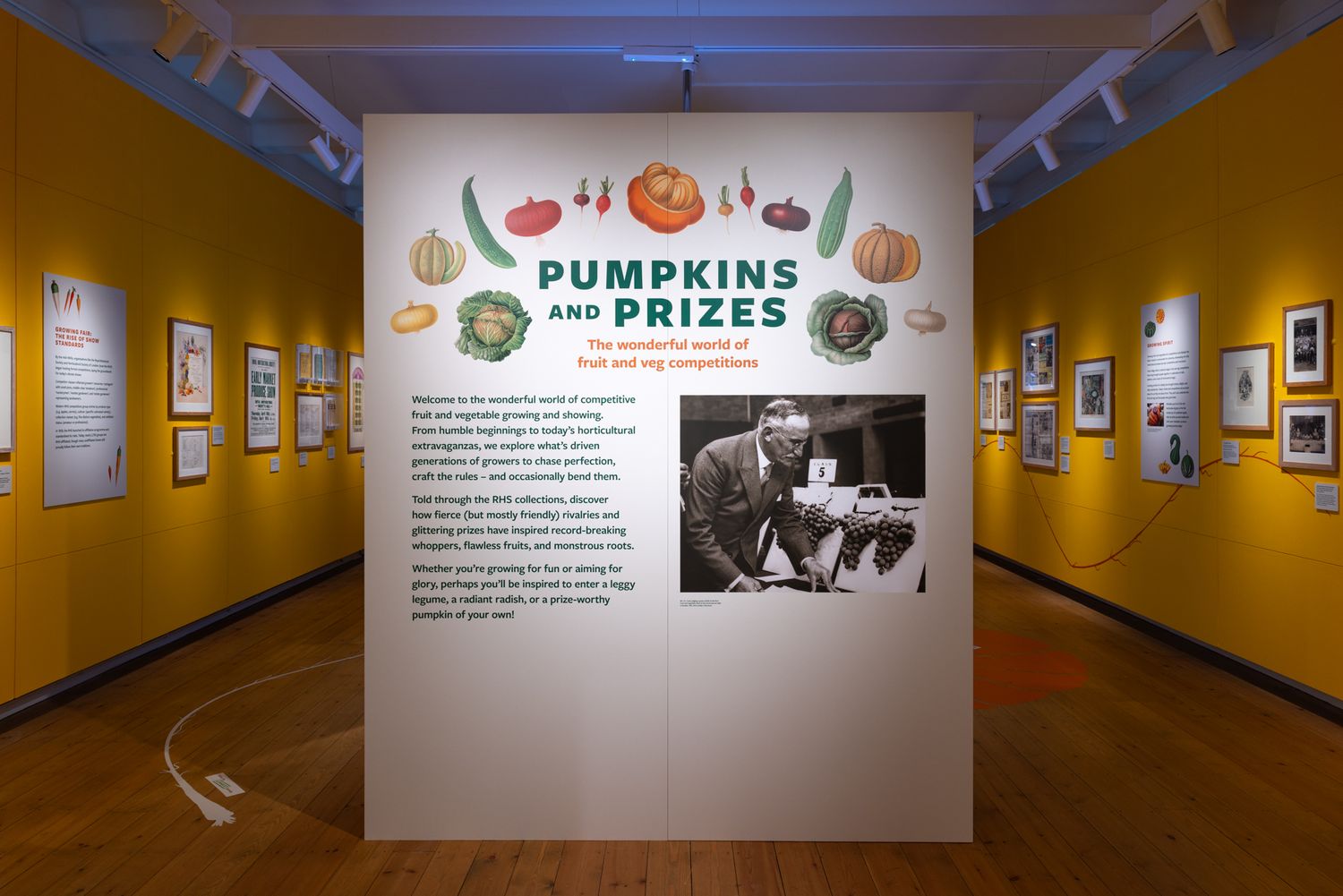
Photographing the Pumpkins and Prizes exhibition after closing
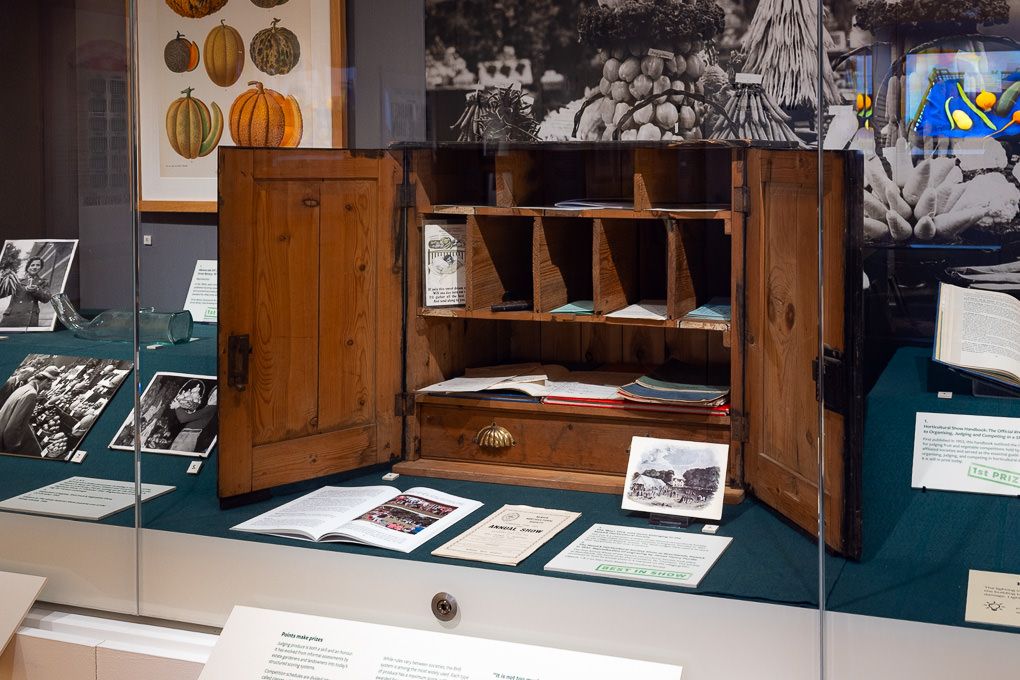
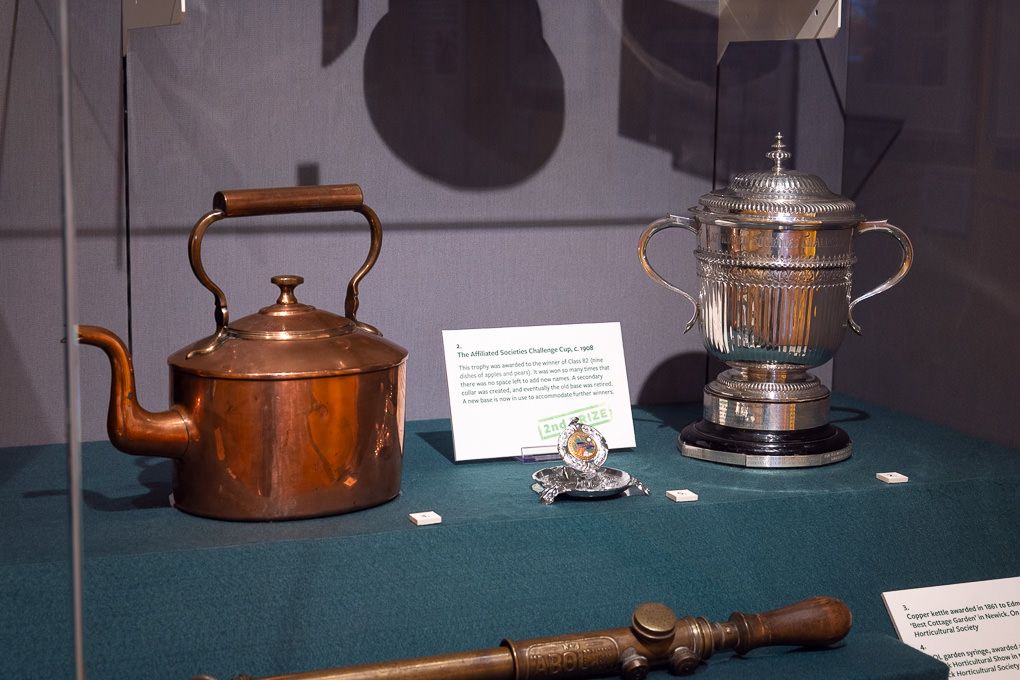
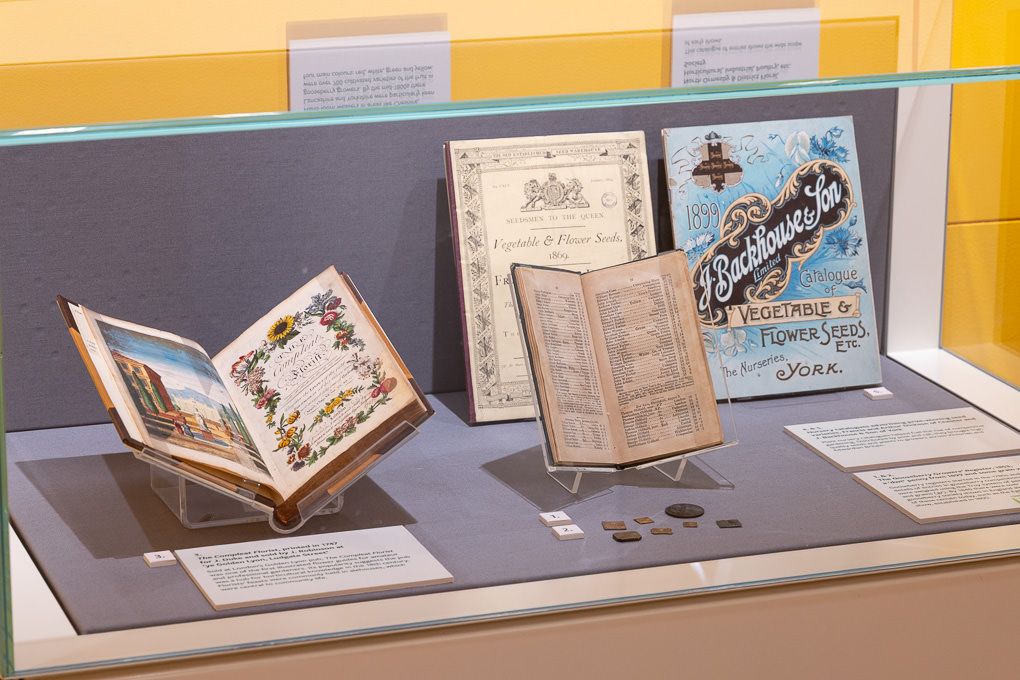
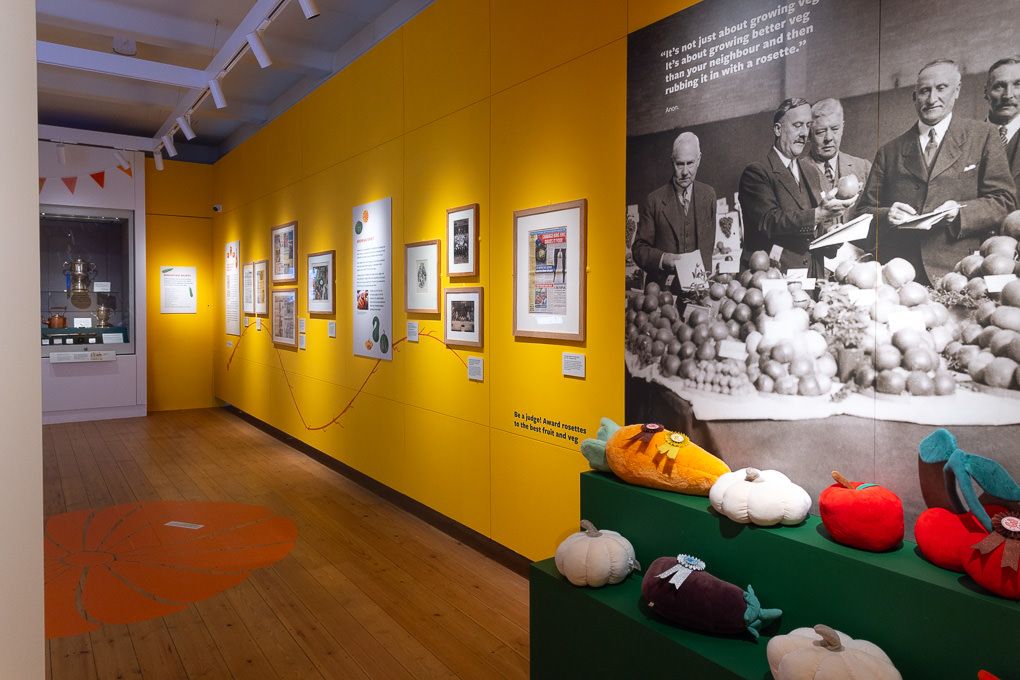
I created a professional photographic record of the Pumpkins and Prizes exhibition at RHS Wisley. The images were required to document the finished exhibition and support its promotion, including use on the RHS website.
The exhibition was fully installed before I arrived, and I photographed it after the garden had closed. Working without visitors in the room gave me a clear but limited window in which to capture the complete space, its displays and the atmosphere of the Old Laboratory.
The photography took around 30 minutes. I supplied approximately 15 professionally edited images within 48 hours, and the RHS responded with positive feedback and thanks.
Project at a glance
Client: Royal Horticultural Society
Location: The Old Laboratory, RHS Garden Wisley, Surrey
Subject: Pumpkins and Prizes exhibition
Purpose: Exhibition record, promotion and website use
Access: After closing, with the installation completed
Photography time: Approximately 30 minutes
Final delivery: Around 15 edited photographs
Turnaround: 48 hours
Equipment: Canon EOS R5 with a 16–35mm lens
Approach: Long exposures, selective exposure bracketing and reflection control
Why exhibitions need dedicated photography
Exhibition photography is about more than producing attractive pictures of a room. The images must document how the installation looked at a particular point in time while also being strong enough for websites, press coverage, reports and future marketing.
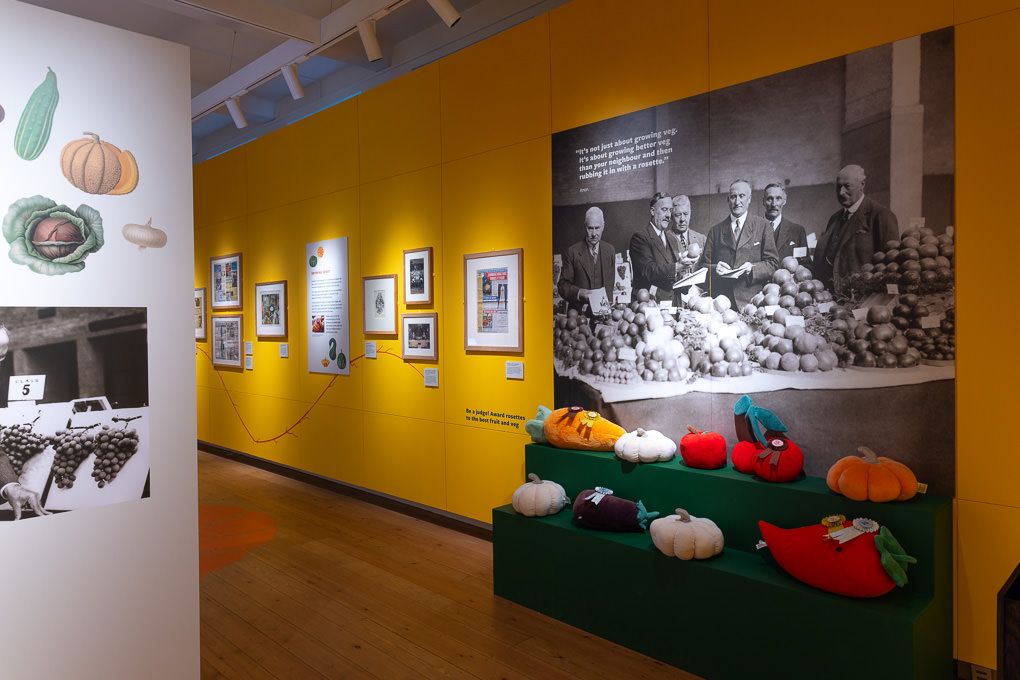
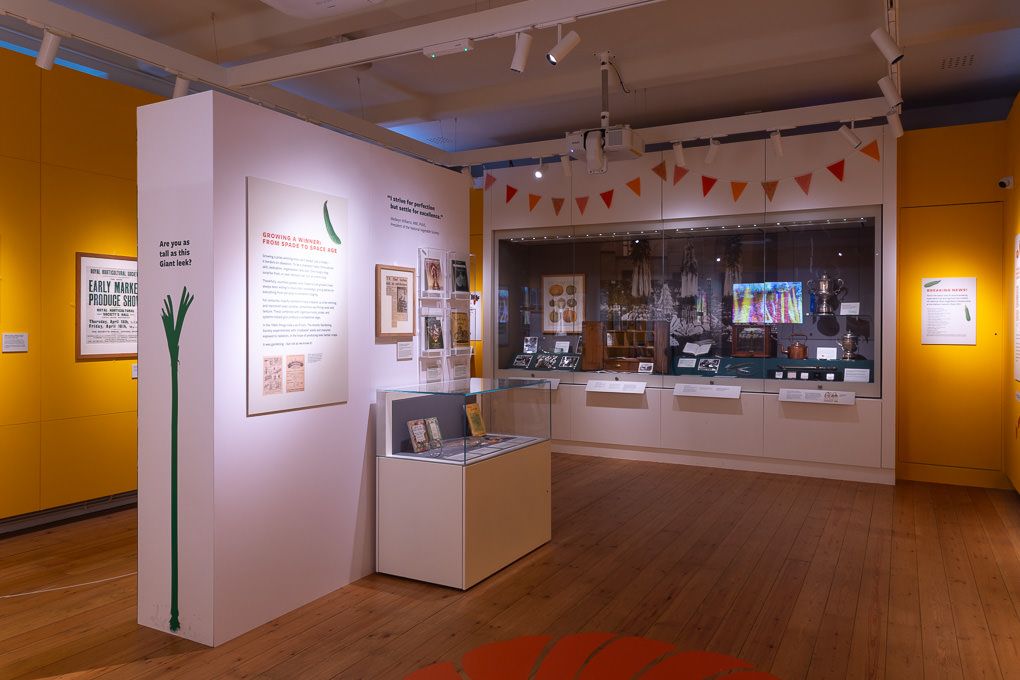
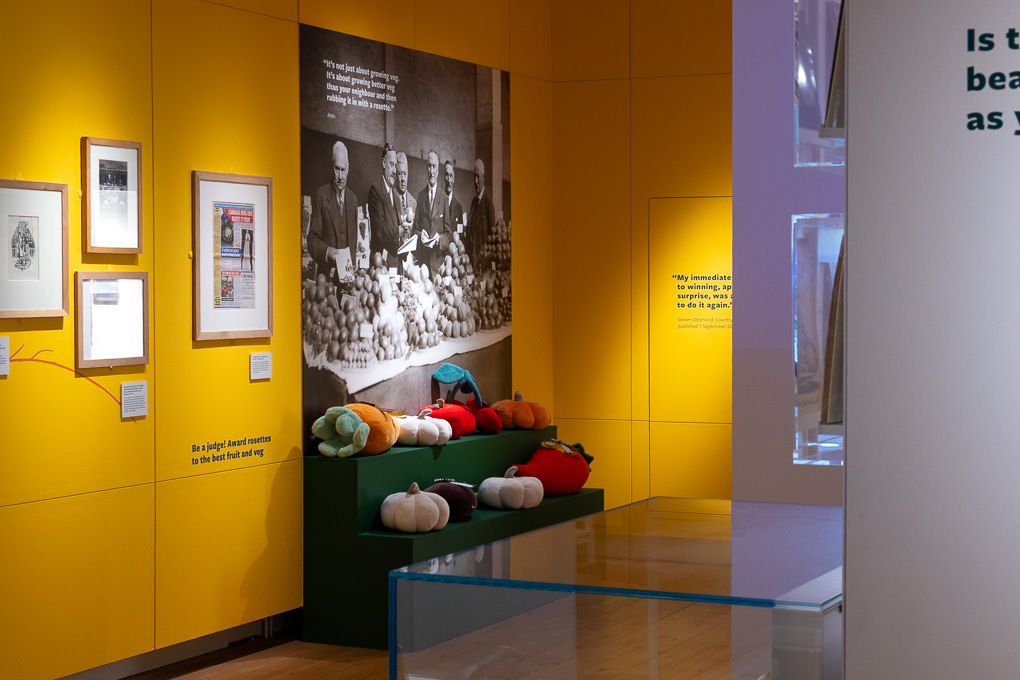
Wide photographs establish the scale and layout of the exhibition. More focused compositions show how display cases, framed material, objects and architectural details work together. The resulting collection should allow somebody who was not present to understand both the content and the character of the space.
That makes the brief slightly different from conventional property and interior photography. The aim is not simply to make a room look spacious. It is to record the curatorial work accurately and communicate the visitor experience.
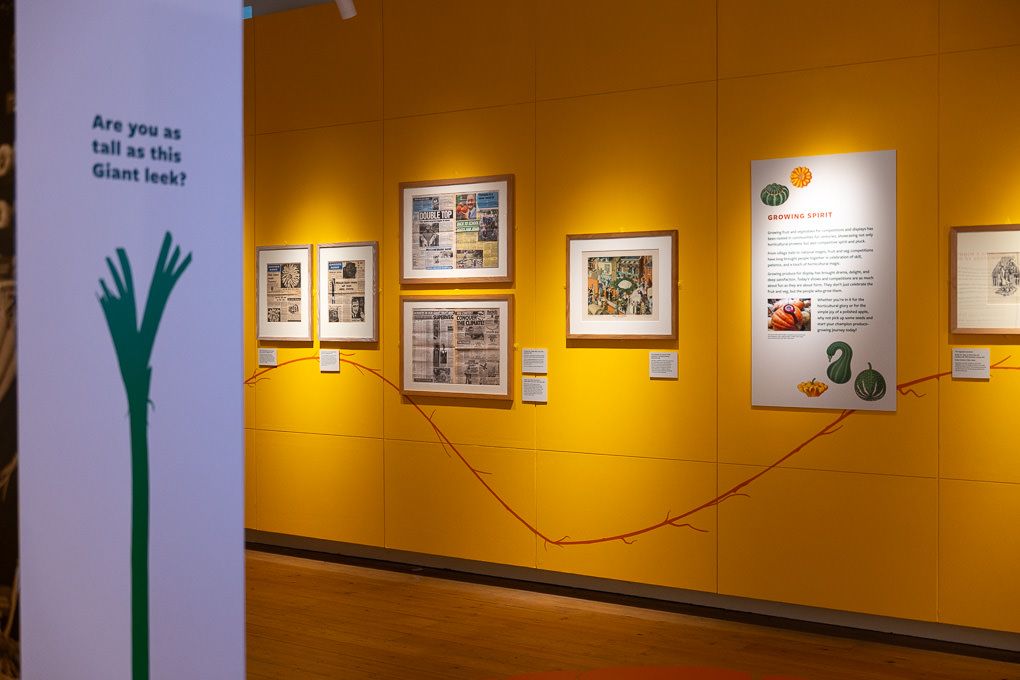
Working within a 30-minute window
Photographing after closing had one major advantage: there were no visitors moving through the exhibition or obscuring displays. It also meant working efficiently within the access time available.
Because everything was fully installed, I could begin by assessing the room rather than waiting for displays to be completed or repositioned. I identified the clearest viewpoints, considered how the images would work as a set and moved through the space in a deliberate order.
A compact room can be deceptively challenging. Moving too close to a wall or display may make the space appear distorted, while an unsuitable camera height can cause vertical lines to lean. Small changes in position often make a significant difference to the balance of an interior photograph.
Experience helps me make those decisions quickly without rushing the result.
Managing low light and reflections
The Old Laboratory had low available light, so I used long exposures to retain detail and atmosphere without forcing the scene to look brighter than it really was.
Where the difference between highlights and shadows required it, I bracketed exposures for a more controlled final result. Bracketing means capturing the same composition at different exposure levels and combining the useful information during editing. I only use it when necessary; the objective is a natural image, not an exaggerated HDR effect.
Reflections were another important consideration. Exhibition spaces often contain glass cases, framed pictures and polished objects that can reflect lights, the room or the photographer.
I brought a polarising filter to help reduce unwanted glare where appropriate, but a filter is only part of the solution. Camera position and shooting angle still matter. I checked reflective surfaces carefully and adjusted my position to keep distractions away from important exhibits.
A similar combination of reflection control, bracketing and careful camera positioning was required during my spa and wellness interior photography shoot in Bedfordshire, where glass, mirrors and windows all needed to look clean and natural.
Keeping architectural lines straight
Straight verticals are essential in professional interior and exhibition photography. If walls, cabinets and door frames lean noticeably, the room can appear unstable or unnaturally stretched.
For this assignment, I used a Canon EOS R5 with a 16–35mm lens. The wide focal range allowed me to show the complete installation within a compact space, but wide-angle photography has to be handled carefully.
I controlled distortion by choosing an appropriate camera height, keeping the camera level wherever possible and paying attention to objects near the edges of the frame. I then made measured lens and perspective corrections during editing.
The intention was to present the exhibition clearly without making the room look larger or structurally different from reality.
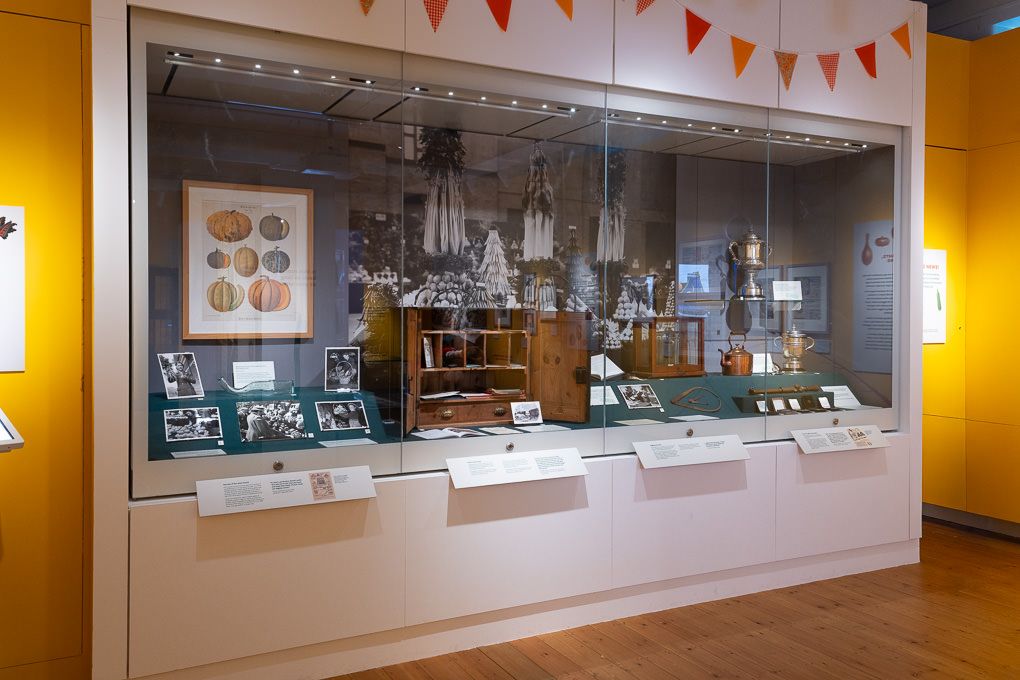
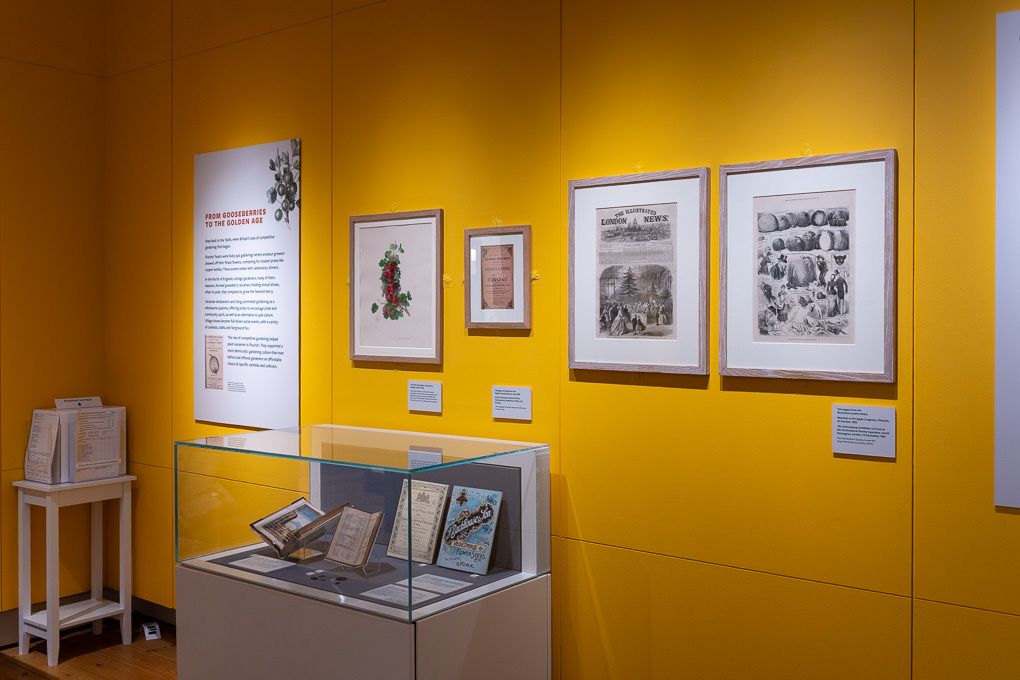
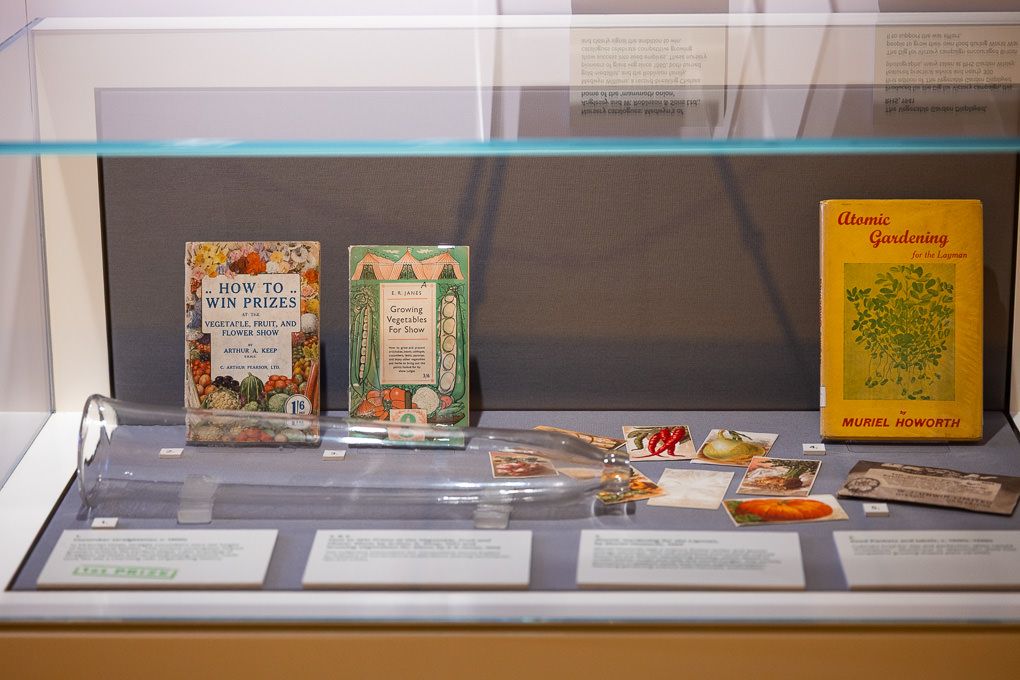
Editing and 48-hour delivery
Editing focused on accuracy, clarity and consistency across the approximately 15 selected photographs.
I balanced the exposures, controlled highlights on reflective surfaces, corrected lens distortion and kept the exhibition’s colours and warm atmosphere looking natural. I also checked that vertical lines remained consistent from one image to the next.
The completed photographs were delivered within 48 hours, giving the RHS a ready-to-use collection for its website and promotional requirements.
The positive feedback and thanks I received confirmed that the finished set met the brief.
What should organisers prepare before an exhibition shoot?
For the most efficient photography session, the exhibition should ideally be completely installed and cleaned before the photographer arrives. Labels should be straight, display cases should be free from fingerprints, and any temporary packaging or tools should be removed.
It is also helpful to provide:
- A list of essential exhibits or viewpoints
- Details of where the images will be used
- Access before opening or after closing
- Information about fragile or restricted areas
- Advance warning of highly reflective displays
- A realistic deadline for image delivery
Quiet access is particularly valuable. It allows the photographer to use longer exposures, position the camera accurately and create uncluttered views without disrupting visitors.
For an exhibition that also needs photography of attendees, speakers, stands or networking, my corporate event photography service covers the live event as well as the finished installation.
Exhibition photography questions
What is exhibition photography?
Exhibition photography creates an accurate and visually engaging record of a completed exhibition, display or installation. The photographs can be used for websites, press coverage, reports, archives, funding applications and future promotion.
When should an exhibition be photographed?
The best time is normally after installation has finished but before visitors enter, or after the venue has closed. This provides clean views and gives the photographer control over composition and exposure.
How long does exhibition photography take?
It depends on the size and complexity of the installation. This compact exhibition at RHS Wisley took around 30 minutes to photograph. Larger galleries, museums or multi-room displays will require much more time.
How many photographs will be delivered?
The number is agreed according to the brief. The RHS received approximately 15 edited photographs from this assignment. A larger exhibition or a shoot covering both the installation and its visitors would produce a broader collection.
Can exhibitions be photographed in low light?
Yes. Long exposures, exposure bracketing where necessary and careful colour management can produce natural results without overpowering the existing exhibition lighting.
How are reflections controlled in exhibition photographs?
Reflections can be reduced through careful camera positioning, changes in shooting angle and the appropriate use of a polarising filter. Glass cases still need to be checked individually because no single technique works in every part of a room.
Need an exhibition photographer?
I photograph exhibitions, museums, visitor attractions and commercial interiors for organisations across Surrey, Hertfordshire, London and the wider UK.
You can see more examples in my property and interior photography portfolio or read how I photographed holiday apartments at RHS Rosemoor for website and booking-platform use.
Get in touch to o discuss your shoot and image requirements.
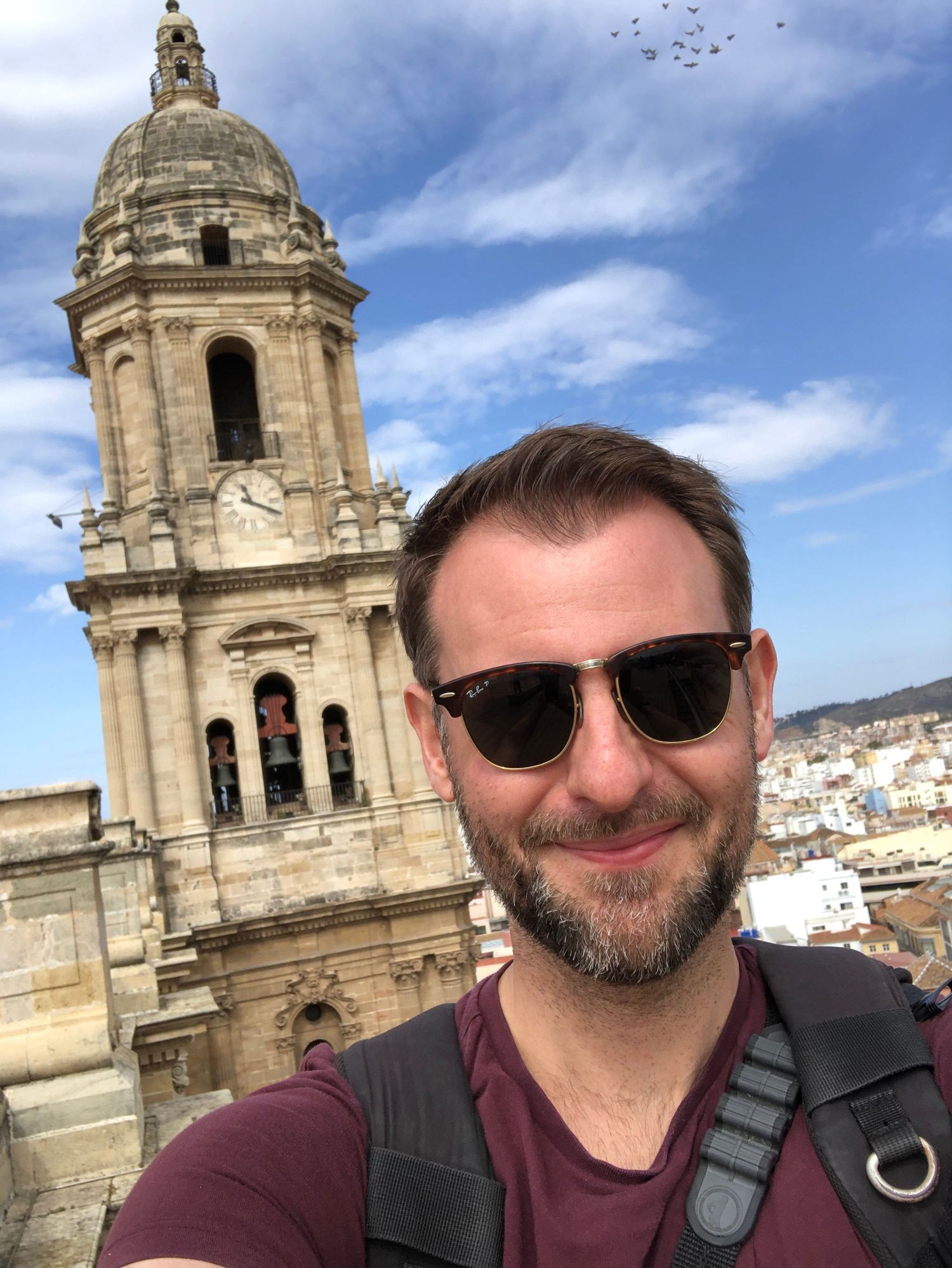
About the Author
Lee Charlton is a Hertfordshire-based commercial and interior photographer with more than 16 years of professional experience, working across London, the wider UK and internationally.
Before establishing Lee Charlton Photography, Lee spent 17 years with TUI, including nine years as Global Photography Manager. As the organisation’s only in-house photographer, he supported a global business of more than 70,000 employees, producing imagery for websites, marketing campaigns, internal communications, conferences and destination content.
Lee has worked with organisations including the Royal Horticultural Society, BBC, National Geographic, McDonald’s, Marks & Spencer and TUI. His interior, garden and property photography has also appeared multiple times in RHS The Garden, including editorial features and cover imagery.
For exhibition and interior assignments, Lee combines careful wide-angle composition, controlled long exposures, accurate colour, straight architectural lines and reflection management. He works calmly and efficiently when access is limited, with clear planning and reliable delivery.