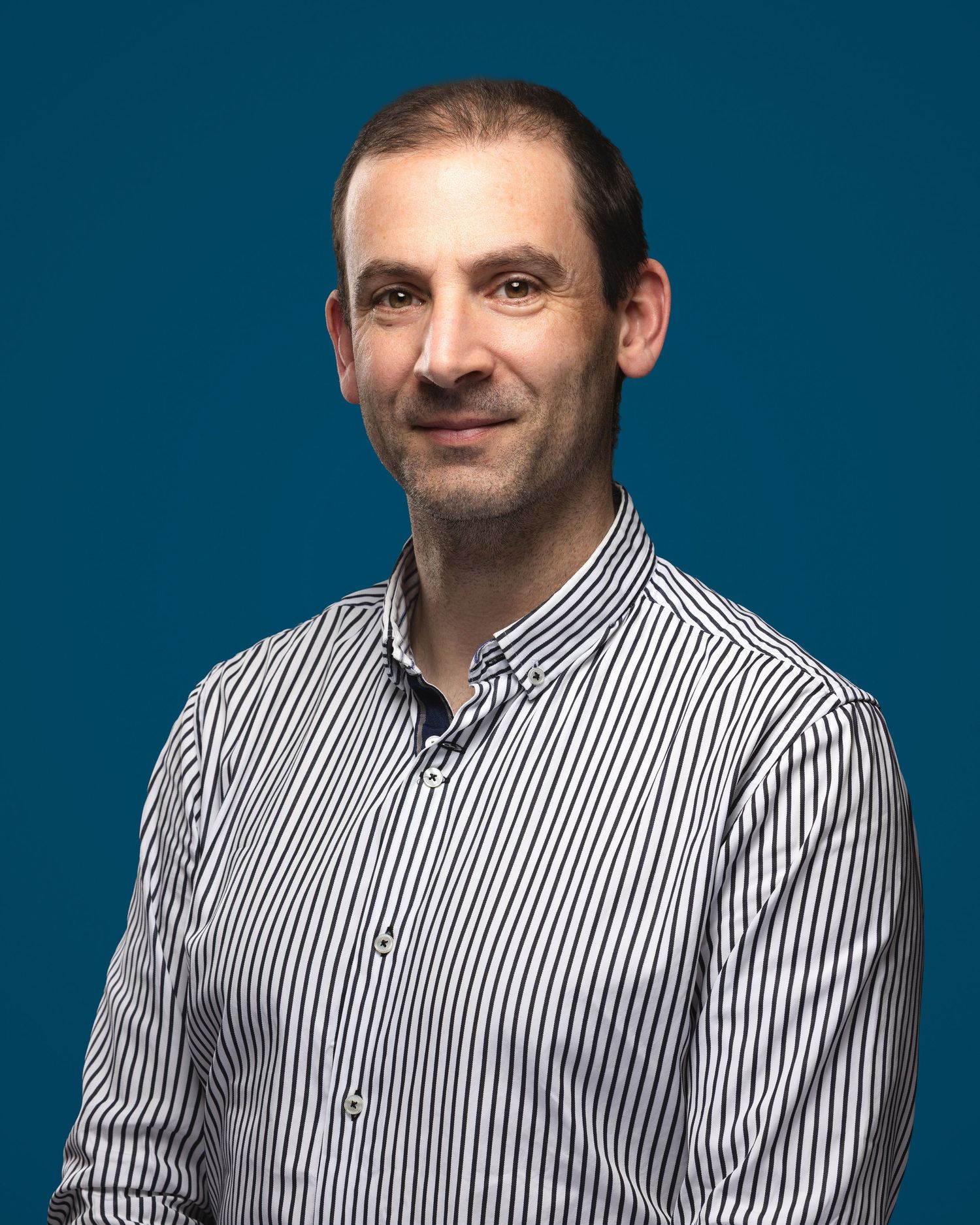
How to plan timings, choose the right room, prepare staff and keep company headshots consistent
A successful corporate headshot day needs four things: an agreed-upon visual style, a suitable space, realistic timing, and one person within the company who takes responsibility for the schedule.
Get those decisions right before the photographer arrives, and it should be possible to create consistent, professional headshots without disrupting the working day.
Get them wrong, and even a straightforward shoot can quickly become difficult. Senior leaders suddenly need to leave, meeting rooms become unavailable, and the only suitable space turns out to have immovable furniture or terrible light.
I have more than 16 years of professional photography experience, including 9 years as Global Photography Manager at TUI and 4 years at the Royal Horticultural Society.
My high-volume portrait work includes photographing around 80 performers in just over two hours, as well as company shoots involving individual leadership headshots, department photographs and a group portrait of around 30 employees.
This guide explains how to organise a corporate headshot day based on what actually makes these shoots work.
Decide how the headshots will be used
Before choosing a background or booking appointments, decide where the finished photographs will appear.
Common uses include:
- Company websites
- LinkedIn profiles
- Staff directories
- Email signatures
- Press releases
- Speaker biographies
- Recruitment campaigns
- Reports and presentations
- Proposals and pitch documents
- Internal communications
This affects how the photographs should be composed and delivered.
A close head-and-shoulders crop may work well for LinkedIn, while a company website might need vertical portraits or additional space around the person for different page layouts.
Leadership teams may also need more than one version. Alongside a standard headshot, they might require a wider portrait for press releases, interviews or conference speaker profiles.
Tell the photographer about every likely use before the shoot. It is much easier to create the right variations on the day than to discover afterwards that a tightly cropped photograph does not fit an important layout.
If you need more than staff portraits, it may be worth planning a broader corporate photography shoot that covers people at work, office environments, meetings, and marketing content.
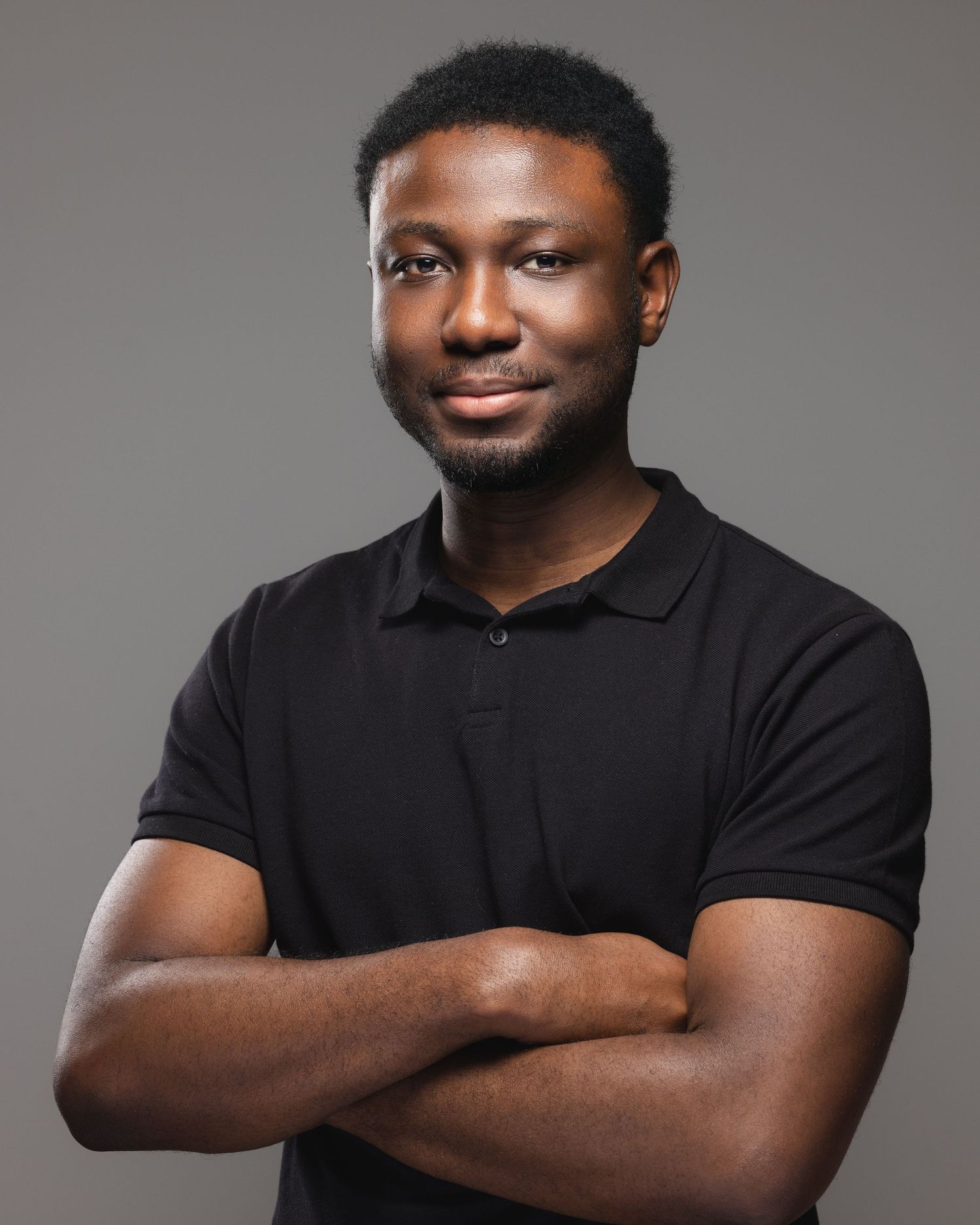
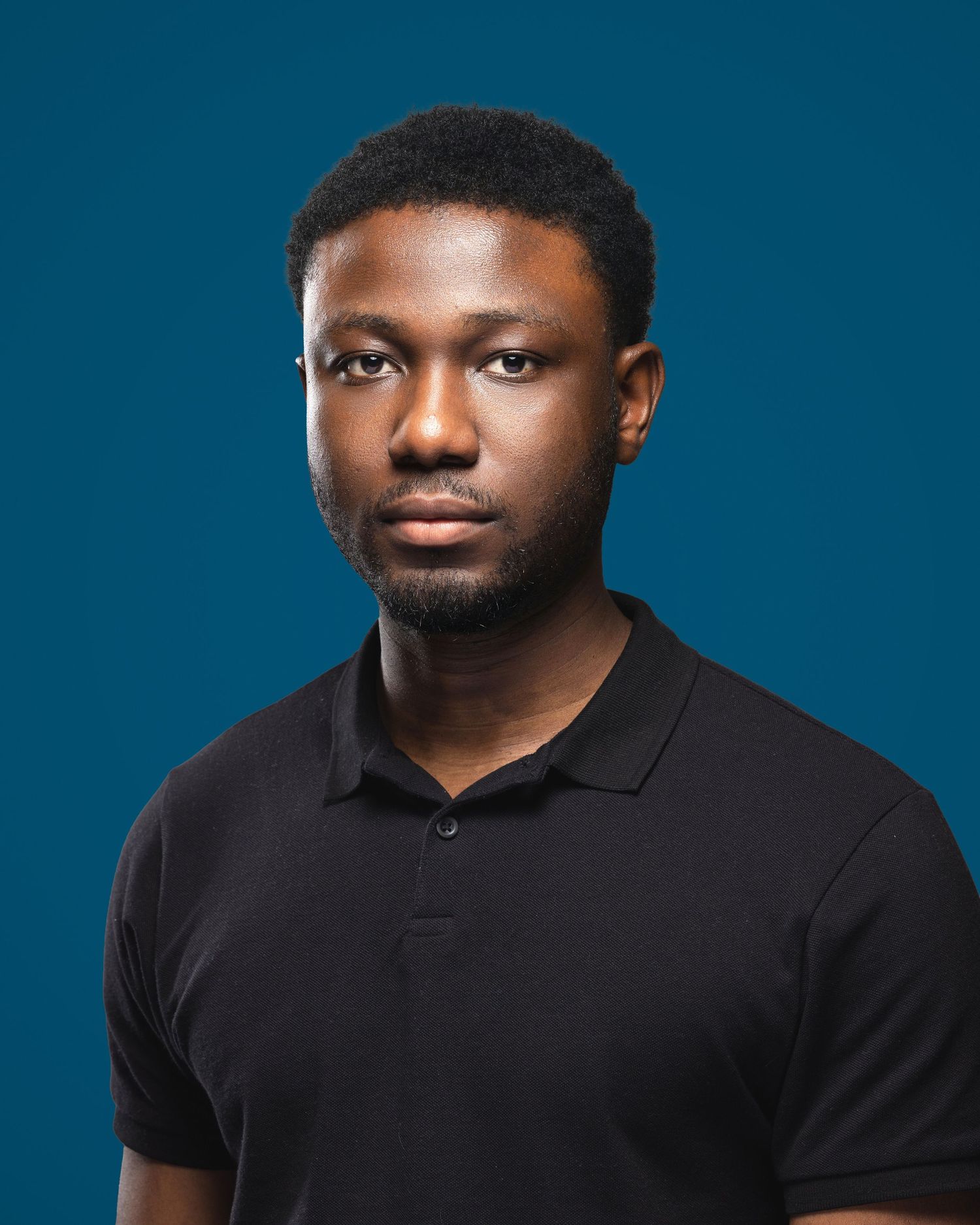
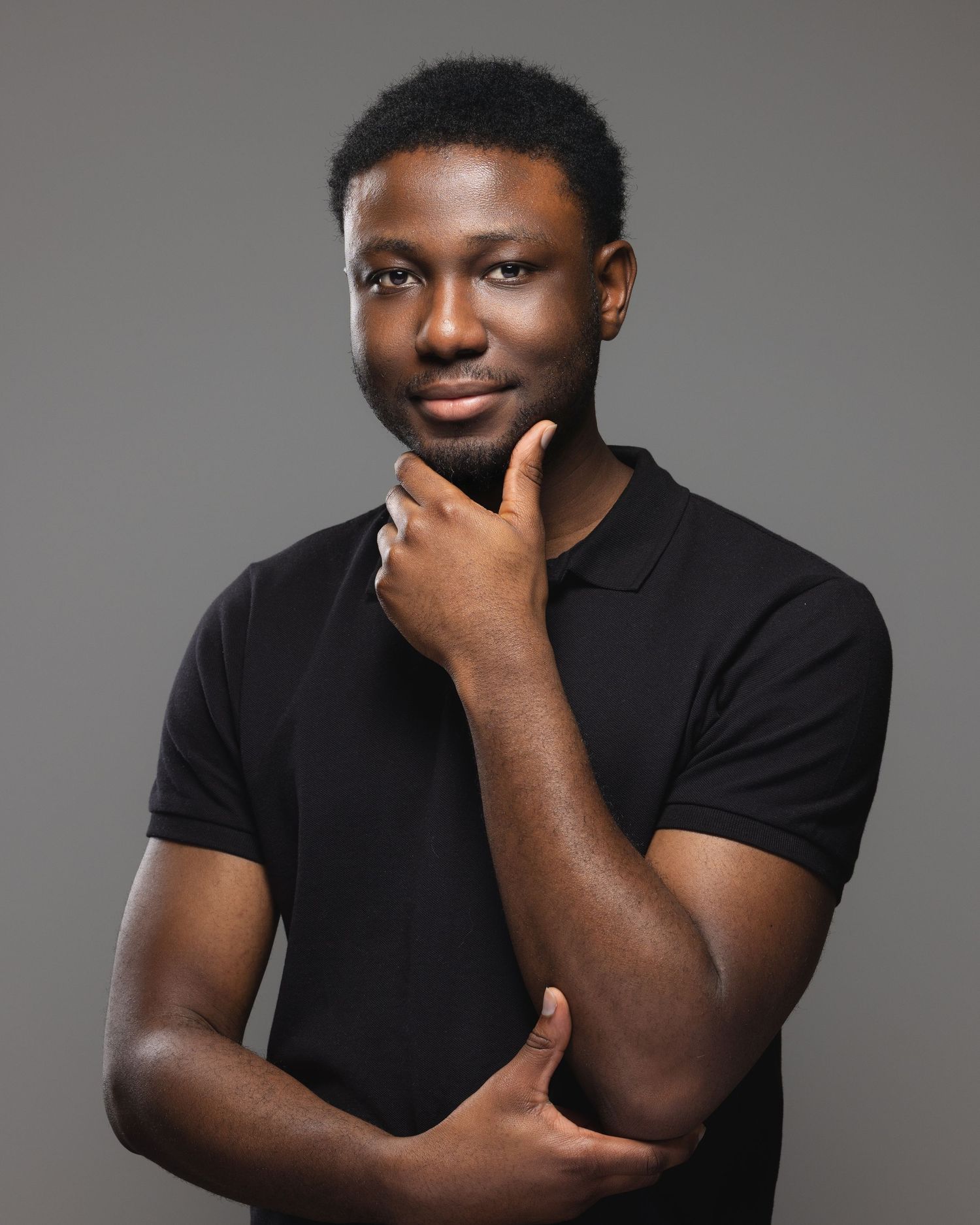
Agree the visual style in advance
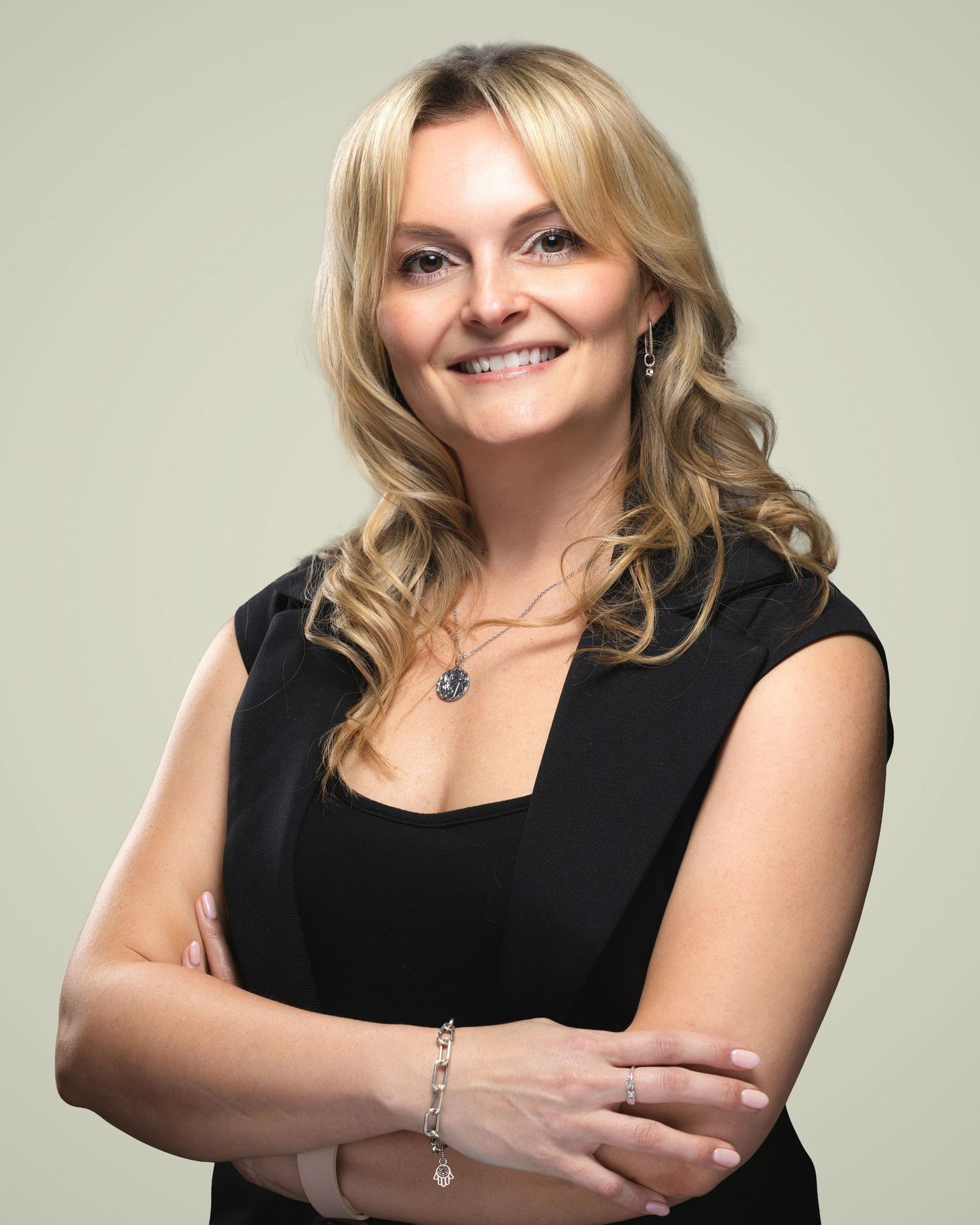
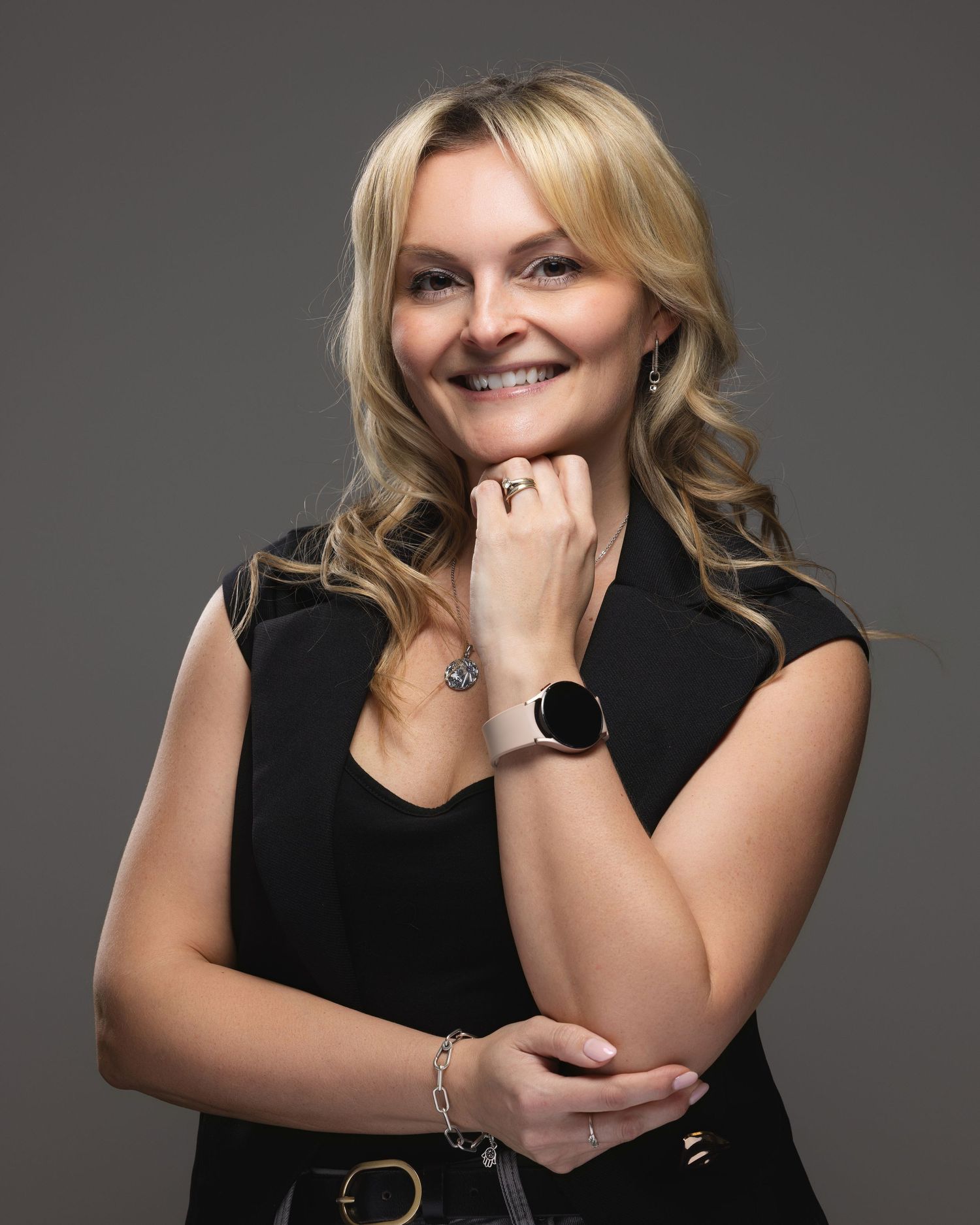
Consistency does not mean forcing every employee into exactly the same pose.
It normally comes from controlling:
- Background
- Lighting
- Camera position
- Crop
- Colour treatment
- Retouching
- General expression
- Clothing guidance
The style should reflect the organisation.
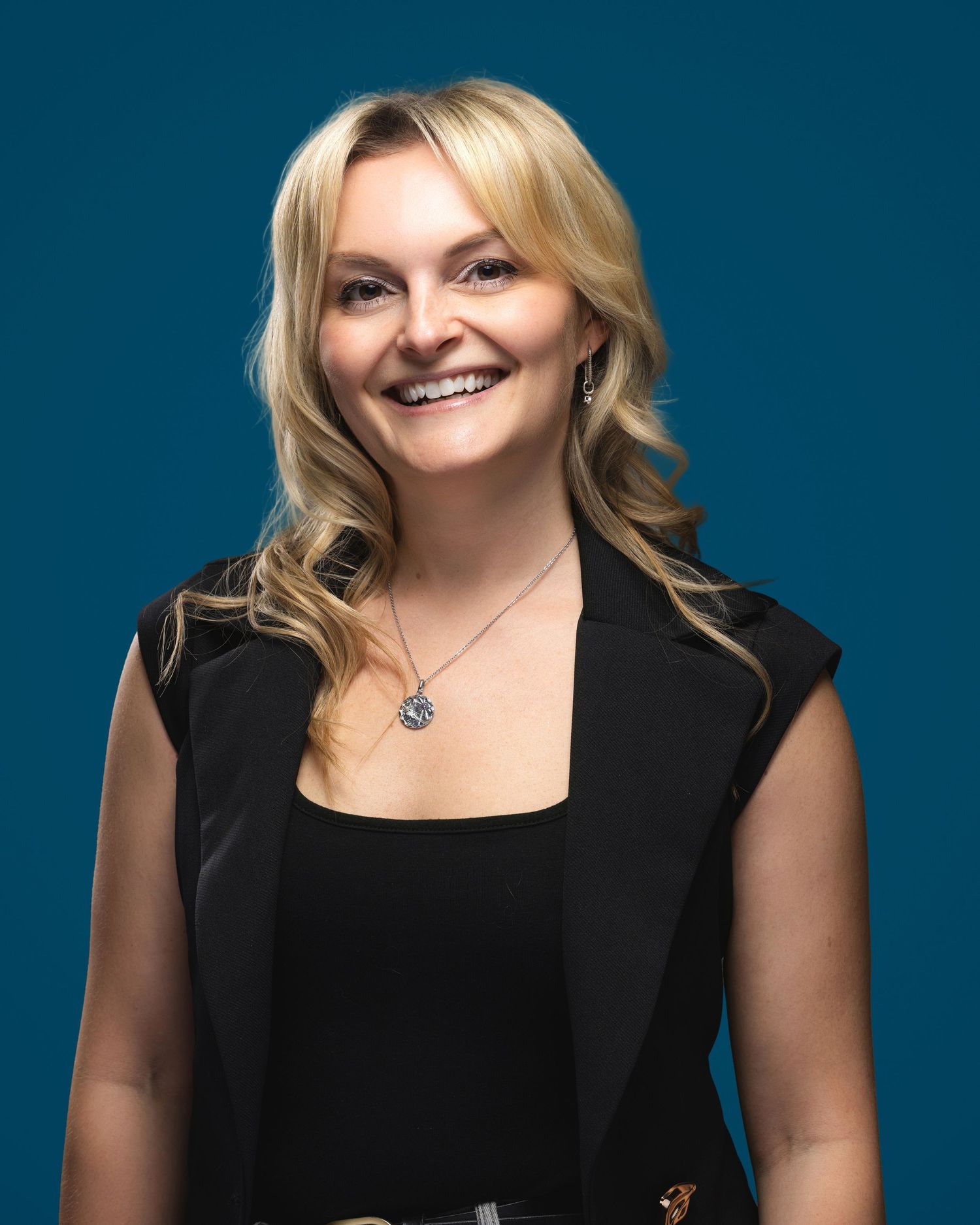
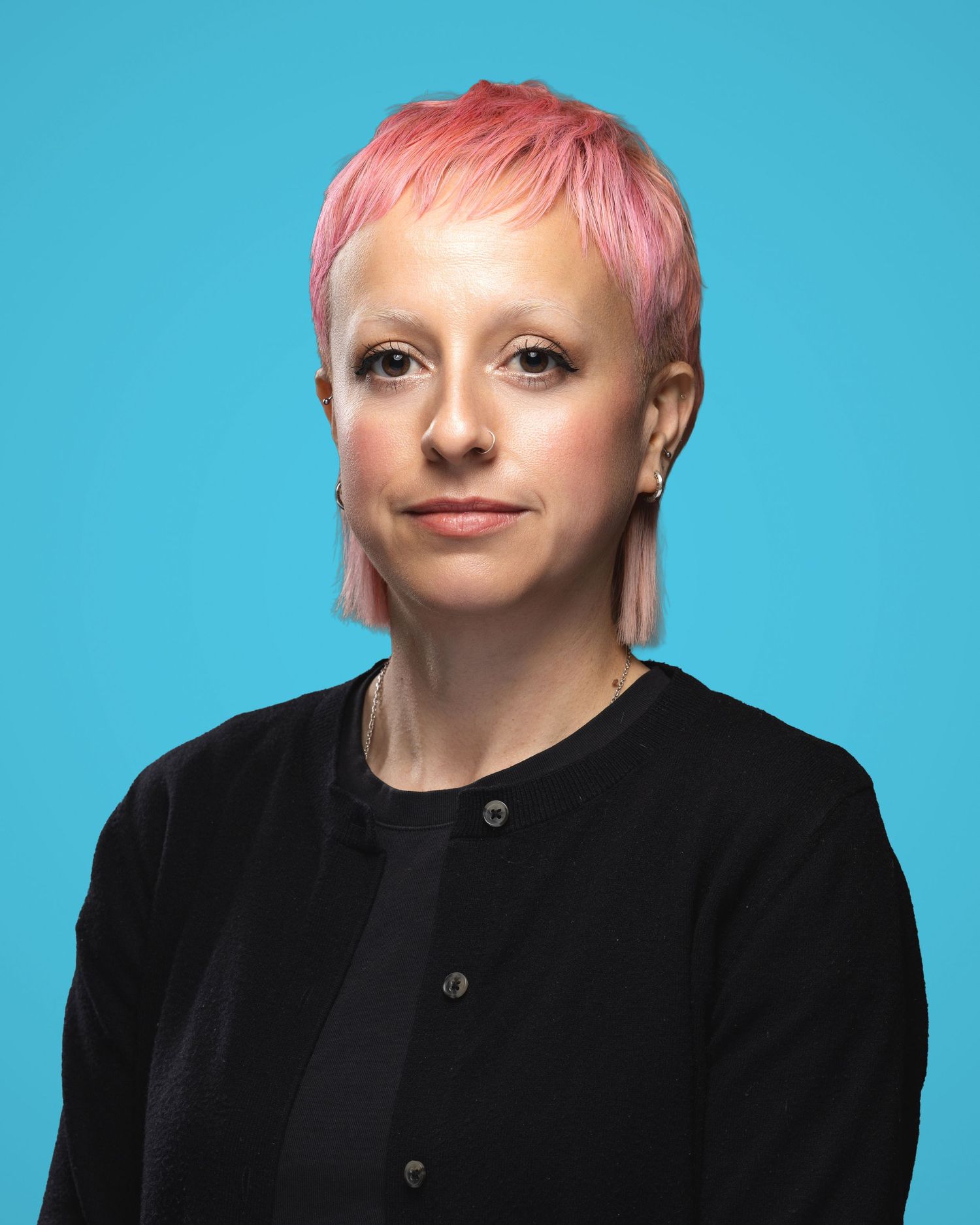
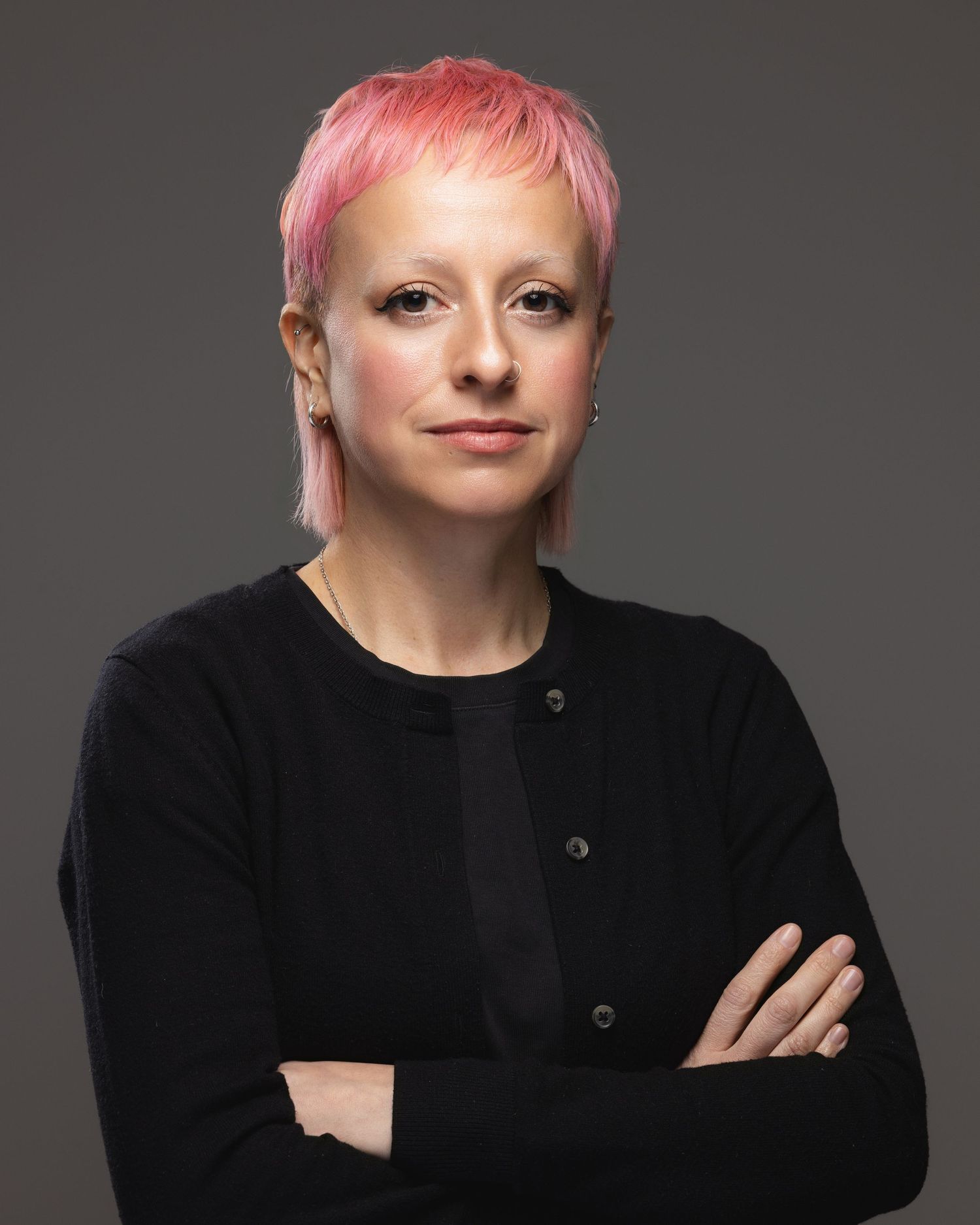
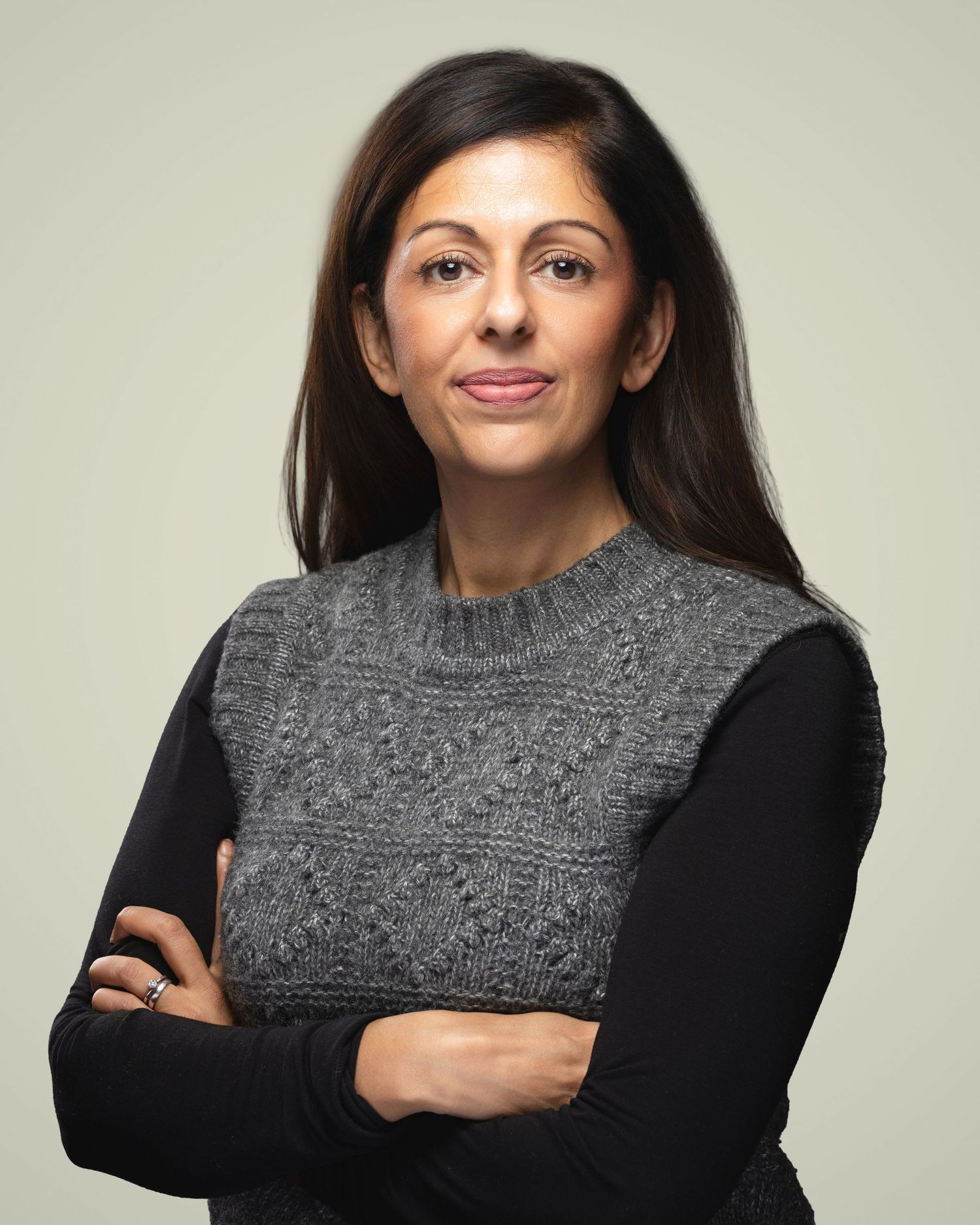
A law firm or financial business may want clean, understated portraits against a neutral background. A creative company might prefer something more relaxed or use its brand colours within the finished backdrop.
For one corporate headshot shoot in Stevenage, the client wanted its company colours incorporated into the backgrounds. The portraits were photographed consistently, and the branded colours were then added during editing.
This provided a stronger connection with the company’s visual identity while keeping the headshots practical and repeatable.
If you already have company headshots, send the photographer the original files where possible. Include the required crop, dimensions, background, brand guidelines and examples of how the photographs are currently used.
A compressed screenshot from the website is rarely enough to accurately recreate an old lighting and editing style.
You should also consider whether matching the existing photographs is genuinely the right choice. If the current collection is dated or inconsistent, establishing a better new standard may be more useful than reproducing the same problems.
Build the schedule around the people who must be photographed
Around five to ten minutes per person is normally a sensible starting point for a straightforward corporate headshot.
This allows time to:
- Welcome the employee
- Explain what will happen
- Adjust their posture and position
- Check clothing and hair
- Create several expressions
- Manage reflections from glasses
- Produce enough variety for a meaningful selection
The exact schedule depends on the brief. Senior leaders may need longer if they require several crops, different expressions, clothing variations or wider press portraits.
Give every employee a specific appointment rather than asking people to drop in whenever they are free. Open sessions tend to produce long periods of inactivity, followed by several people arriving at once.
Calendar invitations work well because the appointment appears alongside everyone’s normal meetings.
The internal organiser should also identify anyone whose availability is difficult to change. Senior leaders, visiting employees and people with time-sensitive responsibilities should be photographed early or given protected appointments.
What happens when the plan changes?
On a company shoot in Letchworth, the original plan was to take the large team photograph first, then move to a portable studio setup for the senior leadership headshots.
Several members of the leadership team had to leave early unexpectedly.
That immediately changed the order of the day. There was no longer enough time to build the planned studio setup before photographing them, but their headshots still needed to feel consistent.
The portraits had to be created outside instead. It was an extremely bright, sunny day, which is far from ideal for consistent headshots because direct sunlight creates harsh shadows, squinting and uneven exposure.
I had to adapt the positioning and photography to make the best of the available conditions while still producing a usable set of leadership portraits.
The lesson is simple: identify the least flexible people before finalising the schedule. A small change involving one senior employee can affect the entire photography setup.
Build some breathing room into the day rather than scheduling people continuously from start to finish.
Check the room before the shoot
A portable headshot studio needs more room than many clients expect.
The photographer needs sufficient distance between:
- The subject and background
- The camera and subject
- The lights and subject
- Any furniture, walls or windows
A small meeting room with a large fixed table may be unusable, even if it appears large enough in the booking system.
Look for:
- Clear floor space
- Reasonable ceiling height
- Accessible power sockets
- Control over blinds and overhead lighting
- Privacy for the person being photographed
- A door that can be closed
- Space for equipment
- Uninterrupted access throughout the booking
Send photographs and approximate measurements before the shoot if there is any doubt.
The photographer will usually need around 30 to 45 minutes before the first appointment to unload, assemble the background and lighting, test the exposure and confirm the final composition.
Do not book the first employee for the same time as the photographer's access to the room.
Plan group photographs separately
A space that works for individual headshots may not work for a large company photograph.
During the same Letchworth shoot, the client wanted a group portrait of around 30 employees. There was no obviously suitable location.
The only room large enough had windows with different tints, creating inconsistent colour and strong backlighting. The car park was on a slope, which would have made arranging the group and keeping the photograph level extremely difficult.
Walking everyone to a nearby park was considered but deemed impractical for the client.
The only workable solution was a brick wall outside the building. It was not the ideal background, but it was the best available option within the restrictions.
Group photographs need to be discussed beforehand. Send photographs of possible locations and consider where everyone will stand, how the rows will be arranged, what the background looks like and whether the location will still work in poor weather.
Prepare employees properly
Every company receives my headshot and personal branding preparation guide, which can be distributed to employees before the shoot.
A little preparation helps people feel more confident and allows us to create stronger photographs quickly.
For corporate sessions, I recommend:
- Wearing simple, well-fitted clothing
- Choosing solid colours rather than busy patterns or large logos
- Wearing something appropriate to your normal professional environment
- Using layers such as jackets, blazers or overshirts to add variety
- Arriving in your chosen outfit because appointment times are usually short
- Bringing one alternative jacket or top where practical
Colours that normally photograph well include navy, grey, beige, soft blue, olive and muted tones such as burgundy or dark green.
I generally recommend avoiding neon colours, pure white, pure black and colours very close to your skin tone. Pure white can lose detail in bright light, while pure black can become flat or lack definition.
Grooming does not need to be complicated. Hair should be styled as you would normally wear it, facial hair should be neat and makeup should generally remain natural and matte. Avoid experimenting with a new style or using shiny, heavy skincare immediately before the shoot.
If you wear glasses, anti-reflective lenses photograph best. Where reflections are still visible, I will adjust the lighting or your position to reduce them.
Before the shoot:
- Get a good night’s sleep
- Drink plenty of water
- Avoid a last-minute haircut, ideally leaving three to five days
- Iron or steam your clothing
- Check collars and ties
- Empty bulky items from your pockets
- Bring a lint roller if you have one
- Consider a spare shirt if you are travelling or tend to become warm
Employees do not need any experience in front of the camera. I provide guidance throughout the session and help each person create natural, relaxed expressions rather than forced smiles.
It can help to think about how you want to come across, whether that is approachable, confident, professional or a combination of all three. If anyone is unsure about clothing, they can send outfit options in advance.
Help people who dislike being photographed
Most employees are not professional models. Many arrive convinced that they dislike every photograph of themselves.
They should not be expected to know how to stand, where to place their hands or what expression to make.
A good corporate headshot photographer will provide clear direction on posture, shoulder position, head angle and expression. Small adjustments can completely change how confident and approachable somebody looks.
The process should feel calm and efficient without becoming rushed.
This is another reason two-minute appointments are usually a bad idea. They may look efficient on a spreadsheet, but they provide no time to help a nervous employee settle or to deal with glasses, clothing and small adjustments.
Agree how the final photographs will be selected
My normal process is to select and edit the strongest photographs before uploading watermarked previews to a private online gallery.
The client can then choose the images they want from that edited selection.
This prevents people from having to review hundreds of near-identical photographs while still giving the company control over the final choices.
The selection process should be agreed before the shoot.
Decide:
- Who will choose the photographs
- Whether employees choose individually
- Whether one company representative approves everything
- How many finished images are included
- When selections must be submitted
- What happens if somebody does not respond
Leaving selections open indefinitely delays the completion of delivery and creates unnecessary administrative work.
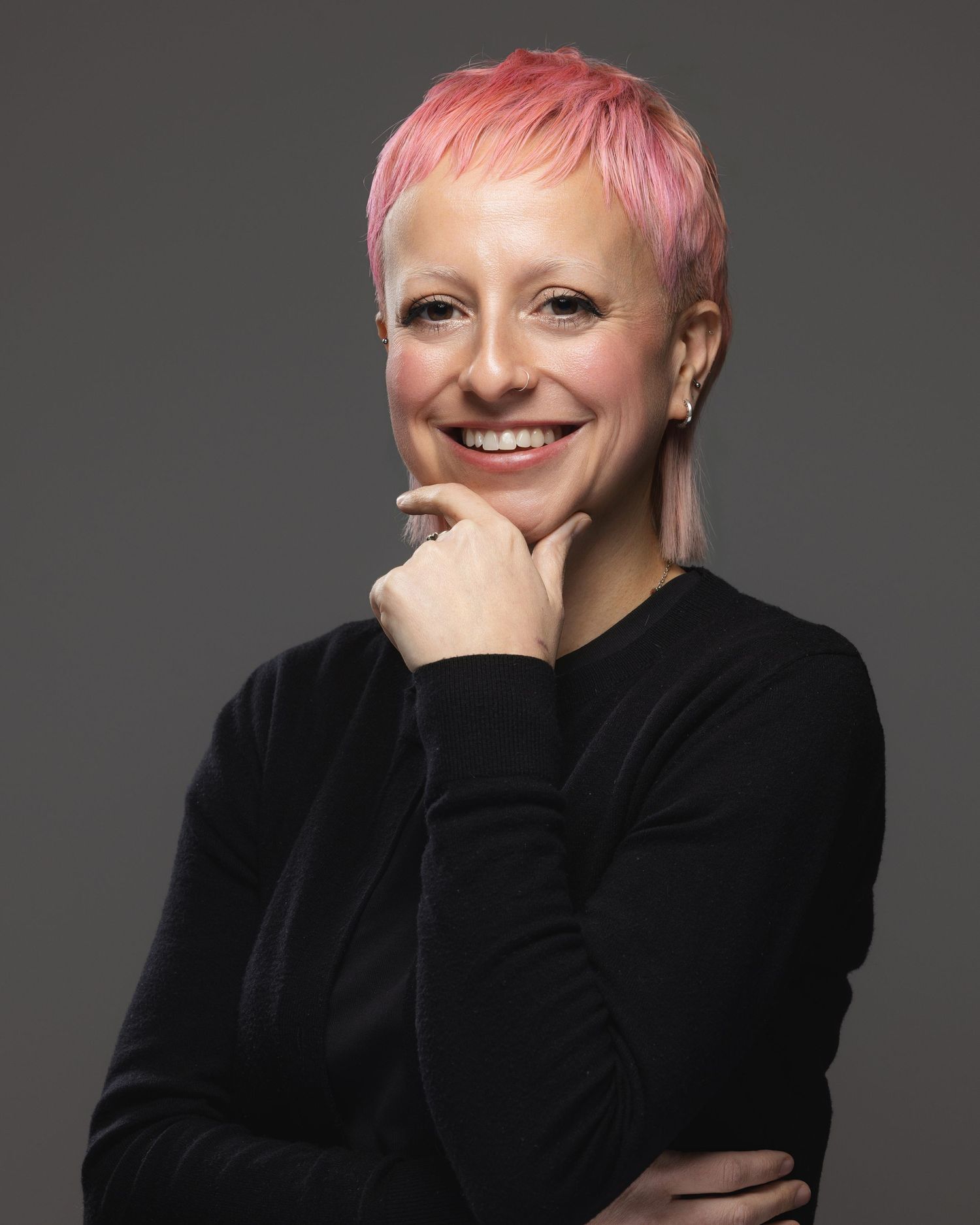
Professional retouching should remain natural. It may include correcting colour and exposure, reducing shine, removing temporary blemishes, tidying minor distractions and cleaning the background.
The aim is to help people look polished and professional while remaining recognisably themselves.
Make the delivery useful to the business
Standard turnaround is usually within ten working days, although galleries are often delivered sooner.
The final filenames should make sense to the people using the photographs.
A useful structure might be:
jane-smith-company-name-headshot-july-2026-01.jpeg
This is much more useful than delivering files named:
IMG_4837-final-final2.jpeg
I normally include the person’s name, company, type of photograph, date and image number, or follow the company’s own naming convention.
Clear filenames save time whenever photographs are uploaded to a website, sent to the press, added to an internal directory or reused by another department.
My four years working at the RHS included responsibility for photography and digital asset management. That experience has shown me how quickly valuable photographs become difficult to find when names and basic information are not recorded properly.
Plan for consent and image retention
The company is responsible for deciding how employee photographs will be used and for managing its internal consent and privacy requirements.
Employees should understand whether their photographs may appear on:
- Public websites
- Internal systems
- Social media
- Recruitment campaigns
- Press releases
- Paid advertising
- Printed marketing
The photographer cannot decide these policies on the company’s behalf.
My contract also explains that photographs will be retained for a minimum of six months. Storage beyond that period is not guaranteed, so the company should download, store and back up its final files properly.
A private photography gallery should not become the organisation’s permanent image archive.
How to keep headshots consistent across offices and new starters
Companies regularly need to photograph employees who join after the main headshot day. Larger organisations may also need matching portraits created across several offices or locations.
Without a repeatable approach, a company website can quickly become a mixture of different backgrounds, crops, lighting styles and levels of retouching.
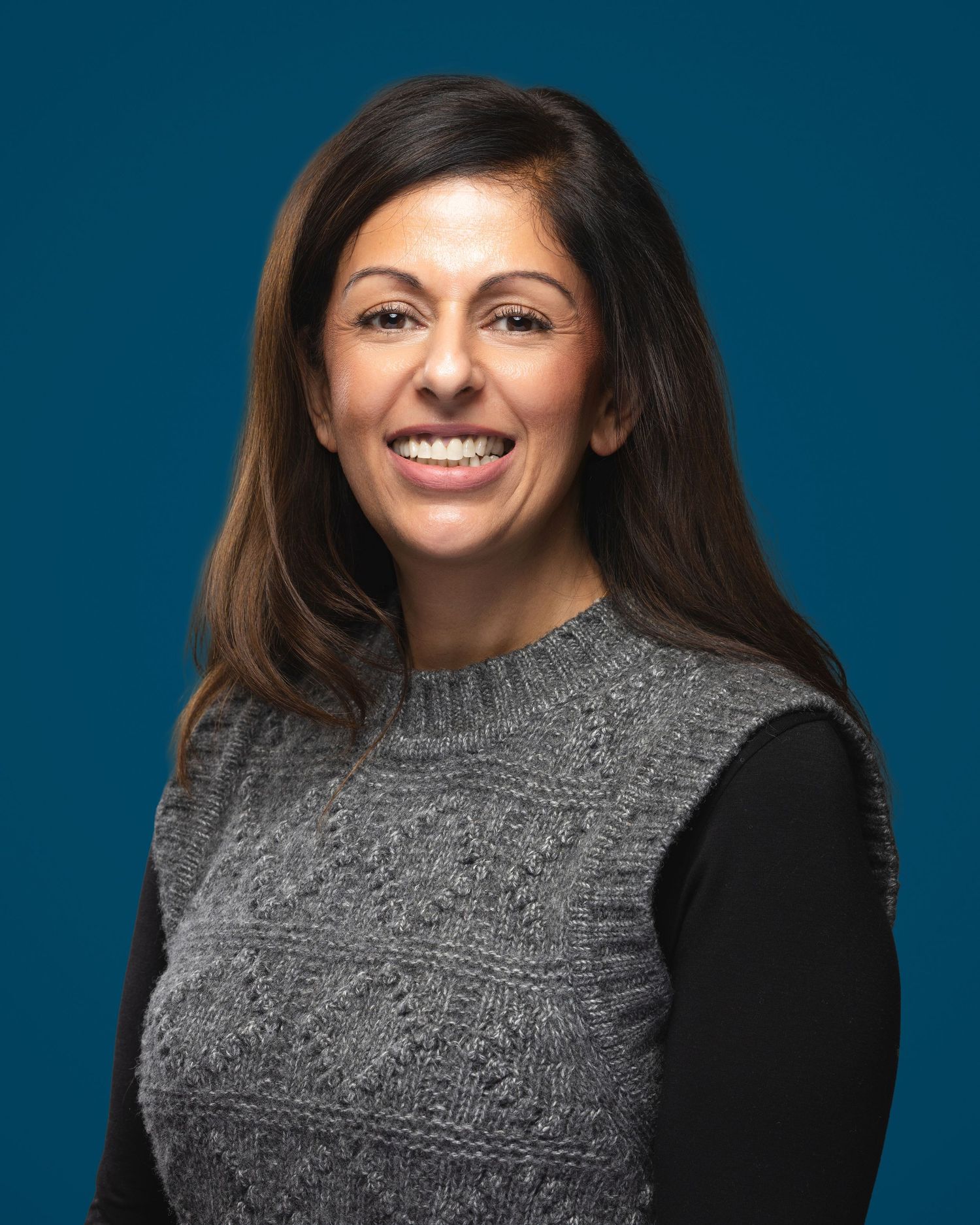
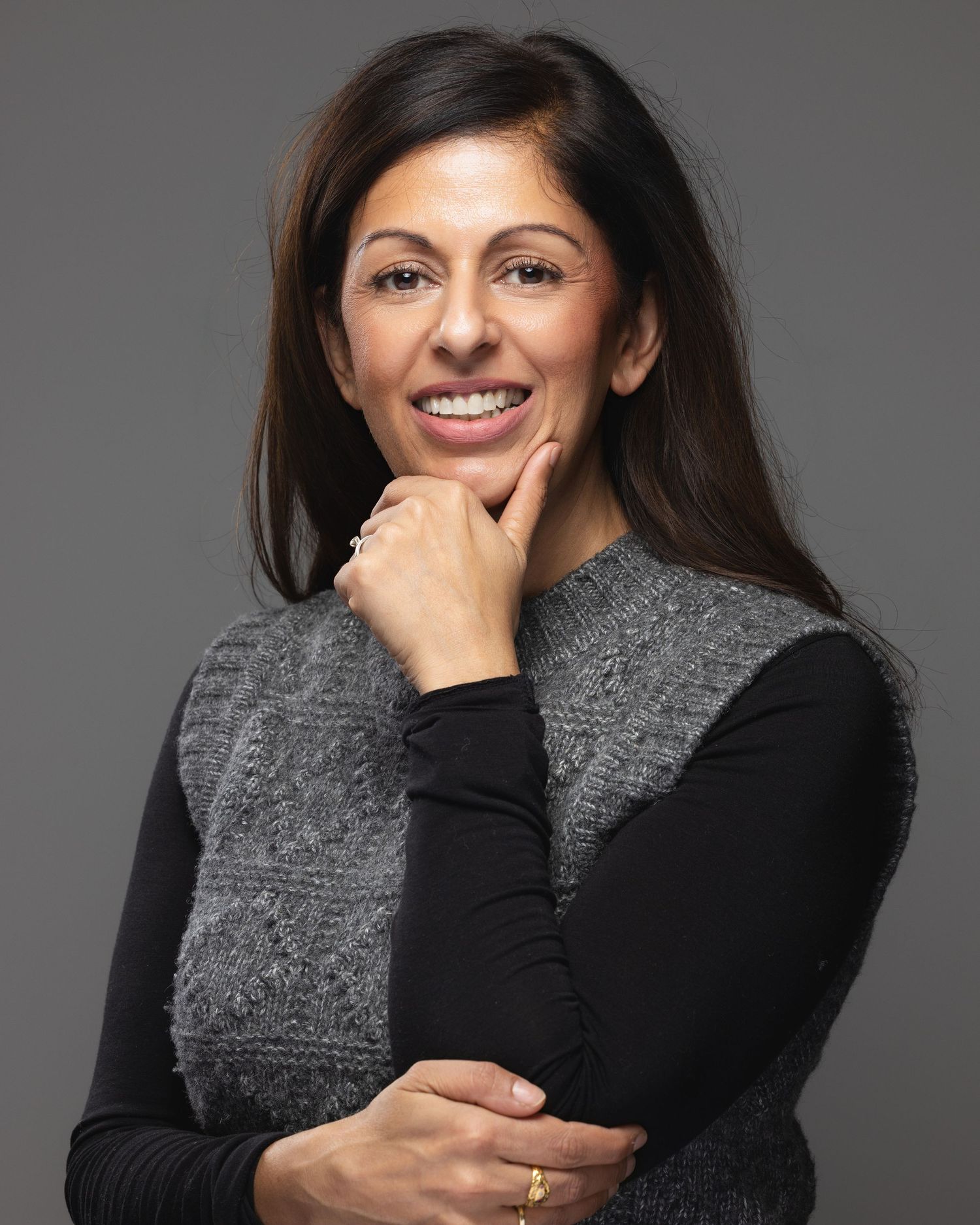
If consistency matters, this should be included in the original photography brief. I can record the relevant details from the initial shoot, including:
- Background type and colour
- Lighting position and approach
- Camera position and subject distance
- Composition and crop
- Subject positioning
- Colour treatment
- Retouching style
- Required image dimensions
- File-naming convention
A controlled studio-style setup is normally easier to reproduce than an environmental portrait created outdoors or in a particular part of an office. Daylight, furniture, decoration and available space can all change between locations.
For businesses with several offices, the closest match normally comes from using the same photographer, background and portable lighting setup at each location. Reference photographs and recorded setup details also make it easier to recreate the agreed style during future sessions.
Rather than arranging a separate shoot every time somebody joins, growing businesses can group new starters into scheduled update sessions. This keeps the company’s headshots current while making the photography more practical and cost-effective.
Corporate headshot-day checklist
Before the shoot, confirm:
- Intended uses
- Visual style
- Background
- Required crops
- Staff list
- Priority employees
- Appointment schedule
- Room and access time
- Group-photograph location
- Clothing guidance
- Employee communication
- Selection process
- Retouching requirements
- Filename convention
- Delivery deadline
- Consent responsibilities
- Plan for absences
- Plan for future starters
You do not need an enormous production document.
A clear one-page brief, an accurate schedule and good internal communication are normally enough.
Need corporate headshots for your company?
I provide corporate headshots and team photography for businesses across Hertfordshire, London and the wider UK.
I can help you choose the visual style, assess the available room, create a realistic schedule and establish a repeatable approach for future employees.
Corporate headshot sessions start from £249, with half-day, full-day and bespoke options available depending on the number of people and the requirements. You can also read my guide to corporate photography prices in the UK.
Get in touch with the number of people, location, preferred date and intended use, and I will recommend the most practical approach.
Corporate headshot day FAQs
How long should a company allow for each headshot?
Allow approximately five to ten minutes per person for a straightforward corporate headshot. For senior leaders, multiple variations or detailed requirements may need longer.
How long does the photographer need to set up?
A portable headshot studio will usually require around 30 to 45 minutes to unload, assemble and test before the first employee arrives.
How much room is needed for corporate headshots?
A clear, medium-sized meeting room is often sufficient, but the exact requirements depend on the background, lighting, and type of portrait. Send photographs and approximate measurements before the shoot.
Can employees choose their own headshots?
Yes. I select and edit the strongest images before uploading watermarked previews to a private gallery. The company or individual employees can then select the required final photographs, in accordance with the agreed process.
Can headshots remain consistent across different offices and new starters?
Usually, provided the background, lighting, camera position, crop and editing style have been properly recorded. A controlled portable studio setup is generally the easiest to reproduce across different offices and future photography sessions.
Can team photographs and individual headshots be taken on the same day?
Yes, but they should be planned separately. A room suitable for one person may not be large enough for a full team, and group photographs require additional time to arrange people and check the background.
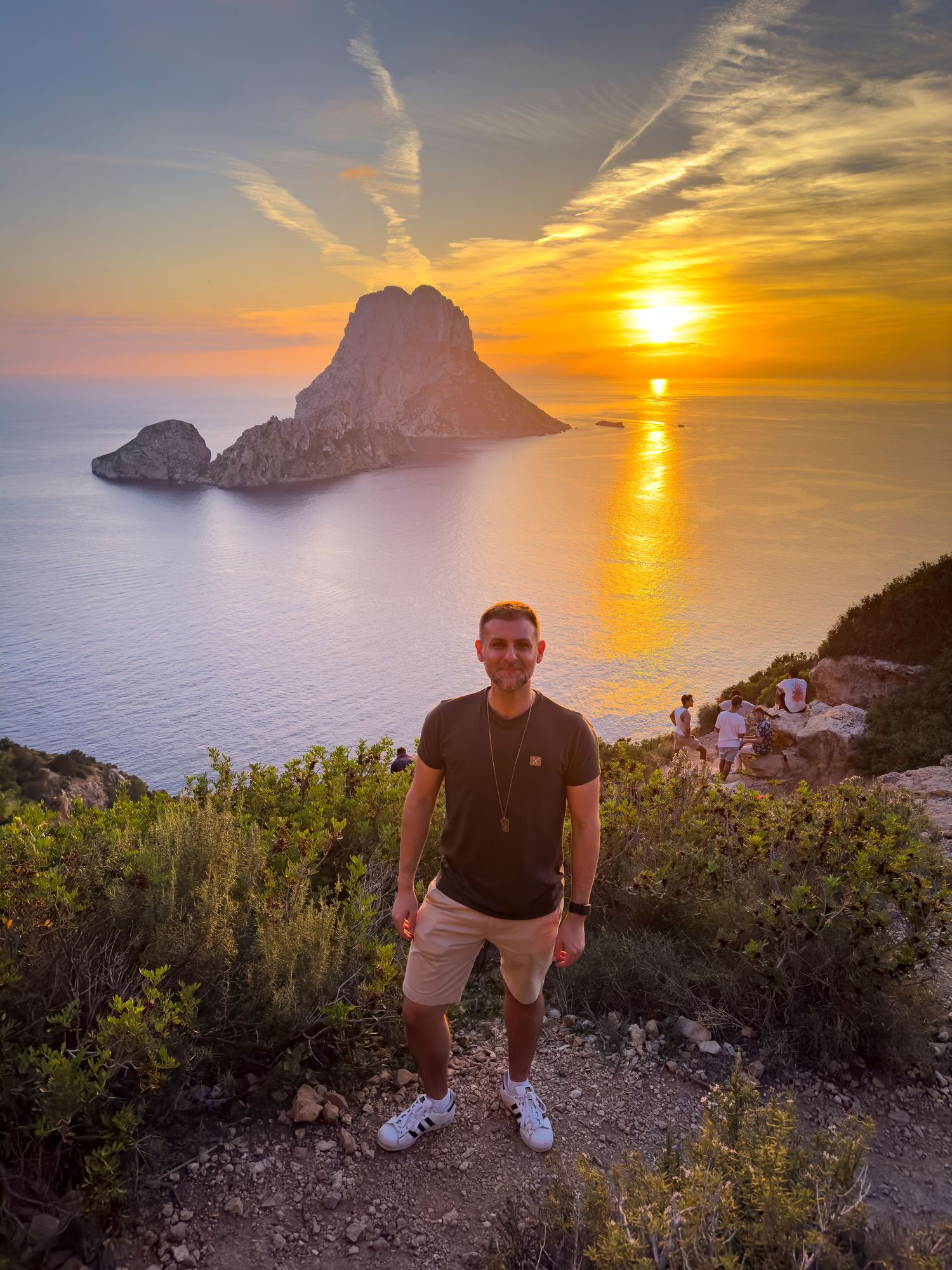
Lee Charlton is a Hertfordshire-based commercial photographer with more than 16 years of professional experience.
He spent nine years as Global Photography Manager at TUI and worked for four years at the Royal Horticultural Society, with responsibilities spanning photography production and digital asset management.
Through Lee Charlton Photography, he creates corporate headshots, team photography, workplace imagery, events and commercial content for businesses across Hertfordshire, London and the wider UK.