Travel photography in Lapland
Lapland in winter looks like a fairytale, but shooting it is anything but easy. The light is low, the cold is brutal, and everything seems to move either too fast or not at all.
You’ve only got a short window of daylight each day, and most of the “bucket-list” things people come to Lapland for happen in near darkness. If there’s anywhere you’ll feel the limits of your kit, it’s here. A fast lens is worth its weight in gold... the Canon RF 24-105mm f/2.8 is a bit of a monster for this kind of trip. Expensive, yes, but renting one can genuinely save a lot of shots.
I shoot almost everything in manual, leave ISO on auto for fast-moving excursions, and trust that I can recover the noise later in Lightroom using tools like Denoise. I also keep my white balance on auto because the light changes constantly in Lapland, and I prefer correcting it in the edit anyway.
Here are the seven best things to photograph around Levi in Kittilä, and exactly what to expect from each.
1. Northern Lights
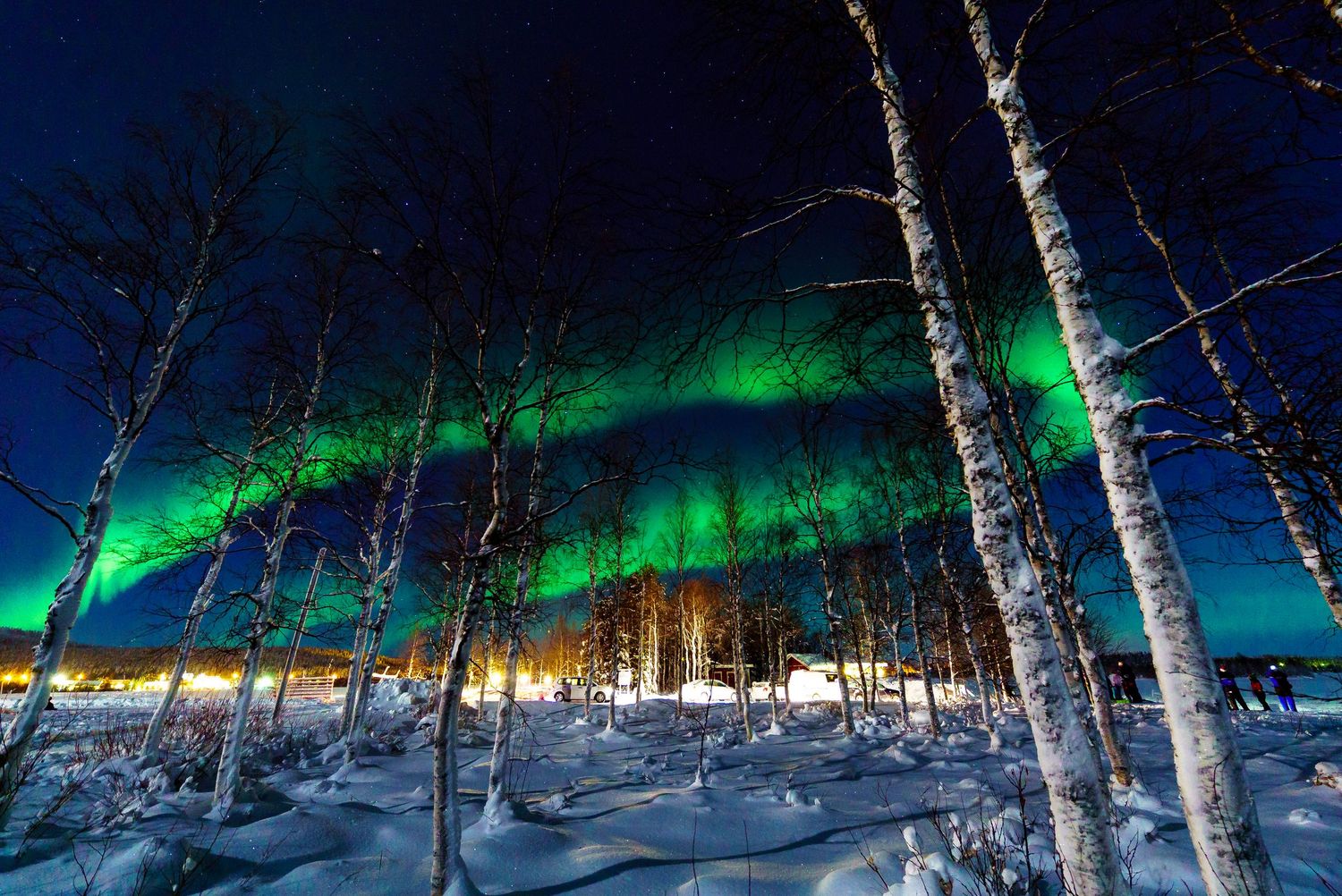
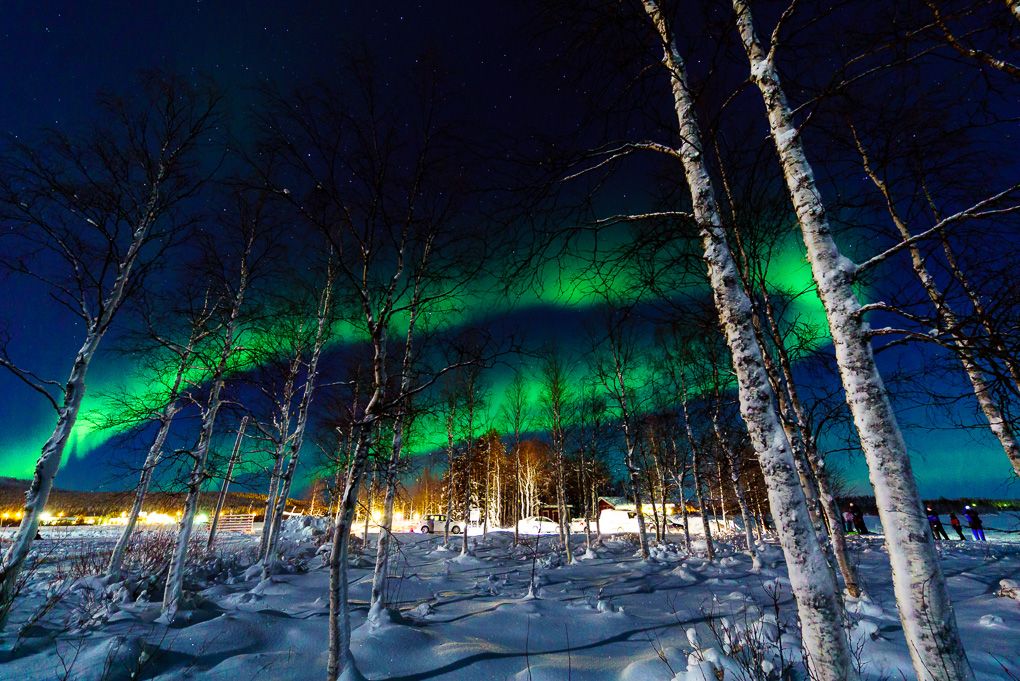
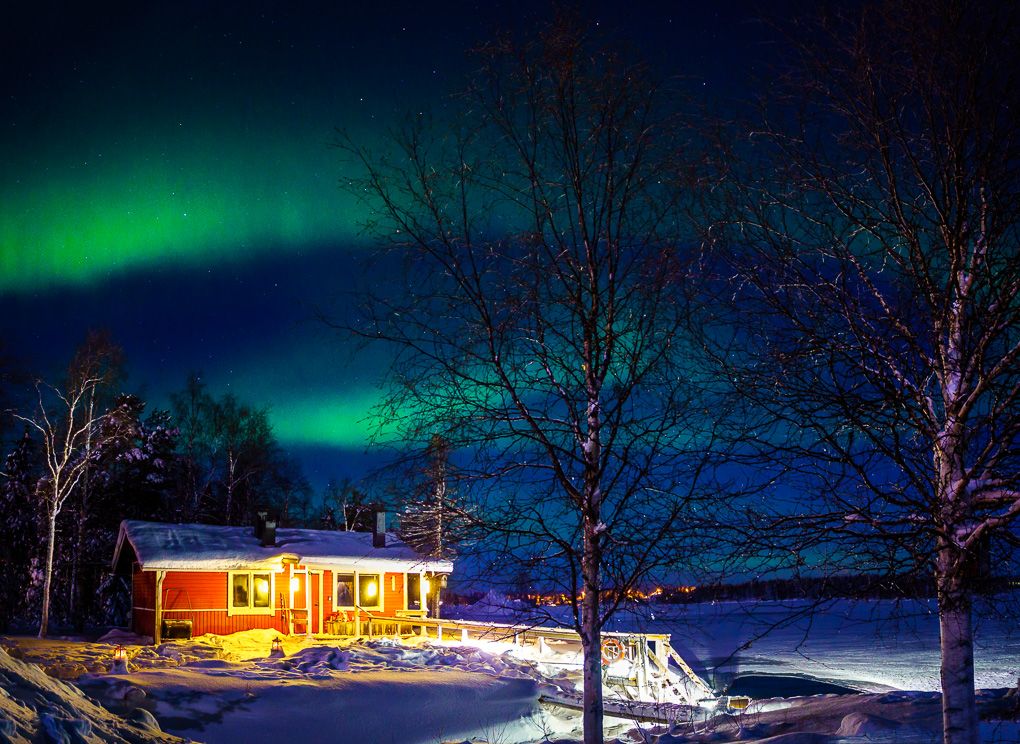
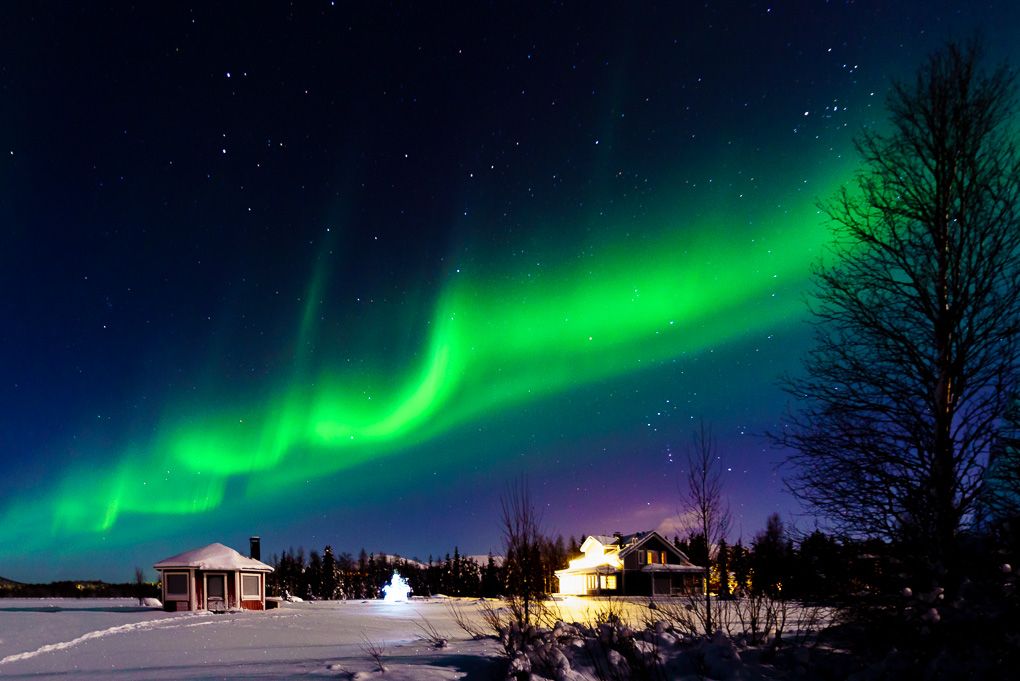
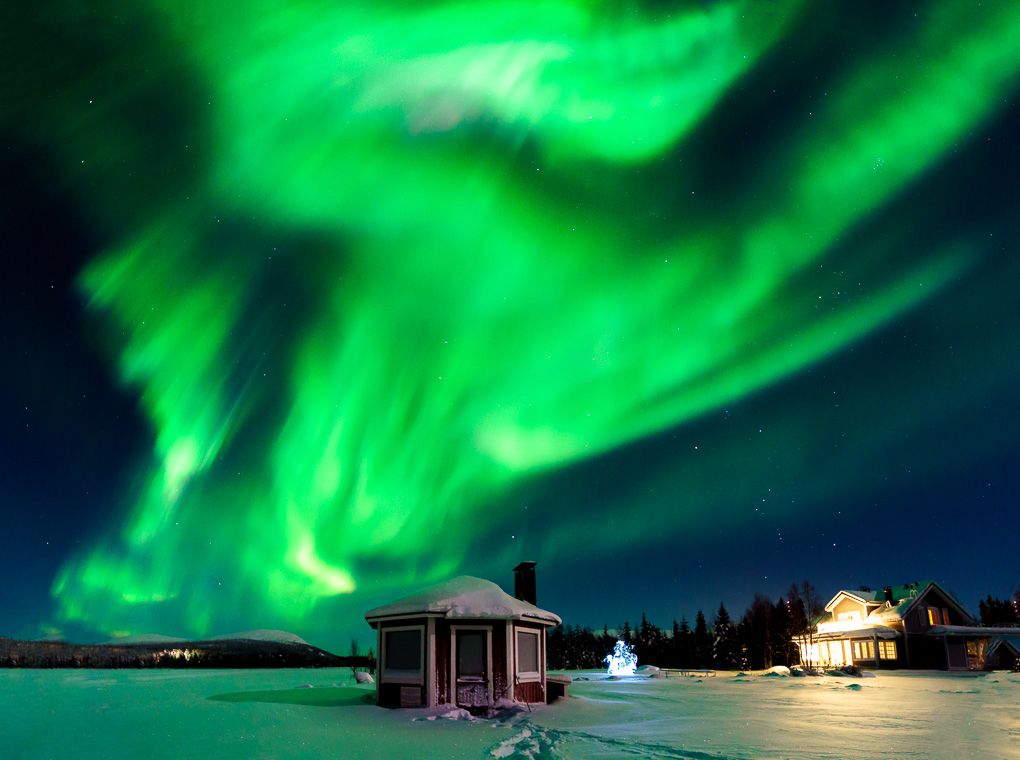
If you come to Lapland in winter, this is the main event. Seeing the sky rip open in green and purple never gets old. The challenge is that everything happens in near pitch-black conditions, and you have to work quickly because auroras change shape and brightness constantly.
I always use a tripod here – without one, your photos will just be a blurry mess. A wide lens is essential because you want to show the scale of the sky, and shooting at f/2.8 or faster helps grab as much light as possible. I normally start with a shutter speed somewhere around 1-10 seconds and set the ISO to about 1200. Auto white balance works fine because you’ll be tweaking colour in the edit anyway. You don't want a shutter speed that's too long, you will lose the intricate details of the lights.
Foreground is everything. Snowy trees, cabins, silhouettes – anything that gives the sky context. Even after all these years, aurora photography still feels like magic.
2. Husky Excursion
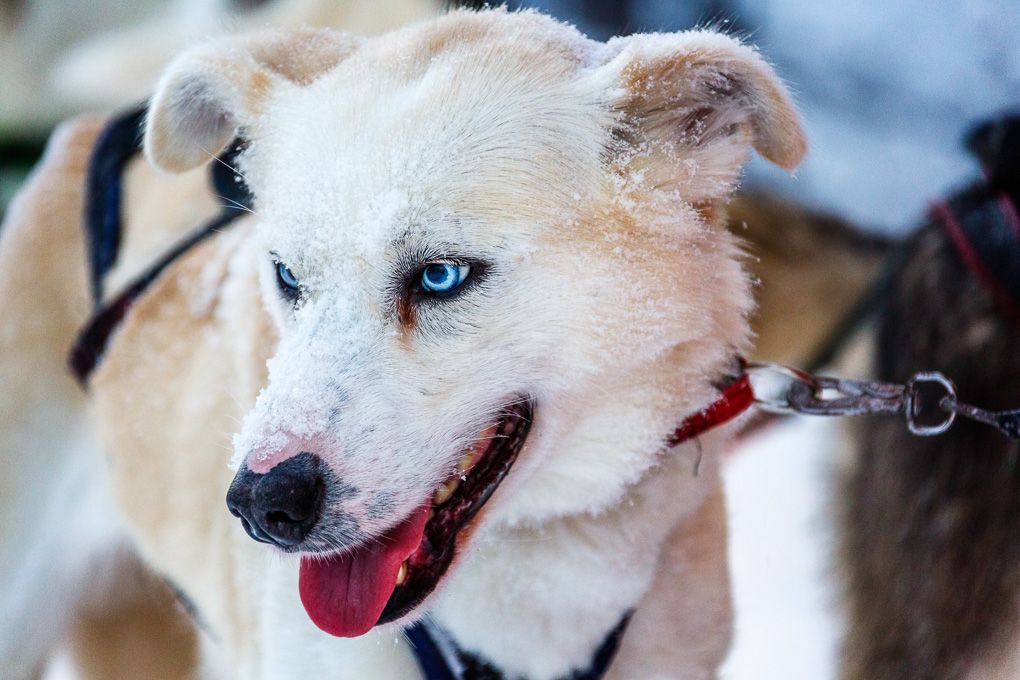
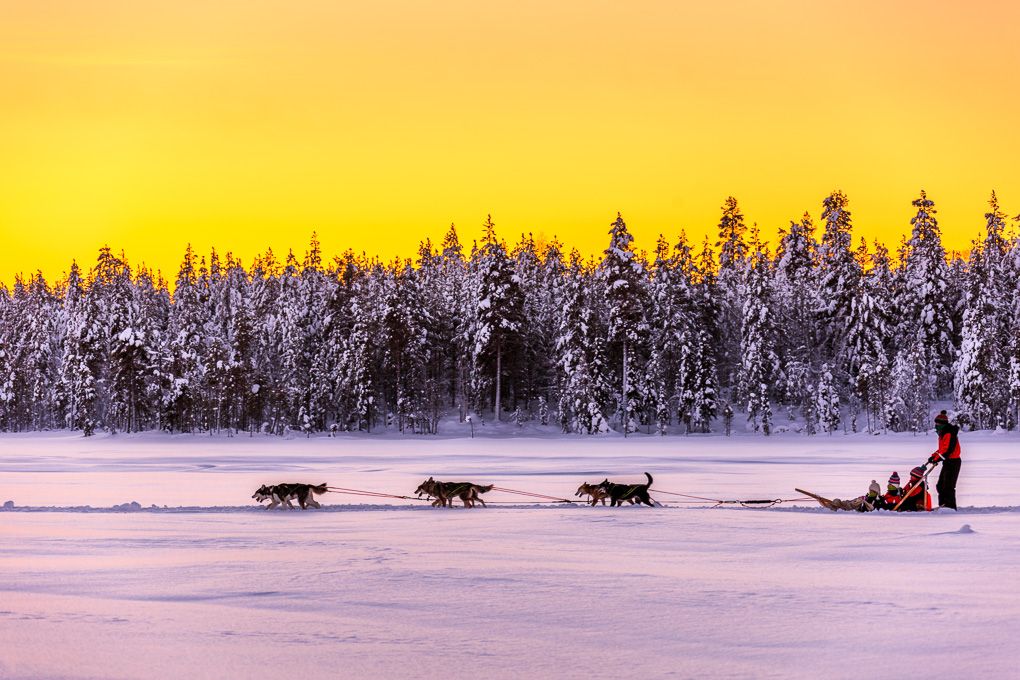
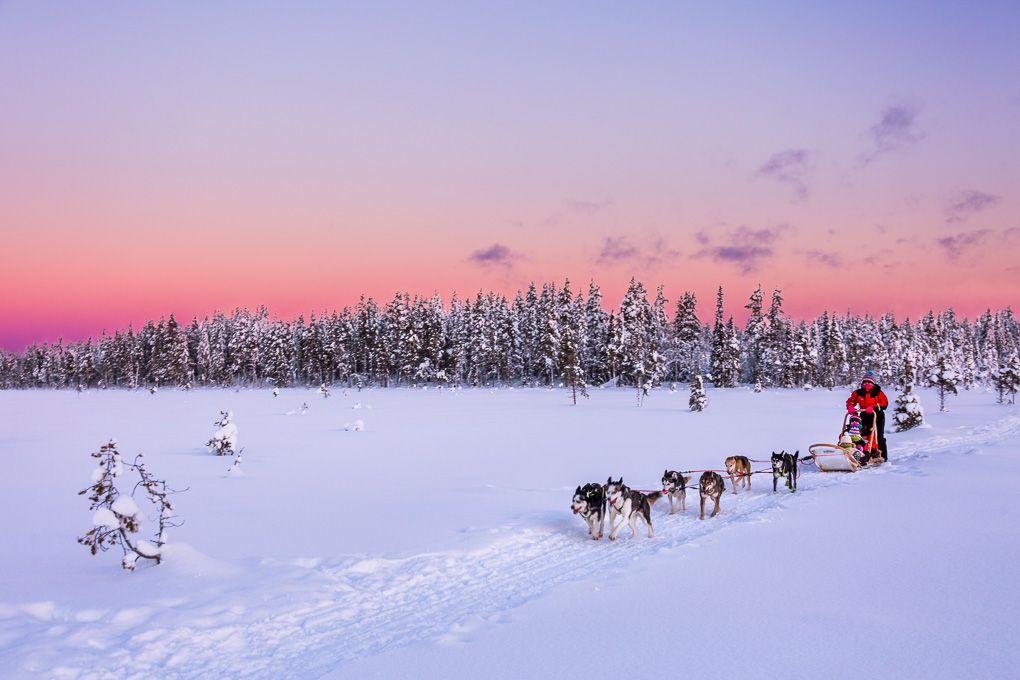
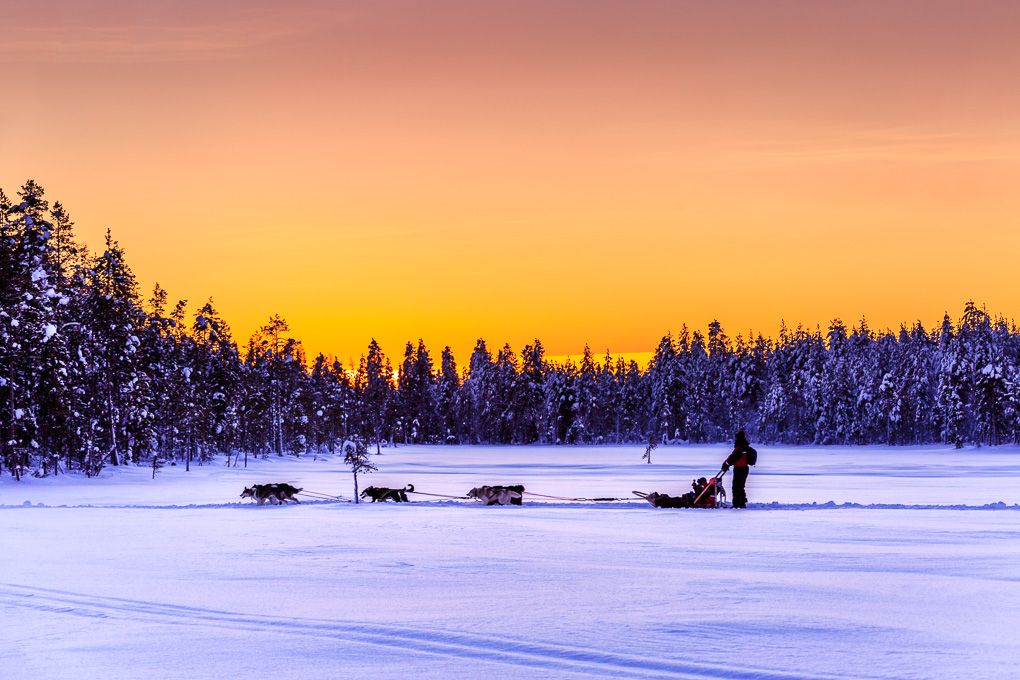
Husky rides are loud, fast, chaotic and absolutely brilliant to do and photograph. The moment the dogs start running, the whole scene becomes unpredictable, which is exactly what makes it fun.
Because everything is moving, I stick to manual mode with ISO on auto so I can hold a fast shutter without worrying about noise. Something fast enough to freeze the action – usually 1/500 sec or quicker – keeps the dogs sharp. I tend to work around f/2.8 - f/4, so I’ve got enough depth of field to keep the whole sledge in focus without losing that nice separation from the background.
The light during these excursions is usually low and cold, so auto WB makes life easier. I spend more time shooting from a low angle, filling the frame with the dogs, the sledge and the snowy track curving into the distance. It’s a great way to make viewers feel like they’re right there behind the team.
3. Snowmobile Excursion
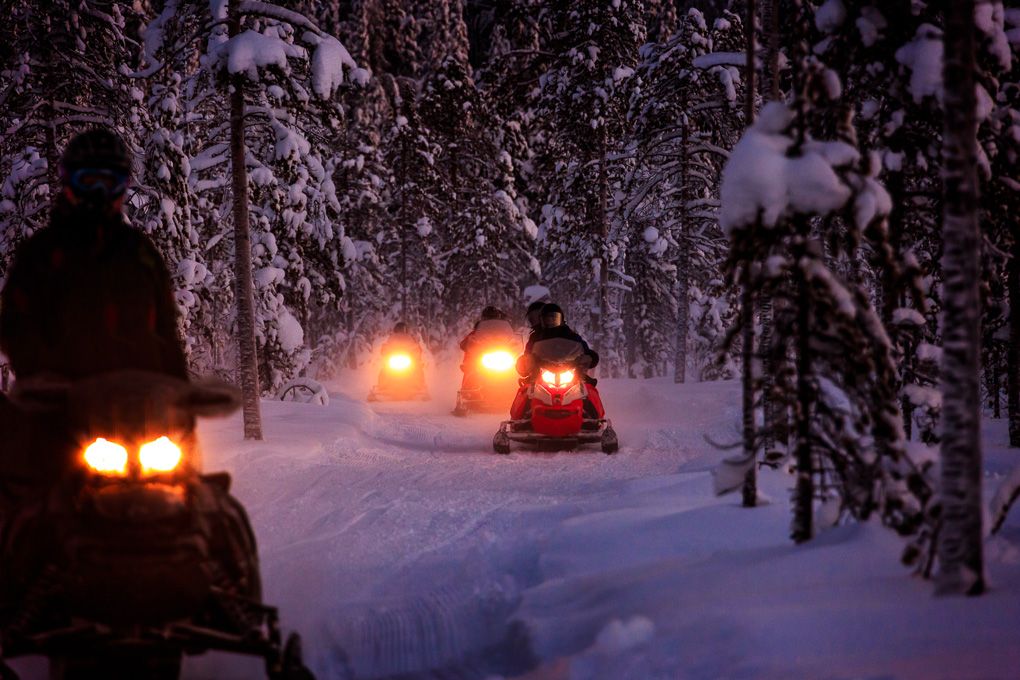
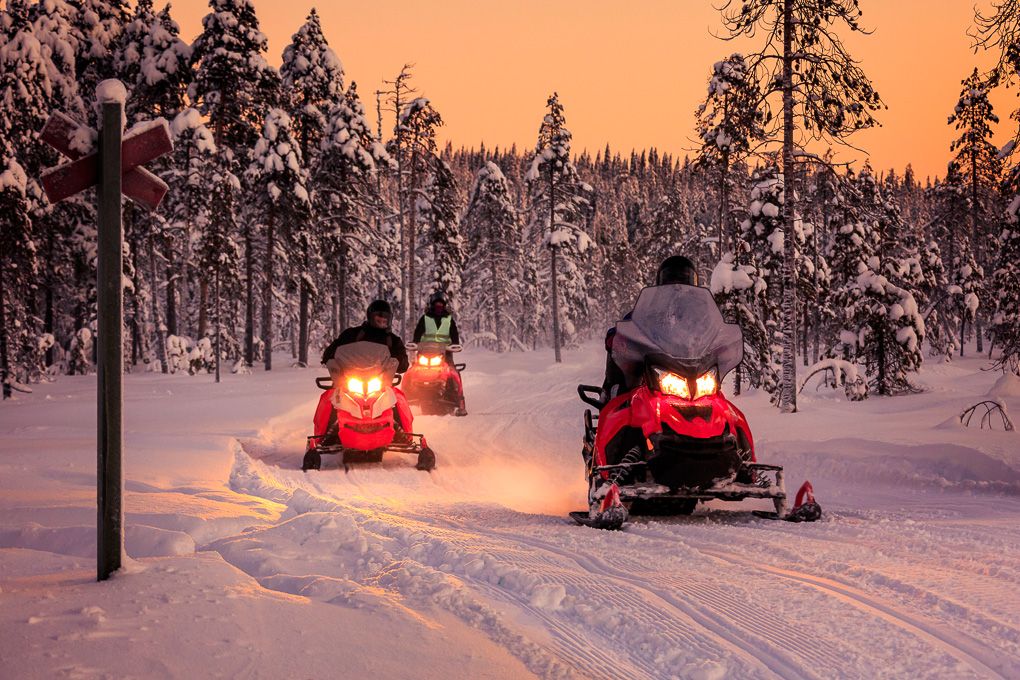
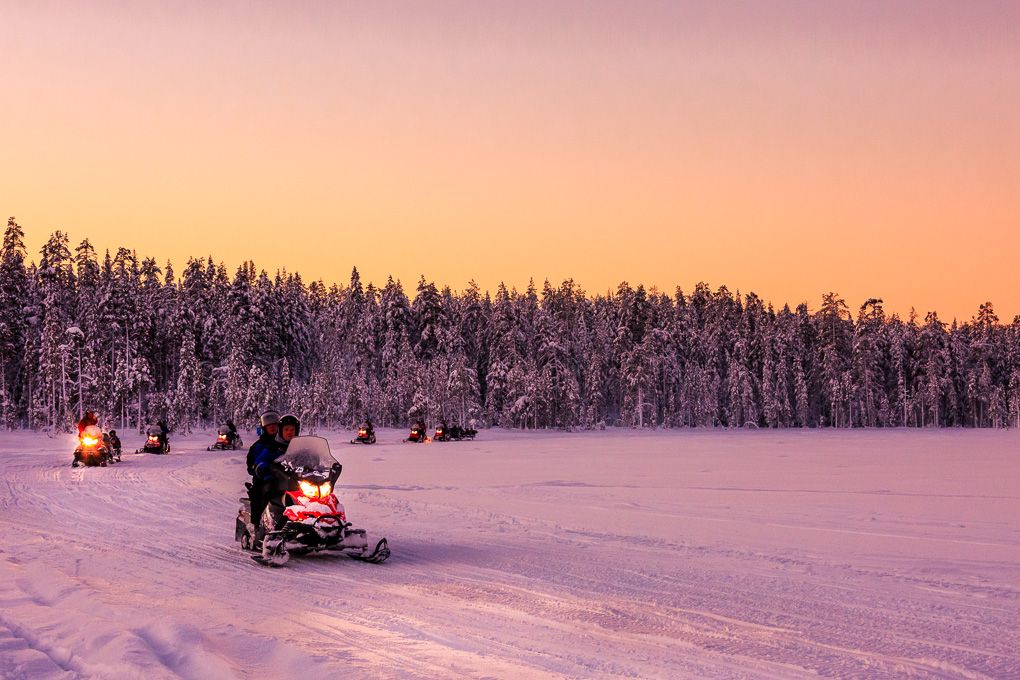
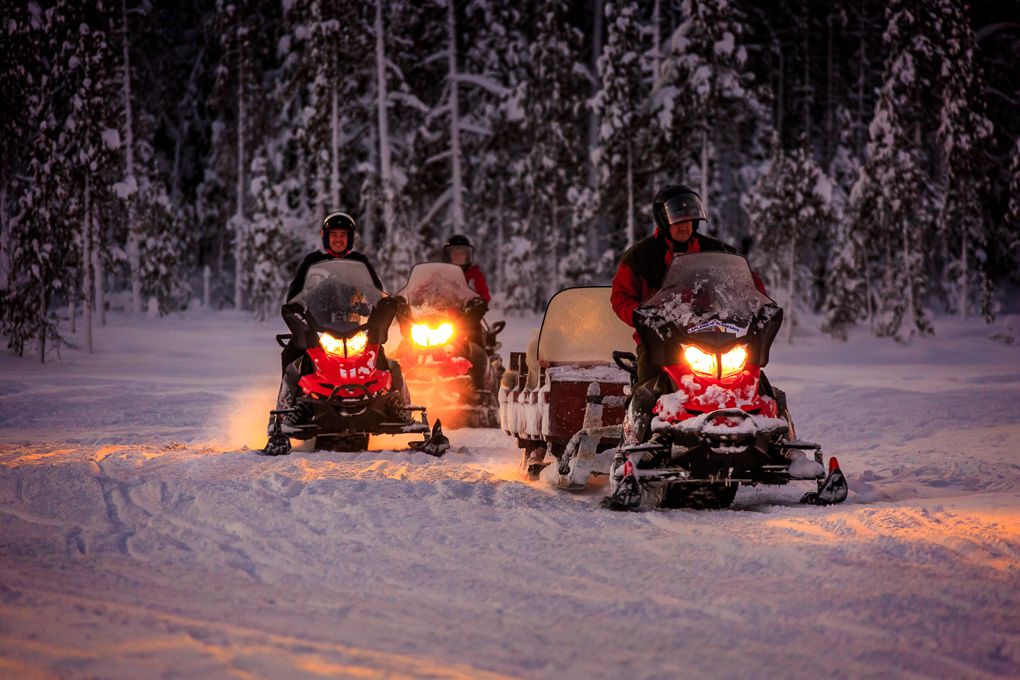
Snowmobiles are all about speed and energy. They kick up snow everywhere, the light is always harsh or low, and you’re either on the back of one or trying to shoot them as they fly past you. In other words, great fun and a proper challenge.
I always shoot these in manual with ISO on auto, because there’s no way I’m fiddling about with sensitivity when someone’s blasting past me at 40mph. A fast shutter, usually around 1/500–1/1000 sec, keeps things sharp. If I want a bit of motion blur, I’ll try a panning shot at around 1/60–1/100 sec and track the rider with the camera.
The snow spray catches the light beautifully when the sun is low, and that’s when snowmobile photos really come alive. Keep a cloth in your pocket, though – snow on the lens is inevitable.
4. Ice Village
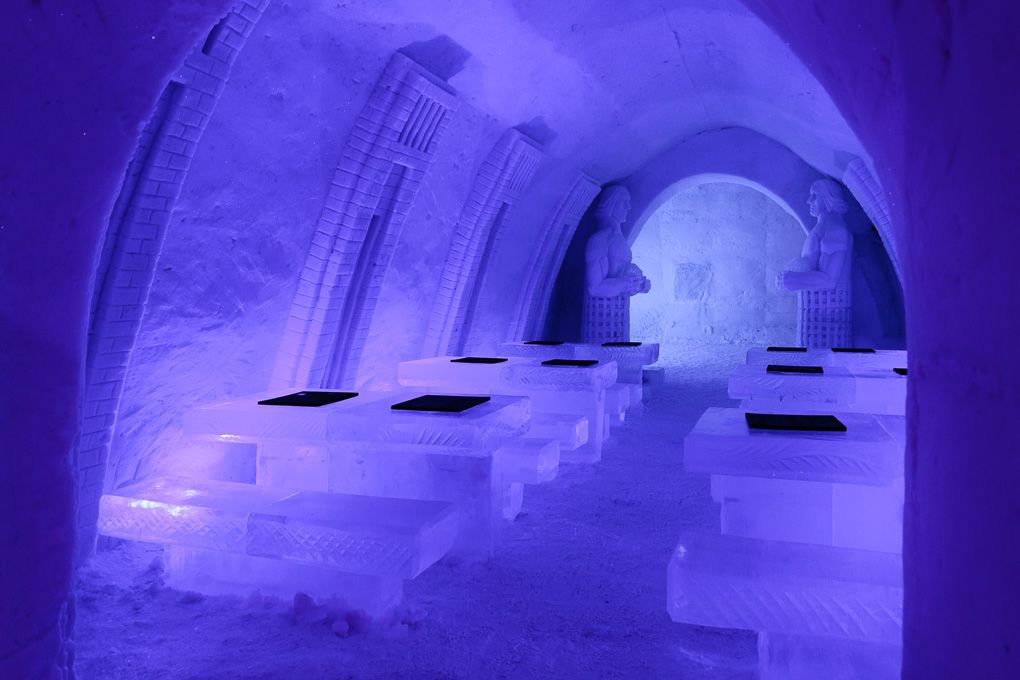
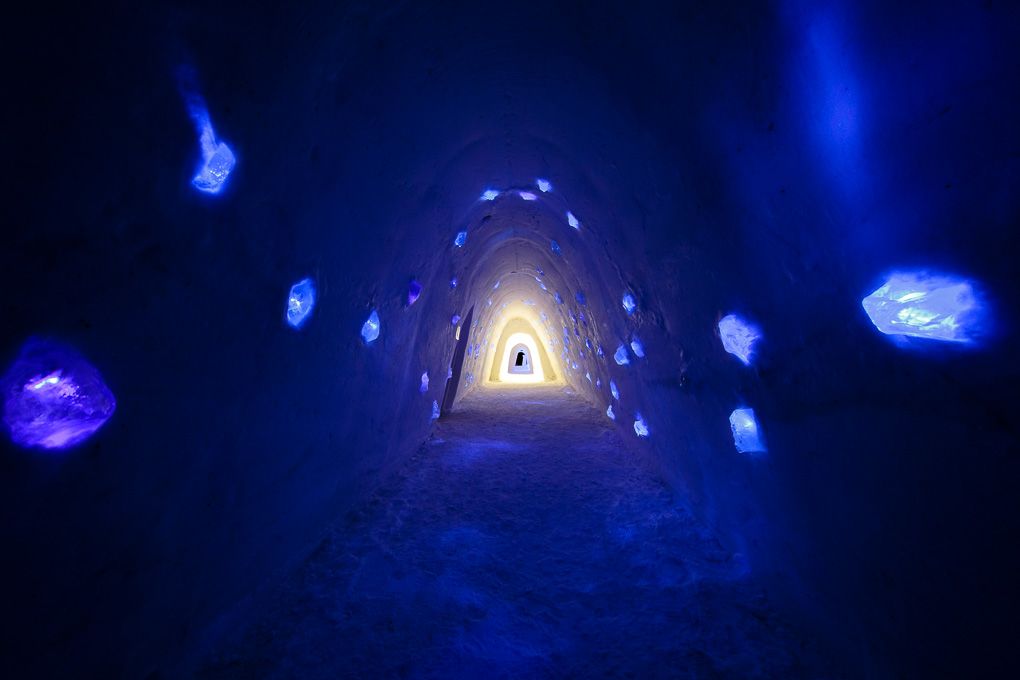
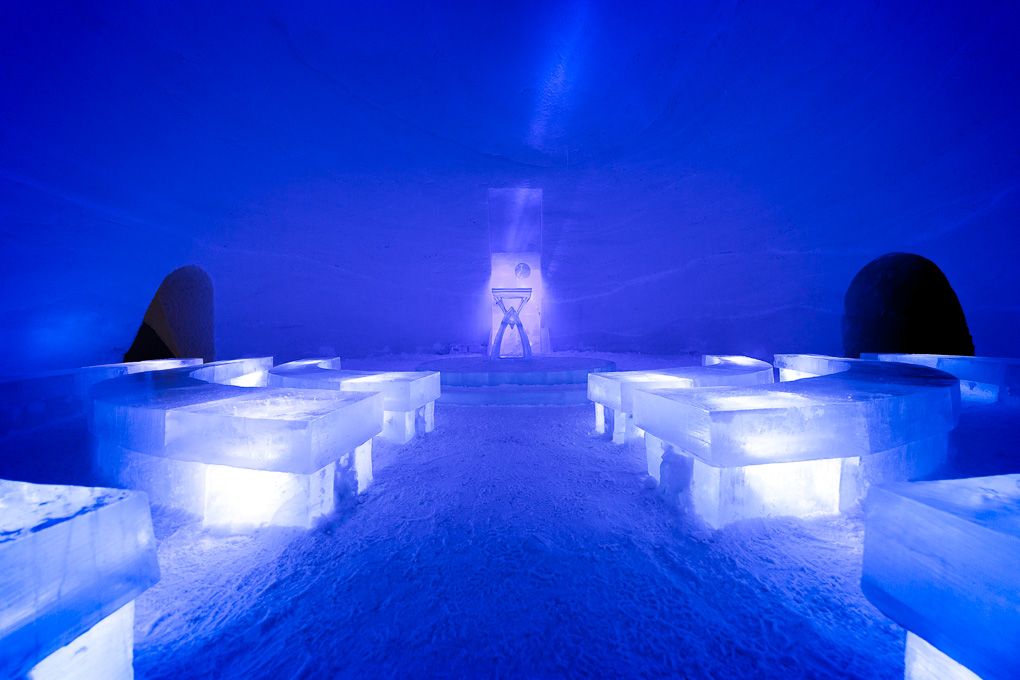
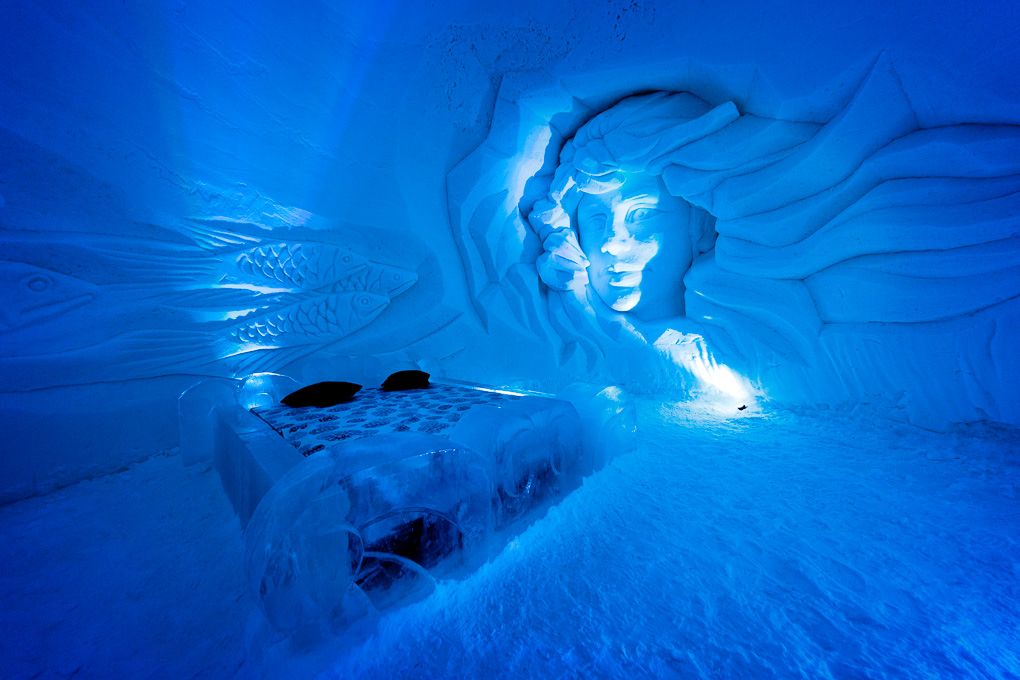
The Ice Village is a totally different vibe – quiet, controlled, atmospheric and full of soft, sculpted light. Everything here is about detail, texture and mood. The lighting is low, so this is another one where a tripod makes your life much easier.
I tend to shoot around f/4–f/5.6, allowing the room’s shape to remain clear while keeping shutter speeds low enough to capture clean, noise-free images. With the tripod doing the heavy lifting, I can keep ISO low for cleaner files. Auto WB is handy here because ice reflects both warm and cool light sources and can confuse your camera.
Symmetry works beautifully in ice structures. Leading lines, archways, carved patterns – it all photographs effortlessly well. The key is slowing down and composing properly.
5. Levi Ski Resort (Kittilä)
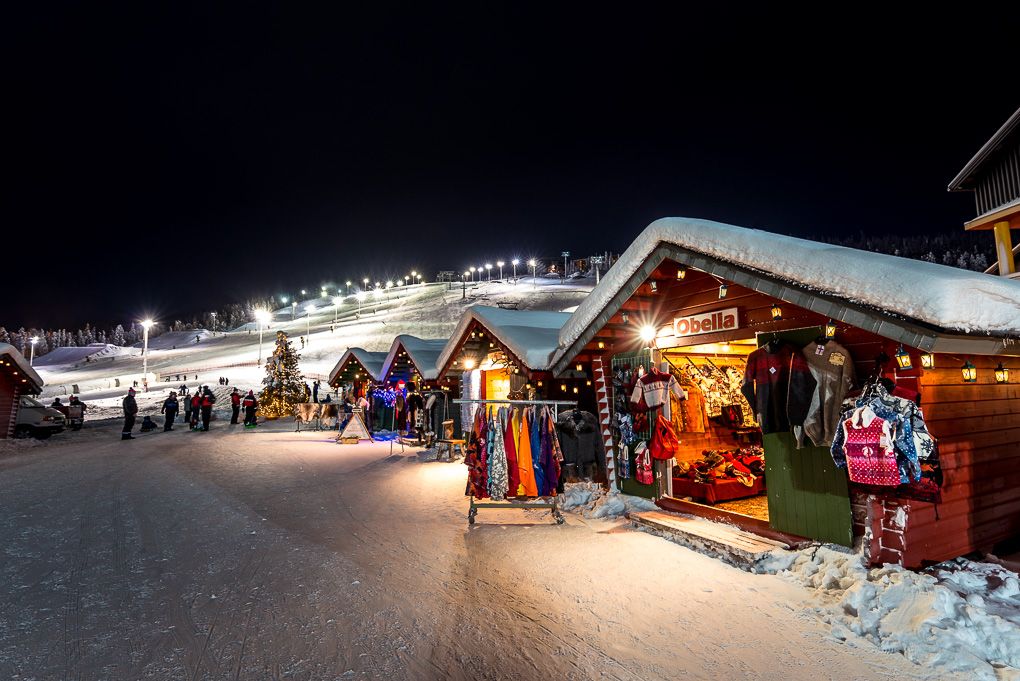
Because Levi is the biggest and most popular ski resort in Finland, it has loads of opportunities to shoot everything from landscapes to lifestyle and commercial-style imagery. As a travel photographer, this is where you can show variety.
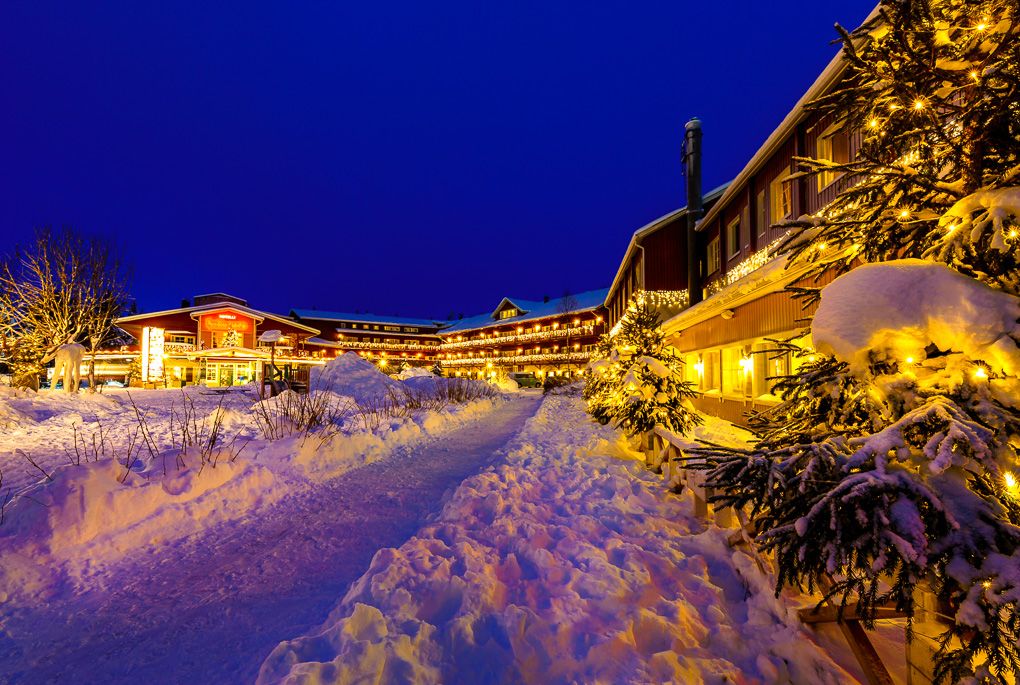
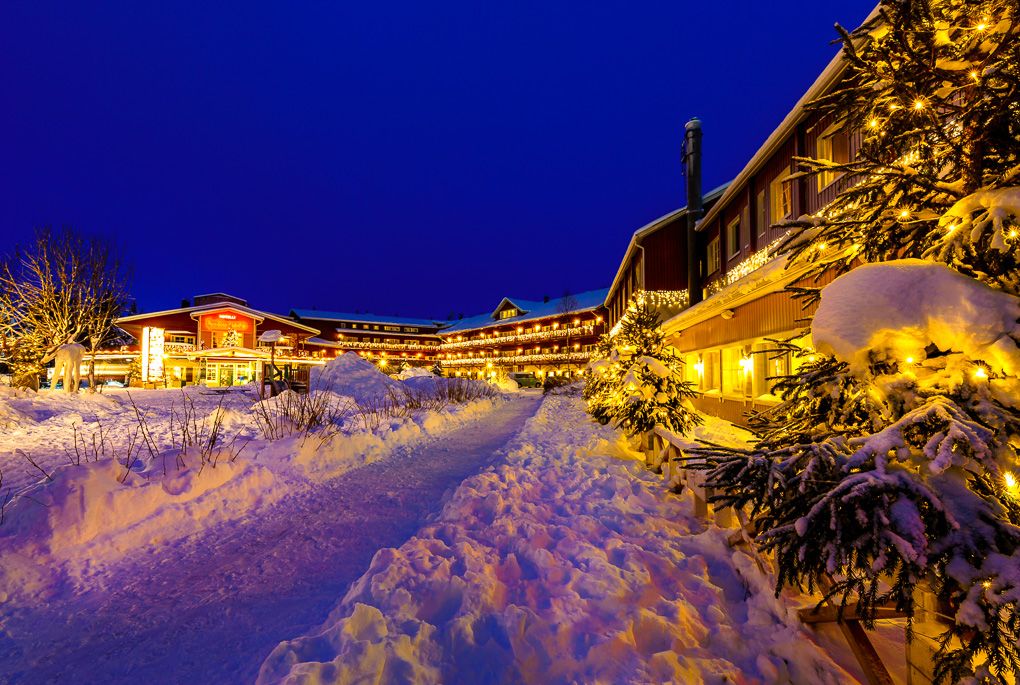
Bright, snowy slopes require a bit of care to avoid exposure issues, as cameras tend to blow out the highlights. I usually shoot around f/8 for landscapes or anything with depth. Auto WB handles the mix of blue shadows and warm village lights surprisingly well.
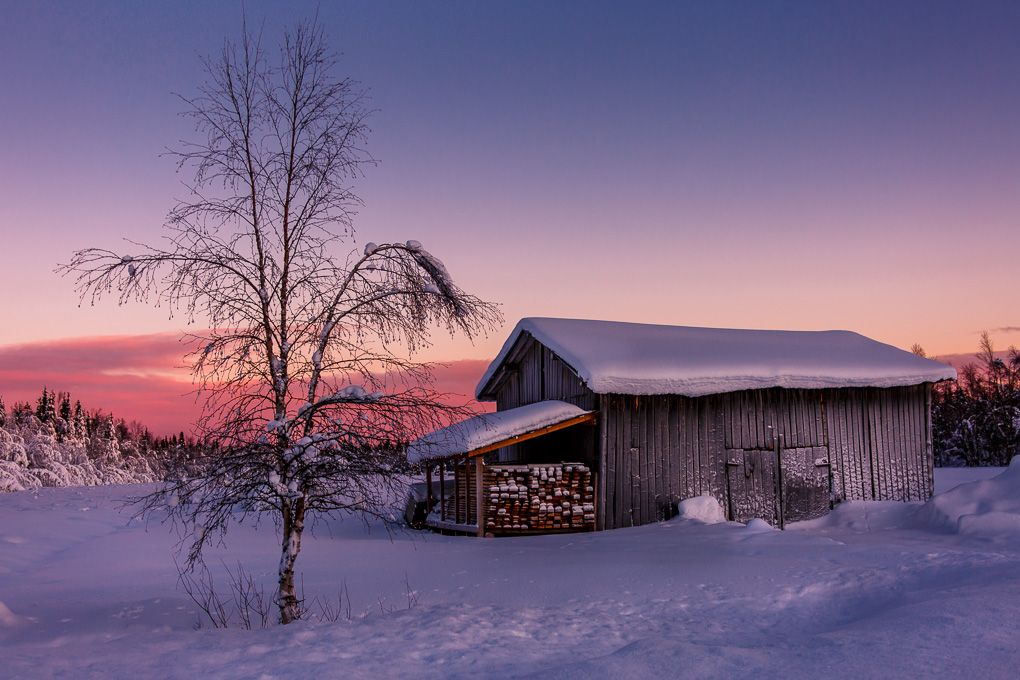
The resort looks amazing at blue hour – warm lights, cool sky, and plenty of atmosphere. This is a great time for village shots, cabins, and wide scenes of the slopes.
6. General Snowy Scenery
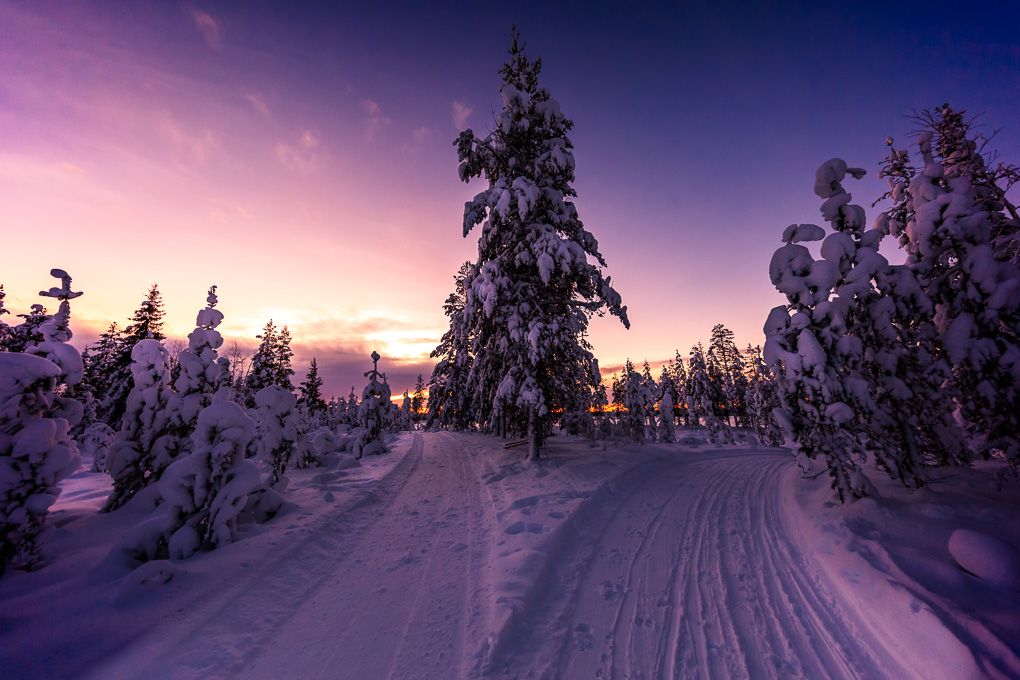
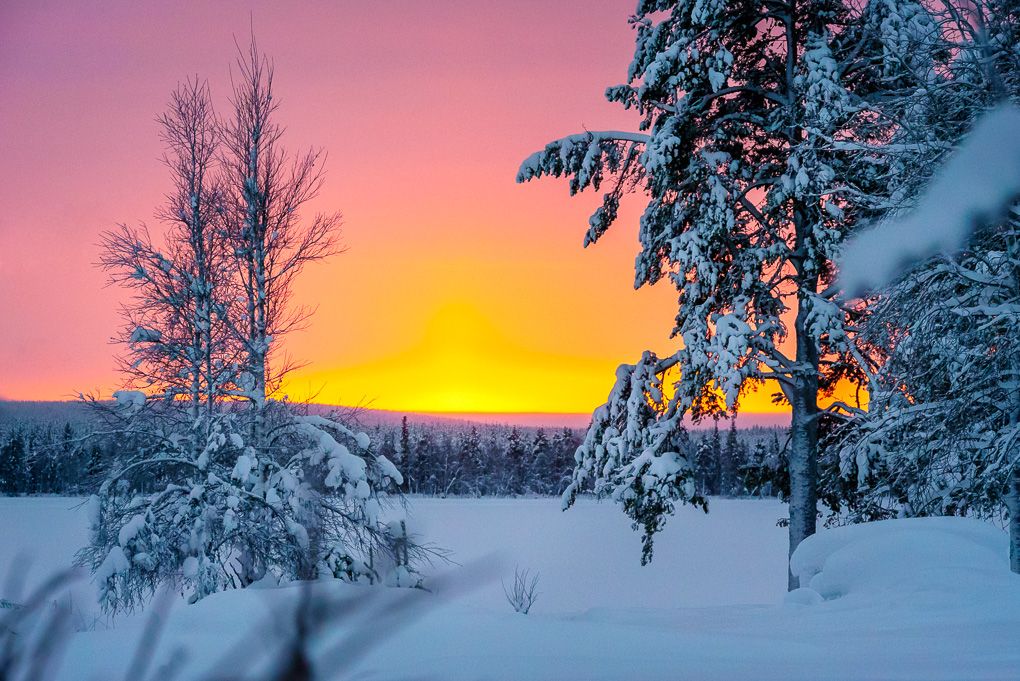
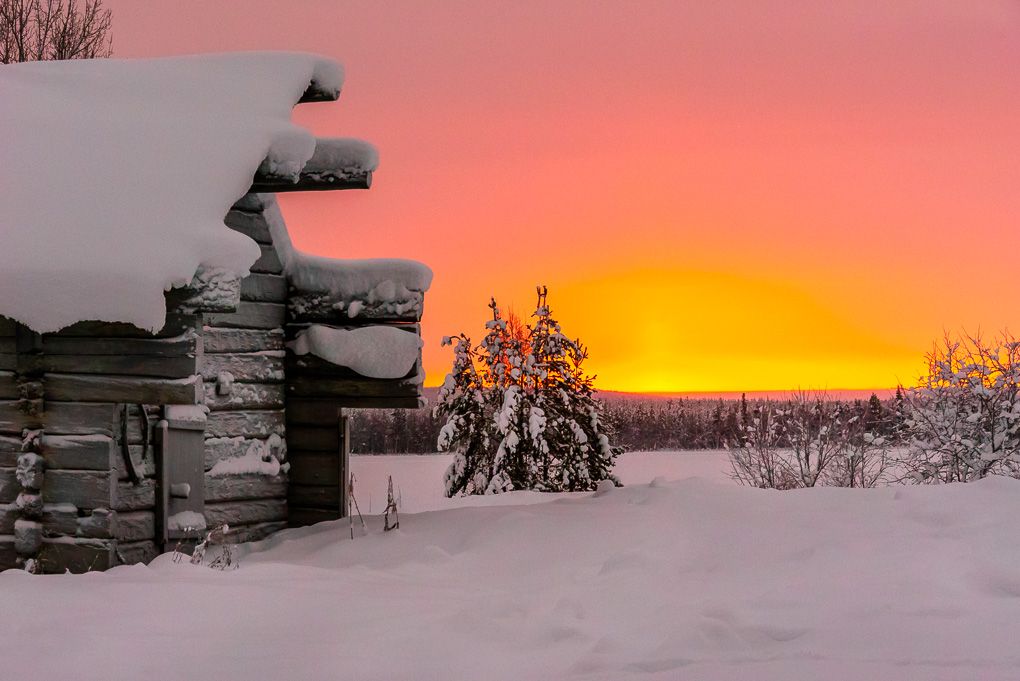
Some of the best shots I took weren’t tied to any excursion at all – just quiet moments in the middle of the snow-covered forest or wide-open frozen lakes.
I often drop onto a tripod here, shoot around f/8–f/11, and keep ISO as low as possible. Snowy landscapes look best when you retain detail in the whites, so checking exposure is key. Auto WB does well in Lapland because the light shifts between warm and blue tones constantly.
I look for leading lines created by tracks in the snow, isolated trees, or layers of hills disappearing into the distance. Even on overcast days, Lapland’s landscapes can look incredibly moody and atmospheric.
7. Santa Village
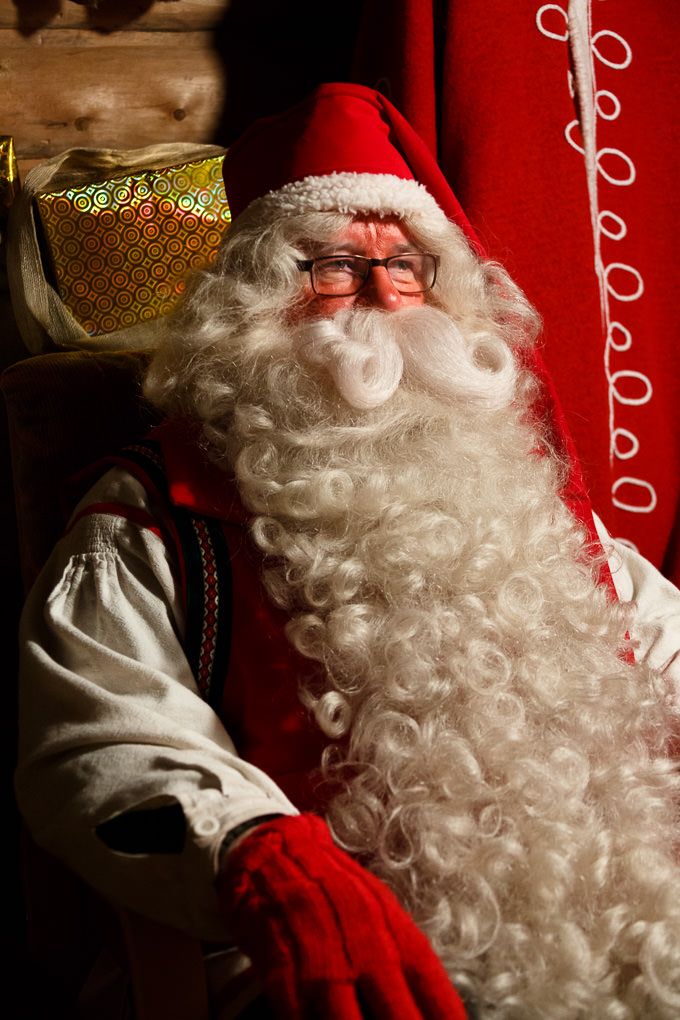
The place is busy, colourful and full of warm lights against cold backgrounds. I normally shoot around f/2.8 to capture Santa with a beautiful bokeh behind him. Shutter speeds don’t need to be crazy fast - he doesn't move that fast. Obviously, saving his speed and energy for the one day he needs it.
Wrap-Up
Lapland is one of the toughest winter locations I’ve ever photographed – but also one of the most rewarding. The low light, the cold, the unpredictability… it forces you to work smarter, shoot faster and think ahead.
Whether you’re using a smartphone, a mid-range mirrorless or a full pro setup with fast glass, the trick is adapting to the conditions and not panicking when the light drops. And honestly, if you can only invest in or rent one thing for Lapland, make it a f/2.8 lens or faster. It’s a game-changer.
Need pro photos for your excursion or activity?
If you run excursions or activities and want proper visuals, not blurry tourist snaps, I can help. I’ve spent years shooting travel, adventure and experience-based content around the world, and I know exactly what operators need: clean, authentic images that actually sell the experience.
Strong visuals boost bookings. Simple as that.
Take a look at the rest of my portfolio here to see the kind of work I produce for brands and operators.
Follow me on Instagram here for fresh travel content, behind-the-scenes bits and examples of how I shoot real excursions in real conditions.
And if you want pricing, availability or a custom package for your business, reach out for a quote here – quick, easy, and no pushy selling.
Let’s get you the kind of images that actually make people hit “book now.”